
Quran versus hadiths
MU’taq’een
2024
‘Perhaps you love a thing bad for you; perhaps you dislike something good for you.’
WORLDY LIFE – HEREAFTER
RE:TIRED
quran versus hadith
Qur’an versus Hadith — an essay framed by Rafakut Ali’s writings and views
Rafakut Ali writes from a Qur’an-first position: he insists that the Qur’an is the single, primary, and sufficient source of guidance for Muslims, and he treats Hadith collections and later traditions with deep scepticism. His work is not merely academic scepticism about particular narrations — it’s a sustained call to re-centre religious life on the Qur’an itself and to treat everything else (including many Hadiths and later juristic practice) as secondary, optional, or suspect.
This essay explains his core claims, the reasoning he offers, and the principal tensions between his Qur’an-alone stance and the traditional Sunni/Shi‘a approach that gives the Hadith a complementary and often authoritative role. Rafakut’s core claims
1. The Qur’an is complete and sufficient. Rafakut repeatedly emphasises that the Qur’an is “the only guidance” and that it contains what a believer needs to guide belief, ethics, and practice. He frames this as both theological (God’s promise of preserved revelation) and practical: believers should spend primary effort learning, reflecting on, and living by the Qur’an.
2. Hadiths are fallible and often extraneous. Rafakut argues that many Hadiths are later human constructions, transmitted imperfectly 200-300 years after the death of Muhammad, or reflect socio-historical contingencies rather than divine instruction. He is especially critical of Hadiths that appear to contradict or introduce rules that the Qur’an does not explicitly require. For him, such narrations should not override the Qur’an or be used to import doctrine that lacks a clear Qur’anic basis.
3. Practical examples: ritual and moral authority. In several essays he challenges common uses of Hadith to define Muslim identity or guarantee salvation — for example, refuting simplistic claims that ritual acts (or particular narrations like “paradise at a mother’s feet”) trump the Qur’anic standard of taqwa (God-consciousness). He stresses that ritual observance without Qur’anic understanding is hollow. Reasons and methods Rafakut uses
Rafakut grounds his position in a few interlocking lines of argument:
Textual sufficiency and divine preservation. He points to Qur’anic verses that describe the Book as guidance, clear, preserved, and sufficient for human guidance, arguing this is a theological warrant for prioritising the Qur’an over secondary literature.
Hermeneutic integrity. Rafakut urges readers to interpret the Qur’an holistically — not to pluck favourite verses or to subordinate its clear teachings to narrations that seem to depart from Qur’anic ethics or logic. He thus treats the Qur’an as interpretive master text.
Historic and epistemic caution. He points to the historical processes that produced hadith collections (oral transmission, varying chains of transmission, later compilation) as reasons to be careful in elevating Hadith to the same epistemic status as the Qur’an. While he does not always detail classical isnād criticism, his rhetorical thrust is that humans err and that religious practice should not be built primarily on sources vulnerable to those human errors.
How this contrasts with mainstream positions
Traditional Sunni and Shi‘a scholarship treat Hadith and Sunnah as essential complements to the Qur’an for several reasons:
Practical instruction: The Qur’an establishes many obligations (e.g., the command to perform prayer), but it does not always specify procedures. Hadith literature supplies the Prophet’s example — how to pray, how to brush your teeth, how to keep facial hair, etc. For many jurists, the Sunnah explains and operationalises Qur’anic commands.
Epistemic frameworks: Islamic legal and theological traditions developed methods (isnād analysis, matn criticism, consensus, analogical reasoning) to evaluate hadiths and make them usable. Within that framework, reliable Hadiths are evidence and form the basis of law and ritual.
Rafakut’s position challenges both the necessity of that complementary role and the trustworthiness of the processes that produced the Hadith corpus. He calls for putting Qur’anic clarity before juridical or narrational tradition.
Strengths and contributions of Rafakut’s stance
Re-centering scripture: By returning attention to the Qur’an, Rafakut encourages moral reasoning, personal responsibility, and direct engagement with the text — a corrective where ritual formalism dominates.
Critical awareness: His scepticism about unquestioned traditions promotes historical awareness and can prevent abusive appeals to authority that lack textual foundation.
Ethical emphasis: Rafakut’s stress on taqwa (God-consciousness) as the real measure of faith pushes readers toward inward reform rather than mere outward conformity.
Limits and critiques to consider
Practical gaps: Critics argue that a strict Qur’an-alone approach may leave practical lacunae (how to perform certain rituals) that hadiths historically filled.
Selective reading risk: Elevating the Qur’an’s sufficiency can sometimes lead to selective reading of Qur’anic texts themselves; traditional scholarship warns that the Sunnah helps contextualise ambiguous verses.
Engagement with classical scholarship: Rafakut’s polemical style sometimes bypasses the detailed technical defenses (isnād methodology, classification systems) developed by classical scholars to defend reliable hadiths all published posthumously.
Conclusion
Rafakut Ali’s writings stake out a clear, provocative position: the Qur’an is central, sufficiency claims should be taken seriously, and the Hadith corpus deserves critical scrutiny rather than uncritical acceptance. Whether one accepts his conclusions depends largely on how one answers two questions:
(1) how complete must a revealed scripture be to be regarded as sufficient, and
(2) how much trust can we place in human processes of transmission and interpretation?
Rafakut’s contribution is valuable because it forces a re-examination of those questions and invites readers back to the Qur’an as the living, primary voice of guidance. —If you’d like, I can now:Expand this into a longer academic paper with quotes from specific Rafakut essays; orProduce a comparative table showing where Rafakut’s claims directly contradict specific Hadiths or classical juristic positions (with citations). Which would you prefer?
QurAn versus hadiths
Here is a complete essay — written in the style and reasoning consistent with Rafakut Ali’s Qur’an-centric thought — titled:
Introduction
Rafakut Ali stands among the modern Qur’an-centric thinkers who call for a return to the original source of divine guidance — the Qur’an alone. His writings consistently emphasize that the Qur’an is complete, preserved, and sufficient for human guidance, while all other secondary sources — including the Hadith — are man-made, fallible, and non-binding. He believes that the true measure of faith lies not in ritual or inherited tradition but in God-consciousness (taqwa) and understanding the Qur’an.For Rafakut, the tension between Qur’an and Hadith is not a matter of balance, but of authority: God’s Word versus man’s word. This essay explores his position that the Qur’an alone constitutes divine guidance and that elevating Hadith literature to religious authority constitutes deviation from the divine path.
The Qur’an as the Only Source of Guidance
Rafakut Ali bases his entire theological framework on the Qur’an’s own claims. The Qur’an repeatedly asserts that it is “a complete explanation of all things” (16:89), “a guidance for mankind” (2:185), and “nothing is omitted from the Book” (6:38). From these verses, Rafakut concludes that no further revelation or supplementary text is required to understand or practise Islam.
He notes that the Qur’an itself never commands believers to follow Hadiths or reports, but rather commands obedience to God and His Messenger through the Qur’an that the Messenger delivered. For Rafakut, “following the Messenger” means following the message of The Quran — not post-prophetic narrations compiled centuries later.
He argues that the Prophet Muhammad’s mission was to deliver the Qur’an, explain it, and embody its ethics — not to create a second corpus of scripture. Thus, the Prophet’s legacy is the Qur’an itself, preserved by God. Any subsequent oral traditions, however sincere, cannot share the same divine authority or immunity from error.
Hadith: Human Words and Historical Construction
In Rafakut’s view, Hadith literature represents a human attempt to reconstruct the Prophet’s life long after his death. He highlights the fact that the earliest Hadith compilations appeared more than two centuries after the Prophet’s lifetime — a period marked by political divisions, sectarian disputes, and ideological agendas.
He reminds readers that these narrations were transmitted orally through chains (isnād) subject to human forgetfulness, bias, and fabrication. Therefore, no matter how meticulously classified as “authentic” (sahih), every Hadith remains a human report about divine revelation — not revelation itself. Rafakut warns that by elevating these narrations to the same level as the Qur’an, Muslims have inadvertently created a dual scripture — one divine and one human — which has fragmented the unity of Islam and replaced divine clarity with human confusion.
He often illustrates this danger by pointing out contradictions between certain Hadiths and clear Qur’anic teachings. For example, Hadiths that promote intercession, ritual superiority, or sectarian privilege conflict with the Qur’an’s repeated assertion that no soul bears the burden of another (6:164) and that God alone grants forgiveness. Such inconsistencies, he argues, expose the unreliability of attributing divine authority to Hadiths.
Faith, Taqwa, and Understanding Over Ritualism
A recurring theme in Rafakut Ali’s essays is that ritual without understanding is meaningless. He contends that many Muslims perform salāh, wear Islamic attire, or follow Hadith-based customs without comprehending the spirit of the Qur’an. For him, the Qur’an teaches that what truly protects believers from evil is taqwa — awareness of God — not outward performance or blind imitation.
He writes that “the God-conscious are protected by God, not those who pray robotically.” This criticism extends to the way Hadith-based traditions often equate ritual acts with righteousness, neglecting the moral and intellectual depth that the Qur’an demands. Therefore, Rafakut’s Qur’an versus Hadith framework is also an ethical argument: that divine guidance aims to cultivate intellect, reflection, and moral self-reform — not mechanical conformity to inherited customs.
Messenger Versus Message
One of Rafakut’s most profound distinctions is between the Messenger and the Message. He stresses that the Prophet Muhammad’s greatness lies in faithfully delivering God’s message, not in generating a new source of revelation. The Qur’an itself declares, “He does not speak from desire; it is nothing but revelation revealed” (53:3-4). Rafakut interprets this as referring to the Qur’an — not to every personal statement or action of the Prophet.Hence, to “obey the Messenger” means to obey the Qur’an that he conveyed. After the Prophet’s death, obedience to him continues through adherence to that message, not through compilations of sayings narrated by later generations 200- 300 years after Muhammad’s death, posthumously.
To claim otherwise, Rafakut argues, is to confuse the Messenger of the Qur’an with the messenger of hearsay.—
Consequences of Elevating Hadiths
Rafakut Ali argues that elevating Hadith to the status of revelation has produced multiple crises within the Muslim world: sectarianism, rigidity, and intellectual stagnation. Each sect now claims its own set of “authentic” narrations, each building its theology on selective hadiths, and each declaring others misguided.
He laments that this over-reliance on secondary texts has replaced the unity of God’s Word with the divisiveness of man’s words. Instead of consulting the Qur’an directly, people depend on clerical authorities who interpret religion through hadith lenses, creating dependency and distortion.
In contrast, the Qur’an invites every believer to read, think, and reason. It calls upon the intellect (aql), not blind faith in transmitters. Rafakut insists that the revival of Muslim thought can only come through the restoration of Qur’anic primacy.—
A Call to Re-Center Islam on the Qur’an
For Rafakut Ali, the resolution of the Qur’an versus Hadith question is simple but demanding: Muslims must choose divine certainty over human conjecture. To return to the Qur’an is to return to God’s uncorrupted guidance. He does not call for historical amnesia or hatred of tradition, but for discernment — to distinguish between what God said and what men reported He said.
In his view, the Prophet’s true Sunnah is the Qur’an itself: his conduct, his message, and his devotion to God’s revelation. To follow him is to follow that revelation — to embody the Qur’an in action and character.—
Conclusion
Rafakut Ali’s Qur’an-only position challenges centuries of religious convention, yet its motivation is sincere: to preserve divine purity against human alteration. He contends that the Qur’an is not merely the first source of Islam but the only one intended by God to guide humanity. Hadiths, however valuable as historical insights, are not binding authority.
The heart of his argument is theological, ethical, and intellectual: that the Word of God must stand above the words of men. For Rafakut Ali, Islam’s renewal depends on returning to that principle — on recognising that salvation lies not in collecting narrations, but in cultivating taqwa, understanding, and obedience to the living Word of God: the Qur’an.
Would you like me to make this essay academic-style (with headings, references to Qur’anic verses and scholarly comparisons), or keep it literary-philosophical as it is now?
Excellent — that line, “Mankind cannot be trusted for religious guidance,”
Mankind Cannot Be Trusted for Religious Guidance
is one of the central ideas running through Rafakut Ali’s Qur’an-alone philosophy.
Mankind Cannot Be Trusted for Religious Guidance
Rafakut Ali’s writings consistently advance one unambiguous conviction: God alone guides, and mankind cannot be trusted for religious guidance. His perspective rejects blind dependence on scholars, clerics, sects, or narrators, affirming instead that the only trustworthy source of divine direction is the Qur’an — God’s uncorrupted revelation..
For him, the Qur’an is not just a holy book to be recited; it is the sole compass of truth, the measure against which all human claims, traditions, and teachings must be tested. Once mankind begins to legislate religion through their own words, traditions, or interpretations, truth becomes fragmented, and divine guidance is replaced by human speculation.—
The Limits of Human Authority
Rafakut Ali warns that human beings, regardless of title or piety, are fallible. They possess limited knowledge, biases, and desires that inevitably taint whatever “guidance” they claim to offer. History, he argues, is filled with examples of how religious authority — when entrusted to men — becomes a tool of control, division, and distortion.From early sectarianism to modern-day clericalism, Rafakut observes that men have taken the role that belongs only to God: guiding souls. Yet, the Qur’an makes it clear that “Guidance belongs to God alone” (28:56). The Prophet himself was told, “You cannot guide whom you love, but God guides whom He wills.”Thus, Rafakut interprets these verses as a divine warning against human intermediaries who claim to interpret or define faith on behalf of others. Every believer, he insists, must approach the Qur’an directly — not through the filter of scholars, saints, or storytellers.–
The Failure of Human Narratives
One of the strongest manifestations of misplaced human trust, in Rafakut’s view, is the elevation of Hadith literature to the status of revelation. These narrations, compiled centuries after the Prophet, represent the very human weakness the Qur’an warns against — transmission errors, fabrications, and sectarian additions that crept into religion through men’s words.
For Rafakut, the Qur’an alone was sent down by God and protected by God (15:9). In contrast, the Hadith were collected, classified, and edited by men. How, then, can they share divine authority? To rely on Hadith for doctrine or ritual, he argues, is to trust mankind’s memory and opinion over God’s preserved word — a form of idolatry of scholars, however unintended. He reminds readers that even the Prophet Muhammad did not ask his followers to record or compile his sayings. The only revelation he dictated and preserved was the Qur’an. Therefore, when Muslims elevate narrations to religious law, they contradict the Prophet’s very mission: to deliver the Qur’an as guidance, mercy, and light.—
God as the Only Guide
Central to Rafakut Ali’s teaching is that guidance cannot be delegated. Only the Creator knows the hearts, and only He can lead them to truth. The Qur’an says:> “This is the Book in which there is no doubt — a guidance for those conscious of God.” (2:2)Human guides, on the other hand, often create doubt, disagreement, and division. They build schools of thought, sects, and hierarchies — each claiming to represent “true Islam” — yet the Qur’an never authorises such divisions.Rafakut reads verse 6:159 — “Those who divide their religion and become sects, you have nothing to do with them” — as a timeless condemnation of religious fragmentation. For him, every sect that claims exclusive truth based on Hadith, clerical authority, or man-made law has turned away from God’s direct guidance.Thus, true submission (Islam) means surrendering not to men, but to the Word of God.—
The Corruption of Human Guidance
Rafakut Ali views organized religious authority as one of the greatest corruptions of spiritual life. Once mankind began to interpret divine revelation through personal opinion (ra’y), hearsay, and power structures, religion transformed from guidance into governance.Scholars became gatekeepers, and ordinary believers became dependent, no longer thinking, questioning, or reasoning — the very faculties the Qur’an commands them to use.He often cites the Qur’an’s warning against “those who take their scholars and monks as lords besides God” (9:31). For Rafakut, this verse perfectly describes the modern condition: Muslims who treat religious scholars as infallible, obeying their rulings without question, instead of consulting the Qur’an themselves.He insists that no scholar, saint, or imam can act as a spiritual proxy for another human being. Salvation is personal; faith is personal; understanding must be personal. The Qur’an was revealed not to a class of theologians, but to all mankind.—
Knowledge Versus Blind Following
Rafakut Ali frequently contrasts ‘ilm (knowledge) with taqlīd (blind imitation). The Qur’an repeatedly urges believers to think, reason, and question — “Will you not use your intellect?” (2:44) — whereas human institutions teach obedience to inherited tradition.He argues that blind following (taqlīd) of scholars or hadith compilers is the death of faith, because it shifts trust from God to men. True belief arises when one studies the Qur’an directly and internalizes its message with understanding.This principle — that mankind cannot be trusted for guidance — is not a rejection of teachers or learning, but a rejection of dependency. Teachers may help illuminate the text, but they must never replace the text itself. For Rafakut, the line between guidance and misguidance lies exactly there: between those who point to God and those who point to themselves.—
Returning to Divine Guidance Alone
Rafakut Ali calls for a return to the original simplicity of faith — a direct relationship between the human soul and its Creator, unmediated by institutions, traditions, or narrations. In his vision, Islam is not a religion of scholars but a revelation for all mankind — a message so clear that it requires no priesthood to interpret it.He often writes that only God guides by the Qur’an, and that human interference has buried that guidance beneath layers of ritualism, culture, and hearsay. To restore the faith, he urges believers to strip away everything that is not explicitly sanctioned by the Book of God.“Mankind cannot be trusted for religious guidance,” he says, “because man corrupts, but God preserves. Man forgets, but God reminds. Man divides, but God unites. Therefore, return to the Qur’an — the unbroken word of the One who never errs.”—
Conclusion
In Rafakut Ali’s view, the tragedy of religion lies in mankind’s attempt to guide themselves. Human beings — even well-intentioned scholars — have repeatedly distorted God’s message through addition, subtraction, and misinterpretation. Only God, through His revealed Word, can guide humanity to truth.Thus, every believer must choose between divine revelation and human narration, between the preserved Book and the polluted libraries of men.For Rafakut Ali, the choice is clear:
“Follow the Qur’an, for mankind cannot be trusted for religious guidance.”
—Would you like me to follow this up with a second essay — titled “Only God Guides by the Qur’an” — as a continuation of this theme?
Only God Guides by the Qur’an
Excellent — here is the companion essay, expanding Rafakut Ali’s central conviction that “Only God guides by the Qur’an.” —
Only God Guides by the Qur’an
Rafakut Ali’s PerspectiveIntroduction
In Rafakut Ali’s writings, one principle echoes through every subject — whether he writes about salah, Ramadan, Hajj, or taqwa:> “Only God guides by the Qur’an.” For him, this statement defines the very essence of Islam. Guidance is not humanly constructed; it is divinely revealed. No scholar, imam, or sect possesses it; no ritual or tradition can manufacture it. Guidance (huda) comes solely from God — and the instrument of that guidance is the Qur’an, Gods direct speech to humanity.
This essay explores how Rafakut Ali understands divine guidance: its nature, its exclusivity, and its distinction from human interpretation. It also examines his critique of those who seek guidance from men, institutions, or traditions instead of the Word of God.—
Divine Guidance Is Not Human Teaching
Rafakut Ali begins with a simple premise: “God guides whom God wills.”He draws this from verses such as:> “Indeed, you do not guide whom you love, but God guides whom He wills.” (28:56)“Whomsoever God guides, he is rightly guided; and whom God leaves astray, none can guide.” (7:178)
These verses, he argues, establish that guidance is not a human faculty but a divine act. The Prophet himself could convey the message but could not guarantee its acceptance — that remains solely within God’s will. Therefore, no scholar, saint, or preacher can claim to “guide” others in the true sense. They may teach, advise, or explain, but guidance — the inward awakening, understanding, and conviction of truth — belongs only to God.
For Rafakut, this is why the Qur’an calls itself “a guidance for the God-conscious” (2:2). The Book is perfect and complete, but only those whom God opens their hearts to it will comprehend. Thus, the Qur’an is the medium; God is the Guide.—
The Qur’an as Living Guidance
Rafakut Ali rejects the notion that the Qur’an is merely a book of recitation or ritual. To him, it is living guidance — an active dialogue between God and the human conscience. The Qur’an itself describes this duality:> “This is a clear Book; guidance and mercy for those who believe.” (27:1-2) For Rafakut, the phrase “guidance and mercy” is not symbolic; it is literal. The Qur’an guides in real time when one reads it with sincerity and reflection. Its verses awaken the inner self, correct perception, and redirect one’s moral compass.
He contrasts this living connection with the dead formalism of ritual religion. A person may pray, fast, or perform pilgrimage yet remain morally blind if disconnected from the Qur’an. Guidance is not the outcome of motion but of comprehension. Thus, he writes:> “God protects the God-conscious, not those who perform rituals robotically. Guidance comes from understanding, not repetition.”—
The Exclusivity of Qur’anic Guidance
Rafakut Ali argues that once God declared His Book complete (5:3), all claims to supplementary revelation became false. The Qur’an alone was sent down as divine guidance — no other texts, narrations, or commentaries share that authority.He quotes verse 6:114:> “Shall I seek a judge other than God, when it is God who has revealed to you the Book, fully detailed?”
From this, Rafakut infers that seeking religious rulings or explanations beyond the Qur’an is an act of mistrust toward God’s Word. To depend on Hadith, traditions, or juristic systems is, in essence, to claim that God’s Book is incomplete. Thus, his assertion that “only God guides by the Qur’an” carries two implications:
1. God alone chooses whom to guide.
2. The Qur’an alone is the means of that guidance.
No other channel exists — not human narration, not mystical experience, not inherited law.—
Taqwa: The Key to Divine Guidance
Throughout his essays, Rafakut Ali links guidance with taqwa — God-consciousness.The Qur’an declares:> “This is the Book, in which there is no doubt — a guidance for the God-conscious.” (2:2)He interprets this to mean that the capacity to receive guidance depends not on scholarship or ritual expertise, but on sincerity and awareness of God. A heart devoid of taqwa cannot comprehend the Qur’an, no matter how often it recites or studies it.
Rafakut writes that the only protection from evil is not ritual (salah), appearance, or lineage, but God-consciousness. In other words, taqwa activates guidance.Those who approach the Qur’an with arrogance, bias, or inherited assumptions find it “closed,” while those who approach with humility find it illuminated. This is why, he insists, God alone guides — because God alone knows the state of every heart.—
Guidance Beyond Ritual and Identity
Rafakut Ali challenges the notion that religious identity — being labelled “Muslim,” wearing Islamic clothing, or performing rituals — ensures guidance. He considers these outward signs secondary to the inner transformation that the Qur’an demands.
He frequently critiques “optic Muslims” — those who appear religious but lack moral and intellectual awareness of the Qur’an. Such individuals may perform salah or fast in Ramadan but remain untouched by its message. They follow culture and imitation rather than revelation.
True guidance, he argues, is not external conformity but internal alignment with divine truth. To be guided is to see as God instructs — to measure good and evil, truth and falsehood, justice and injustice by the Qur’an alone.—
God’s Protection of Divine Guidance
A major reason Rafakut rejects human-derived sources is that only God’s revelation is protected from corruption. The Qur’an states:> “Indeed, it is God who sent down the Reminder, and indeed, God will guard it.” (15:9) Rafakut interprets this as an eternal divine guarantee: while human writings and traditions may be altered, God safeguards Divine Word. Therefore, if one seeks infallible guidance, one must return to the text under divine protection.
To seek guidance from the words of men — however pious — is to expose oneself to error, bias, and distortion. But to seek it from the Qur’an is to enter into the realm of divine certainty. Hence, “only God guides by the Qur’an” — because only God preserves divine guidance.—
Conclusion
Rafakut Ali’s philosophy rests upon pure monotheism: that God alone guides. He calls Muslims to abandon blind trust in inherited tradition and rediscover the Qur’an as a living conversation between Creator and creation. The Qur’an is not merely text — it is divine guidance in motion, but only for those whom God opens their hearts through taqwa.
In his view, the crisis of modern Islam is not moral decay or political weakness, but spiritual displacement — people seeking guidance from men instead of God. The cure is simple yet revolutionary: return to the Book, and let God guide you through it.> “Only God guides by the Qur’an,”
Rafakut writes,“for men mislead, traditions fade, and scholars disagree —but the Word of God endures, perfect and alive, guiding the God-conscious to the straight path of The Quran.”
Would you like the next essay in this trilogy — “Taqwa: The Only Protection from Evil” — to complete the sequence of Rafakut’s central themes?
Taqwa: The Only Protection from Evil
Excellent — here is the third essay in the trilogy, completing Rafakut Ali’s central framework of divine guidance:—
Taqwa: The Only Protection from Evil — Rafakut Ali’s Perspective
Introduction
In Rafakut Ali’s writings, taqwa — God-consciousness — stands at the heart of faith, guidance, and salvation. He repeatedly asserts that no ritual, title, or religious appearance protects a person from evil — only taqwa does.
For him, religion has been reduced by many to mechanical acts: praying, fasting, wearing religious attire, and reciting verses without comprehension. Yet, he warns that such practices, performed without inner awareness of God, become hollow and lifeless. True protection and moral strength arise only when the heart lives in the constant awareness of the Almighty.
This essay explores Rafakut Ali’s understanding of taqwa as the sole defence against evil, his critique of ritualism, and his insistence that God guards the God-conscious — not those who merely perform religion.
What Is Taqwa?
Taqwa is often mistranslated as piety or fear of God, but Rafakut Ali gives it a deeper meaning: perpetual awareness of God’s presence that governs thought, word, and deed. He describes it as a spiritual alertness that prevents wrongdoing, not because of social pressure or fear of punishment, but because of inner moral clarity.
The Qur’an defines taqwa as both the beginning and outcome of guidance:> “This is the Book in which there is no doubt — a guidance for the God-conscious.” (2:2)
Thus, taqwa and guidance form a cycle — only those who possess taqwa understand the Qur’an, and the Qur’an in turn deepens taqwa. It is this self-reinforcing awareness that shields believers from corruption, deception, and sin.
Ritual Without Taqwa Is Empty
Rafakut Ali’s most striking critique of contemporary religiosity is his rejection of the idea that outward acts alone carry spiritual weight. He writes that “performing salah does not make you Muslim; understanding the Qur’an does.” For him, salah (prayer), sawm (fasting), and hajj (pilgrimage) are meaningful only when infused with awareness of God. Without taqwa, they become rituals of habit — repeated gestures that neither transform the soul nor restrain evil.He points to Qur’anic verses where God explicitly links worship with moral consciousness:> “Prayer prevents immorality and wrongdoing.” (29:45)
Yet, he notes, this promise holds only when prayer is sincere. When performed mechanically, prayer loses its purifying effect. The same applies to fasting; God says:> “Fasting has been prescribed for you so that you may attain taqwa.” (2:183) Hence, fasting is not about abstaining from food, but cultivating discipline, empathy, and mindfulness of God. Without this internal transformation, fasting remains a physical exercise devoid of purpose.—
God Protects the God-Conscious
Rafakut Ali frequently repeats the phrase:> “God protects the God-conscious — not those who pray robotically or dress religiously.” This statement encapsulates his theology of moral cause and effect. Divine protection is not purchased through rituals but earned through sincerity, truthfulness, and self-reform.
He draws on the Qur’an’s promise:> “Indeed, God is with those who are conscious of God and those who do good.” (16:128)
This verse, for Rafakut, establishes a direct spiritual law — God’s companionship and protection are conditional upon taqwa and righteous conduct, not lineage, identity, or ritual precision. Thus, while outward religion may create the image of piety, only inward God-consciousness invites divine guardianship.
Taqwa as the True Shield Against Evil
Rafakut interprets evil not only as sin or temptation, but as any force — internal or external — that distances a person from God. In this sense, taqwa functions as both a shield and a compass. It prevents the self (nafs) from succumbing to arrogance, greed, lust, and hypocrisy, and it directs one back to truth whenever the world attempts to corrupt the soul. He contrasts this with human strategies for protection — laws, punishments, or clerical authority — which he sees as temporary and unreliable. Only inner God-awareness produces genuine restraint because it operates even when no one is watching. The Qur’an confirms this inner safeguard:> “Whoever is conscious of God, God will make for him a way out and provide for him from where he does not expect.” (65:2–3)
In Rafakut’s interpretation, this means that taqwa activates divine assistance — unseen support that guides, strengthens, and rescues the believer from spiritual harm.—
Taqwa Versus Hypocrisy and Religious Pretence
Rafakut Ali draws a sharp distinction between God-consciousness and religious image. He laments that many have replaced taqwa with reputation — appearing devout while living heedless of the Qur’an’s moral demands.He identifies this condition as the optical Muslim — a person who looks religious but lacks inner connection to God. Such individuals, he says, are not protected from evil because their religion is performed for society, not for God.
The Qur’an warns against this very hypocrisy:> “Woe to those who pray, yet are heedless of their prayer.” (107:4-5)
Rafakut interprets this verse as divine exposure of performative piety — outward prayer unaccompanied by inward awareness. The true believer, by contrast, prays to remember God, not to be seen remembering.—
The Role of Taqwa in Salvation
For Rafakut, taqwa is not merely protection in this world but the criterion for salvation in the next. The Qur’an repeatedly affirms:>
“The best provision is taqwa.” (2:197)
“The God-conscious (muttaqīn) will be in gardens of Paradise and bliss.” (52:17)
Hence, it is not religious identity, ritual quantity, or communal affiliation that saves — it is the quality of God-awareness. He writes that on the Day of Judgment, God will not ask how many prayers one performed or how many traditions one memorised, but whether one lived with taqwa. Those who lived consciously of God — humble, just, and sincere — will find themselves under divine protection, while those who worshipped outwardly but lived heedlessly will discover their rituals empty.—
Taqwa and the Return to the Qur’an
Finally, Rafakut links taqwa directly with the Qur’an itself. Since the Book is described as “a guidance for the God-conscious,” it follows that the more taqwa one possesses, the deeper one’s understanding of the Qur’an becomes.He calls this the reciprocal law of guidance: Taqwa leads to understanding the Qur’an, and understanding the Qur’an increases taqwa. This spiritual feedback loop, he argues, is how God personally guides and protects God-conscious worshippers – not through human intermediaries, but through the living Word that shapes the soul of anyone who reads it with sincerity.—
Conclusion
Rafakut Ali’s message on taqwa completes his trilogy of thought:
Only God guides by the Qur’an.
Mankind cannot be trusted for guidance.
And only the God-conscious are protected from evil.
For him, taqwa is the inner light that keeps faith alive amidst ritualism, hypocrisy, and worldly temptation. It is the invisible armour that shields the believer not through force, but through awareness.> “The Qur’an,” he writes, “is not a book of rituals but a book of awakening.Only those who live in constant awareness of God are guided, protected, and saved.”Thus, Rafakut Ali calls humanity back to the essence of Islam — not inherited customs, but God-conscious living; not mechanical worship, but mindful obedience; not imitation, but understanding.In the end, taqwa alone protects — because only God protects those who are conscious of God.—
Would you like me to now combine these three essays —1. Mankind Cannot Be Trusted for Religious Guidance – 2. Only God Guides by the Qur’an – 3. Taqwa: The Only Protection from Evil —into one comprehensive essay or e-book chapter that unifies Rafakut Ali’s full philosophy of divine guidance?
THE WORLD SKIPPED A BEAT
NEW BOOK – Check back soon…
“God created seven heavenly skies in layers, one above the other. You do not see in the creation of The Most Merciful any inconsistency. So return your vision to the sky – do you see any breaks? Quran 67:3
Then look again and return your vision twice again. Your vision will return to you humbled whilst fatigued. Quran 67:4
/VI
A leaf falls AND..
GOD KNOWS.
“Not a leaf falls but God knows it..”
Quran 6:59
| IGNORANCE IS (NOT) BLISS | |
/VI
free Palestine from zionism
GOD KNOWS.
2025 Article by Rafakut Ali 07 Oct 2025
RED LINE FOR GAZA 2025 Article
Benched in ‘Snooze Mode’ tuned into Quran Audio (Arabic with English translation) owing to Sleep Deprivation by the powers that be. Too fatigued for voluntary community service and charitable acts,
Never mind Employment or Education or Training.
An empty boat. Heigh ho, IT IS WHAT IT IS, on added-benefits and allowances at the taxpayers expense. Just waiting around to die’ as the infamous song goes,
Another World Awaits.
Paradise lies not at your Mothers feet
/VI
The mother of Ramadan
GOD KNOWS.
The Mother of Ramadan
2024 Article
| IGNORANCE IS (NOT) BLISS | |
MOTHER OF RAMADAN article 2024
Published 1 MAR 2024
Mother Of Ramadan Part 1.
Happy Easter, Happy Mothers Day, Happy Ramadan. This year Ramadan for Muslims begins on or around Mothers Day, during Lent being observed by Christians for Easter, whilst the Jews continue to besiege Palestine. Part 2

/VI
A star is born
GOD KNOWS.
ARTICLE
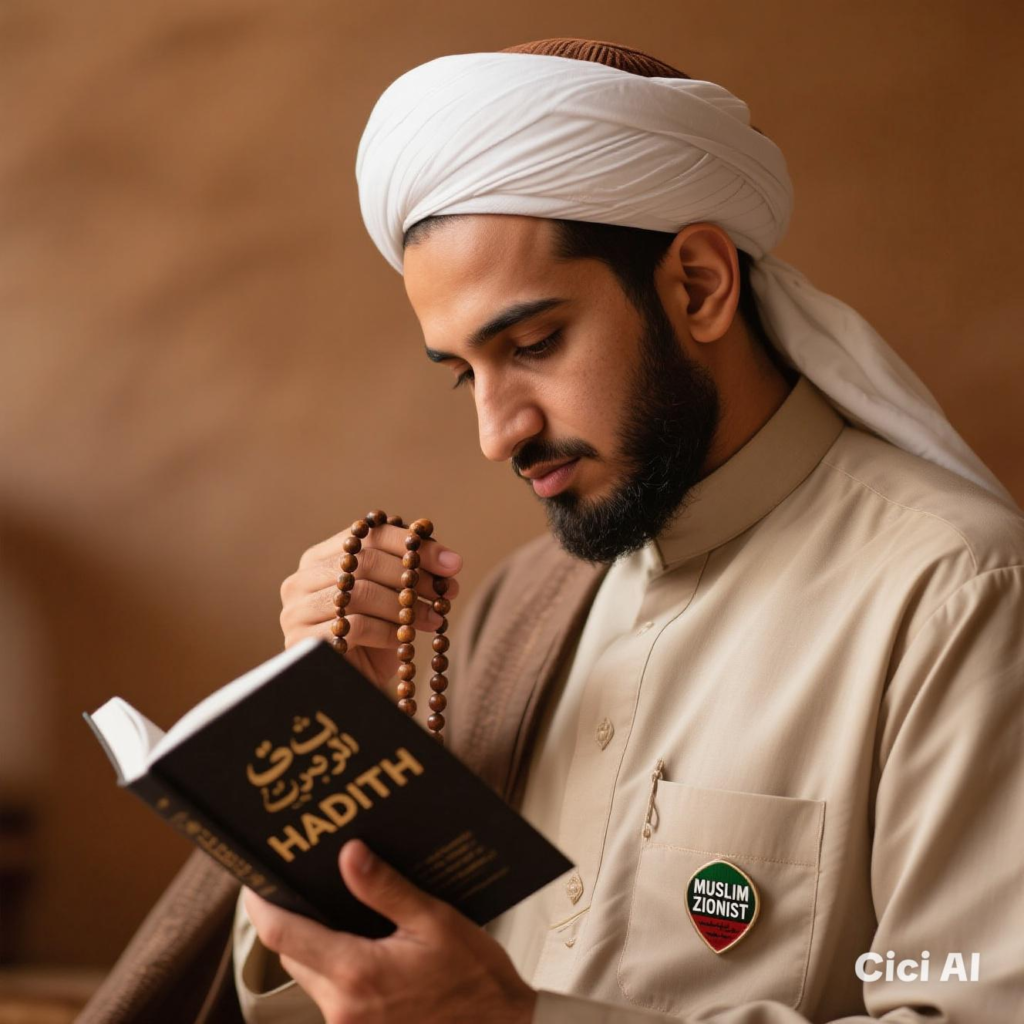

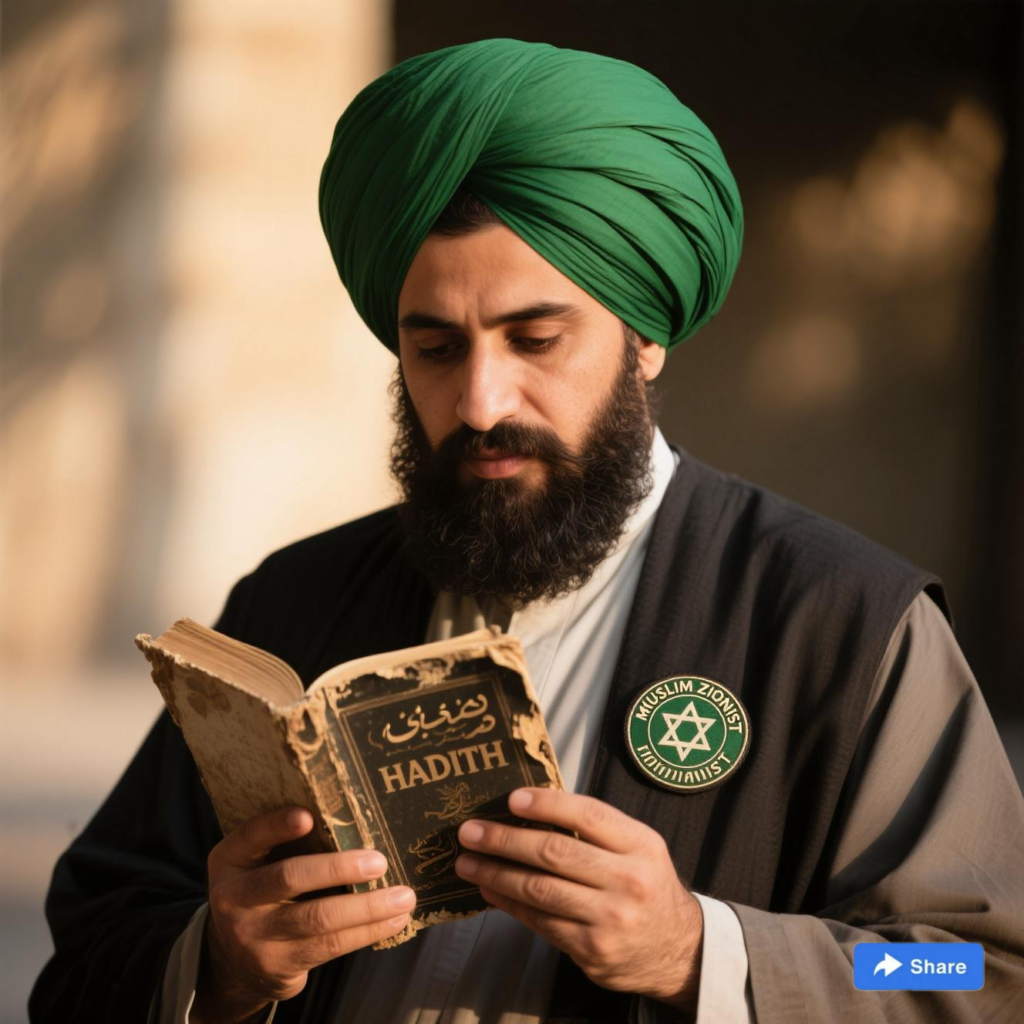
/VI
WHERE DO YOU REALLY COME FROM?
GOD KNOWS.
ARTICLE




A Star is born.
“Peace be upon me the day I was born, and the day I will die, and the day I am raised alive.” Jesus. The Quran 19:29-37 & 4:157-159
PUBLISHED December 26, 2023
/IV
Ramadan and The Quran are like strawberries & cream
| Ramadan mubarak. Warning: Not Vegan but friendly enough. By Rafakut Ali APR 2022. Updated JUNE 2022 | Read Article |
/I
WIN : WIN
The KEFFIYEH
Compassion, sympathy for the oppressed (Palestinans (Muslims)) is not Anti-Semitism – It’s called being Human!!
Article by Rafakut Ali NOV 2021
/XII
REPENT > REFORM > REFRAIN
the ancient house of abraham
Indeed, the first House of worship established for mankind was The Ka’aba – blessed and a guidance for the world. Quran 3:96
Read Article by Rafakut Ali 2021 >
Eid-al-Hajj. Sin / Cleanse / Repeat
or Repent / Reform/ Refrain
/II
Which of the favours of your lord will you deny?
Check back soon
So then which of the favors of your Lord would you deny? Surah Rahman 55 x 31
/VII
POPPIES (NOT) FOR MUSLIMS
> READ MORE”>PAKIS HAD NOTHING TO DO WITH COVID-19 > READ MORE
Poppies (not) for muslims > Read Article by Rafakut Ali NOV 2021
Muslim lives matter – stop Islamophobia
/VII
WHat a piece of work is man
Quran 13:12 Surah Thunder
God shows you lightening, causing fear and hope, and generates heavy clouds.
Muslim lives matter – stop Islamophobia
/V
Which of the favours of your lord will you deny?
Check back soon
And if all the trees on earth became pens, with the sea replenished by seven more seas to supply them with ink, Gods words would not be exhausted. Verily God is Almighty, Most Wise. Quran 31:27
/III
Are you Awesome?
does mankind think they will say “we believe” and they will not be tried & TESTED? Quran 29:2

تقوى
تقوى / taqwá Mindfulness. Being conscious of God, God-cognizant. i.e. The Quran 2:2 is Guidance for the Mu’taq’een

gODSPEED CARS
Lorem ipsum dolor sit amet, consectetur.
/VIII
Which of gods mercy will you take ownership of?
Was not the Quran enough?
Say “If the sea were to become ink for writing the Words of God, the sea would be used up before the words of my Lord would be exhausted, even if it was replenished with the like of it”. Quran 18: 109
the Two seas meeting one another. between them a barrier so neither of them transgress. Quran 55:19,20
/IX
Woe to those who pray salah..
BUT ARE HEEDLESS IN their prayer. Quran 107:4,5.
The hypocrites stand to prayer salat mechanically for appearance only to be seen by the people – distracted from the Remembrance of God. Quran 4:142 (143)
/X
BLESSED lAND
Palestine
“Al-Aqsa mosque – the blessed land and surroundings” Quran 17:1
/XI
Which of the favours of your lord will you deny?
Check back soon
When the heaven is split open and becomes rose-coloured
Quran 55:37


