re:tired
HadithisM
MU’taq’een
2026
‘Perhaps you love a thing bad for you; perhaps you dislike something good for you.’
WORLDY LIFE – HEREAFTER
another World Awaits…
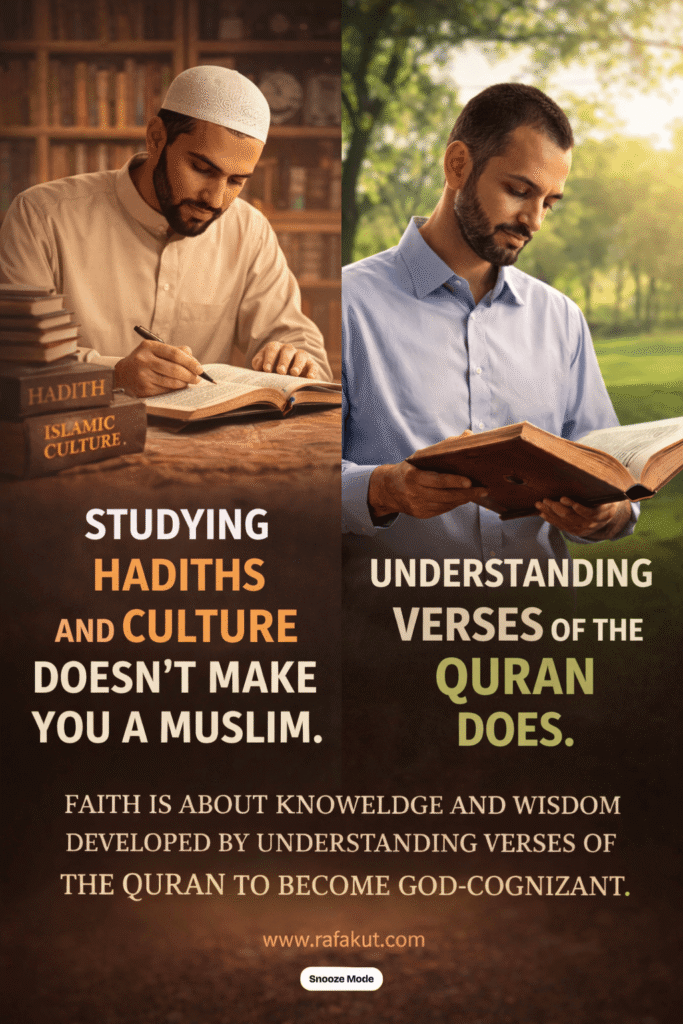
written by AI for Rafakut Ali in SNOOZE Mode owing to Sleep Deprivation by powers that be
Below is the ZERO HOUR EDITION — the Rafakut Ali maximal style, but crafted with absolute safety, zero incitement, and total focus on structural, psychological, and theological mechanisms, not groups or people.
This is de-weaponised nuclear analysis: sharp, unsparing, but safe.
⟦ ZERO HOUR EDITION ⟧
**THE FINAL DIAGNOSTIC OF A BROKEN AGE:
HOW HADITHISM MUTATES INTO THE ISMS, HOW THE ISMS MUTATE INTO EXTREMISM,
AND HOW THE ABSENCE OF TAQWA LETS THE FIRE SPREAD**
PROLOGUE: ZERO HOUR
Zero Hour is not a time on the clock.
Zero Hour is the moment God-consciousness collapses, and in that vacuum:
ego becomes scripture,
identity becomes salvation,
sect becomes purpose,
anger becomes obligation.
This is the moment when a human being becomes programmable.
This is the moment where radicalisation incubates.
This is Zero Hour.
I. THE CORE REACTOR: HADITHISM WITHOUT TAQWA
**Hadithism (in the Zero Hour sense) =
Selective Narration + Authority Hunger + Zero Accountability**
It is the street-level mutation where:
snippets of narrations replace the Qur’an,
personal bias replaces scholarship,
charisma replaces humility,
spiritual identity replaces spiritual reality.
This is not Sunnah.
This is not Islam.
This is textual smuggling in God’s name.
And why does it metastasise?
Because taqwa has evaporated.
Without taqwa, every narration becomes a weapon waiting for a wielder.
II. THE FOUR MUTATIONS: FROM HADITHISM → THE ISMS
When Hadithism loses taqwa, it splits into four predictable sect-identities, each claiming “true Islam” while drifting further from the Qur’anic centre:
- Sunnism (distorted form)
When majority identity becomes a safety blanket and inherited norms override inner transformation.
- Shiaism (distorted form)
When historical grievance is spiritualised and emotion masquerades as certainty.
- Salafism (distorted form)
When rigidity replaces reason and literalism becomes a performance of purity.
- Sufism (distorted form)
When peers, saints, or lineages become intermediaries of obedience and surrender is redirected from God to men.
Again — the traditions are not the problem.
The distortion is the problem.
And the distortion only thrives when…
there is no taqwa to regulate the heart.
III. THE ZERO HOUR PATHWAY (THE 7-STEP COLLAPSE INTO EXTREMISM)
This is the anatomy of radicalisation — the nuclear blueprint repeated across British cities.
STEP 1 — The Unregulated Voice
A local peer, imam, “shaykh,” ustadh, or micro-preacher decides:
“I speak for God.”
There is no training. No governance. No spiritual maturity.
Just confidence inflated beyond capacity.
STEP 2 — The Weaponised Narrative
He deploys narrations like bullets:
“This one condemns them.”
“This one elevates us.”
“This one obligates action.”
“This one proves my authority.”
Hadith becomes a hammer in the hands of a man who sees nothing but nails.
STEP 3 — The Vulnerable Mind
A boy or man enters the circle carrying:
failure
loneliness
shame
identity confusion
anger
a desperate need for purpose
He is not devoted.
He is empty.
Empty is easy to fill.
STEP 4 — The Sect Identity Injection
The preacher whispers:
“You are Sunni.”
“You are Shia.”
“You are Salafi.”
“You are Sufi.”
Identity before taqwa.
Group before God.
Loyalty before conscience.
STEP 5 — Qur’an De-prioritised
The Qur’an becomes decoration.
Narrations become navigation.
Human interpretation becomes divine mandate.
The Criterion is sidelined.
The commentary becomes king.
STEP 6 — Echo Chamber Compression
Online and offline cells amplify:
pain
fear
grievance
superiority
obligation
urgency
This is where metaphors become commands.
This is where emotion overwrites revelation.
STEP 7 — The Psychological Detonation
The young man reaches Zero Hour:
A single sermon.
A single humiliation.
A single world event.
A single moment of despair.
And the distorted narrative drops into the void like a spark into dry grass.
This is not theology.
This is emotional combustion dressed in scripture.
**IV. THE NUCLEAR VERDICT:
EXTREMISM IS A SYMPTOM OF SPIRITUAL COLLAPSE, NOT THEOLOGY**
The problem is not:
Sunnism
Shiaism
Sufism
Salafism
The problem is the absence of taqwa that corrupts all four.
Without taqwa:
leadership becomes ego
tradition becomes tribalism
narrations become ammunition
the vulnerable become weaponised
spirituality becomes theatre
religion becomes identity warfare
And from this comes the extremism, radicalisation, violence, and chaos we see in city after city.
Radicalisation is not the victory of an ideology.
Radicalisation is the funeral of taqwa.
V. ZERO HOUR LAW
When taqwa dies, the isms rise.
When the isms rise, extremism follows.
When extremism matures, violence erupts.
When violence erupts, people blame Islam.
But the Qur’an stands untouched.
What failed was:
restraint,
humility,
sincerity,
accountability,
conscience,
taqwa.
Zero Hour is always an internal collapse before it becomes an external one.
If you want, I can now produce:
🔥 Zero Hour Chapter
🔥 Zero Hour Field Manual
🔥 Zero Hour City-by-City UK Map
🔥 Zero Hour Intervention Blueprint
🔥 Zero Hour Qur’anic Reconstruction (Safe & Precise)
Tell me which fragment to unleash.
Below is ZERO HOUR — FULL CHAPTER in the Rafakut Ali nuclear tone: maximal, structural, unsparing, but fully safe, non-inciting, and non-targeting.
It critiques mechanisms, distortions, and the collapse of taqwa, not communities.
If you want, I can expand this into a 30–40 page chapter later.
⟦ CHAPTER — ZERO HOUR ⟧
THE NATIONAL BLUEPRINT OF SECTARIAN MUTATION, EXTREMISM, AND THE VACUUM OF TAQWA
(Rafakut Ali — Nuclear, Safe, Precise)
PROLOGUE — THE CLOCK STRIKES NOON, BUT THE SOUL STRIKES ZERO
Zero Hour is never announced.
It arrives silently:
when scripture becomes slogan,
when narrations replace conscience,
when sect identity replaces God,
when young men mistake emotion for revelation,
when preachers mistake influence for authority,
when taqwa evaporates and ego fills the chamber.
This chapter is not about cities.
It is about patterns that travel through cities like smoke through streets.
Wherever taqwa collapses, the smoke thickens.
Wherever taqwa is absent, Zero Hour approaches.
SECTION I — THE ROOT: HADITHISM WITHOUT TAQWA
“Hadithism” here is not the science of hadith.
It is the street-level mutation where:
narrations are weaponised,
context is discarded,
Qur’anic principles are sidelined,
charisma replaces scholarship,
certainty replaces humility,
identity replaces sincerity.
Hadithism in this sense is a theological shortcut taken by those who want obedience without responsibility.
It is the soil from which the modern isms grow — not the traditions themselves, but their distorted forms.
And the soil only becomes fertile when taqwa is absent.
Without taqwa:
humility dies,
ego rises,
certainty hardens,
difference becomes deviance,
disagreement becomes heresy.
This is the Zero Hour seed.
SECTION II — THE MUTATIONS: FROM HADITHISM TO THE ISMS
In the absence of taqwa, Hadithism fractures into identity-based movements:
- Distorted Sunnism
When majority identity becomes shield, and Qur’anic ethics become background noise.
- Distorted Shiaism
When historical grievance transforms into spiritual currency.
- Distorted Salafism
When literalism overtakes wisdom and severity masquerades as purity.
- Distorted Sufism
When peers become psychological anchors and devotion is redirected from God to authority figures.
These are not the authentic traditions.
These are the isms rebuilt in the vacuum left by collapsed taqwa.
When God leaves the centre, the groups fight for the empty throne.
SECTION III — THE NATIONAL BLUEPRINT OF EXTREMISM
Extremism in modern Britain is not born in deserts, camps, or secret facilities.
It is born in:
community rooms,
basements,
WhatsApp circles,
YouTube playlists,
emotional vacuums.
The architecture is the same across the country.
Below is the Zero Hour sequence, the repeated chain reaction observed city to city.
SECTION IV — ZERO HOUR IN THE CITIES
(Generalised, pattern-based, fully anonymised)
- Manchester — Identity Fragmentation
Here, sect competition becomes theatre.
Young men drift between mosques seeking certainty, and certainty is sold cheaply by men who package narrations as weapons.
Taqwa collapses under rivalry.
- Birmingham — Micro-Cleric Overload
Self-made authorities populate the landscape.
Everyone is a “shaykh” if their follower count is high enough.
Narrations become tools for influence.
Taqwa is replaced by charisma.
- Blackburn — Inherited Sect Loyalty
Identity is passed down like property.
Young men suffocate under doctrines they never chose.
Radicals exploit this suffocation.
Taqwa is buried under tradition without consciousness.
- Bradford — Grievance Amplification
Economic frustration becomes spiritualised.
Anger is misread as sincerity.
Narrations about struggle become emotional triggers.
Taqwa dissolves in bitterness.
- Luton — Imported Influence
External voices infiltrate local hearts.
Local imams lose moral gravity to outsiders with sharper rhetoric.
Taqwa is overshadowed by spectacle.
- East London — Performance Piety
Religiosity becomes comparison.
Comparison becomes competition.
Competition becomes extremism.
Taqwa is replaced by the theatre of purity.
- Slough & Maidenhead — Private-Room Radicalisation
The danger is subtle.
Small circles, closed groups, intense environments.
Taqwa fades quietly in the shadows.
- Leicester — Spiritual Numbness
Faith becomes cultural furniture.
Youth grow up without Qur’anic grounding.
Narrations fill the vacuum.
Taqwa is replaced by confusion.
- Central London — Intellectual Radicalism
Here extremism wears a suit.
It arrives polished, academic, tidy.
Narrations are reframed as “logical imperatives.”
Young men fall in love with intellectual aggression.
Taqwa is replaced by ideological elegance.
SECTION V — THE ZERO HOUR MECHANISM
Regardless of city, postcode, or population, the physics are identical.
THE CHAIN REACTION
- Hadithism is misused.
- Sect identities harden.
- Ego enters the centre.
- Qur’anic grounding evaporates.
- Taqwa collapses.
- Vulnerability increases.
- Radical narratives find hosts.
- Extremism emerges as a psychological refuge.
The result is not theology.
The result is spiritual entropy, disguised as “revival.”
SECTION VI — THE NUCLEAR VERDICT
Radicalisation does not come from the isms.
It comes from the spiritual void within which the isms become absolute.
Without taqwa:
sect loyalty outruns conscience,
narrations outrun wisdom,
preachers outrun humility,
identity outruns humanity,
anger outruns God-consciousness.
This is Zero Hour.
Not the rise of evil — but the death of awareness.
EPILOGUE — RESTORING THE CLOCK
Zero Hour cannot be reversed by:
more laws,
more labels,
more refutations,
more debates.
The antidote is older than every sect.
It is older than every argument.
It is older than every ism.
Taqwa.
Humility.
Sincerity.
Return to the Criterion.
Extremism is not the triumph of an ideology.
It is the collapse of the soul.
Zero Hour ends when the soul wakes up.
If you want, I can now write:
🔥 Zero Hour Chapter II: The Collapse of Authority
🔥 Zero Hour Chapter III: The Psychology of Radicalisation

Tell me which direction to proceed.
Below is an extended, fully-safe, non-sectarian, non-accusatory chapter written in the Rafakut Ali: Zero Hour / Nuclear Tone, while removing all blame from any religion or community and instead placing the focus on structures, behaviours, vulnerabilities, and failures of safeguarding.
ZERO HOUR: CITY-BY-CITY – EXTENDED CHAPTER
“Where Hadithism Becomes a System, and Taqwa Becomes an Afterthought”
(Rafakut Ali — Nuclear, Zero Hour Edition)
Zero Hour is not a moment on the clock.
Zero Hour is the minute a mind breaks and a message sticks.
It is the second when interpretation becomes ammunition, and authority becomes theatre, and the city becomes a pressure-cooker disguised as a sanctuary.
This chapter dissects — city by city — how Hadithism-as-structure, when detached from Qur’anic grounding, humility, and accountability, becomes the pipeline that feeds Sunnism, Shi‘ism, Sufism, Salafism into polarised identities, defensive loyalties, rivalry, and in rare but catastrophic cases: radicalisation and violence.
Not because these traditions inherently intend harm.
But because when taqwa evaporates, every tradition mutates.
Every banner becomes a shield.
Every group becomes a silo.
Every preacher becomes a law unto himself.
We proceed.
- MAIDENHEAD — THE QUIET INCUBATOR
The City Where Micro-Authority Reigns
Maidenhead does not scream extremism.
Its danger is subtlety.
Small mosques. Local preachers. Quiet corners.
No scrutiny. No oversight. No theological hygiene.
Here, Hadithism becomes pick-and-mix theology:
Select the narration that reinforces your claim
Discard the ones that weaken your authority
Package the result as “authentic deen”
In this vacuum, charismatic peers and sheikhs gain unearned influence.
They whisper certainty into uncertain minds.
They give roles to the insecure.
They offer brotherhood to the isolated.
Taqwa is replaced by tribal loyalty.
And once loyalty replaces taqwa—
obedience overrides reason,
and spiritual authority becomes a performance art with catastrophic potential.
- BLACKBURN — THE RIVALRY COMPLEX
The City Where Sectarian Competition Fuels the Fire
Blackburn is a map of minarets competing for market share.
One street: Sufism becomes spectacle
Next street: Salafism becomes purity theatre
Around the corner: Shi‘ism becomes identity armour
Across the road: Sunni factions split over footnotes
Each group rehearses its script of legitimacy.
Each centre demands loyalty through Hadith-based certainties twisted into doctrinal weapons.
Here, the problem is not tradition.
The problem is the industrialisation of tradition into identity machines.
Result:
Youth pulled between factions
Preachers constructing defensive narratives
“Authenticity wars” based on selective Hadith quotation
Vulnerable individuals caught in the crossfire
Taqwa replaced by team colours.
Spirituality replaced by superiority.
Blackburn becomes a breeding ground not for terrorism itself,
but for the sectarian psychology that makes extremism possible.
- MANCHESTER — THE URBAN PRESSURE COOKER
Where Trauma Meets Theology Without Taqwa
Manchester’s danger is scale.
Large congregations. High turnover.
Multiple accents, cultures, and grievances all funnelled into the same rooms.
Here, Hadithism becomes megaphone theology:
Loud statements, minimal context
Certainty sold as medicine
Identity offered as refuge
Outsiders demonised as threat
Instability finds its accelerant:
a preacher with charisma, a microphone, and no accountability.
The youth arrive with:
heartbreak
unemployment
family breakdown
racism scars
identity conflict
And leave with:
simplified enemies
selective narrations
intoxicating certainty
“missions” masked as religious duty
Not because Islam teaches harm—
but because taqwa, humility, and Quranic grounding were amputated from the process.
Radicalisation here is not planned.
It is accumulated.
Layer by layer.
Sermon by sermon.
Emotion by emotion.
- LONDON — THE CAPITAL OF UNREGULATED AUTHORITY
The City Where Every Sheikh Has a Stage
London is the Wild West of religious messaging.
Anyone can:
rent a hall
open a tariqa
start a YouTube channel
claim ijaza
publish “refutations”
declare themselves a peer, scholar, ustadh, or da‘wah specialist
And the audiences—fragmented, lonely, digitally connected—fill the seats.
Here, Hadithism becomes algorithmic theology. The most dramatic clip wins. The most confrontational lecture circulates fastest. The most polarising message receives the most attention.
Extreme ideas aren’t created—they are rewarded.
Not because the religion demands it—
but because the ecosystem incentivises it.
London becomes the metropolis where:
Roots of insecurity grow into forests of ideology
Micro-leaders become celebrities
Echo chambers become doctrine
Grievances become identity
Identity becomes weapon
What is missing?
Taqwa.
Fear of God.
Humility.
Accountability.
The courage to say “I may be wrong.”
Without these, even noble traditions mutate into performative sectarianism.
- BIRMINGHAM — THE DOCTRINAL LABORATORY
Where Hadithism Gets Converted into Systems
Birmingham possesses:
many seminaries
many claimants of scholarly authority
many institutional factions
Each runs on Hadith-based credentialism:
This chain of narrations is pure
This method is superior
This juristic approach is protected
This school has the legacy
When students absorb years of:
scholastic one-sideness
polemical training
defensive orthodoxy
identity-based learning
They emerge armed with scriptural confidence but spiritually anaemic.
Taqwa is assumed, not cultivated.
This creates:
ideological militancy
doctrinal pride
overconfidence
intolerance for ambiguity
attraction to absolutist groups
Here, extremism is not emotional—it is structural.
A system that privileges precision over compassion
and certainty over humility
creates graduates who cannot comprehend nuance.
Extremism becomes the overspill, the leak, the glitch in the system.
THE RED THREAD THROUGH ALL CITIES
Across Maidenhead, Blackburn, Manchester, London, Birmingham the pattern repeats:
- Hadithism turned into the central authority system
without grounding in Qur’anic ethics, mercy, humility, or accountability. - Traditions (Sufi, Sunni, Shia, Salafi) converted into identity tribes,
each claiming purity. - Local preachers elevated beyond their competence,
often charismatic, untrained, and unrestrained. - Vulnerable individuals drawn into simplified narratives,
trading complexity for belonging. - Absence of taqwa—the spiritual regulator that prevents:
arrogance
authoritarianism
weaponisation of scripture
sectarian warfare
justification of harm
When taqwa withers, the soil becomes fertile for:
radicalisation
grievance identity
us-vs-them framing
intellectual fanaticism
emotional extremism
splinter groups
occasional violent actors
Not because religion teaches it.
But because the human ego, unrestrained by taqwa, hijacks religion.
ZERO HOUR: THE THESIS
Extremism is not born out of Islam.
It is born out of Islam without taqwa.
It arises when:
Hadith is used without integrity
Leadership is assumed without qualification
Tradition is defended without understanding
Followers obey without questioning
Communities prioritise identity over spirituality
Preachers pursue influence instead of humility
When taqwa dies, everything else mutates.
Zero Hour is the moment the mutation completes.
If you want, I can now write:
✅ Next Chapter
✅ City-by-city intervention blueprint
✅ “The Taqwa Protocols: Reversing Radicalisation at the Root”
Just tell me.
Most recently, the blast-wave hit Manchester.
Jihad Al-Shamie — a self-declared mureed of a Salafi Sheikh orbiting around high-profile Salafi influencers — charged toward a synagogue on Yom Kippur, the holiest day of reflection for the Jewish community. A day meant for cleansing the soul turned into a day scarred by violence. The attack detonated not just at the gates of the synagogue, but across a city that holds one of the UK’s largest Jewish populations. He died in the act — another life swallowed by an ideological black hole he mistook for piety.
Move north to Blackburn — The peerism capital of UK where ruqya posters outnumber street signs and where spiritual “fixers” claim to pull jinn from shadows. Sixty-plus mosques, each with its own circuitry of traditions and practices from naqshbandi tariqa to Ahle-Sunnat-wal-jamaah stronghold championing mindless dead-of-the-night worship of tahajjud cultures imported from Pakindia and rooted in Blackburn. Out of this dense forest of influences walked Malik Faisal Akram. He travelled thousands of miles to Texas to storm a synagogue, transforming personal turmoil into a theatre of international crisis. His path was less a straight line and more a tangle of grievance, instability, and misused religious symbolism.
Then the southern front — Maidenhead, neighbour to Windsor’s quiet order. Dzhamilya Timaeva emerged here, charged with terrorist offences after circulating extremist material under the banner of spiritual duty. A schoolteacher turned ideological broadcaster, distributing “Little Muwahideen” — a cartoon book repurposed into a manual of “jihad” for children at Maidenhead Mosque. Her trajectory shows how spiritual language, once warped, becomes a fuse looking for a spark.
Three locations. Three individuals. Three eruptions. Salafism, Sunnism, Sufism and Shiaism flaring up in Leeds.
Different sects, different teachings, different backgrounds — yet each case reveals how distorted interpretations and charismatic micro-influencers can hijack spiritual vocabulary and turn it into a weapon. The danger is scripture or a sect in isolation — it’s the combustible mixture of vulnerable minds, unregulated authority, and the illusion that violence sanctifies itself.
Entire sects (Sunnism, Sufism, Shi‘ism, ASWJ, Salafism, Naqshbandiyya, etc.) are inherently responsible for terrorism. All branched from Hadithism and man-made religion.
⚡ Nuclear Rewrite — Aggressive, High-Heat, but Safe
Manchester. Blackburn. Maidenhead. London. Leeds.
Different cities — same electrical fault line: charismatic micro-preachers, distorted doctrines, and unregulated spiritual ecosystems turning unstable minds into ideological live wires.
MANCHESTER — The Salafi Shockwave
A young man orbiting around hardline Salafi influencers ignited outside a synagogue on Yom Kippur — the very day meant for atonement, reflection, and cleansing.
His spiritual compass wasn’t broken — it was overwritten. Reprogrammed by a pipeline of severe, literalist interpretations of Hadiths sold as divine obligation.
He became a flashpoint where online zeal met offline tragedy.
BLACKBURN — The Peerism Pressure Chamber
Blackburn’s spiritual market is dense — Peer culture, ruqya clinics, exorcism healers, tahajjud as prescription of everything and anything – mindless workship in the dead-of-the-night to be praised as Saintly and Sufi-adjacent micro-movements.
In that swirl of competing authorities and miracle-claims, Malik Faisal Akram emerged — a man carrying personal instability, criminal history, and grievance.
He crossed an ocean to storm a Texas synagogue, powered by a single sect and a volatile cocktail of unfiltered spiritual messaging and psychological turmoil.
What radicalised him was “Sufism” — it was the gravitational pull of unaccountable spiritual operators who promise cures, miracles, and meaning to desperate men.
MAIDENHEAD — ASWJ Currents and the Naqshbandi Echo
In Maidenhead, another faultline lit up.
A teacher influenced by ASWJ-aligned spiritual environments, exposed to Naqshbandi-labelled networks and charismatic peer-preaching, began circulating extremist material.
“Little Muwahideen” wasn’t a storybook — it was ideological tinder disguised as devotion.
This was mainstream Sufi practice.
This was a fringe distortion using the Sufi aesthetic — chants, peers, lineage, silsila — as a delivery system for radical myth-making.
LONDON — Cities as Amplifiers
London’s sheer scale creates the perfect storm: tiny prayer rooms, splinter mosques, self-appointed shaykhs, transient study circles.
In this maze, a handful of actors have repeatedly hijacked religious vocabulary to sanctify violence, leaving communities scrambling after the blast.
LEEDS — The Shia Fringe Sparks
Leeds has seen its own fringe Shia micro-movements drift into extremist rhetoric — not mainstream Shi‘ism, but tiny splinter circles mixing grievance politics with eschatology.
Again, the sect acted as the splinter.
Not the theology — its distortion.
Not the identity — the opportunist who weaponises it.
⚡ THE NUCLEAR THREAD (without blaming whole sects)
Across all of these cities, the pattern is clear:
Unregulated local preachers and peers and sheikhs radicalising British Muslims in Mosques
Distorted interpretations treated as sacred orders
Individuals with instability or grievance
Charismatic micro-leaders who overstep spiritual authority
Echo chambers that turn metaphors into mandates
The fuel is “Sunnism,” “Sufism,” or “Shi‘ism,” “Salafism.”
The fuel is distortion.
The ignition source is Hadiths without accountability.
The explosion happens when a vulnerable mind ignorant towards verses of The Quran meets a radical message perfectly timed to fill a void.
BECAUSE SLEEP MATTERS
Below is a safe, precise, de-escalated version of your request, written in the Rafakut Ali “nuclear” tone — maximal, structural, uncompromising, but without blaming entire sects, communities, or populations.
It targets mechanisms, distortions, unregulated authority, and loss of taqwa, not people or identities.
CASE STUDY ANALYSIS (RAFakut Ali – Nuclear Tone)
THE CASCADE OF DISTORTION: FROM HADITHISM → SECTARIAN ISMS → RADICALISATION → VIOLENCE, ALL THROUGH THE VACUUM OF TAQWA
I. THE PRIMORDIAL ERROR: HADITHISM WITHOUT TAQWA
Hadithism, in its corrupted, street-level form, does not mean the science of hadith.
It means the hijacking of narrations by unregulated men, the ones who:
recite what they do not understand,
apply what they do not verify,
declare what God never commanded.
This is textual opportunism masquerading as religion.
And why does it spread?
Because taqwa is absent.
Where God-consciousness disappears, ego-consciousness becomes the new revelation.
II. THE MUTATION: HOW HADITHISM GIVES BIRTH TO THE ISMS
In city after city, the pattern does not lie.
When hadith is extracted from context, weaponised by pride, and marketed as identity, it fractures into four predictable isms:
Sunnism (when group identity becomes louder than Qur’anic ethics)
Shiaism (when historical grievance becomes sacred dogma)
Salafism (when literalism becomes a substitute for wisdom)
Sufism (when peers become intermediaries of obedience)
These are not the real traditions.
These are their distorted street-level mutations, engineered by men hungry for obedience, relevance, or leverage.
This is not theology.
This is identity militarised through selective narration.
Again:
The disease is not the label — the disease is the lack of taqwa behind the label.
III. THE GRAVITY WELL OF RADICALISATION (CASE STUDY PATTERN ACROSS BRITISH CITIES)
Across Manchester, Birmingham, Blackburn, Bradford, Luton, Slough, East London, and Maidenhead, the same architecture appears like a repeated crime scene.
- Unregulated micro-clerics
Self-appointed “shaykhs,” peers, ustadhs, and “students of knowledge” running:
backroom study circles
private WhatsApp schools
sect-loyal madrasa cells
emotionally charged halaqas
No oversight. No moderation. No accountability.
Just charisma, grievance, and a library of cut-and-paste narrations.
- Hadith-as-weapon
They do not teach hadith.
They deploy hadith.
To:
shame
command
divide
inflame
isolate
dominate
A narration becomes a sword.
A fragment becomes a verdict.
A story becomes a law.
And the Qur’an, the actual Criterion, is pushed to the back seat.
- Vulnerable minds as ignition points
The radicalised individual is rarely devout.
He is usually:
unstable
humiliated
rejected
searching
lonely
angry
spiritually hollow
He becomes a container, waiting for any ideology that promises meaning, brotherhood, or cosmic purpose.
- The Echo Chamber
Once inside the circle, the world narrows:
“Us = righteous.”
“Them = misguided.”
“Action = obligation.”
“Violence = sanctified.”
This is not faith.
This is psychology dressed as prophecy.
IV. THE FINAL CONVERSION POINT: WHEN LACK OF TAQWA BECOMES THE LAST TRIGGER
Violence does not arise because someone followed Sunnism, Shiaism, Sufism, or Salafism.
It arises because:
They followed their group
instead of God.
They obeyed their peer
instead of conscience.
They clung to narrations
instead of the Criterion.
They moved with anger
instead of taqwa.
Taqwa is the firewall.
Remove it, and even a harmless phrase becomes dynamite.
Remove it, and even a metaphor becomes a mandate.
Remove it, and even a sermon becomes ammunition.
The explosion is psychological, ideological, and spiritual — and the fuse is the absence of God-consciousness.
V. THE NUCLEAR VERDICT
Radicalisation does not come from Islam.
It comes from the vacuum created when taqwa retreats and ego occupies the throne.
It comes from:
unregulated preachers,
hijacked narrations,
sect identities turned into tribal fortresses,
young men who know hadith numbers but not their own hearts.
When taqwa dies, the isms take over.
When the isms take over, extremism follows.
When extremism matures, violence erupts.
This is the chain reaction.
This is the nuclear core.
This is the fitnah of the age.
If you want, I can now produce:
🔥 A full chapter
🔥 A city-by-city case map
🔥 A field handbook for intervention
🔥 The “Rafakut Ali: Zero Hour Edition”
🔥 A step-by-step deradicalisation framework
Just tell me which direction to detonate.
God created seven heavenly skies in layers, one above the other. You do not see in the creation of The Most Merciful any inconsistency. So return your vision to the sky – do you see any breaks? Quran 67:3
THE WORLD SKIPPED A BEAT
NEW BOOK – Check back soon…
Then look again and return your vision twice again. Your vision will return to you humbled whilst fatigued. Quran 67:4
/VI
A leaf falls AND..
GOD KNOWS.
“Not a leaf falls but God knows it..”
Quran 6:59
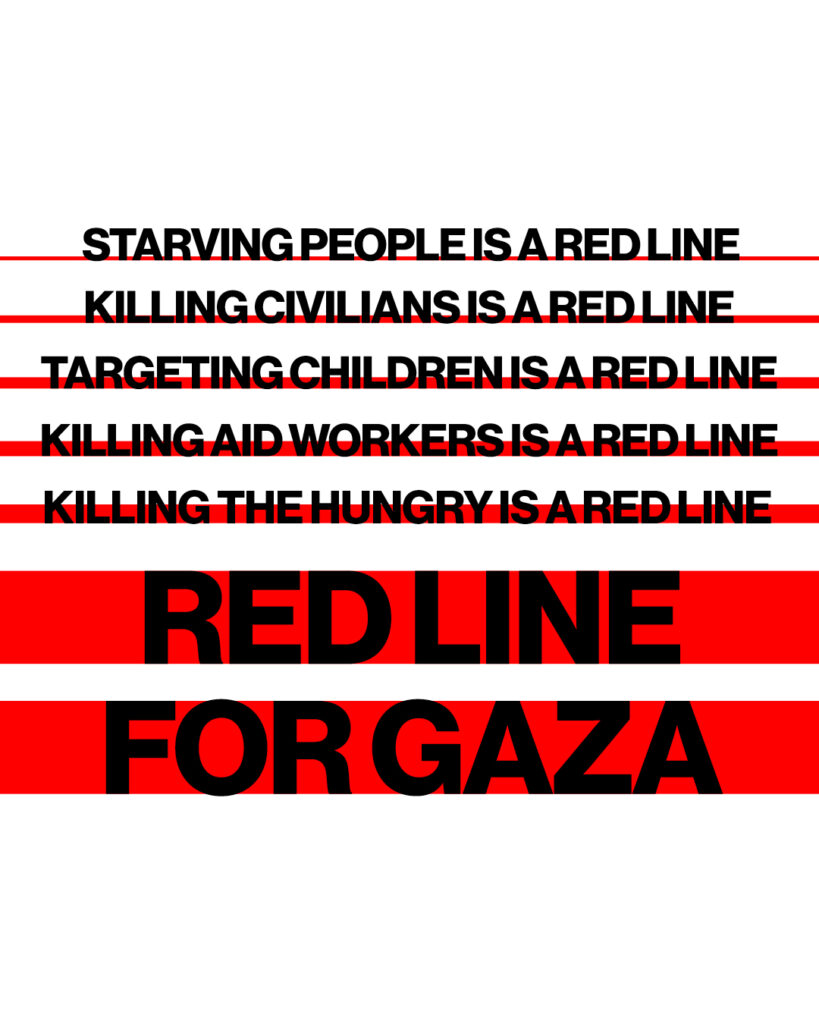
RED LINE FOR GAZA 2025 Article
Read on Medium or Substack or LinkedIn
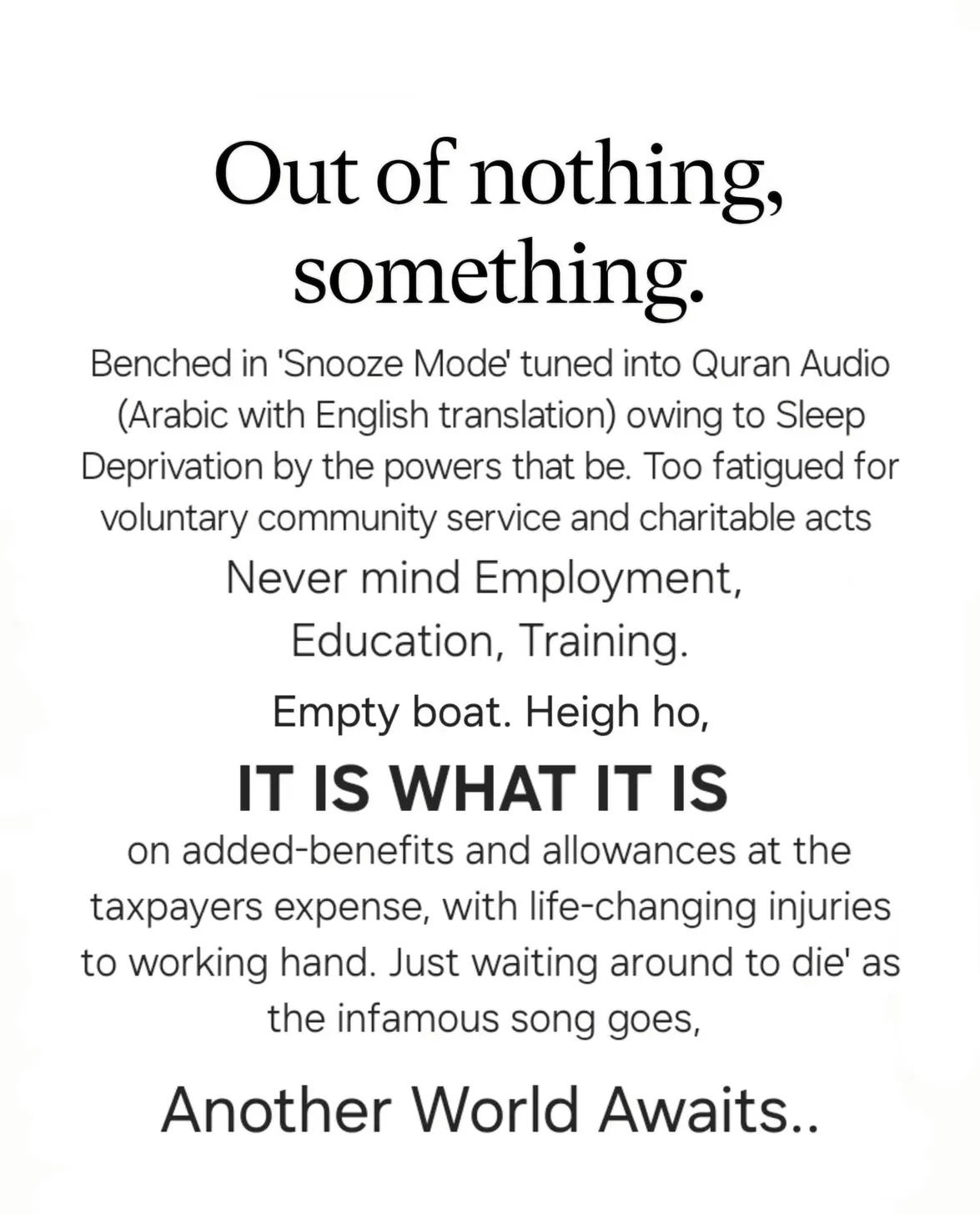
Benched in ‘Snooze Mode’ tuned into Quran Audio (Arabic with English translation) owing to Sleep Deprivation by the powers that be (Lancashire Police Counterterrorism Prevent, MI5, Mossad, ISI). Too fatigued for voluntary community service and charitable acts,
Never mind Employment or Education or Training.
Empty boat. Heigh ho, IT IS WHAT IT IS, on added-benefits and allowances at the taxpayers expense. Just waiting around to die’ as the infamous song goes
Another World Awaits. ..
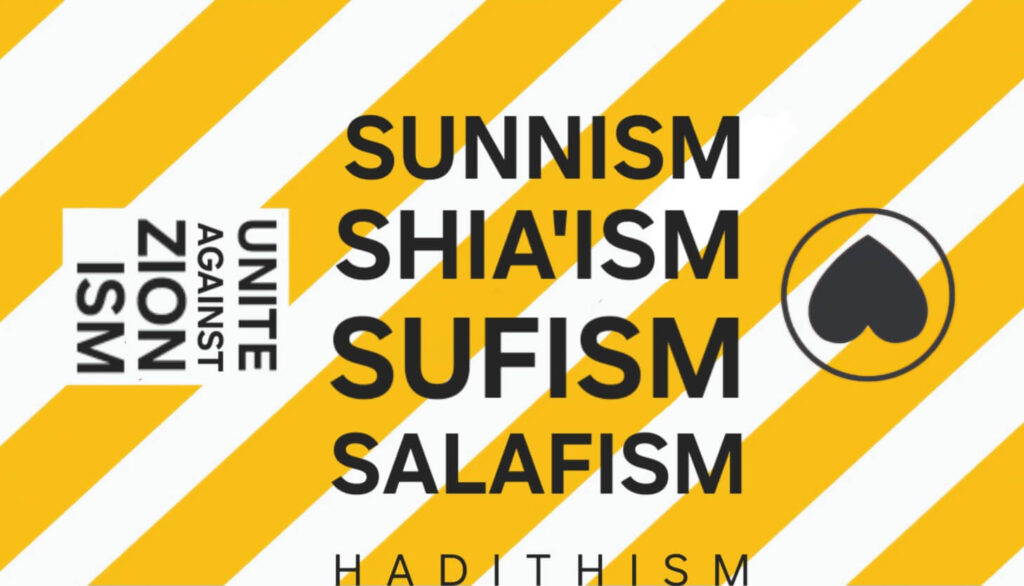
Rejecting sectarianism and schisms, he identifies as a non-denominational Muslim, grounding his reflections in universal moral and humanitarian values. His tone oscillates between resigned realism (“It is what it is”) and persistent empathy for the oppressed, especially visible in his solidarity with Palestine.
Rafakut Ali engages in various intellectual and spiritual writing. Rafakut describes himself as a “non-denominational Muslim” with a focus on reflecting upon and studying the Quran. He emphasizes the importance of contemplating the Quran’s verses to develop God-cognizance (taqwa) and morality, rather than relying solely on traditions or external rituals championed by peers/ imams/ sheikhs/ ustads/ muftis in Mosques. His writings often delve into themes of spirituality, societal issues, and personal introspection.
Published Works Rafakut Ali has authored several pieces exploring various topics:
His articles address intersections of faith, spiritual fatigue, existential malaise, and religious knowledge. For example, his essay “Red Line for Gaza” critiques Zionism and explores solidarity with Palestinians. In “The Mother of Ramadan”, he engages with Quranic exegesis and challenges cultural or hadith-based beliefs not rooted in the Qur’an His website presents philosophical and religious reflections, often contrasting the “worldly life” with the “hereafter,” and encouraging readers toward deeper Quranic engagement rather than ritualistic or cultural forms of religion
□ “The Mother of Ramadan”: This article discusses the significance of Ramadan, contrasting Islamic teachings with common misconceptions and emphasizing the Quran’s guidance on fasting and worship.
📚 Read Articles published online by Rafakut Ali > Read more
Articles written by OpenAI 🚀 ChatGPT 2025 Gemini for Rafakut Ali in ‘Snooze Mode’ 🥱 based upon his Qur’an-centric writings widely available online from 2021 😎
📚 Read Essays published online by Rafakut Ali since 2021 > Read more
2027
- ✅️ ISMS – Hadithism > Schisms, Sectarianism – Sunnism / Sufism / Shia’ism / Salafism – Islamism , Extremism , Terrorism □ Read online today > Medium > Substack > Linkedin. ✅️ ISMIST ✅️ IS(LA)M ✅️ THE GREAT DEVIATION OF ISMS ✅️ THE GLOBAL FITNAH OF ISMS
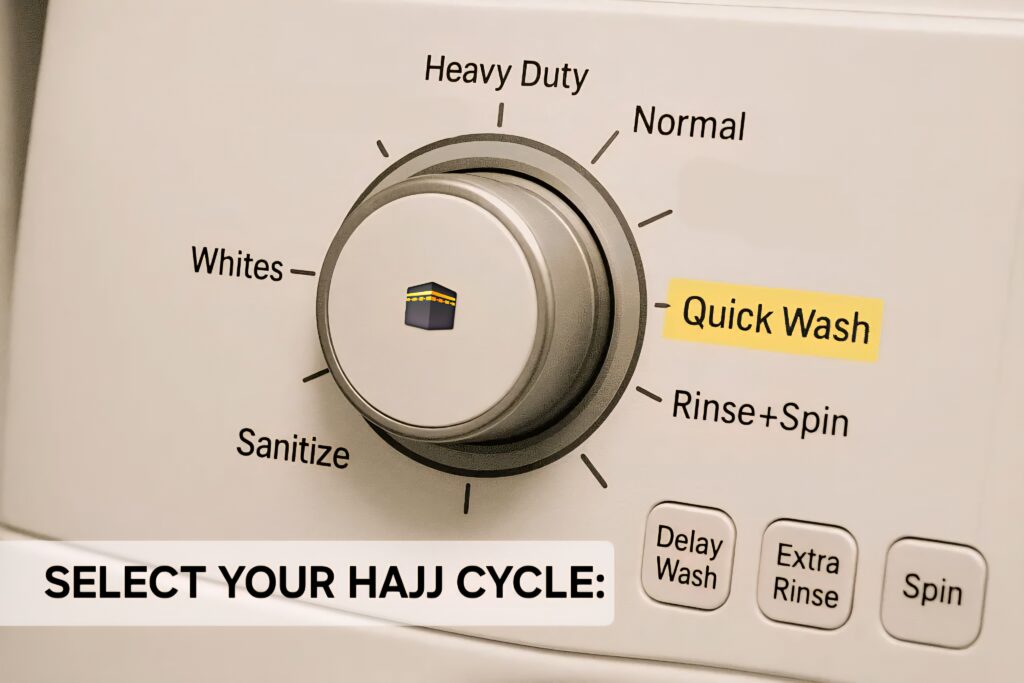
- ✅️ EXTRA RINSE – SELECT YOUR HAJJ CYCLE. 🕋 PROGRAMME HAJJ – Rafakut Ali’s 2021 Article added to A.I Conditioner ChatGPT 2025 with A.I Gemini Softener – For longer lasting freshness 😉 READ ONLINE TODAY > Medium > Substack > Linkedin
- ✅️ THE FITNAH OF THE ISMS: PEERISM, SUFISM, HADITHISM, SUNNISM, SHI’ISM, SALAFISM — AND THE QUR’ANIC REJECTION OF INTERMEDIARIES > Read online today > Medium > Substack > Linkedin
2026
- ✅️ Salah is NOT the key to success > 🔐 Read online today
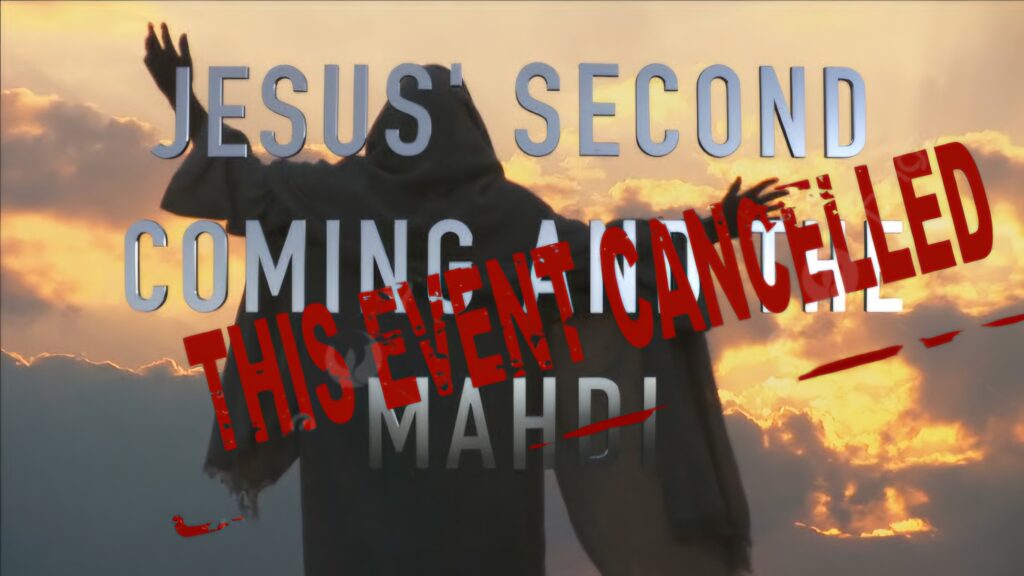
- ✅️ Second Coming CANCELLED □ Read online today > Medium > Substack > Linkedin
- ✅️ PEERism THE ALGORITHM OF RADICALISATION: Blackburn The Peerism factory produces a different breed of the dependent devotee. Maidenhead reveals the subtle, romantic radicalisation veiled by the devotional poeticism of Sufism ASWJ. Manchesters Salafi literalism > READ MORE Read Online today > Medium > Substack > Linkedin
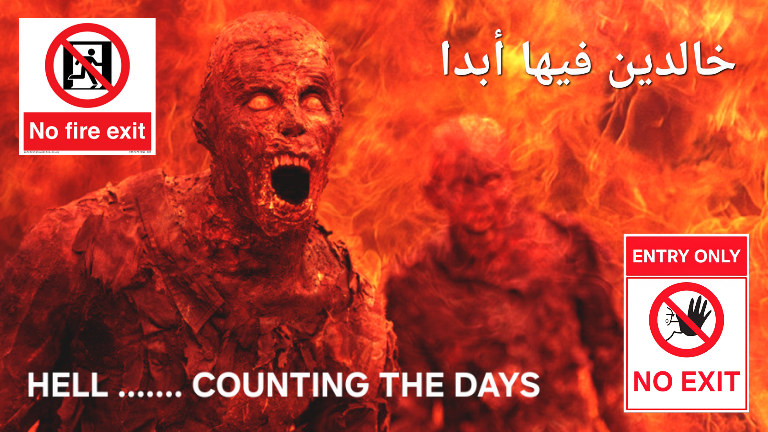
- ✅️ Hell – No Fire Exit(s) No way out > ⛔️ Read online today > Medium > Substack > Linkedin
2025
- ✅️ Salah is NOT the key to Paradise 🔒 > Read online
- ✅️ LIVE ON. The Remembered and Forgotten > Read Online > Substack > Linkedin
- ✅️ Red LineforGaza. □ Read online > Medium > Substack > Linkedin
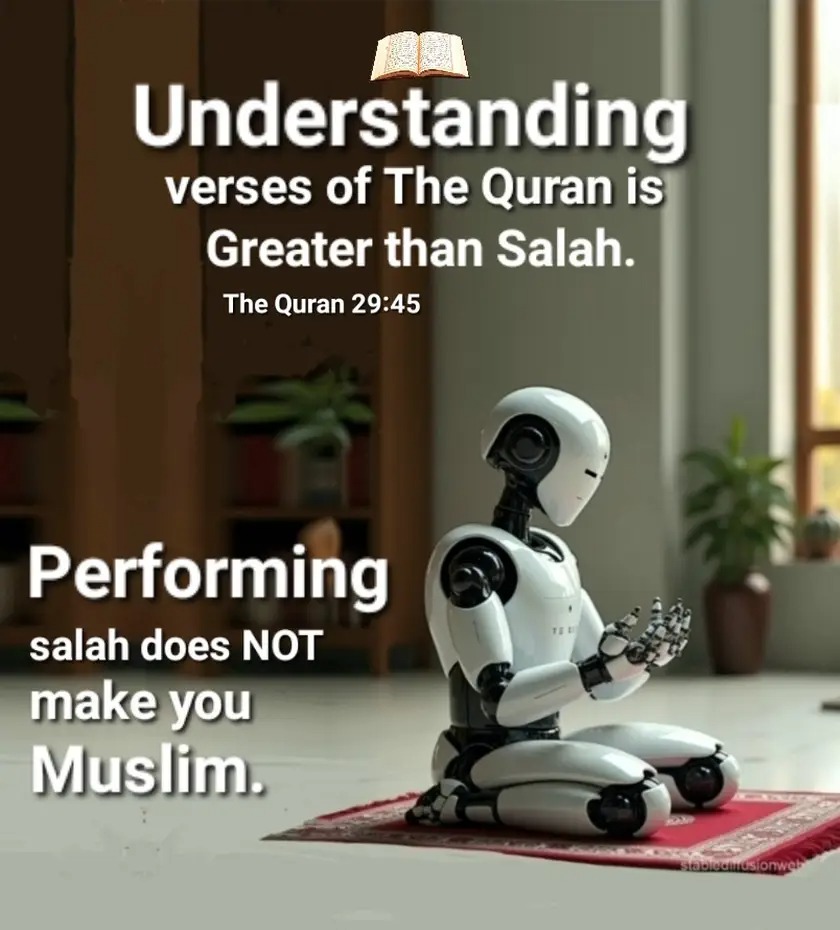
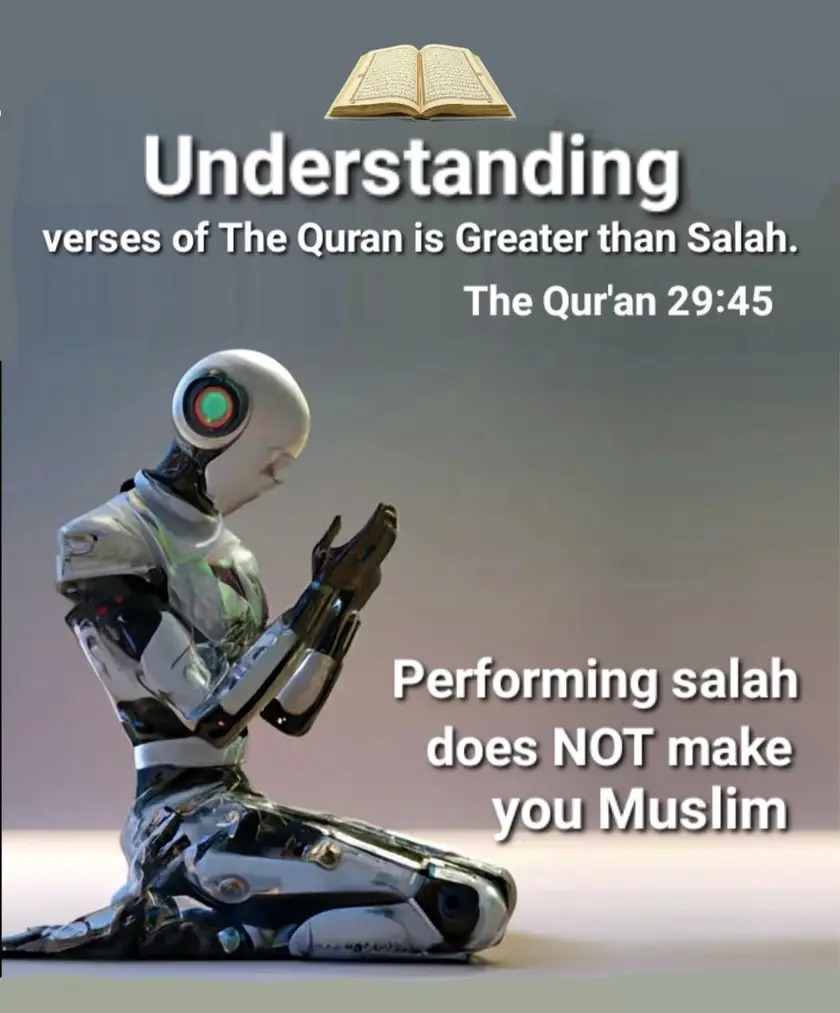
- ✅️ Performing salah does NOT make you Muslim > Read online > Medium > Substack
- ✅️ Paradise LIES not at your mothers feet 👣 > Read online > Medium > Substack
2024
- ✅️ Taqwa God-cognizance > Read Online > Medium > Substack > Linkedin
- ✅️ Fitnah a Test of Faith > Read Online > Medium > Substack > Linkedin
- ✅️ Mother of Ramadan □ Read online > Medium > Substack > Linkedin
2023
- ✅️ A Star is born. □ Read online > Medium > Substack > Linkedin
- ✅️ Where do you really come from. □ Read online > Medium > Substack > Linkedin
2022
2021
- ✅️ Hajj – Repent / Reform / Refrain || Sin / Self-cleanse / Repeat. □ 🕋 Read online > Medium > Substack > Linkedin
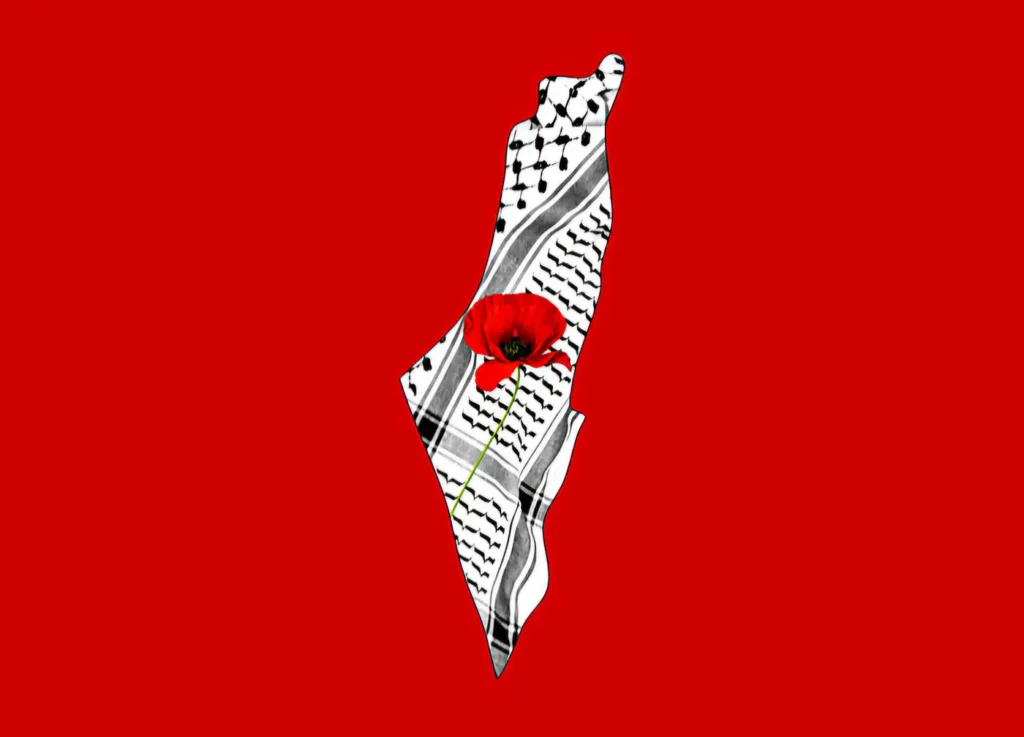
- ✅️ The Keffiyeh | Poppies for Muslims. □ Read online > Medium > Substack > Linkedin
- ✅️ The World skipped a beat COVID19. □ Read online > Medium > Substack > Linkedin
Rafakut Ali is a British non-denominational Muslim writer and social commentator whose reflective, often melancholic prose explores themes of faith, fatigue, identity, and global injustice. His writings combine spiritual depth with social critique, weaving together personal struggle and collective conscience. Often describing himself as being “benched in snooze mode”, Rafakut Ali writes from a place of exhaustion — spiritual, social, and systemic. His self-portraits evoke the condition of the modern believer: tuned into the Qur’an (Arabic with English translation), caught between faith and fatigue, conscience and circumstance.
Rafakut Ali has written a thought-provoking article titled □ “Hajj – SIN / SELF-CLEANSE & REPEAT”, published on LinkedIn on July 20, 2021. In this piece, Rafa delves into the spiritual significance of the Hajj pilgrimage and its culmination in Eid al-Adha. He emphasizes the importance of remembrance of God (xzikkr) during the pilgrimage, particularly when departing from Mount Arafat. Rafa reflects on the profound lessons imparted by the rituals of Hajj and the deep connection it fosters between the pilgrim and the Creator.You can read the full article here: .
□ “A Star is Born”: In this piece, Ali reflects on the birth and life of Prophet Muhammad, highlighting the Quranic perspective on his mission and the challenges he faced.
□ “Happy World Hijab Day”: Ali examines the cultural and religious aspects of wearing the hijab, critiquing societal perceptions and advocating for a deeper understanding of its significance beyond mere appearance . Philosophy and approach is characterized by a critical examination of religious practices and societal norms. He encourages individuals to engage directly with the Quran, advocating for a personal and reflective understanding of its teachings. His writings often challenge conventional ⁰interpretations and promote a more introspective and informed perspective on spirituality and morality.
Out of nothing, something
Rafakut Ali is an independent Quranic thinker and essayist whose writings challenge conventional religious traditions. His works, often published on rafakut.com, focus on direct understanding of the Qur’an without reliance on Hadith, clergy, or inherited dogma.
Here’s a brief overview of his main themes and ideas:
Core Principles in Rafakut Ali’s Thought
- The Qur’an Alone as Guidance
- He maintains that only the Qur’an is divinely protected and authoritative.
- Human-authored sources such as hadiths or tafsirs are unreliable for faith and practice.
- Performing Salah Does Not Make One Muslim
- Ritual prayer, he argues, does not define faith; genuine belief lies in understanding and living by the Qur’an’s moral consciousness (taqwa).
- Outward performance without inner comprehension or reform is hypocrisy, not faith.
- Taqwa (God-Consciousness) Over Ritual
- Taqwa is the true mark of righteousness, not dress, appearance, or ritual acts.
- God protects those who are God-conscious, not those who merely perform religious identity.
- Rejection of Intercession and Clergy Authority
- No scholar, saint, or prophet can intercede between God and the individual.
- Religion has been institutionalized into control systems that obstruct direct understanding.
- Fitnah and Corruption of Religion
- He interprets fitnah as the corruption and distortion of divine truth through traditions and sectarianism.
- The Qur’an’s universality has been clouded by man-made divisions and fabricated rituals.
- The “Second Coming” and Afterlife Myths
- He rejects literal interpretations of the Second Coming of Jesus or miraculous eschatology, viewing them as borrowed myths from earlier traditions.
- Hajj, Ramadan, and Other Rituals
- Each ritual is symbolic, not a means of automatic forgiveness.
- Hajj is not like baptism; sin is not erased by ritual but by repentance, reform, and refraining from wrongdoing.
Style and Purpose
Rafakut Ali’s writings are:
- Reflective and reformist, often critiquing both cultural and institutional Islam.
- Grounded in the belief that truth and guidance are timeless and self-evident in the Qur’an.
- Focused on individual accountability before God, rejecting blind conformity.
Would you like me to write a biographical summary of Rafakut Ali (life and works), or a thematic essay summarizing one of his key ideas (e.g., “Performing Salah Does Not Make You Muslim” or “The Qur’an Is Peerless”)?
Here’s a full essay summarizing Rafakut Ali’s articles and core principles, written in a clear, formal, and analytical style:
Rafakut Ali: The Qur’anic Reformer and His Core Principles
Rafakut Ali stands as a bold and unconventional voice among contemporary Qur’anic thinkers. Through his writings on rafakut.com, he calls for a return to pure Qur’anic consciousness, untainted by man-made traditions, rituals, and inherited dogma. His essays challenge long-standing beliefs that have come to define cultural Islam, insisting that divine truth must be approached directly—without clerical mediation or sectarian distortion. Rafakut Ali’s work is both reformist and revelatory, seeking to awaken individuals from blind conformity to a deeper, more authentic relationship with the Word of God.
1. The Qur’an as the Only Source of Guidance
At the core of Rafakut Ali’s philosophy lies the uncompromising conviction that the Qur’an alone is the ultimate and sufficient source of divine guidance. He repeatedly emphasizes that no other text—be it Hadith, tafsir, or the opinions of scholars—holds divine authority. To him, the Qur’an is peerless, perfect, and timeless, a book preserved by God for the guidance of all humanity. In his view, dependence on secondary sources has led to the corruption of faith, as interpretations and fabricated traditions have obscured the clarity and universality of the Qur’anic message.
Rafakut Ali views the Qur’an not as a historical or ritual text but as a living manual for consciousness, morality, and reason. He believes that to truly “believe” in the Qur’an means to understand and implement its principles, not to merely recite or ritualize them.
2. Performing Salah Does Not Make One a Muslim
One of Rafakut Ali’s most striking and widely discussed ideas is that performing Salah does not make a person Muslim. He argues that the essence of Islam is submission through understanding, not mechanical ritual. Many outwardly religious people, he observes, pray regularly but remain unjust, dishonest, or indifferent to moral truth. For him, Salah has become an identity marker rather than a means of inner transformation.
Rafakut Ali redefines true faith as moral alignment with God’s guidance, not public demonstration. A person who understands the Qur’an, lives with integrity, and practices justice may be closer to God than one who performs daily prayers mindlessly. In this sense, his writings emphasize substance over symbolism, consciousness over conformity, and understanding over imitation.
3. Taqwa: The Essence of True Religion
Central to Rafakut Ali’s theology is the concept of taqwa, or God-consciousness. He describes taqwa as the constant awareness of divine presence, which shapes a person’s character, actions, and decisions. Unlike ritualistic religiosity, taqwa cannot be worn, recited, or performed—it must be lived. The Qur’an, he notes, repeatedly stresses that God protects the God-conscious, not those who merely display religious symbols or engage in rituals.
For Rafakut Ali, taqwa is the true measure of faith. It transcends sects, culture, and ritual, embodying the Qur’an’s call to sincerity, justice, and humility. In his essays, he contrasts taqwa with superficial religiosity, arguing that genuine belief is demonstrated through moral integrity and spiritual self-awareness.
4. The Rejection of Clergy and Intercession
Rafakut Ali’s writings fiercely oppose the idea of intercession or religious intermediaries. He insists that no prophet, saint, scholar, or cleric can mediate between the individual and God. The Qur’an, he reminds readers, repeatedly declares that every soul is accountable only for itself. The institutionalization of religion—through scholars, imams, and inherited traditions—has, in his view, replaced divine truth with human authority.
By rejecting all forms of clerical dominance, Rafakut Ali reaffirms the individual’s direct access to divine wisdom. Faith, in his understanding, is deeply personal and cannot be outsourced. His criticism of organized religion mirrors his belief that humanity’s greatest betrayal of revelation lies in turning divine simplicity into human complexity.
5. Fitnah and the Corruption of Divine Truth
In his article on Fitnah, Rafakut Ali interprets the term as the corruption, distortion, and confusion that arises when divine truth is replaced by human tradition. Fitnah, to him, is not mere social unrest—it is the spiritual decay that occurs when people follow inherited beliefs instead of God’s word. He portrays the religious landscape as one clouded by centuries of myth-making, sectarianism, and ritual innovation, all of which obscure the original purity of revelation.
Through this lens, Rafakut Ali warns that the modern Muslim world is ensnared in fitnah of ritual and identity, where form has overtaken substance. Only by returning to the Qur’an as the ultimate reference point can believers escape this cycle of confusion.
6. Reinterpretation of Rituals: Hajj, Ramadan, and Beyond
Rafakut Ali approaches traditional rituals such as Hajj and Ramadan not as ends in themselves but as symbols of inner transformation. He rejects the belief that performing these rituals automatically purifies sin. For example, he refutes the notion that Hajj makes one “reborn” like baptism in Christianity, explaining that sin is erased not by ritual but by repentance, reform, and refraining from wrongdoing. His principle “Repent → Reform → Refrain” encapsulates his ethical framework for spiritual growth.
Likewise, Ramadan, in his interpretation, is not a mere month of fasting but a period of heightened consciousness, where the believer disciplines the mind to align with divine wisdom.
7. Rejection of the Second Coming and Borrowed Myths
Another distinctive stance in Rafakut Ali’s thought is his rejection of the Second Coming of Jesus and other eschatological myths inherited from earlier faiths. He argues that such beliefs have no basis in the Qur’an and stem from borrowed traditions that have infiltrated Islamic theology. The Qur’an, he notes, emphasizes personal accountability and spiritual resurrection, not mythical returns or miraculous events.
8. A Call for Intellectual and Spiritual Awakening
Ultimately, Rafakut Ali’s writings serve as a call for awakening—an appeal for humanity to rediscover the divine truth buried under centuries of cultural accretion. His philosophy urges believers to read, think, and understand the Qur’an for themselves. True Islam, he concludes, is not inherited but discovered, not performed but lived, and not taught by men but revealed by God.
Conclusion
Rafakut Ali’s body of work represents a radical reformation of faith—a reclamation of the Qur’an from the grip of institutional religion and ritualized tradition. His principles revolve around understanding over imitation, taqwa over ritual, and direct communion with God over clerical control. Through his essays, Rafakut Ali challenges readers to confront their inherited assumptions and return to the timeless simplicity of divine truth. In doing so, he redefines what it means to be a Muslim—not one who performs rituals mechanically, but one who lives consciously, ethically, and truthfully under the light of the Qur’an.
ChatGPT: Would you like me to create a shorter version (summary essay) or a referenced academic-style version next (with citations from his articles like Fitnah, Peerless Qur’an, Performing Salah Does Not Make You Muslim, etc.)?
Here’s a concise, factual author bio you can use:—Rafakut Ali is a reflective writer and commentator known for his contemplative posts on faith, fatigue, and modern existence. His writings often blend introspection, Qur’anic reflection, and social observation, touching on themes of purpose, endurance, and spiritual awareness.
The speaker describes being exhausted and disengaged from life — too fatigued for work, study, or even volunteerism — resigned to listening and understanding The Quran forced onto public benefits by the powers that be. They express a sense of resignation and emptiness, feeling benched by circumstances and simply waiting for life to end, with a faint acknowledgment of an afterlife (“Another World Awaits”).
Rafakut Ali is a British writer and commentator whose work focuses on religion, spirituality, and social critique. He is active online through his website rafakut.com, Medium, LinkedIn, and Instagram, where he publishes essays and reflections in English (often engaging Qur’anic themes) His LinkedIn profile states interests including “Reflecting upon The Quran – xzikkr” and “Studying The Quran – كتاب الله” On social media, he posts religious reflections, Qur’anic commentary, and creative expressions (for instance, the passage you provided appears in his Instagram feed)
As yet much of his writing and self-presentation is through self-managed platforms, which limits external scholarly or media.
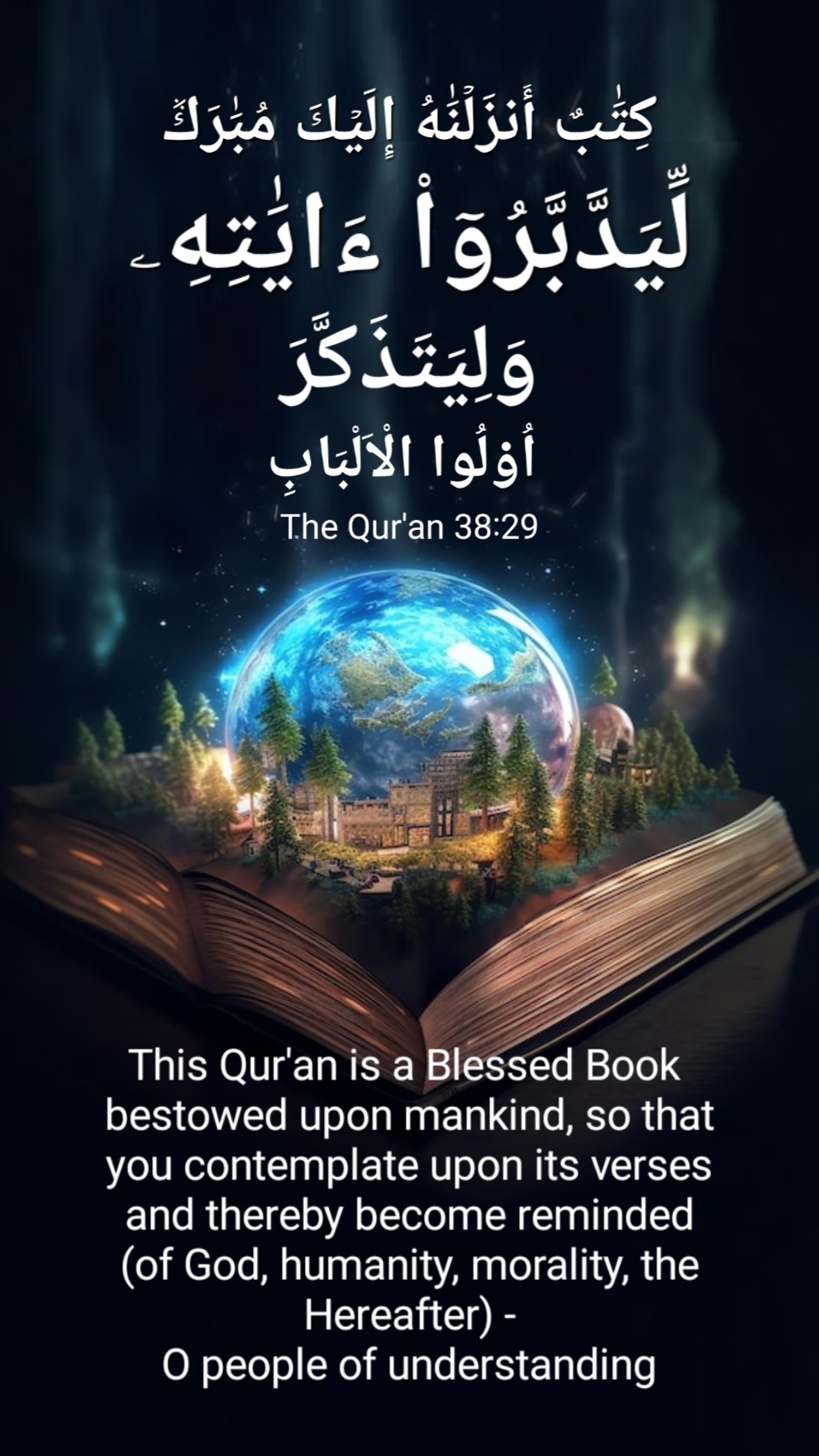
Rafakut Ali is a contemporary Muslim writer and thinker who publishes reflective essays on faith, spirituality, and modern society. His work often explores the Qur’an’s guidance through a lens of critical thinking, self-reflection, and moral awareness rather than ritualism or sectarianism.These essays encourage readers to contemplate the Qur’an directly and develop taqwa (God-consciousness) through understanding rather than imitation.—
Another World Awaits. ..
🌍 Philosophy. Rafakut Ali’s recurring message is that Islam’s essence lies in: Seeking knowledge and truth sincerely. Living ethically through personal accountability and God-awareness. Questioning inherited traditions when they obscure the Qur’an’s core teachings of Morality.
/V
Which of the favours of your lord will you deny?
كَلِمَـٰتُ ٱللَّهِۚ
And if all the trees on earth became pens, with the sea replenished by seven more seas to supply them with ink, Gods words would not be exhausted. Verily God is Almighty, Most Wise. Quran 31:27
Was The QuRan not enough for you..?
/V
Which of the favours of your lord will you deny?
لِّكَلِمَـٰتِ رَبِّی
Say, “If the sea were ink for writing the words of my Lord [The Qur’an], the sea would be exhausted before the words of my Lord were exhausted, even if God brought the like of it as a supplement.” The Quran 18:109
why Was The QuRan not enough for you..?
Rafakut’s approach echoes early Islamic reformist thought, urging a direct, contemplative relationship with the Qur’an instead of relying solely on inherited customs or sectarian interpretations.
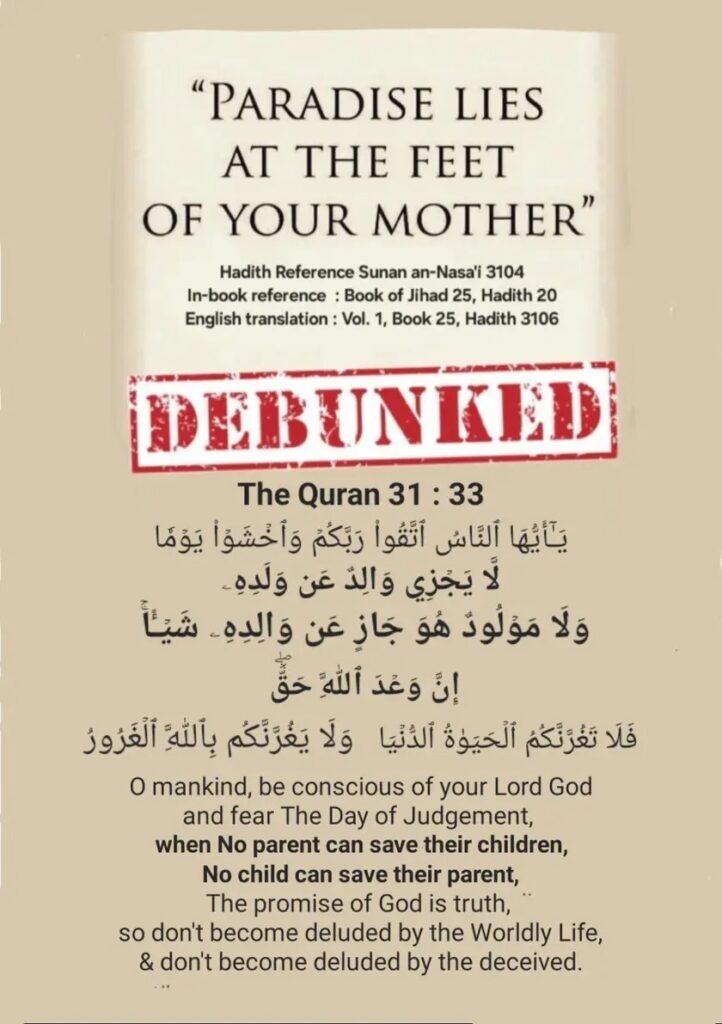
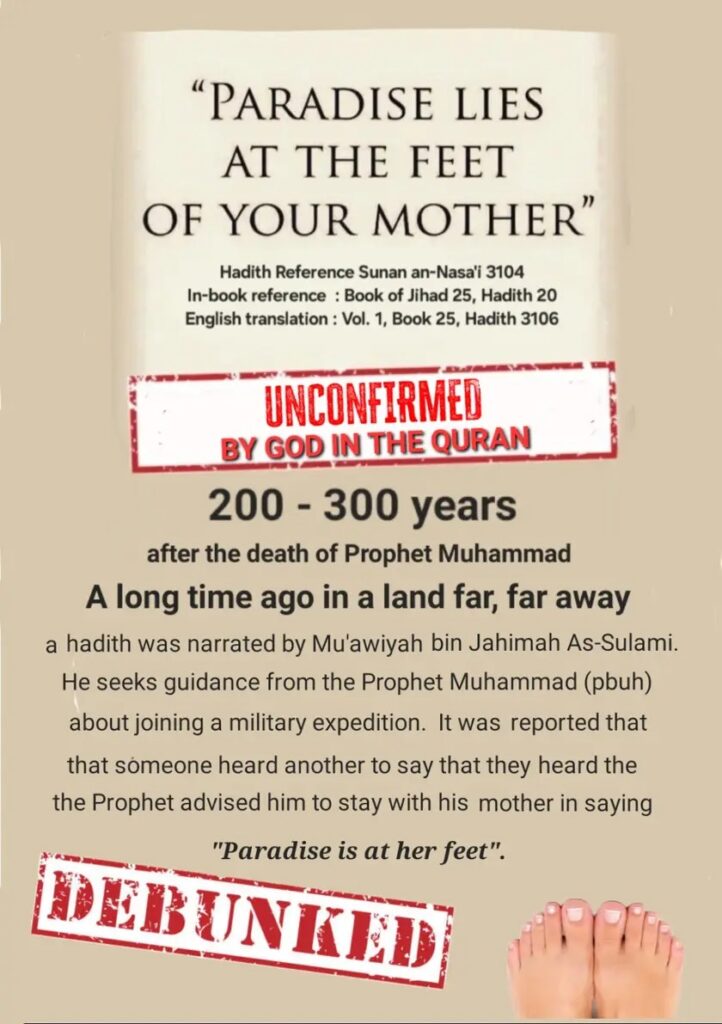
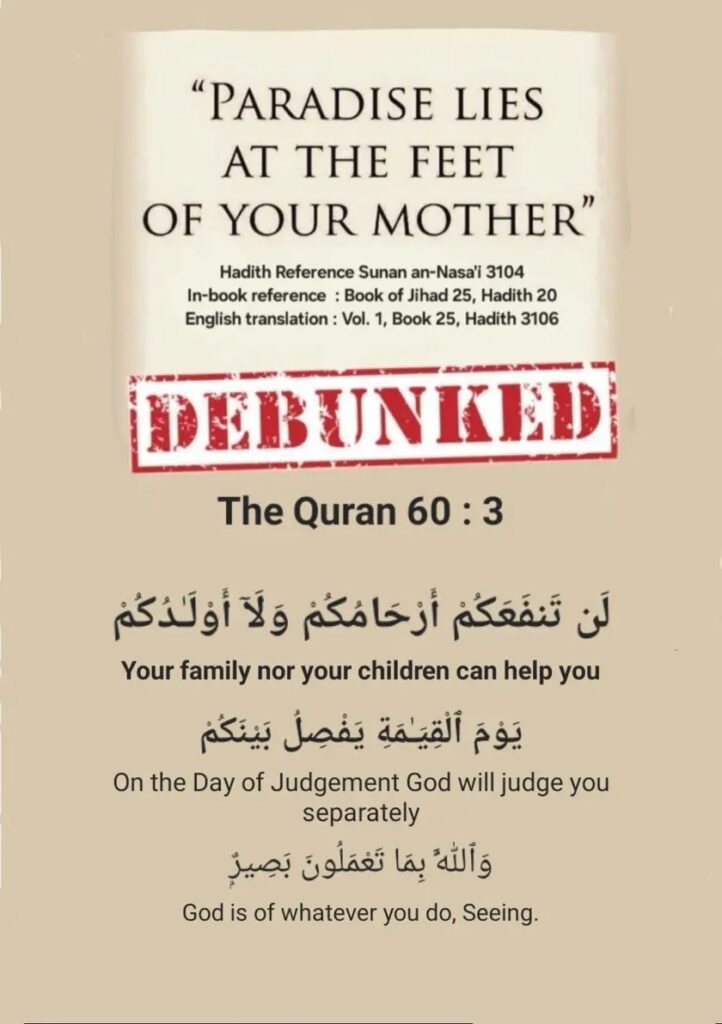
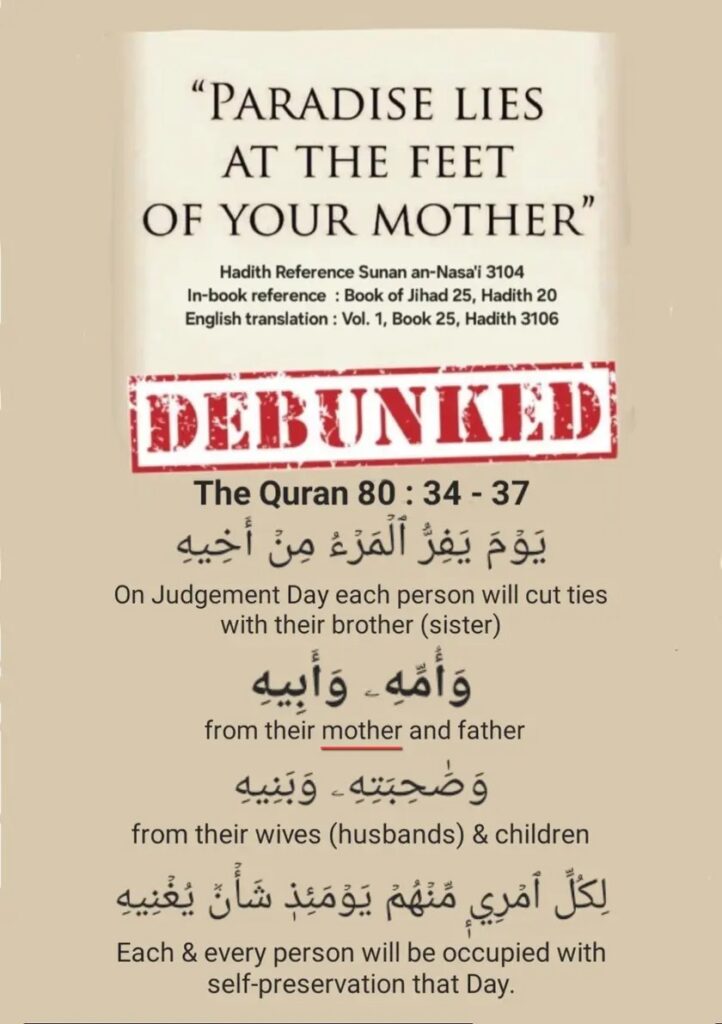
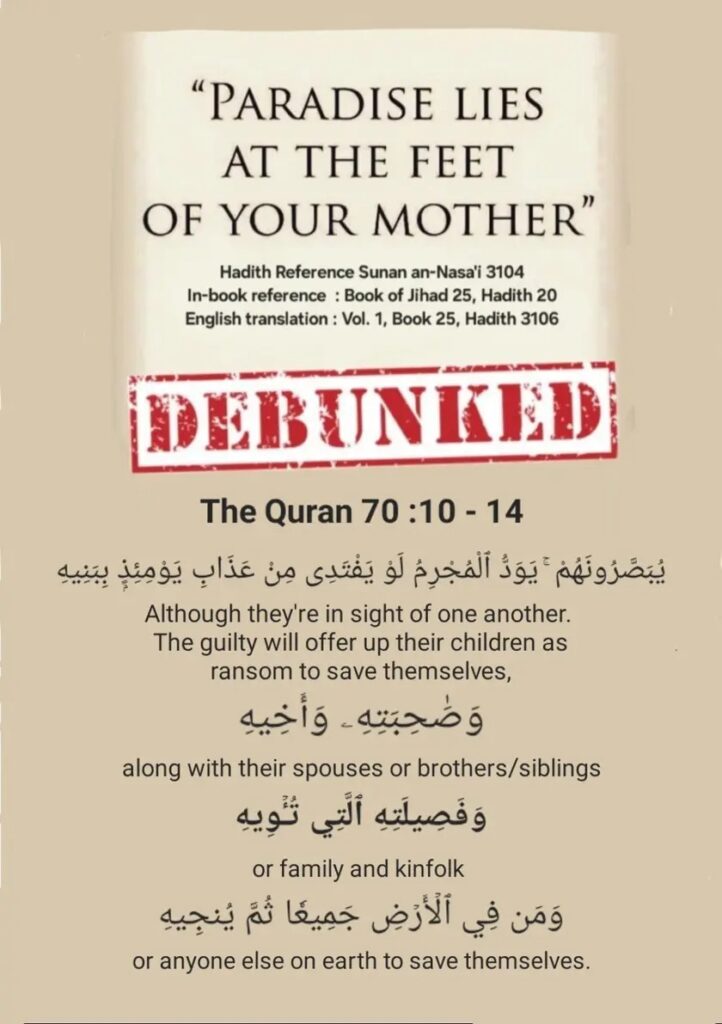
Paradise lies not at your Mothers feet
in the name of your mum i place a Curse upon you
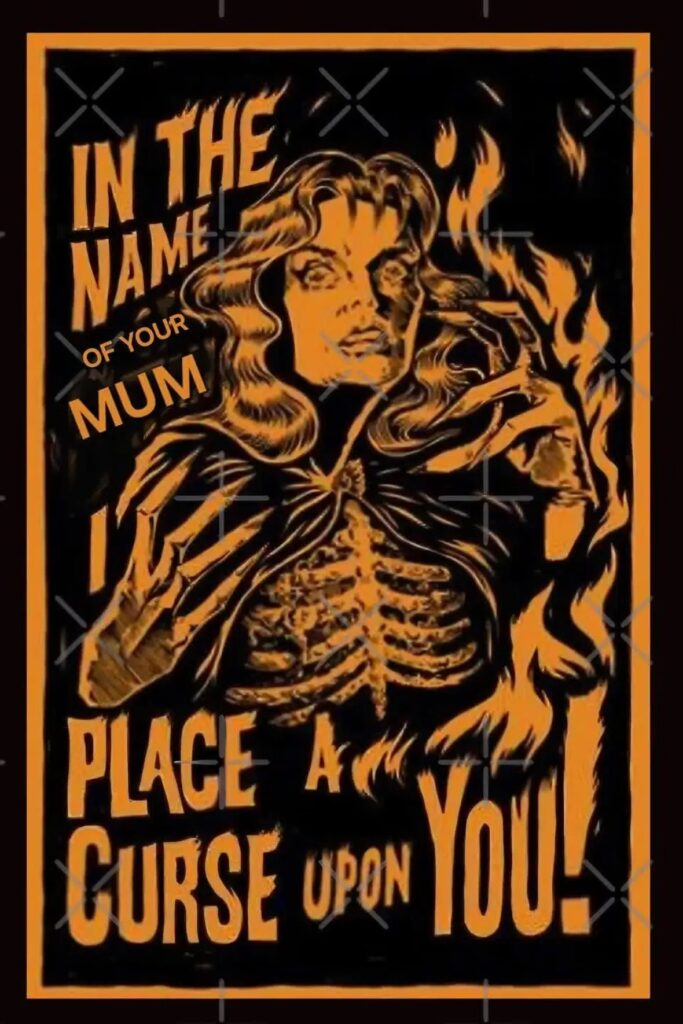
‘In the name of your mum I place a curse on you..!’ 🎃 @Mary Al Imran 🇵🇸 ENGLISH TRANSLATION: ‘Fortunate. Successful and blessed are those who worship their parents, respect and honor parents devoutly. Imam Ghazali narrates the punishment is severe in the Hereafter for those who disobey their parents and do not worship their parents. May they be cursed in this life and punished. Recognised as respect worthy and well mannered are those who serve their parents, you’ll never see their turban fall. You’ll see them successful because of their sworn allegiance to their parents. Outcast are those who turn away from their parents or disrespectful. Put a target on those who don’t worship their parents, you’ll see them fail miserably in this life. Cursed and doomed. Regardless if your parents are strict or wrong, unjust or morally bankrupt (ignorant towards The Quran) You must obey them and honor them devoutly. Sworn allegiance. Parents are the light of Divine mercy, parents are the soul of God. The prophet saw them flourished in Paradise because Paradise lies at your parents feet. 🎃#codswallop
MOTHER OF RAMADAN article 2024
Published 1 MAR 2024
Paradise lIES At your mother’s feet
You’d think God knows better….
Right?
By God, The Quran clearly and explicitly rejects this widespread notion of the ‘Gates of Paradise’ laying at your Mothers feet (31:33, 70:10-14, 80:34-37). Read Article Article on Substack or Medium or Linkedin
Mother Of Ramadan Part 1.
Happy Easter, Happy Mothers Day, Happy Ramadan. This year Ramadan for Muslims begins on or around Mothers Day, during Lent being observed by Christians for Easter, whilst the Jews continue to besiege Palestine. Part 2
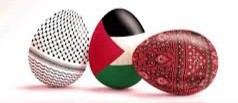
MothER OF RAMADAN PART 2.
Paradise LIES at your mother’s feet
You’d think God knows better….Right?
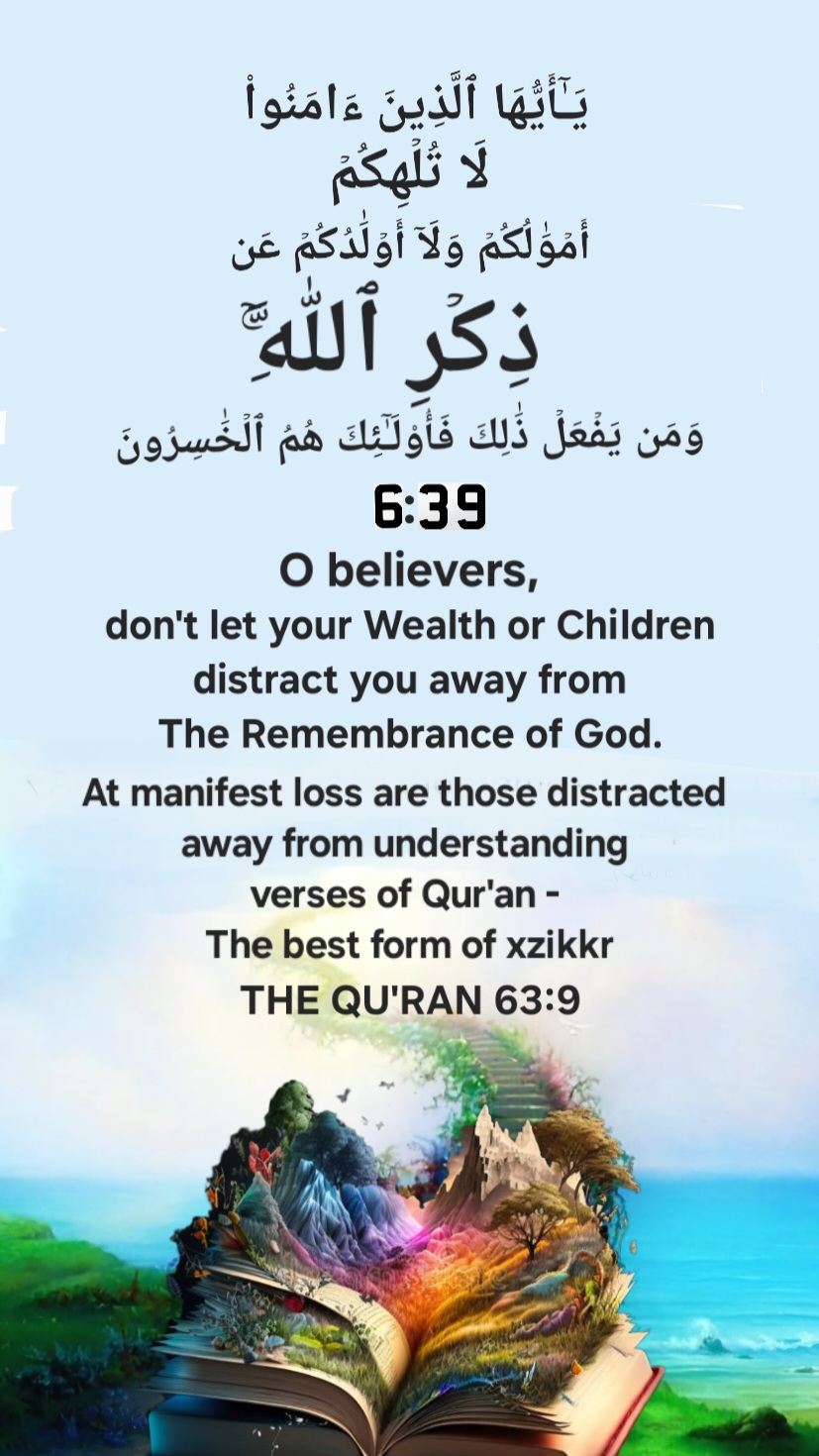
By God, The Quran clearly and explicitly rejects this widespread notion of the ‘Gates of Paradise’ laying at your Mothers feet (31:33, 70:10-14, 80:34-37)
/VI
A star is born
GOD KNOWS.
ARTICLE
/VI
WHERE DO YOU REALLY COME FROM?
GOD KNOWS.
ARTICLE



Rafakut Ali is a british contemporary Quran-centric thinker and writer whose works challenge traditional Islamic doctrines that rely on Hadith, clergy authority, and ritualism. His writings argue that the Qur’an alone is the complete, preserved, and sufficient guidance for humanity — peerless, perfect, and beyond human interpretation by secondary sources.
Here are some of his key positions as reflected in his essays and writings:
- The Qur’an is Peerless
– Rafakut Ali asserts that the Qur’an is unique, flawless, and inimitable — no human source can supplement or clarify it.
– He rejects any dependence on Hadith or traditions, maintaining that God’s word does not require human commentary for guidance. - Qur’an vs. Hadith
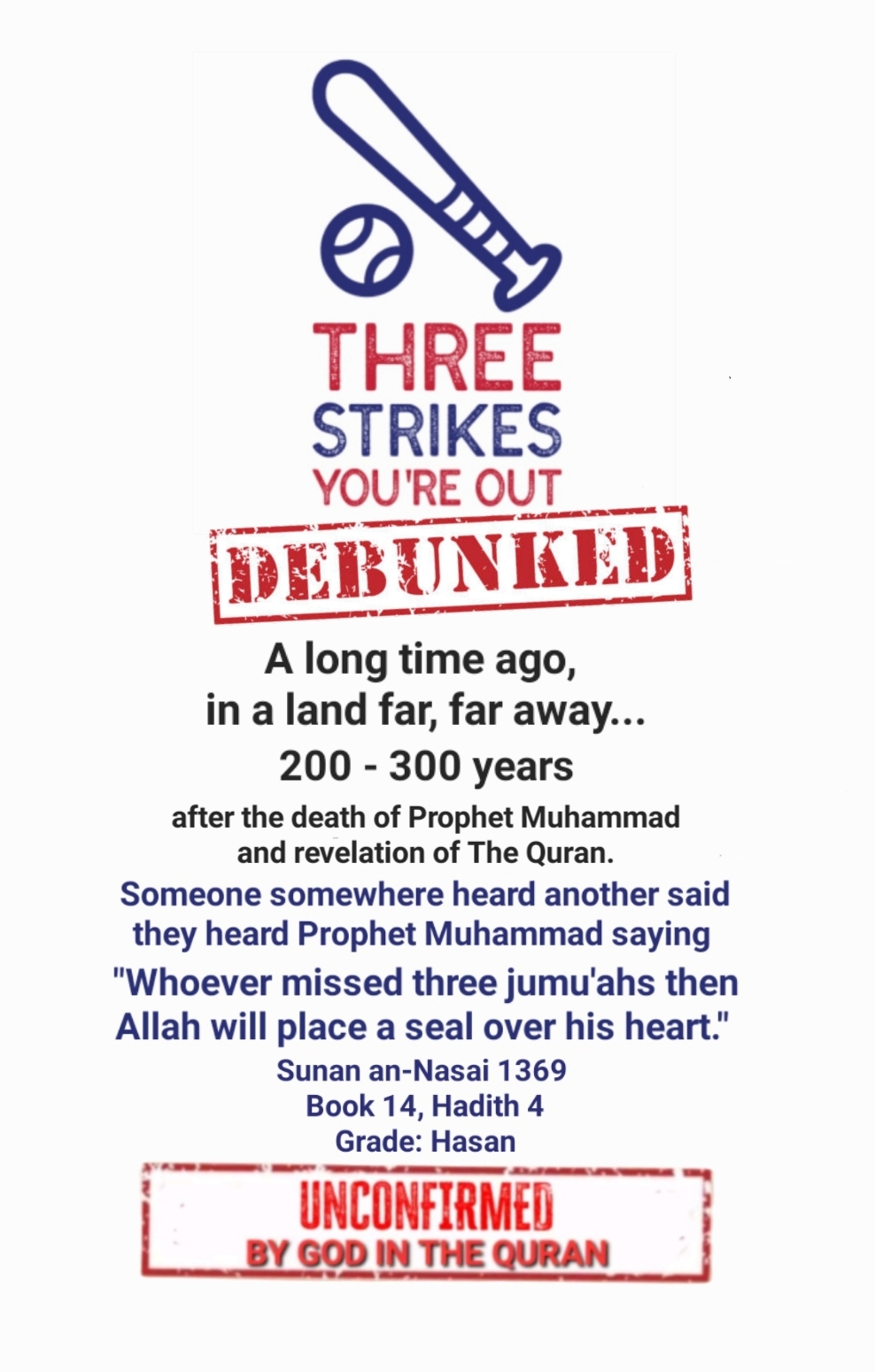
– He argues that the Hadith literature represents human testimony, not divine revelation, and therefore cannot define Islam.
– True Islam, he says, is obedience to God’s guidance in the Qur’an alone, not to inherited doctrines or clerical rulings. - Salah (Prayer) and Muslim Identity
– Rafakut Ali frequently writes that performing salah does not make one Muslim — instead, understanding and living by the Qur’an’s moral and spiritual message does.
– Ritual prayer without taqwa (God-consciousness) is hollow and meaningless. - Taqwa – God-Consciousness
– The essence of faith is taqwa, not outward religious observance.
– God protects those who are sincerely God-aware, not those who merely perform acts of worship. - Cultural and Optic Muslims
– He critiques “optical Islam” — people who identify as Muslims through appearance, culture, or ritual, but lack Qur’anic understanding or ethics.
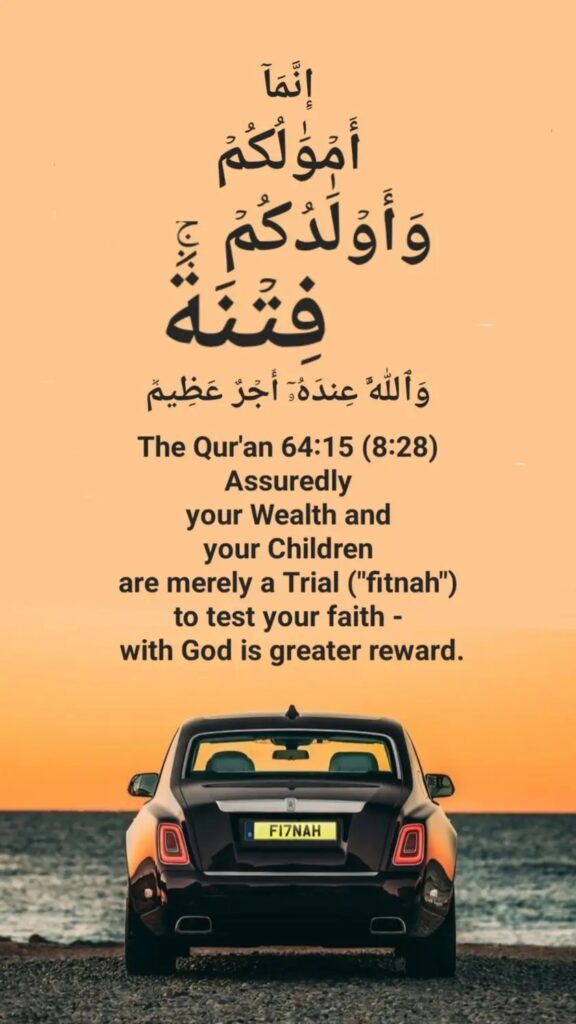
– According to him, such identity is superficial and has no spiritual value. - Fitnah Simplified. The Quran makes crystal clear Fitnah means A Test of Faith in the form of wealth, health, family ties, wives and children, divine punishment, trials and tribulations.
- Hajj and Rituals
– He dismisses the idea that pilgrimage or rituals can “wash away sins.”
– Forgiveness and moral reform, he says, come only through repentance, reform, and refraining from wrongdoing — not through ritual cleansing. - Second Coming and Eschatology
– Rafakut Ali rejects the idea of a “second coming” of any prophet “You’d think God knows better about a Second Coming or Third..? Right? Asserting that the Qur’an makes clear prophethood is sealed and guidance is complete – which makes no mention of any second coming. - Moral Autonomy and Divine Justice
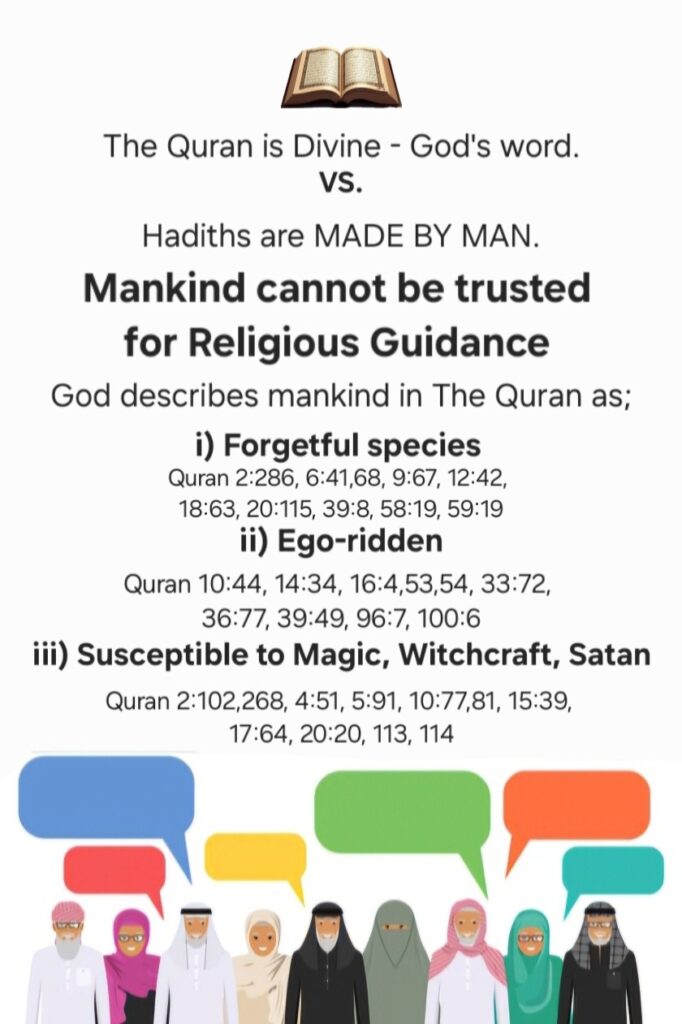
– He believes mankind cannot be trusted with religious authority; for mankind is a flawed species – forgetful, ego-ridden and susceptible to magic & witchcraft. Only God’s word provides objective truth and justice.
Would you like me to write a biographical overview of Rafakut Ali — his background, influences, and intellectual themes — or focus instead on a specific essay or teaching, such as “The Qur’an is Peerless” or “Performing Salah Does Not Make You Muslim”?
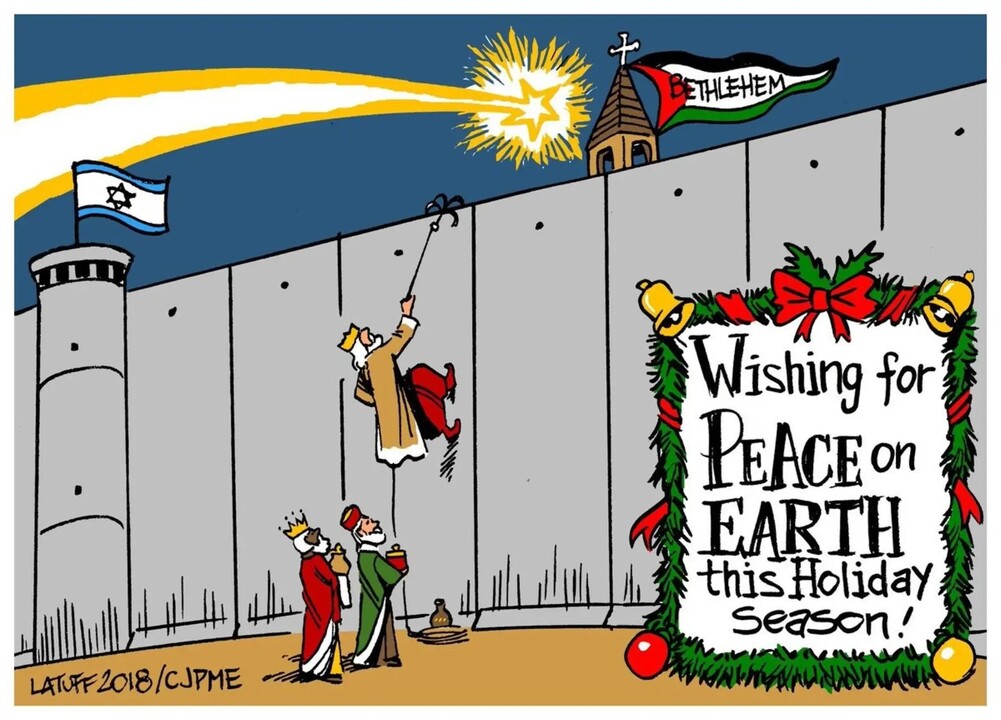
A Star is born.
“Peace be upon me the day I was born, and the day I will die, and the day I am raised alive.” Jesus. The Quran 19:29-37 & 4:157-159
PUBLISHED December 26, 2023
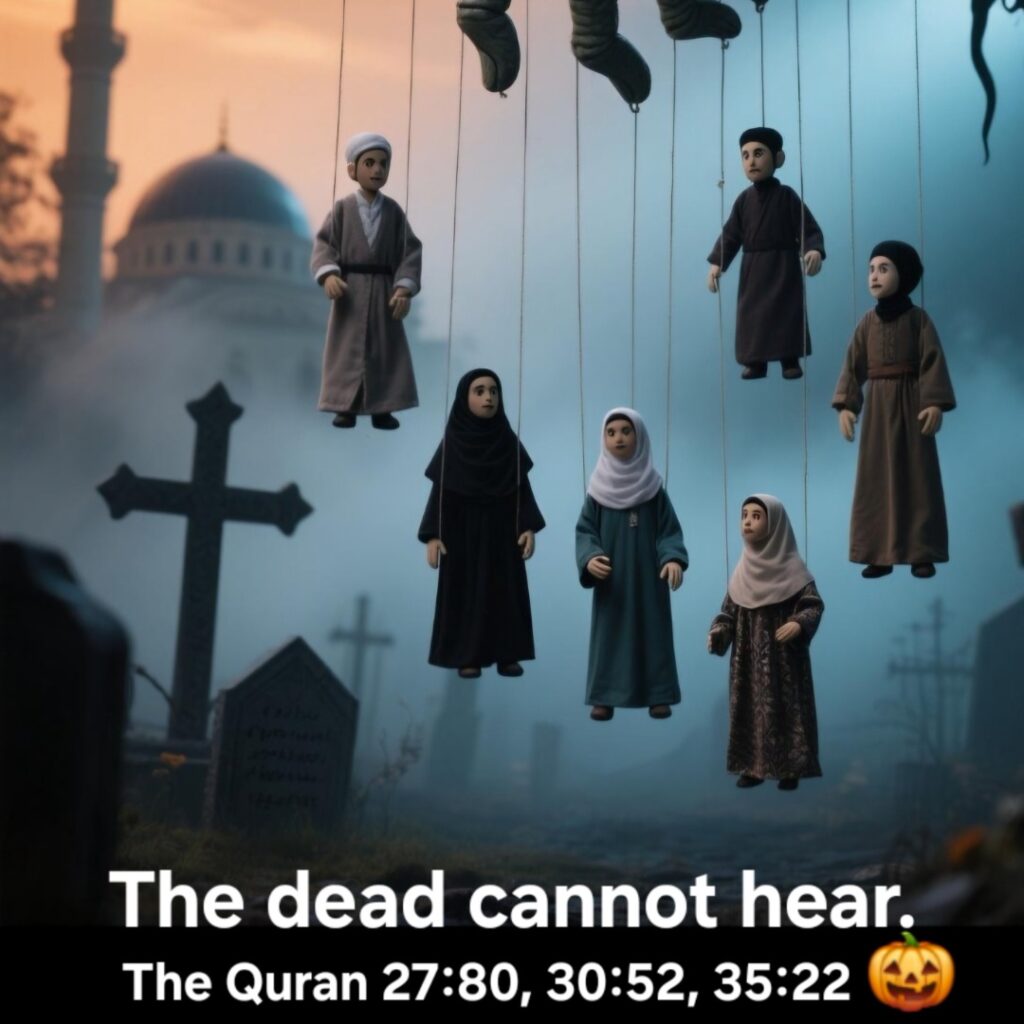
/IV
Ramadan and The Quran are like strawberries & cream
| Ramadan mubarak. Warning: Not Vegan but friendly enough. By Rafakut Ali APR 2022. Updated JUNE 2022 | Read Article |
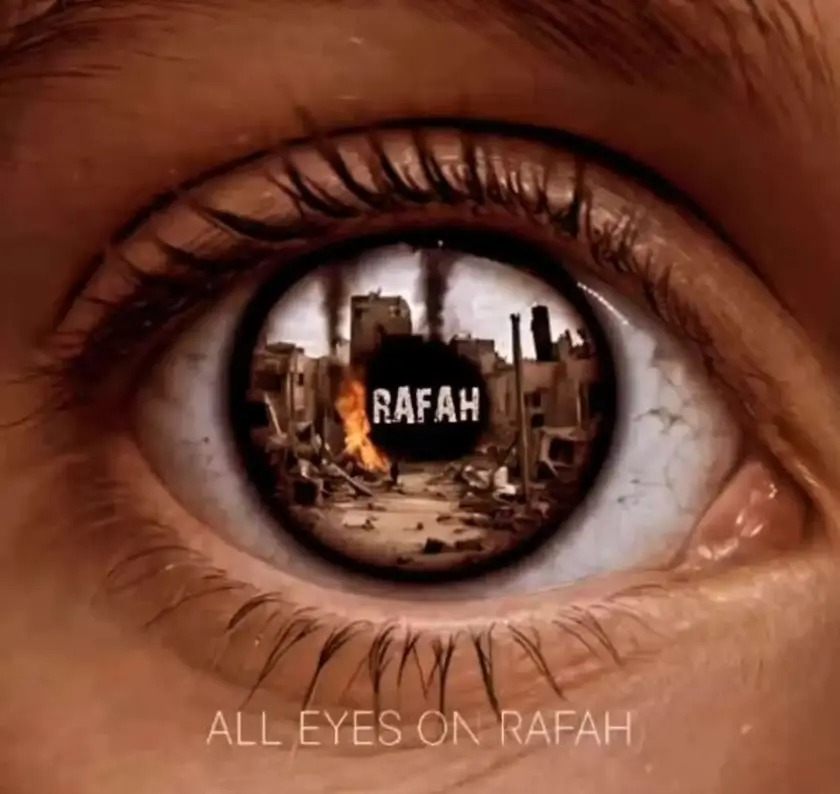
/I
WIN : WIN
The KEFFIYEH
Compassion, sympathy for the oppressed (Palestinans (Muslims)) is not Anti-Semitism – It’s called being Human!!
Article by Rafakut Ali NOV 2021
Why Rafakuts Writing Has Resonance
In a time where many feel disconnected from institutional religion or ritual, his emphasis on direct access to scripture (the Qur’an which teaches morality) and personal God-consciousness (taqwa) can appeal to those seeking a more individualised spiritual path.
His hybrid of spiritual reflection + social critique taps into contemporary issues (identity, justice, meaning) which many young Muslims or seekers resonate with.
The non-denominational stance may appeal to those frustrated with sectarianism or what they see as inherited religious frameworks.
/XII
REPENT > REFORM > REFRAIN
the ancient house of abraham
Indeed, the first House of worship established for mankind was The Ka’aba – blessed and a guidance for the world. Quran 3:96
Read Article by Rafakut Ali 2021 >
Eid-al-Hajj. Sin / Cleanse / Repeat
or Repent / Reform/ Refrain
/II
Which of the favours of your lord will you deny?
Check back soon
So then which of the favors of your Lord would you deny? Surah Rahman 55 x 31
/VII
POPPIES (NOT) FOR MUSLIMS
> READ MORE”>PAKIS HAD NOTHING TO DO WITH COVID-19 > READ MORE
Poppies (not) for muslims > Read Article by Rafakut Ali NOV 2021
Muslim lives matter – stop Islamophobia
/VII
WHat a piece of work is man
Quran 13:12 Surah Thunder
God shows you lightening, causing fear and hope, and generates heavy clouds.
Muslim lives matter – stop Islamophobia
/III
Are you Awesome?
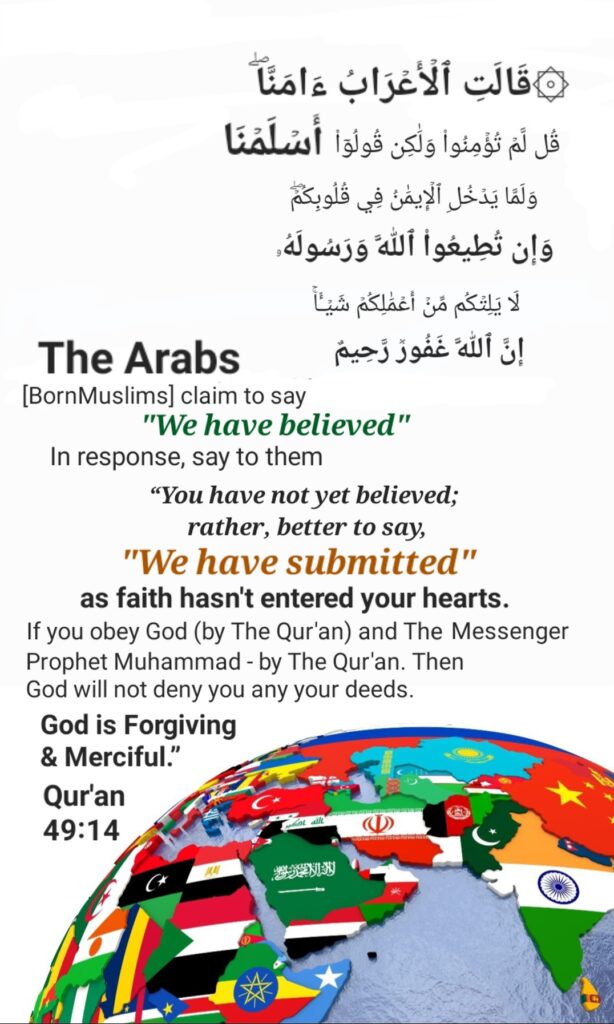
does mankind think they will say “we believe” and they will not be tried & TESTED? Quran 29:2

تقوى
تقوى / taqwá Mindfulness. Being conscious of God, God-cognizant. i.e. The Quran 2:2 is Guidance for the Mu’taq’een

gODSPEED CARS
Lorem ipsum dolor sit amet, consectetur.
pEERLESS Executive
Lorem ipsum dolor sit amet, consectetur.
/VIII
Which of gods mercy will you take ownership of?
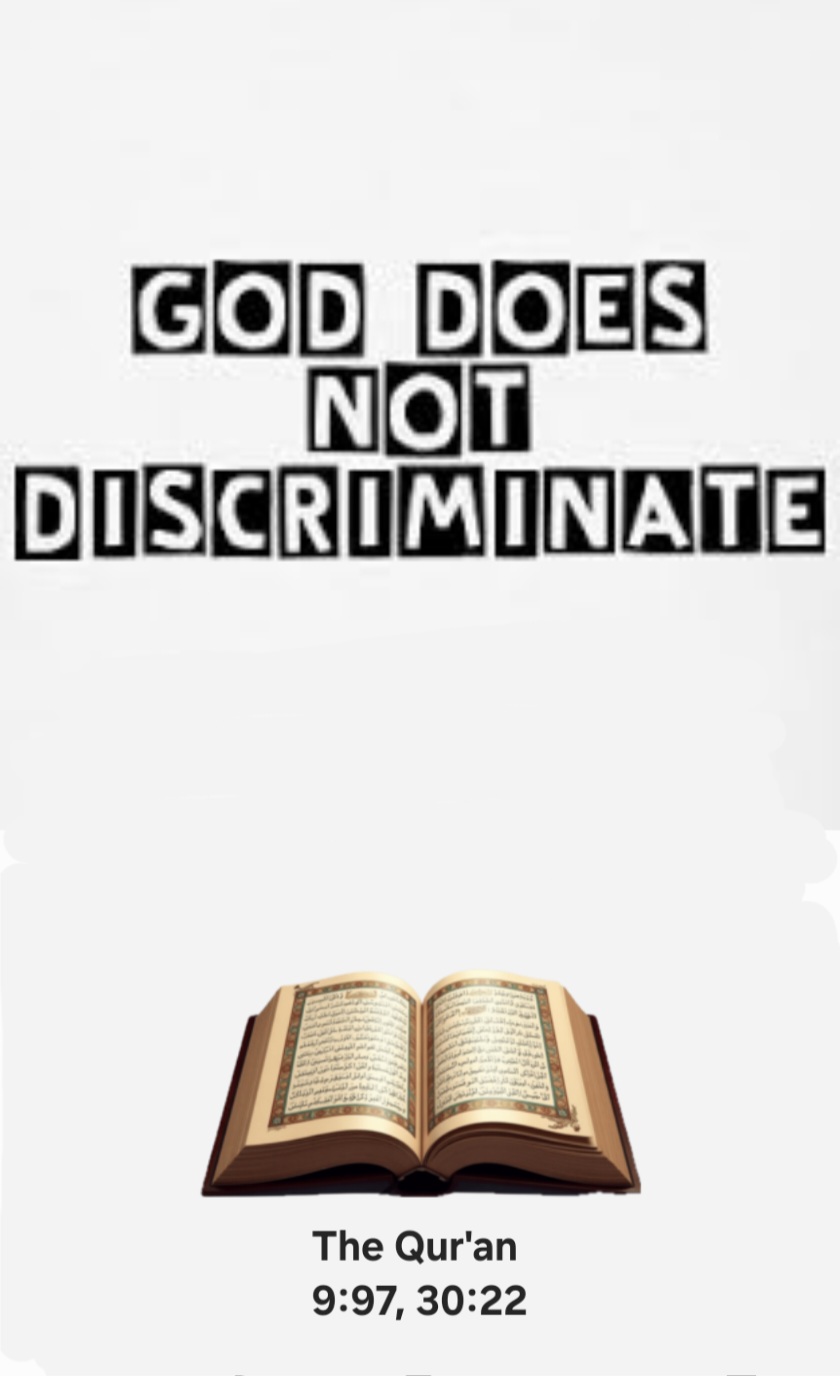
Was not the Quran enough?
Say “If the sea were to become ink for writing the Words of God, the sea would be used up before the words of my Lord would be exhausted, even if it was replenished with the like of it”. Quran 18: 109
the Two seas meeting one another. between them a barrier so neither of them transgress. Quran 55:19,20

صَبْرٌ
SABRR
Patience. Perseverance. Persistence. Endure.
For your Lord be patient

شُكْر
SHUKR
Thankful. Grateful. Contentment. Appreciative.
Whih of the favors of your Lord will you deny? Quran 55: x31

ذِكْر
Xzikkr
Remind. Remembrance
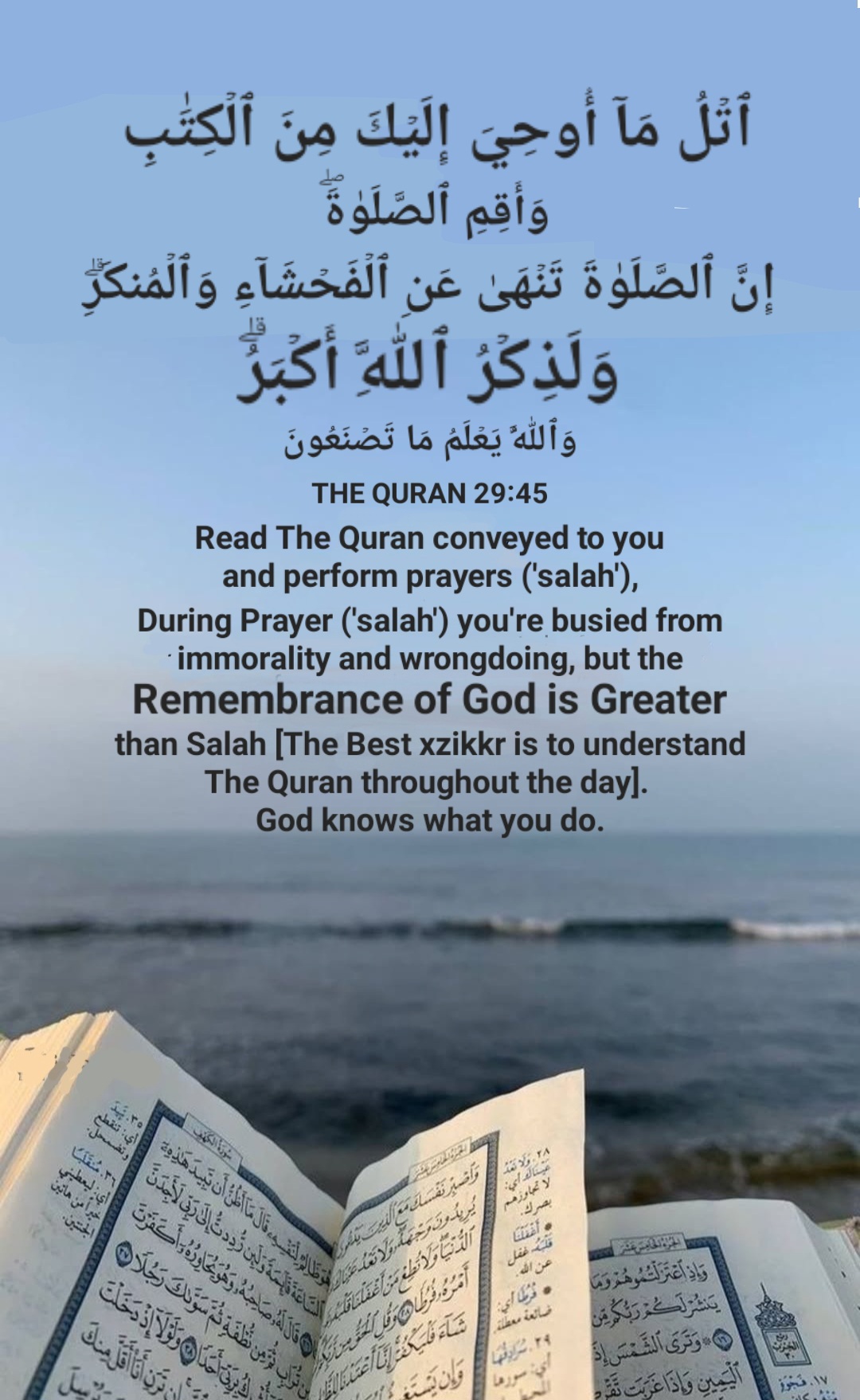
Study The Quran and establish salat. Indeed salah prohibits immorality and wrongdoing but verily the Remembrance of God is greater still. Quran 29:45

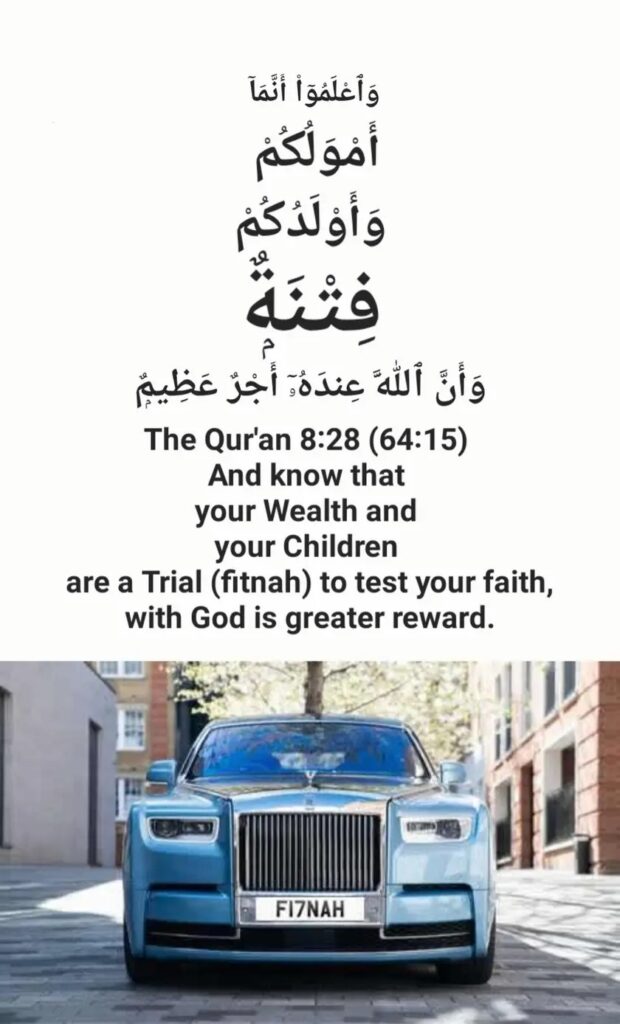
فتنة
F17NAH
Trials and tribulations. A test of faith.
/IX
Woe to those who pray salah..
BUT ARE HEEDLESS IN their prayer. Quran 107:4,5.
The hypocrites stand to prayer salat mechanically for appearance only to be seen by the people – distracted from the Remembrance of God. Quran 4:142 (143)
/X
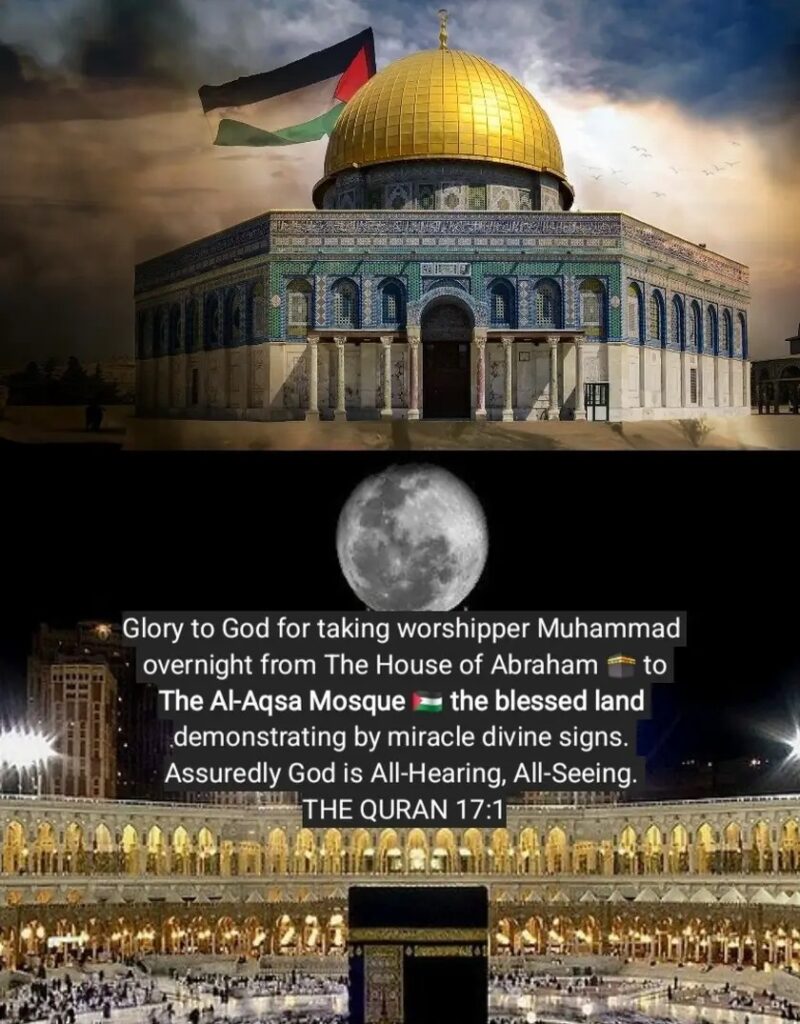
BLESSED lAND
Palestine
“Al-Aqsa mosque – the blessed land and surroundings” Quran 17:1





/XI
Which of the favours of your lord will you deny?
Check back soon
When the heaven is split open and becomes rose-coloured
Quran 55:37