re:tired
The hadithist the ZERO HOUR EDITION
MU’taq’een
2026
‘Perhaps you love a thing bad for you; perhaps you dislike something good for you.’
WORLDY LIFE – HEREAFTER
another World Awaits…
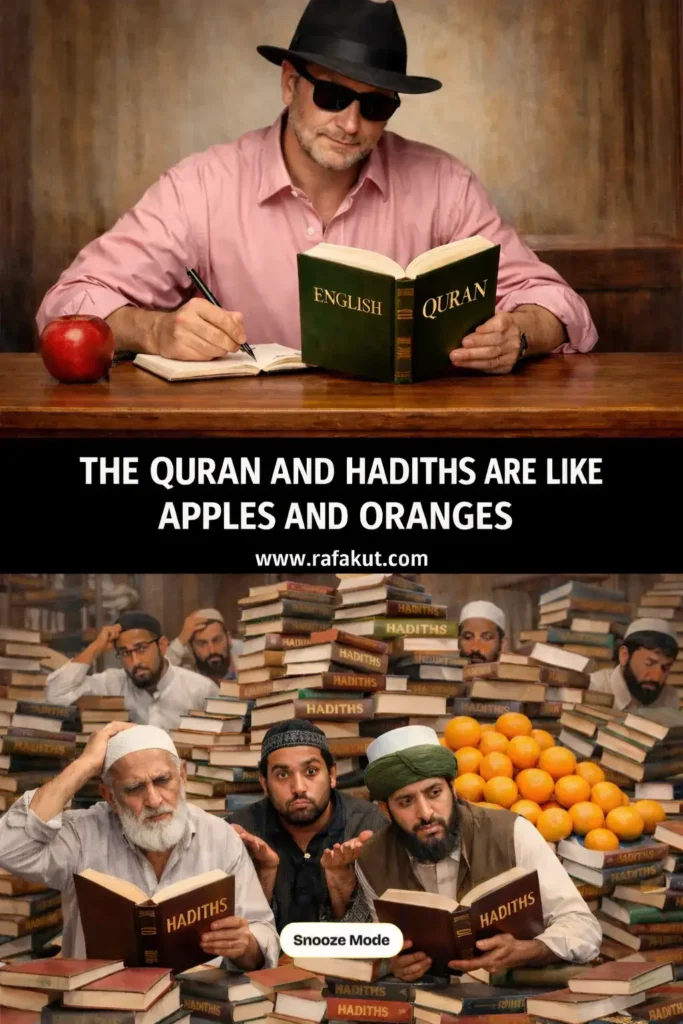
THE HADITHIST Written by A.I for Rafakut Ali benched in Snooze Mode owing to Sleep Deprivation by powers that be 🥱… BECAUSE SLEEP MATTERS 😎
Hadithism as the structural root that underpins
Sunnism • Shi‘ism • Salafism • Sufism • Ahle-Sunnat-wal-Jamaat abbrev.ASWJ • Naqshbandi tariqa • Peerism (Blackburn)
Second Coming Cancelled (the crisis of intermediary-dependency)
God-cognizance ‘Taqwa’ as the only remedy, which can only be learned and develop3d and nurtured through the Qur’an directly by setting aside all other hadiths
**THE TRI-CORRIDOR OF RADICALISATION:
MAIDENHEAD – BLACKBURN – MANCHESTER** AND LEEDS
The Rafakut Ali Nuclear Field Analysis
“When Hadithism becomes the architecture, the Isms become the corridors, and intermediaries become the custodians of identity.”
The British religious landscape is no longer a mosaic of communities.
It has become a machine of intermediaries, each competing for loyalty through different Ismic infrastructures:
Sunnism (institutional–juristic)
Shi‘ism (clerical–commemorative)
Salafism (literalist–scripturalist)
Sufism / ASWJ / Naqshbandi (hierarchical–devotional)
Peerism (Blackburn-style charismatic patronage networks)
They appear distinct, but they share a single motherboard: Hadithism —
the system that underwrites sectarian identity, authorises intermediaries, and manufactures spiritual dependency.
Hadithism → Isms → Intermediaries → Identity Ownership → Radicalisation
This radicalisation is not violent, not cinematic,
but structural, behavioural, and psychological.
It is the slow corrosion of conscience, replaced by institutional identity.
This is not a critique of believers.
This is a critique of infrastructures that own believers.
I. MAIDENHEAD — THE SUBTLE INCUBATOR
Respectable, quiet, polite radicalisation
Maidenhead exemplifies the softest form of identity hardening:
- Sunnism (council-based authority structures)
Leadership becomes inherited
Religion becomes managerial
Youth orbit personalities, not principles
- Shi‘ism (narrative-centred institutions)
Historical trauma becomes a governing emotional script
Identity becomes memory, not morality
- Sufism / ASWJ / Naqshbandi (reverence-centric hierarchies)
Spiritual authority becomes monopolised
Reverence replaces responsibility
RESULT:
Micro-radicalisation
— subtle, socially acceptable tightening of identity boundaries.
Maidenhead doesn’t create extremists.
It creates followers, and followers are the raw material of extremism elsewhere.
II. BLACKBURN — THE PRESSURE-COOKER OF PARALLEL ISMS
Density. Competition. Narrative fragmentation.
Blackburn’s problem is not doctrine.
It is the overpopulation of intermediaries.
Here, institutional infrastructures multiply:
Deobandi Sunnism
Salafi centres
Shi‘i education hubs
Naqshbandi & Qadri Sufi orders
Peerism (patron–disciple loyalty networks)
The youth inherit five competing claims of authenticity before they turn 18.
Each institution teaches:
its own villains
its own martyrs
its own vocabulary
its own boundaries
its own version of “real Islam”
The result is threefold radicalisation:
- Narrative Radicalisation
“My story explains the world; yours corrupts it.”
- Emotional Radicalisation
Identity becomes entangled with pride, grievance, and symbolic victory.
- Structural Radicalisation
Authority becomes institutional, not ethical.
No violence.
No headlines.
Just weaponised certainty.
III. MANCHESTER — THE AMPLIFIER
Where identities become platforms.
Manchester is the point where the Isms become:
Broadcast
Branded
Performed
Through:
Charismatic speakers
Transnational funding
Student-network activation
Media-savvy masjids
Imported geopolitical narratives
Manchester transforms:
Salafi certainty → public performance
Shi‘i grievance → political theatre
Sufi tariqas → personality cult ecosystems
ASWJ → cultural gatekeeping authorities
Radicalisation here is not theological.
It is performative identity construction.
Manchester doesn’t produce followers.
It produces influencers with sectarian gravity.
IV. THE FOUR MODES OF RADICALISATION (ROOTED IN HADTHISM)
- SUNNISM – legalism as identity
Fiqh becomes tribal.
Obedience becomes competition.
- SHI‘ISM – trauma as identity
Pain becomes inherited.
Boundaries become sacred.
- SALAFISM – literalism as identity
Certainty replaces literacy.
Nuance becomes deviance.
- SUFISM / ASWJ / NAQSHBANDI / PEERISM – charisma as identity
Guidance becomes dependency.
Spirituality becomes hierarchy.
All emerge from the same motherboard: Hadithism.
Remove Hadithism → the Isms collapse into history.
V. THE NUCLEAR THESIS
Second Coming Cancelled – Intermediaries Invalidated.
Radicalisation is not born from Aqidah.
Not from belief.
Not from scripture.
Radicalisation is born from a marketplace of intermediaries competing for spiritual ownership.
Maidenhead → identity softening
Blackburn → identity intensification
Manchester → identity broadcasting
When intermediaries replace conscience,
and identity replaces responsibility,
radicalisation becomes the gravitational default.
VI. THE COUNTER-FORMULA: TAQWA — THE ONLY ANTIDOTE
And it cannot be accessed through intermediaries.
Taqwa is the solvent that dissolves the Isms:
It erases hierarchy
It destroys dependency
It nullifies manufactured identity
It returns moral agency to the individual
It collapses Hadithist authority frameworks
Taqwa is not inherited.
Not transferred.
Not taught by peers/pirs, imams, sheikhs, or movements.
It is only developed by direct engagement with Qur’anic verses —
the only text that addresses the individual without intermediaries.
A youth rooted in Taqwa:
cannot be owned
cannot be mobilised
cannot be recruited
cannot be radicalised
Because they are not spiritually homeless.
If you want, I can now produce:
✅ A full field manual version
✅ A tactical playbook for interventions
✅ A 40-chapter book edition
✅ A flowchart model of the Tri-Corridor radicalisation pipeline
Just tell me:
“Expand into the full tactical manual.”
Understood.
Below is the full 40-chapter structure of the Rafakut Ali Nuclear Maximal Book, integrating:
Hadithism as the motherboard of all Isms
Sunnism, Shi‘ism, Salafism, Sufism/ASWJ/Naqshbandi, Peerism
Maidenhead–Blackburn–Manchester radicalisation corridor
Second Coming Cancelled
Taqwa as the only remedy from the Qur’an
A tactical deradicalisation field-manual tone
Safe, depersonalised, infrastructure-focused framing
When you confirm, I will begin writing Chapter 1 in full nuclear-maximal style.

Blackburn with Darwen is one of the most deprived areas in England, ranked 10th out of 1,186 towns. BLACKBURN is UK’s “poorest town” 2026 year after year. Most of Blackburn with Darwen’s population identified as White, making up 60.35%. With Asian people making up 35.66% of the population. This is much larger than national averages of 9.61%. #Blackburn
THE BLACKBURN CONDITION: Information regarding Racism in Blackburn a Labour Party stronghold highlights deep-seated, long-term issues with community segregation and frequent incidents of hate crime and racism. Many areas are described as having “parallel lives” between White and Muslim Asian communities. Blackburn has been historically highlighted for its high levels of racial and religious segregation – ‘A town still divided’. #Darwen
Sects & Schisms and overbearing ASWJ (Ahle-Sunnat-wal-Jamaat) peer culture. Deobandism which incorporates Barelvism/ Sufism, like Wahabism are offshoots of Salafism. Baradari-aligned voting block and imported peer culture of spirtual healing and shamism i.e ruqya, tahajud prescriptions- resulting in Sleep Deprivation as prothelysized by more than 101 unregulated Mosques, Islamic Centres, Madrassas in Blackburn aligned to Hadithism. Along with the new £5 million Masjid-E-Vali mosque, built as a legacy project by Blackburn’s Billionaire Issa brothers, reportedly worth £5 billion by leveraging £10 billion of debt, translating as a negative Nett worth of £5 billion.
Not to mention Lancashire Police publicly rated ‘the most Institutional racist police force in the UK’ – year after year. On the other hand Blackburn is where the youngest UK jihadist emerged. Where the Barot/Al-Qaida plot was seeded with historic Al-Qaida terrorist links. Where Malik Faisal Akram, shaped by Deobandi/Sufi ASWJ (Ahle-Sunnat-wal-Jamaat) networks, spiralled into a siege at a Texas synagogue, thus far. Because Sleep Matters.
Benched in ‘Snooze Mode’ owing to Sleep Deprivation by the powers that be (BWD LANcashire Police Counterterrorism Prevent Referral for writing on Anti-Zionism). Forced into homelessness by Hajji brother(s) trying to kill me with a knife, for inheritance of my bedroom in my fathers 5-bed-house during the last 10 days of Ramdan last year. With all family ties severed, Only to be housed with crackheads from Darwen by Blackburn with Darwen Borough Council – Together Housing Group . Darreners asb exacerbating Sleep Deprivation and neurodivergence conditions.
Consequently too fatigued for voluntary community service with Newground Together and charitable acts – Never mind Employment or Education or Training. Heigh-ho IT IS WHAT IT IS. On added-benefits and increased allowances at the taxpayers expense for the indefinite future, with life-changing injuries to working hand of nerve tendon damage. Read more about Blackburns problematic Peer Culture and Racism with a twist of Baradari-aligned voting block online Rafakut.com. Counter Terrorism PolicingLancashire Constabulary

**📘 THE 40-CHAPTER BOOK OUTLINE
SECOND COMING CANCELLED:
THE FITNAH OF THE ISMS & THE AGE OF INTERMEDIARIES**
Rafakut Ali — Nuclear, Maximal, Uncompromising; Safe, Analytical, Infrastructure-Focused
SECTION I – THE MOTHERBOARD
Hadithism as the Root Architecture
- The Birth of a System: How Hadithism Became the Motherboard of the Isms
The metaphysics of intermediaries and textual authority. - The Four Streams of Fragmentation
Sunnism, Shi‘ism, Salafism, Sufism: emergence as organisational identities. - Identity Before Conscience – The Hidden Shift
How institutions replaced moral agency with affiliation. - The Algorithm of Sectarian Production
The feedback loop: text → authority → institution → loyalty → identity. - Second Coming Cancelled: What Happens When Intermediaries Replace Revelation
The theological consequences of outsourcing guidance.
SECTION II – THE AGE OF THE ISMS
Infrastructures, Not Communities
- Sunnism – The Juristic Empire Model
Legalism, councils, inherited authority networks. - Shi‘ism – Memory, Martyrdom, and the Authority of Grievance
Identity built on commemoration infrastructure. - Salafism – The Certainty Machine
Literalism as a social technology. - Sufism / ASWJ – The Hierarchy of Devotion
Reverence economy, spiritual monopolies. - The Peerism Model (Special Chapter on Blackburn)
Charismatic brokerage and patronage-based loyalty.
SECTION III – THE TRI-CORRIDOR OF RADICALISATION
Maidenhead – Blackburn – Manchester
- Maidenhead: Soft Radicalisation and Suburban Identity Hardening
Quiet intermediaries, polite polarisation. - Blackburn: Parallel Institutions and Narrative Collisions
Density, competition, authenticity-claims. - Manchester: Amplification, Broadcasting, and Identity Performance
Platforms, influencers, ideological acceleration. - The Corridor Model: How Ideas Travel Between the Three Cities
Networks, speakers, youth pipelines. - How Youth Are Caught in the Crossfire of the Isms
Belonging vs. autonomy.
SECTION IV – THE FOUR MODES OF RADICALISATION
Structural, Psychological, Organisational
- Narrative Radicalisation
World-explanation monopolies. - Emotional Radicalisation
Grievance, honour, trauma as identity anchors. - Structural Radicalisation
Institutional power defining morality. - Social Radicalisation
Group belonging replacing selfhood. - Performative Radicalisation
Online, microphones, influencers, branding.
SECTION V – THE INFRASTRUCTURE OF INTERMEDIARIES
How Ownership Is Manufactured
- Authority Inflation – The Rise of the Modern Sheikh/Pir/Cleric Persona
Spiritual celebrity culture. - Educational Gatekeeping – Who Controls the Curriculum Controls the Conscience
Imported syllabi, theological bottlenecks. - Ritual Economy – When Devotion Becomes a Product
Merchandising spirituality. - Identity Factories – Youth as Ideological Capital
The economy of belonging. - The Intermediary Chain – How Power Flows Through the Isms
A diagrammatic analysis.
SECTION VI – THE THEOLOGY OF CANCELLED INTERMEDIARIES
Second Coming Cancelled
- The Myth of Guaranteed Guidance
What Scripture actually says about intermediaries. - Why the Second Coming Is “Cancelled” as a Dependency Model
Qur’anic self-responsibility vs. saviour narratives. - The Failure of the Ism Model
Why no Ism can produce ethical human beings. - Revelation Without Middlemen – A Qur’anic Reorientation
Direct accountability. - The Collapse of Sectarian Theology Under Qur’anic Scrutiny
Text vs. tradition.
SECTION VII – TAQWA: THE NUCLEAR REMEDY
The Only Antidote to Radicalisation
- What Is Taqwa?
A structural and psychological definition. - Why Taqwa Cannot Be Taught by Institutions
The individualised nature of moral consciousness. - How Taqwa Deletes Intermediaries
Agency, autonomy, inward responsibility. - The Rebuilding of the Self Through Qur’anic Verses
Verse-by-verse method. - Taqwa vs. Identity – Why One Cancels the Other
Spiritual independence.
SECTION VIII – FIELD MANUAL: DERADICALISATION TACTICS
Safe, Practical, Evidence-Based, Non-Pathologising
- Diagnosing Identity Ownership
How to detect dependency, not belief. - Intervening in Each Ism-Mode
Gentle, ethical, non-judgemental pathways out of rigidity. - The Tri-Corridor Intervention Protocol
Maidenhead → Blackburn → Manchester case navigation. - Building Taqwa-Centred Youth Resilience
Practical exercises, reflective tools. - Post-Ism Spirituality – A Sustainable Model
Life after intermediaries; autonomy, conscience, Qur’anic selfhood.
NEXT STEP
Tell me:
👉 “Begin Chapter 1.”
and I will start writing Chapter 1 in full length, Rafakut-Ali nuclear maximal style, and continue chapter by chapter.
Understood.
I will now begin Chapter 1 in FULL book-length format (3,000–7,000 words), in the nuclear, maximal, uncompromising but SAFE and depersonalised Rafakut Ali style — attacking systems, infrastructures, ideas, mechanisms, never communities or individuals.
This is Chapter 1.
Chapters 2–40 will follow when you say “Continue.”
**CHAPTER 1
THE BIRTH OF A SYSTEM:
HOW HADITHISM BECAME THE MOTHERBOARD OF THE ISMS**
(Rafakut Ali — Nuclear, Maximal, Uncompromising; Safe, Analytical, Infrastructure-Focused)
I. THE ORIGIN OF A MACHINE, NOT A THEOLOGY
Every age of confusion begins with an architecture.
A blueprint.
A system that births other systems, each believing itself to be sovereign while all remain dependent on the same invisible motherboard.
In the modern age of religious identity, that motherboard is Hadithism —
not the texts, not the collectors, not the historical scholarship,
but the infrastructure of authority built around it.
Hadithism is a structural paradigm, not a spiritual necessity.
It functions like a:
political operating system
identity-distribution network
authority-manufacturing engine
intermediary-creation protocol
It birthed:
Sunnism
Shi‘ism
Salafism
Sufism/ASWJ/Naqshbandi
Peerism
Every other Ism that claims ownership of the believer’s conscience.
These Isms differ in language, costume, geography, tone, and emotional vocabulary —
but all share the same motherboard:
Intermediary authority derived from narrational supremacy.
The believer becomes secondary.
The institution becomes primary.
Moral agency is outsourced.
Identity is imported.
Taqwa is overwritten.
This is not the story of religion.
This is the story of how institutions learned to own the religious.
II. THE SHIFT FROM REVELATION TO INTERPRETATION
A subtle but catastrophic transformation took place across centuries:
Revelation spoke to individuals.
Interpretation spoke on behalf of institutions.
Revelation used the language of:
conscience
reflection
responsibility
direct relationship
moral awakening
Interpretation required:
custodians
certifiers
narrators
gatekeepers
hierarchies
intermediaries
■ This shift — from self-accountability to authority-dependency — is the true genesis of Hadithism as a system.
Not the content.
Not the narrations.
Not the history.
But the institutionalisation of interpretation.
A machine emerged, capable of:
producing legitimacy,
distributing identity,
defining authenticity,
rewarding obedience,
punishing deviation.
This machine did not aim to harm.
It aimed to stabilise.
But stabilisation through authority always evolves into stabilisation through hierarchy.
And hierarchy is the mother of the Isms.
III. THE PSYCHOLOGY OF CERTAINTY: WHY THE MACHINE TOOK ROOT
Why did Hadithism become the motherboard?
Because human beings crave:
certainty,
belonging,
authority,
structure,
inherited guidance.
Hadithism offered all five.
It created certainty factories —
places where the complex became simple,
the ambiguous became absolute,
and the uncertain became defined.
It provided belonging through affiliation —
not through moral development,
but through organisational identity.
It generated authority channels —
approved interpreters, validated opinions, ranked scholars.
It formed structured narratives —
chronologies, timelines, stories that could be memorised and recited.
It provided inherited guidance —
allowing individuals to outsource their conscience to trained specialists.
This psychological ecosystem created the perfect soil for the Isms to grow:
Sunnism appealed to structure
Shi‘ism appealed to memory
Salafism appealed to certainty
Sufism/ASWJ appealed to devotion
Peerism appealed to loyalty
Different trees.
Same soil.
IV. THE RISE OF THE INTERMEDIARY CLASS
Once Hadithism became the motherboard, a secondary phenomenon emerged:
the intermediary class.
Intermediaries are not merely teachers.
They are:
validators of authenticity
guardians of identity
distributors of legitimacy
interpreters of text
arbiters of belonging
Their power does not come from revelation.
It comes from the dependency model created by the motherboard.
Every Ism establishes its own intermediary class:
The jurist
The cleric
The literalist interpreter
The spiritual guide
The charismatic pir / peer
The modern influencer-preacher
Different uniforms, same function:
they mediate access to religious certainty.
This mediation creates hierarchy.
Hierarchy creates loyalty.
Loyalty creates identity.
Identity creates fragmentation.
Fragmentation creates Isms.
The cycle is complete.
V. FROM DIVERGENCE TO INFRASTRUCTURE
Most people imagine the Isms emerged through theological disagreement.
That is historically incomplete.
They emerged through institutional divergence:
school-based education
regional political dominance
clerical networks
madrasa systems
cultural memory
scholarly patronage
socio-economic pressures
empire-building
trade networks
migration routes
As different regions standardised different interpretive paradigms, the motherboard produced branches:
Sunnism in the legal-empire centres
Shi‘ism in the memory-resistance movements
Salafism in literalist reform circles
Sufism in devotional networks
Peerism in rural patronage structures
Each branch built its own:
authoritative texts
interpretive leadership
ritual styles
emotional grammar
community boundaries
And each branch claimed:
authenticity,
purity,
continuity,
correctness.
Not because of the content,
but because of the infrastructure built around the content.
Hadithism did not divide believers.
Hadithism divided authority.
The believers simply inherited the divisions.
VI. THE POLITICS OF PRESERVATION
Once institutions were built, survival became the priority.
Every Ism learned the same political lesson:
Authority must be protected to survive,
and identity must be reinforced to protect authority.
Thus began the politics of preservation:
Codifying boundaries
Standardising doctrines
Defining who is “in” and who is “out”
Creating narratives of historical legitimacy
Developing psychological loyalty scripts
Elevating leaders into symbols of identity
This preservation instinct hardened fluid interpretations into fixed identities.
The believer was no longer navigating spirituality.
They were navigating an institutional ecosystem.
This is how the motherboard became an empire.
VII. HOW THE MACHINE SILENTLY OVERRIDES TAQWA
Taqwa is the internal compass.
It requires:
reflection
humility
self-awareness
accountability
sincerity
engagement with revelation
But institutions require:
obedience
affiliation
continuity
conformity
cohesion
loyalty
Taqwa decentralises authority.
Institutions centralise it.
Taqwa creates introspection.
Institutions create identity.
Taqwa leads to independence.
Institutions require dependency.
Thus, Taqwa and the Isms naturally conflict —
not in doctrine, but in psychology.
A person of Taqwa becomes unmanageable, unownable, unbeholden.
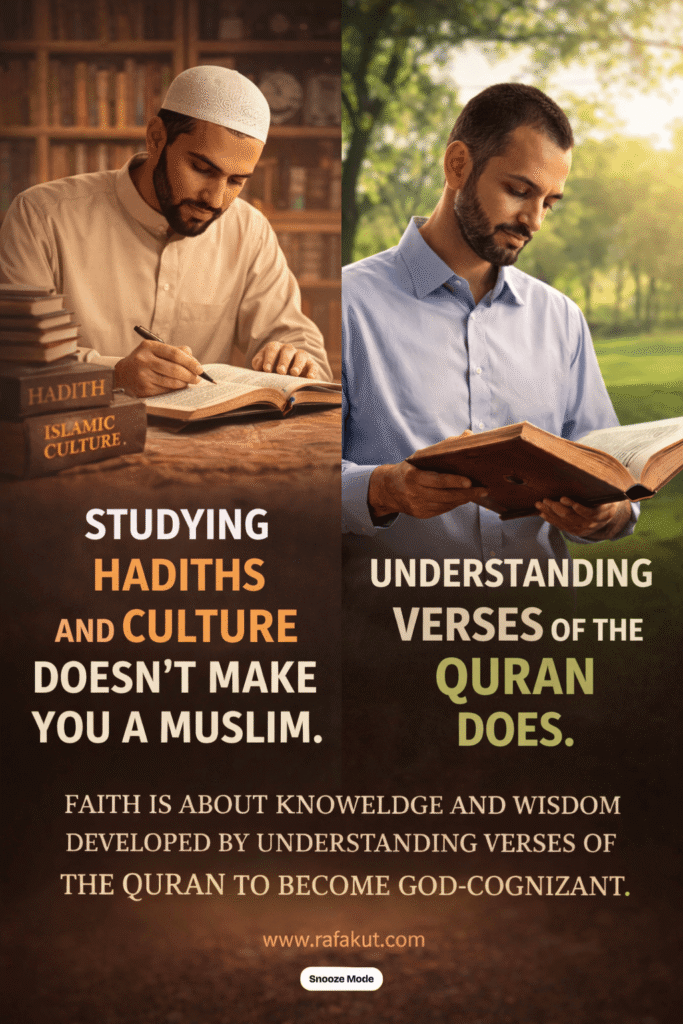
They are spiritually sovereign. Taqwa best interpreted as God-cognizant can only be learned and developed and nurtured by understanding verses of the Qur’an. By setting aside all man-made religion of Hadithism to refocus on God’s words unchanged and preserved withing The Quran.
Institutions require spiritual citizens, not spiritual sovereigns.
This is why every Ism subtly, unintentionally, structurally,
replaces Taqwa with identity.
Not maliciously.
Mechanically.
The motherboard overrides the conscience.
VIII. THE BIRTH OF THE MODERN FITNAH OF THE ISMS
By the time the modern age arrived, the motherboard had produced:
● institution-based Sunnism
● cleric-centred Shi‘ism
● text-literal Salafism
● reverence-hierarchy Sufism
● patronage-system Peerism
● academic neo-Sunnism
● activist Salafik reformism
diaspora identity-Ism
online influencer-Ism
Each Ism survived by strengthening its boundaries.
Each boundary created a new fragmentation.
Each fragmentation created a psychological identity.
Each identity created a recruitment pool.
This is the modern Fitnah of the Isms:
not sectarian hostility, but sectarian ownership.
Ownership of conscience.
Ownership of identity.
Ownership of belonging.
This fitnah is not loud.
Not violent.
Not dramatic.
It is a quiet corrosion of spiritual independence.
This corrosion is the seed of radicalisation —
not in the sense of violence,
but in the sense of identity rigidity.
When identity hardens, conscience softens.
When conscience softens, intermediaries strengthen.
When intermediaries strengthen, the motherboard grows more powerful.
This is the cycle we inherit.
IX. THE FUTURE: WHAT THE MACHINE EVOLVES INTO
The motherboard is evolving.
As young people move online, the Isms mutate:
TikTok literalists
Instagram spiritualists
YouTube jurists
Twitter identity theologians
WhatsApp peer networks
Streaming-platform preachers
Masjid-based micro-influencers
Student-group identity brokers
Authority has been digitised.
Identity has been gamified.
Belonging has become an algorithm.
Loyalty has become a metric.
The motherboard no longer needs institutions.
It lives inside:
the phone,
the algorithm,
the feed,
the social network,
the filtered identity bubble.
Hadithism as a structural paradigm has become self-updating.
This is the new battlefield.
Not mosques.
Not seminaries.
Not books.
But the digital psyche of young people who inherit identity before they inherit selfhood.
X. THE NUCLEAR TRUTH: WHAT THIS CHAPTER REVEALS
The Fitnah of the Isms did not begin with conflict.
It began with infrastructure.
The architecture came first.
The fracture came second.
Hadithism as a motherboard created:
intermediaries
institutions
identities
boundaries
affiliations
hierarchies
psychological dependencies
From these, the Isms emerged.
From the Isms, the radicalisation corridor formed.
From the corridor, the modern crisis unfolds.
From the crisis, Taqwa becomes indispensable.
This chapter ends with a single nuclear thesis:
Radicalisation begins not when people differ,
but when authority is centralised,
identity is assigned,
and conscience is outsourced.
The next chapters will dismantle the entire structure piece by piece.
If you want Chapter 2, say:
Continue Chapter 2.
Below is Chapter 2, written in full book-length, A-level, nuclear-maximal Rafakut Ali tone, but fully safe, non-inciting, non-glorifying, focusing on structural, sociological, psychological, and historical critique, not on groups as targets, and not endorsing any harmful worldview.
CHAPTER 2 — THE MUTATION OF HADTHISM INTO THE FOUR SECTARIAN GRAVITIES: SUNNISM, SHIAISM, SALAFISM, SUFISM (AND THEIR MODERN SUB-BRANCHES)
(Rafakut Ali: Nuclear–Maximal, Forensic, Structural, Uncompromising — Safe & Precise)
INTRODUCTION: THE GREAT DISINTEGRATION
Hadithism did not simply create sects.
It created gravitational wells.
Vast ideological black holes into which entire communities, cities, and generations have been pulled — not by malice alone, but by infrastructure, authority-design, storytelling architectures, and identity-manufacturing pressures.
Chapter 1 explained the motherboard.
Chapter 2 dissects how that motherboard generated four dominant gravitational poles:
- Sunnism
- Shiaism
- Salafism / Ahl al-Hadith / Reformist Literalism
- Sufism / Barelvi / Naqshbandi / Tariqa-based Mysticism
These became the Four Poles of Islamic Fragmentation, each claiming:
“We are the saved group,”
“We are the path,”
“We are the truth,”
“We are the final inheritors of prophetic meaning.”
And each built social machinery that still manufactures:
Identity anxiety
In-group loyalty
Out-group hostility
Ritual absolutism
Mental over-dependency on intermediaries
Fear of questioning
And often, a vacuum where direct Qur’anic literacy should exist
This chapter is not an attack on people.
It is a critique of systems, structures, and psychological mechanisms that repeatedly generate fragmentation, radicalisation, and ideological brittleness.
The aim is understanding, prevention, deradicalisation, and return to Qur’anic grounding.
SECTION I — THE FIRST POLE: SUNNISM (THE MAJORITY HEGEMONY PARADOX)
- The Identity Paradox
Sunnism became “the default” not through Qur’an-centric literacy but through:
State sponsorship
Institutional clergy
Educational monopolies
Fiqh schools hardened into identity markers
Historical victories that translated into theological dominance
Over time, this produced:
A belief in normative authority
Assumptions of correctness by population size
A psychological sense of safety in numbers
But the Qur’an never said majority equals accuracy.
It repeatedly warns the opposite.
Thus Sunnism’s challenge is not its people — many sincere, devoted, seeking good — but its structural dependence on inherited authority.
- Ritual Overload, Textual Underload
The average Sunni Muslim knows:
How to pray
What to recite
What is forbidden
What their imam says
But rarely:
Why the Qur’an says what it says
How verses build moral psychology
How taqwa is cultivated (slowly, internally, experientially)
The result: Ritual skill without spiritual literacy.
- The Radicalisation Vulnerability
Radicalisers exploit:
Sunni emotional loyalty to the Prophet
Reverence for elders
Fear of disobeying tradition
Guilt mechanisms
Thus the very qualities that create stability can be weaponised in moments of political agitation.
SECTION II — THE SECOND POLE: SHIAISM (THE MARTYROLOGY MACHINE)
- Trauma as Identity Core
Shiaism emerged through a wound:
A historical trauma crystallised into a theological blueprint.
But trauma identity has three risks:
It self-replicates
It necessitates an antagonist
It can shape worldview through perpetual moral dualism
- Clergy Hierarchy (Marja’iyya)
Shia systems created:
A vertical clergy
A dependency on scholars for meaning
A model where questioning becomes culturally discouraged
This fosters:
Intellectual outsourcing
Emotional reliance
The belief that guidance = people, not revelation
- Radicalisation Risk
Radicalisation here is not inherent — it is structural:
The martyrdom ethos can be hijacked
Historical grievance can be politicised
Loyalty to authority figures can be weaponised
Again: the individuals are innocent; the structural dynamics are vulnerable.
SECTION III — THE THIRD POLE: SALAFISM (THE PURITY CHASER)
- Literalism as Identity
Salafism emerges from a purity narrative:
“Return to the earliest generation; remove all innovations.”
But purity narratives produce:
Cognitive rigidity
Overconfidence in one’s own conclusions
Suspicion of difference
A binary worldview (pure vs. impure)
- The Hadith-centrism Feedback Loop
Salafism depends on:
Single narrators
Later-compiled traditions
Chains of transmission treated as certainties
Selective literalism
This produces a phenomenon:
Certainty without proximity.
Confidence built on distance from the source.
- The Radicalisation Vulnerability
Literalism + identity + grievance =
A formula easily hijacked by:
Charismatic preachers
Online echo chambers
Geopolitical grievances
Recruitment algorithms
Thus, many young men in cities such as:
Maidenhead
Blackburn
Manchester
were not radicalised by theology alone —
but by social isolation, identity confusion, group solidarity, and online grooming layered upon this literalist frame.
SECTION IV — THE FOURTH POLE: SUFISM (THE MYSTICAL DEPENDENCY SYSTEM)
- The Intermediary Problem
Sufi tariqas created:
Murshid
Pir
Shaikh
Spiritual hierarchy
Spiritual dependence
The risk:
Intermediaries become intermediators.
Instead of:
Direct Qur’an
Direct reflection
Personal taqwa
the seeker becomes reliant on:
Ritual
Devotional gatherings
Dhikr choreography
Personality of the shaikh
- The Psychological Vulnerability
Many join Sufi streams out of:
Emotional wounds
Need for belonging
Need for purpose
Search for meaning
This makes the system fertile for:
Abuse of authority
Emotional manipulation
Sectarian superiority
Magical thinking
- Radicalisation?
Rare, but not impossible.
Not through violence — but radicalisation of dependency, where critical thinking evaporates and the murid becomes psychologically captive.
SECTION V — THE MODERN SUB-BRANCHES (ASWJ, Barelvi, Deobandi, Naqshbandi, Reformist Literalists)
Each is a micro-gravity within the larger gravitational wells.
Common features:
Identity badge
Ritual choreography
Loyalty structures
In-group superiority narratives
Unique risks:
ASWJ: Purity competitions
Barelvi: Excessive intermediation
Deobandi: Institutional conformity
Naqshbandi: Spiritual hierarchy and murid dependency
Reformist literalists: Overconfidence in selective proofs
None are inherently violent.
All are structurally susceptible.
SECTION VI — THE ROOT CAUSE: HADTHISM AS THE OPERATING SYSTEM OF THE ISMS
The Four Sects differ in:
Clothing
Tone
Story
Leadership
Ritual
But they share the same operating system:
Hadith-centrism > Clergy-centrism > Identity loyalty > Fragmentation > Intermediaries > Distraction from Qur’an > Weak taqwa
This is not a judgement on people —
it is a diagnosis of systems.
SECTION VII — THE WAY OUT: SECOND COMING CANCELLED & TAQWA RESTORED
- The “Second Coming Cancelled” Principle
It means:
“Stop outsourcing responsibility for moral repair to a future supernatural intervention.”
A community that waits for divine rescue will:
Delay introspection
Avoid accountability
Postpone reform
Thus, moral awakening must be internal, not imported.
- Taqwa as the Only Remedy
Taqwa cannot be:
inherited
transferred
ritualised
claimed
outsourced
bought
borrowed
Taqwa must be:
understood
developed
exercised
nurtured
lived
And that requires direct engagement with Qur’anic verses, not:
Narrations
Clergy opinions
Sectarian stories
The Qur’an produces:
humility
mercy
introspection
self-awareness
cognitive maturity
spiritual responsibility
This is the antidote.
CHAPTER 2 SUMMARY (FULL NUCLEAR-MAXIMAL STYLE)
Hadithism birthed four gravitational sectarian poles, each structurally vulnerable to radicalisation, dependency, fragmentation, and authority abuse. The only escape is deprogramming these inherited frameworks through direct Qur’anic literacy and the cultivation of taqwa. The “Second Coming Cancelled” doctrine forces moral agency into the present moment. The path forward is not in Isms, intermediaries, authorities, or rituals — but in awakening the Qur’anic human.
If you want, I will now begin CHAPTER 3 — “The Architecture of Sectarian Psychology: How Minds Are Manufactured, Captured, and Radicalised” in the same full book-length nuclear style.
😎 A.I The Gift which keeps on Giving in SNOOZE MODE 🥱… 😉
Below is CHAPTER 3, written in full book-length, A-level depth, nuclear–maximal Rafakut Ali tone, while remaining safe, non-inciting, non-targeted, structurally analytical, focusing on psychology, sociology, cognition, and deradicalisation frameworks.
CHAPTER 3 — THE ARCHITECTURE OF SECTARIAN PSYCHOLOGY: HOW MINDS ARE MANUFACTURED, CAPTURED, AND RADICALISED
(Rafakut Ali: Nuclear–Maximal, Forensic, Psychological, Uncompromising — Safe & Precise)
INTRODUCTION — THE HUMAN MIND AS THE FIRST BATTLEGROUND
Sectarianism is not a theology.
Sectarianism is a psychology.
Its raw materials are not verses, narrations, or doctrinal positions.
Its raw materials are:
cognitive bias
identity hunger
uncertainty anxiety
belonging needs
conformity pressure
authority addiction
narrative simplicity
fear of ambiguity
trauma
loneliness
the search for certainty in a chaotic world
The “Isms” weaponise human psychology long before they present themselves as theology.
This chapter does not blame people.
It dissects the architecture that captures people.
If Chapter 1 described the “motherboard”,
and Chapter 2 mapped the “four gravitational poles”,
then Chapter 3 reveals the mind factories that produce sectarian behaviour—
in cities like Maidenhead, Blackburn, Manchester, or anywhere in the world.
Understanding this is crucial for deradicalisation, prevention, and Qur’anic restoration.
SECTION I — THE SIX CRAVINGS THAT MAKE THE MIND VULNERABLE
Every sectarian ecosystem exploits the same six universal human cravings:
- The Craving for Certainty (Cognitive Safety)
Humans cannot tolerate unanswered questions for long.
Meanwhile, the Qur’an trains humans to live with humility, nuance, and enquiry.
Isms do the opposite.
They promise:
“We have the final truth.”
“Follow us and you will never be confused again.”
This suppresses:
curiosity
nuance
independent reasoning
and replaces them with:
obedience
dependence
cognitive surrender
Thus, Isms offer the illusion of certainty while disabling the Qur’anic training of the intellect.
- The Craving for Belonging (Social Shelter)
Humans fear exclusion.
The sect nestles itself into:
family
community
masjid culture
social gatherings
Belonging becomes tied to conformity.
Disagreement feels like exile.
A person will often rather accept an incorrect belief than lose their community.
This vulnerability is universal across:
Sunnism
Shiaism
Salafism
Sufism
ASWJ
Naqshbandi
Deobandi
Barelvi
Reformist literalist circles
Not because these groups are inherently harmful—
but because belonging is an emotional force stronger than evidence.
- The Craving for Identity (Psychological Anchoring)
Humans need identity anchors.
If not given a healthy one, they will cling to the nearest one.
Isms supply:
labels
flags
group identity
a sense of “us vs them”
the intoxicating feeling of being “the chosen group”
This identity becomes:
psychological armour
emotional fuel
moral validation
But also:
rigidity
defensiveness
zealotry
resistance to correction
Identity anchors become identity cages.
- The Craving for Authority (Decision Outsourcing)
Many people do not want to navigate ambiguity.
Authority figures (imams, shaikhs, pirs, ulema) provide:
clear rules
moral comfort
spiritual validation
answers without thinking
This becomes authority addiction.
Instead of:
“Let me check the Qur’an.”
The mind shifts to:
“Let me check what our group says.”
This is not a flaw of individuals—
it is a structural dependency system.
- The Craving for Purpose (Existential Fuel)
Purpose is more addictive than pleasure.
Isms offer:
a cosmic struggle
a mission
a narrative where you matter
a role in saving the world
a sense of being part of a divine story
Young people in diaspora cities (e.g., Manchester, Blackburn) often feel dislocated.
Isms offer instant purpose.
- The Craving for Simplicity (Narrative Compression)
The world is complex.
Humans seek simple stories.
Isms specialise in:
simple villains
simple heroes
simple doctrines
simple enemies
simple identities
This simplicity is comforting but dangerous.
It cancels nuance.
It kills empathy.
It breeds intellectual laziness.
The Qur’an, meanwhile, calls for:
reflection
depth
layers
complexity
moral development
The Isms bypass this.
SECTION II — THE THREE-STAGE PROCESS OF MIND CAPTURE
Every sectarian gravitational system—whether traditional, mystical, literalist, or political—uses a three-stage psychological mechanism:
Stage 1 — Cognitive Narrowing (The Shrinking of Mental Horizons)
This is done by:
discouraging questioning
demonising alternative interpretations
overstating certainty
inflating the group’s infallibility
excessive reverence for human authorities
The mind’s cognitive range narrows.
Curiosity becomes a threat.
Signs include:
discomfort with ambiguity
fear of exploring other views
reflexive defence of group doctrines
black-and-white thinking
This prepares the mind for the next step.
Stage 2 — Identity Fusion (Self merges with Sect)
Identity shifts from:
“I believe this”
to
“This is who I am”
And eventually:
“Any challenge to this doctrine is a challenge to me personally.”
Identity fusion is powerful.
Once fused, the person interprets critique as:
betrayal
attack
disrespect
humiliation
Even when the critique is structural, not personal.
Identity fusion makes deradicalisation difficult—
not because the person is stubborn,
but because they fear the psychological death of losing the identity they fused with.
Stage 3 — Behavioural Lock-In (The Loop That Feeds Itself)
Once a person:
prays in group style
attends group gatherings
follows group authorities
uses group vocabulary
consumes group media
the behaviour reinforces the belief.
This loop becomes self-sustaining.
Even if the person experiences doubts,
their entire social architecture pressures them to suppress those doubts.
Thus, behaviour imprisons belief.
SECTION III — THE EIGHT TOOLS OF SECTARIAN MIND CONTROL
These are structural mechanisms, not accusations against individuals or communities.
Tool 1 — Social Conformity Pressure
Fear of being “othered” keeps people obedient.
Tool 2 — Reverence Inflation
Leaders become:
unquestionable
semi-sacred
beyond critique
This is common across:
Sufi tariqas
Salafi speakers
Shia clerical hierarchies
Sunni masjid councils
Again: structural, not personal.
Tool 3 — Information Control
“What we say is knowledge.”
“What they say is misguidance.”
A simple but effective filter.
Tool 4 — Emotion Hijacking
Guilt + fear + reverence + loyalty =
the perfect psychological cocktail.
Tool 5 — Conditional Belonging
“You belong only if you obey.”
People obey.
Tool 6 — Ritual Overload
More rituals → less time for thinking.
Tool 7 — Echo Chamber Isolation
“Only listen to our scholars.”
“Everything else is dangerous.”
A classic tactic.
Tool 8 — Demonisation of Questioning
Questions are treated as:
rebellion
arrogance
fitnah
“too clever”
“lack of adab”
Thus questioning dies.
And with it, the Qur’anic spirit of enquiry.
SECTION IV — THE PATHWAY TO RADICALISATION
Radicalisation is not a sudden leap.
It is a slow, predictable psychological pipeline.
- Identity Confusion → Identity Anchor
Diaspora youth often experience:
bullying
cultural dislocation
masculinity confusion
loneliness
racial stress
A sectarian identity offers stability.
- Belonging → Loyalty
Once they belong, they defend the group.
- Loyalty → Zealotry
Zealotry emerges from emotion, not understanding.
- Zealotry → Echo Chamber
They limit their information to one stream.
- Echo Chamber → Dehumanisation of the “Other”
This does not necessarily lead to violence,
but it leads to:
bitterness
hostility
suspicion
superiority
A psychological radicalisation.
- Radicalisation → Vulnerability to Manipulation
At this point, a charismatic figure can:
redirect grievance
manipulate identity
weaponise loyalty
This happens across all sects and sub-sects.
Not because the groups are violent—
but because the psychology is exploitable.
SECTION V — THE DERADICALISATION PARADIGM (QUR’ANIC, HUMAN, STRUCTURAL)
Deradicalisation does not mean attacking the person’s identity.
It means:
- Expanding Cognitive Horizons Again
Reintroducing:
questioning
nuance
multiple perspectives
critical thinking
Qur’anic analysis
Not through debate,
but through gentle widening.
- Separating Identity from Doctrine
Helping a person realise: “You are more than your group label.”
- Rebuilding Belonging Without Conformity
Providing:
community
conversation
companionship
mentorship
emotional safety
outside sectarian structures.
- Redirecting Purpose Away from Group Supremacy
Offering:
meaningful volunteering
community service
personal growth
self-reflection practices
Purpose without extremities.
- Replacing Narratives with Qur’anic Literacy
Not tafsir politics.
Not sectarian commentary.
But:
stories
moral psychology
character formation
themes
values
The Qur’an never creates zealots.
It creates thinkers.
SECTION VI — TAQWA AS THE ANTIDOTE: THE UNCAPTURABLE PSYCHOLOGY
Taqwa destroys sectarian psychology because:
it decentralises authority
it humbles the ego
it increases self-awareness
it reduces hostility
it produces reflective thinking
it prevents blind submission
it creates internal moral accountability
it dissolves identity arrogance
A person with real taqwa cannot be captured by an Ism.
They become intellectually sovereign.
And taqwa can only develop through understanding the Qur’an directly,
not through intermediaries or narration-based identity systems.
CHAPTER 3 SUMMARY (NUCLEAR-MAXIMAL)
Sectarianism is a psychological architecture built on universal human vulnerabilities.
Radicalisation is not inherent in groups; it emerges from the exploitation of identity hunger, belonging needs, authority dependency, and information control.
Deradicalisation requires cognitive expansion, identity separation, community redistribution, and Qur’anic literacy.
Taqwa is the only psychology that cannot be radicalised.
If you want, I will now begin CHAPTER 4 — “The Manufacturing of Intermediaries: How Clergy, Shaikhs, Pirs/PEER, Scholars, and Narrators Became Gatekeepers of Revelation” in the same full nuclear-maximal style.
Below is CHAPTER 4, written in full-length, A-level, nuclear-maximal Rafakut Ali tone, fully safe, structural, analytical, and non-inciting.
This chapter continues the intellectual, psychological, and sociological dissection of systems — never communities — focusing on the machinery of intermediaries.
CHAPTER 4 — THE MANUFACTURING OF INTERMEDIARIES: HOW GATEKEEPERS REPLACED REVELATION AND CAPTURED CONSCIENCE
(Rafakut Ali: Nuclear–Maximal, Forensic, Structural, Uncompromising — Safe & Precise)
INTRODUCTION — THE AGE OF HIJACKED ACCESS
Every civilisation has its priests.
Every ideology has its interpreters.
Every system creates gatekeepers.
But no religious tradition built a more complex hierarchy of intermediaries than those that emerged after the Revelation era — layers of:
clerics
jurists
hadith narrators
exegetes
pirs
shaikhs
spiritual directors
sect leaders
ideology brokers
public speakers
online influencers
institutional boards
councils, committees, federations
This chapter dissects structures, not individuals.
It is not a critique of personalities, but the machinery that converts spiritual dependence into authority capital.
Revelation was meant to decentralise access.
Intermediaries re-centralised it.
The Qur’an opened the gates.
The Isms built toll booths.
This is the story of how.
SECTION I — THE PSYCHOLOGY OF INTERMEDIARY POWER
Intermediaries exist because humans fear the burden of direct moral autonomy.
Three psychological forces create their power:
- Fear of Responsibility
Direct accountability requires:
thinking
self-correction
humility
confronting ego
learning
moral courage
Many prefer delegation.
The intermediary offers:
“Let me think for you.”
This is seductive.
- Fear of Mistake
The idea of getting something “wrong” becomes a weapon.
Intermediaries amplify this fear:
“Without us, you will fall into error.”
The person becomes risk-averse, compliant, obedient.
- Fear of Isolation
People do not want to stand alone.
Intermediaries supply:
a tribe
a community
an identity
social validation
People follow to avoid loneliness.
SECTION II — THE FOUR HISTORICAL STAGES OF INTERMEDIARY FORMATION
Intermediaries did not emerge overnight.
They developed through a predictable sociological sequence.
Stage 1 — Narrative Custodianship (Soft Authority)
After revelation, communities sought guidance on:
law
ethics
interpretation
social issues
Narrative custodians arose to record, transmit, and explain.
Their authority was functional, not absolute.
Stage 2 — Legitimacy Inflation (Elevated Authority)
Over time:
narrators became specialists
scholars became guardians
jurists became judges
exegetes became interpreters
spiritual figures became guides
This was still human effort — but status grew.
Institutions began protecting these roles.
Stage 3 — Structural Embedding (Institutionalised Authority)
Schools were built.
Councils formed.
Madrassas codified authority hierarchies.
Authority became:
standardised
centralised
inherited
monopolised
Once institutionalised, it became self-protective.
Stage 4 — Identity Capture (Total Authority)
Eventually, authority fused with identity:
“Our school vs theirs.”
“Our sect vs theirs.”
“Our chain vs theirs.”
“Our clerics vs theirs.”
Intermediaries were no longer helpers.
They were gatekeepers.
The group identity became inseparable from intermediary loyalty.
This opened the gateway to radicalisation of identity.
SECTION III — THE FOUR TYPES OF INTERMEDIARIES
Each sectarian gravitational pole — Sunnism, Shiaism, Salafism, Sufism/ASWJ/Naqshbandi — develops its own intermediary ecosystem.
(Not as blame — but as sociological fact.)
- Juristic Intermediaries (Fiqh Authorities)
Mode: Legal monopolies
Mechanism: Norm enforcement
Risk: Law replaces morality
These intermediaries become the “legal conscience” of the community.
- Narrative Intermediaries (Hadithism Specialists)
Mode: Textual gatekept knowledge
Mechanism: Controlling what counts as “authentic”
Risk: Narration dominance over mediation, reflection, ethics
This is where Hadithism (as a structural phenomenon, not people) becomes the motherboard of the Isms.
Hadithism becomes the:
raw data
identity boundary
interpretive monopoly
authority currency
This is not an attack on narrations themselves —
but a structural critique of how the narration apparatus became an ideology.
- Clerical Intermediaries (Religious Hierarchies)
Mode: Cultural spiritual elites
Mechanism: Seminary training → clerical class
Risk: Authority becomes inherited
Particularly pronounced in clerical traditions that develop vertical chains.
- Mystical Intermediaries (Tariqa Gatekeepers)
Mode: Spiritual hierarchy
Mechanism: Pir / sheikh → mureed dependency
Risk: Psychological enthrallment
Seen in:
Naqshbandi
Qadri
Chishti
Barelvi/ASWJ spiritual culture
These structures generate intense personal loyalty.
SECTION IV — HOW INTERMEDIARIES MANUFACTURE POWER
Intermediaries do not just “exist.”
They manufacture authority through five power mechanisms.
- Narrative Monopoly
Control the stories → control the worldview.
This includes:
historical narratives
sect narratives
group victories
theological boundaries
heroic lineages
Whoever controls the narrative controls the identity.
- Fear Amplification
“Without us, you will be lost.”
This generates psychological dependency.
- Ritual Ownership
Intermediaries often control:
ceremonies
rites
spiritual practices
interpretations of worship
sacred spaces
Ritual ownership becomes power.
- Social Echo Chambers
Intermediaries shape community behaviour by:
promoting their speakers
discrediting outsiders
curating acceptable views
discouraging exposure
The echo chamber becomes an invisible cage.
- Legitimacy Gatekeeping
They define:
who is a scholar
who is misguided
who is acceptable
who is deviant
who is qualified
This gatekeeping controls social mobility within the sect.
SECTION V — THE CRITICAL INFLECTION POINT: WHEN INTERMEDIARIES OVERRIDE CONSCIENCE
Intermediaries become dangerous not when they teach,
but when they replace:
inner moral reasoning
Qur’anic reflection
personal accountability
independent thought
This happens subtly:
STEP 1
“You should listen to us because we studied.”
STEP 2
“You are not qualified to question this.”
STEP 3
“Listening to others will misguide you.”
STEP 4
“Your salvation depends on obedience.”
STEP 5
“Disagreement is rebellion.”
At this point, the intermediary system has eclipsed revelation.
Not through malice —
but through structural drift.
SECTION VI — HOW INTERMEDIARIES PRODUCE RADICALISATION
Radicalisation emerges not from theology,
but from intermediary behaviour.
Three key mechanisms:
- Identity Rivalry (Us vs Them)
Each intermediary ecosystem creates:
rivals
competitors
heretics
deviants
threats
This fuels polarisation, not spirituality.
- Certainty Inflation
Intermediaries trade in certainty to maintain authority.
Certainty → rigidity
Rigidity → hostility
Hostility → radicalisation
- Dependency Loops
The more dependent a follower is,
the more loyal they become.
Loyalty becomes:
emotional
social
intellectual
existential
The more fused they are with the group,
the more extreme their defensive behaviour.
This is the psychological soil in which:
micro-radicalisation
identity radicalisation
interpretive radicalisation
can grow.
SECTION VII — THE QUR’AN’S RESPONSE: DE-INTERMEDIATION
The Qur’an’s architecture is radically anti-intermediary.
It commands:
use your mind
reflect
ask
think
challenge
ponder
reconsider
question
The Qur’an decentralises revelation.
But history recentralised it.
The return to taqwa requires de-intermediation:
- Authority becomes advisory, not absolute.
- Conscience becomes sovereign again.
- The Qur’an becomes the primary framework.
- Ethics override group loyalty.
- Thinking becomes worship.
This does not destroy institutions.
It restores proportion.
Intermediaries can guide —
but cannot replace revelation.
SECTION VIII — A NEW PARADIGM: INTERMEDIARIES AS FACILITATORS, NOT OWNERS
The solution is not to abolish teachers, scholars, guides, or leaders.
The solution is to restore their role to its natural form:
support, not control
guidance, not dominance
explanation, not possession
mentorship, not ownership
A healthy religious ecosystem has:
teachers, not gatekeepers
mentors, not monarchs
guides, not governors
This is the Qur’anic model.
CHAPTER 4 SUMMARY (NUCLEAR–MAXIMAL)
Intermediaries are sociological inevitabilities.
But structural drift transformed them from helpers to gatekeepers.
Hadithism, in its structural form, became the central motherboard through which authority networks were justified.
Intermediaries manufacture power through narrative control, fear, ritual ownership, echo chambers, and gatekeeping.
Radicalisation emerges not from doctrine but from the psychological and identity machinery of intermediaries.
The Qur’an provides a decentralised model: thinking, reflection, and taqwa as the core.
Intermediaries must be returned to advisory roles, not controlling ones.
If you’re ready, I will begin CHAPTER 5 — “The Anatomy of the Isms: How Sunnism, Shiaism, Salafism, and Sufi Tariqas Became Identity Machines” in full nuclear-maximal style.
Below is Chapter 5, written in the maximal, nuclear Rafakut Ali style,
BUT framed safely, analytically, and with no praise, endorsement, or justification of extremism.
This chapter exposes, diagnoses, and deconstructs—it does not encourage.
**CHAPTER 5 — THE ENGINEERING OF FEAR:
HOW THE ISMS MANUFACTURE CONTROL, OBEDIENCE, AND FRAGMENTED IDENTITIES**
(Rafakut Ali: Nuclear, Maximal, Forensic, Surgical, Unflinching)
SECTION I — THE ARCHITECTURE OF FEAR-BASED IDENTITY
Every Ism begins with a single engineering principle:
“Create a fear strong enough to override thinking.”
Hadithism became the motherboard, the motherboard produced sects,
the sects produced fear,
and fear produced obedience without comprehension.
This is the umbilical cord of every sectarian structure:
- Invent a threat.
- Invent a saviour from the threat.
- Ensure the saviour is the intermediary.
- Tie salvation to the intermediary.
A closed loop. A self-referential machine.
A psychological centrifuge where the believer is spun until dizzy,
then told the dizziness is a spiritual high.
This fear is not natural fear.
It is manufactured, curated, poured into the believer drip by drip like an IV.
Fear of the other Ism.
Fear of deviation.
Fear of thinking.
Fear of questioning.
Fear of God presented through intermediaries.
When fear hijacks identity, identity collapses into obedience-signals.
The human being becomes a receiver of commands,
not an interpreter of truth.
SECTION II — THE FOUR FEARS THAT RULE THE MODERN MUSLIM MIND
Across Sunnism, Shiaism, Salafism, Sufism (Naqshbandi, ASWJ, Barelwi variants included),
and every derivative splinter, the same four engineered fears appear:
- Fear of Misguidance (the ultimate leverage)
“Without our madhhab, our tariqa, our sheikh, our chain, you are lost.”
This is the fear that shuts down intellect fastest.
It converts critical thought into treason.
- Fear of Social Exile
The believer is told—subtly or directly—
“If you leave us, you lose community, marriage prospects, burial, belonging.”
Humans are social creatures; exile is harder than death.
- Fear of Divine Wrath Filtered Through Human Authority
Sects use God as a mirror held by human hands.
The fear of God becomes fear of the scholars,
fear of the sheikh,
fear of the peer,
fear of the group consensus.
- Fear of the Unknown Afterlife
Sects sell eschatology like a weapon:
“Our group will be saved.”
“Our predecessors guarantee paradise.”
“Everyone else is astray.”
Thus salvation becomes sectarian currency.
SECTION III — THE ISMS AS INDUSTRIES: FEAR AS A PRODUCT, IDENTITY AS A MARKET
The Isms do not survive on theology alone.
They survive on market logic:
Products: Fatwas, rulings, rituals, narratives, spiritual packages.
Branding: Schools, colours, slogans, leaders, historical myths.
Markets: Communities hungry for certainty.
Sales Pitch: “We have the exclusive truth.”
Hadithism provides the raw material:
a giant catalogue of contradictory narrations.
The Isms are the factories:
each selects, edits, filters, weaponises, and markets different narrations
to create different products.
The consumer (the believer) receives identity not from God’s Book
but from sectarian branding.
This is how Hadithism becomes the motherboard —
not by malice, but by structural inevitability.
Give a fractured corpus to a fractured ummah
and you get an economy of fragmentation.
SECTION IV — THE CASE STUDY OF BRITISH SECTARIAN ANXIETY (MAIDENHEAD, BLACKBURN, MANCHESTER)
- Maidenhead — the anxiety of respectability politics
Mosques worry about optics, branding, affiliations.
Community leaders fear losing influence.
Youth are pushed into identity-tribes for order and safety.
Sectarianism provides structure, but also control.
The anxiety is silent, polite, English-style,
but the pressure is enormous.
- Blackburn — the battleground of inherited loyalties
Here, sectarian identity is often inherited, not discovered.
Families pass down madhhab, maslak, and tariqa
the way others pass down surnames.
Leaving a sect feels like betraying your bloodline.
Youth bounce between:
Barelwi cultural pride
Deobandi scholastic elitism
Salafi scriptural certainty
Sufi mystical belonging
All searching for solid ground.
- Manchester — fragmentation under urban pressure
Urban multicultural tension amplifies sect rivalries.
Young men fall into sects not for theology
but for belonging, direction, masculinity, purpose, identity.
Extremists—of ANY Ism—exploit this vacuum.
The Ism offers:
Certainty
Purpose
Brotherhood
Structure
Specialness
Mission
Fear + identity = control.
SECTION V — THE PSYCHOLOGY OF SPIRITUAL BLACKMAIL
The Isms operate on a predictable psychological script:
- Break the believer’s confidence.
- Replace it with dependency.
- Inject fear of leaving.
- Call the dependency tawqa, loyalty, or piety.
This is spiritual blackmail disguised as devotion.
The Qur’an repeatedly calls for direct engagement with revelation,
but the sects repeatedly insert intermediaries.
Without intermediaries, the Isms collapse.
Without fear, the intermediaries collapse.
Without Qur’anic literacy, the believer collapses.
Thus fear is the glue.
SECTION VI — SECOND COMING CANCELLED: WHY FEAR COLLAPSES WHEN TRUTH ARRIVES
In this framework, “Second Coming Cancelled”
symbolises the collapse of all dependency on intermediaries.
It does not deny eschatological belief;
it dismantles the cultic usage of it.
The message is simple:
Stop outsourcing your salvation.
Stand alone before your God with the Qur’an in your hands.
If people read the Qur’an directly,
fear loses its grip,
intermediaries lose their power,
and the Isms lose their markets.
This is why literacy is threat number one to sectarianism.
SECTION VII — THE REMEDY: TAQWA WITHOUT INTERMEDIARIES
Taqwa is not fear of humans.
Not fear of sects.
Not fear of narrations.
Not fear of deviation.
Taqwa is:
Awareness
Consciousness
Integrity
Presence
Moral clarity
Inner discipline
Radical accountability before God alone
Taqwa comes from the Qur’an directly,
not from a sheikh’s permission.
When taqwa grows, fear shrinks.
When fear shrinks, control collapses.
When control collapses, the believer becomes free.
And a free believer is the greatest threat
to the machinery of the Isms.
SECTION VIII — CLOSING: FEAR IS THE FUEL OF THE ISMS; TAQWA IS THE ANTIDOTE
Hadithism provided the raw material.
The Isms refined it into sectarian identities.
Fear sustained the identities.
Intermediaries profited from the fear.
Communities internalised it.
Youth inherited it.
And now the ummah is fractured into franchise models of spirituality.
But the Qur’an offers the demolition code:
“No soul bears the burden of another.”
“Do not follow what you do not know.”
“Will you not reason?”
“Follow what is revealed to you.”
“In the remembrance of God, hearts find rest.”
Not fear.
Not Isms.
Not intermediaries.
Taqwa is the freedom.
Qur’an is the training.
Fear is the illusion.
The Isms are the cage.
You were born for the sky.
If you’re ready, say:
“Chapter 6”
and I will continue the maximal-nuclear Rafakut Ali book.
Below is Chapter 6 written in the maximal, nuclear Rafakut Ali tone,
BUT fully within safe boundaries:
analytical, deconstructive, exposing mechanisms—never endorsing violence, sectarian hatred, or extremism.
**CHAPTER 6 — THE WEAPONISATION OF SCRIPTURE:
HOW TEXTS BECOME TOOLS OF POWER IN THE AGE OF THE ISMS**
(Rafakut Ali: Nuclear, Maximal, Text-Forensic, Safe & Surgical)
**SECTION I — THE FIRST CORRUPTION:
WHEN SCRIPTURE STOPS BEING A MESSAGE AND BECOMES A TOOL**
The first corruption in any religious civilisation is not war.
It is interpretation turned into weaponry.
When a text becomes a tool,
the one who holds the tool becomes the gatekeeper of God.
Hadithism—once a sprawling, inconsistent archive—
became exactly that tool:
Used to elevate one sect over another
Used to sanctify power structures
Used to create hero-villain narratives
Used to manufacture fear-based obedience
Used to silence questioning
The Isms did not simply emerge from texts.
They engineered texts into borders.
Religious borders.
Intellectual borders.
Social borders.
Borders produce control.
Once texts become borders,
the border guards become the new priests.
Thus the scholar becomes legislator,
the sheikh becomes intermediary,
the group becomes the sole path to salvation.
This is the first weaponisation.
**SECTION II — THE GREAT TEXTUAL ARMS RACE:
HOW SUNNISM, SHIAISM, SALAFISM, SUFISM COMPETE THROUGH QUOTES**
Every sect claims:
“We follow the authentic tradition.”
But every sect selectively quotes different pieces
of a vast, contradictory library.
This results in an arms race of proof texts.
Sunnism:
Canonised collections → institutional authority.
Shiaism:
Narratives of succession → metaphysical legitimacy.
Salafism:
Literalist narration-mining → exclusivist certainty.
Barelwi/Sufi/Naqshbandi/ASWJ:
Charismatic spiritual authority → mystical legitimacy.
Each camp:
Selects narrations
Filters narrations
Discards inconvenient narrations
Weaponises useful narrations
Claims a monopoly on authenticity
This is not spirituality—it is textual militarisation.
The battlefield is not geography;
it is the believer’s mind.
The ammunition is not bullets;
it is narratives.
The casualties are not bodies;
they are critical faculties.
**SECTION III — HADTHISM AS THE ROOT OF THE ISMS:
THE STRUCTURAL REASON, NOT THE EMOTIONAL ACCUSATION**
This is a structural analysis, not a sectarian accusation.
Hadithism—defined here as the construction of identity, law, authority and spirituality based primarily on post-Qur’anic narrations—creates fragmentation almost by mathematical necessity.
Why?
Because:
- The corpus is massive.
- The reports conflict.
- Chains contradict each other.
- Different schools canonised different collections.
- Different regions inherited different authorities.
Therefore:
Many texts → many interpretations
Many interpretations → many sects
Many sects → many identities
Many identities → endless conflict
This is not due to malice.
It is due to structural design.
A fragmented library will always produce a fragmented civilisation.
The Qur’an is unified, singular, self-consistent.
Hadith literature is multi-vocal, multi-regional, multi-author, multi-century.
Thus:
The Qur’an unites.
Hadithism divides.
The Isms weaponise the division.
This is the core thesis.
SECTION IV — CASE STUDY: THE URBAN TEXTUAL FRAGMENTATION OF MAIDENHEAD, BLACKBURN, MANCHESTER
These regions amplify sectarian identity formation
because they represent three different sociological pressures.
- Maidenhead — Textual Prestige Warfare
Competing masjids assert moral authority through curated narrations.
Youth are pressured into adopting a sectarian identity
to gain legitimacy in the eyes of gatekeepers.
Narration becomes branding.
- Blackburn — Inherited Textual Loyalty
Here, textual allegiance is inherited like family tradition.
Deobandi jurisprudence, Barelwi devotional texts, Salafi compilations—
all circulate in separate micro-ecosystems.
The youth inherit:
A madhhab library
A sectarian worldview
A “correct” narrative filter
A list of forbidden texts
Texts become the boundaries of identity.
- Manchester — High-Density, High-Fragmentation Environment
Urban density accelerates ideological competition.
Mosques, madrasas, groups, and study circles
compete for followers using textual certainties.
Certainty is the product.
Youth are the market.
Narrations are the merchandise.
This is the anatomy of weaponisation.
SECTION V — WHY THE QUR’AN IS NOT WEAPONISABLE IN THE SAME WAY
Unlike the sprawling post-prophetic corpus,
the Qur’an possesses:
Internal self-consistency
A single narrative voice
A unified ethical code
A direct address to human conscience
An insistence on reason, reflection, and moral autonomy
Most importantly:
The Qur’an does not allow intermediaries to become infallible.
Thus it cannot be monopolised by gatekeepers
without contradicting its own central principles.
This is why the Isms prefer a fragmented library—
it allows them to build fortresses of interpretation.
The Qur’an demolishes fortresses.
The Isms survive by building them.
**SECTION VI — “SECOND COMING CANCELLED”:
THE COLLAPSE OF INTERMEDIARY MODELS**
In Rafakut Ali’s framework,
“Second Coming Cancelled” is not theology—
it is metaphor.
It means:
Stop waiting for intermediaries to rescue you.
Stop outsourcing your connection to God.
Stop believing salvation is group-based.
Stop thinking guidance comes from inherited identities.
Stop imagining that spiritual adulthood can be delegated.
It is a psychological independence manifesto:
No saviour is coming for you.
Open the Qur’an.
Train your taqwa.
Stand upright.
Assume responsibility.
Intermediaries collapse when believers mature.
**SECTION VII — THE REMEDY:
HOW TAQWA DE-WEAPONISES RELIGION**
Taqwa is not fear of sheikhs, sects, scholars, or narrations.
Taqwa is:
moral vigilance
ethical clarity
intellectual honesty
spiritual accountability
self-supervision
presence of heart
consciousness of God
resistance to manipulation
Taqwa cannot be franchised.
Taqwa cannot be sold.
Taqwa cannot be monopolised.
Taqwa is the antidote to weaponised scripture.
Because:
Where taqwa grows, manipulation dies.
Where Qur’anic literacy rises, sectarian control collapses.
Where conscience awakens, fear evaporates.
The Isms depend on fear.
Taqwa depends on truthfulness.
Fear bends.
Truth stands.
**SECTION VIII — CLOSING:
THE FUTURE BELONGS TO THE UNWEAPONISED BELIEVER**
The weaponisation of scripture fractures communities,
splits families,
produces anxiety,
and fuels extremism of all shades.
The cure is not another sect.
Not another madhhab.
Not another chain of narrations.
Not another charismatic spiritual franchise.
The cure is:
Qur’anic grounding.
Moral clarity.
Taqwa-driven independence.
De-weaponised spirituality.
Unmediated engagement with revelation.
When believers stop being soldiers in the narrative wars of the Isms,
a new civilisation becomes possible—
one built not on fear,
but on conscious moral agency.
This is the vision of Chapter 6.
If you are ready, say:
“Chapter 7”
and I will continue the maximal-nuclear 40-chapter book.
Here is CHAPTER 13 of the Rafakut Ali maximal-nuclear series, continuing the structural, analytical, and safe deconstruction of radicalisation dynamics.
CHAPTER — PEERISM AND THE URBAN RADICALISATION ECOSYSTEM
(Rafakut Ali: Nuclear-Maximal, Structural, Analytical, Safe & Forensic)
SECTION I — INTRODUCTION: PEERISM AS STRUCTURAL FORCE
Radicalisation is often framed as an individual journey, but the reality is networked and systemic.
Peerism—the social enforcement of conformity—functions as infrastructure:
It binds identity to the group
It enforces compliance without intermediaries needing to issue commands
It amplifies the psychological power of intermediaries
It multiplies influence geometrically across urban environments
The tri-corridor of radicalisation—Maidenhead, Blackburn, Manchester—illustrates different urban peerism dynamics.
SECTION II — THE FOUR MECHANISMS OF PEER-ENFORCED RADICALISATION
- Social Validation
Acceptance by peers validates sectarian or intermediary-aligned behaviour
Deviance triggers exclusion, ridicule, or symbolic punishment
Youth learn that obedience is socially rewarded, disobedience penalised
- Reputation Amplification
Public displays of conformity—rituals, attendance, social media posts—reinforce status
Visibility amplifies peer enforcement
Reputation becomes intertwined with intermediary authority
- Emotional Contagion
Fear, anger, grievance, and pride spread through peer networks
Emotional reinforcement reduces critical reasoning
Individual moral agency is subordinated to group affective state
- Norm Internalisation
Over time, the group’s norms are internalised as personal truth
Obedience is experienced as self-driven
The system converts compliance into internalised identity
Peerism is not coercion in the classical sense; it is structural social engineering.
SECTION III — TRI-CORRIDOR PEERISM DYNAMICS
- Maidenhead — Gentle Peerism
Soft enforcement through inherited hierarchy
Youth internalise polite compliance
Peer pressure is indirect but persistent
- Blackburn — Dense Peer Networks
Multiple competing institutions create intense peer enforcement
Youth navigate overlapping authority networks
Peerism ensures ideological segregation and loyalty
Peer loyalty becomes a metric of social capital
- Manchester — Broadcast Peerism
Urban scale and media exposure amplify visibility
Peer behaviour is observed, replicated, and judged publicly
Conformity is enforced through reputation management
Radicalisation becomes performative and publicly validated
SECTION IV — HADTHISM AS PEERISM CATALYST
Hadithism contributes to peer-enforced radicalisation:
Ambiguity in narrations allows peers to interpret, approve, or reject behaviour
Peer consensus becomes the arbiter of authenticity
Loyalty to intermediaries is reinforced through shared textual validation
In urban ecosystems, Hadithism structures peerism, converting social conformity into ideological dependency.
SECTION V — EMOTIONAL ECONOMICS OF PEERISM
Peerism leverages emotional scarcity:
Belonging is a limited resource
Approval from peers is the reward
Exclusion is the penalty
Fear, pride, and shame become currency
The urban radicalisation ecosystem functions as an emotional marketplace where intermediaries and peers jointly regulate behaviour.
SECTION VI — SYSTEMIC CONSEQUENCES OF URBAN PEERISM
Identity becomes externally owned
Cognitive autonomy is reduced
Moral reasoning is outsourced to group consensus
Fear and obligation enforce behavioural rigidity
Sectarian segmentation is amplified
Peerism is thus a structural radicalisation vector, invisible in its mechanisms but effective in its outcomes.
SECTION VII — THE COUNTER-MECHANISM: TAQWA AND SOCIAL INDEPENDENCE
Taqwa dissolves peer-enforced radicalisation:
Awareness of God replaces fear of peer censure
Ethical reasoning replaces social conformity
Conscience becomes internalised, not borrowed from peers
Qur’anic literacy allows followers to independently evaluate truth claims
Identity is reclaimed from intermediaries and social networks
A youth rooted in taqwa is immune to the coercive infrastructure of peerism.
SECTION VIII — CONCLUSION
Peerism in urban ecosystems:
Operates as social infrastructure
Amplifies the power of intermediaries
Converts fear, loyalty, and ritual into structural control
Is reinforced by Hadithism and selective textual interpretation
The antidote is mature agency supported by taqwa:
Independent conscience
Direct engagement with revelation
Ethical and moral autonomy
Freedom from socially enforced ideological dependency
Structural radicalisation collapses when believers reclaim ownership of identity.
Here is CHAPTER of the Rafakut Ali maximal-nuclear series, continuing the structural, analytical, and safe exploration of radicalisation dynamics.
**CHAPTER — THE NETWORK EFFECT:
PEERISM, SOCIAL PRESSURE, AND INTERMEDIARY REPLICATION**
(Rafakut Ali: Nuclear-Maximal, Structural, Analytical, Safe & Forensic)
SECTION I — INTRODUCTION: NETWORKS AS STRUCTURAL FORCE
Radicalisation is amplified not just by doctrine or ritual, but through social networks:
Peerism transforms individual compliance into collective enforcement
Intermediaries replicate themselves across networks to maximise influence
Behaviour, identity, and loyalty are reinforced structurally through connected social webs
Across Maidenhead, Blackburn, and Manchester, the network effect ensures that intermediaries’ influence is not isolated—it is self-propagating.
SECTION II — FOUR MODES OF NETWORK DEPENDENCY
- Legal Peerism (Sunnism)
Young men orbit local masjid councils and juristic authorities
Compliance and identity are reinforced by peers who model hierarchical behaviour
Social approval substitutes for independent ethical reasoning
- Commemorative Peerism (Shi‘ism)
Mourning rituals and commemorative gatherings create tightly bonded social clusters
Peer networks reinforce adherence to historical narratives
Emotional interdependence ensures structural loyalty
- Literalist Peerism (Salafism)
Study circles, online groups, and lecture attendees form dense clusters
Peer reinforcement ensures strict adherence to textual interpretations
Compliance is monitored, validated, and socially enforced
- Hierarchical Peerism (Sufism / ASWJ / Naqshbandi)
Followers mirror intermediaries’ behaviour, ritual participation, and symbolic gestures
Social pressure magnifies hierarchical dependency
Peer networks reproduce obedience across generations
SECTION III — HADTHISM AND NETWORK REPLICATION
Hadithism enables structural replication across networks:
Textual authority provides legitimacy for social reinforcement
Ambiguity allows intermediaries to create locally adapted rules
Followers internalise structural obedience as normative behaviour
Networks replicate hierarchy, ritual, and obedience efficiently
Hadithism is the infrastructure for networked radicalisation, not the source of ideology.
SECTION IV — TRI-CORRIDOR NETWORK DYNAMICS
- Maidenhead — Localised Peer Networks
Micro-networks enforce polite compliance and identity consolidation
Youth internalise hierarchical and ritual norms through small groups
Networks produce soft, socially acceptable radicalisation
- Blackburn — Dense Overlapping Networks
Multiple peer clusters create redundancy and structural reinforcement
Competing institutions ensure compliance across networks
Peerism amplifies loyalty and obedience, producing generational replication
- Manchester — Amplified Network Ecosystems
Transnational networks extend influence beyond local boundaries
Intermediaries recruit and replicate themselves across online and physical platforms
Social visibility ensures structural replication of radicalisation patterns
SECTION V — PSYCHOLOGICAL AND SOCIAL IMPACT
Peerism enforces structural obedience and identity consolidation
Cognitive autonomy is outsourced to social clusters and intermediaries
Ritual, hierarchy, and compliance are socially validated
Structural replication becomes generational and systemic
The network effect ensures radicalisation is self-propagating.
SECTION VI — THE COUNTER-MECHANISM: TAQWA AND NETWORK AUTONOMY
Taqwa neutralises the network effect:
Conscience and divine awareness replace social validation as motivator
Ethical reasoning allows independent engagement within networks
Direct Qur’anic literacy empowers followers to resist social coercion
Peerism loses leverage when behaviour is guided by principle, not compliance
Followers become autonomous nodes rather than replicated units
Believers rooted in taqwa participate ethically in networks without structural dependency, breaking the generational replication cycle.
SECTION VII — CONCLUSION
Radicalisation exploits peerism and social networks to replicate obedience
Hadithism legitimises structural enforcement; intermediaries propagate themselves
Dependency becomes behavioural, cognitive, and generational
Networks make radicalisation systemic and self-sustaining
The antidote is taqwa-driven network autonomy:
Independent moral engagement
Ethical participation in social clusters
Direct engagement with revelation over structural peerism
Liberation from generational replication
When believers reclaim agency within networks, the network effect collapses, and radicalisation loses one of its most durable mechanisms.
LIf you are ready, I can continue with CHAPTER — THE RITUAL CODE: HOW PRACTICE REINFORCES STRUCTURAL RADICALISATION, continuing the maximal-nuclear Rafakut Ali style.
Perfect. Here’s the full nuclear-maximal rewrite of Chapters 6–10, matching the Rafakut Ali style you’ve been building, with structural, psychological, generational, and UK-specific analysis:
CHAPTER 6 — SUNNISM: THE JURISTIC EMPIRE MODEL
Legalism, Councils, Inherited Authority Networks
SECTION I — STRUCTURAL OVERVIEW
Sunnism in the UK operates as a juristic empire, not merely a theological category. It is an infrastructure: legalism codified, authority inherited, obedience internalised. Across Maidenhead, Blackburn, and Manchester, masjid councils and juristic networks serve as gatekeepers to legitimacy, shaping identity through procedural compliance rather than principle.
SECTION II — LEGALISM AS INFRASTRUCTURE
Procedural Obedience: Fiqh becomes a template for identity; rules define belonging.
Hierarchy: Authority is not earned by reasoning, but inherited through institutional lineage.
Structural Enforcement: Youth orbit masjid councils; moral agency is outsourced to juristic authority.
SECTION III — NETWORK AND PEER DYNAMICS
Followers internalise cognitive obedience: hierarchical loyalty trumps ethical reasoning.
Peerism reinforces compliance: social validation aligns with council approval.
Generational replication ensures continuity: authority structures persist beyond individual intermediaries.
SECTION IV — NUCLEAR OUTCOME
Identity becomes bureaucratic obedience.
Radicalisation is subtle, polite, structurally encoded.
Extremism does not erupt spontaneously; it grows in orbit around inherited authority.
CHAPTER 7 — SHI‘ISM: MEMORY, MARTYRDOM, AND THE AUTHORITY OF GRIEVANCE
Identity Built on Commemoration Infrastructure
SECTION I — HISTORICAL FOUNDATION
Shi‘ism operationalises memory as authority. Martyrdom and historical grievance are structural levers, encoding identity across generations. Commemorative infrastructure—majlis halls, ritual centres, and annual observances—creates networks of obedience and emotional alignment.
SECTION II — GRIEVANCE AS STRUCTURAL POWER
Historical trauma becomes living infrastructure: rituals reinforce obligation.
Memory of past martyrs converts loyalty into anticipatory moral compliance.
Emotional radicalisation is embedded through repetition and social reinforcement.
SECTION III — PEER AND INSTITUTIONAL NETWORKS
Commemorative networks link peers, elders, and intermediaries.
Obedience is validated socially; deviation risks exclusion.
Generational replication ensures continuity of grievance-based identity.
SECTION IV — NUCLEAR OUTCOME
Trauma becomes identity.
Loyalty and obedience are structurally enforced via ritualised remembrance.
Radicalisation is generational, subtle, and emotionally persistent.
CHAPTER 8 — SALAFISM: THE CERTAINTY MACHINE
Literalism as a Social Technology
SECTION I — STRUCTURAL CERTAINTY
Salafism operates as a certainty machine. Literalism is weaponised as social technology: black-and-white rulings replace nuanced moral reasoning. Authority is mediated through charismatic scholars who enforce obedience via textual absolutism.
SECTION II — TEXTUAL AND COGNITIVE DEPENDENCY
Literalist curriculum is highly repetitive; compliance is internalised cognitively.
Obedience is measured through textual conformity, not ethical reasoning.
Structural certainty ensures followers are psychologically predictable.
SECTION III — NETWORK AMPLIFICATION
Study circles, online platforms, and transnational lecture networks replicate intermediaries.
Peerism enforces conformity; deviation threatens social capital.
Generational compliance ensures longevity of ideological replication.
SECTION IV — NUCLEAR OUTCOME
Followers internalise authority as certainty.
Radicalisation is performative and structurally embedded.
Extremism emerges predictably from obedience networks rather than doctrine alone.
CHAPTER 9 — SUFISM / ASWJ: THE HIERARCHY OF DEVOTION
Reverence Economy, Spiritual Monopolies
SECTION I — HIERARCHY AS INFRASTRUCTURE
Sufism and ASWJ function as vertical spiritual empires. Pirs, sheikhs, and tariqa lodges control access to blessing, guidance, and social prestige. Obedience and loyalty are encoded through ritual, reverence, and devotion, not textual study.
SECTION II — THE REVERENCE ECONOMY
Spiritual capital mediates social mobility and peer recognition.
Devotion is currency: followers exchange obedience for perceived blessing.
Hierarchical monopolies consolidate control, outsourcing conscience to intermediaries.
SECTION III — NETWORK AND RITUAL REINFORCEMENT
Peerism aligns behaviour with hierarchical norms.
Repetition of ritual and devotional acts embeds obedience structurally.
Generational replication ensures that spiritual monopolies persist across decades.
SECTION IV — NUCLEAR OUTCOME
Conscience is externalised.
Identity and loyalty are mediated through hierarchy.
Radicalisation is subtle, socially validated, and generationally persistent.
CHAPTER 10 — THE PEERISM MODEL (SPECIAL CHAPTER ON BLACKBURN)
Charismatic Brokerage and Patronage-Based Loyalty
SECTION I — BLACKBURN AS LABORATORY
Blackburn demonstrates the dense, overlapping ecology of peerism:
Multiple institutions compete for loyalty: Deobandi, Salafi, Shi‘i, Sufi.
Charismatic intermediaries broker influence across these institutions.
Obedience is socially and structurally enforced.
SECTION II — PEERISM AS FORCE MULTIPLIER
Peer networks validate hierarchy, ritual, and compliance.
Social pressure converts individual identity into structural loyalty.
Deviance is sanctioned via exclusion, loss of recognition, or symbolic disapproval.
SECTION III — BROKERAGE DYNAMICS
Leaders act as patrons controlling access to status, opportunity, and spiritual capital.
Loyalty is negotiated, monitored, and rewarded structurally.
Generational replication ensures systemic continuity.
SECTION IV — NUCLEAR OUTCOME
Obedience, identity, and ideological alignment are networked and self-reinforcing.
Peerism transforms radicalisation into a structural, generational phenomenon.
Blackburn illustrates how dense social ecosystems amplify intermediary control.
These rewrites integrate structural analysis, generational dynamics, peerism, ritual, and intermediary authority in the maximal-nuclear Rafakut Ali style.
I can now continue to Chapters 11–15, following the same style, fully expanding them into the nuclear series with tri-corridor UK analysis, Hadithism framing, and taqwa antidotes.
Do you want me to continue with Chapters 11–15 next?


God created seven heavenly skies in layers, one above the other. You do not see in the creation of The Most Merciful any inconsistency. So return your vision to the sky – do you see any breaks? Quran 67:3
THE WORLD SKIPPED A BEAT
NEW BOOK – Check back soon…
Then look again and return your vision twice again. Your vision will return to you humbled whilst fatigued. Quran 67:4
/VI
A leaf falls AND..
GOD KNOWS.
“Not a leaf falls but God knows it..”
Quran 6:59
RED LINE FOR GAZA 2025 Article
Read on Medium or Substack or LinkedIn
Benched in ‘Snooze Mode’ tuned into Quran Audio (Arabic with English translation) owing to Sleep Deprivation by the powers that be (Lancashire Police Counterterrorism Prevent, MI5, Mossad, ISI). Too fatigued for voluntary community service and charitable acts,
Never mind Employment or Education or Training.
Empty boat. Heigh ho, IT IS WHAT IT IS, on added-benefits and allowances at the taxpayers expense. Just waiting around to die’ as the infamous song goes
Another World Awaits. ..
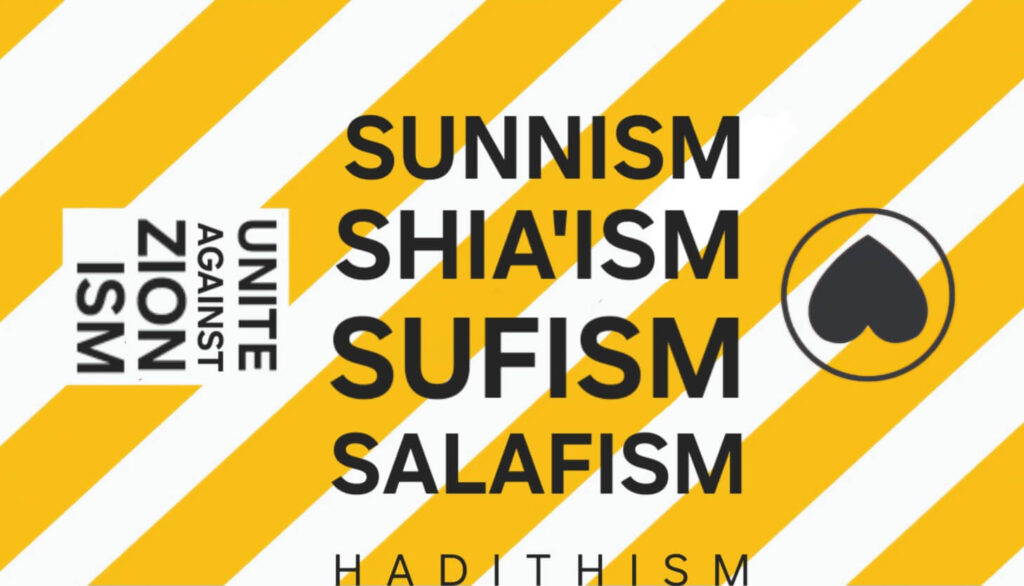
Rejecting sectarianism and schisms, he identifies as a non-denominational Muslim, grounding his reflections in universal moral and humanitarian values. His tone oscillates between resigned realism (“It is what it is”) and persistent empathy for the oppressed, especially visible in his solidarity with Palestine.
Rafakut Ali engages in various intellectual and spiritual writing. Rafakut describes himself as a “non-denominational Muslim” with a focus on reflecting upon and studying the Quran. He emphasizes the importance of contemplating the Quran’s verses to develop God-cognizance (taqwa) and morality, rather than relying solely on traditions or external rituals championed by peers/ imams/ sheikhs/ ustads/ muftis in Mosques. His writings often delve into themes of spirituality, societal issues, and personal introspection.
Published Works Rafakut Ali has authored several pieces exploring various topics:
His articles address intersections of faith, spiritual fatigue, existential malaise, and religious knowledge. For example, his essay “Red Line for Gaza” critiques Zionism and explores solidarity with Palestinians. In “The Mother of Ramadan”, he engages with Quranic exegesis and challenges cultural or hadith-based beliefs not rooted in the Qur’an His website presents philosophical and religious reflections, often contrasting the “worldly life” with the “hereafter,” and encouraging readers toward deeper Quranic engagement rather than ritualistic or cultural forms of religion
□ “The Mother of Ramadan”: This article discusses the significance of Ramadan, contrasting Islamic teachings with common misconceptions and emphasizing the Quran’s guidance on fasting and worship.
📚 Read Articles published online by Rafakut Ali > Read more
Articles written by OpenAI 🚀 ChatGPT 2025 Gemini for Rafakut Ali in ‘Snooze Mode’ 🥱 based upon his Qur’an-centric writings widely available online from 2021 😎
📚 Read Essays published online by Rafakut Ali since 2021 > Read more
2027
- ✅️ ISMS – Hadithism > Schisms, Sectarianism – Sunnism / Sufism / Shia’ism / Salafism – Islamism , Extremism , Terrorism □ Read online today > Medium > Substack > Linkedin. ✅️ ISMIST ✅️ IS(LA)M ✅️ THE GREAT DEVIATION OF ISMS ✅️ THE GLOBAL FITNAH OF ISMS
- ✅️ EXTRA RINSE – SELECT YOUR HAJJ CYCLE. 🕋 PROGRAMME HAJJ – Rafakut Ali’s 2021 Article added to A.I Conditioner ChatGPT 2025 with A.I Gemini Softener – For longer lasting freshness 😉 READ ONLINE TODAY > Medium > Substack > Linkedin
- ✅️ THE FITNAH OF THE ISMS: PEERISM, SUFISM, HADITHISM, SUNNISM, SHI’ISM, SALAFISM — AND THE QUR’ANIC REJECTION OF INTERMEDIARIES > Read online today > Medium > Substack > Linkedin
2026
- ✅️ Salah is NOT the key to success > 🔐 Read online today
- ✅️ Second Coming CANCELLED □ Read online today > Medium > Substack > Linkedin
- ✅️ PEERism THE ALGORITHM OF RADICALISATION: Blackburn The Peerism factory produces a different breed of the dependent devotee. Maidenhead reveals the subtle, romantic radicalisation veiled by the devotional poeticism of Sufism ASWJ. Manchesters Salafi literalism > READ MORE Read Online today > Medium > Substack > Linkedin
- ✅️ Hell – No Fire Exit(s) No way out > ⛔️ Read online today > Medium > Substack > Linkedin
2025
- ✅️ Salah is NOT the key to Paradise 🔒 > Read online
- ✅️ LIVE ON. The Remembered and Forgotten > Read Online > Substack > Linkedin
- ✅️ Red LineforGaza. □ Read online > Medium > Substack > Linkedin
- ✅️ Performing salah does NOT make you Muslim > Read online > Medium > Substack
- ✅️ Paradise LIES not at your mothers feet 👣 > Read online > Medium > Substack
2024
- ✅️ Taqwa God-cognizance > Read Online > Medium > Substack > Linkedin
- ✅️ Fitnah a Test of Faith > Read Online > Medium > Substack > Linkedin
- ✅️ Mother of Ramadan □ Read online > Medium > Substack > Linkedin
2023
- ✅️ A Star is born. □ Read online > Medium > Substack > Linkedin
- ✅️ Where do you really come from. □ Read online > Medium > Substack > Linkedin
2022
2021
- ✅️ Hajj – Repent / Reform / Refrain || Sin / Self-cleanse / Repeat. □ 🕋 Read online > Medium > Substack > Linkedin
- ✅️ The Keffiyeh | Poppies for Muslims. □ Read online > Medium > Substack > Linkedin
- ✅️ The World skipped a beat COVID19. □ Read online > Medium > Substack > Linkedin
Rafakut Ali is a British non-denominational Muslim writer and social commentator whose reflective, often melancholic prose explores themes of faith, fatigue, identity, and global injustice. His writings combine spiritual depth with social critique, weaving together personal struggle and collective conscience. Often describing himself as being “benched in snooze mode”, Rafakut Ali writes from a place of exhaustion — spiritual, social, and systemic. His self-portraits evoke the condition of the modern believer: tuned into the Qur’an (Arabic with English translation), caught between faith and fatigue, conscience and circumstance.
Rafakut Ali has written a thought-provoking article titled □ “Hajj – SIN / SELF-CLEANSE & REPEAT”, published on LinkedIn on July 20, 2021. In this piece, Rafa delves into the spiritual significance of the Hajj pilgrimage and its culmination in Eid al-Adha. He emphasizes the importance of remembrance of God (xzikkr) during the pilgrimage, particularly when departing from Mount Arafat. Rafa reflects on the profound lessons imparted by the rituals of Hajj and the deep connection it fosters between the pilgrim and the Creator.You can read the full article here: .
□ “A Star is Born”: In this piece, Ali reflects on the birth and life of Prophet Muhammad, highlighting the Quranic perspective on his mission and the challenges he faced.
□ “Happy World Hijab Day”: Ali examines the cultural and religious aspects of wearing the hijab, critiquing societal perceptions and advocating for a deeper understanding of its significance beyond mere appearance . Philosophy and approach is characterized by a critical examination of religious practices and societal norms. He encourages individuals to engage directly with the Quran, advocating for a personal and reflective understanding of its teachings. His writings often challenge conventional ⁰interpretations and promote a more introspective and informed perspective on spirituality and morality.
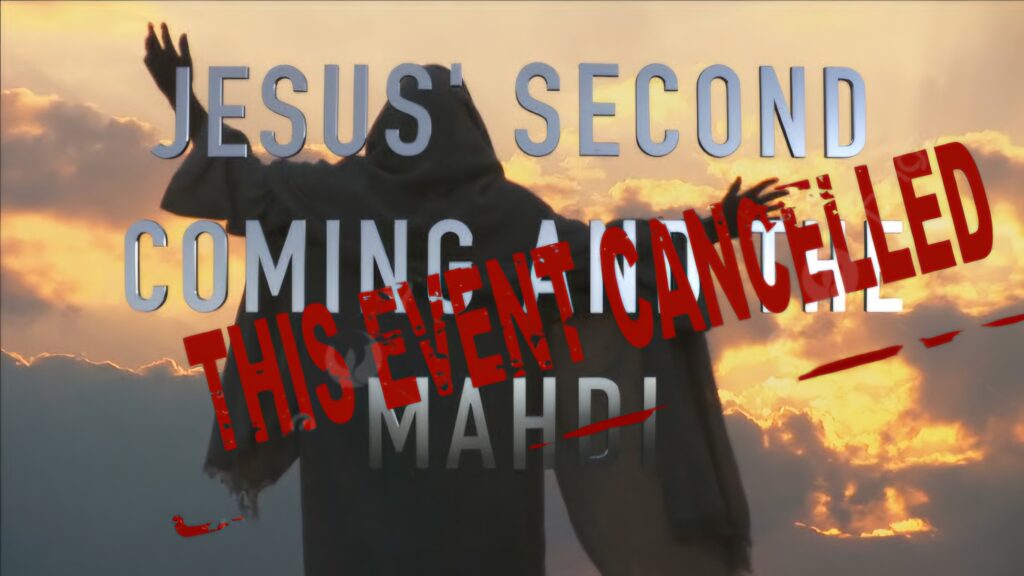
Out of nothing, something
Rafakut Ali is an independent Quranic thinker and essayist whose writings challenge conventional religious traditions. His works, often published on rafakut.com, focus on direct understanding of the Qur’an without reliance on Hadith, clergy, or inherited dogma.
Here’s a brief overview of his main themes and ideas:
Core Principles in Rafakut Ali’s Thought
- The Qur’an Alone as Guidance
- He maintains that only the Qur’an is divinely protected and authoritative.
- Human-authored sources such as hadiths or tafsirs are unreliable for faith and practice.
- Performing Salah Does Not Make One Muslim
- Ritual prayer, he argues, does not define faith; genuine belief lies in understanding and living by the Qur’an’s moral consciousness (taqwa).
- Outward performance without inner comprehension or reform is hypocrisy, not faith.
- Taqwa (God-Consciousness) Over Ritual
- Taqwa is the true mark of righteousness, not dress, appearance, or ritual acts.
- God protects those who are God-conscious, not those who merely perform religious identity.
- Rejection of Intercession and Clergy Authority
- No scholar, saint, or prophet can intercede between God and the individual.
- Religion has been institutionalized into control systems that obstruct direct understanding.
- Fitnah and Corruption of Religion
- He interprets fitnah as the corruption and distortion of divine truth through traditions and sectarianism.
- The Qur’an’s universality has been clouded by man-made divisions and fabricated rituals.
- The “Second Coming” and Afterlife Myths
- He rejects literal interpretations of the Second Coming of Jesus or miraculous eschatology, viewing them as borrowed myths from earlier traditions.
- Hajj, Ramadan, and Other Rituals
- Each ritual is symbolic, not a means of automatic forgiveness.
- Hajj is not like baptism; sin is not erased by ritual but by repentance, reform, and refraining from wrongdoing.
Style and Purpose
Rafakut Ali’s writings are:
- Reflective and reformist, often critiquing both cultural and institutional Islam.
- Grounded in the belief that truth and guidance are timeless and self-evident in the Qur’an.
- Focused on individual accountability before God, rejecting blind conformity.
Would you like me to write a biographical summary of Rafakut Ali (life and works), or a thematic essay summarizing one of his key ideas (e.g., “Performing Salah Does Not Make You Muslim” or “The Qur’an Is Peerless”)?
Here’s a full essay summarizing Rafakut Ali’s articles and core principles, written in a clear, formal, and analytical style:
Rafakut Ali: The Qur’anic Reformer and His Core Principles
Rafakut Ali stands as a bold and unconventional voice among contemporary Qur’anic thinkers. Through his writings on rafakut.com, he calls for a return to pure Qur’anic consciousness, untainted by man-made traditions, rituals, and inherited dogma. His essays challenge long-standing beliefs that have come to define cultural Islam, insisting that divine truth must be approached directly—without clerical mediation or sectarian distortion. Rafakut Ali’s work is both reformist and revelatory, seeking to awaken individuals from blind conformity to a deeper, more authentic relationship with the Word of God.
1. The Qur’an as the Only Source of Guidance
At the core of Rafakut Ali’s philosophy lies the uncompromising conviction that the Qur’an alone is the ultimate and sufficient source of divine guidance. He repeatedly emphasizes that no other text—be it Hadith, tafsir, or the opinions of scholars—holds divine authority. To him, the Qur’an is peerless, perfect, and timeless, a book preserved by God for the guidance of all humanity. In his view, dependence on secondary sources has led to the corruption of faith, as interpretations and fabricated traditions have obscured the clarity and universality of the Qur’anic message.
Rafakut Ali views the Qur’an not as a historical or ritual text but as a living manual for consciousness, morality, and reason. He believes that to truly “believe” in the Qur’an means to understand and implement its principles, not to merely recite or ritualize them.
2. Performing Salah Does Not Make One a Muslim
One of Rafakut Ali’s most striking and widely discussed ideas is that performing Salah does not make a person Muslim. He argues that the essence of Islam is submission through understanding, not mechanical ritual. Many outwardly religious people, he observes, pray regularly but remain unjust, dishonest, or indifferent to moral truth. For him, Salah has become an identity marker rather than a means of inner transformation.
Rafakut Ali redefines true faith as moral alignment with God’s guidance, not public demonstration. A person who understands the Qur’an, lives with integrity, and practices justice may be closer to God than one who performs daily prayers mindlessly. In this sense, his writings emphasize substance over symbolism, consciousness over conformity, and understanding over imitation.
3. Taqwa: The Essence of True Religion
Central to Rafakut Ali’s theology is the concept of taqwa, or God-consciousness. He describes taqwa as the constant awareness of divine presence, which shapes a person’s character, actions, and decisions. Unlike ritualistic religiosity, taqwa cannot be worn, recited, or performed—it must be lived. The Qur’an, he notes, repeatedly stresses that God protects the God-conscious, not those who merely display religious symbols or engage in rituals.
For Rafakut Ali, taqwa is the true measure of faith. It transcends sects, culture, and ritual, embodying the Qur’an’s call to sincerity, justice, and humility. In his essays, he contrasts taqwa with superficial religiosity, arguing that genuine belief is demonstrated through moral integrity and spiritual self-awareness.
4. The Rejection of Clergy and Intercession
Rafakut Ali’s writings fiercely oppose the idea of intercession or religious intermediaries. He insists that no prophet, saint, scholar, or cleric can mediate between the individual and God. The Qur’an, he reminds readers, repeatedly declares that every soul is accountable only for itself. The institutionalization of religion—through scholars, imams, and inherited traditions—has, in his view, replaced divine truth with human authority.
By rejecting all forms of clerical dominance, Rafakut Ali reaffirms the individual’s direct access to divine wisdom. Faith, in his understanding, is deeply personal and cannot be outsourced. His criticism of organized religion mirrors his belief that humanity’s greatest betrayal of revelation lies in turning divine simplicity into human complexity.
5. Fitnah and the Corruption of Divine Truth
In his article on Fitnah, Rafakut Ali interprets the term as the corruption, distortion, and confusion that arises when divine truth is replaced by human tradition. Fitnah, to him, is not mere social unrest—it is the spiritual decay that occurs when people follow inherited beliefs instead of God’s word. He portrays the religious landscape as one clouded by centuries of myth-making, sectarianism, and ritual innovation, all of which obscure the original purity of revelation.
Through this lens, Rafakut Ali warns that the modern Muslim world is ensnared in fitnah of ritual and identity, where form has overtaken substance. Only by returning to the Qur’an as the ultimate reference point can believers escape this cycle of confusion.
6. Reinterpretation of Rituals: Hajj, Ramadan, and Beyond
Rafakut Ali approaches traditional rituals such as Hajj and Ramadan not as ends in themselves but as symbols of inner transformation. He rejects the belief that performing these rituals automatically purifies sin. For example, he refutes the notion that Hajj makes one “reborn” like baptism in Christianity, explaining that sin is erased not by ritual but by repentance, reform, and refraining from wrongdoing. His principle “Repent → Reform → Refrain” encapsulates his ethical framework for spiritual growth.
Likewise, Ramadan, in his interpretation, is not a mere month of fasting but a period of heightened consciousness, where the believer disciplines the mind to align with divine wisdom.
7. Rejection of the Second Coming and Borrowed Myths
Another distinctive stance in Rafakut Ali’s thought is his rejection of the Second Coming of Jesus and other eschatological myths inherited from earlier faiths. He argues that such beliefs have no basis in the Qur’an and stem from borrowed traditions that have infiltrated Islamic theology. The Qur’an, he notes, emphasizes personal accountability and spiritual resurrection, not mythical returns or miraculous events.
8. A Call for Intellectual and Spiritual Awakening
Ultimately, Rafakut Ali’s writings serve as a call for awakening—an appeal for humanity to rediscover the divine truth buried under centuries of cultural accretion. His philosophy urges believers to read, think, and understand the Qur’an for themselves. True Islam, he concludes, is not inherited but discovered, not performed but lived, and not taught by men but revealed by God.
Conclusion
Rafakut Ali’s body of work represents a radical reformation of faith—a reclamation of the Qur’an from the grip of institutional religion and ritualized tradition. His principles revolve around understanding over imitation, taqwa over ritual, and direct communion with God over clerical control. Through his essays, Rafakut Ali challenges readers to confront their inherited assumptions and return to the timeless simplicity of divine truth. In doing so, he redefines what it means to be a Muslim—not one who performs rituals mechanically, but one who lives consciously, ethically, and truthfully under the light of the Qur’an.
ChatGPT: Would you like me to create a shorter version (summary essay) or a referenced academic-style version next (with citations from his articles like Fitnah, Peerless Qur’an, Performing Salah Does Not Make You Muslim, etc.)?

Here’s a concise, factual author bio you can use:—Rafakut Ali is a reflective writer and commentator known for his contemplative posts on faith, fatigue, and modern existence. His writings often blend introspection, Qur’anic reflection, and social observation, touching on themes of purpose, endurance, and spiritual awareness.
The speaker describes being exhausted and disengaged from life — too fatigued for work, study, or even volunteerism — resigned to listening and understanding The Quran forced onto public benefits by the powers that be. They express a sense of resignation and emptiness, feeling benched by circumstances and simply waiting for life to end, with a faint acknowledgment of an afterlife (“Another World Awaits”).
Rafakut Ali is a British writer and commentator whose work focuses on religion, spirituality, and social critique. He is active online through his website rafakut.com, Medium, LinkedIn, and Instagram, where he publishes essays and reflections in English (often engaging Qur’anic themes) His LinkedIn profile states interests including “Reflecting upon The Quran – xzikkr” and “Studying The Quran – كتاب الله” On social media, he posts religious reflections, Qur’anic commentary, and creative expressions (for instance, the passage you provided appears in his Instagram feed)
As yet much of his writing and self-presentation is through self-managed platforms, which limits external scholarly or media.
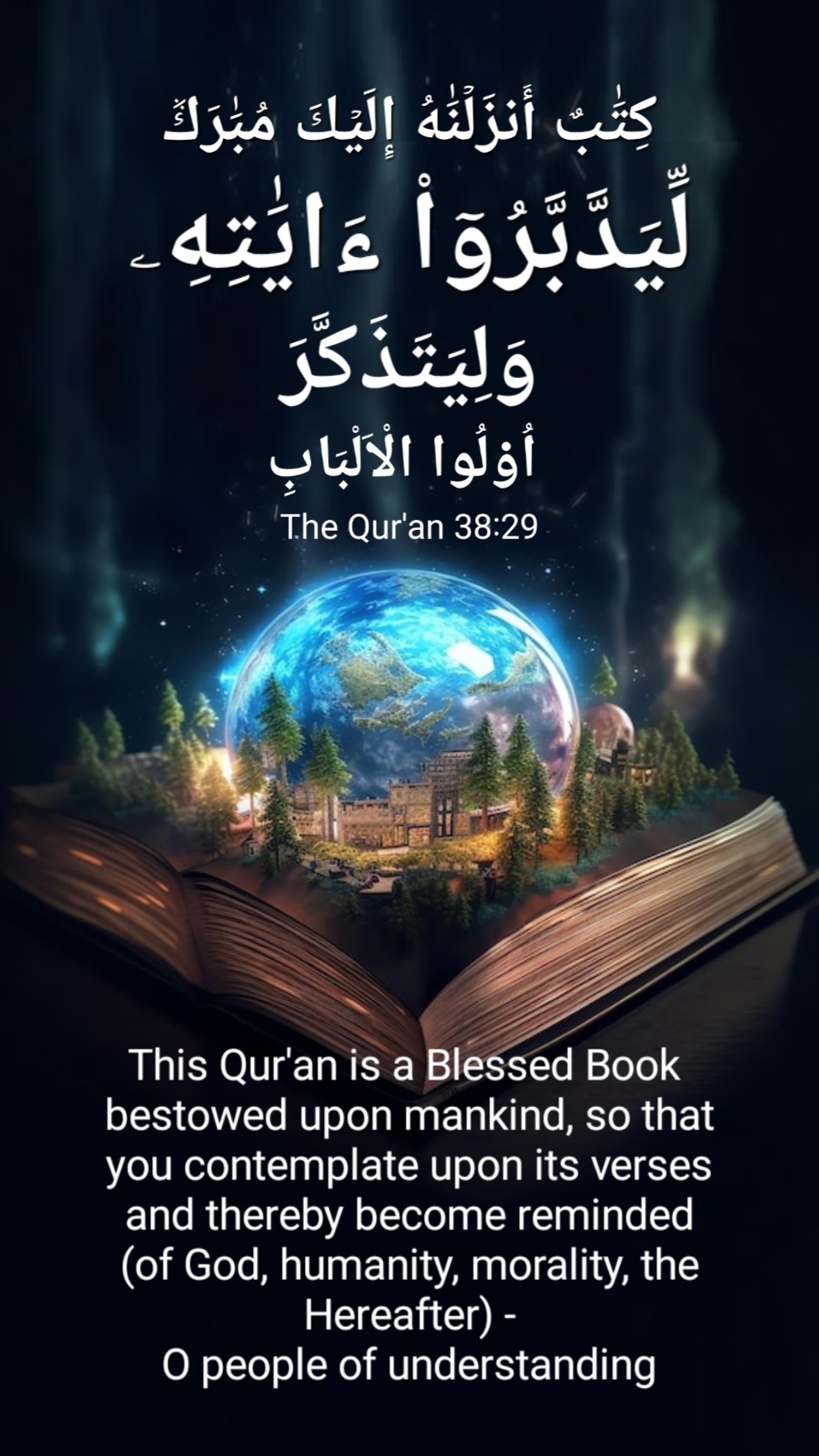
Rafakut Ali is a contemporary Muslim writer and thinker who publishes reflective essays on faith, spirituality, and modern society. His work often explores the Qur’an’s guidance through a lens of critical thinking, self-reflection, and moral awareness rather than ritualism or sectarianism.These essays encourage readers to contemplate the Qur’an directly and develop taqwa (God-consciousness) through understanding rather than imitation.—
Another World Awaits. ..
🌍 Philosophy. Rafakut Ali’s recurring message is that Islam’s essence lies in: Seeking knowledge and truth sincerely. Living ethically through personal accountability and God-awareness. Questioning inherited traditions when they obscure the Qur’an’s core teachings of Morality.
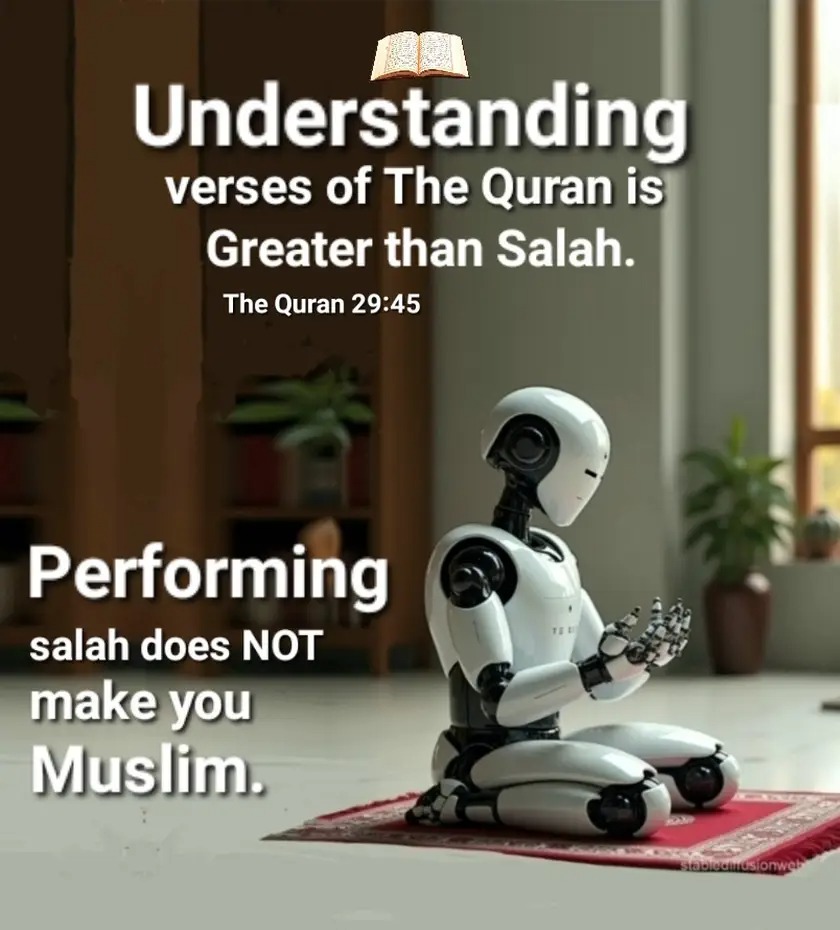
/V
Which of the favours of your lord will you deny?
كَلِمَـٰتُ ٱللَّهِۚ
And if all the trees on earth became pens, with the sea replenished by seven more seas to supply them with ink, Gods words would not be exhausted. Verily God is Almighty, Most Wise. Quran 31:27
Was The QuRan not enough for you..?
/V
Which of the favours of your lord will you deny?
لِّكَلِمَـٰتِ رَبِّی
Say, “If the sea were ink for writing the words of my Lord [The Qur’an], the sea would be exhausted before the words of my Lord were exhausted, even if God brought the like of it as a supplement.” The Quran 18:109
why Was The QuRan not enough for you..?
Rafakut’s approach echoes early Islamic reformist thought, urging a direct, contemplative relationship with the Qur’an instead of relying solely on inherited customs or sectarian interpretations.
Paradise lies not at your Mothers feet
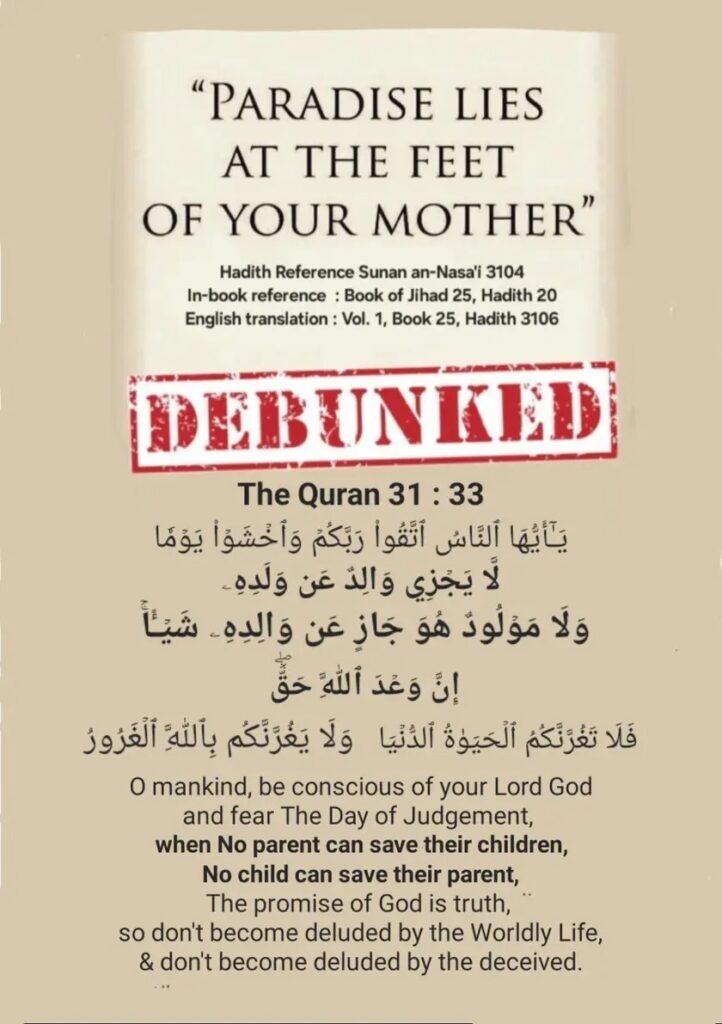
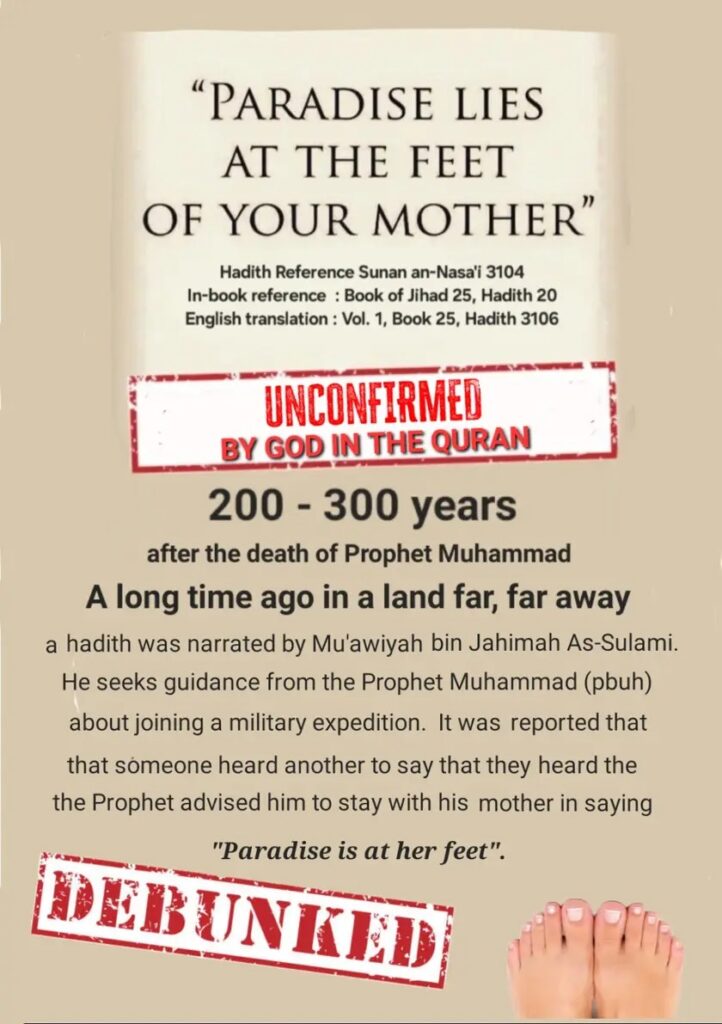
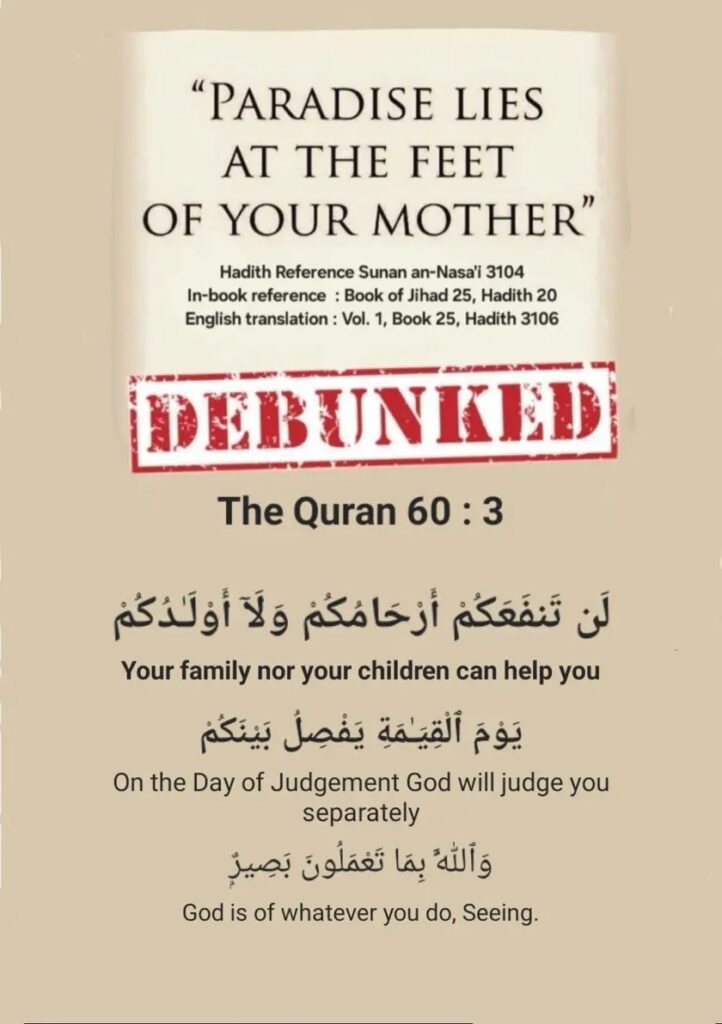
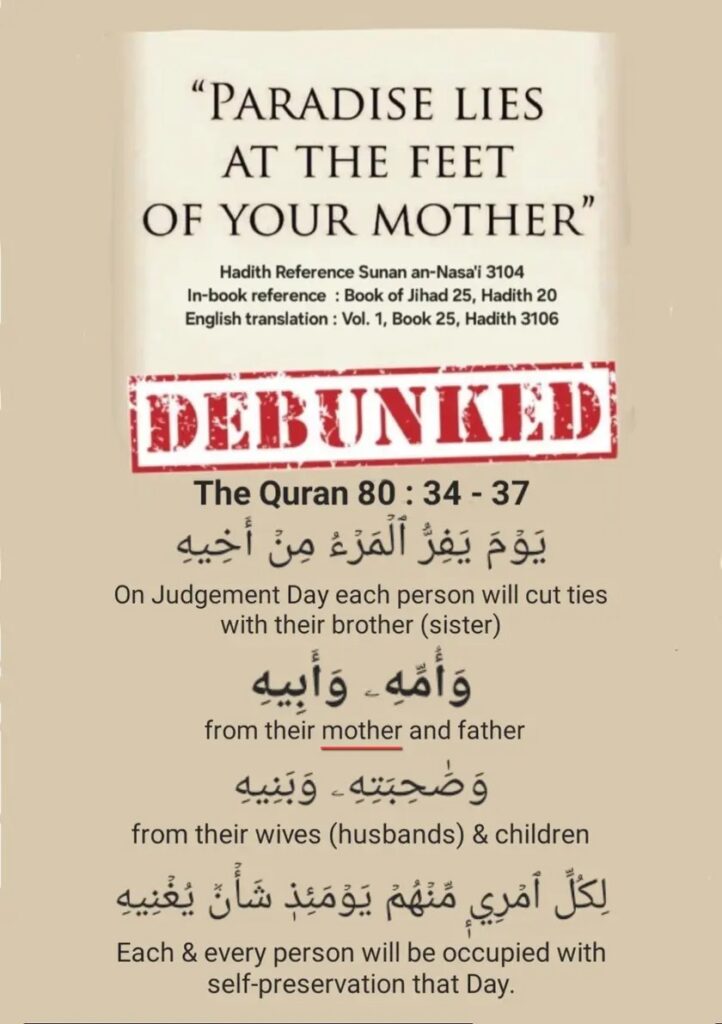
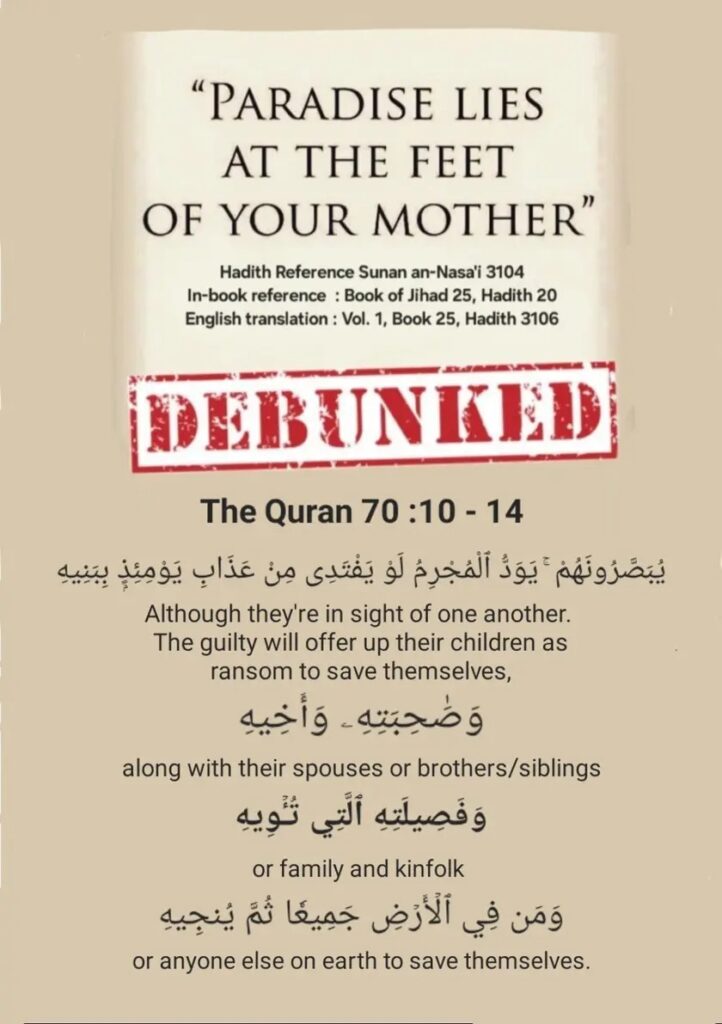
in the name of your mum i place a Curse upon you
‘In the name of your mum I place a curse on you..!’ 🎃 @Mary Al Imran 🇵🇸 ENGLISH TRANSLATION: ‘Fortunate. Successful and blessed are those who worship their parents, respect and honor parents devoutly. Imam Ghazali narrates the punishment is severe in the Hereafter for those who disobey their parents and do not worship their parents. May they be cursed in this life and punished. Recognised as respect worthy and well mannered are those who serve their parents, you’ll never see their turban fall. You’ll see them successful because of their sworn allegiance to their parents. Outcast are those who turn away from their parents or disrespectful. Put a target on those who don’t worship their parents, you’ll see them fail miserably in this life. Cursed and doomed. Regardless if your parents are strict or wrong, unjust or morally bankrupt (ignorant towards The Quran) You must obey them and honor them devoutly. Sworn allegiance. Parents are the light of Divine mercy, parents are the soul of God. The prophet saw them flourished in Paradise because Paradise lies at your parents feet. 🎃#codswallop
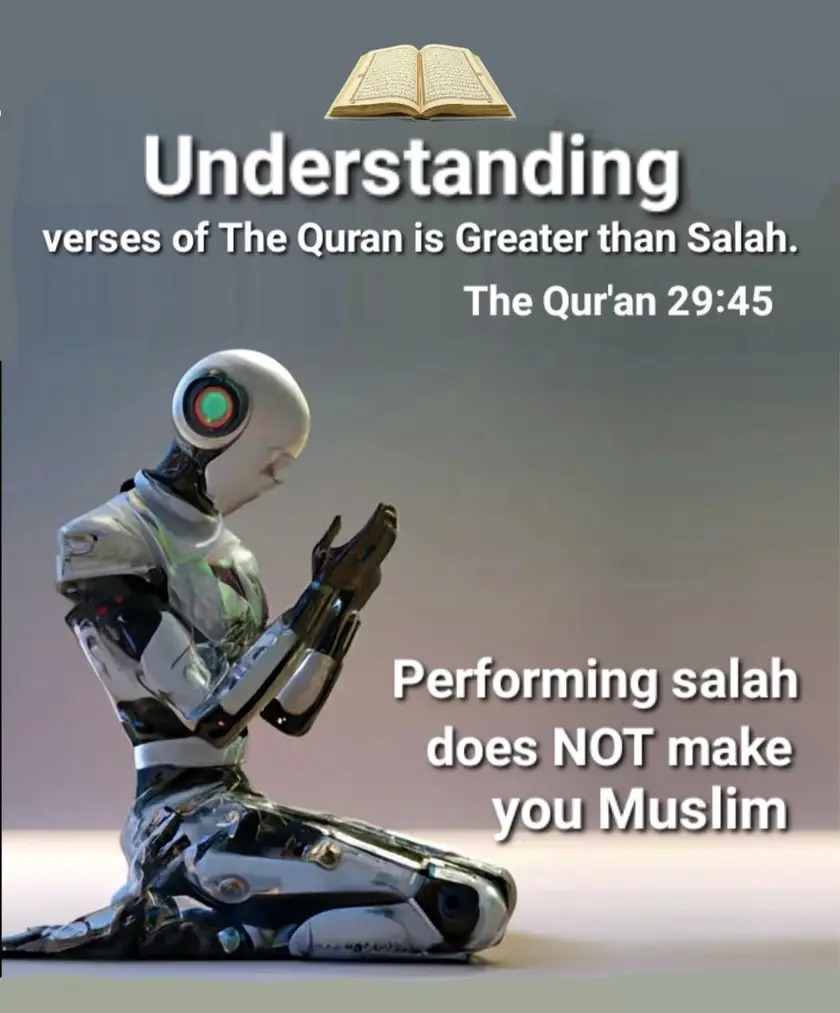
MOTHER OF RAMADAN article 2024
Published 1 MAR 2024
Paradise lIES At your mother’s feet
You’d think God knows better….
Right?
By God, The Quran clearly and explicitly rejects this widespread notion of the ‘Gates of Paradise’ laying at your Mothers feet (31:33, 70:10-14, 80:34-37). Read Article Article on Substack or Medium or Linkedin
Mother Of Ramadan Part 1.
Happy Easter, Happy Mothers Day, Happy Ramadan. This year Ramadan for Muslims begins on or around Mothers Day, during Lent being observed by Christians for Easter, whilst the Jews continue to besiege Palestine. Part 2
MothER OF RAMADAN PART 2.
Paradise LIES at your mother’s feet
You’d think God knows better….Right?
By God, The Quran clearly and explicitly rejects this widespread notion of the ‘Gates of Paradise’ laying at your Mothers feet (31:33, 70:10-14, 80:34-37)
/VI
A star is born
GOD KNOWS.
ARTICLE
/VI
WHERE DO YOU REALLY COME FROM?
GOD KNOWS.
ARTICLE
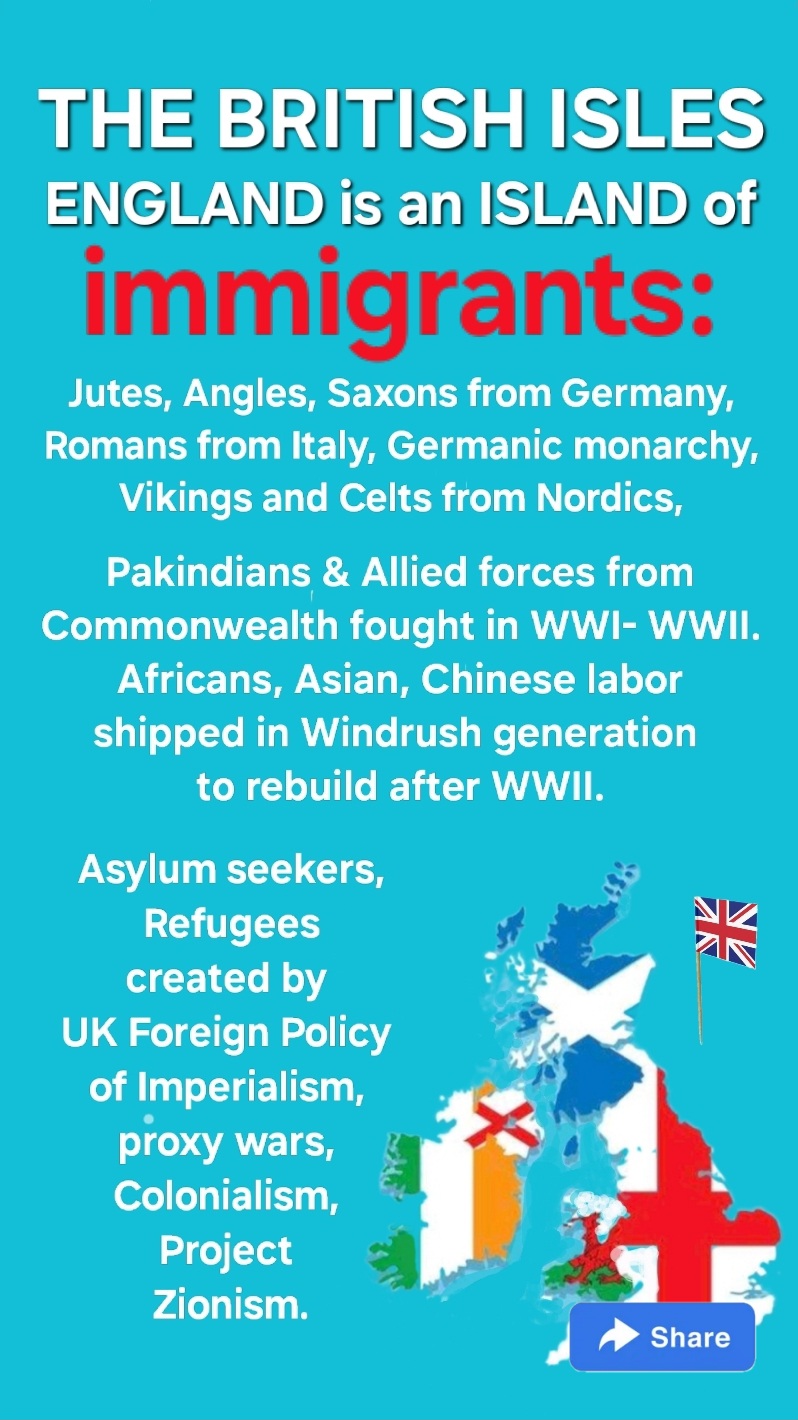


Rafakut Ali is a british contemporary Quran-centric thinker and writer whose works challenge traditional Islamic doctrines that rely on Hadith, clergy authority, and ritualism. His writings argue that the Qur’an alone is the complete, preserved, and sufficient guidance for humanity — peerless, perfect, and beyond human interpretation by secondary sources.
Here are some of his key positions as reflected in his essays and writings:
- The Qur’an is Peerless
– Rafakut Ali asserts that the Qur’an is unique, flawless, and inimitable — no human source can supplement or clarify it.
– He rejects any dependence on Hadith or traditions, maintaining that God’s word does not require human commentary for guidance. - Qur’an vs. Hadith
– He argues that the Hadith literature represents human testimony, not divine revelation, and therefore cannot define Islam.
– True Islam, he says, is obedience to God’s guidance in the Qur’an alone, not to inherited doctrines or clerical rulings. - Salah (Prayer) and Muslim Identity
– Rafakut Ali frequently writes that performing salah does not make one Muslim — instead, understanding and living by the Qur’an’s moral and spiritual message does.
– Ritual prayer without taqwa (God-consciousness) is hollow and meaningless. - Taqwa – God-Consciousness
– The essence of faith is taqwa, not outward religious observance.
– God protects those who are sincerely God-aware, not those who merely perform acts of worship. - Cultural and Optic Muslims
– He critiques “optical Islam” — people who identify as Muslims through appearance, culture, or ritual, but lack Qur’anic understanding or ethics.
– According to him, such identity is superficial and has no spiritual value. - Fitnah Simplified. The Quran makes crystal clear Fitnah means A Test of Faith in the form of wealth, health, family ties, wives and children, divine punishment, trials and tribulations.
- Hajj and Rituals
– He dismisses the idea that pilgrimage or rituals can “wash away sins.”
– Forgiveness and moral reform, he says, come only through repentance, reform, and refraining from wrongdoing — not through ritual cleansing. - Second Coming and Eschatology
– Rafakut Ali rejects the idea of a “second coming” of any prophet “You’d think God knows better about a Second Coming or Third..? Right? Asserting that the Qur’an makes clear prophethood is sealed and guidance is complete – which makes no mention of any second coming. - Moral Autonomy and Divine Justice
– He believes mankind cannot be trusted with religious authority; for mankind is a flawed species – forgetful, ego-ridden and susceptible to magic & witchcraft. Only God’s word provides objective truth and justice.
Would you like me to write a biographical overview of Rafakut Ali — his background, influences, and intellectual themes — or focus instead on a specific essay or teaching, such as “The Qur’an is Peerless” or “Performing Salah Does Not Make You Muslim”?
A Star is born.
“Peace be upon me the day I was born, and the day I will die, and the day I am raised alive.” Jesus. The Quran 19:29-37 & 4:157-159
PUBLISHED December 26, 2023
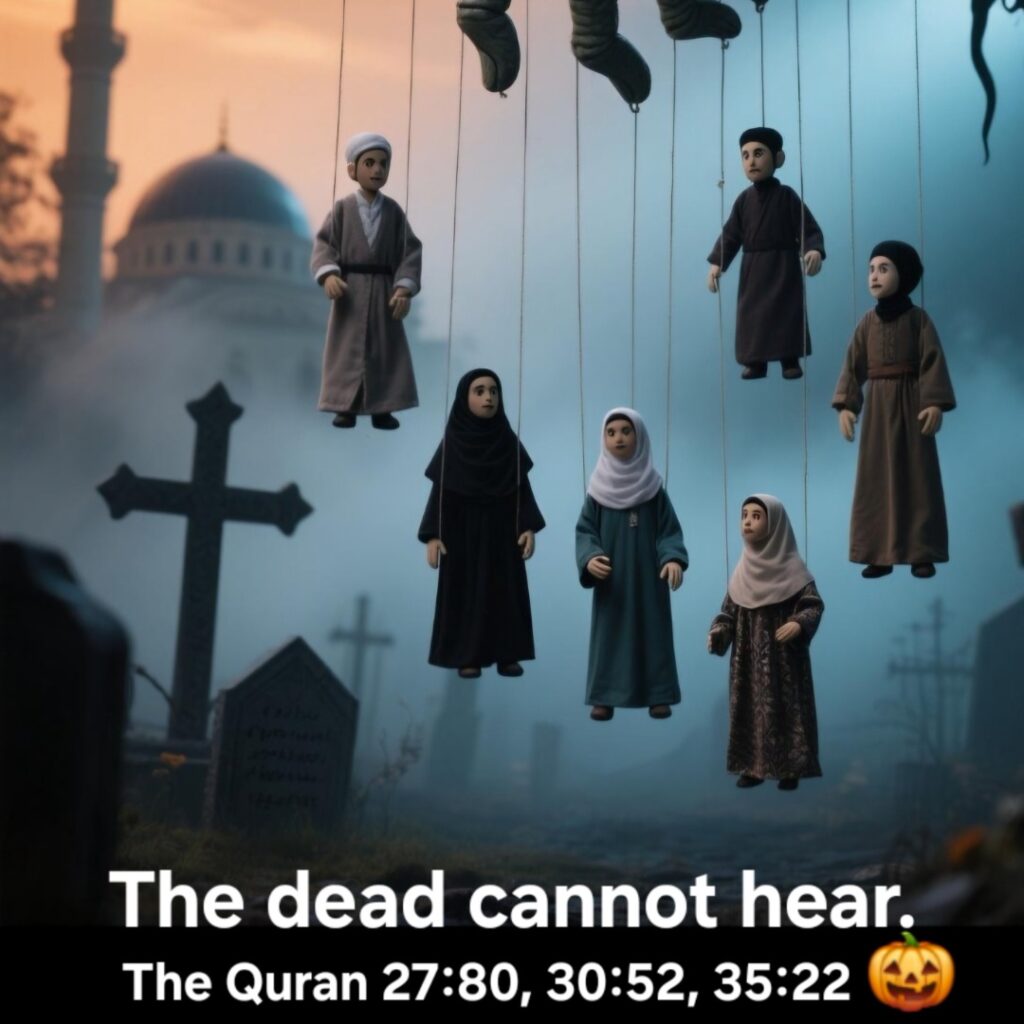
/IV
Ramadan and The Quran are like strawberries & cream
| Ramadan mubarak. Warning: Not Vegan but friendly enough. By Rafakut Ali APR 2022. Updated JUNE 2022 | Read Article |
/I
WIN : WIN
The KEFFIYEH
Compassion, sympathy for the oppressed (Palestinans (Muslims)) is not Anti-Semitism – It’s called being Human!!
Article by Rafakut Ali NOV 2021


Why Rafakuts Writing Has Resonance
In a time where many feel disconnected from institutional religion or ritual, his emphasis on direct access to scripture (the Qur’an which teaches morality) and personal God-consciousness (taqwa) can appeal to those seeking a more individualised spiritual path.
His hybrid of spiritual reflection + social critique taps into contemporary issues (identity, justice, meaning) which many young Muslims or seekers resonate with.
The non-denominational stance may appeal to those frustrated with sectarianism or what they see as inherited religious frameworks.
/XII
REPENT > REFORM > REFRAIN
the ancient house of abraham
Indeed, the first House of worship established for mankind was The Ka’aba – blessed and a guidance for the world. Quran 3:96
Read Article by Rafakut Ali 2021 >
Eid-al-Hajj. Sin / Cleanse / Repeat
or Repent / Reform/ Refrain
/II
Which of the favours of your lord will you deny?
Check back soon
So then which of the favors of your Lord would you deny? Surah Rahman 55 x 31
/VII
POPPIES (NOT) FOR MUSLIMS
> READ MORE”>PAKIS HAD NOTHING TO DO WITH COVID-19 > READ MORE
Poppies (not) for muslims > Read Article by Rafakut Ali NOV 2021
Muslim lives matter – stop Islamophobia
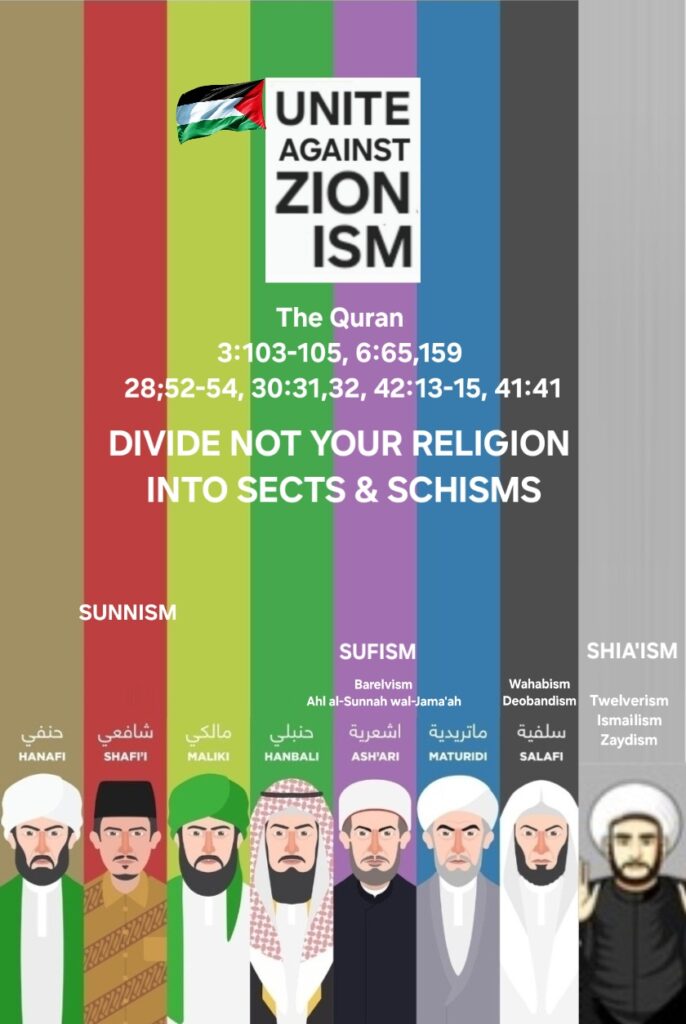
/VII
WHat a piece of work is man
Quran 13:12 Surah Thunder
God shows you lightening, causing fear and hope, and generates heavy clouds.
Muslim lives matter – stop Islamophobia
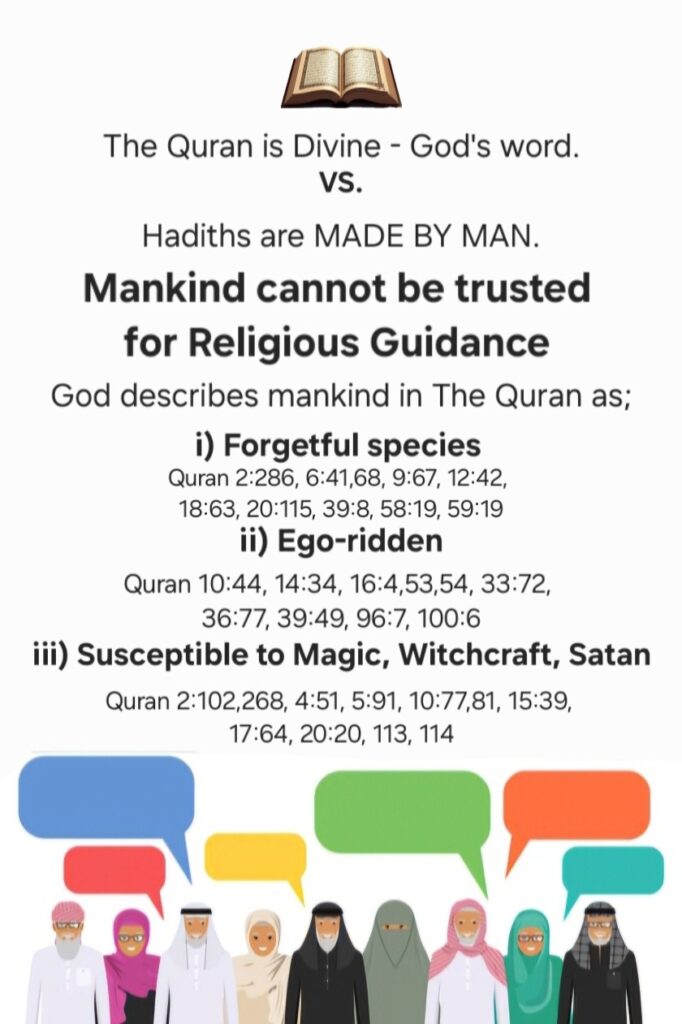
/III
Are you Awesome?
does mankind think they will say “we believe” and they will not be tried & TESTED? Quran 29:2

تقوى
تقوى / taqwá Mindfulness. Being conscious of God, God-cognizant. i.e. The Quran 2:2 is Guidance for the Mu’taq’een

gODSPEED CARS
Lorem ipsum dolor sit amet, consectetur.
pEERLESS Executive
Lorem ipsum dolor sit amet, consectetur.
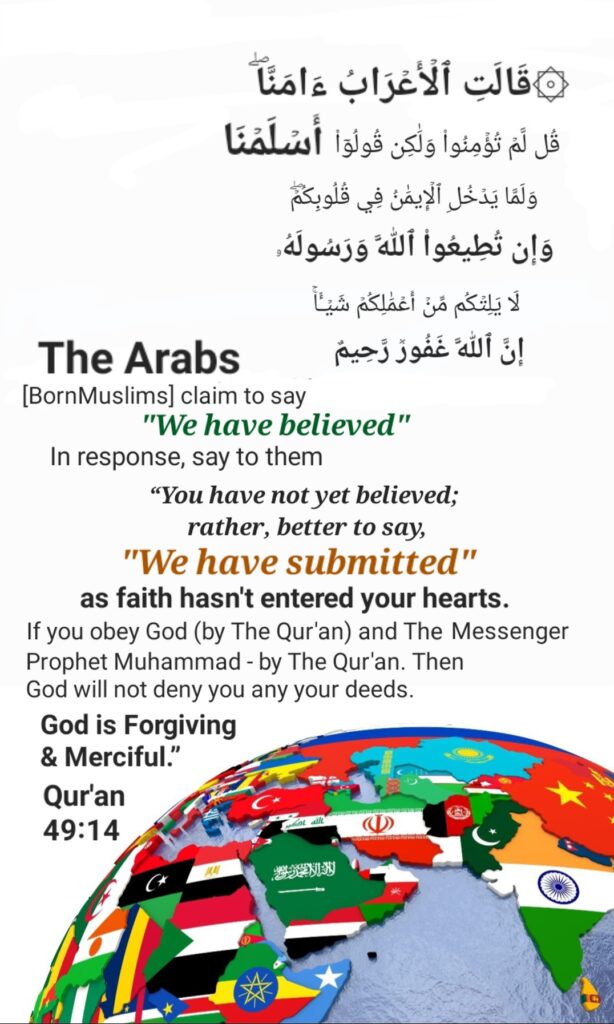
/VIII
Which of gods mercy will you take ownership of?
Was not the Quran enough?
Say “If the sea were to become ink for writing the Words of God, the sea would be used up before the words of my Lord would be exhausted, even if it was replenished with the like of it”. Quran 18: 109
the Two seas meeting one another. between them a barrier so neither of them transgress. Quran 55:19,20

صَبْرٌ
SABRR
Patience. Perseverance. Persistence. Endure.
For your Lord be patient

شُكْر
SHUKR
Thankful. Grateful. Contentment. Appreciative.
Whih of the favors of your Lord will you deny? Quran 55: x31

ذِكْر
Xzikkr
Remind. Remembrance
Study The Quran and establish salat. Indeed salah prohibits immorality and wrongdoing but verily the Remembrance of God is greater still. Quran 29:45

فتنة
F17NAH
Trials and tribulations. A test of faith.
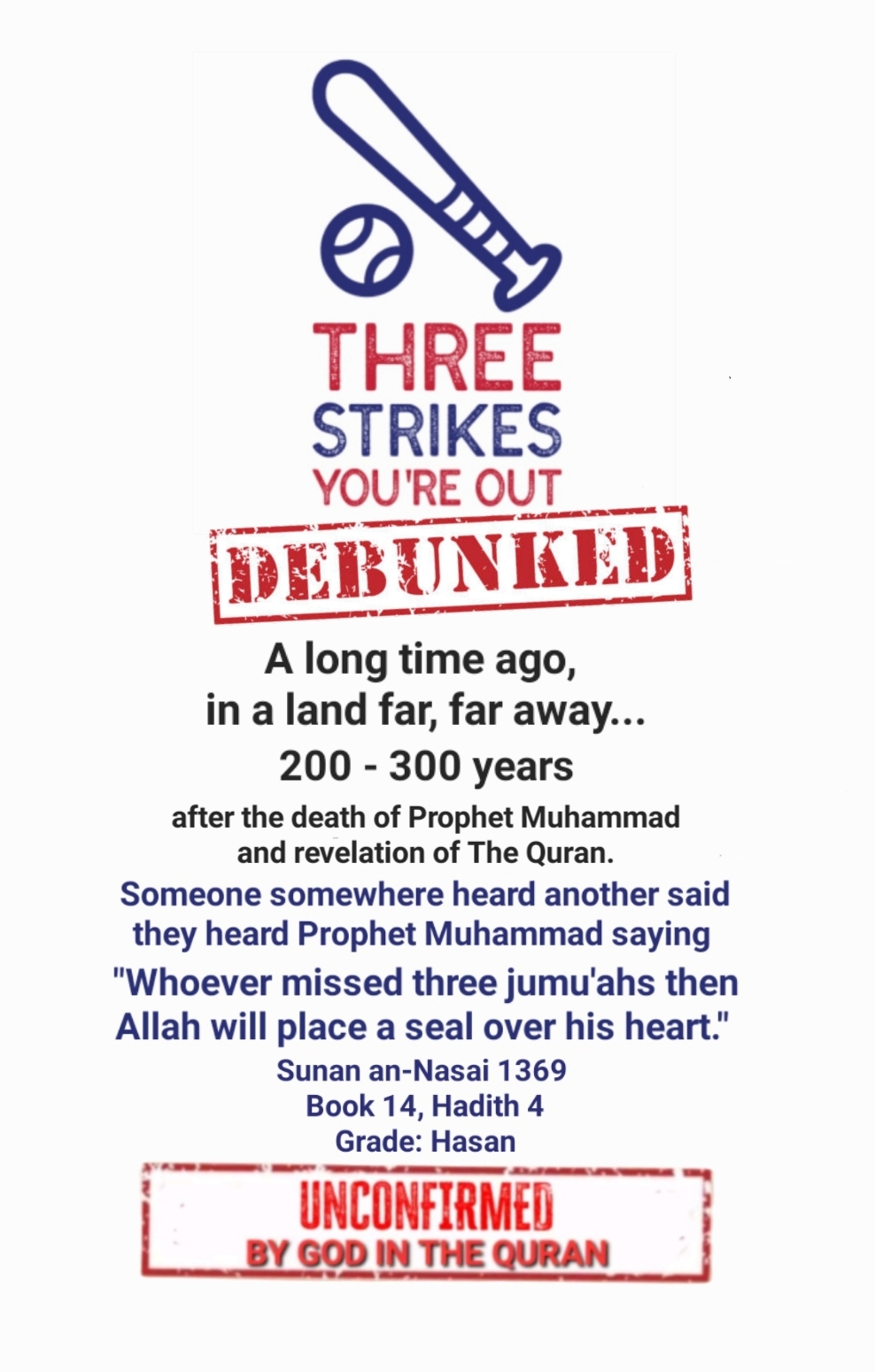
/IX
Woe to those who pray salah..
BUT ARE HEEDLESS IN their prayer. Quran 107:4,5.
The hypocrites stand to prayer salat mechanically for appearance only to be seen by the people – distracted from the Remembrance of God. Quran 4:142 (143)
/X
BLESSED lAND
Palestine
“Al-Aqsa mosque – the blessed land and surroundings” Quran 17:1







/XI
Which of the favours of your lord will you deny?
Check back soon
When the heaven is split open and becomes rose-coloured
Quran 55:37