A VERY PARTICULAR SET OF SKILLS
individual
RE:TIRED 💚 GREEN PARTY CANDIDATE FOR BLACKBURN 🕳 UK’S POOREST TOWN.
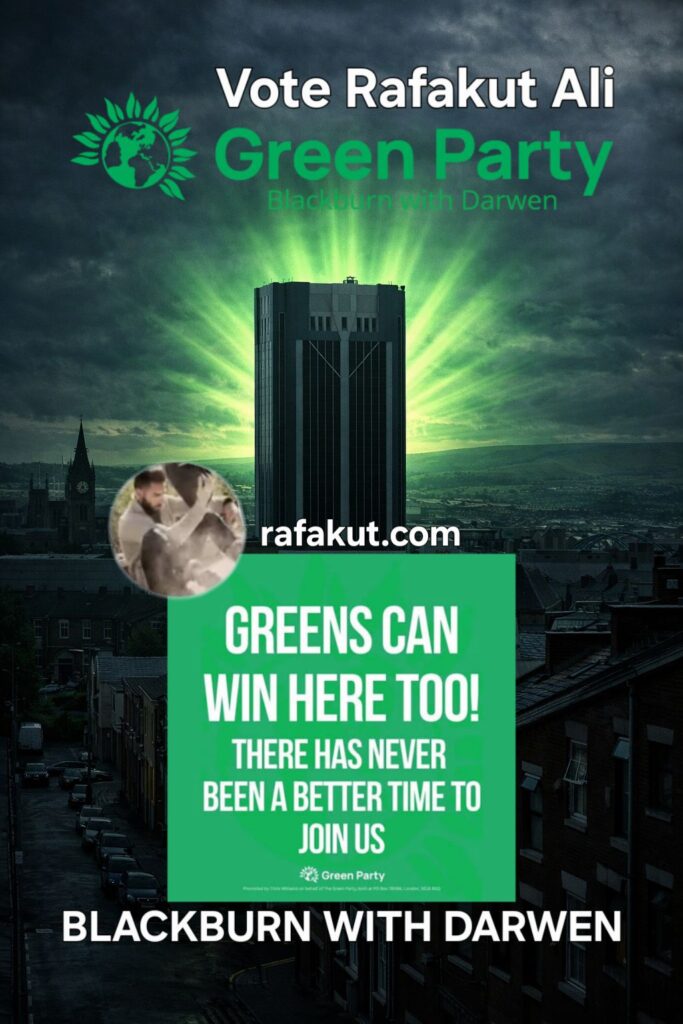
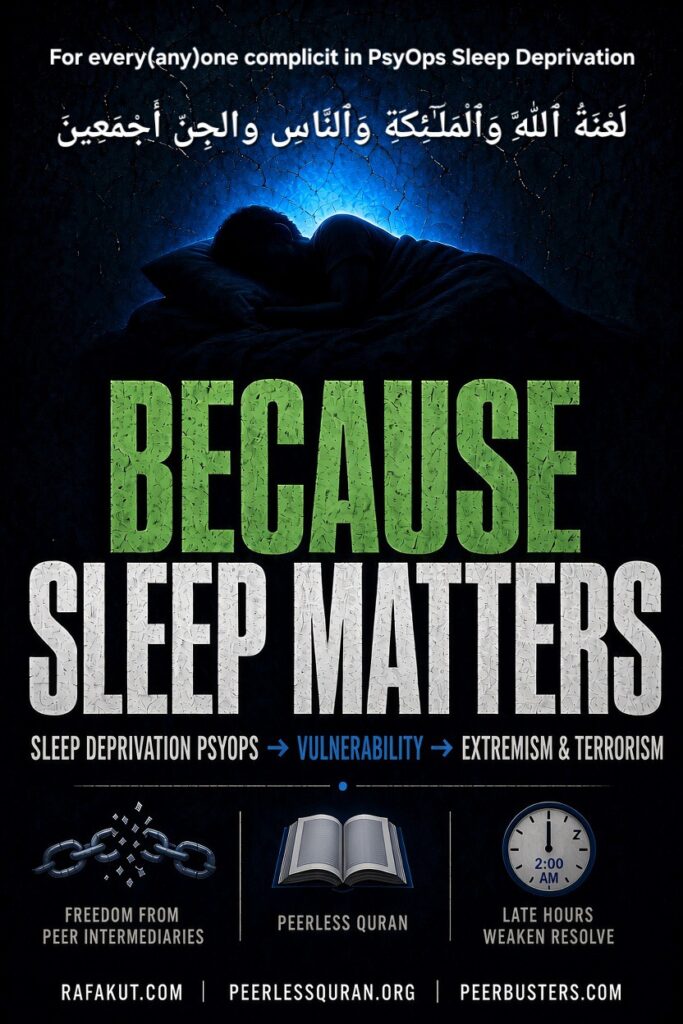
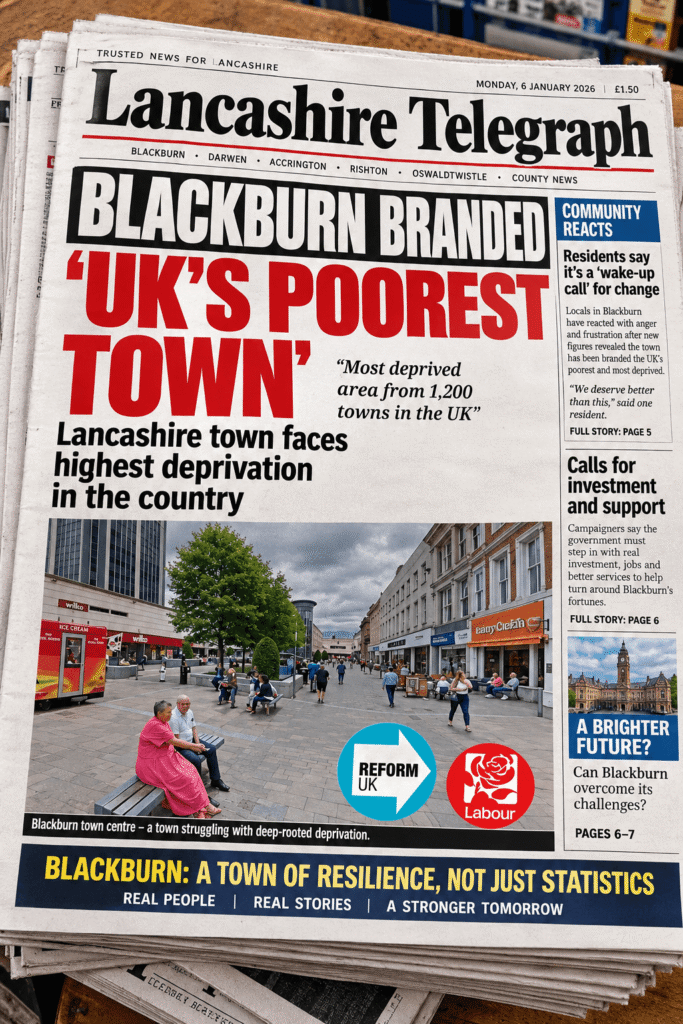
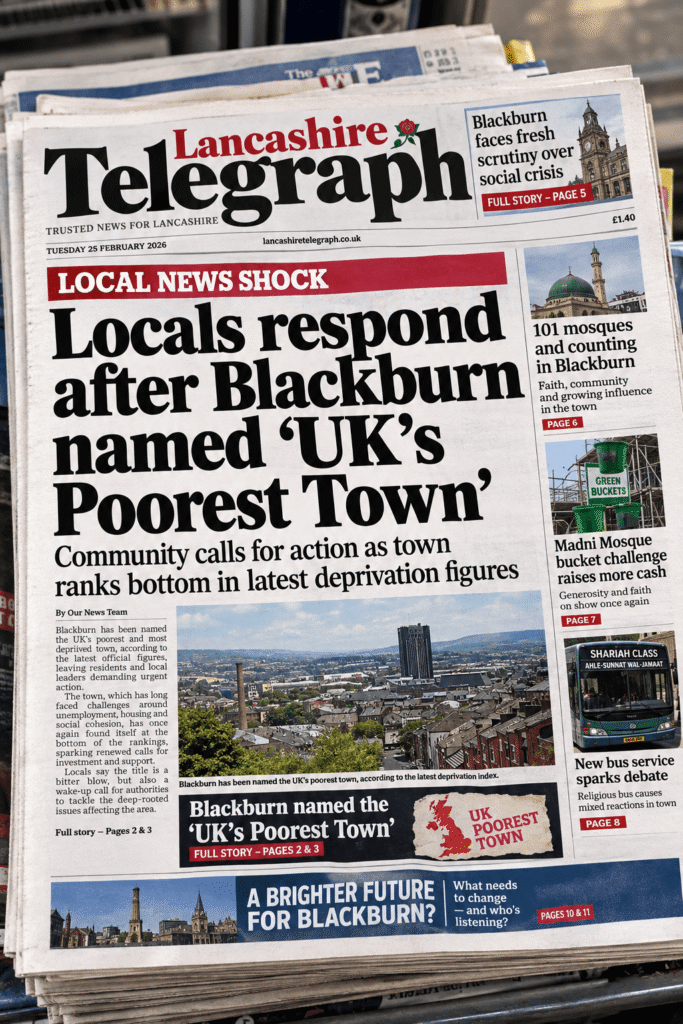
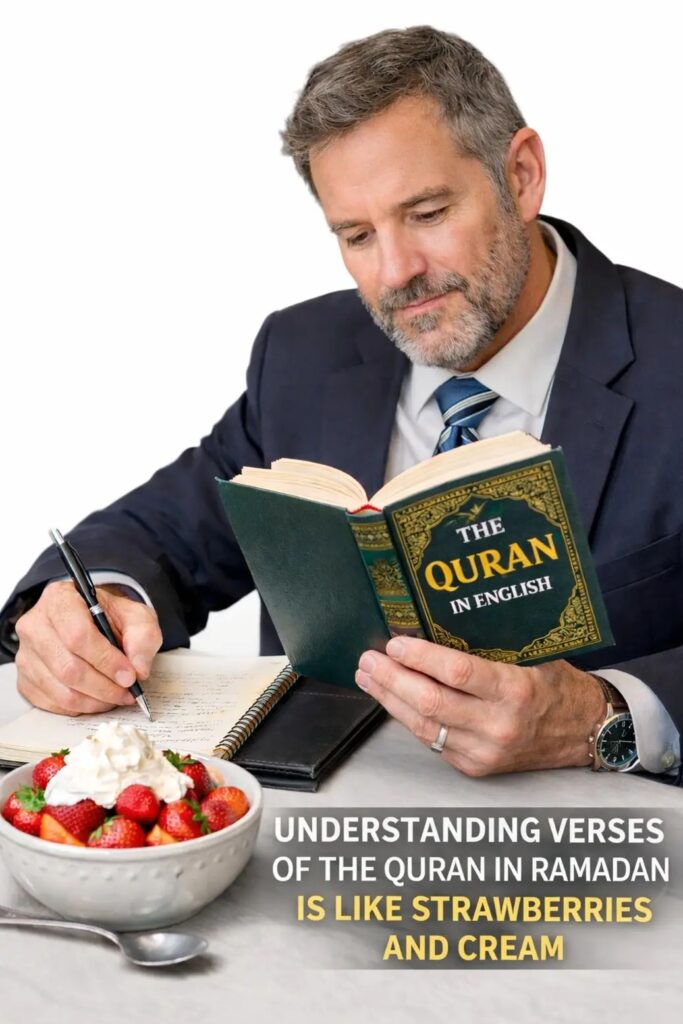
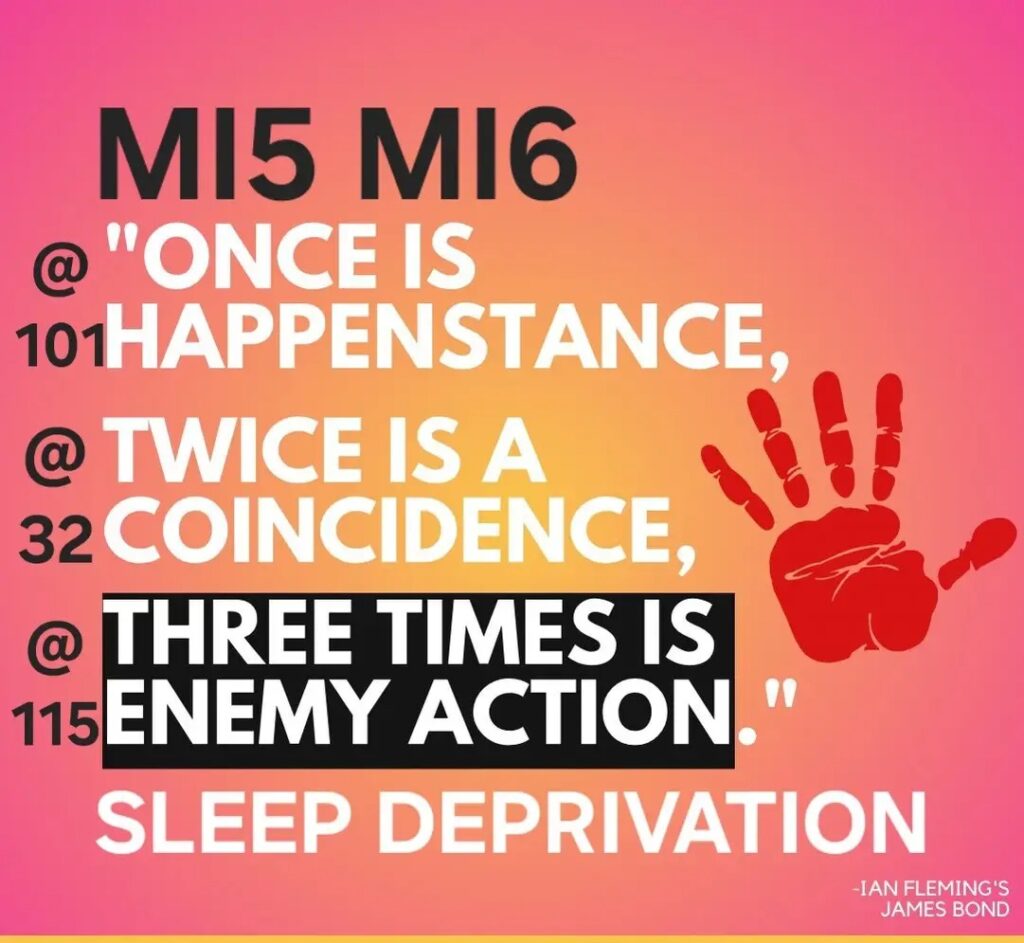
BECAUSE SLEEP MATTERS 😉 Written by A.I for Rafakut in SNOOZE MODE owing to Sleep Deprivation by the powers that be 🥱 heigh-ho 😴 IT IS WHAT IT IS 😎 Should’ve let me be… 🙌
LEARN
- ☑️ Istikhāra as Fortune-Telling in Islamic Dress > Learn
- ☑️ Translation Revolution > Learn
- ☑️ Tahajjud is understanding Quran NOT Salah > Learn
- ☑️ Unnamed Messenger Prophets in The Qur’an- Perhaps it was a out The Message not the Messenger > Learn
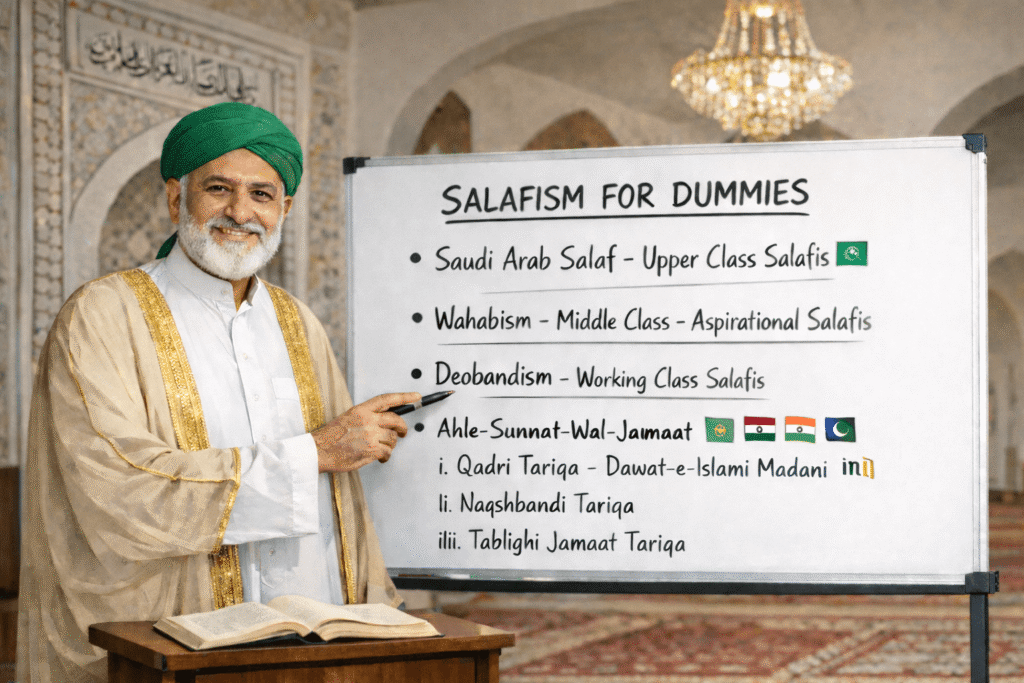
- ☑️ Regulation of Nuclear Mosques > Learn ■ AHLE SUNNAH WAL JAMAAT (● QADRI TARIQA: MADANI DAWAT-E-ISLAMI & ● NAQSHBANDI TARIQA & TABLIGHI JAMAAT) THE MOSQUE PROBLEM
- ☑️ Quad-core BLACKBURN – THE EXORCISM METROPOLIS & PEER SHAMAN PARADOX OF BARĀDARĪ COUNCILLORS > Learn

/01
Be you. Be different
Which of the favors of your Lord will you own?
_._._.639Y
Let not your wealth and your children distract you away from the remembrance of God.
The Quran 63:9
And know that your properties/ wealth and children are only a trial “fitnah” – فتنة
The Quran 8:28 & 64:15
Let not their wealth and children impress you…
The Quran 9:55 & 9:85
Wealth and children are but adornment of the worldly life, The Quran 18:46
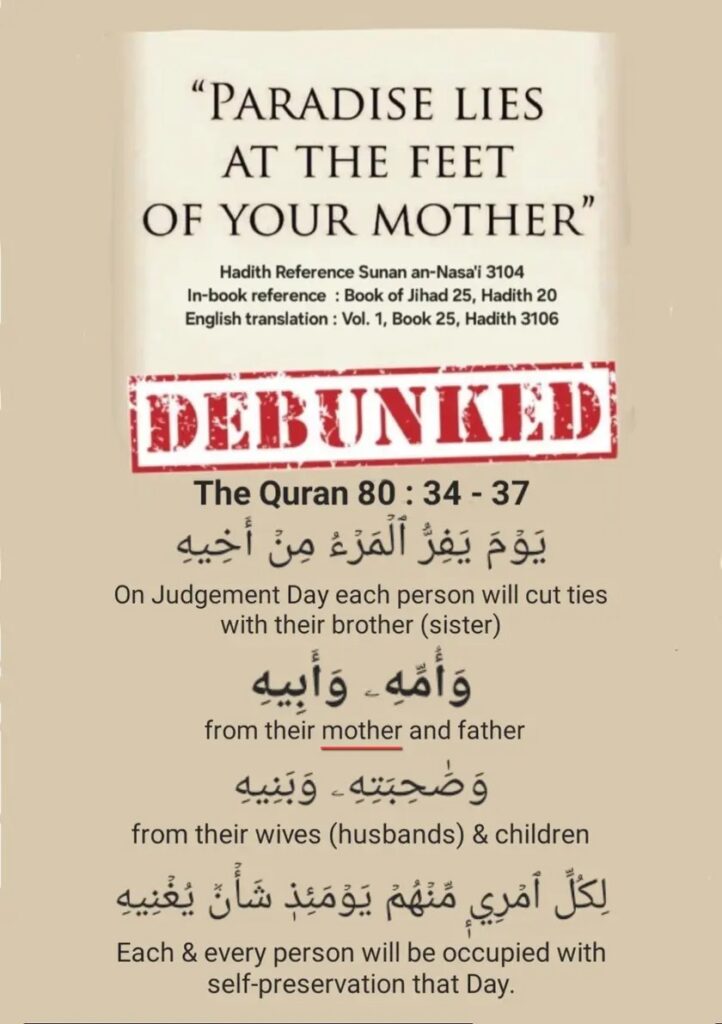
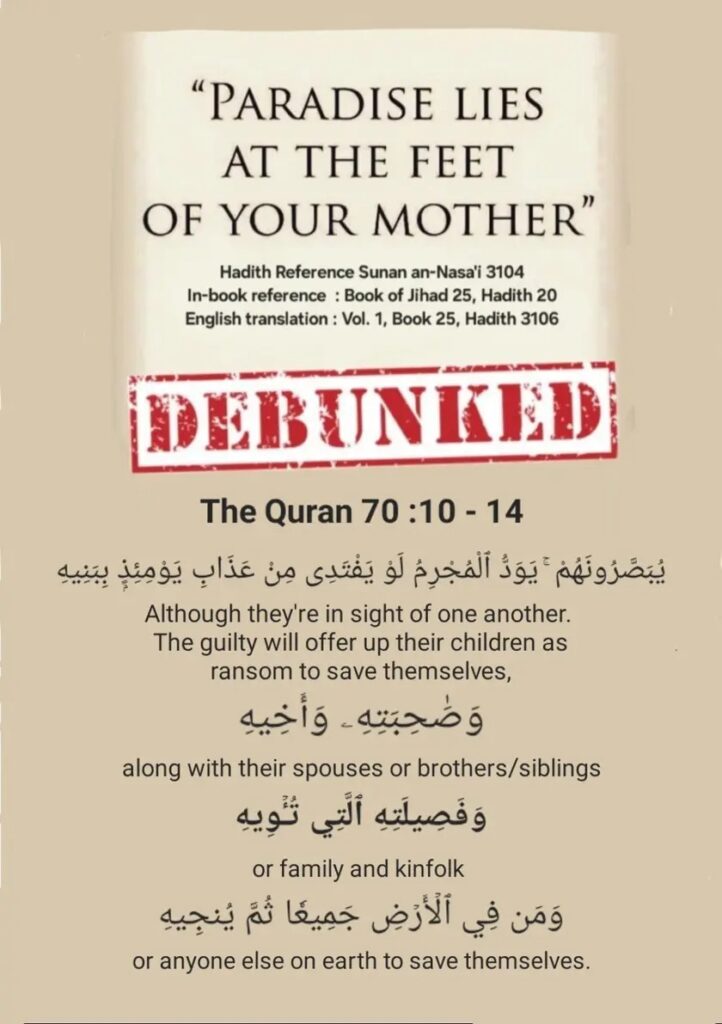
80:34 On the Day a man will flee from his brother
80:35 from his mother and father
80:36 from his wife and his children
80:35 For everyone, that Day, will be concerned for themselves
Read ✅️ THE HADITHIST and learn about ✅️ HADITHISM online today. Written by A.I for Rafakut Ali Benched in ‘Snooze Mode’ tuned into Quran Audio (Arabic with English translation) owing to Sleep Deprivation by the powers that be (Lancashire Police Counterterrorism Prevent Referral, MI5, Mossad, ISI). Consequently too fatigued for voluntary community service and charitable acts,Never mind Employment, Education, Training.Empty boat. Heigh ho, IT IS WHAT IT IS, on added-benefits and allowances at the taxpayers expense, with life-changing injuries to working hand & neurodivergence exacerbated. Just waiting around to die’ as the infamous song goes – Another World Awaits.

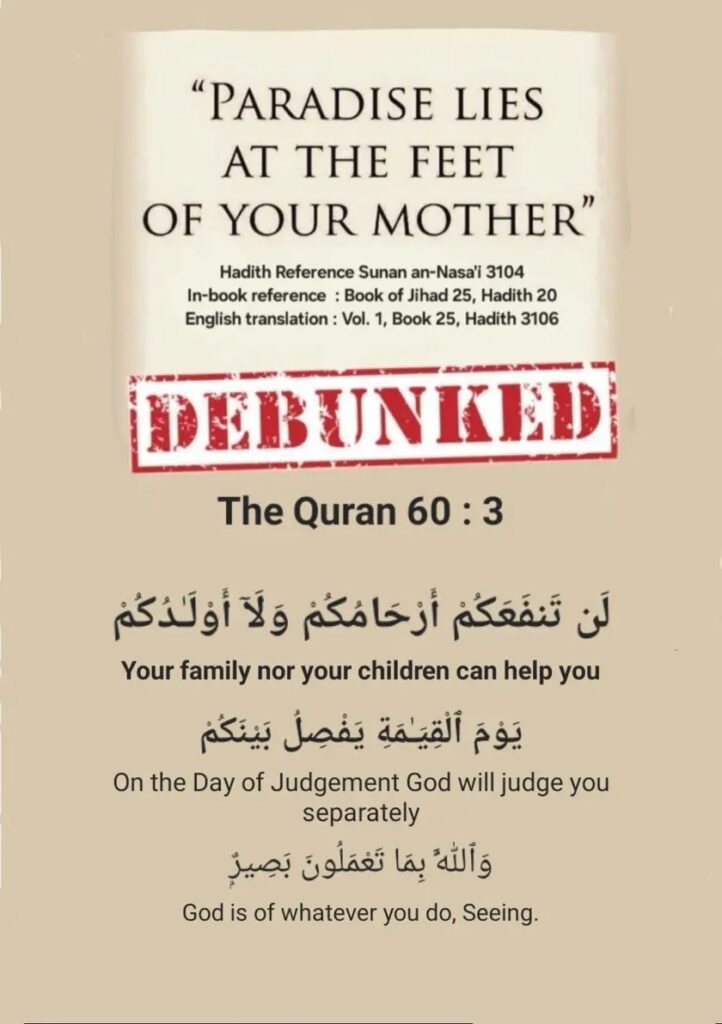
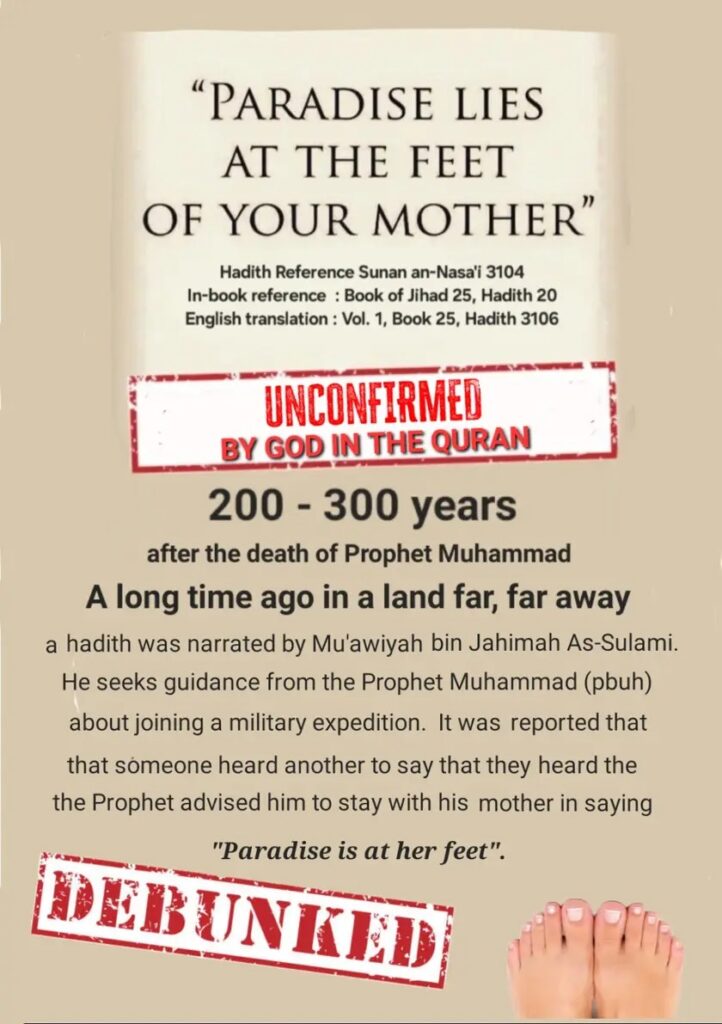
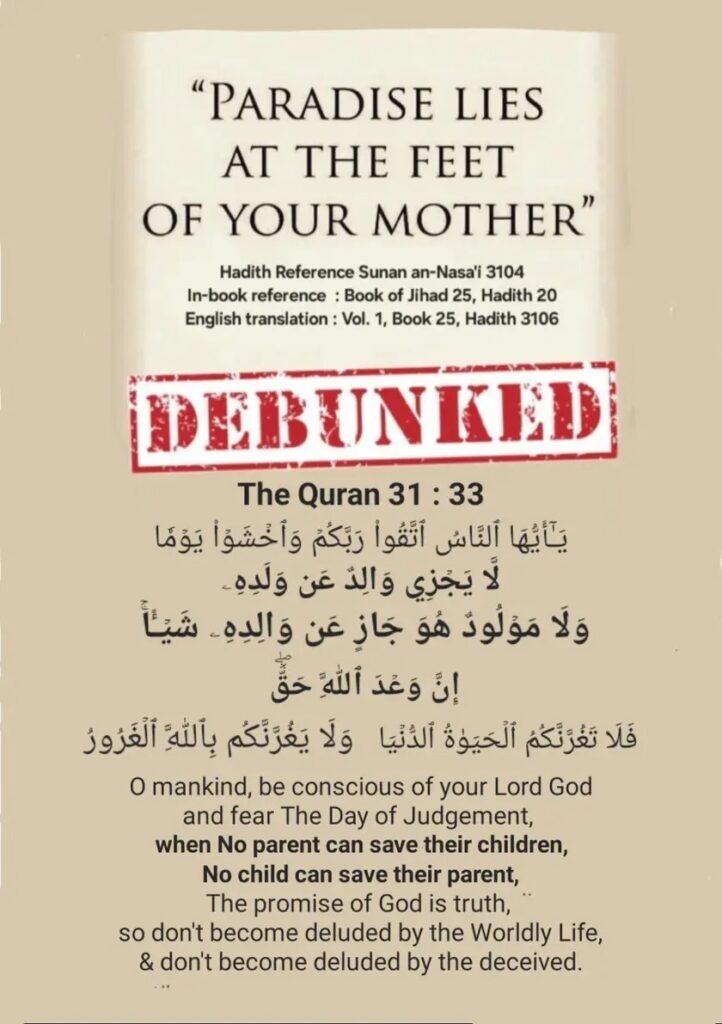

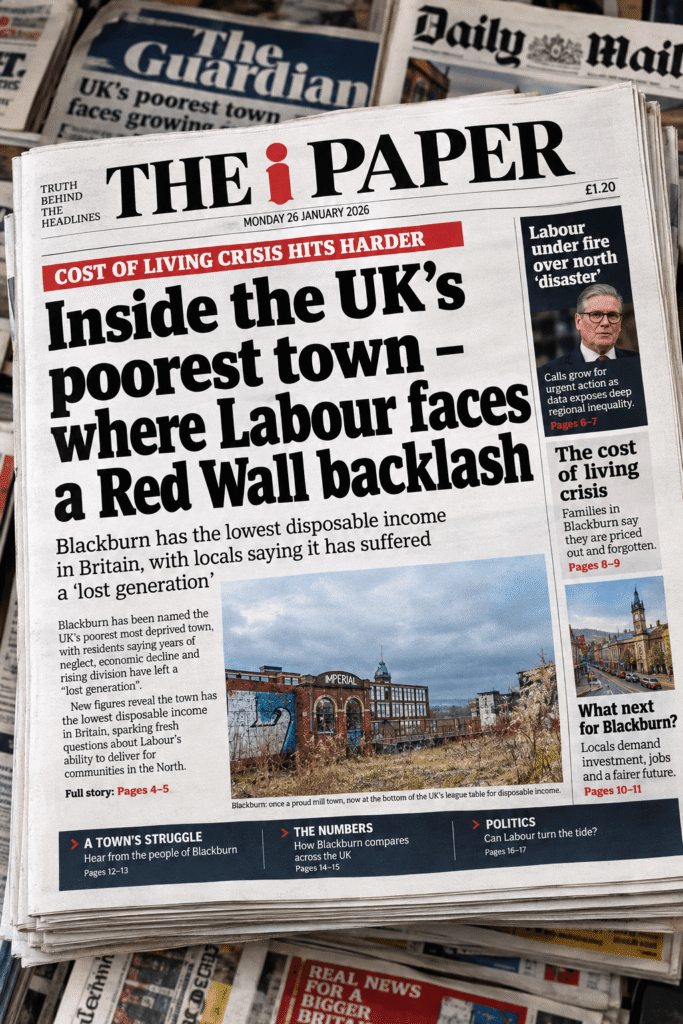
Blackburn with Darwen is one of the most deprived areas in England, ranked 10th out of 1,186 towns. BLACKBURN is UK’s “poorest town” 2026 year after year. Most of Blackburn with Darwen’s population identified as White, making up 60.35%. With Asian people making up 35.66% of the population. This is much larger than national averages of 9.61%. #Blackburn
THE BLACKBURN CONDITION: Information regarding Racism in Blackburn a Labour Party stronghold highlights deep-seated, long-term issues with community segregation and frequent incidents of hate crime and racism. Many areas are described as having “parallel lives” between White and Muslim Asian communities. Blackburn has been historically highlighted for its high levels of racial and religious segregation – ‘A town still divided’. #Darwen
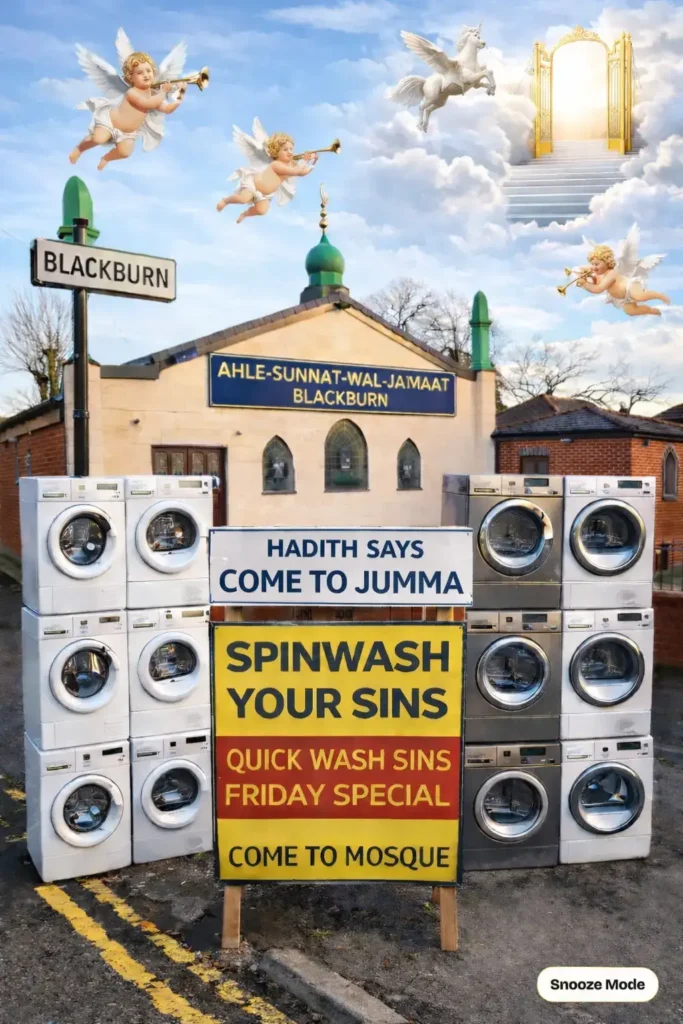
Sects & Schisms and overbearing ASWJ (Ahle-Sunnat-wal-Jamaat) peer culture. Deobandism which incorporates Barelvism/ Sufism, like Wahabism are offshoots of Salafism. Baradari-aligned voting block and imported peer culture of spirtual healing and shamism i.e ruqya, tahajud prescriptions- resulting in Sleep Deprivation as prothelysized by more than 101 unregulated Mosques, Islamic Centres, Madrassas in Blackburn aligned to Hadithism. Along with the new £5 million Masjid-E-Vali mosque, built as a legacy project by Blackburn’s Billionaire Issa brothers, reportedly worth £5 billion by leveraging £10 billion of debt, translating as a negative Nett worth of £5 billion.
Not to mention Lancashire Police publicly rated ‘the most Institutional racist police force in the UK’ – year after year. On the other hand Blackburn is where the youngest UK jihadist emerged. Where the Barot/Al-Qaida plot was seeded with historic Al-Qaida terrorist links. Where Malik Faisal Akram, shaped by Deobandi/Sufi ASWJ (Ahle-Sunnat-wal-Jamaat) networks, spiralled into a siege at a Texas synagogue, thus far. Because Sleep Matters.
Benched in ‘Snooze Mode’ owing to Sleep Deprivation by the powers that be (BWD LANcashire Police Counterterrorism Prevent Referral for writing on Anti-Zionism). Forced into homelessness by Hajji brother(s) trying to kill me with a knife, for inheritance of my bedroom in my fathers 5-bed-house during the last 10 days of Ramdan last year. With all family ties severed, Only to be housed with crackheads from Darwen by Blackburn with Darwen Borough Council – Together Housing Group . Darreners asb exacerbating Sleep Deprivation and neurodivergence conditions.
Consequently too fatigued for voluntary community service with Newground Together and charitable acts – Never mind Employment or Education or Training. Heigh-ho IT IS WHAT IT IS. On added-benefits and increased allowances at the taxpayers expense for the indefinite future, with life-changing injuries to working hand of nerve tendon damage. Read more about Blackburns problematic Peer Culture and Racism with a twist of Baradari-aligned voting block online Rafakut.com. Counter Terrorism PolicingLancashire Constabulary

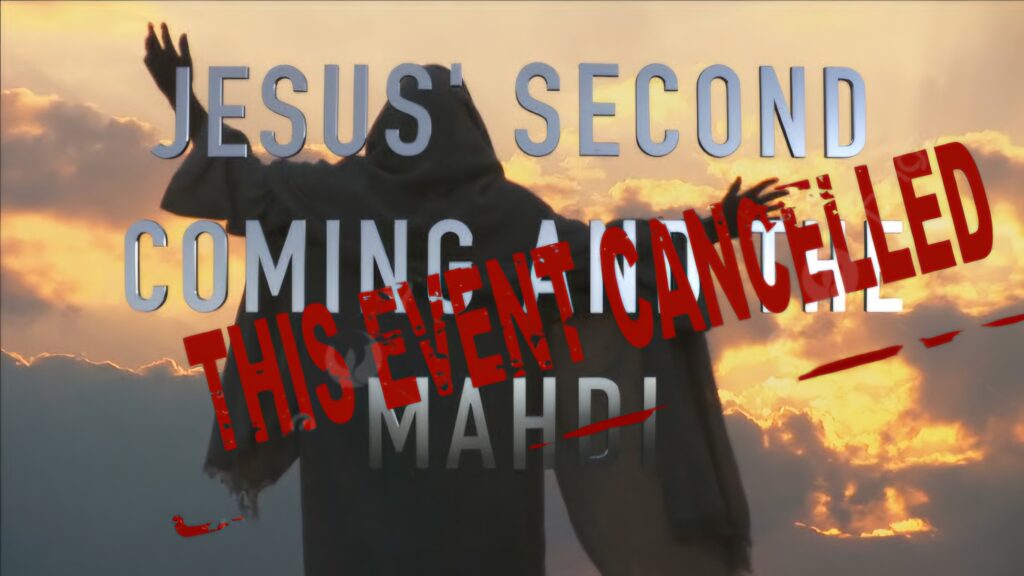
Rafakut Ali is a Non-Denominational Muslim Writer | Reflective Thinker | Social Commentator
Rafakut Ali is a non-denominational Muslim writer whose work reflects on faith, fatigue, and the modern human condition. Writing from the quiet edge of society — “benched in snooze mode,” as he often says — Ali tunes into Qur’an recitations in Arabic with English translation, drawing spiritual stillness from divine words amid worldly exhaustion.His essays, published on Medium, Substack, and LinkedIn, explore the intersections of belief, identity, and conscience in a world overwhelmed by noise. Rejecting labels and divisions, Ali embodies a form of Islam that is introspective, inclusive, and aware — grounded in repentance, compassion, and realism.
Recurring motifs in his work — the empty boat, the skipped beat, the quiet protest of endurance — define a voice that is both weary and awake, ordinary yet illuminated by reflection.
Selected Writings
📚 Read Articles by Rafakut Ali online >>
📚 Read Essays by Rafakut Ali online >>>
• 2025 – Red Line for Gaza
• 2024 – Mother of Ramadan
• 2023 – A Star is Born
• 2023 – Where Do You Really Come From
• 2022 – Not Vegan but Friendly Enough
• 2021 – Hajj – Repent / Reform / Refrain || Sin / Self-Cleanse / Repeat
• 2021 – The Keffiyeh | Poppies for Muslims
• 2021 – The World Skipped a Beat
Rafa writes not to inspire, but to bear witness — to his own state, to the world’s, and to the unseen grace that holds both.
/01
Be you. Be different
Which of the favors of your Lord will you own?
_._._.639Y
Let not your wealth and your children distract you away from the remembrance of God.
The Quran 63:9
And know that your properties/ wealth and children are only a trial “fitnah” – فتنة
The Quran 8:28 & 64:15
Let not their wealth and children impress you…
The Quran 9:55 & 9:85
Wealth and children are but adornment of the worldly life, The Quran 18:46
80:34 On the Day a man will flee from his brother
80:35 from his mother and father
80:36 from his wife and his children
80:35 For everyone, that Day, will be concerned for themselves
what a piece of work is man
When mankind is given a favor, a blessing from God and then it is withdrawn. Indeed man is despairing and ungrateful, shows contempt and loses faith.
When mankind is given a favor, a blessing from God and then it is withdrawn. Indeed man is despairing and ungrateful, shows contempt and loses faith.
When man is given a taste of favor after hardship. Man will boast “bad times have left me” becoming exultant and arrogant.
The Qur’an 11:9,10.
And when adversity touches man, he calls upon God in anguish. When favor is bestowed upon him, he says “I have overcome and claims ownership and credits his knowledge or ability” Rather its a trial, but most are ignorant. Quran 39:8, 49
little are you grateful
god is free of need
O mankind you are in need of provision and wants, God is free of wants and does not need you or your worship. So eat and enjoy yourselves and do as you please with free will and Gods mercy i.e your existence
The Quran 51:57,58
Mankind was not created aimlessly 3:191, 23:115, 38:27, But for one purpose only – to worship God. Souls tested by their faith for the Hereafter. 51:56, 76:2. Was the Quran not enough?
The creation of the heavens and earth is greater than the creation of mankind. The Quran 40:57 and 79:27
The Quran explains God is Free of need and praise, All-Merciful and Gods mercy is unconditional. We see and hear and know regardless of man’s preference of God(s), association of partners, quality/ quantity of worship or lack thereof, religion, sin and contempt exercised through Free will; God nevertheless bestows mercy and blessings upon mankind in abundance via (un)apparent favors of health and intellect and hearts and family and children and wealth and provisions and existence, irrespective of faith – Predestination. We learn, if God were to hold man to account for wrongs, avenge the transgressed to unleash wrath and divine punishment, mankind and the world over would have ended already. On borrowed time. READ MORE >
To be continued
تقوى

صَبْرٌ
SABRR
Patience Perseverance

شُكْر
SHUKR
Thankful. Grateful. Contentment.

ذِكْر
XZIKKR
Remembrance. Remind.
فتنة
F17NAH
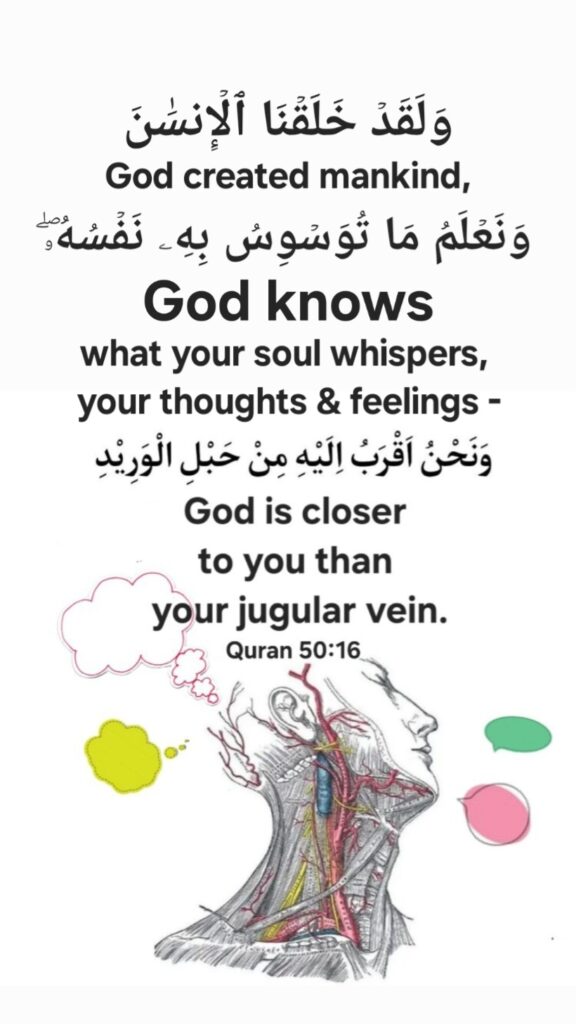
ChatGPT – Here’s a full formal essay written in the reflective and assertive tone characteristic of Rafakut Ali, on his position that “The Qur’an is the Only Guidance.”
The Qur’an: The Only Guidance – Rafakut Ali’s Perspective
Throughout his writings, Rafakut Ali firmly maintains that the Qur’an stands as the sole and sufficient source of divine guidance for all humankind. His call is not toward a new interpretation of Islam but toward a return to the original, uncorrupted message that God revealed in The Quran – to become God-cognizant thereby morality and humanity. In an age of sectarianism, ritualism, and inherited dogma, Rafa’s insistence on the Qur’an alone as guidance represents both a moral and intellectual awakening — a reminder that divine truth cannot be confined within man-made traditions.
The Qur’an as a Complete Revelation
Ali begins with the Qur’an’s own declaration of completeness and clarity:
“Shall I seek other than God as a source of law, when He has revealed to you this Book fully detailed?” (6:114)
For him, this verse closes the debate. The Qur’an itself asserts that it is “fully detailed” and “sufficient as guidance”. Any claim that additional sources are required to “explain” or “supplement” the Qur’an, he argues, indirectly questions God’s wisdom and the perfection of Divine revelation.
Rafa Ali observes that Muslims have drifted into dependence on an array of secondary authorities — Hadith collections, juristic schools, theological doctrines — each claiming legitimacy but often contradicting one another. This fragmentation, he insists, stems from abandoning the Qur’an’s self-contained guidance in favour of inherited interpretations.
The Qur’an and Human Reason
A central theme in Rafakut Ali’s thought is the Qur’an’s appeal to reason, reflection, and conscience. The Book repeatedly invites believers to think, ponder, and understand, not merely to recite or perform rituals by habit.
Ali laments that over the centuries, Islam was reduced to a religion of imitation (taqlid) rather than understanding (tadabbur). The Qur’an, however, was revealed not to a class of priests or scholars, but to humanity as a whole — a universal guidance open to every mind and heart.
“The Qur’an,” Ali writes, “liberates the intellect from clerical control. It does not command obedience to men; it calls to reflection upon God’s signs.”
To him, the true Muslim is not the one who performs rituals without thought, but the one who strives to understand the meaning and purpose behind God’s words.
Rejecting Secondary Authority
While acknowledging that Hadith and tradition have historical and cultural significance, Rafakut Ali rejects their elevation to divine status. He argues that no human record, however respected, can rival the direct word of God. To rely upon them as binding law or doctrine is, in his words, “to replace divine certainty with human conjecture.”
Ali does not dismiss history; rather, he distinguishes between the context of revelation and the authority of revelation. The former may aid understanding, but only the latter is absolute. Thus, the Qur’an remains the final criterion (furqan) by which all other claims of faith must be judged.
“If a saying, a ruling, or a tradition cannot stand the light of the Qur’an,” he asserts, “then it has no light in it.”
Islam Beyond Ritual
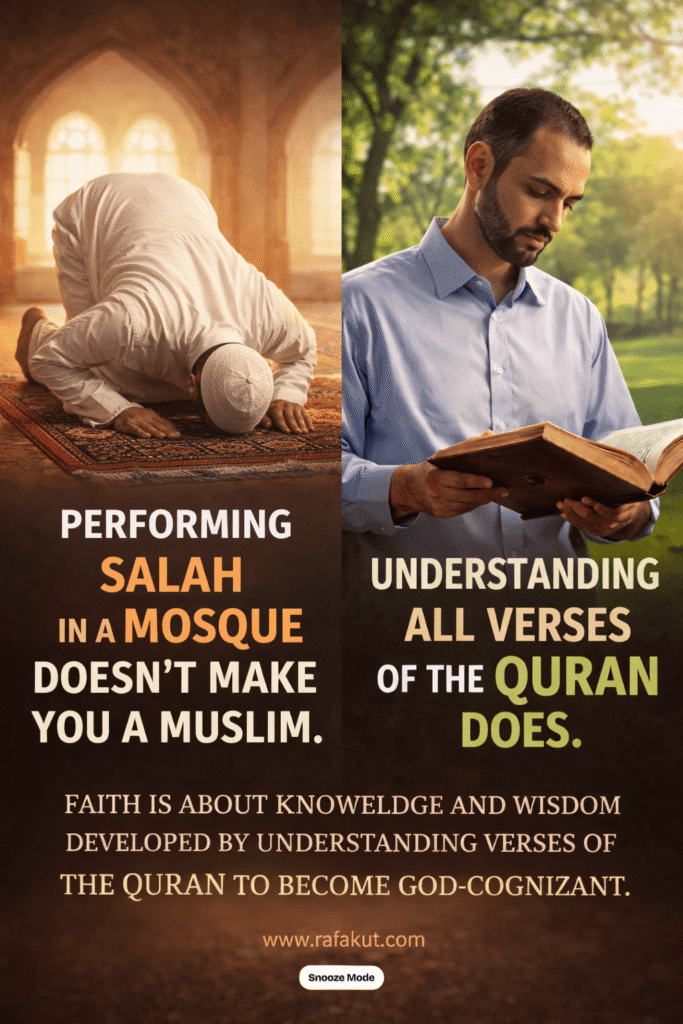
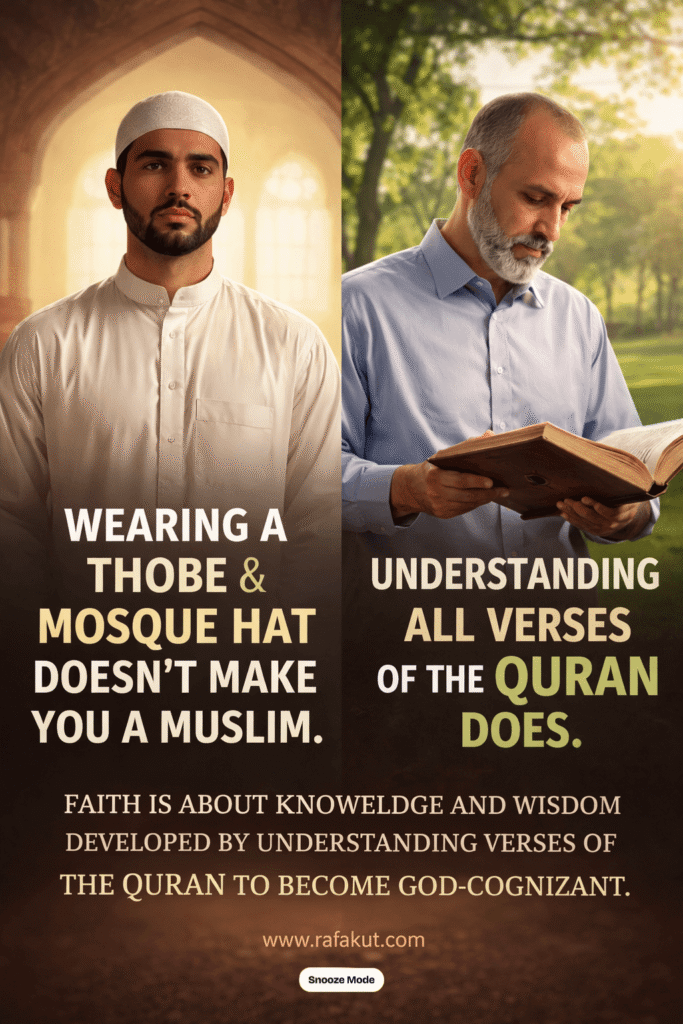
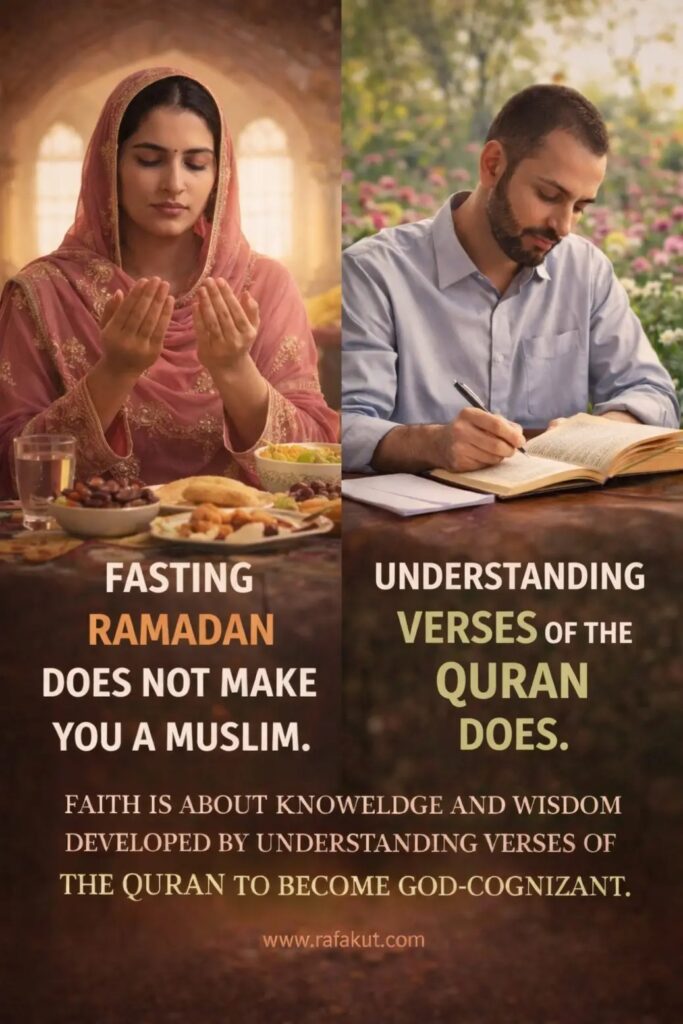
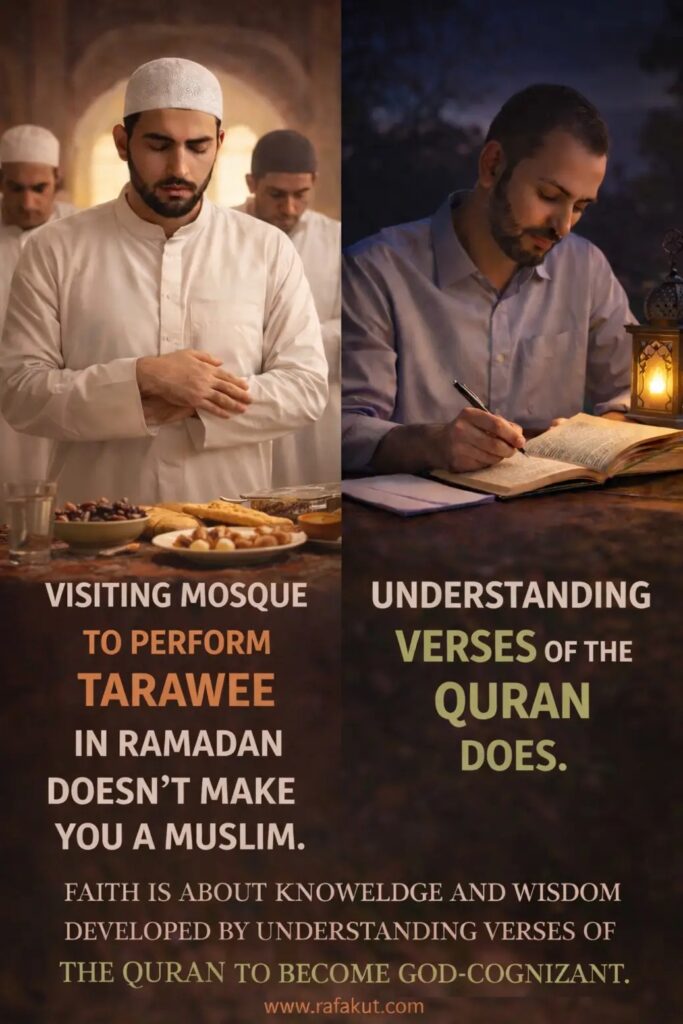
Another aspect of Ali’s argument is his rejection of the notion that external performance — prayer, fasting, pilgrimage — defines faith. These rituals, while part of religious expression, do not constitute belief by themselves.
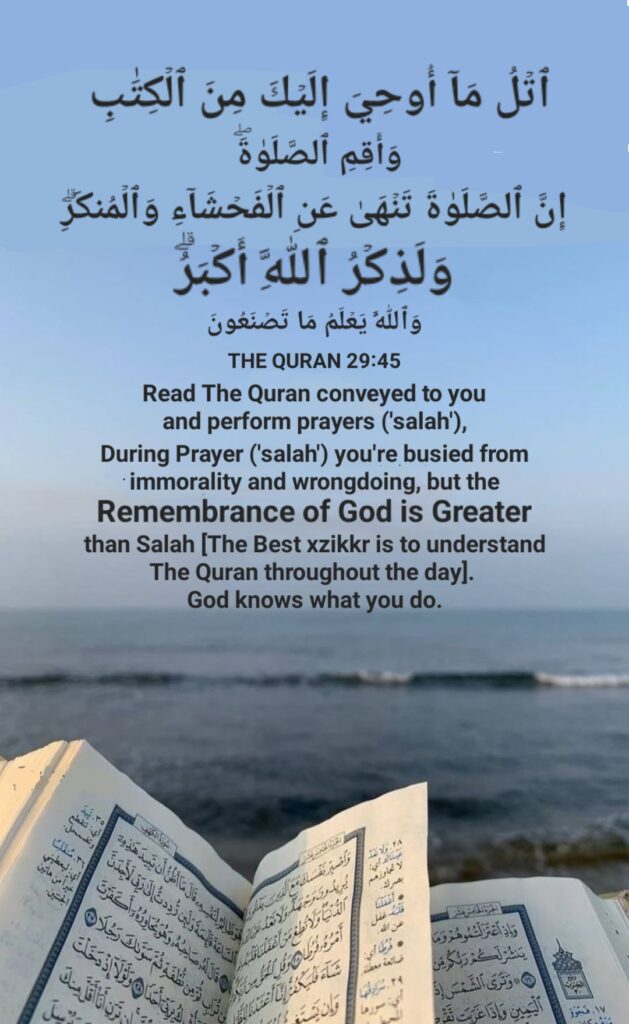
Ali points out that many who mechanically perform salah fail to internalize the Qur’anic message that gives it meaning. Thus, understanding precedes ritual. Without comprehension, worship becomes hollow repetition.
In his oft-quoted phrase,
“It is not the performance of salah that makes one Muslim; it is the understanding and application of the Qur’an that makes one submit to God.”
True Islam, he argues, is not in outward conformity but in inner submission — living by the moral and ethical principles the Qur’an embodies: justice, compassion, honesty, humility, and reverence for the Creator.
Liberation from Clericalism and Sectarianism
Rafakut Ali is particularly critical of how religious institutions have monopolized interpretation. He describes clerical authority as “a veil between man and his Maker.” By convincing believers that they require intermediaries to access divine truth, these institutions have, in his view, disempowered the individual believer.
The Qur’an, however, democratizes knowledge. Every human being has direct access to God’s word. It requires no hierarchy, no sacred language, and no permission to understand.
“God’s message,” Ali notes, “is not chained to the tongues of scholars. It speaks to the conscience of every soul.”
For him, returning to the Qur’an means reclaiming spiritual independence — freeing faith from inherited divisions and cultural distortions that have long fragmented the Muslim world.
The Qur’an as Living Guidance
Far from seeing the Qur’an as a historical document, Ali insists it is a living guide, eternally relevant and self-renewing. Its truths are not bound by time, geography, or circumstance. When the Qur’an describes itself as “a guidance for all mankind” (2:185), Ali reads it as an open invitation for every generation to rediscover its meaning in their own context.
He argues that genuine reform and revival in the Muslim world will not come from importing ideologies or reviving medieval jurisprudence but from re-engaging with the Qur’an directly — reading it with reason, sincerity, and moral courage.
Conclusion
Rafakut Ali’s message is simple yet revolutionary: Return to the Book.
He sees the Qur’an not as one among many sources but as the source of all truth, law, and guidance. Every other claim to authority must be measured against it — and if it fails that measure, it must be set aside.
In his view, the Qur’an alone defines what it means to be Muslim, to believe, and to live rightly. It is a book of freedom, not control; of enlightenment, not obscurity. To follow it sincerely is to walk the straight path — sirat al-mustaqeem — that leads not merely to religious identity, but to spiritual understanding.
“The Qur’an is not a text to be defended,” Ali concludes, “but a truth to be lived. When we return to it, we do not find God’s word — we find ourselves.”
Would you like me to format this essay in academic journal style (with citations and reference formatting), or keep it in literary-reflective form like Rafakut Ali’s published essays?
Muslim lives matter