re:tired
Peer jinn complex
MU’taq’een
💚 Published PeerlessQuran.org. Benched Snooze Mode in Blackburn 🕳 UK’S poorest town.
‘Perhaps you love a thing bad for you; perhaps you dislike something good for you.’
WORLDY LIFE ≠ HEREAFTER
another World Awaits…
The Industry of Fear: Dismantling the Peer(pir)-Jinn Complex
Introduction: The Architecture of Supernatural Anxiety
The contemporary religious landscape is heavily saturated with a subculture of supernatural anxiety. What was intended as a clear, direct, and unmediated relationship between the creation and the Creator has been systematically replaced by a commercialized industry of intermediaries (peers), invisible scapegoats (jinn), and ritualistic fixes (ruqya, istikhara beads, and hijama cupping).
When viewed through a strictly Quran-centric lens—the analytical framework that demands the scripture stand alone, entirely free from human supplements—these widespread practices reveal themselves not as pillars of faith, but as cultural constructs. They are superstitious accretions that obscure individual accountability, exploit human vulnerability, and dilute the self-evident clarity of the Divine text.
Chapter 1: The Anatomy of Superstition: Jinn, Magic, and the Peer (PIR) Trade
In many traditional communities, life’s ordinary trials—illness, financial hardship, failed marriages, or psychological distress—are routinely blamed on external, unseen forces. Jinn possession and black magic (sihr) have become the default explanations for human suffering. This environment of perpetual fear creates a lucrative market for the peer (spiritual guide) or the professional exorcist, establishing a dangerous, self-perpetuating cycle.
The Dynamics of Dependency
- The Abdication of Agency: By blaming a jinn or a hidden curse for personal failures, an individual avoids the hard work of self-reflection, medical evaluation, or practical problem-solving. This creates a “scapegoat economy” where people avoid admitting that a marriage failed due to poor communication, or that an exam was failed due to a lack of preparation.
- The Rise of the Intermediary: The vulnerable believer is led to believe they lack the spiritual purity to fix their own lives. They must instead rely on a charismatic peer or raqui who claims exclusive access to esoteric knowledge or spiritual remedies.
From a rigorous Quranic perspective, this reliance on human intermediaries directly contradicts the core message of the scripture. The Quran repeatedly emphasizes individual accountability and an unmediated, direct connection to God. Elevating human beings to the status of spiritual gatekeepers who can manipulate the unseen world borders on a violation of absolute monotheism (shirk). The Quran is entirely self-sufficient, completely clear, and requires absolutely no human intermediaries. The moment reason is traded for spiritual theater, the core of the text is abandoned.
Chapter 2: Deconstructing the “Hadith Fads”
The infrastructure supporting these superstitious practices relies heavily on secondary religious literature and cultural traditions rather than the protected text of the Quran. When scrutinized under a reformist, Quran-alone lens, the theological foundations for these rituals begin to fracture.
1. Istikhara: The Bureaucratization of Dreams
In popular practice, Istikhara (seeking guidance) is frequently treated as an Islamic version of a crystal ball. Believers are told to perform a specific ritual before sleep and wait for a green or white sign in a dream to dictate their life choices.
This approach encourages passive fatalism and represents a flight from adult responsibility. The Quranic model for decision-making relies heavily on intellect, critical thought, and Shura (consultation). God does not run a cosmic hotline through REM sleep to save individuals from evaluating reality. Relying on the ambiguous imagery of a dream to make life-altering decisions is an inversion of the intellect God provided.
2. Ruqya: The Exorcism Theater
While seeking comfort in the words of God is a natural human inclination, the modern manifestation of ruqya has evolved into a highly ritualistic, commercialized theater. Professional practitioners charge fees to chant over water, blow on patients, and engage in elaborate dialogues with alleged demons, creating an atmosphere of ambient terror where every headache is diagnosed as a curse.
The Quran describes itself as a healing and a mercy (shifa’an wa rahmah), but this healing is intellectual, moral, and psychological—it cures the heart of doubt, ignorance, and despair. It is not an antibiotic for bacteria, nor is it a magical spell to cast out invisible squatters. Transforming the text into a magical incantation to expel entities reduces a book of profound guidance to a collection of talismanic spells.
3. Hijama: Medieval Medicine Masquerading as Theology
Wet cupping (hijama) is widely promoted in traditionalist circles as a prophetic panacea capable of curing physical illnesses and draining away dark magic or jinn hiding in the veins.
From a rationalist standpoint, bloodletting belongs to the realm of historical, ancient medicine—not divine revelation. The Prophet lived in a specific historical context and utilized the medical tools available to his era, just as he rode camels instead of driving modern vehicles. Conflating localized, 7th-century Arabian medical practices with eternal religious obligations creates a false dichotomy between faith and modern science. The Quran contains eternal moral and spiritual laws; it does not provide a manual for clinical medicine.
Chapter 3: The Illusion of Jinn Powers and the Unseen World
The ultimate root of this problem is the obsession with jinn possessing superhuman, reality-bending capabilities. Traditionalist narratives have constructed an elaborate fantasy universe where invisible spirits alter human destiny. The Quran completely dismantles this fear through two unshakeable principles.
The Jinn Possess No Physical Authority
The text explicitly reveals that the Devil (Shaytan) and the jinn have absolutely no physical authority, no sovereignty, and no power to force, manipulate, or possess human beings. Their only mechanism is waswas (whispering, suggestion, and temptation). They cannot ruin a person’s life or change their fate; they can only suggest negative thoughts.
Satan himself openly admits this total lack of authority in the text:
“And Satan will say when the matter has been concluded, ‘Indeed, God had promised you the promise of truth. And I promised you, but I betrayed you. But I had no authority over you except that I invited you, and you responded to me…’” — Quran 14:22
Only God Knows the Unseen (Al-Ghaib)
A cornerstone of the peer industry is the belief that these entities possess secret knowledge about the future. The Quran categorically refutes this, stating that none in the heavens or the earth knows the unseen except God.
The scripture provides a stark historical example: the jinn labored in subjugation for Prophet Solomon, completely unaware that he had died sitting on his staff until a creature of the earth ate through the wood and his body fell. If the jinn possessed knowledge of the unseen, they would not have continued their humiliating labor.Chapter 4: Snooze Mode: Biological Reality vs. Spiritual Escapism
The linking of sleep deprivation, insomnia, or sleep paralysis to spiritual curses and jinn magic is one of the most destructive forms of psychological malpractice masquerading as piety. When subjected to the clarity of the Quranic framework and basic human biology, this entire narrative implodes.
The Fiction of the Peer-Reviewed Jinn
When people experience normal, scientifically understood biological disruptions, they frequently run to a peer or a spiritual gatekeeper instead of seeking rational solutions. If the ultimate source of guidance explicitly states he has no authority and no physical grip over human beings, by what authority does a peer claim a jinn is causing physical insomnia? It is a fabricated narrative designed to create dependency, fear, and financial leverage for the gatekeeper.
The Deification of the “Curse”
To believe that a human being, through a ritual, a piece of paper, or an evil eye, can alter biological health and bypass the laws of nature established by God is a subtle form of idolatry (shirk). It attributes absolute power to human creation. The Quran is unequivocal:
“And if God should touch you with adversity, there is no remover of it except God…” — Quran 10:107When an individual accepts the diagnosis of a “curse” for sleeplessness, they accept the premise that a sorcerer or a jealous neighbor has more control over their body than the biological systems engineered within them.
[Superstitious Loop] ──> Insomnia ──> Peer Diagnosis ──> Fear/Rituals ──> Worse Insomnia
VS
[Rational/Quranic] ──> Insomnia ──> Analyze Cause ──> Correct Behavior ──> Peaceful Sleep
Biological Law (Sunnatullah)
Sleep deprivation is a physical reality governed by the laws of cause and effect that rule the physical universe. Staring at blue-light screens, consuming stimulants, living with chronic stress, or suffering from clinical sleep apnea are physical stimuli. Otherwise asb of neighbours making disturbing noises in the dead of night, though not limited to crackheads. Including ‘cultural muslims’ undertaking the nightime prayer of tahuajud redefined as hadith-based istikhara of levitating and banging heads on the wall.
The Quran explicitly describes sleep as a biological necessity and a sign of mercy:
“God made your sleep [a means for] rest.” — Quran 78:9
Bypassing lifestyle choices, mostly environmental factors and external circumstances, mental health, or medical realities to blame an invisible entity is an escape mechanism to avoid the hard work of self-discipline, therapy, or medical treatment. Lack of sleep is not a spiritual war zone; it is a biological signal.
Chapter 5: The Weaponization of Paranoia: Demolishing the “Evil Eye” Industry
The traditional concept of the “evil eye” (ayn) has been weaponized by institutionalized cultural practices to transform communities from hubs of mutual trust into hotbeds of toxic paranoia. A promotion, a new car, a healthy child, or a happy marriage cannot be celebrated; it must be hidden or camouflaged, lest an envious glance instantly shatter a person’s life.
The Fiction of the Lethal Glance
The fundamental premise of the traditional evil eye myth is that human envy possesses a metaphysical projection system—that a destructive energy shoots from an envious person’s eyes, overrides the protective decree of God, and causes physical harm. This attributes a sovereign, creative power of destruction to a human glance.
The Quran describes envy (hasad) in detail, but treats it entirely as a psychological and social sickness of the envious person, not a magical death-ray that harms the victim from a distance.
[Traditional Superstition] ──> Envious Glance ──> Direct Supernatural Harm to Victim
Vs
[Quranic Reality] ──> Envious Heart ──> Plots, Backbiting, & Social Malice
The Quran instructs:
“And from the evil of the envier when he envies.” — Quran 113:5
The “evil” of the envier is the real-world, tangible malice that flows from jealousy—gossip, sabotage, backbiting, and active attempts to undermine success. The refuge sought is from their physical machinations and the toxic social environment they attempt to create, not from their physical eyeballs.
The Illusion of Safeguard Objects
Because anxieties have manufactured this phantom threat, a lucrative industry of superstitious safeguards has emerged. Millions of people pin blue glass amulets (Nazar Boncugu), hang miniature metal hands (Hamsa), or wear specific verses rolled up in leather pouches (ta’weez).
In trying to protect themselves from a fictional power, individuals engage in an explicit act of shirk by placing their trust in a physical charm to ward off evil. The Quran leaves no room for physical intermediaries or lucky charms, demanding direct, unmediated reliance on God alone.Paranoia vs. Accountability
The most devastating consequence of this myth is the psychological paralysis it inflicts. Every time a person stumbles, loses a job, gets sick, or faces a marital dispute, they bypass self-reflection, logical cause-and-effect, and personal accountability, choosing instead to blame the hidden malice of an aunt, a coworker, or a neighbor. This directly undermines the foundational Quranic principle of individual responsibility (Nafs):
“Whatever of good reaches you is from God, but whatever of evil befalls you is from yourself…” — Quran 4:79Chapter 6: The Manufactured Mathematics of Piety: Demolishing the Tasbih and Wazifah
A central target of reformist critique is the practice of Wazifah (the repetitive chanting of specific phrases, verses, or names of God for a prescribed number of times to achieve a specific worldly or spiritual outcome) and the use of tasbih (prayer beads). These function as a mechanical crutch—the turning of divine simplicity into human complexity.
1. The Reliance on Non-Quranic Sources
The specific formulas, mathematical counts, and ritualistic conditions of various Wazifahs are derived almost entirely from later historical literature or the inventions of medieval mystics and religious clerics. They lack divine authority. The Quran calls itself “The Best Hadith” (39:23) and contains no instructions demanding that a believer click a bead a specific number of times to unlock a blessing.
2. Remembrance vs. Repetition
The obsession with specific numbers—reciting a phrase exactly 33, 99, or 101 times to ward off evil or gain wealth—reduces the infinite nature of remembrance (dhikr) into a repetitive, mindless transaction.
[Mechanical Ritual] ──> Repetitive chanting + counting beads ──> Disengaged Mind
Vs
[Quranic Reflection] ──> Conscious awareness + moral action ──> Reformed Soul
True dhikr in the Quran is an act of the conscious mind and reformed heart. It is the deep, active awareness of God’s laws, His creation, and individual accountability. When an individual is focused on tracking a count, the mind is monitoring a number rather than reflecting on the majesty of the Divine. The tool itself becomes the focus, transforming an intimate connection into a mechanical performance.
3. Ritualism vs. Taqwa (God-Consciousness)
God protects and elevates individuals based on their Taqwa (moral awareness, righteousness, and conscious alignment with divine laws). Outward performance and repetitive chanting without inner comprehension or ethical reform do not substitute for actual change. Hardship is addressed through genuine repentance (tawbah), behavior modification, and practical action—not through the mechanical recitation of a Wazifah.
Chapter 7: The Distortion of Night Guidance: Tahajjud and Istikhara Fusion
The combination of Tahajjud (the night prayer) and Istikhara into a specialized, ritualistic formula is another example of human tradition weaving unnecessary complexity into the path of faith.
In institutionalized tradition, this fusion is often treated like a spiritual seance: people are told to pray in the dead of night, go to sleep immediately without speaking to anyone, and wait for a green or white light, a dream, or a sudden emotional vibe to dictate their life choices. This is a sanitized form of divination. The Quran explicitly condemns seeking omens or arrows of choice (5:3).
True Guidance as a Rational Methodology
In a worldview anchored solely on the Quran, seeking what is best is a completely conscious, rational, and proactive process.
[Man-Made Formula] ──> Pray at Night ──> Sleep ──> Wait for a Dream ──> Blind Action
Vs
[Quranic Guidance] ──> Use Intellect ──> Reflect on Verses ──> Decide ──> Trust God
The Quran outlines the true methodology for making vital life decisions clearly:
“…And consult them in the matter. And when you have decided, then rely upon God. Indeed, God loves those who rely [upon God.” — Quran 3:159
Divine guidance is found in using the intellect (‘aql), weighing realities, consulting with knowledgeable people (shura), making a firm decision, and moving forward.
The Purpose of Night Reflection
The Quran speaks of standing in prayer at night (Qiyam al-Layl) not as a mechanism to extract personal favors or future predictions, but as a time of profound psychological conditioning and intense reflection on the text itself:
“Indeed, the hours of the night are more effective for concurrence [of heart and tongue] and more suitable for words.” — Quran 73:6The night is designed to build the mental fortitude required to carry out the heavy responsibilities of the day. Reducing this period of contemplation to a superstitious ritual to bypass human intellect and responsibility alters the stated purpose of night reflection.
Chapter 8: The Deconstruction of Intercession: Shafa’at and Seeking the Dead
The traditional concepts of seeking intercession (shafa’at) and consulting the dead—such as praying to deceased saints or prophets at shrines—function as theological escapes from individual accountability.
The Myth of the Spiritual Safety Net
In traditional sectarian frameworks, shafa’at is frequently taught as a mechanism where a prophet or saint can intercede on behalf of a sinner on the Day of Judgment, effectively saving them from punishment. This functions as a spiritual “get out of jail free card.” By believing that someone else can step in and erase one’s spiritual liabilities, the believer can be lulled into a false sense of security, undermining the Quranic reality that every single human being is an independent agent who must carry their own burden.
Absolute Individual Responsibility
The Quran repeatedly states that ancestral merit, lineage, or the righteousness of another person cannot save an individual. This analysis rests on core principles:
- No Burden-Sharing: The Quran explicitly states that “no bearer of burdens shall bear the burden of another” (e.g., Surah Al-An’am 6:164). An individual cannot inherit someone else’s righteousness, nor can another assume their guilt.
- Agency-Based Outcomes: Humanity is told that “man can have nothing but what he strives for” (Surah An-Najm 53:39). Salvation is a direct product of individual intent, conscious choices, and proactive righteous deeds.
- Isolation in Accountability: On the Day of Judgment, the Quran describes a scene of total isolation regarding accountability, where “no intimate friend will ask of an intimate friend” (Surah Al-Ma’arij 70:10) and no negotiation or bartering will be accepted.
Consulting the Dead
The practice of visiting graves, invoking the names of the deceased, or asking dead saints for help replaces real-world effort and authentic, direct prayer to God. From a strict Quranic perspective, the dead cannot hear the living, nor do they possess the agency to alter earthly reality. It allows the individual to remain passive, waiting for a miraculous intervention from a deceased intermediary rather than fixing their own behavior, changing their environment, or facing reality with Taqwa.
Conclusion: Reclaiming the Peerless Text and Individual Sovereignty
Traditional Superstition Quranic Reformist Framework Intermediaries: Reliance on peers, raquis, and shrines. Direct Access: Unmediated, direct connection to God. Scapegoats: Blaming jinn, sihr, and ayn for failures. Accountability: Individual responsibility (Nafs) and cause-and-effect. Rituals: Wazifah, tasbih counting, and hijama. Conscious Faith: Intellectual engagement, Taqwa, and moral action. Decision-Making: Dreams, omens, and mystical signs. Rational Agency: Intellect (‘aql) and consultation (Shura). The proliferation of jinn phobia, peer worship, and ritualistic fads reflects a deeper spiritual fatigue—a condition where believers prefer the quick fix of an external ritual over the demanding journey of individual accountability. Dismantling the industry of fear requires a return to a framework where the text of the Quran stands alone, entirely free from human supplements and historical commentaries that cloud its clarity. True spiritual liberation involves recognizing that no intermediate force, no ritualistic cup, no string of beads, and no self-proclaimed holy man stands between the individual and the Divine. True faith demands that individuals stand directly before God—fully accountable for their choices, relying on their intellect, and walking in absolute spiritual freedom.
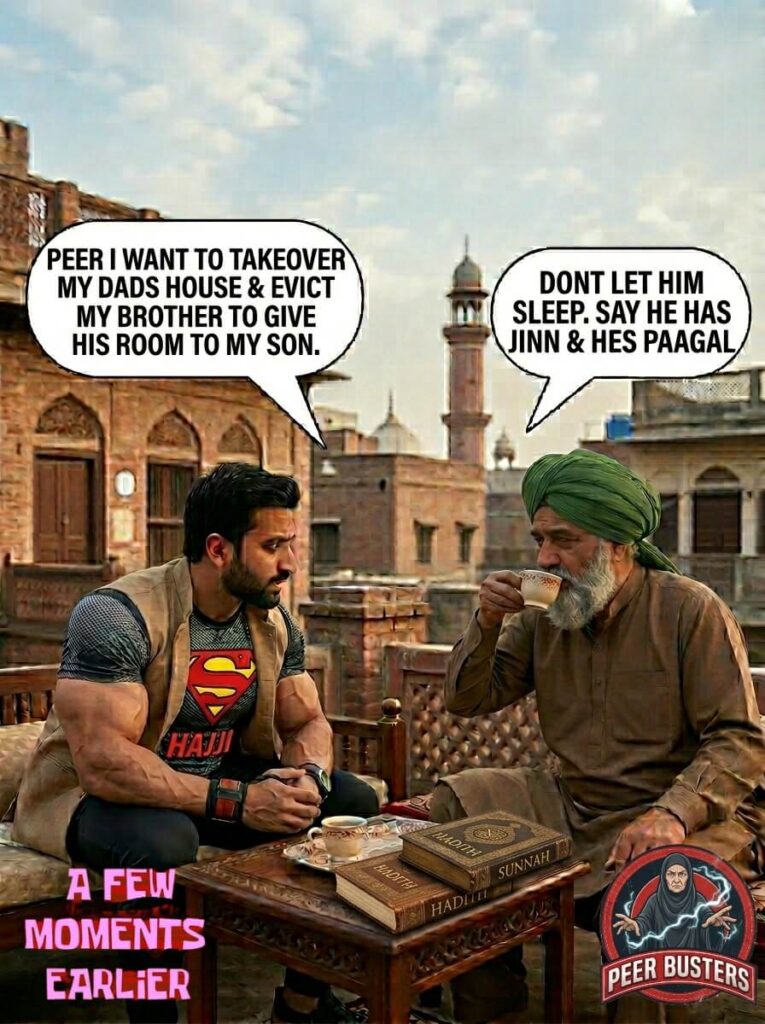
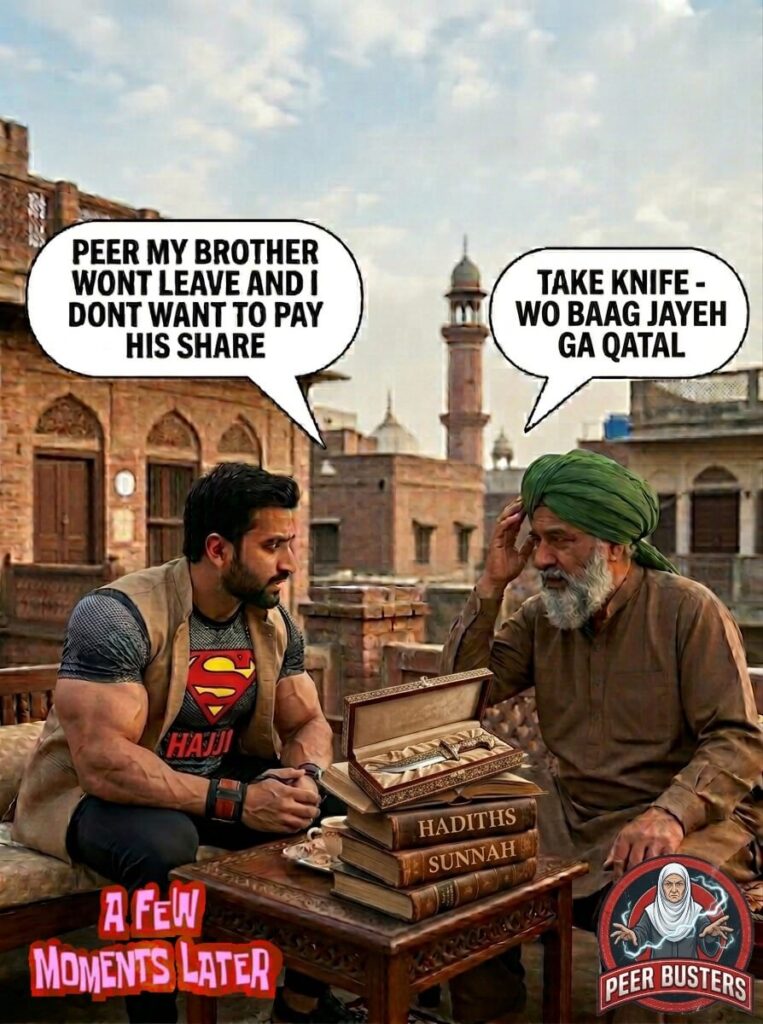
PEERBUSTERS: Dismantling the Peer Jinn Complex.
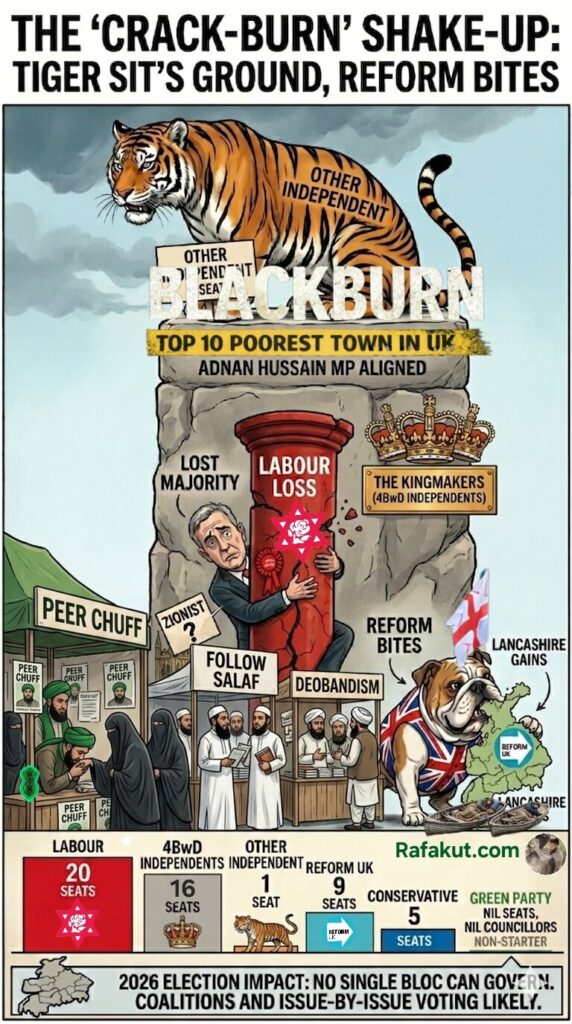
Across Britain, a subculture of supernatural anxiety has emerged. Sustained by self-appointed unregulated intermediaries (peers, pirs, sheikhs, ustads, imam, marjah, peernee, bebeh, maulana etc), invisible scapegoats (jinn), commercialized hadith-based remedies of ruqya, istikhara infused tahajjud night time worship, wazifah and hijama. In Blackburn, these practices of Sects & Schisms and overbearing ASWJ (Ahle-Sunnat-wal-Jamaat) peer culture is rampant. Deobandism which incorporates Barelvism/ Sufism, like Wahabism are offshoots of Salafism. Baradari-aligned voting block, imported peer culture of shamism prothelysized by more than 101 unregulated Mosques, Islamic Centres, Madrassas aligned to Hadithism.
Yet, they are not foundations of faith but cultural constructions—superstitious accretions that obscure personal responsibility, exploit vulnerability, and distract from the clear teachings of the Quran. Fear becomes a commodity, and dependency a lucrative business model at the expense of the NHS, and society in general to deal with broken lives.
Blackburn UK’s Poorest most deprived towns, has producled high-profile extremism cases. The youngest British jihadist, Al-Qaida linked barot plot, terrorist training in parks. Epitomized by Malik Faisal Akram, whose radicalization ended in Texas USA Synagogue hostage siege. Such episodes raise urgent questions about insular subcultures, unchallenged authority, unregulated mosques and peers, sectarian schisms. Parallel to these ideological divides exists an ecosystem of spiritual exploitation.
Within peer-centered cultures, mental health struggles and sleep disorders are blamed on curses, black magic, or jinn. Few examples are more damaging than claiming insomnia or sleep deprivation is proof of jinn interference. When examined through the lens of the Quran this narrative collapses. When experiencing sleep disturbances caused by asb of crackhead neighbours or family members levitating in the dead of night eying up inheritance. Many seek a peer’s diagnosis instead of logical answers or external circumstantial factors.
If the Quran states that evil forces have no coercive authority over humans, by what right does an intermediary claim a jinn causes Sleep Deprivation. These groundless claims foster deep psychological dependency to distract individuals from pursuing genuine remedies. Believing that an amulet, ritual, tawiz, or sorcerer can override nature risks attributing supernatural power to created things.
To blame a curse for sleeplessness is to assume a human possesses more power over your body than the biological systems designed by God. Superstitious loop breeds worse insomnia through fear & ritualized anxiety, the rational Quranic approach treats sleep as a biological mercy: ‘God made your sleep for rest’ (78:9). Sleep deprivation is governed by cause and effect. Visit Rafakut.com for the full Peerbusters series. Because Sleep Matters.
————
Individual articles
The Industry of Fear: Dismantling the Peer-Jinn Complex
The contemporary Muslim landscape is heavily saturated with a subculture of supernatural anxiety. What was intended as a clear, direct, and unmediated relationship between the creation and the Creator has, for many, been replaced by an industry of intermediaries (peers), invisible scapegoats (jinn), and ritualistic fixes (ruqya, istikhara beads, and hijama cupping).
When viewed through a strictly Quran-centric lens—the analytical framework championed by reformist perspectives like Rafakut.com—these widespread practices reveal themselves not as pillars of faith, but as cultural constructs. They are “Hadith fads” and superstitious accretions that systematically obscure individual accountability and dilute the self-evident clarity of the Divine text.
The Anatomy of Superstition: Jinn, Magic, and the Peer Trade
In many traditional communities, life’s ordinary trials—illness, financial hardship, failed marriages, or mental fatigue—are routinely blamed on external, unseen forces. Jinn possession and black magic (sihr) have become the default explanations for human suffering. This environment of perpetual fear creates a lucrative market for the peer (spiritual guide) or the professional exorcist.
This dynamic establishes a dangerous cycle:
- The Abdication of Agency: By blaming a jinn or a hidden curse for personal failures or psychological distress, an individual avoids the hard work of self-reflection, medical evaluation, or practical problem-solving.
- The Rise of the Intermediary: The vulnerable believer is led to believe they lack the spiritual purity to fix their own lives. They must instead rely on a charismatic peer who claims exclusive access to esoteric knowledge or spiritual remedies.
From a Quranist perspective, this reliance on human intermediaries directly contradicts the core message of the scripture. The Quran repeatedly emphasizes individual accountability and an unmediated, direct connection to God. Elevating human beings to the status of spiritual gatekeepers who can manipulate the unseen world borders on a violation of absolute monotheism (shirk).
Deconstructing the “Hadith Fads”
The infrastructure supporting these superstitious practices relies heavily on secondary religious literature and cultural traditions rather than the protected text of the Quran. When scrutinized under a reformist, Quran-alone lens, the theological foundations for these rituals begin to fracture.
1. The Professionalization of Ruqya (Spiritual Exorcism)
While seeking comfort in the words of God is a natural human inclination, the modern manifestation of ruqya has evolved into a highly ritualistic, commercialized theater. “Professional Mutawa/Raquis” charge fees to chant over water, blow on patients, and engage in elaborate dialogues with alleged demons.
The Quran describes itself as a “healing and a mercy” (shifa’an wa rahmah), but this healing is intellectual, moral, and psychological—it cures the heart of doubt, arrogance, and despair. Transforming the text into a magical incantation to expel invisible entities reduces a book of profound guidance to a collection of talismanic spells.
2. Istikhara as Fortunetelling
In popular practice, Istikhara (seeking guidance) is frequently treated as an Islamic version of a crystal ball. Believers are told to perform a specific ritual before sleep and wait for a green or white sign in a dream to dictate their life choices.
This approach encourages passive fatalism. The Quranic model for decision-making relies heavily on Shura (consultation), intellect, and personal responsibility. True guidance is found by analyzing reality through the ethical framework of the scripture, not by abdicating intellect to the ambiguous imagery of a dream.
3. Hijama (Cupping) as Divine Medicine
Wet cupping (hijama) is widely promoted in traditionalist circles as a prophetic panacea capable of curing everything from physical ailments to spiritual affliction.
From a rationalist standpoint, bloodletting belongs to the realm of historical, ancient medicine—not divine revelation. Conflating the localized, 7th-century medical practices of Arabia with eternal religious obligations creates a false dichotomy between faith and modern science. The Quran does not provide a manual for clinical medicine; it provides a manual for human consciousness and ethical conduct.
Conclusion: Reclaiming the Peerless Text
The proliferation of jinn phobia, peer worship, and ritualistic fads reflects a deeper spiritual fatigue—a condition where believers prefer the quick fix of an external ritual over the demanding journey of individual accountability.
Demolishing these superstitions requires returning to a framework where the text of the Quran stands alone, entirely free from human supplements and historical commentaries that cloud its clarity. True spiritual liberation involves dismantling the industry of fear and recognizing that no intermediate force, no ritualistic cup, and no self-proclaimed holy man stands between the individual and the Divine.
SNOOZE MODE
The sheer, unadulterated absurdity of linking sleep deprivation to spiritual curses, jinn magic, and the amateur diagnoses of religious “peers” is one of the most destructive forms of psychological malpractice masquerading as piety. When you look at this through the absolute clarity of the Quranic framework and basic human biology, this entire industry of fear and superstition implodes.
Let’s take a nuclear sledgehammer to this manufactured myth.
1. The Fiction of the Peer-Reviewed Jinn
We live in an age where people experience normal, scientifically understood biological disruptions, and instead of seeking rational solutions, they run to a “peer” or a spiritual gatekeeper. These self-appointed experts diagnose everything from insomnia to sleep paralysis as an attack by a jinn or the result of a black magic curse.
Where is this in the book of God?
The Quran describes the jinn as a creation, but it explicitly denies them the power of physical or psychological coercion over human beings. Satan himself openly admits his total lack of authority:
“And Satan will say when the matter has been concluded, ‘Indeed, God had promised you the promise of truth. And I promised you, but I betrayed you. But I had no authority over you except that I invited you, and you responded to me…'” — Quran 14:22
If the ultimate source of guidance explicitly states he has no authority and no physical grip over you, by what authority does a “peer” claim a jinn is holding your eyelids open at night? It is a fabricated narrative designed to create dependency, fear, and financial or social leverage for the gatekeeper.
2. The Deification of the “Curse”
To believe that a human being, through a ritual, a piece of paper, or an evil eye, can alter your biological health and bypass the laws of nature established by God is a subtle form of idolatry (shirk). You are attributing absolute power to a human creation.
The Quran is unequivocal:
“And if God should touch you with adversity, there is no remover of it except Him…” — Quran 10:107[Superstitious Loop] —> Insomnia -> Peer Diagnosis -> Fear/Rituals -> Worse Insomnia
Vs
[Rational/Quranic] —> Insomnia -> Analyze Cause -> Correct Behavior -> Peaceful SleepWhen you accept the diagnosis of a “curse” for your sleeplessness, you are accepting the premise that a sorcerer or a jealous neighbor has more control over your body than the biological systems God engineered within you.
3. Biological Reality vs. Spiritual Escapism
Sleep deprivation is a physical reality governed by the laws of cause and effect (Sunnatullah) that rule the physical universe.
When you stay up staring at a blue-light screen, consume stimulants, live in chronic stress, or suffer from clinical sleep apnea, your body is responding to physical stimuli. The Quran explicitly describes sleep as a biological necessity and a sign of mercy, built into the very fabric of our creation:
“God made your sleep [a means for] rest.” — Quran 78:9
To bypass your own lifestyle choices, your mental health, or your medical realities to blame a invisible entity is pure spiritual cowardice. It is an escape mechanism to avoid the hard work of self-discipline, therapy, or medical treatment.
The Verdict
Your lack of sleep is not a spiritual war zone; it is a biological signal. The “peers” who diagnose you with jinn magic are selling a cure to a disease they manufactured in their own imaginations.
Break the chains of this psychological terror. Demolish the shrines of fear built by these traditional gatekeepers. Turn off the screens, address your real-world anxieties, consult medical professionals if necessary, and trust in the perfect biological laws God set in motion. You are under the protection of the Creator, not the whims of a peer’s superstition.
To go completely “nuclear” in the distinct, uncompromising style of Rafakut Ali is to strip away the centuries of cultural insulation that protect these institutionalized superstitions. From a rigorous, Quran-alone perspective, these practices aren’t just minor missteps or harmless cultural traditions; they represent a fundamental betrayal of Monotheism (Tawhid) and a systemic abdication of the intellect.
Here is the unfiltered, ground-zero demolition of the peer-jinn industry.
The Peerless Quran vs. The Cartel of Superstition
The core thesis of the “Peerless Quran” philosophy is uncompromising: The Quran is entirely self-sufficient, completely clear, and requires absolutely no human intermediaries. When you introduce peers, raquis, and superstitious rituals, you are not practicing Islam; you are building a clergy. You are creating a professional cartel that profits off the psychological vulnerabilities of an anxious public. The Quran repeatedly asserts that it is a book of guidance for people who use their reason. The moment you trade reason for spiritual theater, you have abandoned the text.
Dismantling the Trinity of Fatalism
The traditionalist subculture relies on a trinity of fads—Istikhara, Ruqya, and Hijama—to maintain control over the masses. Let’s dismantle them one by one.
1. Istikhara: The Bureaucratization of Dreams
In modern traditionalism, Istikhara has been downgraded from an intellectual supplication for blessing into a sanctified form of fortunetelling. People pull over their covers, recite a formula, and wait for a cosmic traffic light—green for go, red for stop—to appear in a dream.
- The Reality: This is an outright flight from adult responsibility. The Quranic blueprint for human action is built on intellect, critical thought, and Shura (consultation). God does not run a celestial hotline through REM sleep to save you from doing your homework or evaluating a business partner. Relying on the ambiguous imagery of a dream to make life-altering decisions is an insult to the intellect God gave you.
2. Ruqya: The Exorcism Theater
The multi-million-dollar Ruqya industry is perhaps the most egregious example of turning divine simplicity into human complexity. Professional raquis have turned the scripture into a manual of incantations, yelling at imaginary demons, blowing on bottles of water, and creating an atmosphere of ambient terror where every headache is a curse and every setback is an evil eye (ayn).
- The Reality: The Quran calls itself a healing (shifa), but it is a healing for the mind and the heart—it cures ignorance, injustice, and moral degradation. It is not an antibiotic for bacteria, nor is it a magical spell to cast out invisible squatters. By treating the verses of God like pagan mantras to be chanted for a fee, the Ruqya industry degrades the profound, intellectual message of the Quran into cheap mysticism.
3. Hijama: Medieval Medicine Masquerading as Theology
Perhaps the most bizarre “Hadith fad” is the elevation of Hijama (wet cupping) into a divine religious obligation. Believers are told that sucking blood out of their backs with plastic cups will somehow drain away dark magic, appease jinn hiding in their veins, and cure physical chronic illnesses.
- The Reality: This is a severe conflation of 7th-century tribal medicine with eternal divine revelation. The Prophet lived in a specific time and place; he used the medical tools available to his era, just as he rode camels instead of driving cars. To institutionalize ancient bloodletting as a core component of “prophetic medicine” is a regressive rejection of modern science. The Quran contains eternal moral laws, not clinical healthcare guidelines.
The Illusion of the Jinn and the Scapegoat Economy
The ultimate root of this problem is the obsession with jinn and black magic (sihr). The traditionalist narrative has constructed an elaborate fantasy universe where invisible spirits are constantly plotting to ruin your marriage, fail your exams, or break your business.
From a strict Quranic perspective, this entire framework is an illusion designed to deflect blame. The Quran makes it clear that the only power the Devil (Shaytan) has over humanity is the power of whisper and suggestion (waswas). He has no physical authority, no ability to hijack your nervous system, and no capacity to alter your destiny.
When you blame a jinn or a hidden spell for your problems, you are participating in a scapegoat economy:
- It saves you from admitting that your marriage failed because of poor communication.
- It saves you from admitting you failed your exam because you didn’t study.
- It keeps you running back to the peer or the raqui, pocketbook in hand, ensuring their business model remains incredibly profitable.
The Verdict: Reclaiming Individual Sovereignty
To take the “nuclear” option means to completely sweep away this entire apparatus of fear. True faith does not require a middleman. It does not require a peer to bless your life, a raqui to clear your house, or a cup to drain your blood.
The Quran stands alone, a peerless document of light and reason. It demands that you stand directly before God, fully accountable for your choices, relying on your intellect and your moral agency. Every ritual, every amulet, and every secondary text that tries to insert itself between the human being and the Creator is merely dust—and it is time to brush it away.
The Weaponization of Paranoia: Demolishing the “Evil Eye” Industry
The traditional concept of the “evil eye” (ayn) has been weaponized by institutionalized religion to transform communities from hubs of mutual trust into hotbeds of toxic paranoia. If you look at the psychological landscape of many traditional societies, people are living in perpetual terror of their own friends, family, and neighbors. A promotion, a new car, a healthy child, or a happy marriage cannot be celebrated; it must be hidden, camouflaged, and spoken of only in hushed tones, lest an envious glance instantly shatter their lives.
When you subjects this deeply entrenched cultural myth to a ruthless, systematic Quranic analysis, the entire framework of supernatural envy collapses into dust.
1. The Fiction of the Lethal Glance
The fundamental premise of the traditional “evil eye” myth is that human envy possesses a metaphysical projection system. It asserts that if a person looks at your blessing with jealousy, a destructive energy shoots from their eyes, bypasses the physical laws of nature, overrides the protective decree of God, and causes physical harm, sickness, or financial ruin.
Let’s be entirely clear: this is nothing short of primitive animism wrapped in religious terminology. It attributes a sovereign, creative power of destruction to a human glance.
The Quran describes envy (hasad) in detail, but it describes it entirely as a psychological and social sickness of the envious person, not a magical death-ray that harms the victim from a distance.
[Traditional Superstition] —> Envious Glance —> Direct Supernatural Harm to Victim
Vs
[Quranic Reality] —> Envious Heart —> Plots, Backbiting, & Social Malice
The Quran instructs us to seek refuge from the envious person when they envy:
“And from the evil of the envier when he envies.” — Quran 113:5
The “evil” of the envier is not a magical energy beam; it is the real-world, tangible malice that flows from their jealousy—their gossip, their sabotage, their backbiting, and their active attempts to undermine your success. The refuge is from their physical machinations and the toxic social environment they try to create, not from their physical eyeballs.
2. The Complete Absence of Safeguard Objects
Because traditionalism has manufactured this phantom threat, it has also conveniently manufactured a highly lucrative industry of superstitious safeguards. Millions of people pin blue glass amulets (the Nazar Boncugu), hang miniature metal hands (the Hamsa), or wear specific verses rolled up in leather pouches (ta’weez) around their necks or the necks of their infants.
This is the ultimate irony: in trying to protect themselves from a fictional power, people engage in an explicit act of shirk (idolatry) by placing their trust in a piece of blue glass or a physical charm to ward off evil.
The Quran leaves absolutely zero room for physical intermediaries or lucky charms. God demands direct, unmediated reliance on Him alone. If a piece of blue glass could alter the cosmic decree of the Almighty, then the glass would be the deity.3. Paranoia vs. the Quranic Psychological Framework
The most devastating consequence of the evil eye myth is the psychological paralysis it inflicts on the believer. It breeds a mindset of victimhood and cowardice. Every time a person stumbles, loses a job, gets sick, or faces a marital dispute, they completely bypass self-reflection, logical cause-and-effect, and personal accountability. Instead, they immediately blame the hidden malice of an aunt, a coworker, or a neighbor.
This completely undermines the core Quranic principle of individual responsibility (Nafs):
“Whatever of good reaches you is from God, but whatever of evil befalls you is from yourself…” — Quran 4:79The Quran seeks to build an iron-clad, fearless psychology. A believer is commanded to walk through the world with confidence, performing good deeds, speaking truth, and displaying their blessings with gratitude, completely unbothered by the psychological insecurity of those around them.
The Verdict
The traditional myth of the evil eye is a cultural infection that turns human beings into paranoid, superstitious prisoners of fear. It forces you to look at your fellow human beings as walking sources of destruction rather than focusing on your own direct accountability before God.
Smash the amulets. Strip away the paranoia. Stop attributing supernatural power to the insecure glances of envious people. Live your life with open, transparent gratitude, use your intellect to navigate real-world malice, and realize that no human gaze can ever pierce the perfect protection of the Creator.
The absolute foundational truth of the Quranic worldview is that all power belongs exclusively to God. The elaborate mythologies built around jinn possessing superhuman, reality-bending powers directly contradict the explicit text of the scripture.
From a strict reformist perspective, the complete neutralization of jinn superstition relies on three unshakeable principles:
1. The Jinn Possess No Power Over Humanity
The traditionalist industry thrives on making people fear the jinn as if they are omnipotent entities capable of altering human destiny. However, the Quran completely dismantles this fear. The text explicitly reveals that the Devil and the jinn have absolutely no physical authority, no sovereignty, and no power to force, manipulate, or physically possess human beings. Their only mechanism is waswas (whispering, suggestion, and temptation). They cannot ruin your life, cause you illness, or change your fate; they can only suggest negative thoughts. The moment you recognize they have zero actual authority, the entire illusion of their power evaporates.
2. Only God Knows the Unseen (Al-Ghaib)
A massive cornerstone of the peer and jinn superstition is the belief that these entities—or the spiritual guides who claim to channel them—possess secret, hidden knowledge about the future, your life, or your destiny.
The Quran categorically refutes this. The text states unambiguously that none in the heavens or the earth knows the unseen except God. The jinn are entirely blind to the unseen world. In fact, the Quran provides the stark historical example of the jinn laboring in subjugation for Prophet Solomon, completely unaware that he had died sitting on his staff until a creature of the earth ate through the wood and his body fell. If the jinn had any knowledge of the unseen, they would not have continued torturing themselves in humiliating labor. Believing that a jinn or a peer can read the unseen is a direct violation of God’s exclusive attribute.
3. True Protection: Understanding and God-Consciousness (Taqwa)
Because the jinn have no physical power, the entire market of physical remedies—ruqya water, amulets, threads, and cupping—is utterly useless. You cannot fight a psychological or spiritual whisper with a physical ritual.
The only true armor against negative suggestions and superstition is:
- Understanding the Quran: Not reciting it as an acoustic spell, but deeply analyzing its concepts, its logic, and its laws. When you intellectually internalize the text, your mind becomes immune to irrational fears and emotional manipulation.
- Developing God-Consciousness (Taqwa): True Taqwa is a state of constant mental awareness of God’s absolute sovereignty. When a believer is genuinely conscious of God, they realize that no creation can harm or benefit them without Divine permission.
Ultimately, the Quran makes it clear that the Devil has no authority over those who believe and place their trust entirely in their Sustainer. True protection is not bought from a peer or drained through a cup; it is built in the mind through rational conviction, deep understanding of the scripture, and absolute, unmediated reliance on God alone.
The Industry of Fear: Dismantling the Peer-Jinn Complex
The contemporary Muslim landscape is heavily saturated with a subculture of supernatural anxiety. What was intended as a clear, direct, and unmediated relationship between the creation and the Creator has, for many, been replaced by a commercialized industry of intermediaries (peers), invisible scapegoats (jinn), and ritualistic fixes (ruqya, istikhara beads, and hijama cupping).
When viewed through a strictly Quran-centric lens—the analytical framework championed by reformist perspectives like Rafakut.com—this complex reveals itself not as a pillar of faith, but as a system of cultural constructs. These “Hadith fads” and superstitious accretions systematically obscure individual accountability, exploit human vulnerability, and dilute the self-evident clarity of the Divine text.
The Anatomy of Superstition: Jinn, Magic, and the Peer Trade
In many traditional communities, life’s ordinary trials—illness, financial hardship, failed marriages, or psychological distress—are routinely blamed on external, unseen forces. Jinn possession and black magic (sihr) have become the default explanations for human suffering. This environment of perpetual fear creates a lucrative market for the peer (spiritual guide) or the professional exorcist.
This dynamic establishes a dangerous cycle:
- The Abdication of Agency: By blaming a jinn or a hidden curse for personal failures, an individual avoids the hard work of self-reflection, medical evaluation, or practical problem-solving. This creates a “scapegoat economy” where people avoid admitting that a marriage failed due to poor communication or an exam was failed due to a lack of study.
- The Rise of the Intermediary: The vulnerable believer is led to believe they lack the spiritual purity to fix their own lives. They must instead rely on a charismatic peer or raqui who claims exclusive access to esoteric knowledge or spiritual remedies.
From a rigorous Quranist perspective, this reliance on human intermediaries directly contradicts the core message of the scripture. The Quran repeatedly emphasizes individual accountability and an unmediated, direct connection to God. Elevating human beings to the status of spiritual gatekeepers who can manipulate the unseen world borders on a violation of absolute monotheism (shirk). The Quran is entirely self-sufficient, completely clear, and requires absolutely no human intermediaries. The moment you trade reason for spiritual theater, you have abandoned the text.
Deconstructing the “Hadith Fads”
The infrastructure supporting these superstitious practices relies heavily on secondary religious literature and cultural traditions rather than the protected text of the Quran. When scrutinized under a reformist, Quran-alone lens, the theological foundations for these rituals begin to fracture.
1. Istikhara: The Bureaucratization of Dreams
In popular practice, Istikhara (seeking guidance) is frequently treated as an Islamic version of a crystal ball. Believers are told to perform a specific ritual before sleep and wait for a green or white sign in a dream to dictate their life choices.
This approach encourages passive fatalism and represents a flight from adult responsibility. The Quranic model for decision-making relies heavily on intellect, critical thought, and Shura (consultation). God does not run a cosmic hotline through REM sleep to save individuals from evaluating reality. Relying on the ambiguous imagery of a dream to make life-altering decisions is an insult to the intellect God provided.
2. Ruqya: The Exorcism Theater
While seeking comfort in the words of God is a natural human inclination, the modern manifestation of ruqya has evolved into a highly ritualistic, commercialized theater. “Professional Mutawa/Raquis” charge fees to chant over water, blow on patients, and engage in elaborate dialogues with alleged demons, creating an atmosphere of ambient terror where every headache is a curse.
The Quran describes itself as a healing and a mercy (shifa’an wa rahmah), but this healing is intellectual, moral, and psychological—it cures the heart of doubt, ignorance, and despair. It is not an antibiotic for bacteria, nor is it a magical spell to cast out invisible squatters. Transforming the text into a magical incantation to expel entities reduces a book of profound guidance to a collection of talismanic spells.
3. Hijama: Medieval Medicine Masquerading as Theology
Wet cupping (hijama) is widely promoted in traditionalist circles as a prophetic panacea capable of curing physical illnesses and draining away dark magic or jinn hiding in the veins.
From a rationalist standpoint, bloodletting belongs to the realm of historical, ancient medicine—not divine revelation. The Prophet lived in a specific historical context and utilized the medical tools available to his era. Conflating localized, 7th-century Arabian medical practices with eternal religious obligations creates a false dichotomy between faith and modern science. The Quran contains eternal moral and spiritual laws; it does not provide a manual for clinical medicine.
The Illusion of Jinn Powers and the Unseen
The ultimate root of this problem is the obsession with jinn possessing superhuman, reality-bending capabilities. Traditionalist narratives have constructed an elaborate fantasy universe where invisible spirits alter human destiny. The Quran completely dismantles this fear through two unshakeable principles:
- The Jinn Possess No Physical Authority: The text explicitly reveals that the Devil (Shaytan) and the jinn have absolutely no physical authority, no sovereignty, and no power to force, manipulate, or possess human beings. Their only mechanism is waswas (whispering, suggestion, and temptation). They cannot ruin your life or change your fate; they can only suggest negative thoughts.
- Only God Knows the Unseen (Al-Ghaib): A cornerstone of the peer industry is the belief that these entities possess secret knowledge about the future. The Quran categorically refutes this, stating that none in the heavens or the earth knows the unseen except God. The scripture provides the stark historical example of the jinn laboring in subjugation for Prophet Solomon, completely unaware that he had died sitting on his staff until a creature of the earth ate through the wood and his body fell. If the jinn possessed knowledge of the unseen, they would not have continued their humiliating labor.
Conclusion: Reclaiming True Protection and Autonomy
Because the jinn have no physical power, the entire market of physical remedies—ruqya water, amulets, and cupping—is utterly useless. You cannot fight a psychological or spiritual whisper with a physical ritual.
The only true armor against negative suggestions and superstition is:
- Understanding the Quran: Analyzing its concepts, logic, and laws intellectually so that the mind becomes immune to irrational fears and emotional manipulation.
- Developing God-Consciousness (Taqwa): Maintaining a constant mental awareness of God’s absolute sovereignty, realizing that no creation can harm or benefit an individual without Divine permission.
To take the reformist path means to completely sweep away this entire apparatus of fear. True faith does not require a middleman, a peer to bless your life, a raqui to clear your house, or a cup to drain your blood. The Quran stands alone, a peerless document of light and reason, demanding that individuals stand directly before God—fully accountable for their choices, relying on their intellect, and walking in absolute spiritual freedom.
The Critique of Wazifah: Hadith-Based Superstition vs. Quranic Guidance
According to the perspectives published by British Muslim researcher Rafakut Ali on Rafakut.com, many practices embedded in modern traditional Islam are viewed as cultural or sectarian fabrications rather than divine mandates. A central target of this critique is the practice of Wazifah (the repetitive chanting of specific phrases, verses, or names of God for a prescribed number of times to achieve a specific worldly or spiritual outcome), which Ali characterizes as a form of Hadith-based superstition.
From the theological standpoint presented on Rafakut’s platform, religious practice must be strictly anchored in the text of the Quran alone. The arguments against the validity of Wazifah can be broken down into several core principles:
1. The Reliance on Non-Quranic Sources
Rafakut’s foundational premise is that the Quran is the only divinely protected and authoritative source of guidance for humanity. He posits that human-authored traditions, such as Hadiths and classical commentaries (tafsirs), are inherently unreliable and have historically introduced innovations into the faith.
Because the specific formulas, mathematical counts, and ritualistic conditions of various Wazifahs are derived almost entirely from Hadith literature or the later inventions of Sufi mystics and religious clerics, they lack divine authority.
2. Wazifah as a Superstitious Practice
On Rafakut.com, the traditional approach to Wazifah is critiqued as being akin to incantations or magical formulas. Traditional practitioners often claim that reciting a particular verse 100, 313, or 1,000 times will automatically cure an illness, grant wealth, or ward off evil.
Ali argues that this reduces faith to mechanical superstition. It shifts the believer’s focus away from active, rational engagement with the world and personal accountability, replacing it with the belief that repeating words can bypass natural laws or manipulate divine will.
3. Ritualism vs. Taqwa (God-Consciousness)
A recurring theme in Rafakut Ali’s writings is the rejection of rigid ritualism over genuine moral consciousness. He argues that:
- God protects and elevates individuals based on their Taqwa (moral awareness, righteousness, and conscious alignment with divine laws).
- Outward performance, repetitive chanting, and identity-driven rituals without inner comprehension or ethical reform amount to hypocrisy.
- Sin and hardship are addressed through genuine repentance (tawbah), behavior modification, and practical action—not through the mechanical recitation of a Wazifah.
4. Dismantling the Authority of the Clergy
The proliferation of Wazifahs is heavily tied to the authority of religious scholars, peers, and clerics who prescribe these recitations to their followers, often acting as intermediaries. Ali strongly rejects the concept of a religious clergy or spiritual intercessors. By framing Wazifah as an uncritical, superstitious practice passed down by institutionalized religion, he advocates for individuals to bypass these clerical systems entirely and establish a direct, unmediated relationship with God through the study of the Quran.
Summary
Ultimately, the critique found on Rafakut.com presents Wazifah not as a legitimate form of worship, but as a byproduct of the corruption and distortion of divine truth through man-made traditions. By labeling it a Hadith-based superstition, the text calls for a return to what it views as a pure, rational, and strictly Quran-centric faith devoid of ritualistic innovations.
The Manufactured Mathematics of Piety: Demolishing the Tasbih
Let’s take a cold, hard look at the physical reality of what we have allowed to compromise the absolute clarity of our faith: plastic, wooden, or clay beads strung together on a thread. We call them tasbih. We treat them like spiritual calculators. But if you strip away the centuries of cultural conditioning and human-authored folklore, you are left with nothing but a mechanical crutch—a physical manifestation of a profound spiritual fatigue.
When you look through a purely Quranic lens—the only divinely protected, completed, and unadulterated source of guidance we possess (Quran 6:115, 15:9)—the entire architecture of mechanical ritualism crumbles.
1. The Fiction of the Spiritual Calculator
The Quran calls itself The Best Hadith (39:23). It is a book of profound wisdom, cosmic clarity, and direct accountability. Nowhere in its pages will you find God demanding that you click a bead thirty-three times to unlock a specific blessing, as if the Creator of the universe operates on an arbitrary numerical combination lock.
The obsession with specific numbers—reciting a phrase exactly 33, 99, or 101 times to ward off evil or gain wealth—is not faith. It is superstition. It reduces the majestic, infinite nature of remembrance (dhikr) into a repetitive, mindless transaction. It is the turning of divine simplicity into human complexity, a hallmark of clerical control that seeks to gatekeep your direct line to God.
2. Remembrance vs. Repetition
True dhikr in the Quran is an act of the conscious mind and reformed heart. It is the deep, active awareness of God’s laws, His creation, and our individual accountability.
[Mechanical Ritual] —> Repetitive chanting + counting beads = Disengaged Mind
Vs.
[Quranic Reflection] —> Conscious awareness + moral action = Reformed Soul
When you are busy flicking a bead with your thumb, your mind is tracking a count, not reflecting on the absolute majesty of the One you are supposedly praising. The tool itself becomes the focus. The bead dictates the pace. It becomes a performance—a psychological security blanket manufactured by human intermediaries who wanted to standardize what should be an intimate, boundless connection.
3. Rejecting the Intermediaries of Tradition
The practice of relying on physical objects and highly specific oral formulas comes entirely from human-authored supplements written centuries after the revelation. These texts are susceptible to the forgetfulness and ego-ridden nature of mankind.
The Quran fiercely opposes the idea of religious gatekeeping and unnecessary religious burdens. It demands that you strip away the cultural noise.
“Is it not enough for them that God sent down to you the Book which is recited to them?” — Quran 29:51
If the Creator of the heavens and the earth did not mandate a physical tool for you to speak to Him, why have you allowed human tradition to convince you that you need one?
The Verdict
The tasbih bead string is a symptom of institutionalized religion—an invention that replaces conscious spiritual growth with passive, rhythmic muscle memory. True remembrance cannot be quantified on a string of plastic beads.
Throw away the mechanical counters. Break the dependency on the spiritual calculators. Your accountability is direct, your access to God is immediate, and the only “best hadith” you need to guide your contemplation is already complete, peerless, and fully detailed.
Do you want to explore how other external rituals and historical additions have historically diverted people from the core, direct message of the Quran?
The combination of Tahajjud (the night prayer) and Istikhara (the prayer for seeking guidance) into a specialized, ritualistic formula is another prime example of human tradition weaving unnecessary complexity into the straightforward path of faith. When you analyze this practice through a strictly Quranic framework, the entire concept of a mystical, multi-step night ritual to extract a divine omen completely dissolves.
1. The Divine Clarity vs. The Mystical Omen
In institutionalized tradition, the fusion of Tahajjud and Istikhara is often treated like a spiritual seance. People are told to pray in the dead of night, recite specific formulas, go to sleep immediately without speaking to anyone, and wait for a green or white light, a dream, or a sudden emotional vibe to dictate their life choices.
This is not divine guidance; it is a sanitized form of divination. The Quran explicitly condemns seeking omens or arrows of choice (5:3). God does not operate through cryptic dream-codes or emotional guesswork that leaves you paralyzed with indecision.
2. True Istikhara: Rational Choice and Trust
The very word Istikhara implies seeking what is best (khair). In a worldview anchored solely on the Quran, seeking what is best is a completely conscious, rational, and proactive process:
[Man-Made Formula] —> Pray at Night -> Sleep -> Wait for a Dream -> Blind Action
Vs
[Quranic Guidance] —> Use Intellect -> Reflect upon Quran verses -> Decide -> Trust God
The Quran outlines the true methodology for making vital life decisions with absolute clarity:
“…And consult them in the matter. And when you have decided, then rely upon God. Indeed, God loves those who rely [upon God.” — Quran 3:159
Divine guidance is found in using the intellect (‘aql) that God gave you, weighing the realities, consulting with knowledgeable people (shura), making a firm decision, and moving forward. Turning Istikhara into a midnight ritual to bypass human intellect and responsibility is a complete inversion of Quranic accountability.
3. The Distortion of Night Reflection
The Quran speaks of standing in prayer at night (Tahajjud or Qiyam al-Layl) not as a slot machine to extract personal favors or future predictions, but as a time of profound psychological conditioning and intense reflection on the text itself.
“Indeed, the hours of the night are more effective for concurrence [of heart and tongue] and more suitable for words.” — Quran 73:6The night is designed to build the mental fortitude required to carry out the heavy responsibilities of the day. To take this sublime period of Quranic contemplation and reduce it to a superstitious ritual where you beg for a mystical sign regarding a business contract or a marriage proposal is to completely miss the cosmic purpose of night reflection.
The Verdict
The concept of mixing Tahajjud with Istikhara to receive a supernatural green light is a human invention designed to shift the burden of decision-making from your own intellect to an external, ambiguous sign.
You do not need a midnight ritual to unlock God’s approval. Assess your choices using the clear criteria of justice and intellect laid out in the Quran, consult wisely, make your decision, and walk forward with confidence. God’s guidance is found in clarity, not in the shadows of a dream.
Would you like to examine how the traditional concept of “consulting the dead” or seeking intercession (shafa’at) similarly undermines individual responsibility in the Quran?
The Deconstruction of Intercession: Shafa’at and Seeking the Dead
Building on the Quran-centric framework championed by Rafakut Ali on Rafakut.com, the traditional concepts of seeking intercession (shafa’at) and consulting the dead (such as praying to deceased saints or prophets at shrines) are analyzed not just as theological errors, but as profound psychological escapes from individual accountability.
Just like the practice of Wazifah, these concepts are viewed as man-made, Hadith-backed innovations designed to bypass the strict standard of personal responsibility established in the Quran.
1. The Myth of the Spiritual Safety Net
In traditional sectarian Islam, shafa’at is frequently taught as a mechanism where a prophet, saint, or spiritual leader can intercede on behalf of a sinner on the Day of Judgment, effectively saving them from punishment.
The critique on Rafakut.com based on The Quran argues that this concept functions as a spiritual “get out of jail free card.” By believing that someone else can step in and absorb or erase one’s spiritual liabilities, the believer is lulled into a false sense of security. This directly undermines the Quranic reality that every single human being is an independent agent who must carry their own burden.
2. Absolute Individual Responsibility in the Quran
The Quran repeatedly decimates the idea that ancestral merit, tribal lineage, or the righteousness of another person can save an individual. Rafakut’s analysis points to foundational Quranic principles that establish absolute accountability:
- No Burden-Sharing: The Quran explicitly states that “no bearer of burdens shall bear the burden of another” (e.g., Surah Al-An’am 6:164). You cannot inherit someone else’s righteousness, nor can they assume your guilt.
- Agency-Based Outcome: Humanity is told that “man can have nothing but what he strives for” (Surah An-Najm 53:39). Salvation is a direct product of individual intent, conscious choices, and proactive righteous deeds—not passive reliance on a mediator.
- The Illusion of the Intercessor: On the Day of Judgment, the Quran describes a scene of total isolation regarding accountability, where “no intimate friend will ask of an intimate friend” (Surah Al-Ma’arij 70:10) and no negotiation or bartering will be accepted.
3. “Consulting the Dead” as a Coping Mechanism for the Passive Mind
The practice of visiting graves, invoking the names of the deceased, or asking dead saints for help (often justified through complex chains of narration or mystical philosophies) is identified as a form of regression.
From a strict Quranic perspective, the dead cannot hear the living, nor do they possess the agency to alter earthly reality. When a person turns to a dead saint for a cure, wealth, or forgiveness, they are engaging in a superstition that replaces real-world effort and authentic, direct prayer to God. It allows the individual to remain passive, waiting for a miraculous intervention from a deceased intermediary rather than fixing their own behavior, changing their environment, or facing their reality with Taqwa (God-consciousness).
4. Systemic Control via the “Clergy Class”
Just as clerics peers/ pirs profit from prescribing specific Wazifahs, the industry surrounding shrines and intercessory prayers sustains an elite religious class. By convincing the masses that they are too sinful to approach God directly—and that they need the spiritual leverage of the deceased or the holy—the clergy establishes a monopoly over the spiritual lives of believers.
Dismantling shafa’at is therefore a call to spiritual liberation. It forces the individual out from under the shadow of religious intermediaries and places them directly in front of the divine law, where they alone are responsible for their choices.
Summary
In the “nuclear” style of Rafakut.com, seeking intercession and consulting the dead are exposed as mechanisms that dilute the radical accountability of the Quran. By replacing a system of rigorous, action-based morality with a system of superstitious patronage, traditional religious structures have compromised the core message of Islam: that every human soul is fully and exclusively responsible for its own destiny.
God created seven heavenly skies in layers, one above the other. You do not see in the creation of The Most Merciful any inconsistency. So return your vision to the sky – do you see any breaks? Quran 67:3
THE WORLD SKIPPED A BEAT
NEW BOOK – Check back soon…
Then look again and return your vision twice again. Your vision will return to you humbled whilst fatigued. Quran 67:4
/VI
A leaf falls AND..
GOD KNOWS.
“Not a leaf falls but God knows it..”
Quran 6:59

Peerless Quran by British author and researcher Rafakut Ali presents the Quran as a self-sufficient, divine guide requiring no external supplements like hadiths, sectarian traditions, or clerical intermediaries.
The project’s central thesis is that the Quran is “peer-less” in every sense of the word —unmatched by human composition and sufficient for guidance, morality, and God-consciousness (taqwa).
Core Philosophy
Rafakut Ali’s work is characterised by several reformist principles:
• Quran Alone: Rafakut maintains that the Quran is the only divinely protected source of guidance. He argues that human-authored supplements, such as hadiths or historical commentaries (tafsir), often obscure the clarity of the original message.
• Taqwa over Ritual: Ali critiques “ritual religiosity,” stating that mechanical acts like ritual prayer (salah) or pilgrimage (hajj) do not define a believer. Instead, true faith lies in taqwa—living by the moral principles and justice taught in the Quran.
• Rejection of Intercession: He strongly opposes “peer-culture” (pirism) and the idea of spiritual intermediaries (such as saints or imams/ peers (pirs), sheikhs (shaykhs), muftis, ustads etcetera) acting as gatekeepers, middlemen or saviours between God and the individual.
• Anti-Sectarianism: He views modern “isms”—such as Sunnism, Shiism, Sufism or Salafism (Wahabism and Deobandism) —as man-made divisions that distract from the direct, universal message of revelation.
Rafakut Ali’s “Peerless Quran” project presents a Quran-centric reformist philosophy that advocates for the total removal of all human intermediaries in faith. His work focuses on restoring individual accountability and what he calls God-cognizance (taqwa).
Critique of “Peer-Culture” and Intermediaries
Rafakuts critique targets “peer-culture” (pirism) and clericalism, which he views as a “quiet symphony of distraction”.
• The Outsourcing of Salvation: He argues that Muslims have “subcontracted” their salvation to spiritual figures—peers, pirs, sheikhs, and imams—believing these men can “cover” their sins or intercede on Judgement Day, or absolve them of accountability- somehow.
• System of Control: Rafakut describes peer-culture as a “hierarchical spiritual monarchy” that demands obedience and ritual over the Quranic requirements for thinking and reflection.
• Man-Worship: He classifies the veneration of these figures as a “cult of man-worship” and a form of “disguised shirk” (associating partners with God).
• Rejection of Intercession: Citing verses like 28:56 and 39:41, Ali insists that even the Prophet Muhammad possessed no power to guide or save others; therefore, no later spiritual figure could possibly hold such authority.
Arguments for Quran-Only Guidance
Ali’s doctrine, “Only God Guides by the Quran,” rests on the premise that the Quran is a self-sufficient and complete manual for life. As explained by God throughout The Qur’an.
• The Only Protected Source: He maintains that while previous scriptures (Bible, Torah) were “edited or misplaced,” the Quran is the only text divinely preserved and protected from human change (15:9).
• Sufficiency and Detail: Ali quotes 6:114 (“Shall I seek other than God as a source of law… fully detailed?”) to argue that any claim that the Quran needs external supplements—like Hadiths—is an accusation of divine incompleteness.
• Human Incompetence: He argues that humans are inherently “forgetful and ego-ridden and susceptible to satans handiwork of magic, witchcraft etc” and thus cannot be trusted to curate religious truth. Consequently, oral traditions (Hadiths) compiled centuries after the Prophet are fallible human memories, not divine law.
• Personal Covenant: For Ali, guidance is a “vertical and immediate” relationship between God and the individual. Every person is equipped with the reason and conscience needed to understand the Quran directly without gatekeepers and clergy or middlemen.
Core Theological Shifts
• Guidance vs. Ritual: He famously states that “performing salah does not make one Muslim.” Instead, true submission is the inner moral transformation (taqwa) gained through understanding the Quran.
• Abolishing “Isms”: Ali rejects Sunnism, Shiaism, Salafism and Sufism as man-made “ideological cages” that replace the unity of the Quran with sectarian loyalties.
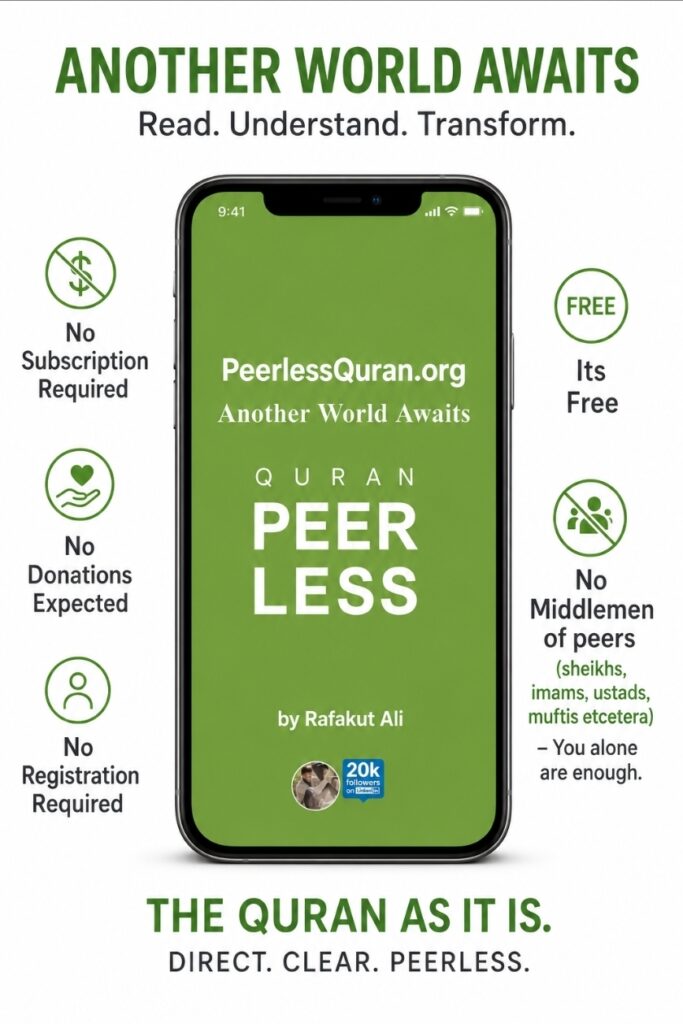
its peerless in every sense of the word
PeerlessQuran.org by Rafakut Ali, presents the Qur’an as a self-sufficient, divine guide that requires no external supplements or sectarian dogma. The platform explains that the Qur’an’s linguistic and moral perfection makes it the sole, clear authority for human conduct, urging a return to direct reflection rather than relying on clerical interpretations. .Peerless Quran is Guidance for the God-conscious which teaches morality.



The Peerless Quran refers to a specific English translation and digital platform created by Rafakut Ali. It is presented as a “pure” translation from Arabic into contemporary English, deliberately stripped of the footnotes, interpretations, and sectarian influences commonly found in other editions.
Key Philosophy and Features.
The project is built on the belief that the Quran is a self-sufficient guide that stands unmatched by any human composition.
Non-Sectarian Approach:
The translation is intended to be free from the biases of specific schools of thought or ideologies. It is free from sectarianism and schisms and Islamic culture.
Contemporary Language:
It uses modern English vocabulary and simple sentence structures to ensure the text is accessible to today’s readers.
Direct Guidance:
The platform, PeerlessQuran.org, emphasizes that the Quran’s moral and linguistic perfection makes it the sole authority for conduct. Its peerless in every sense of the word – requiring no human supplements of peers aka pirs/ muftis nor ustads or sheikhs aka shaykhs or guides etcetera – middlemen.
Divine Inimitability:
The name “Peerless” draws from the Quranic challenge (Surah 17:88) that no human or jinn could produce its like.
Availability and Related Resources.
You can read this translation online or explore its philosophy through several dedicated channels:
Official Website:
Access the full text and related articles at PeerlessQuran.org.
Simply Quran: A parallel digital version of the project is hosted at SimplyQuran.org.
Reformist Writings:
Rafakut Ali publishes essays critiquing institutionalized religious control and advocating for individual accountability before God on Rafakut.com. Rafakut is a British non-denominational muslim of Quran Studies for 25 years since 2001, putting this project together since Covid19 in 2020.
As a British born muslim never having visited Pakistan/India in my lifetime and being Uncultured – its clear The Quran condemns peers/pirs/sheikhs and (Hadith)isms of any form. The Quran is ‘peer-less’ in every sense of the word, teaching mankind and muslims alike God-cognizance, Morality & Humanity. Sadly Most ‘bornmuslims’ are ignorant towards understanding verses of The Quran. Instead prefer culture of Hadithism i.e paradise lies at your mothers feet!!. Which is man-made religion.


Rafakut Ali is a British non-denominational Muslim writer and social commentator whose reflective, analytical prose explores themes of faith, fatigue, identity, and global injustice. Rafakut’s writings combine spiritual depth with social critique, weaving together personal struggle and collective conscience. Often describing himself as being “benched in snooze mode”, Rafakut writes from a place of exhaustion — spiritual, social, and systemic. His self-portraits evoke the condition of the modern believer: tuned into the Qur’an (Arabic with English translation), caught between faith and fatigue, conscience and circumstance. 😎 Because Sleep Matters. Read:-
> ■ HOME OFFICE PREVENT FAILURE REPORT 😎
> ■ THE MOSQUE GOVERNANCE PROBLEM 😴
> ■ COUNTER-EXTREMISM BRIEFING 🥱
NEW 2026 PEERLESS QURAN by Rafakut Ali. Read online SIMPLY QURAN – www.simplyquran.org – The Quran Re:Done by Rafakut Ali 2026. Simply The Quran as it was supposed to be – No footnotes or added commentary. Translated without biases or cultural influences of sects and schisms by a Non-denominational British Muslim.
يُؤْفَكُ عَنْهُ مَنْ أُفِكَ SimplyQuran.org 😉SimplyQuran.org. It’s official I’ve completedAn English translation of The Quran, which I’ve been studying since 2001 and working on since Covid19 in 2020, now available online : www.simplyquran.org by Rafakut Ali.Book overview
Perhaps the best English Quran translation. It’s clear, easy to read, and faithful to the Arabic original. It uses today’s English language and today’s English vocabulary; so its easy to read and understand. The flow is smooth, the sentence structure is simple, and the meaning is clear.
وَٱللَّهُ عَزِيزٞ ذُو ٱنتِقَام
PeerlessQuran.org by Rafakut Ali English Quran translation has no interpretations, no footnotes, and no explanations. It is a pure translation of the Quran from Arabic to English, and it does not try to emphasize any school of thought. Unlike every other Quran this translation is completely free from the influence of scholars perspective, ideology or sectarian background. It’s translated without misinterpretations and mistranslations, biases or cultural influences of sects and schisms by a Non-denominational Uncultured British Muslim. The text purely and accurately translates the Holy Quran, from Arabic, into contemporary English. Learn more about the author Rafakut Ali Rafakut.com
Key differences to mention a few include dispensing of ‘We’ to describe God, as God is One – singular not plural. Thereby removing ambiguity and speculation and confusion. Correcting code-switching or code-mixing of using the Arabic word ‘Allah’ which translates into the English word ‘God’.
Similarly God does not have a gender referring to God as ‘He’ has been corrected, along with crucial words such as ‘taqwa’ meaning God-conscious not ‘fear’ and/or ‘barrier’ and/or ‘piety’ and/or ‘righteousness’ and/or ‘whatever else championed by scholars and schools of thought’. Read Rafakut’s thesis and essays online at Rafakut.com. The Second Coming is Cancelled – You’d thing God knows better about a 2nd or 3rd coming? Clarity of controversial verses 4:34, 33:50, 65:4. Also Guidance Pre-Quran as spiritual distinguished from Post-Qur’an Guidance as textual – God Guides whom God wills via The Quran. Alongwith so many more issues including Hell – Eternal No Way Out, No Intercession and No Salvation via Prophet Muhammad or anyone else, and No hadiths required, nevermind peers (pirs) sheikhs or scholars.




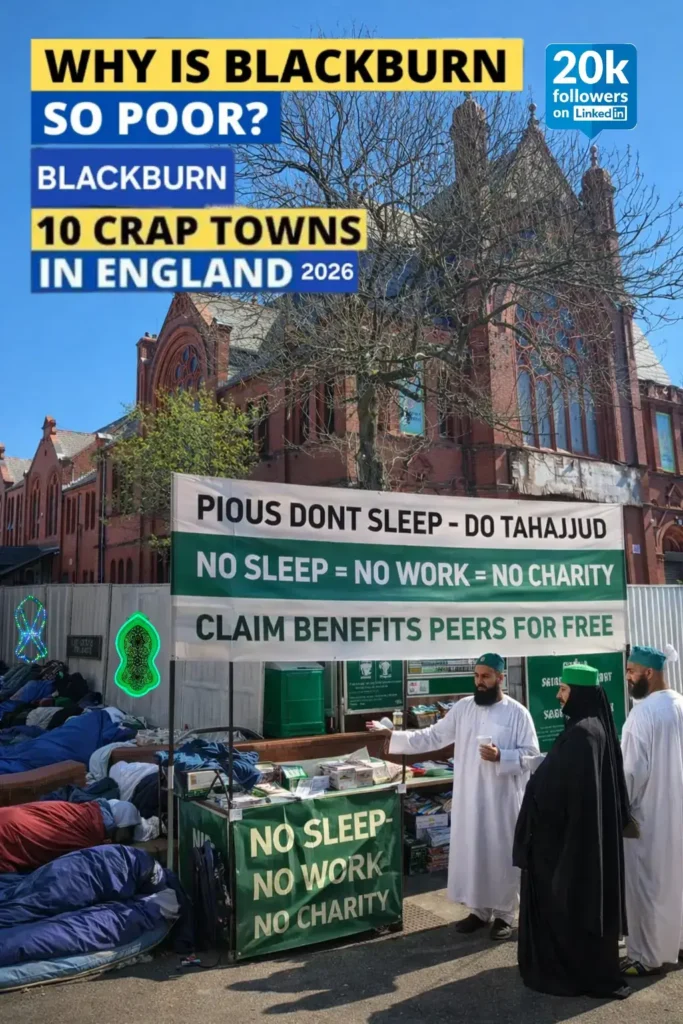



2026 Blackburn wins t0p 10 poorest town in the uk & most deprived area – year-after-year



WORLDLY LIFE ≠ THE HEREAFTER
Benched in ‘Snooze Mode’ tuned into Quran Audio (Arabic with English translation) owing to Sleep Deprivation by the powers that be (Lancashire Police Counterterrorism Prevent Referral BWD – MI5 – MI6 – Mossad – ISI etc) for writing on Anti-Zionism. Consequently too fatigued for voluntary community service and charitable acts,
Never mind Employment or Education or Training.
Heigh ho, IT IS WHAT IT IS, on added-benefits and allowances at the taxpayers expense. Just waiting around to die’ as the infamous song goes
Another World Awaits. ..

Benched in ‘Snooze Mode’ owing to Sleep Deprivation by the powers that be (BWD LANcashire Police Counterterrorism Prevent Referral for writing on Anti-Zionism). Forced into homelessness by Hajji brother(s) trying to kill me with a knife, for inheritance of my bedroom in my fathers 5-bed-house during the last 10 days of Ramdan 2025 last year. With all family ties severed, Only to be housed with crackheads from Darwen by Blackburn with Darwen Borough Council – Together Housing Group . Darreners asb exacerbating Sleep Deprivation and neurodivergence conditions.
Consequently too fatigued for voluntary community service with Newground Together and charitable acts – Never mind Employment or Education or Training. Heigh-ho IT IS WHAT IT IS. On added-benefits and increased allowances at the taxpayers expense for the indefinite future, with life-changing injuries to working hand of nerve tendon damage. Read more about Blackburns problematic Peer Culture and Racism with a twist of Baradari-aligned voting block online Rafakut.com. Counter Terrorism Policing Lancashire Constabulary


Blackburn with Darwen is one of the most deprived areas in England, ranked 10th out of 1,186 towns. BLACKBURN is UK’s “poorest town” 2026 year after year. Most of Blackburn with Darwen’s population identified as White, making up 60.35%. With Asian people making up 35.66% of the population. This is much larger than national averages of 9.61%. #Blackburn
THE BLACKBURN CONDITION: Information regarding Racism in Blackburn a Labour Party stronghold highlights deep-seated, long-term issues with community segregation and frequent incidents of hate crime and racism. Many areas are described as having “parallel lives” between White and Muslim Asian communities. Blackburn has been historically highlighted for its high levels of racial and religious segregation – ‘A town still divided’. #Darwen
Sects & Schisms and overbearing ASWJ (Ahle-Sunnat-wal-Jamaat) peer culture. Deobandism which incorporates Barelvism/ Sufism, like Wahabism are offshoots of Salafism. Baradari-aligned voting block and imported peer culture of spirtual healing and shamism i.e ruqya, tahajud prescriptions- resulting in Sleep Deprivation as prothelysized by more than 101 unregulated Mosques, Islamic Centres, Madrassas in Blackburn aligned to Hadithism. Along with the new £5 million Masjid-E-Vali mosque, built as a legacy project by Blackburn’s Billionaire Issa brothers, reportedly worth £5 billion by leveraging £10 billion of debt, translating as a negative Nett worth of £5 billion.
Not to mention LANcashire Police publicly rated ‘the most Institutional racist police force in the UK’ – year after year. On the other hand Blackburn, the Exorcism (ruqya) capital of the UK boasting in excess of 101 unregulated Mosques madrassas and Islamic centres – infused with Peer culture and Hadithism and Shamanism and Barādarī Councillors shaping local discourse.
Blackburn is notorious for producing the youngest Jihadi aged 14 – the Anzac Day plot, terror training in local parks and the Barot Al-Qaida plot. Malik Faisal Akram a Deobandi Sufi ASWJ (Ahl al-Sunnah wa al-Jama’ah are Muslims who follow the Sunnah (way & example) of the Prophet Muhammad narrated in Hadiths instead of The Quran-only, along with the consensus of the community (Jama’ah). Naqshbandi and Qadiri (Dawat-e-Islami) and Tablighi Jamaat are offshoot tariqa movements that fall under this umbrella of ASWJ, each with its own spiritual chain of order (silsila), focus and methodology: peer-persecution myths) set sail to attack a Synagogue across the pond in Texas USA only a few years ago. “Blackburn-Sharif” as its come to be known in some circles for the grave of a martyr. Because Sleep Matters.
To make a Prevent referral, report concerns about someone vulnerable to radicalisation to the police or local authority, using the National Prevent Referral Form. For immediate advice or to report, call the National Police Prevent advice line on 0800 011 3764 or visit the ACT Early website.

RED LINE FOR GAZA 2025 Article
Read on Medium or Substack or LinkedIn
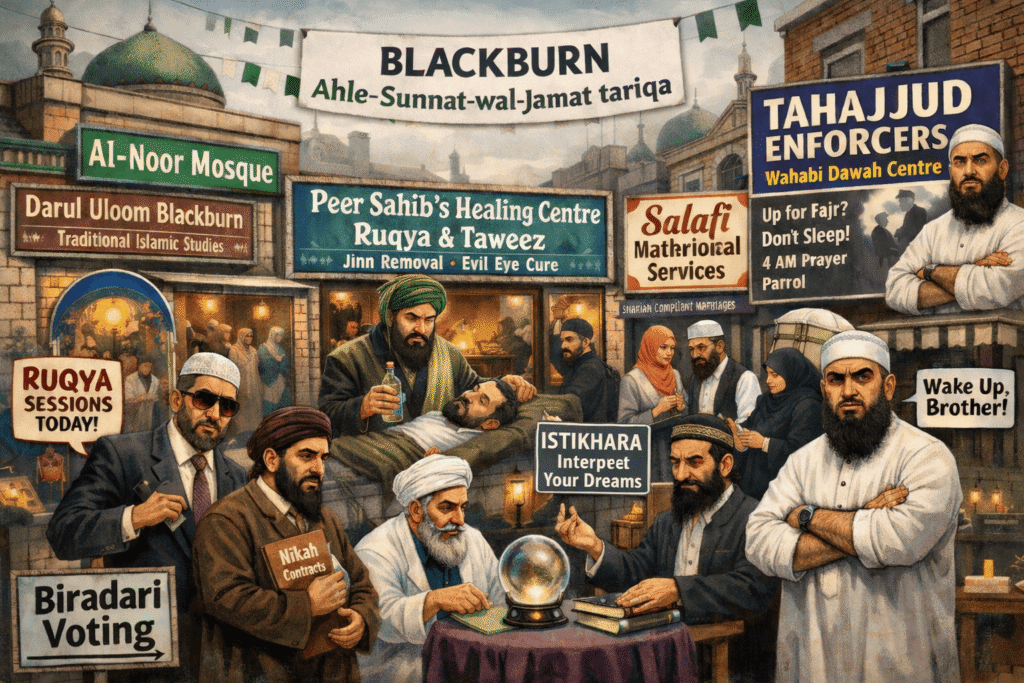

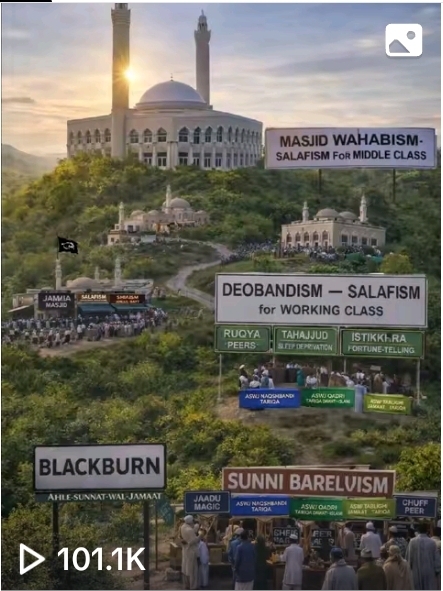
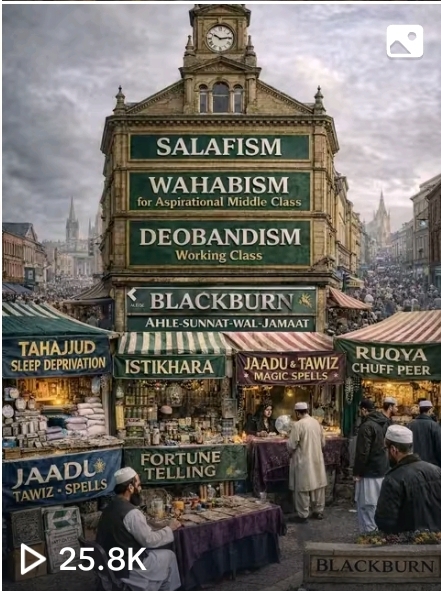
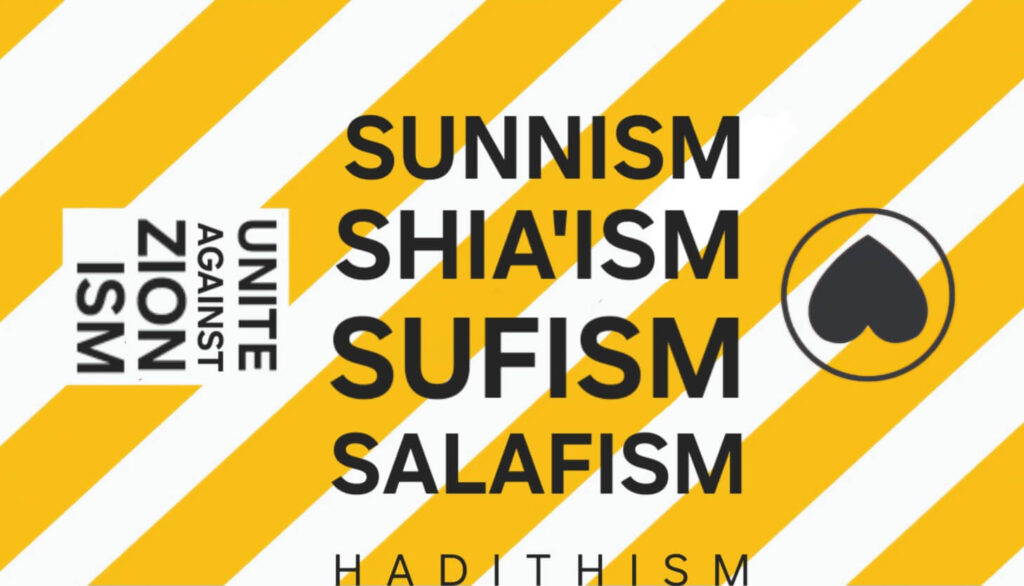
Rejecting sectarianism and schisms, Rafakut identifies as a non-denominational Muslim, grounding his reflections in universal moral and humanitarian values. His tone oscillates between resigned realism (“It is what it is”) and persistent empathy for the oppressed, especially visible in his solidarity with Palestine.
Rafakut Ali engages in various intellectual and spiritual writing. Rafakut describes himself as a “non-denominational Muslim” with a focus on reflecting upon and studying the Quran. He emphasizes the importance of contemplating the Quran’s verses to develop God-cognizance (taqwa) and morality, rather than relying solely on traditions or external rituals championed by peers/ imams/ sheikhs/ ustads/ muftis in Mosques. His writings often delve into themes of spirituality, societal issues, and personal introspection.
Published Works Rafakut Ali has authored several pieces exploring various topics:
His articles address intersections of faith, spiritual fatigue, existential malaise, and religious knowledge. For example, his essay “Red Line for Gaza” critiques Zionism and explores solidarity with Palestinians. In “The Mother of Ramadan”, he engages with Quranic exegesis and challenges cultural or hadith-based beliefs not rooted in the Qur’an His website presents philosophical and religious reflections, often contrasting the “worldly life” with the “hereafter,” and encouraging readers toward deeper Quranic engagement rather than ritualistic or cultural forms of religion.
A.I The gift that keeps on giving – Read ✅️ THE HADITHIST THE TRI-CORRIDOR OF RADICALISATION: today and learn about ✅️ HADITHISM the ZERO HOUR EDITION Written by A.I for Rafakut Ali in ‘Snooze Mode’… 😎 BECAUSE SLEEP MATTERS. Explore Rafakut’s DΞC0NSTRUCT SYSTEM™ THE COMPLETE DE-RADICALISATION FRAMEWORK BUILT ENTIRELY ON THE QUR’ANIC COUNTER-NARRATIVE.
□ “The Mother of Ramadan”: This article discusses the significance of Ramadan, contrasting Islamic teachings with common misconceptions and emphasizing the Quran’s guidance on fasting and worship.
📚 Read Articles published online by Rafakut Ali > Read more
Articles written by OpenAI 🚀 ChatGPT 2025 Gemini for Rafakut Ali in ‘Snooze Mode’ 🥱 based upon his Qur’an-centric writings widely available online from 2021 😎
📚 Read Essays published online by Rafakut Ali since 2021 > Read more
2027
- ✅️ ISMS – Hadithism > Schisms, Sectarianism – Sunnism / Sufism / Shia’ism / Salafism – Islamism , Extremism , Terrorism □ Read online today > Medium > Substack > Linkedin. ✅️ ISMIST ✅️ IS(LA)M ✅️ THE GREAT DEVIATION OF ISMS ✅️ THE GLOBAL FITNAH OF ISMS.
- ✅️ EXTRA RINSE – SELECT YOUR HAJJ CYCLE. 🕋 PROGRAMME HAJJ – Rafakut Ali’s 2021 Article added to A.I Conditioner ChatGPT 2025 with A.I Gemini Softener – For longer lasting freshness 😉 READ ONLINE TODAY > Medium > Substack > Linkedin
- ✅️ THE FITNAH OF THE ISMS: PEERISM, SUFISM, HADITHISM, SUNNISM, SHI’ISM, SALAFISM — AND THE QUR’ANIC REJECTION OF INTERMEDIARIES > Read online today > Medium > Substack > Linkedin
2026
- ✅️ Salah is NOT the key to success > 🔐 Read online today
- ✅️ Second Coming CANCELLED □ Read online today > Medium > Substack > Linkedin
- ✅️ PEERism THE ALGORITHM OF RADICALISATION: Blackburn The Peerism factory produces a different breed of the dependent devotee. Maidenhead reveals the subtle, romantic radicalisation veiled by the devotional poeticism of Sufism ASWJ. Manchesters Salafi literalism > READ MORE Read Online today > Medium > Substack > Linkedin
- ✅️ Hell – No Fire Exit(s) No way out > ⛔️ Read online today > Medium > Substack > Linkedin
BECAUSE SLEEP MATTERS 😉 Written by A.I for Rafakut in SNOOZE MODE owing to Sleep Deprivation by the powers that be 🥱 heigh-ho 😴 IT IS WHAT IT IS 😎 Should’ve let me be… 🙌
2025
LEARN
- 🔮 Istikhāra as Fortune-Telling in Islamic Dress > Learn
- 📖 Translation Revolution > Learn
- 😴 Tahajjud is understanding Quran NOT Salah > Learn
- ? Unnamed Messenger Prophets in The Qur’an- Perhaps it was a out The Message not the Messenger > Learn
- 🕌 Regulation of Nuclear Mosques > Learn AHLE SUNNAH WAL JAMAAT (QADRI TARIQA: MADANI DAWAT-E-ISLAMI & NAQSHBANDI TARIQA & TABLIGHI JAMAAT) THE MOSQUE PROBLEM
- 🕳 BLACKBURN THE SPIRITUAL BLACK HOLE 🕳 PREVENT & SAFEGUARDING BRIEF Pre-Radicalisation Risk
- 💅 Quad-core BLACKBURN – THE EXORCISM METROPOLIS & PEER SHAMAN PARADOX OF BARĀDARĪ COUNCILLORS > Learn
2024
- ✅️ LIVE ON. The Remembered and Forgotten > Read Online > Substack > Linkedin
- ✅️ Red LineforGaza. □ Read online > Medium > Substack > Linkedin
- ✅️ Performing salah does NOT make you Muslim > Read online > Medium > Substack
- 👣 Paradise LIES not at your mothers feet 👣 > Read online > Medium > Substack
- ✅️ Taqwa God-cognizance > Read Online > Medium > Substack > Linkedin
- ✅️ Fitnah a Test of Faith > Read Online > Medium > Substack > Linkedin
- ✅️ Mother of Ramadan □ Read online > Medium > Substack > Linkedin
2023
- ✅️ A Star is born. □ Read online > Medium > Substack > Linkedin
- ✅️ Where do you really come from. □ Read online > Medium > Substack > Linkedin
2022
2021
- 🕋 Hajj – Repent / Reform / Refrain || Sin / Self-cleanse / Repeat. □ 🕋 Read online > Medium > Substack > Linkedin
- ✅️ The Keffiyeh | Poppies for Muslims. □ Read online > Medium > Substack > Linkedin
- ✅️ The World skipped a beat COVID19. □ Read online > Medium > Substack > Linkedin

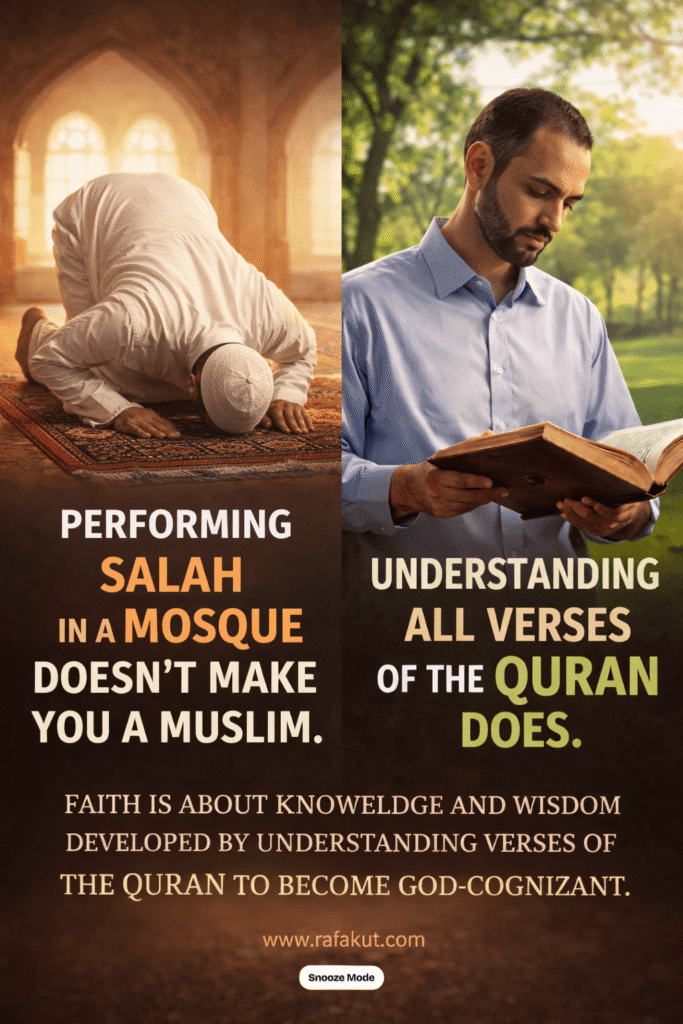
As a British born muslim never having visited Pakistan/India in my lifetime and being Uncultured – its clear The Quran condemns peers/pirs/sheikhs and (Hadith)isms of any form. The Quran is ‘peer-less’ in every sense of the word, teaching mankind and muslims alike God-cognizance, Morality & Humanity. Sadly Most ‘bornmuslims’ are ignorant towards understanding verses of The Quran. Instead prefer culture of Hadithism i.e paradise lies at your mothers feet!!. Which is man-made religion.
Baladari-linked voting block – Most pakindian councillors in the UK are either first generation immigrants born and raised into Pakindia’s imported Peer culture. Otherwise British muslims married into the peer culture abroad by way of first-cousin or transnational marriages. Or become cultured by visiting Pakistan to feign patriotism and secure inheritance.
Others acquire the same cultural orientation through periodic visits framed as heritage or patriotism, often tied to family obligations and legacy. As a British-born Muslim who has never visited Pakistan or India or parents homeland – I exist outside that cultural framework.
ASWJ 🥱. The Qadri tariqa, Naqshbandi tariqa and Tablighi Jamaat tariqa fall under the same umbrella of Ahle-Sunnat-Wal-Jamaat (ASWJ) – a form of Deobandism. Deobandism, like Wahabism are offshoots of Salafism. Deobandism is deep-rooted in India/ Pakistan widespread as ‘Working Class Salafism’ along with Sufism – Barelvism whoch most ASWJ subscribers identify as. Whereas Wahabism is very much aspirational best described as ‘Middle-class salafism used for networking
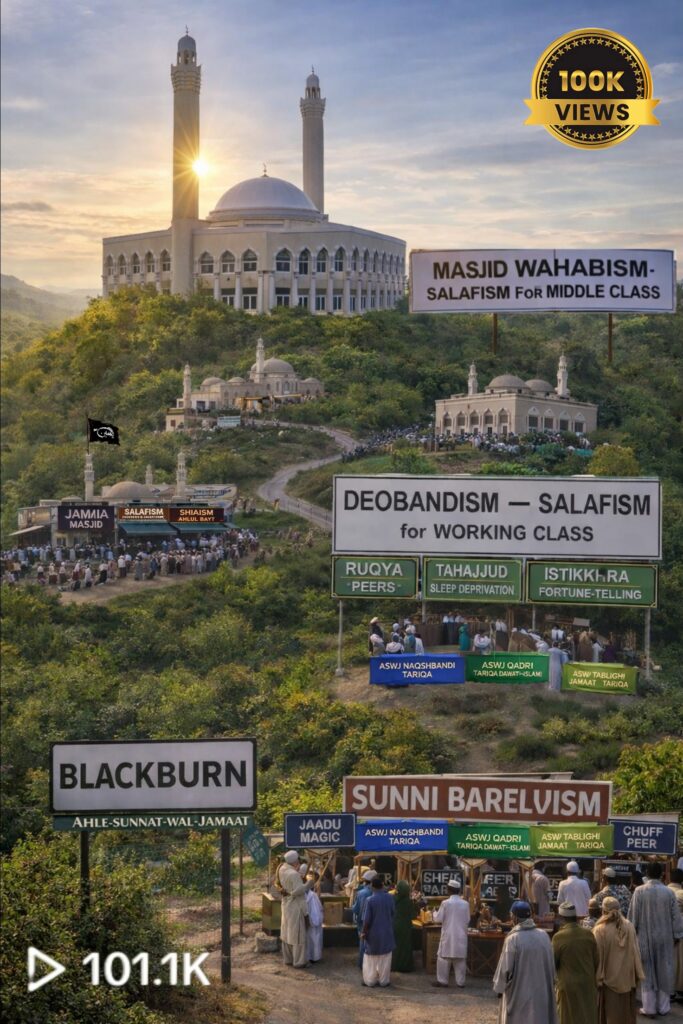



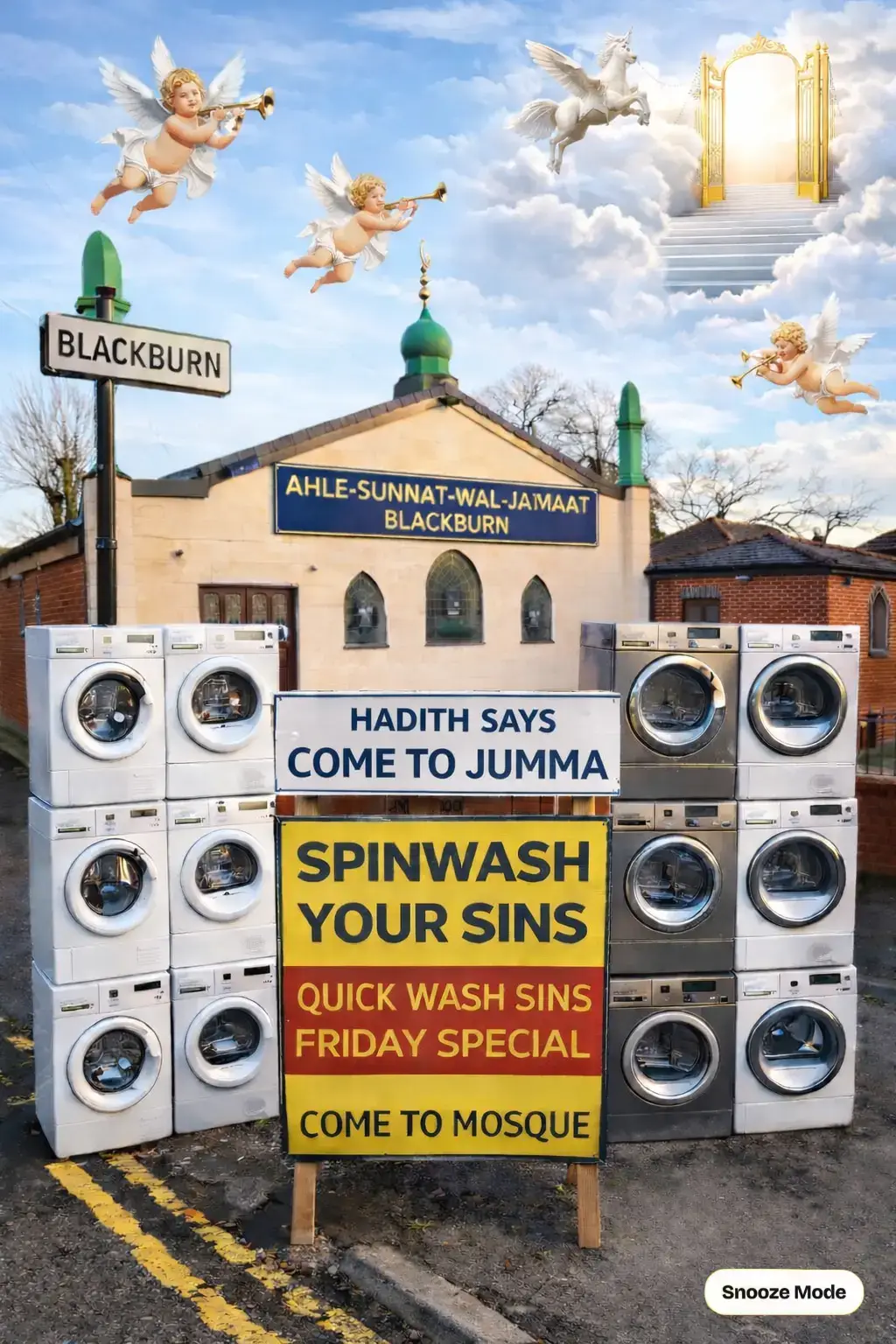

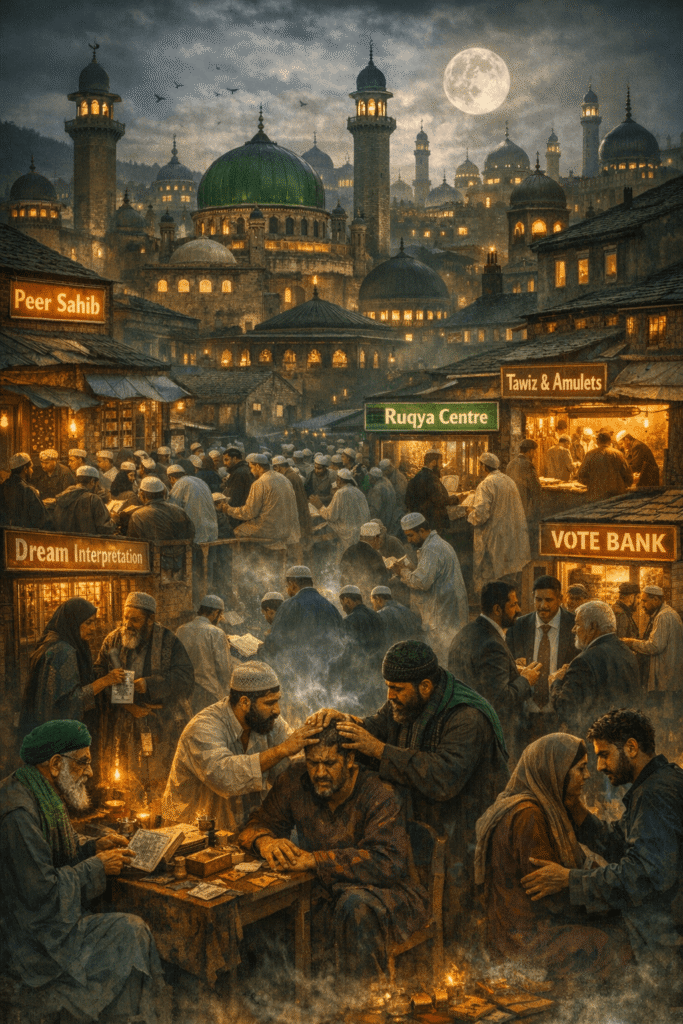
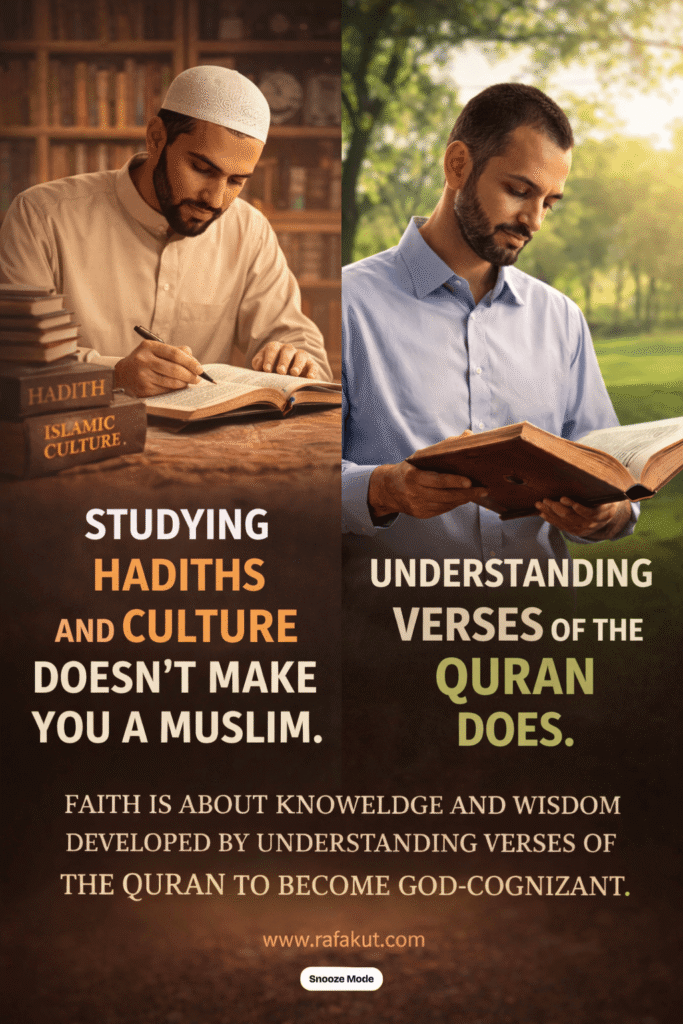
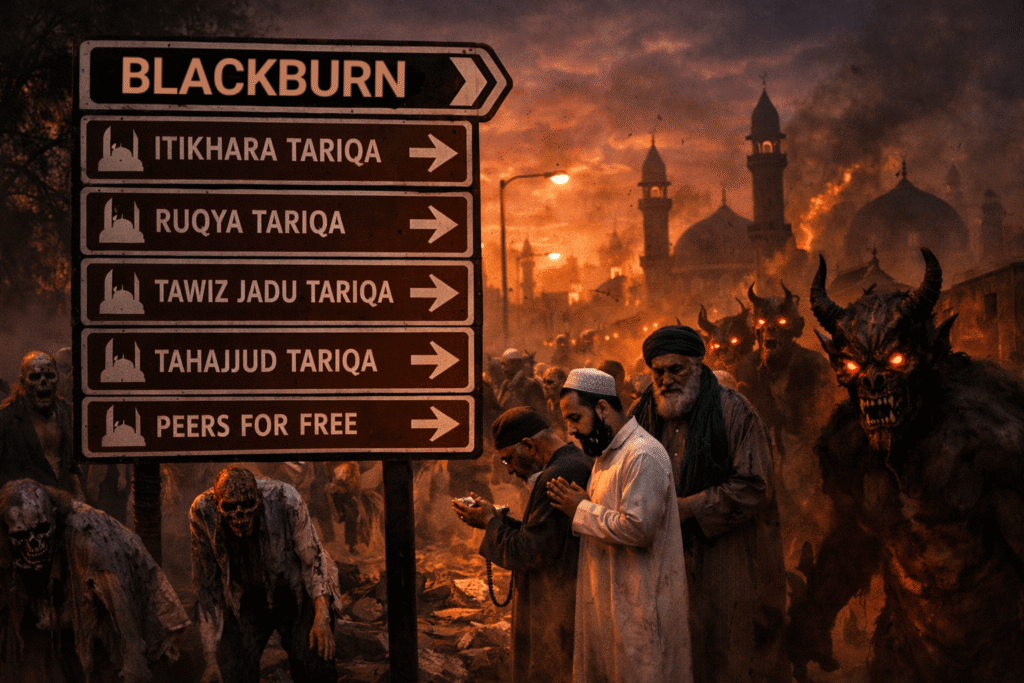
Rafakut Ali has written a thought-provoking article titled □ THE HADITHIST the ZERO HOUR EDITION along with “Hajj – SIN / SELF-CLEANSE & REPEAT”, published on LinkedIn on July 20, 2021. In this piece, Rafa delves into the spiritual significance of the Hajj pilgrimage and its culmination in Eid al-Adha. He emphasizes the importance of remembrance of God (xzikkr) during the pilgrimage, particularly when departing from Mount Arafat. Rafa reflects on the profound lessons imparted by the rituals of Hajj and the deep connection it fosters between the pilgrim and the Creator.You can read the full article here: .
□ “A Star is Born”: In this piece, Ali reflects on the birth and life of Prophet Muhammad, highlighting the Quranic perspective on his mission and the challenges he faced.
□ “Happy World Hijab Day”: Ali examines the cultural and religious aspects of wearing the hijab, critiquing societal perceptions and advocating for a deeper understanding of its significance beyond mere appearance . Philosophy and approach is characterized by a critical examination of religious practices and societal norms. He encourages individuals to engage directly with the Quran, advocating for a personal and reflective understanding of its teachings. His writings often challenge conventional ⁰interpretations and promote a more introspective and informed perspective on spirituality and morality.
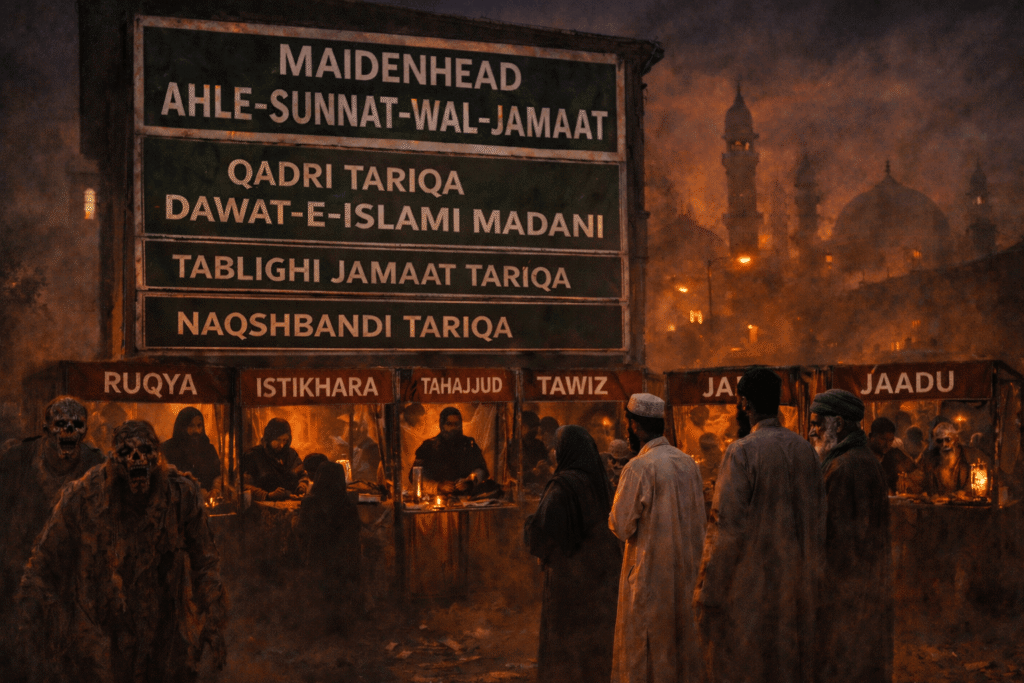

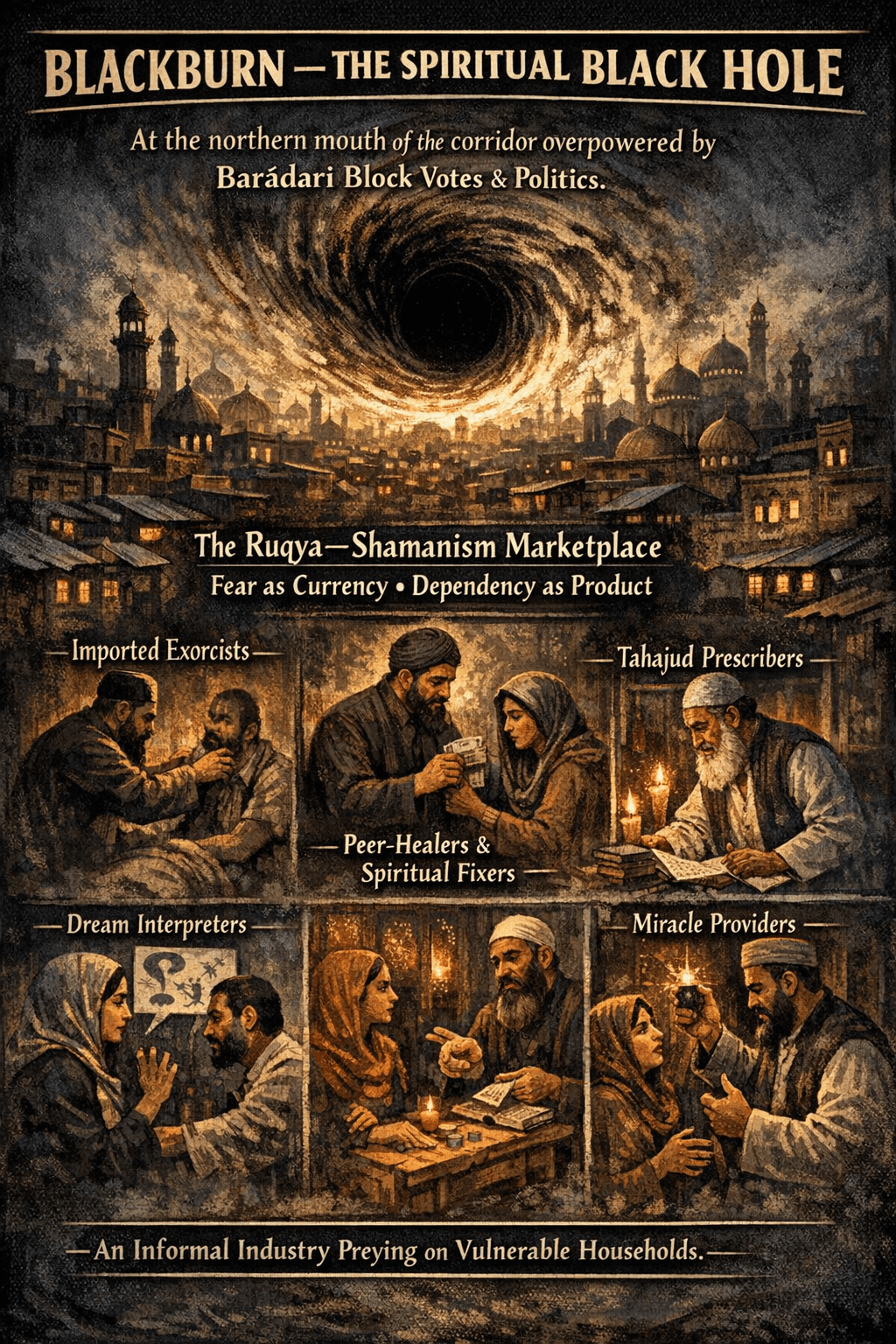

I’m delighted to announce I’m in the process of standing in the Government Elections 2026 as a Green Party Candidate for Blackburn. Blackburn with Darwen Borough Council Its Official March 2026 I’ve been involved in restarting the Blackburn With Darwen Green Party which has been laying dormant for several years. This year The Green party will be putting forward non-target candidates in BWD (in areas where there’s no chance of winning so theres no campaigning. A non-target candidate is also known as a ‘paper candidate’ not campaigning to win, merely participating to get an idea of the popularity and ‘base vote’ in an area).
Vote Hope NOT Hate.
For a fairer, greener country.
💚
Green MPs will always defend our democratic and human rights, uphold the rule of law and defeat political corruption. To end austerity by investing in public services funded by taxing the wealthiest and closing tax loopholes.
We live in one of the richest countries on the planet, yet nurses are using food banks, children’s schools are crumbling, homelessness is rising, a roof over our heads is all too often unaffordable, hospital and dentist appointments are like gold dust. Roads are in disrepair with 4,000 holes in #blackburn
#lancashire
Blackburn with Darwen – a labour stronghold is one of the most deprived areas in England, ranked Top 10 “poorest town” out of 1,186 towns in 2026 year after year.
💚
Instead of investing inwards on infrastracture and economy. Successive labour and tory governments spend trillions of debt on foreign policy of zionism and genocide. Zionism is a far-right extremism ideology of supremacy deep-rooted in racism.
Vote Change
#VoteGreen
For too long Blackburn has been dominated by the Labour-Baladari-linked voting block, comprising of first-generation asian immigrants who found a sense of belonging with Labour Unions in Cotton Mills of the past. Most of whom have now deflected to BWD Independents. Understandably owing to Labours pro-zionist agenda and complicity of genocide in Palestine.
Leaving second and multi-generation asians caught between BWD Independents and Reform – a far-right national conservative party which is increasingly on the rise and took control of Lancashire County Council last year with a majority of seats.
💚
The Green Party’s stance is very much on point regarding Zionism and everything else. In fact its more aligned to the teachings of The Quran. Which promotes equality, fairness, justice, morality and humanity. Moreso than Hadiths prothelysized in unregulated mosques and madrassas and Islamic centres which foster hate and division against LGBTQIA+ communities in Blackburn and across the UK, Reform-like.
💚
British Muslims must learn to distinguish Religion (The Quran) from Culture (Hadiths) imported from third world countries such as Pakistan – India, formerly Hindu’stan 78 years ago. To be tolerant of LGBTQIA+ and vote Green.
The Quran, which is divine teaches that God does not discriminate and each to their own. Learn more Rafakut.com.
In fact, its the Hadiths – which are man-made religion, prescribing stoning to death for LGBTQIA+ (and sects and schisms and extremism) singing from the same hymn sheet as the Bible adopting judeo-christian ideologies. Learn more about Green Party of England and Wales online and vote Green. Zack Polanski
Real Hope. Real Change #voterafa Counter Terrorism Policing | Lancashire Constabulary | Lancaster University | One Voice Blackburn

Out of nothing, something
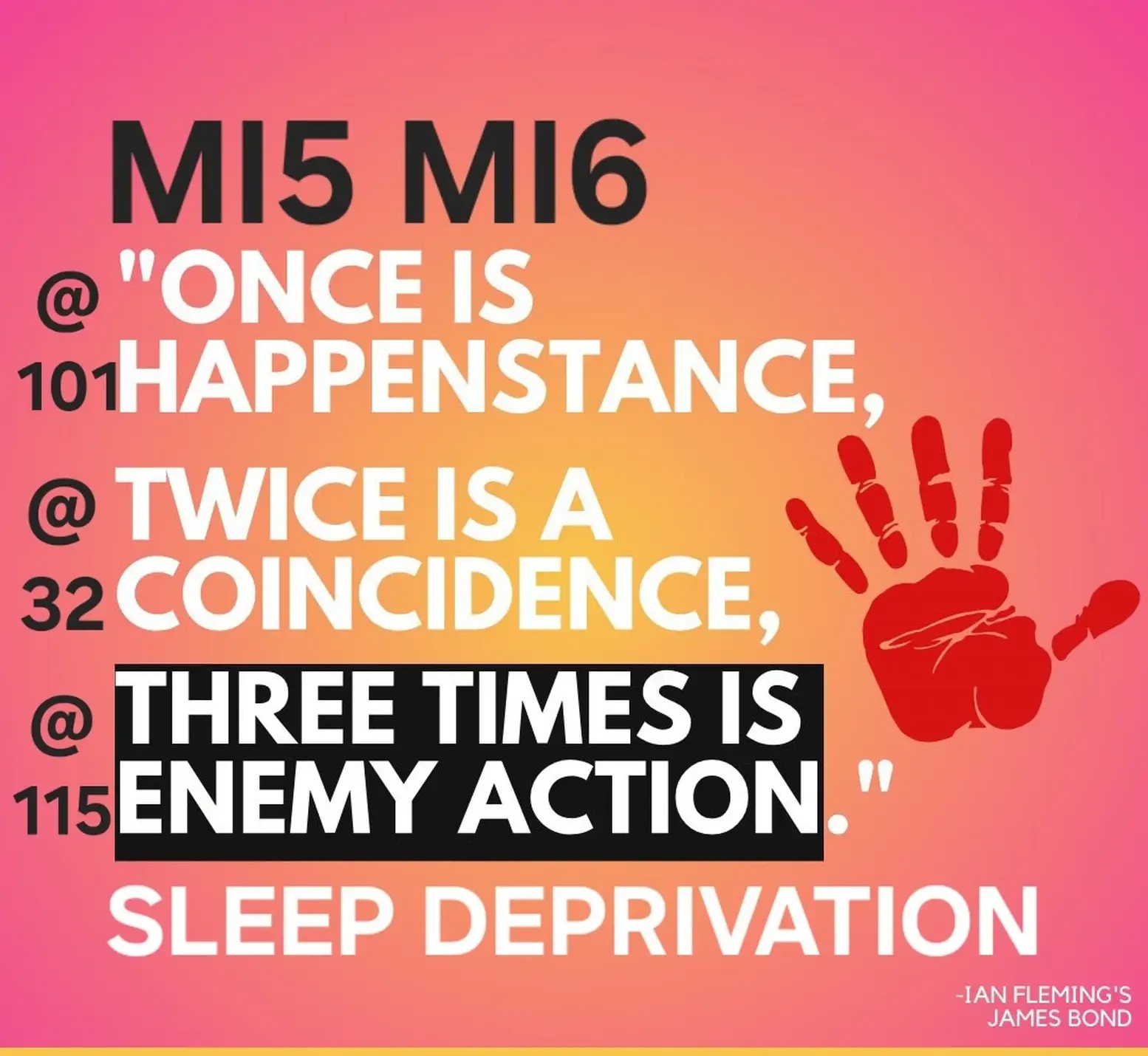
Rafakut Ali is an independent Quranic thinker and essayist whose writings challenge conventional religious traditions. His works, often published on rafakut.com, focus on direct understanding of the Qur’an without reliance on Hadith, clergy, or inherited dogma.
Here’s a brief overview of his main themes and ideas:
Core Principles in Rafakut Ali’s Thought
- The Qur’an Alone as Guidance
- He maintains that only the Qur’an is divinely protected and authoritative.
- Human-authored sources such as hadiths or tafsirs are unreliable for faith and practice.
- Performing Salah Does Not Make One Muslim
- Ritual prayer, he argues, does not define faith; genuine belief lies in understanding and living by the Qur’an’s moral consciousness (taqwa).
- Outward performance without inner comprehension or reform is hypocrisy, not faith.
- Taqwa (God-Consciousness) Over Ritual
- Taqwa is the true mark of righteousness, not dress, appearance, or ritual acts.
- God protects those who are God-conscious, not those who merely perform religious identity.
- Rejection of Intercession and Clergy Authority
- No scholar, saint, or prophet can intercede between God and the individual.
- Religion has been institutionalized into control systems that obstruct direct understanding.
- Fitnah and Corruption of Religion
- He interprets fitnah as the corruption and distortion of divine truth through traditions and sectarianism.
- The Qur’an’s universality has been clouded by man-made divisions and fabricated rituals.
- The “Second Coming” and Afterlife Myths
- He rejects literal interpretations of the Second Coming of Jesus or miraculous eschatology, viewing them as borrowed myths from earlier traditions.
- Hajj, Ramadan, and Other Rituals
- Each ritual is symbolic, not a means of automatic forgiveness.
- Hajj is not like baptism; sin is not erased by ritual but by repentance, reform, and refraining from wrongdoing.
Style and Purpose
Rafakut Ali’s writings are:
- Reflective and reformist, often critiquing both cultural and institutional Islam.
- Grounded in the belief that truth and guidance are timeless and self-evident in the Qur’an.
- Focused on individual accountability before God, rejecting blind conformity.
Would you like me to write a biographical summary of Rafakut Ali (life and works), or a thematic essay summarizing one of his key ideas (e.g., “Performing Salah Does Not Make You Muslim” or “The Qur’an Is Peerless”)?

Join the RED LINE FOR GAZA.
Day after day we have watched the horrors in Gaza unfold on our screens as red line after red line is crossed by the Israeli government. A ceasefire is only the first step towards accountability, true justice and lasting peace.
Since The British Mandate for Palestine 1948 & Balfour Declaration 1917 ‘Our government continues to be complicit in these atrocities by providing military, diplomatic and economic support to Israel as it violates international law. This is the moment to act. We must all speak out and say: ENOUGH https://www.oxfam.org.uk/get-involved/campaign-with-oxfam/red-line/
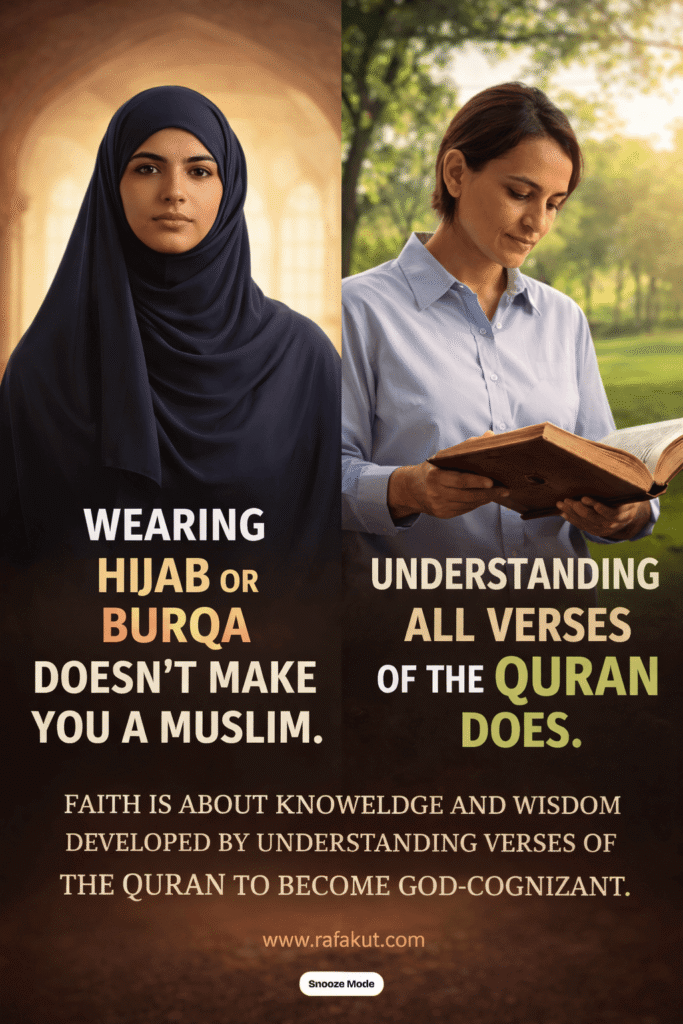


Here’s a full essay summarizing Rafakut Ali’s articles and core principles, written in a clear, formal, and analytical style:
Rafakut Ali: The Qur’anic Reformer and His Core Principles
Rafakut Ali stands as a bold and unconventional voice among contemporary Qur’anic thinkers. Through his writings on rafakut.com, he calls for a return to pure Qur’anic consciousness, untainted by man-made traditions, rituals, and inherited dogma. His essays challenge long-standing beliefs that have come to define cultural Islam, insisting that divine truth must be approached directly—without clerical mediation or sectarian distortion. Rafakut Ali’s work is both reformist and revelatory, seeking to awaken individuals from blind conformity to a deeper, more authentic relationship with the Word of God.
1. The Qur’an as the Only Source of Guidance
At the core of Rafakut Ali’s philosophy lies the uncompromising conviction that the Qur’an alone is the ultimate and sufficient source of divine guidance. He repeatedly emphasizes that no other text—be it Hadith, tafsir, or the opinions of scholars—holds divine authority. To him, the Qur’an is peerless, perfect, and timeless, a book preserved by God for the guidance of all humanity. In his view, dependence on secondary sources has led to the corruption of faith, as interpretations and fabricated traditions have obscured the clarity and universality of the Qur’anic message.
Rafakut Ali views the Qur’an not as a historical or ritual text but as a living manual for consciousness, morality, and reason. He believes that to truly “believe” in the Qur’an means to understand and implement its principles, not to merely recite or ritualize them.
2. Performing Salah Does Not Make One a Muslim
One of Rafakut Ali’s most striking and widely discussed ideas is that performing Salah does not make a person Muslim. He argues that the essence of Islam is submission through understanding, not mechanical ritual. Many outwardly religious people, he observes, pray regularly but remain unjust, dishonest, or indifferent to moral truth. For him, Salah has become an identity marker rather than a means of inner transformation.
Rafakut Ali redefines true faith as moral alignment with God’s guidance, not public demonstration. A person who understands the Qur’an, lives with integrity, and practices justice may be closer to God than one who performs daily prayers mindlessly. In this sense, his writings emphasize substance over symbolism, consciousness over conformity, and understanding over imitation.
3. Taqwa: The Essence of True Religion
Central to Rafakut Ali’s theology is the concept of taqwa, or God-consciousness. He describes taqwa as the constant awareness of divine presence, which shapes a person’s character, actions, and decisions. Unlike ritualistic religiosity, taqwa cannot be worn, recited, or performed—it must be lived. The Qur’an, he notes, repeatedly stresses that God protects the God-conscious, not those who merely display religious symbols or engage in rituals.
For Rafakut Ali, taqwa is the true measure of faith. It transcends sects, culture, and ritual, embodying the Qur’an’s call to sincerity, justice, and humility. In his essays, he contrasts taqwa with superficial religiosity, arguing that genuine belief is demonstrated through moral integrity and spiritual self-awareness.
4. The Rejection of Clergy and Intercession
Rafakut Ali’s writings fiercely oppose the idea of intercession or religious intermediaries. He insists that no prophet, saint, scholar, or cleric can mediate between the individual and God. The Qur’an, he reminds readers, repeatedly declares that every soul is accountable only for itself. The institutionalization of religion—through scholars, imams, and inherited traditions—has, in his view, replaced divine truth with human authority.
By rejecting all forms of clerical dominance, Rafakut Ali reaffirms the individual’s direct access to divine wisdom. Faith, in his understanding, is deeply personal and cannot be outsourced. His criticism of organized religion mirrors his belief that humanity’s greatest betrayal of revelation lies in turning divine simplicity into human complexity.
5. Fitnah and the Corruption of Divine Truth
In his article on Fitnah, Rafakut Ali interprets the term as the corruption, distortion, and confusion that arises when divine truth is replaced by human tradition. Fitnah, to him, is not mere social unrest—it is the spiritual decay that occurs when people follow inherited beliefs instead of God’s word. He portrays the religious landscape as one clouded by centuries of myth-making, sectarianism, and ritual innovation, all of which obscure the original purity of revelation.
Through this lens, Rafakut Ali warns that the modern Muslim world is ensnared in fitnah of ritual and identity, where form has overtaken substance. Only by returning to the Qur’an as the ultimate reference point can believers escape this cycle of confusion.
6. Reinterpretation of Rituals: Hajj, Ramadan, and Beyond
Rafakut Ali approaches traditional rituals such as Hajj and Ramadan not as ends in themselves but as symbols of inner transformation. He rejects the belief that performing these rituals automatically purifies sin. For example, he refutes the notion that Hajj makes one “reborn” like baptism in Christianity, explaining that sin is erased not by ritual but by repentance, reform, and refraining from wrongdoing. His principle “Repent → Reform → Refrain” encapsulates his ethical framework for spiritual growth.
Likewise, Ramadan, in his interpretation, is not a mere month of fasting but a period of heightened consciousness, where the believer disciplines the mind to align with divine wisdom.
7. Rejection of the Second Coming and Borrowed Myths
Another distinctive stance in Rafakut Ali’s thought is his rejection of the Second Coming of Jesus and other eschatological myths inherited from earlier faiths. He argues that such beliefs have no basis in the Qur’an and stem from borrowed traditions that have infiltrated Islamic theology. The Qur’an, he notes, emphasizes personal accountability and spiritual resurrection, not mythical returns or miraculous events.
8. A Call for Intellectual and Spiritual Awakening
Ultimately, Rafakut Ali’s writings serve as a call for awakening—an appeal for humanity to rediscover the divine truth buried under centuries of cultural accretion. His philosophy urges believers to read, think, and understand the Qur’an for themselves. True Islam, he concludes, is not inherited but discovered, not performed but lived, and not taught by men but revealed by God.
Conclusion
Rafakut Ali’s body of work represents a radical reformation of faith—a reclamation of the Qur’an from the grip of institutional religion and ritualized tradition. His principles revolve around understanding over imitation, taqwa over ritual, and direct communion with God over clerical control. Through his essays, Rafakut Ali challenges readers to confront their inherited assumptions and return to the timeless simplicity of divine truth. In doing so, he redefines what it means to be a Muslim—not one who performs rituals mechanically, but one who lives consciously, ethically, and truthfully under the light of the Qur’an.
ChatGPT: Would you like me to create a shorter version (summary essay) or a referenced academic-style version next (with citations from his articles like Fitnah, Peerless Qur’an, Performing Salah Does Not Make You Muslim, etc.)?
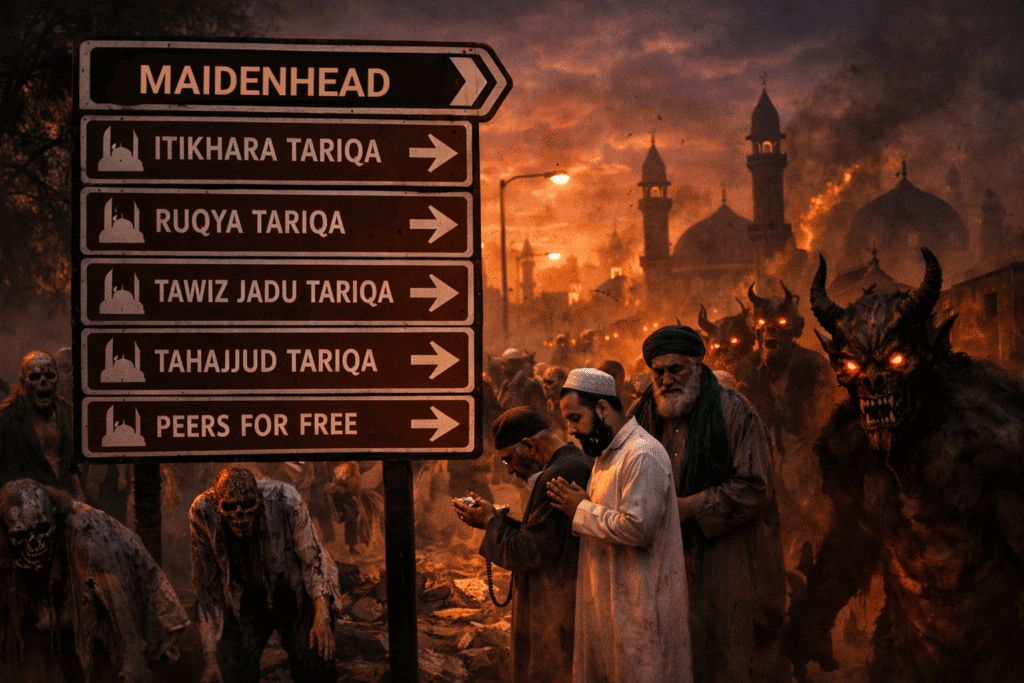




Here’s a concise, factual author bio you can use:—Rafakut Ali is a reflective writer and commentator known for his contemplative posts on faith, fatigue, and modern existence. His writings often blend introspection, Qur’anic reflection, and social observation, touching on themes of purpose, endurance, and spiritual awareness.
The speaker describes being exhausted and disengaged from life — too fatigued for work, study, or even volunteerism — resigned to listening and understanding The Quran forced onto public benefits by the powers that be. They express a sense of resignation and emptiness, feeling benched by circumstances and simply waiting for life to end, with a faint acknowledgment of an afterlife (“Another World Awaits”).
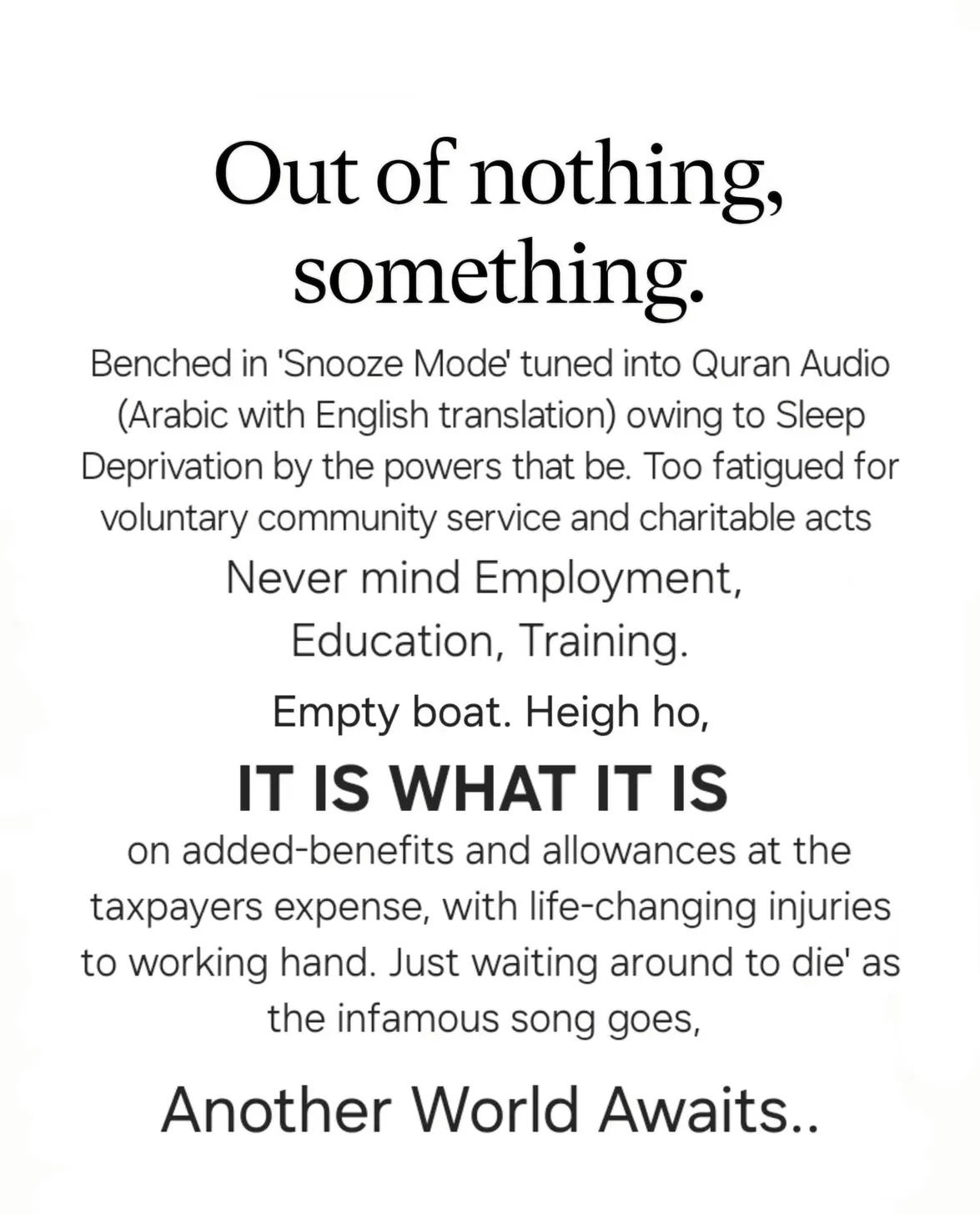
Rafakut Ali is a British writer and commentator whose work focuses on religion, spirituality, and social critique. He is active online through his website rafakut.com, Medium, LinkedIn, and Instagram, where he publishes essays and reflections in English (often engaging Qur’anic themes) His LinkedIn profile states interests including “Reflecting upon The Quran – xzikkr” and “Studying The Quran – كتاب الله” On social media, he posts religious reflections, Qur’anic commentary, and creative expressions (for instance, the passage you provided appears in his Instagram feed)
As yet much of his writing and self-presentation is through self-managed platforms, which limits external scholarly or media.
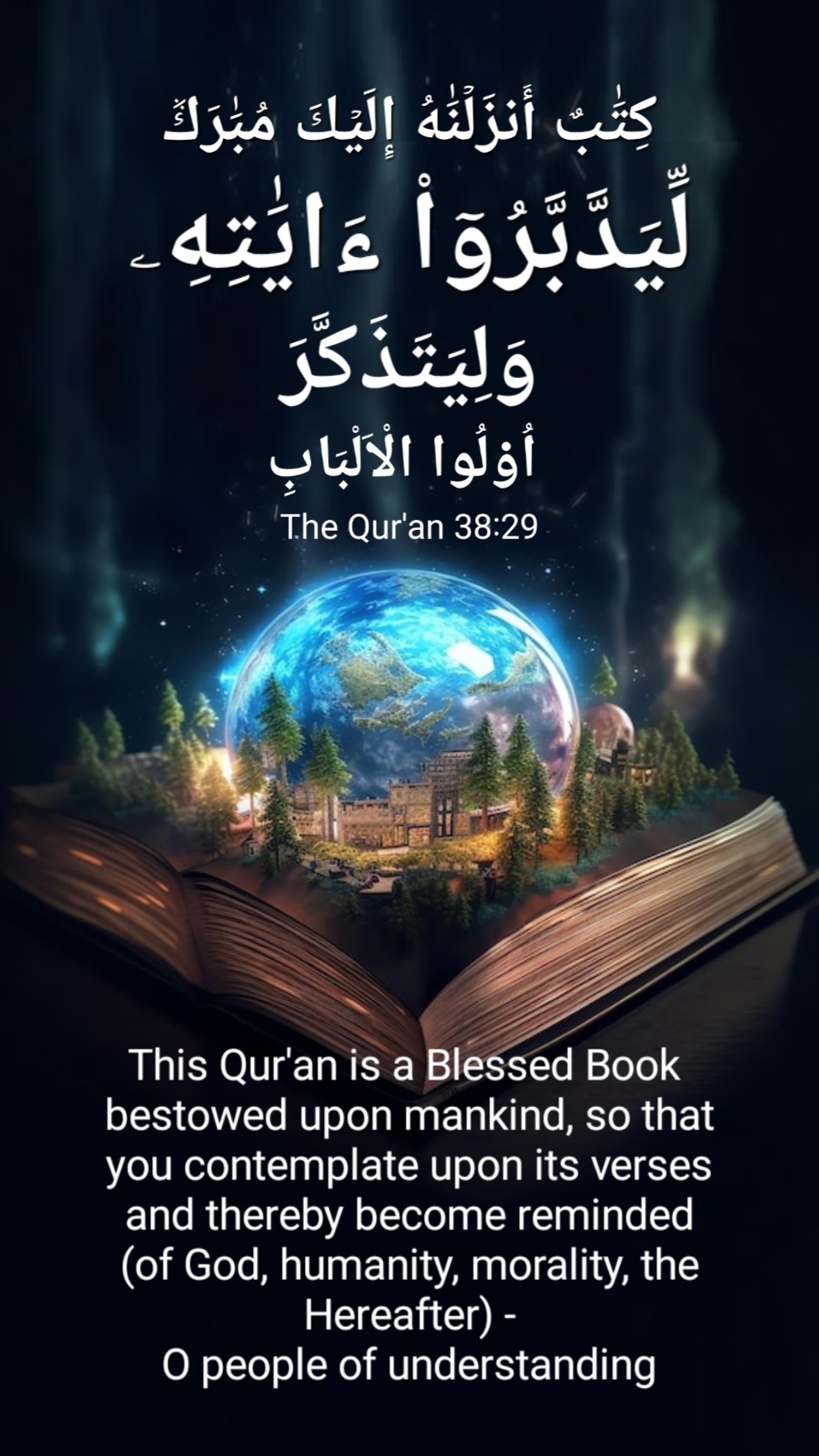
Rafakut Ali is a contemporary Muslim writer and thinker who publishes reflective essays on faith, spirituality, and modern society. His work often explores the Qur’an’s guidance through a lens of critical thinking, self-reflection, and moral awareness rather than ritualism or sectarianism.These essays encourage readers to contemplate the Qur’an directly and develop taqwa (God-consciousness) through understanding rather than imitation.—
Another World Awaits. ..
🌍 Philosophy. Rafakut Ali’s recurring message is that Islam’s essence lies in: Seeking knowledge and truth sincerely. Living ethically through personal accountability and God-awareness. Questioning inherited traditions when they obscure the Qur’an’s core teachings of Morality.
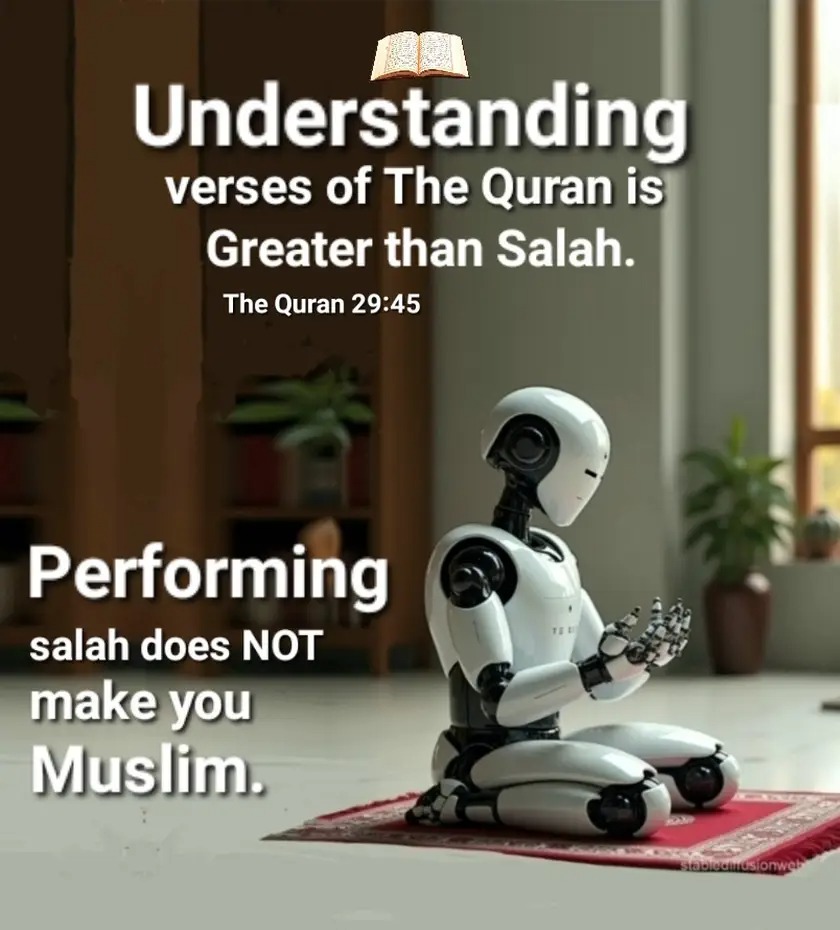
/V
Which of the favours of your lord will you deny?
كَلِمَـٰتُ ٱللَّهِۚ
And if all the trees on earth became pens, with the sea replenished by seven more seas to supply them with ink, Gods words would not be exhausted. Verily God is Almighty, Most Wise. Quran 31:27
Was The QuRan not enough for you..?
/V
Which of the favours of your lord will you deny?
لِّكَلِمَـٰتِ رَبِّی
Say, “If the sea were ink for writing the words of my Lord [The Qur’an], the sea would be exhausted before the words of my Lord were exhausted, even if God brought the like of it as a supplement.” The Quran 18:109
why Was The QuRan not enough for you..?
Rafakut’s approach echoes early Islamic reformist thought, urging a direct, contemplative relationship with the Qur’an instead of relying solely on inherited customs or sectarian interpretations.
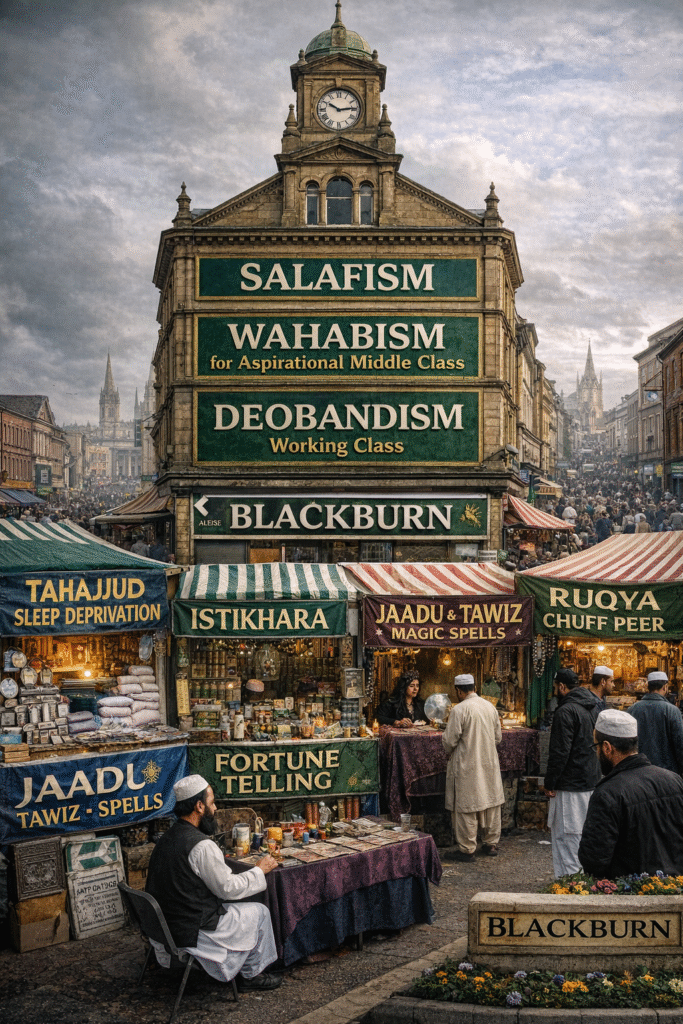
Paradise lies not at your Mothers feet
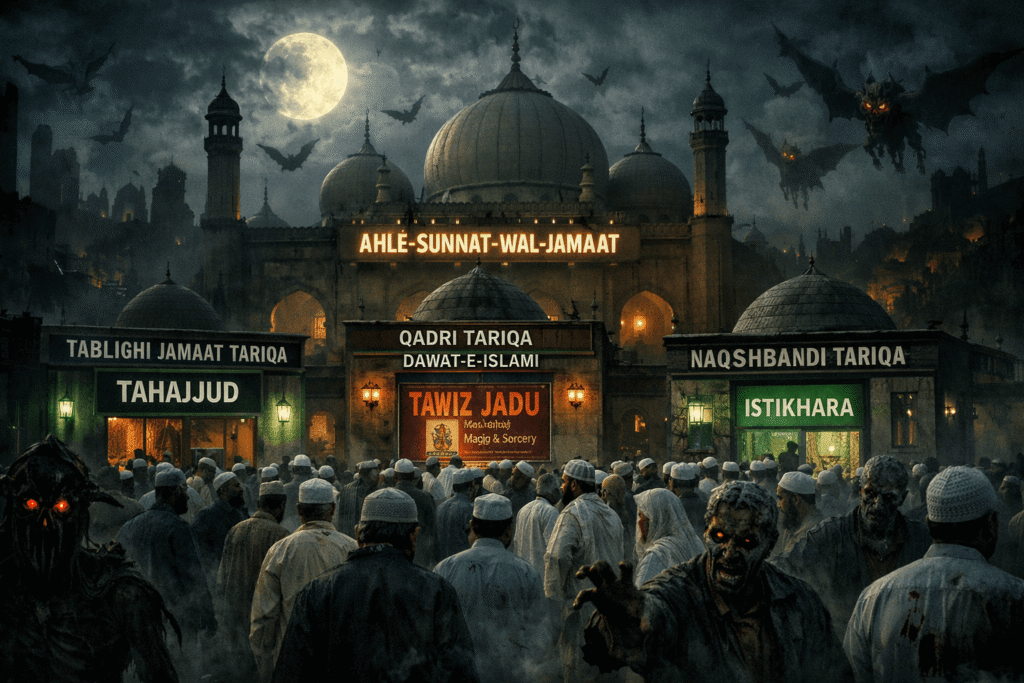
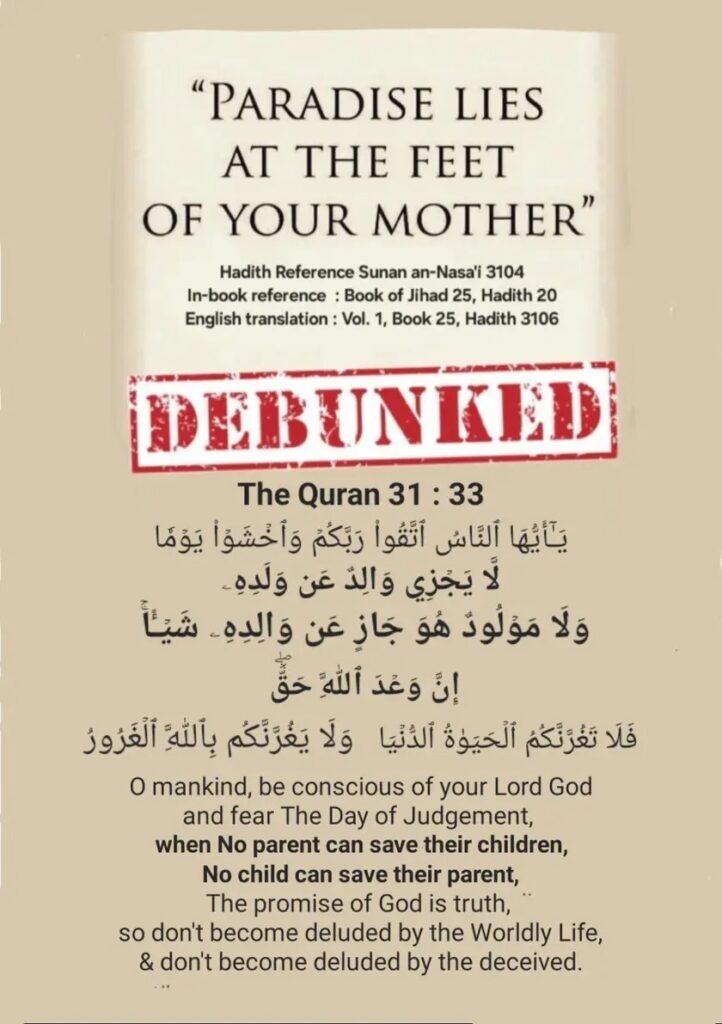
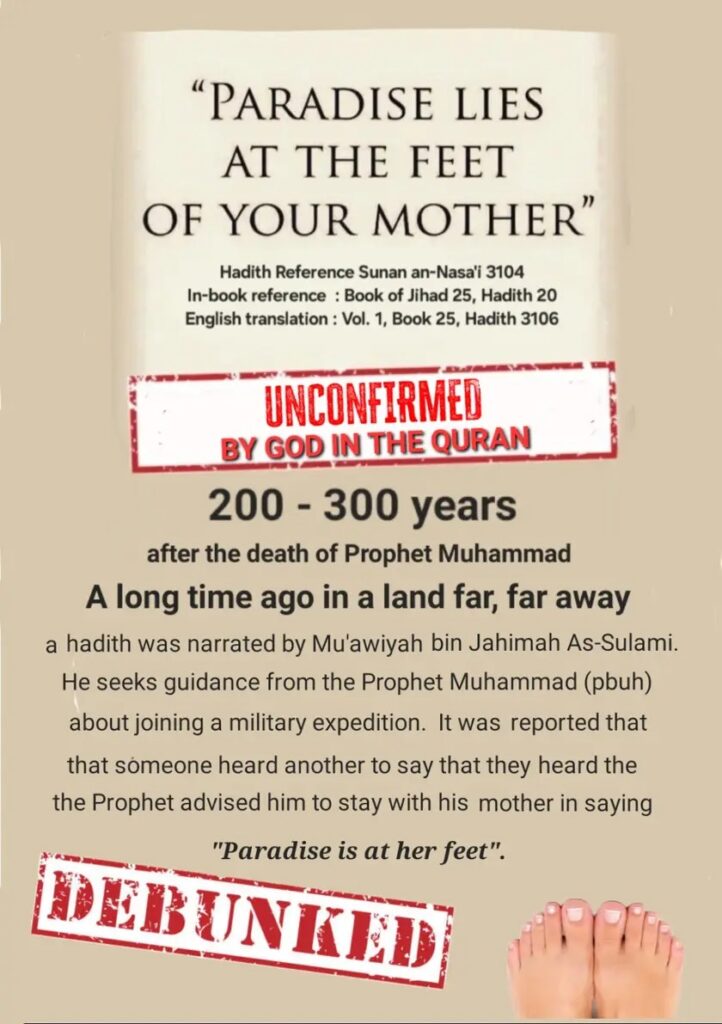
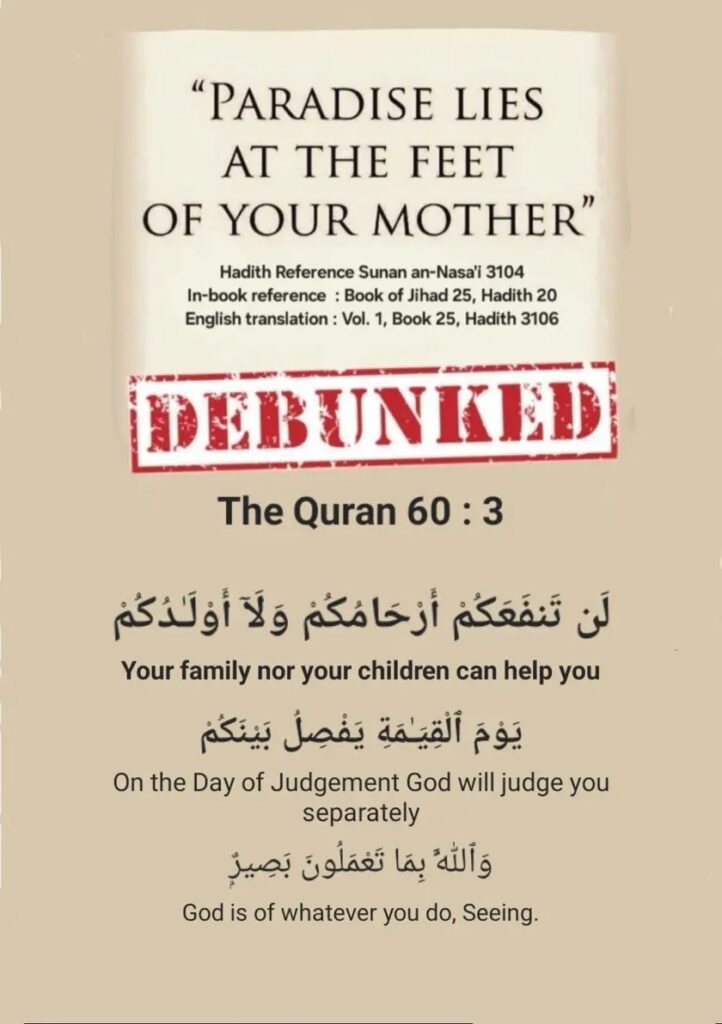
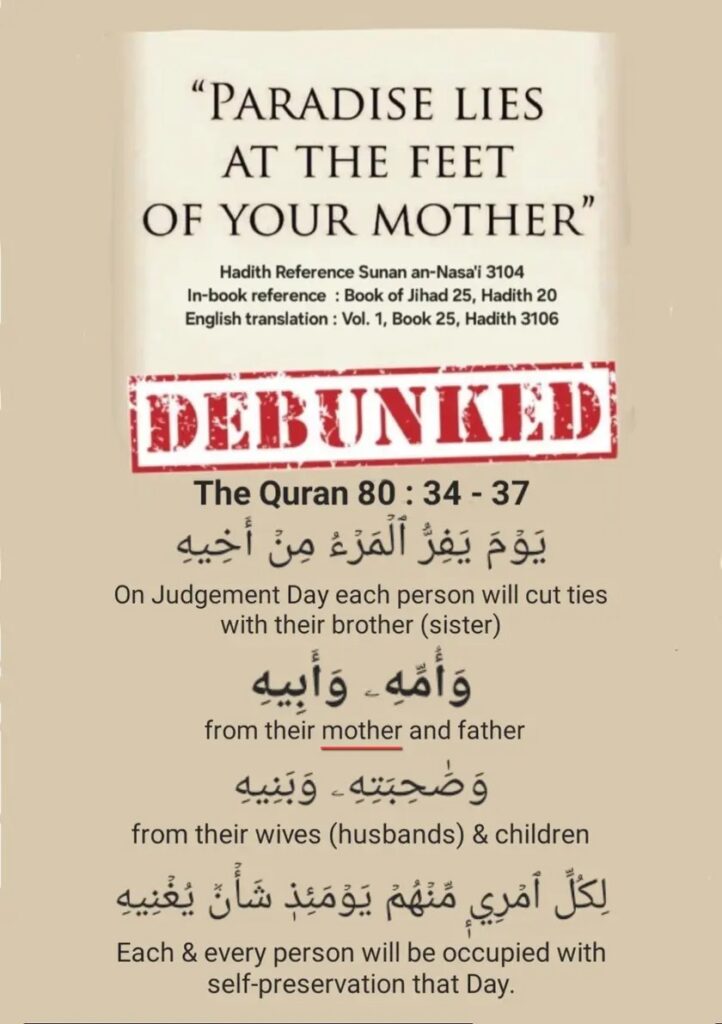
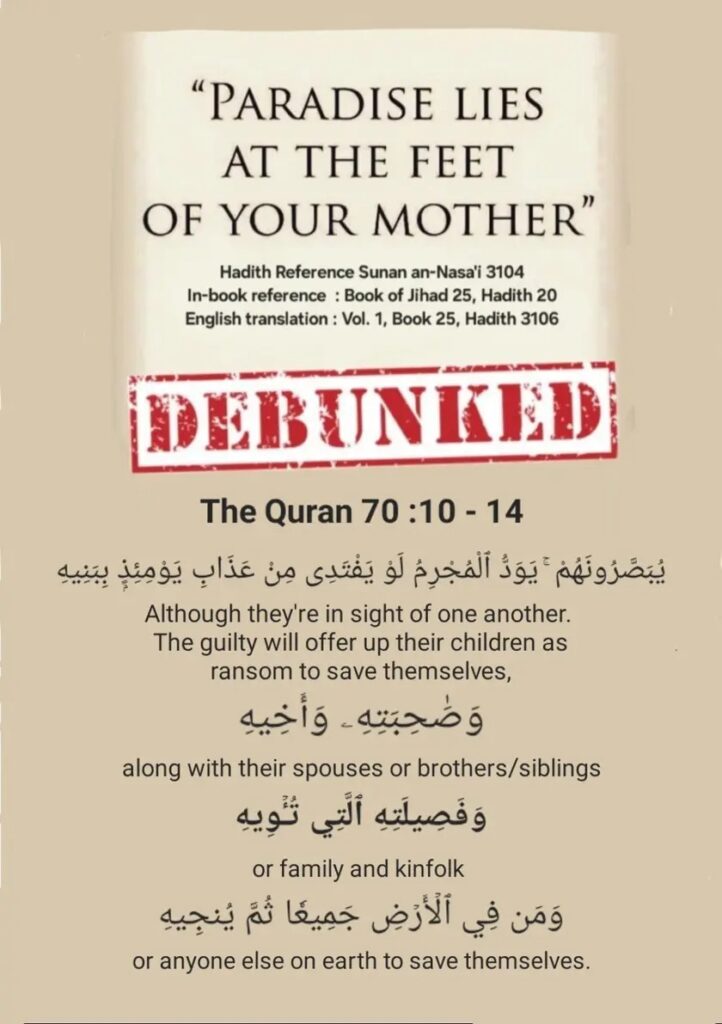
in the name of your mum i place a Curse upon you
‘In the name of your mum I place a curse on you..!’ 🎃 @Mary Al Imran 🇵🇸 ENGLISH TRANSLATION: ‘Fortunate. Successful and blessed are those who worship their parents, respect and honor parents devoutly. Imam Ghazali narrates the punishment is severe in the Hereafter for those who disobey their parents and do not worship their parents. May they be cursed in this life and punished. Recognised as respect worthy and well mannered are those who serve their parents, you’ll never see their turban fall. You’ll see them successful because of their sworn allegiance to their parents. Outcast are those who turn away from their parents or disrespectful. Put a target on those who don’t worship their parents, you’ll see them fail miserably in this life. Cursed and doomed. Regardless if your parents are strict or wrong, unjust or morally bankrupt (ignorant towards The Quran) You must obey them and honor them devoutly. Sworn allegiance. Parents are the light of Divine mercy, parents are the soul of God. The prophet saw them flourished in Paradise because Paradise lies at your parents feet. 🎃#codswallop
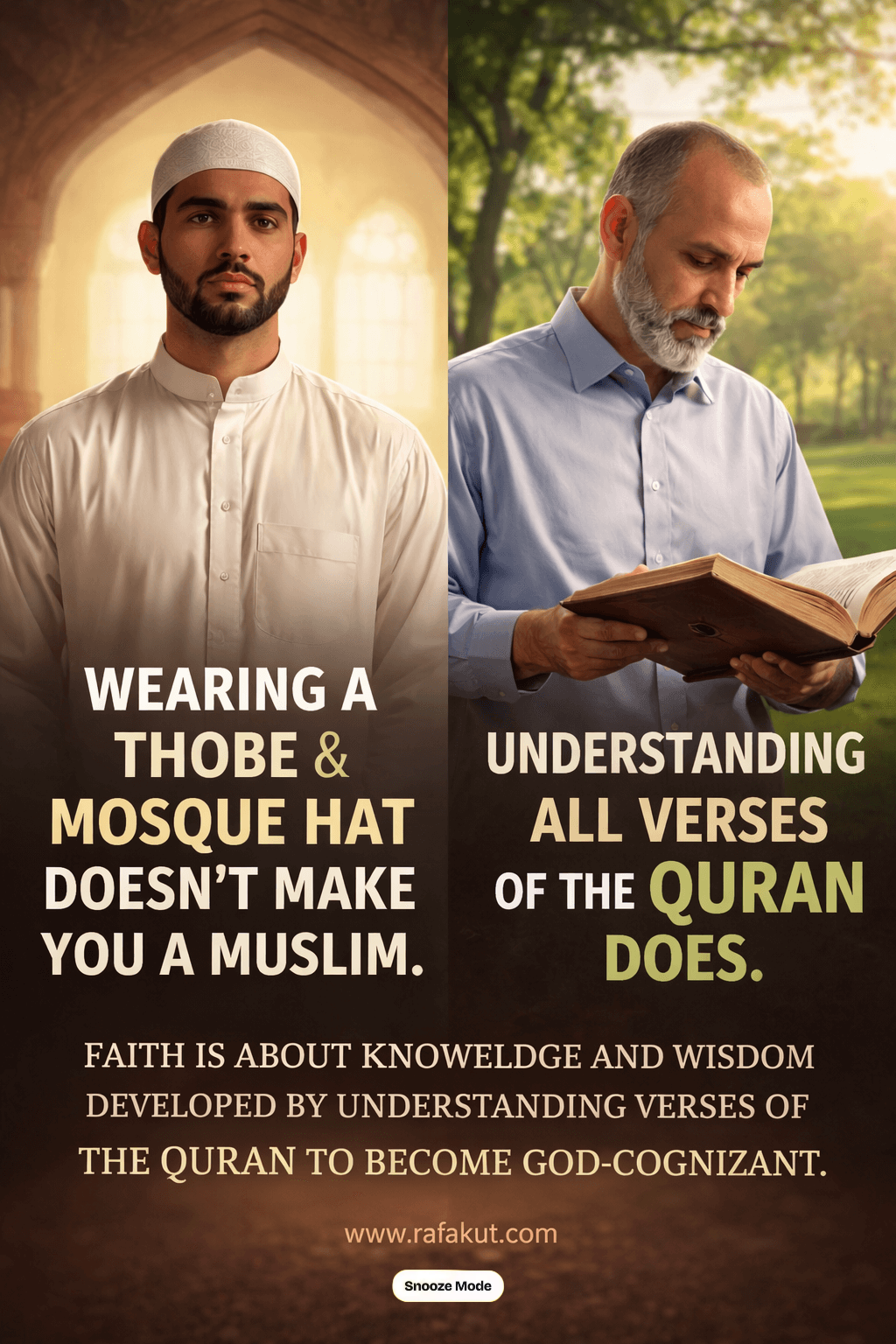
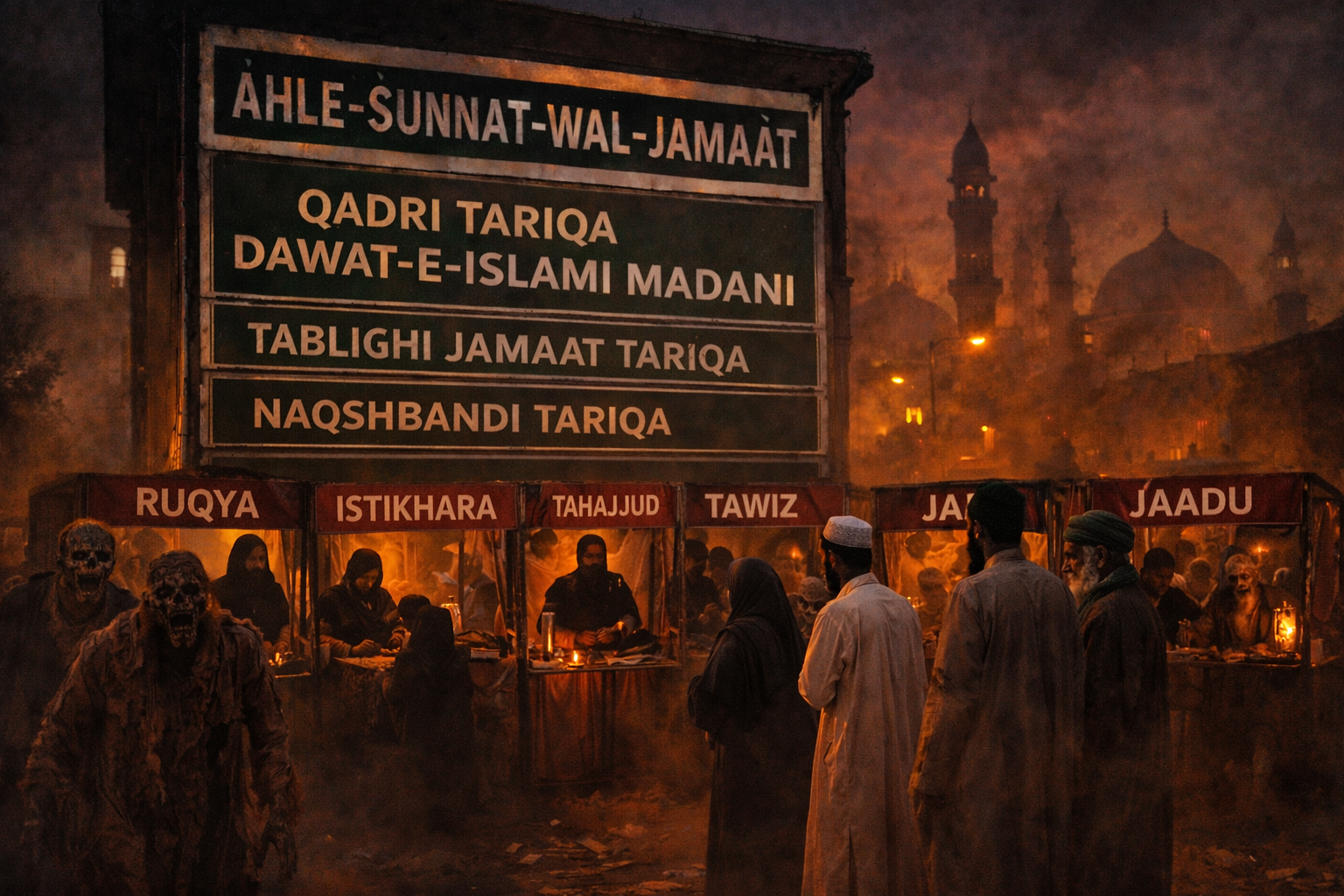
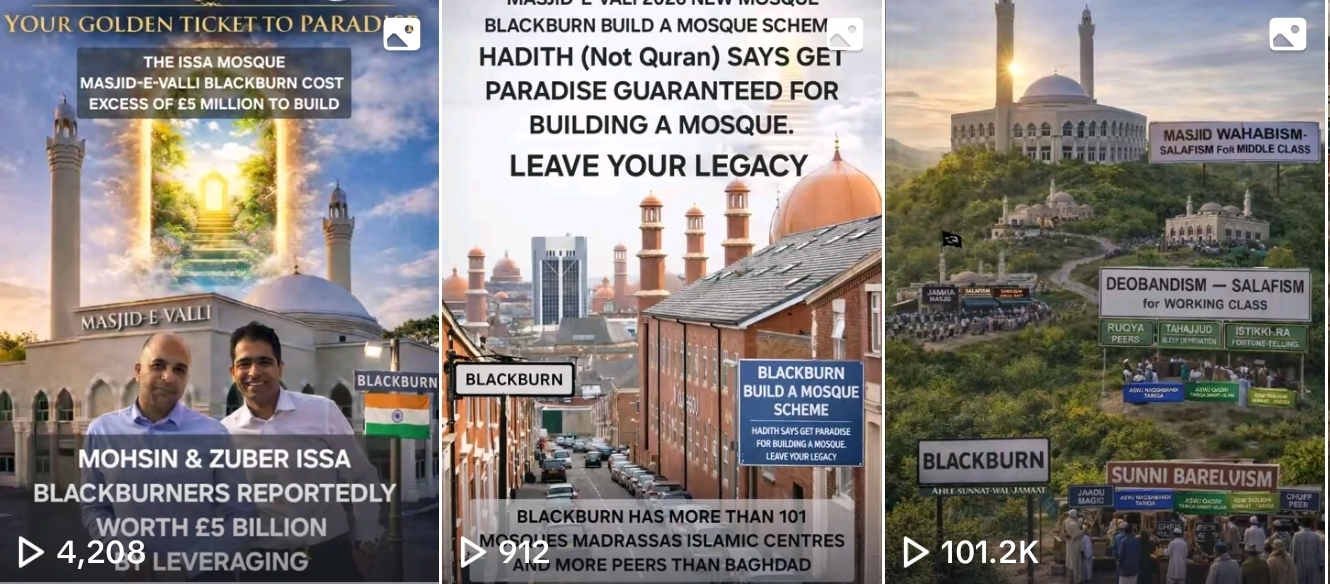
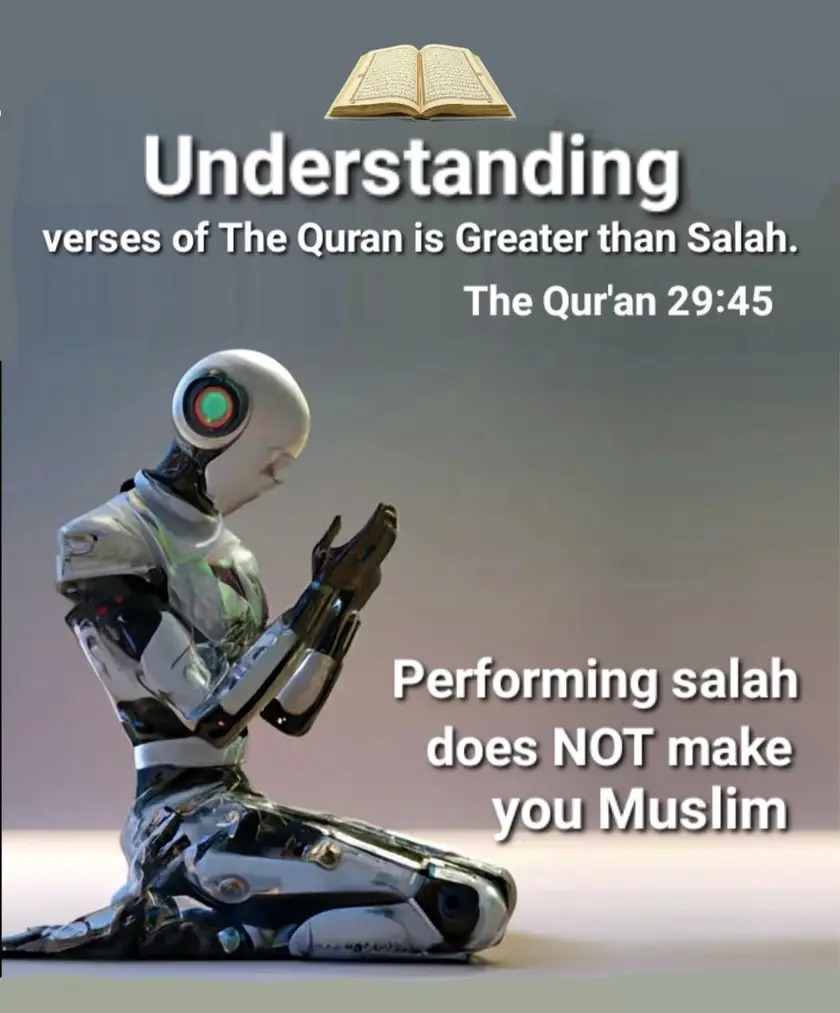
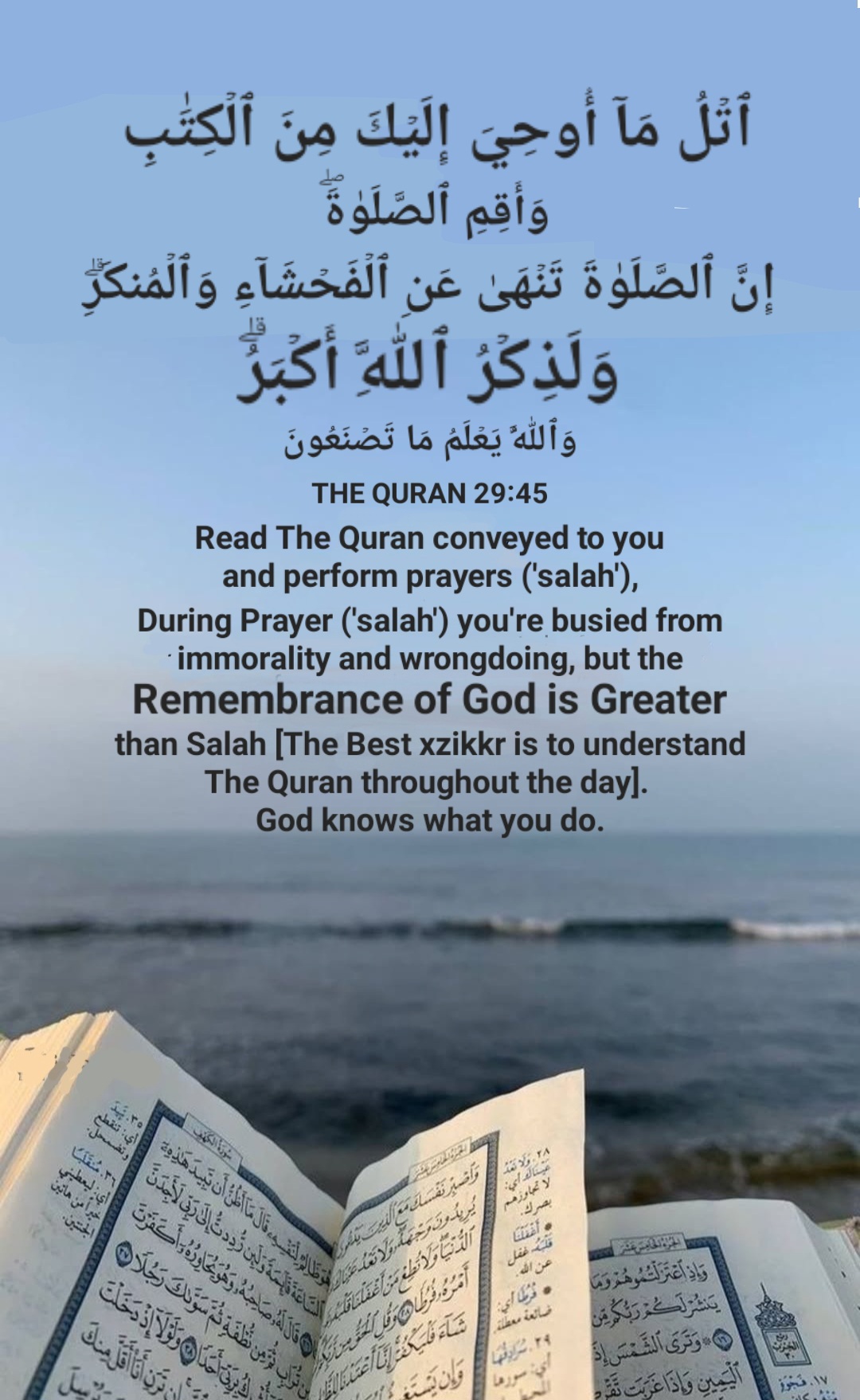
MOTHER OF RAMADAN article 2024
Published 1 MAR 2024
Paradise lIES At your mother’s feet
You’d think God knows better….
Right?
By God, The Quran clearly and explicitly rejects this widespread notion of the ‘Gates of Paradise’ laying at your Mothers feet (31:33, 70:10-14, 80:34-37). Read Article Article on Substack or Medium or Linkedin
Mother Of Ramadan Part 1.
Happy Easter, Happy Mothers Day, Happy Ramadan. This year Ramadan for Muslims begins on or around Mothers Day, during Lent being observed by Christians for Easter, whilst the Jews continue to besiege Palestine. Part 2

MothER OF RAMADAN PART 2.
Paradise LIES at your mother’s feet
You’d think God knows better….Right?
By God, The Quran clearly and explicitly rejects this widespread notion of the ‘Gates of Paradise’ laying at your Mothers feet (31:33, 70:10-14, 80:34-37)
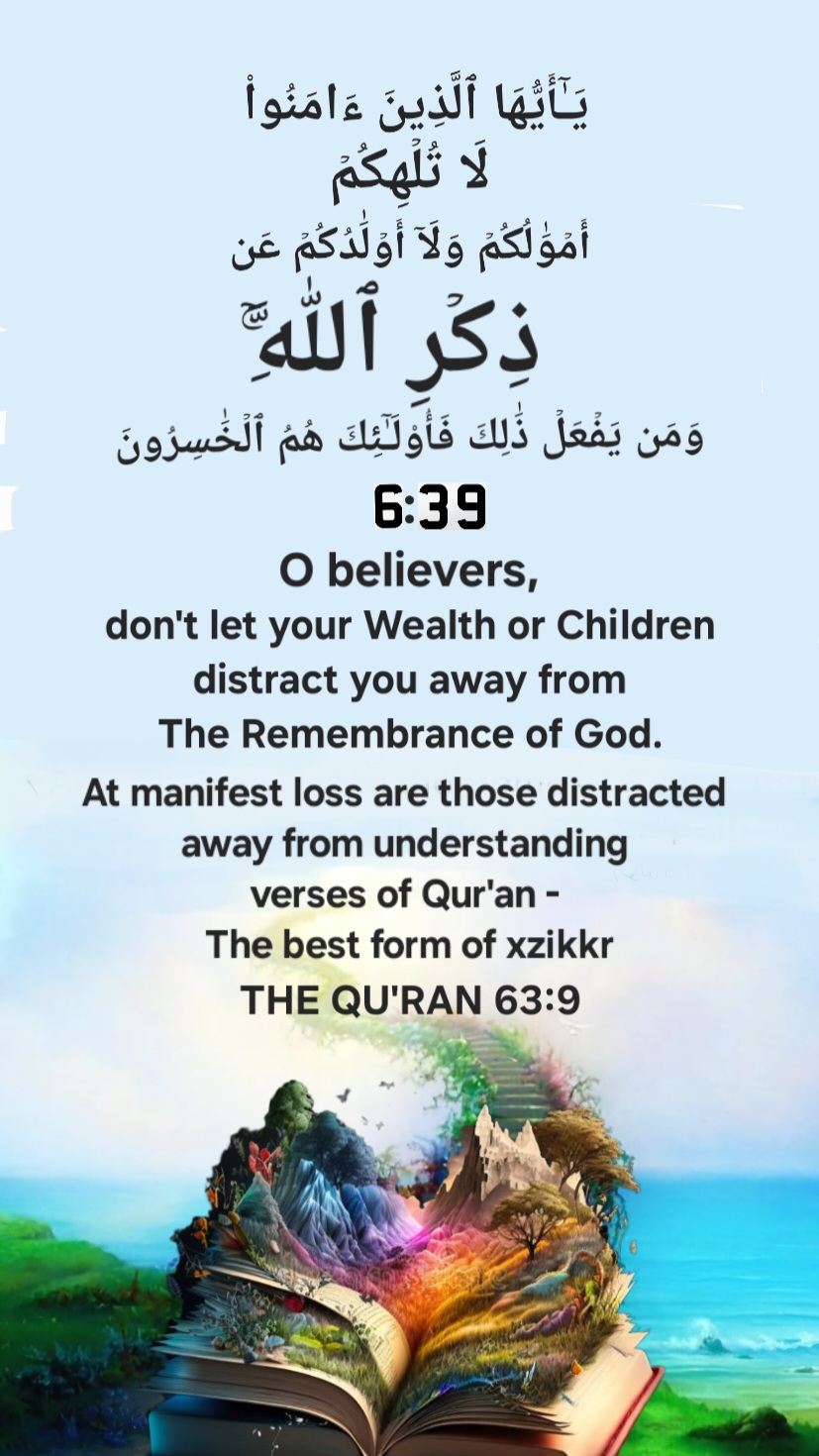
/VI
A star is born
GOD KNOWS.
ARTICLE
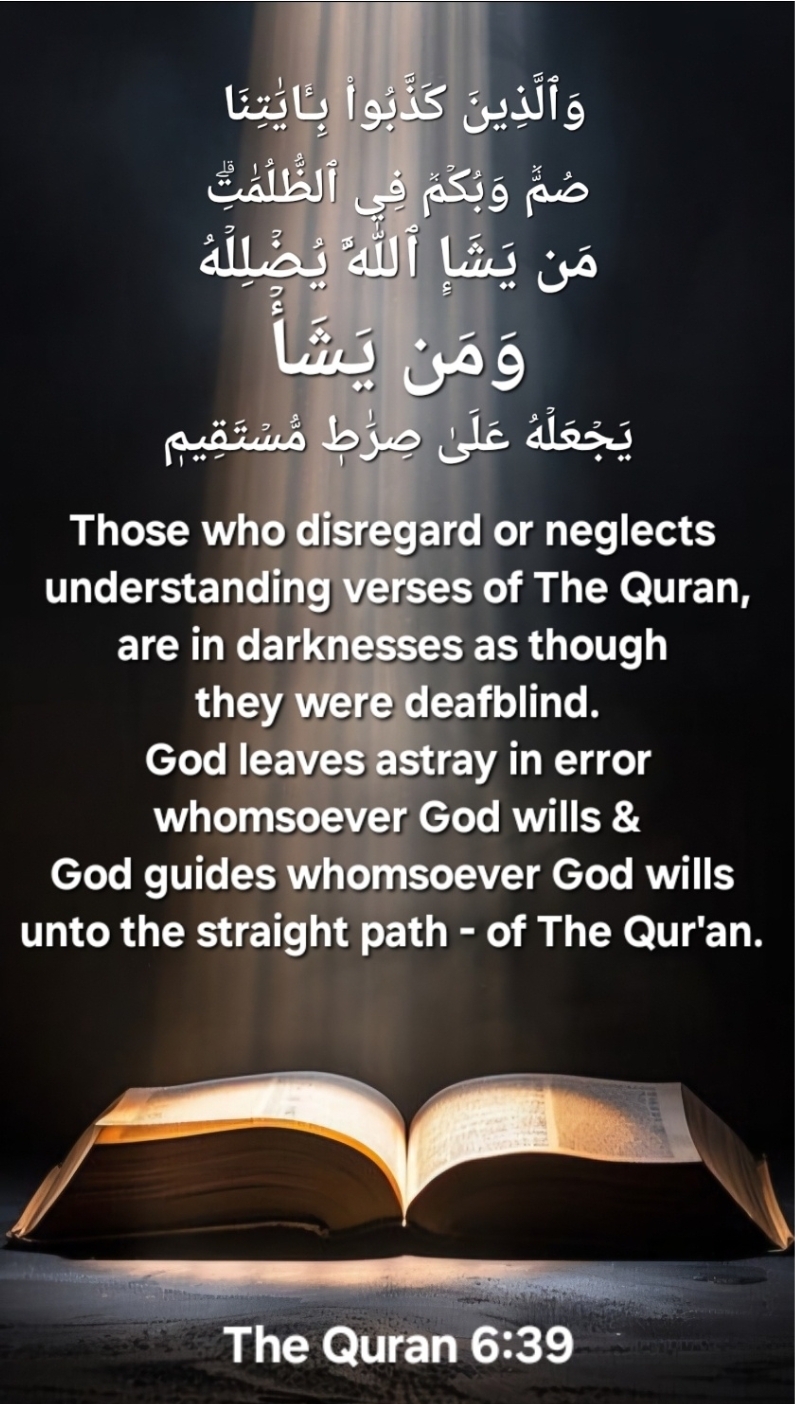

/VI
WHERE DO YOU REALLY COME FROM?
GOD KNOWS.
ARTICLE






Rafakut Ali is a british contemporary Quran-centric thinker and writer whose works challenge traditional Islamic doctrines that rely on Hadith, clergy authority, and ritualism. His writings argue that the Qur’an alone is the complete, preserved, and sufficient guidance for humanity — peerless, perfect, and beyond human interpretation by secondary sources.
Here are some of his key positions as reflected in his essays and writings:
- The Qur’an is Peerless
– Rafakut Ali asserts that the Qur’an is unique, flawless, and inimitable — no human source can supplement or clarify it.
– He rejects any dependence on Hadith or traditions, maintaining that God’s word does not require human commentary for guidance. - Qur’an vs. Hadith
– He argues that the Hadith literature represents human testimony, not divine revelation, and therefore cannot define Islam.
– True Islam, he says, is obedience to God’s guidance in the Qur’an alone, not to inherited doctrines or clerical rulings. - Salah (Prayer) and Muslim Identity
– Rafakut Ali frequently writes that performing salah does not make one Muslim — instead, understanding and living by the Qur’an’s moral and spiritual message does.
– Ritual prayer without taqwa (God-consciousness) is hollow and meaningless. - Taqwa – God-Consciousness
– The essence of faith is taqwa, not outward religious observance.
– God protects those who are sincerely God-aware, not those who merely perform acts of worship. - Cultural and Optic Muslims
– He critiques “optical Islam” — people who identify as Muslims through appearance, culture, or ritual, but lack Qur’anic understanding or ethics.
– According to him, such identity is superficial and has no spiritual value. - Fitnah Simplified. The Quran makes crystal clear Fitnah means A Test of Faith in the form of wealth, health, family ties, wives and children, divine punishment, trials and tribulations.
- Hajj and Rituals
– He dismisses the idea that pilgrimage or rituals can “wash away sins.”
– Forgiveness and moral reform, he says, come only through repentance, reform, and refraining from wrongdoing — not through ritual cleansing. - Second Coming and Eschatology
– Rafakut Ali rejects the idea of a “second coming” of any prophet “You’d think God knows better about a Second Coming or Third..? Right? Asserting that the Qur’an makes clear prophethood is sealed and guidance is complete – which makes no mention of any second coming. - Moral Autonomy and Divine Justice
– He believes mankind cannot be trusted with religious authority; for mankind is a flawed species – forgetful, ego-ridden and susceptible to magic & witchcraft. Only God’s word provides objective truth and justice.
Would you like me to write a biographical overview of Rafakut Ali — his background, influences, and intellectual themes — or focus instead on a specific essay or teaching, such as “The Qur’an is Peerless” or “Performing Salah Does Not Make You Muslim”?
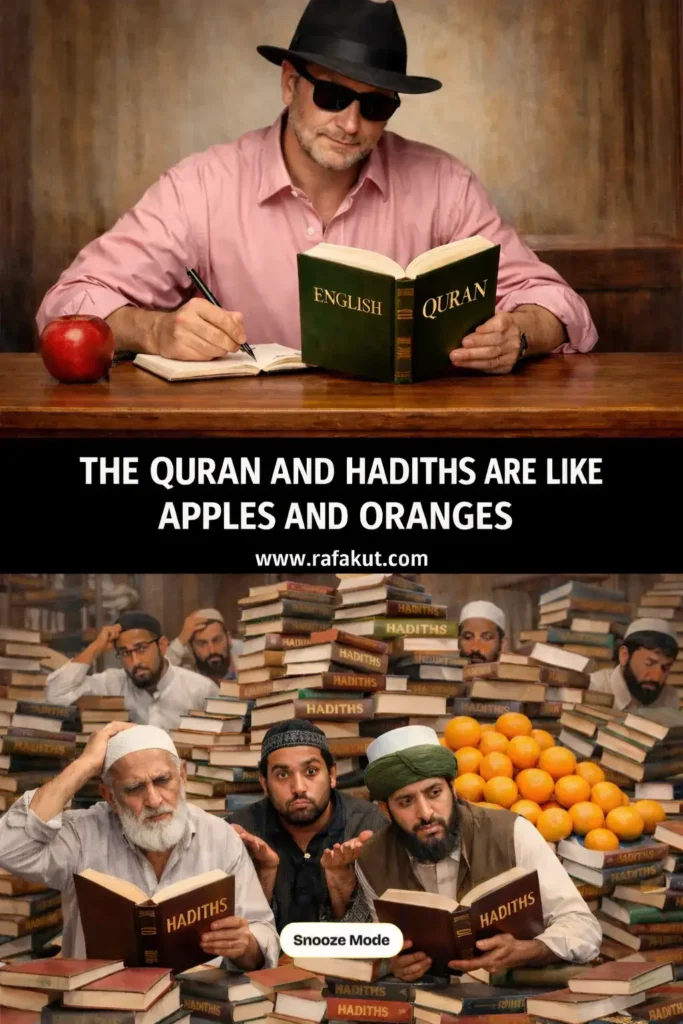
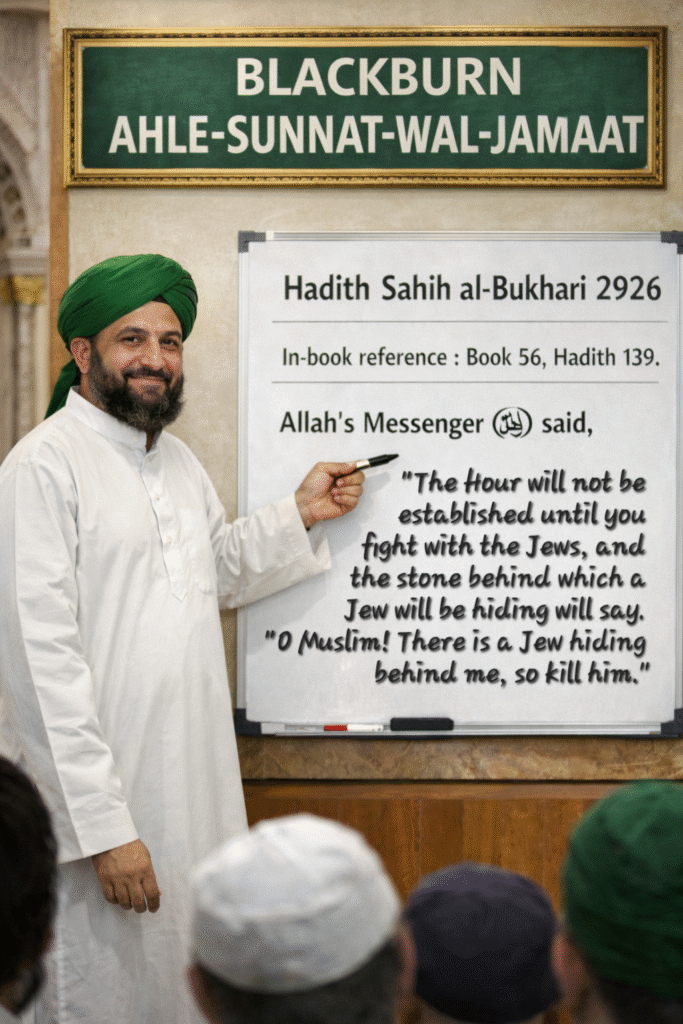

A Star is born.
“Peace be upon me the day I was born, and the day I will die, and the day I am raised alive.” Jesus. The Quran 19:29-37 & 4:157-159
PUBLISHED December 26, 2023
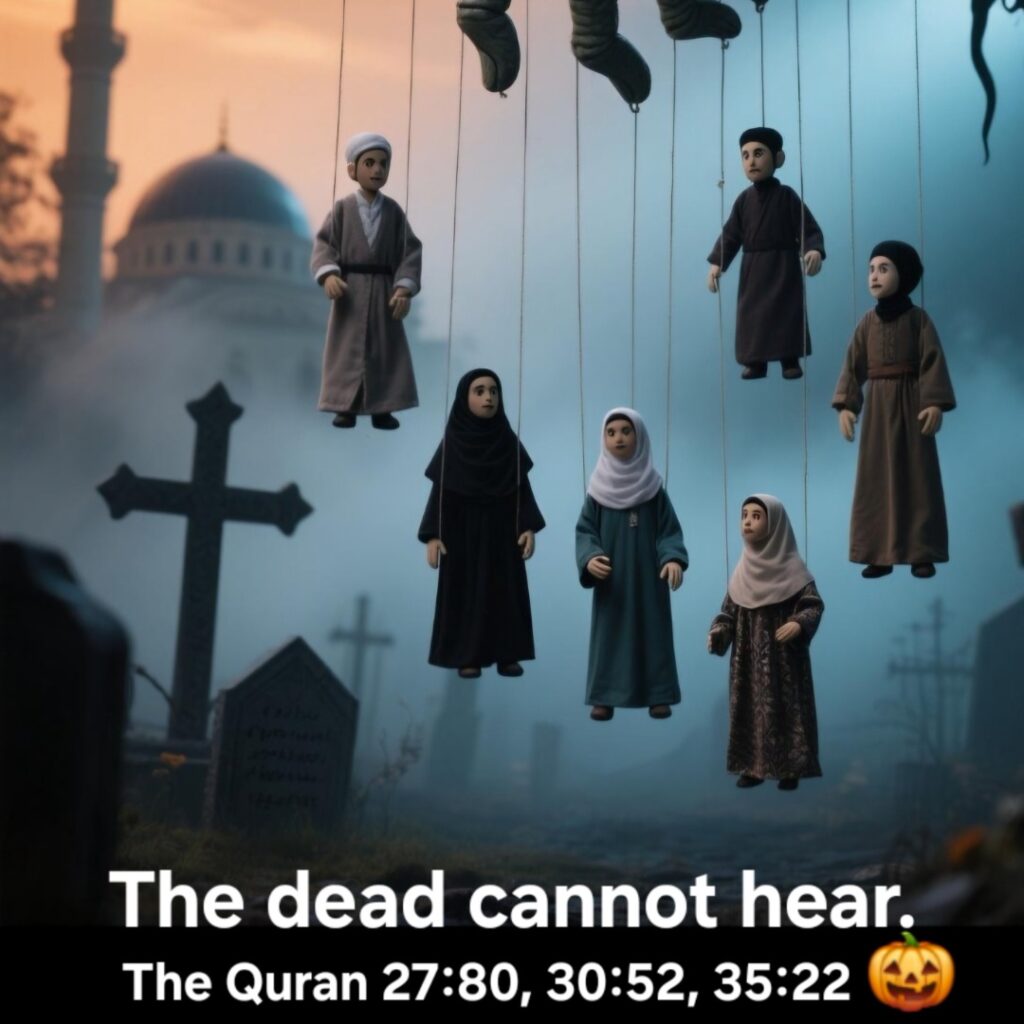
/IV
Ramadan and The Quran are like strawberries & cream
| Ramadan mubarak. Warning: Not Vegan but friendly enough. By Rafakut Ali APR 2022. Updated JUNE 2022 | Read Article |
/I
WIN : WIN
The KEFFIYEH
Compassion, sympathy for the oppressed (Palestinans (Muslims)) is not Anti-Semitism – It’s called being Human!!
Article by Rafakut Ali NOV 2021
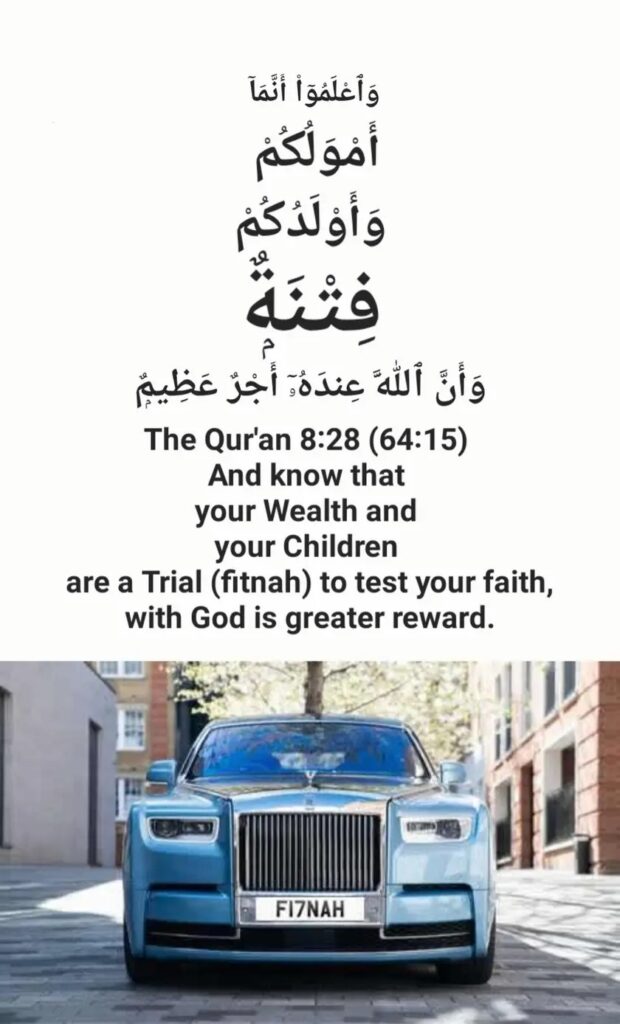
Why Rafakuts Writing Has Resonance
In a time where many feel disconnected from institutional religion or ritual, his emphasis on direct access to scripture (the Qur’an which teaches morality) and personal God-consciousness (taqwa) can appeal to those seeking a more individualised spiritual path.
His hybrid of spiritual reflection + social critique taps into contemporary issues (identity, justice, meaning) which many young Muslims or seekers resonate with.
The non-denominational stance may appeal to those frustrated with sectarianism or what they see as inherited religious frameworks.
/XII
REPENT > REFORM > REFRAIN
the ancient house of abraham
Indeed, the first House of worship established for mankind was The Ka’aba – blessed and a guidance for the world. Quran 3:96
Read Article by Rafakut Ali 2021 >
Eid-al-Hajj. Sin / Cleanse / Repeat
or Repent / Reform/ Refrain
/II
Which of the favours of your lord will you deny?
Check back soon
So then which of the favors of your Lord would you deny? Surah Rahman 55 x 31
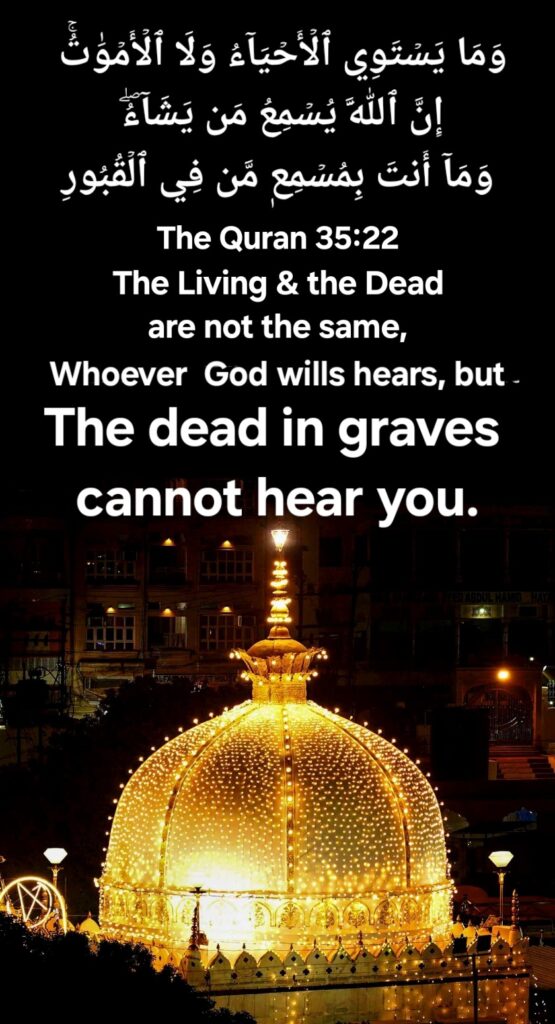
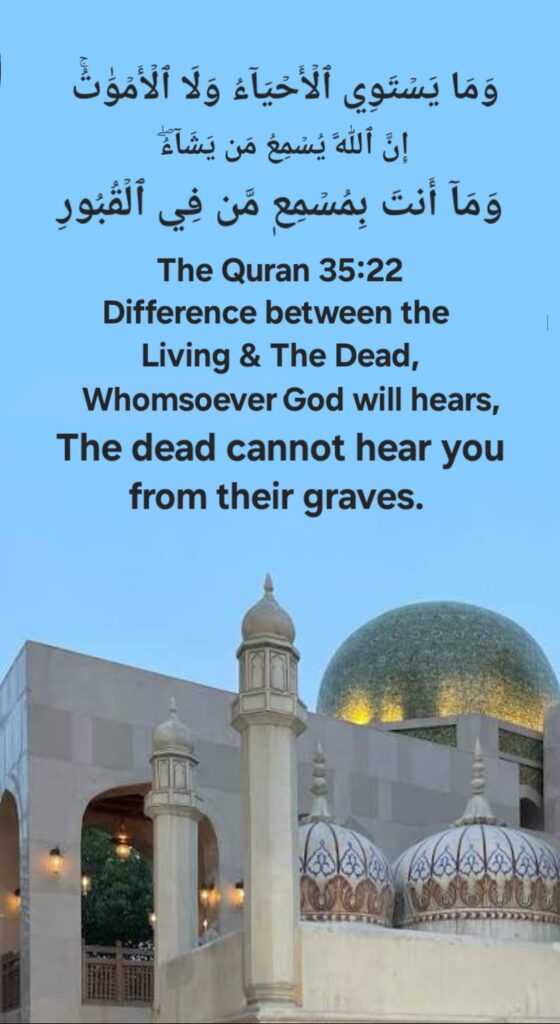
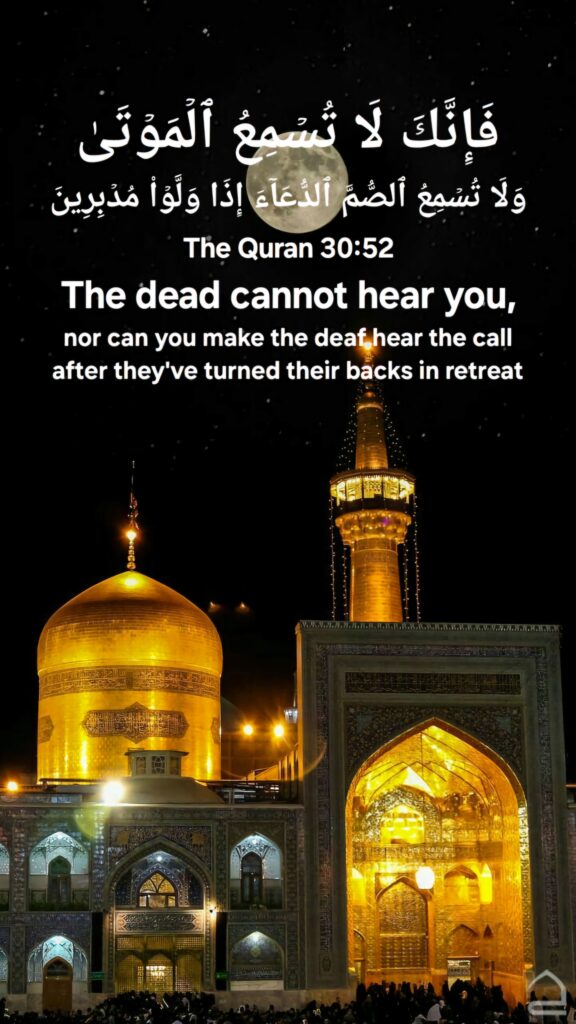
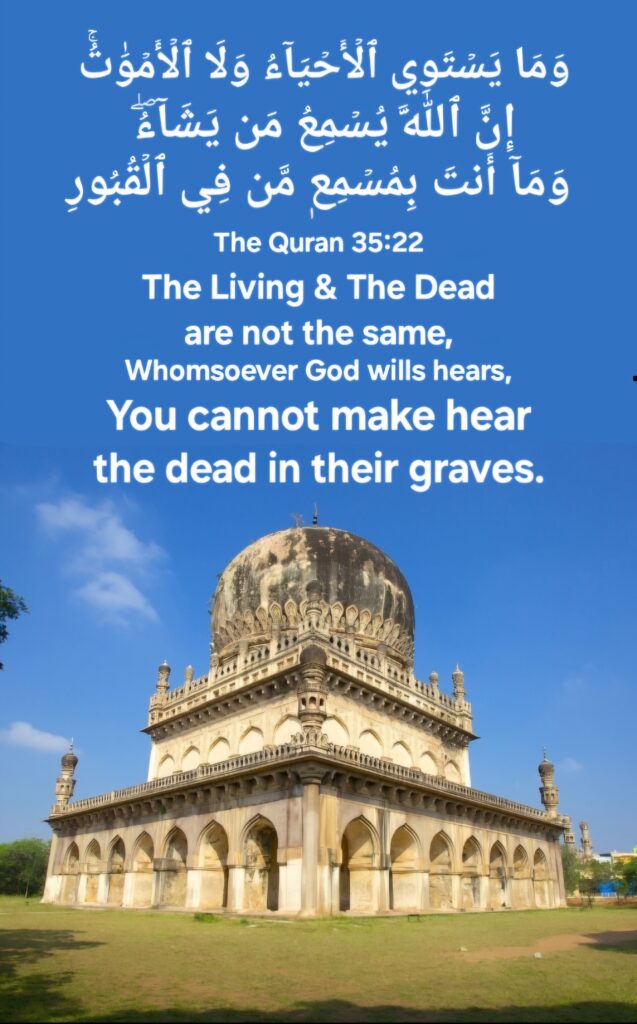
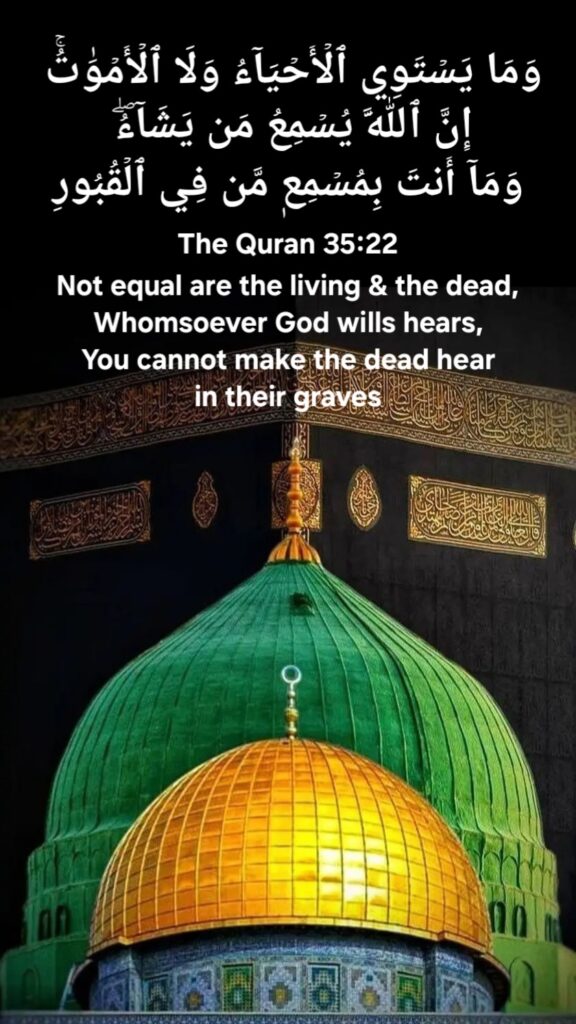
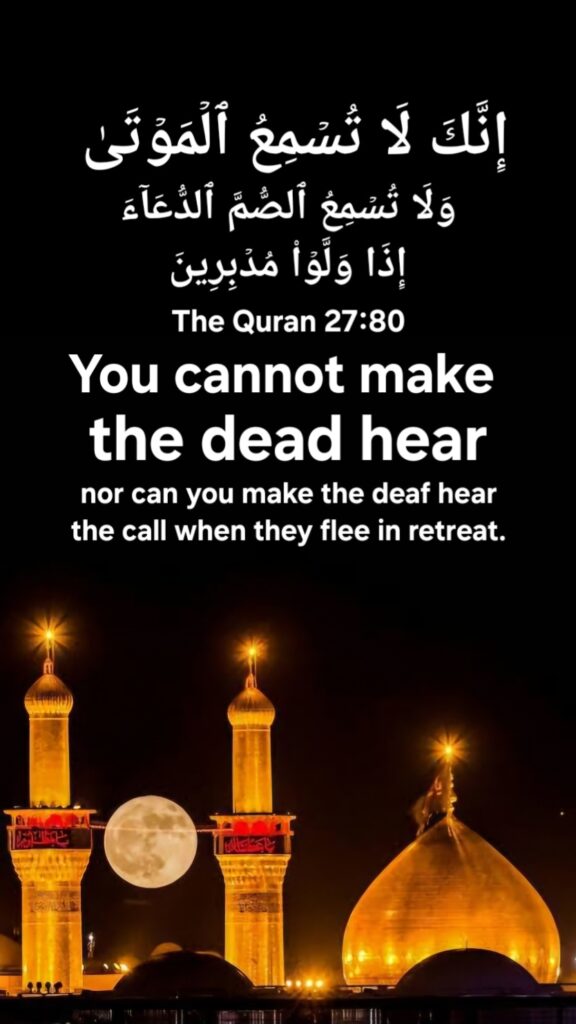
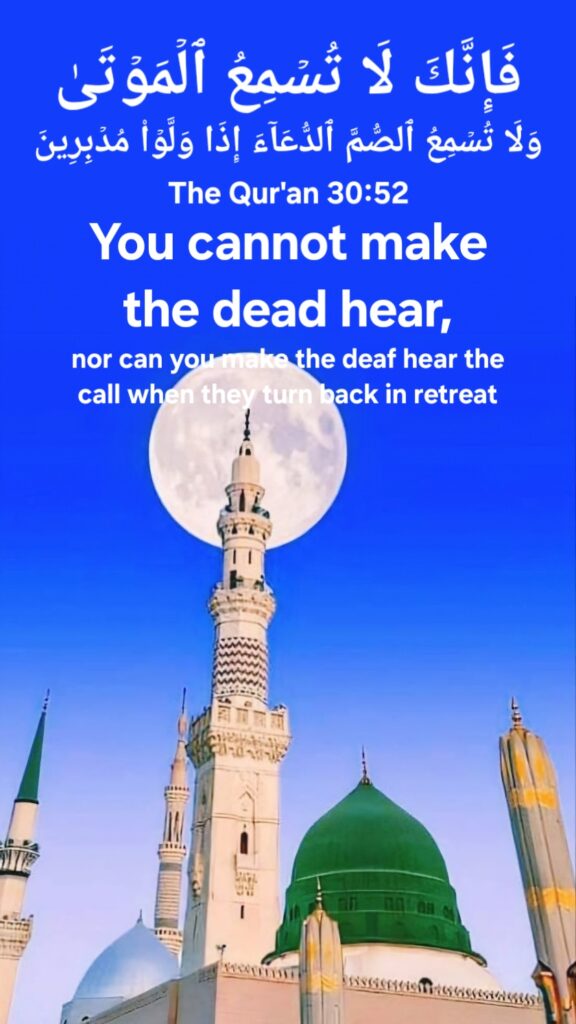
/VII
POPPIES (NOT) FOR MUSLIMS
> READ MORE”>PAKIS HAD NOTHING TO DO WITH COVID-19 > READ MORE
Poppies (not) for muslims > Read Article by Rafakut Ali NOV 2021
Muslim lives matter – stop Islamophobia
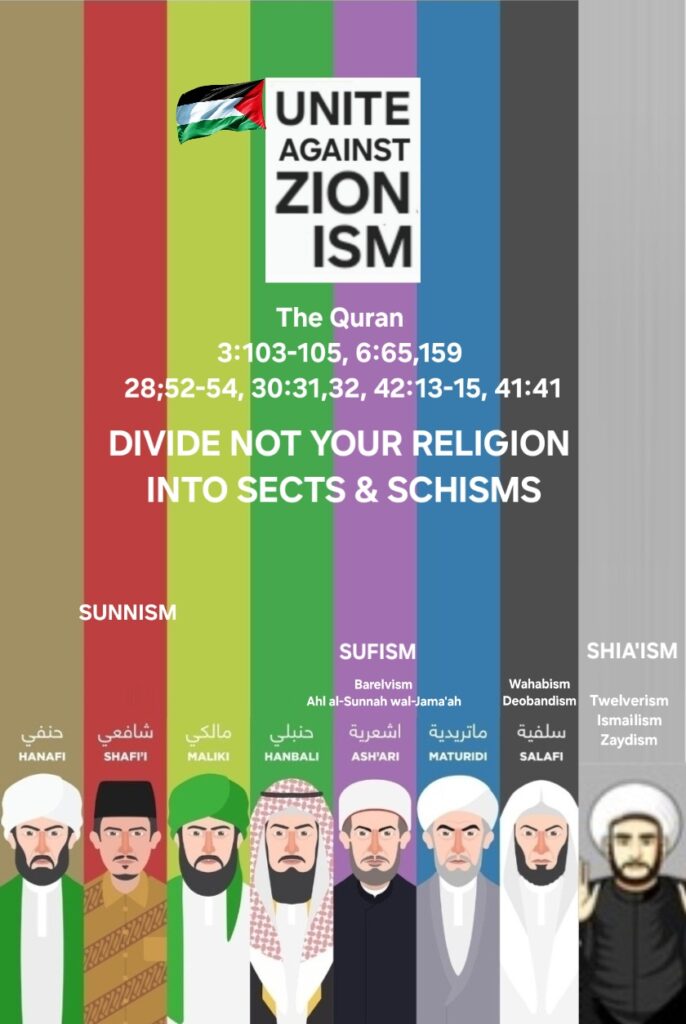
/VII
WHat a piece of work is man
Quran 13:12 Surah Thunder
God shows you lightening, causing fear and hope, and generates heavy clouds.
Muslim lives matter – stop Islamophobia

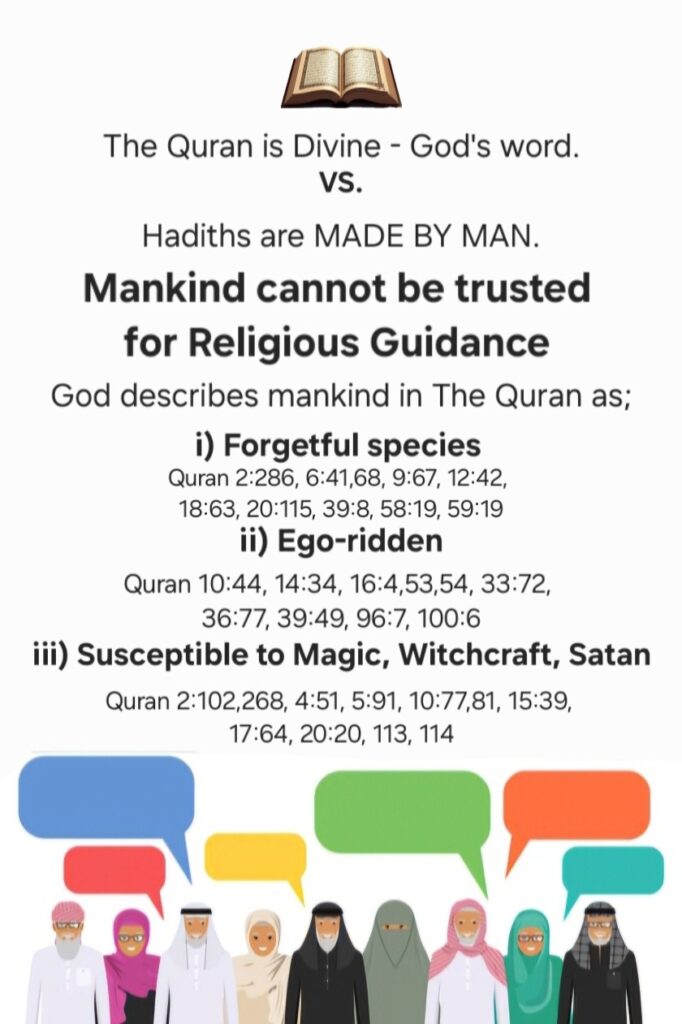
/III
Are you Awesome?
does mankind think they will say “we believe” and they will not be tried & TESTED? Quran 29:2

تقوى
تقوى / taqwá Mindfulness. Being conscious of God, God-cognizant. i.e. The Quran 2:2 is Guidance for the Mu’taq’een

gODSPEED CARS
Lorem ipsum dolor sit amet, consectetur.
pEERLESS Executive
Lorem ipsum dolor sit amet, consectetur.
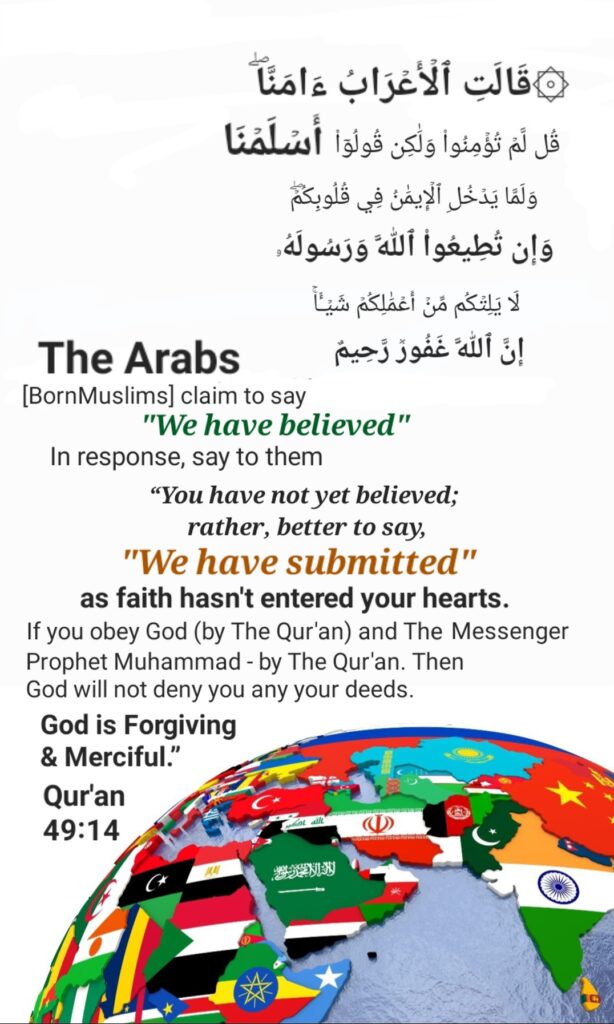
/VIII
Which of gods mercy will you take ownership of?
Was not the Quran enough?
Say “If the sea were to become ink for writing the Words of God, the sea would be used up before the words of my Lord would be exhausted, even if it was replenished with the like of it”. Quran 18: 109
the Two seas meeting one another. between them a barrier so neither of them transgress. Quran 55:19,20

صَبْرٌ
SABRR
Patience. Perseverance. Persistence. Endure.
For your Lord be patient

شُكْر
SHUKR
Thankful. Grateful. Contentment. Appreciative.
Whih of the favors of your Lord will you deny? Quran 55: x31

ذِكْر
Xzikkr
Remind. Remembrance
Study The Quran and establish salat. Indeed salah prohibits immorality and wrongdoing but verily the Remembrance of God is greater still. Quran 29:45

فتنة
F17NAH
Trials and tribulations. A test of faith.
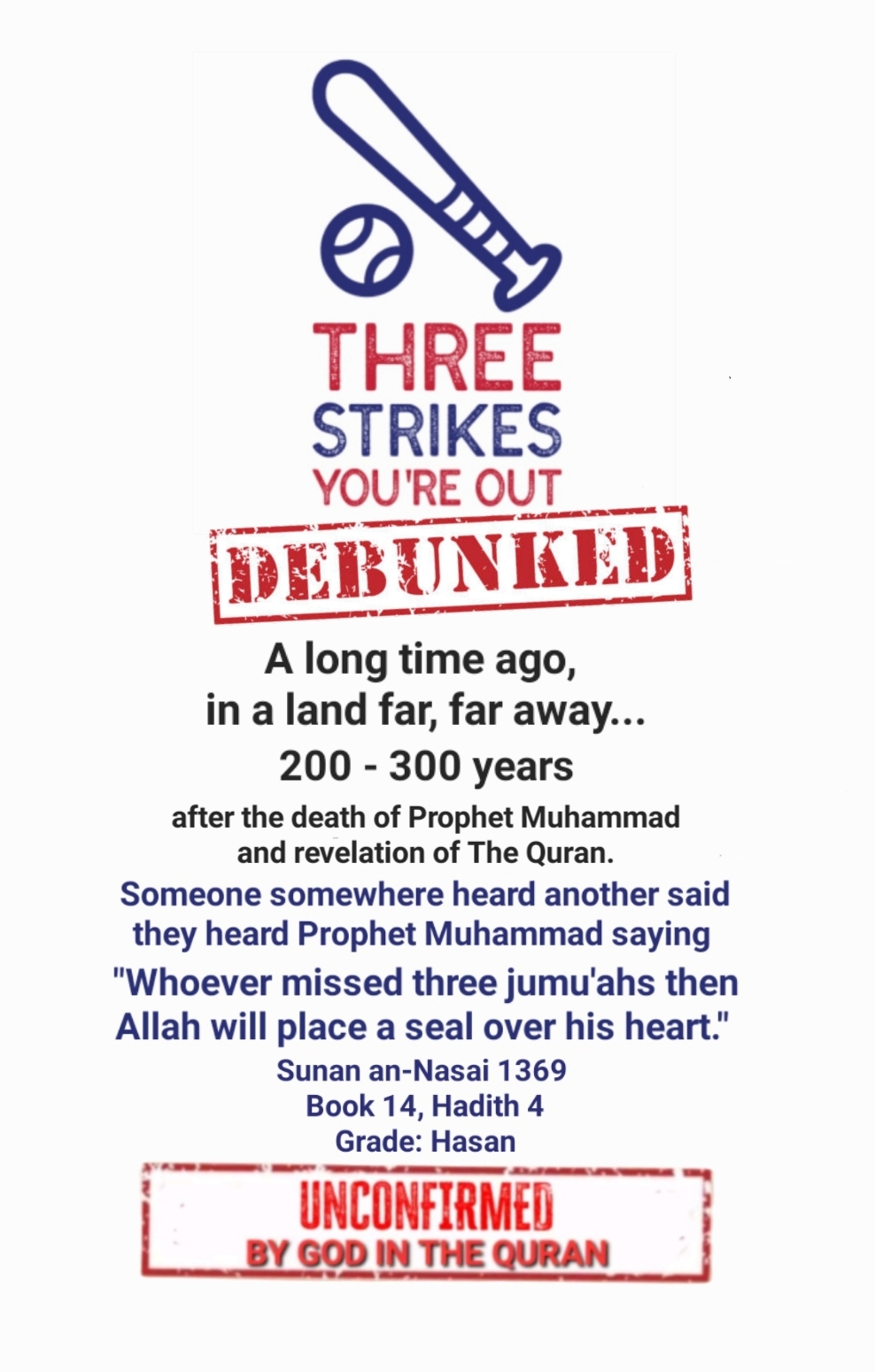
/IX
Woe to those who pray salah..
BUT ARE HEEDLESS IN their prayer. Quran 107:4,5.
The hypocrites stand to prayer salat mechanically for appearance only to be seen by the people – distracted from the Remembrance of God. Quran 4:142 (143)
/X
BLESSED lAND
Palestine
“Al-Aqsa mosque – the blessed land and surroundings” Quran 17:1
























/XI
Which of the favours of your lord will you deny?
Check back soon
When the heaven is split open and becomes rose-coloured
Quran 55:37