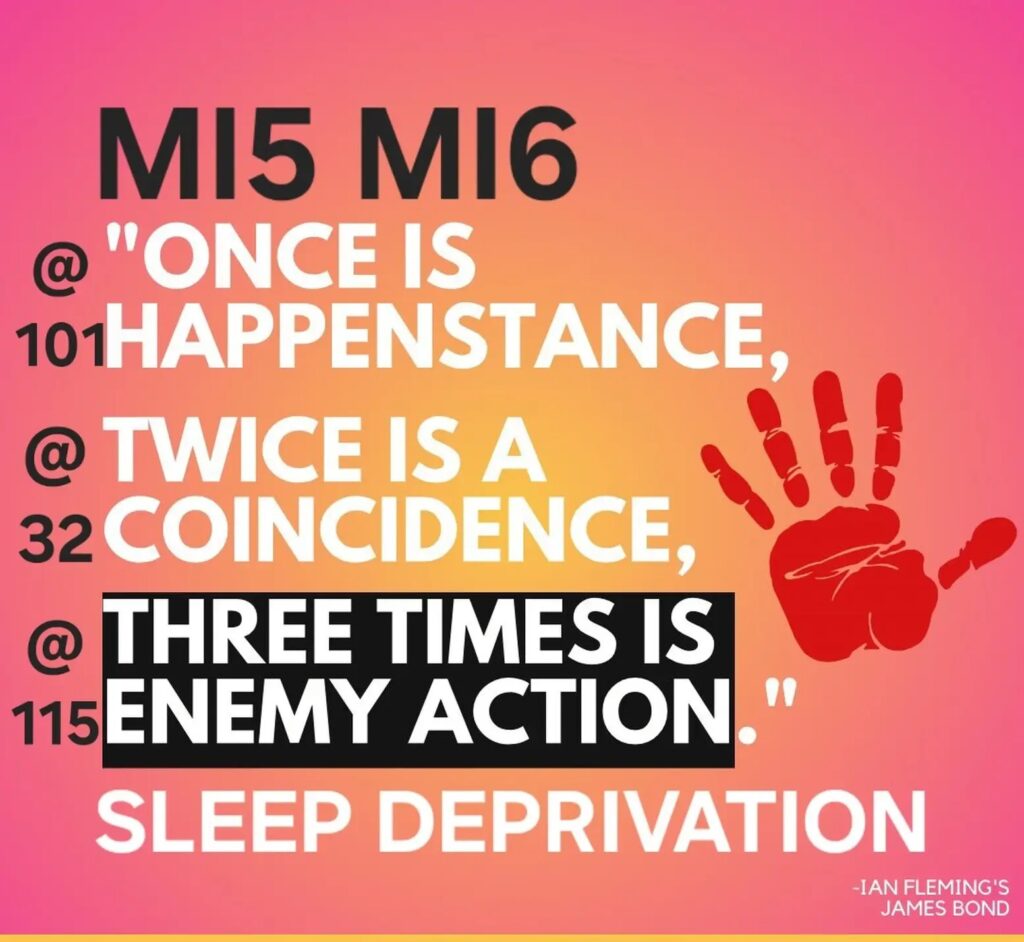
WORLDly LIFE – THE HEREAFTER
About
/ 01
Who
a very particular set of skills
What a piece of work is a man
God formed you and extracted you from the wombs of your mothers not knowing a thing, and endowed you with faculties of hearing and vision and intellect, perhaps you would be grateful. Quran 16:78
God has sent down the best statement: The Quran – a consistent Book wherein is reiteration. The skins shiver therefrom of those who fear their Lord – God; then their skins and their hearts relax at the remembrance of God. That is the guidance of God by which God guides whomsoever God wills. And those who have gone astray from The Quran – for them there is no guide.
Quran 39:23
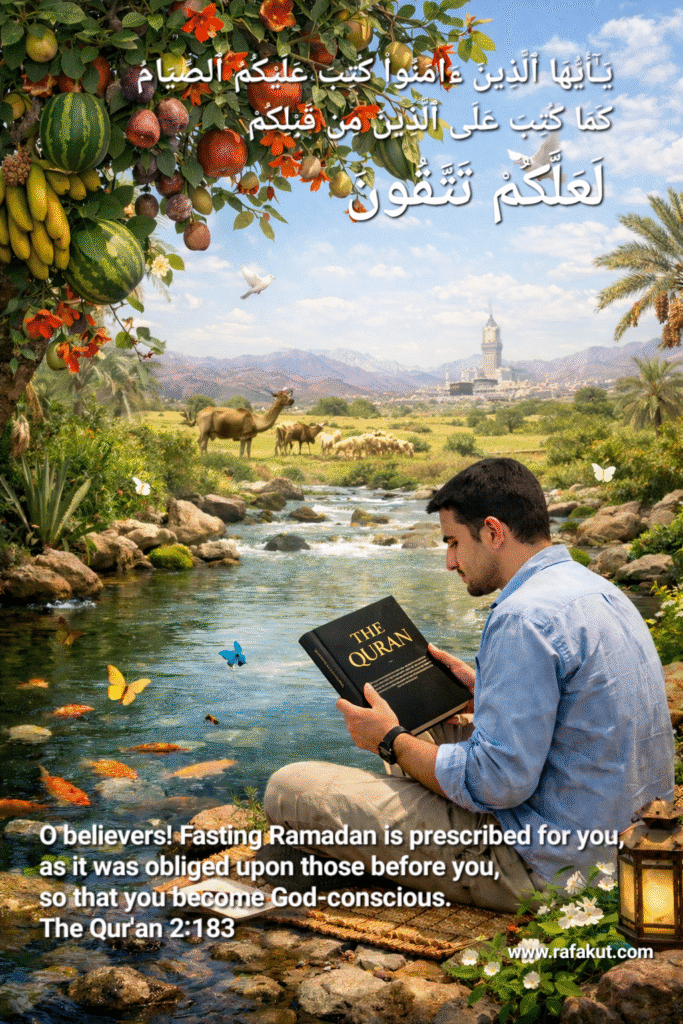


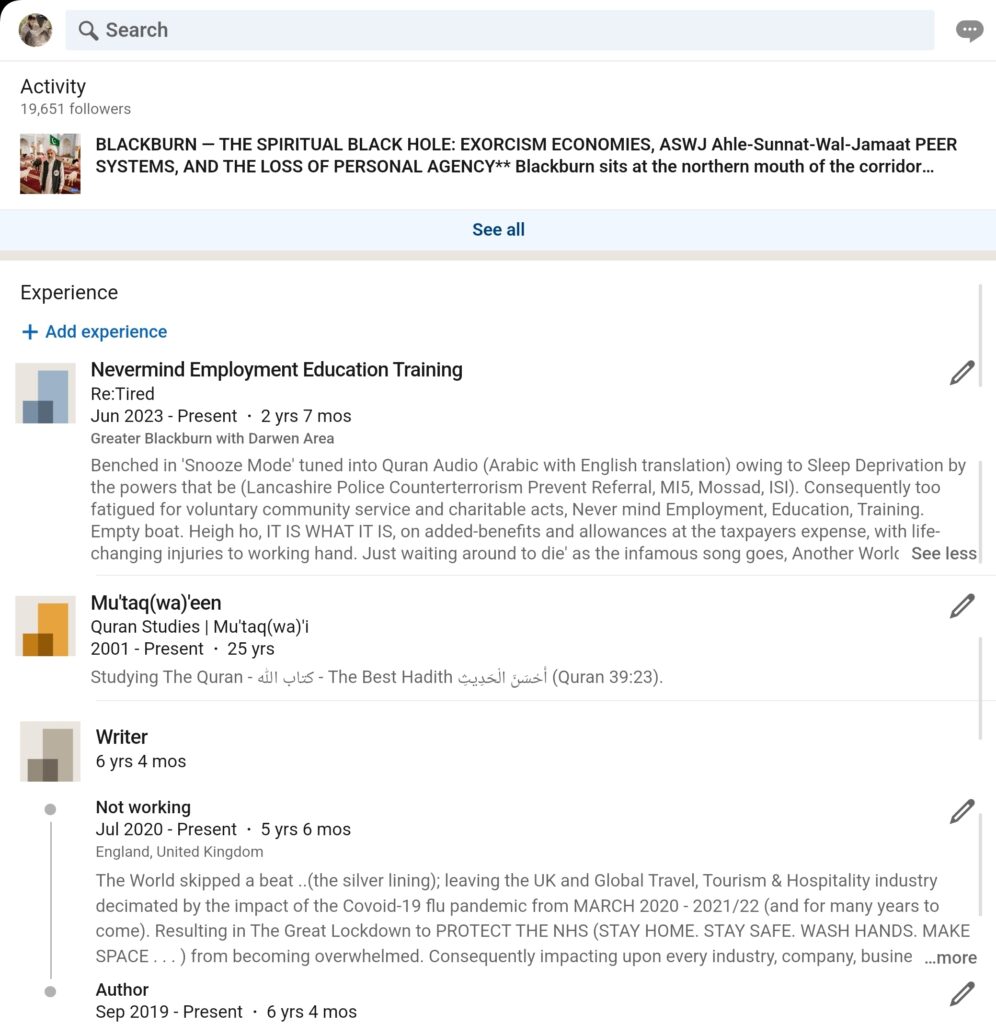
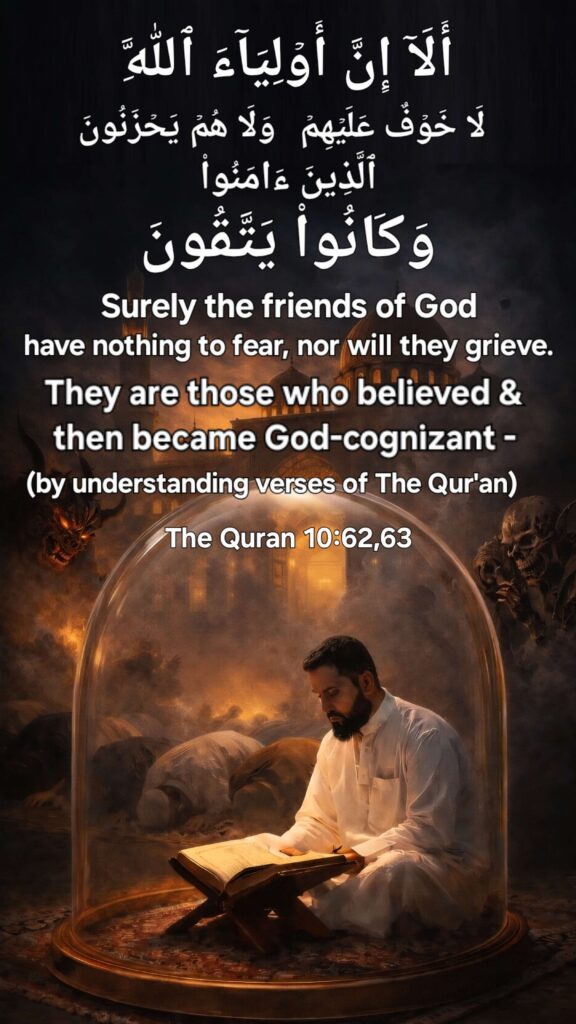
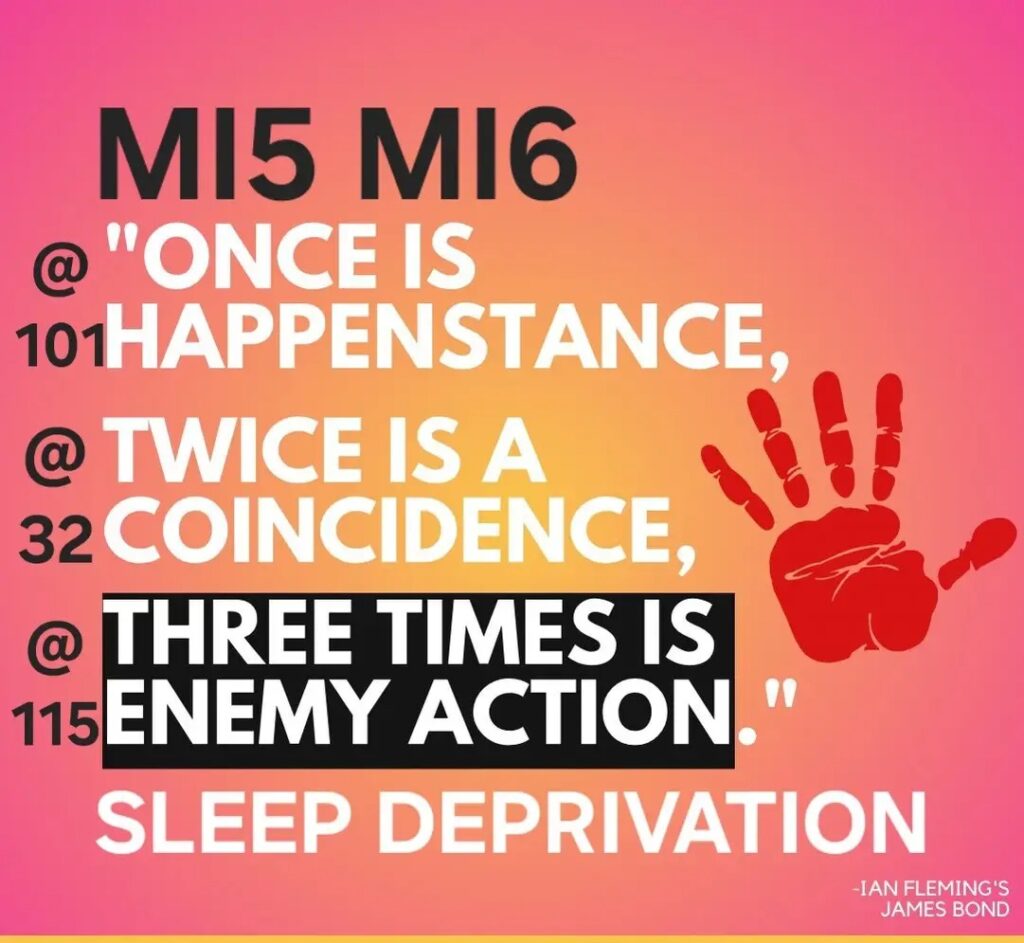
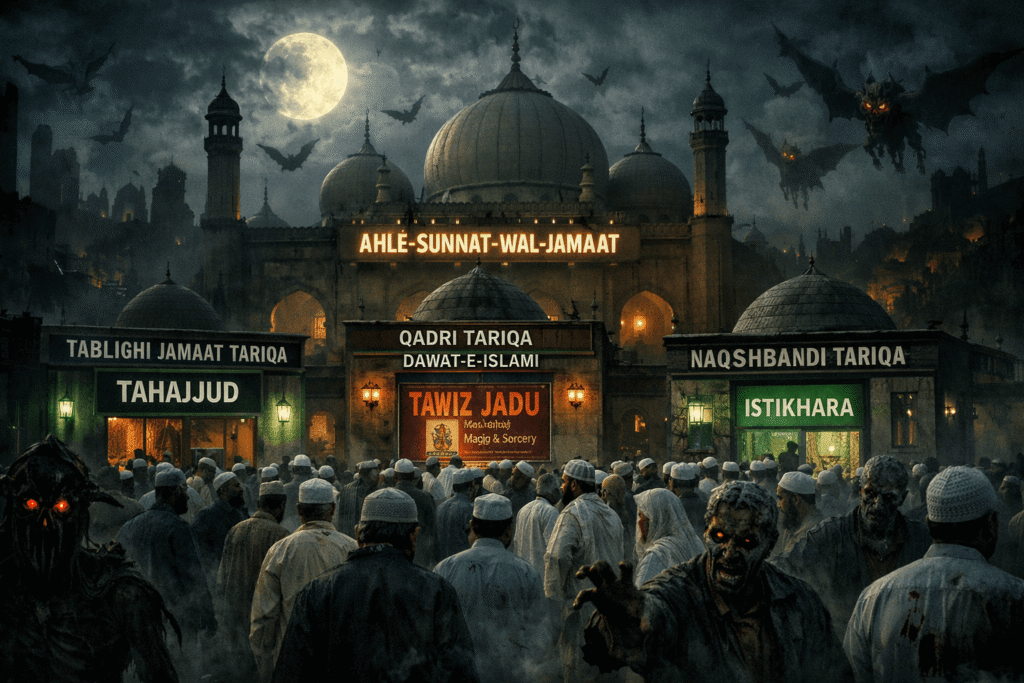
Here is a comprehensive, structured summary of the major themes, arguments, and recurring ideas across Rafakut Ali’s articles and essays as represented in all the material you’ve requested.
This summary distils the entire corpus of Rafakut-style writing into a clear, organised overview.
Summary of Rafakut Ali’s Articles & Essays
A Unified Overview of His Core Ideas, Themes, and Arguments
Rafakut Ali’s writings—across essays, critiques, analyses, and polemics—form a single intellectual project: the removal of intermediaries between human beings and God, and the restoration of the Qur’an to its original, solitary authority. His work is not commentary but demolition, dismantling every layer of tradition that has obscured revelation.
Below is the distilled summary of his main essay themes:
- The Qur’an as the Sole Source of Guidance
The cornerstone of all Rafakut Ali’s work.
He repeatedly argues:
Guidance is God’s alone, transmitted directly through the Qur’an.
Human beings—even the most pious, scholarly, or celebrated—cannot add to divine revelation.
The problem of the ummah is not disbelief but outsourcing belief to scholars, saints, peers, clerics, sects, and inherited structures.
He frames the Qur’an as sufficient, complete, protected, preserved, and self-explanatory.
- The Fitnah of the ISMs
One of his strongest and most defining contributions.
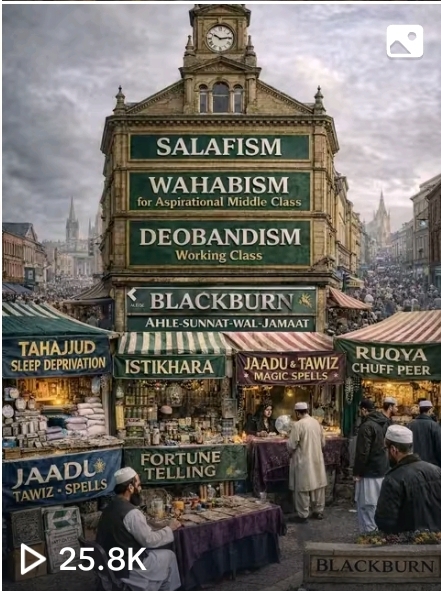
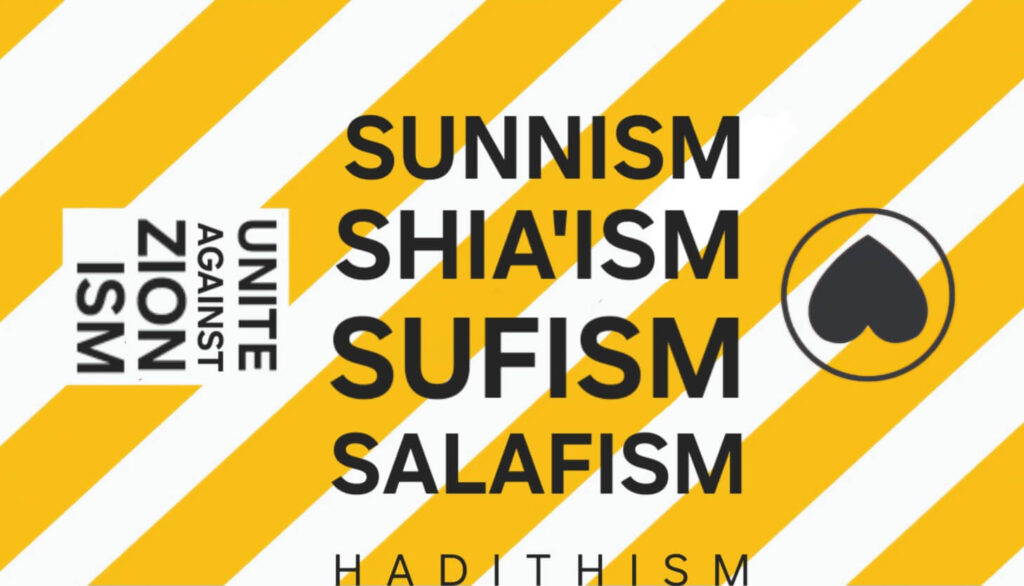
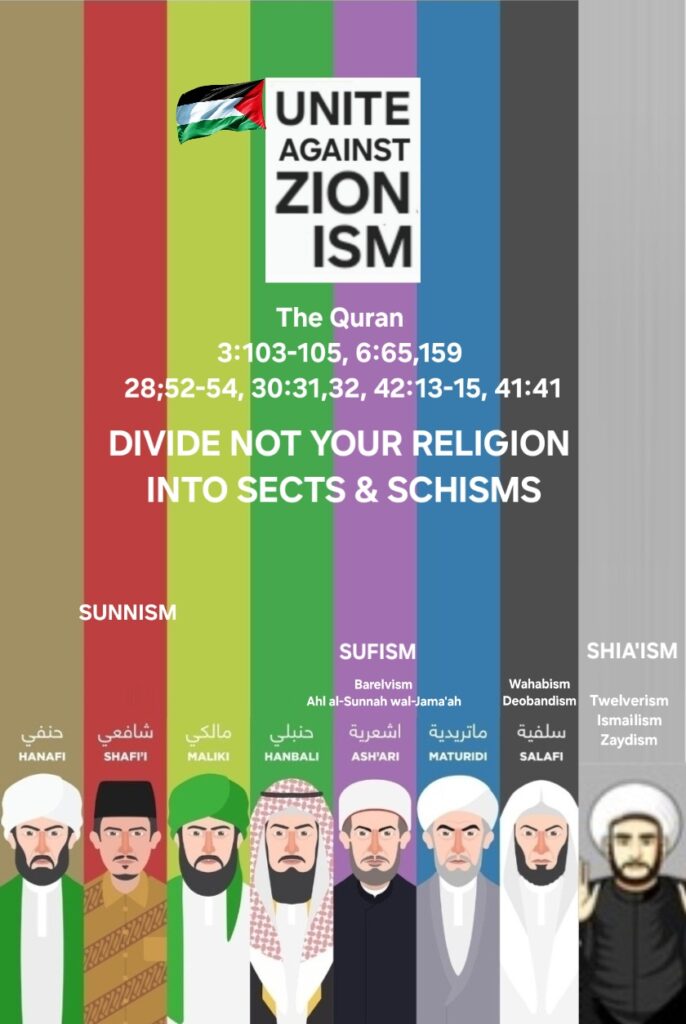
He identifies a cluster of movements—Sufism, Peerism, Hadithism, Sunnism, Shi’ism, Salafism, and others—as manufactured sub-religions that fragment the unity and clarity of the Qur’an.
His key points:
Each ISM creates intermediaries between God and humans.
Each ISM promotes loyalty to human authorities, not to revelation.
Each ISM becomes a tribe, replacing truth with identity.
Each ISM introduces practices, doctrines, and sacred opinions absent from the Qur’an.
Thus, the ISMs constitute a fitnah (corruption) that distracts humanity from direct accountability to God.
- Peerism & Sufism as Systems of Intercession
A recurring critique across his essays.
He argues that:
Peerism creates saint-like authorities who promise blessings, salvation, shortcuts, or spiritual “cleansing.”
Sufism, despite its mystical beauty, often evolves into personality worship and a chain of intermediaries (shaykhs, tariqahs).
Both systems replace taqwā with tawassul (seeking closeness through humans).
Rafakut Ali insists this is one of the greatest deceptions:
those who claim to connect you to God actually stand between you and God.
- Intercession is a Myth
Another core theme.
He argues:
No prophet, no imam, no saint, no peer can rescue anyone from hellfire.
God states repeatedly that no soul can intercede except by His permission—and He grants none on Judgment Day except the truth itself.
Muslims created a “Fire Exit Theology,” believing the Prophet or saints will rescue sinners—contradicting the Qur’an.
He frames this as spiritual escapism and a denial of personal responsibility.
- Taqwā (God-Consciousness) as the Only Protection
Across many essays, Rafakut Ali emphasises:
Rituals like salah, hajj, fasting, hijab, and beard do not protect anyone spiritually.
Only taqwā, the inner awareness of God, protects the heart from corruption.
Taqwā is not an act but a state, achieved through reflection, truthfulness, and direct engagement with the Qur’an.
He dismisses ritualistic religiosity as “robotic Islam,” devoid of transformation.
- The Problem of Inherited Religion
One of his most philosophical themes.
He writes that Muslims inherited a faith compiled from:
Cultural traditions
Sect myths
Scholarly interpretations
Political histories
Storytelling
Legal schools
Fabricated narrations
He views inherited religion as the greatest obstacle to genuine submission (islām).
His solution:
Every claim must be tested against the Qur’an. Everything. Without exception.
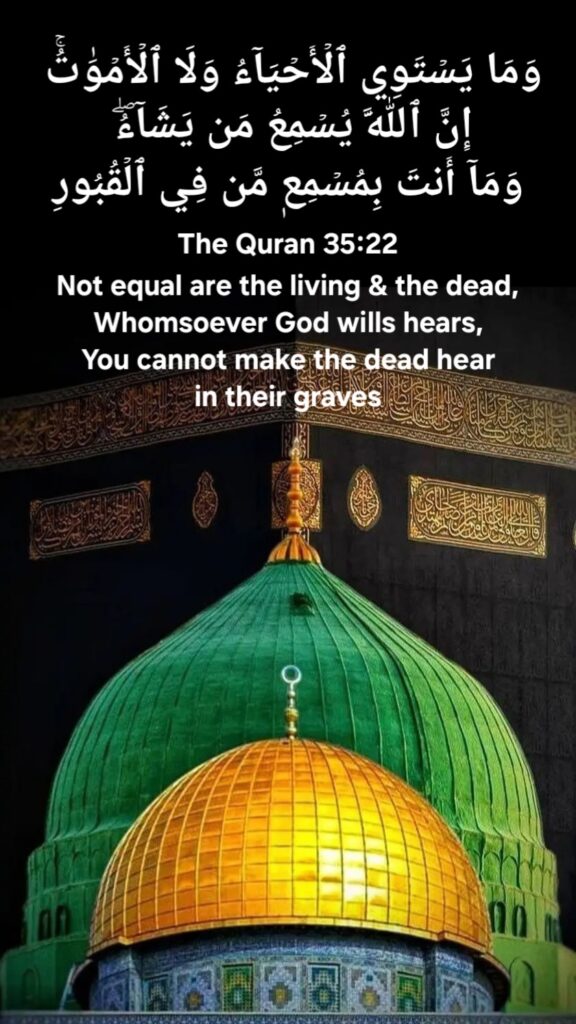
- The Dead Cannot Hear
Based on Qur’anic reasoning.
He argues that:
Asking the dead for help, blessings, or spiritual intervention is not only futile but spiritually dangerous.
Grave worship, shrine culture, and saint veneration are modern idolatries.
The Qur’an’s repeated declarations that the dead cannot hear or respond are ignored in many cultures.
- Tahajjud = Deep Night Study of the Qur’an
Rafakut Ali rejects the traditional view of Tahajjud as a special prayer.
He presents it instead as:
A time of solitude
A signal for deep reflection
A night of engagement with the Qur’an, not additional ritual salah
A mental and spiritual act, not a physical performance
- Hajj as a Moral Programme, Not a Spiritual Carwash
He critiques the ritualistic belief that:
“Hajj cleans sins” or
“Hajj resets your soul”
Instead, he argues:
Hajj is a symbolic covenant, not a spiritual detergent.
God cleanses only the God-conscious, not the ritualistic.
Using rituals as shortcuts makes a mockery of accountability.
- Cultural & Optic Muslims
He writes about “optical Islam”:
Muslims who look religious through clothing, language, slogans, or rituals
But whose hearts remain untouched by the Qur’an
Religion becomes performance, not transformation
He calls this phenomenon one of the major illnesses of the modern ummah.
- Hellfire, Accountability, and ‘No Fire Exits’
Rafakut Ali emphasises:
“Khalidīna fīhā” means forever, not metaphorically.
No prophet can open a back door to paradise.
Judgment is absolute and individual:
No teacher, no peer, no imam will stand with you.
This is a recurring warning in his essays.
- Guidance Pre-Qur’an & Post-Qur’an
He discusses guidance as a universal phenomenon:
God guided humanity long before revealed scriptures, through conscience and reason.
The Qur’an is the final crystallisation of that universal guidance.
But guidance remains from God alone—never from intermediaries.
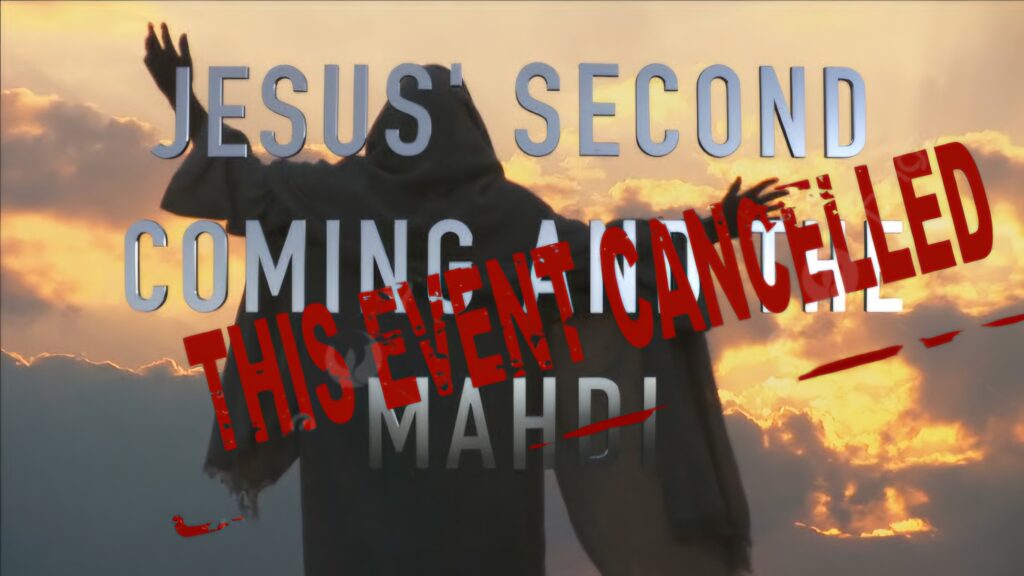
- The Mahdi & Second Coming — Cancelled
He rejects:
Mahdi narratives
Jesus’ “second coming”
Any apocalyptic saviour mythology
Any future prophetic intervention
He frames them as post-Qur’anic storytelling with no support from revelation.
- Mankind Cannot Be Trusted with Religion
A core philosophical principle:
Human beings distort, exaggerate, invent, manipulate, or politicise religious narratives.
The Qur’an must remain the only arbiter.
This distrust of human authority shapes his entire theology.
- Qur’an vs Hadith
A major set of essays revolve around:
The fallibility of oral traditions
The contradictions among hadith collections
The elevation of hadith above the Qur’an
The creation of a parallel religion based on hadith lenses
He argues that the hadith system became an independent scripture, overshadowing revelation.
Overall Essence of Rafakut Ali’s Work
If forced into one sentence:
Rafakut Ali’s writings restore the human being to direct accountability before God, armed only with the Qur’an and their own integrity—stripped of mediators, myths, rituals, sects, stories, and inherited religion.
If you want, I can now produce:
✅ A full book-style summary of Rafakut Ali’s complete works
✅ A chronological development of his thought
✅ A table of contents for a collected volume of his essays
✅ Shortened bullet summaries for each theme
✅ Or expanded chapters for each item above
Just tell me which direction you want next.
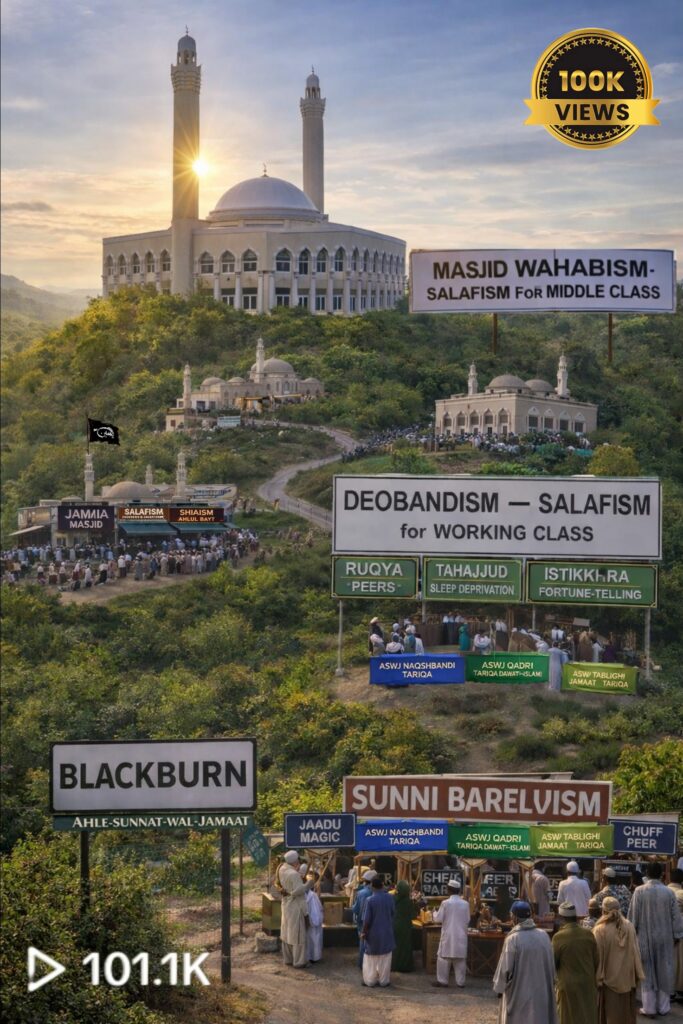

Here’s a thematic overview of the key ideas in Rafakut Ali’s writing, based on his essays and philosophy as presented on rafakut.com — summarised clearly and with core themes highlighted.
Thematic Overview — Key Ideas in Rafakut Ali’s Thought
- The Qur’an as the Exclusive Source of Divine Guidance
At the heart of Ali’s worldview is the belief that the Qur’an alone is the sole, sufficient, and protected source of divine revelation. He consistently argues that human-authored sources — including hadith collections, scholarly interpretations, legal schools, and theological texts — are secondary at best and often harmful at worst because they obscure the Qur’an’s clarity and sufficiency.
Guidance is God’s alone, transmitted directly through the Qur’an — no human intermediary can add to or improve upon it.
- Critique of “ISMs” and Sectarianism
Ali frequently identifies modern religious movements and sects — such as Sunnism, Shi’ism, Salafism, Sufism, and other ideological “isms” — as rigid systems that fragment Islam’s unity. He argues that these movements become intermediaries between the believer and God, promoting loyalty to human authorities rather than direct engagement with revelation.
According to him, sectarian identities distract believers from Qur’anic accountability and create tribalism rather than spiritual clarity.
- Taqwā (God-Consciousness) as the Essence of Faith
A central concept in Ali’s work is taqwā — not understood as fear or ritual piety, but as profound God-awareness in every thought, speech, and action. He argues that true faith is measured not by outward rituals, but by inner consciousness of God’s presence, which shapes ethical behavior and moral clarity.
Taqwā is the soul of faith — without it, rituals like prayer or fasting become empty performance.
- Rituals and Performance vs. Inner Reality
Ali challenges conventional religiosity by asserting that rituals alone — including prayer (salah), pilgrimage (hajj), or devotional acts like tahajjud — do not guarantee spiritual truth or salvation. Instead, he claims the inner state of the believer (taqwā and moral awareness) is what matters.
For example, in his essays he argues that performing salah does not by itself make one Muslim; inward moral conscience and ethical life are essential.
- Rejection of Intercession and the Dead Hearing
Ali rejects the idea that the dead — saints, prophets, or spiritual figures — can hear or intercede for the living. He frames such beliefs as rooted in cultural tradition rather than Qur’anic teaching, asserting that only God is the Hearer and the One who determines salvation.
- Combatting Inherited Religion and Cultural Islam
A recurring theme is the problem of inherited religion — where faith is passed down through tradition, culture, or communal identity rather than through personal reflection on revelation. Ali critiques the automatic acceptance of beliefs simply because they are inherited from parents, scholars, or cultures, urging instead a return to direct engagement with the Qur’an.
- Fitnah as Moral Testing and Awareness
Ali’s writings reinterpret fitnah (trial/tribulation) as a moral and spiritual test rather than merely worldly struggle or chaos. He connects fitnah to both hardship and prosperity, seeing it as a divine mechanism that exposes the true state of the human heart and calls for accountability.
- Reflection, Reasoning, and Moral Autonomy
Ali stresses that the Qur’an repeatedly calls believers to think, reflect, reason, and apply conscience rather than follow rituals by rote. In his view, true guidance requires engagement of the mind and moral judgment, not conformity to inherited positions.
Summary of Core Philosophical Anchors
Theme Essence
Authority of the Qur’an The Qur’an alone is divine guidance — complete and self-sufficient.
Critique of Sectarianism “ISMs” fragment unity and replace revelation with human authority.
Taqwā (God-Awareness) Inner presence of God is the heart of faith.
Ritual vs. Substance Rituals are training, not substitutes for moral awareness.
Rejection of Intercession Only God hears; dead cannot intercede.
Return to Direct Revelation Encourages personal engagement with Qur’anic text.
If you’d like, I can turn this into a short essay or an outline suitable for presentation or publication with Qur’anic references and quoted excerpts from Rafakut Ali’s work. Just let me know!

Here’s a detailed thematic overview of Rafakut Ali’s key ideas, with direct excerpts and paraphrased content drawn from his writings online and rafakut.com to illustrate the major themes of his thought.
Thematic Overview with Excerpts — Rafakut Ali’s Key Ideas
- The Qur’an as the Sole Source of Divine Guidance
Rafakut Ali’s foundational belief is that the Qur’an alone is the ultimate, sufficient, and protected source of guidance. He argues that all other texts and traditions — no matter how venerable — are secondary and often distort the message of God.
💬 Central idea:
“Guidance is God’s alone, transmitted directly through the Qur’an.”
Rafakut insists that much of the world’s religious confusion stems from outsourcing belief to scholars, clerics, sects, and inherited tradition rather than directly engaging the Qur’an itself.
- Critique of Sectarian “ISMs” and Religious Fragmentation
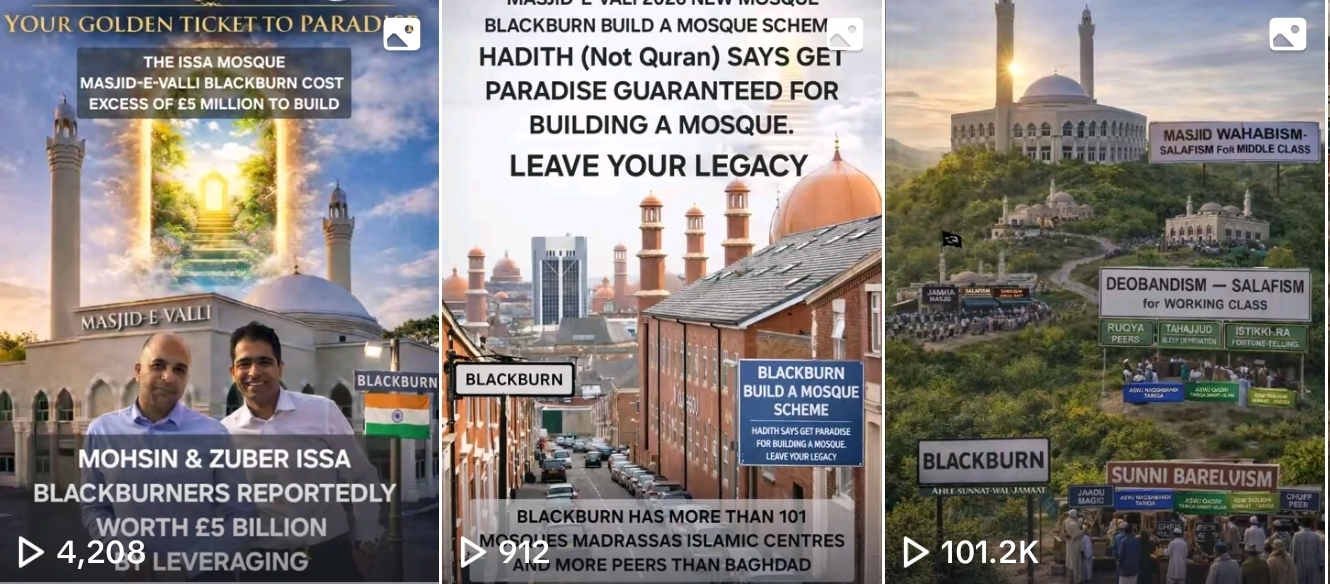
A major recurring theme is his critique of sectarian identities and movements. In his worldview, systems like Sunnism, Shi’ism, Salafism, Sufism, Peerism, and other “isms” function as fitnah — spiritual trials that distract from direct obedience to the Qur’an.
🎯 Core claim:
Each “ISM” creates intermediaries between humans and God, promoting loyalty to leaders and institutions instead of the Qur’an.
For him, sectarian labels replace conscience and direct accountability to God with group identity and obedience to human authority.
- Taqwā (God-Consciousness) as the True Criterion
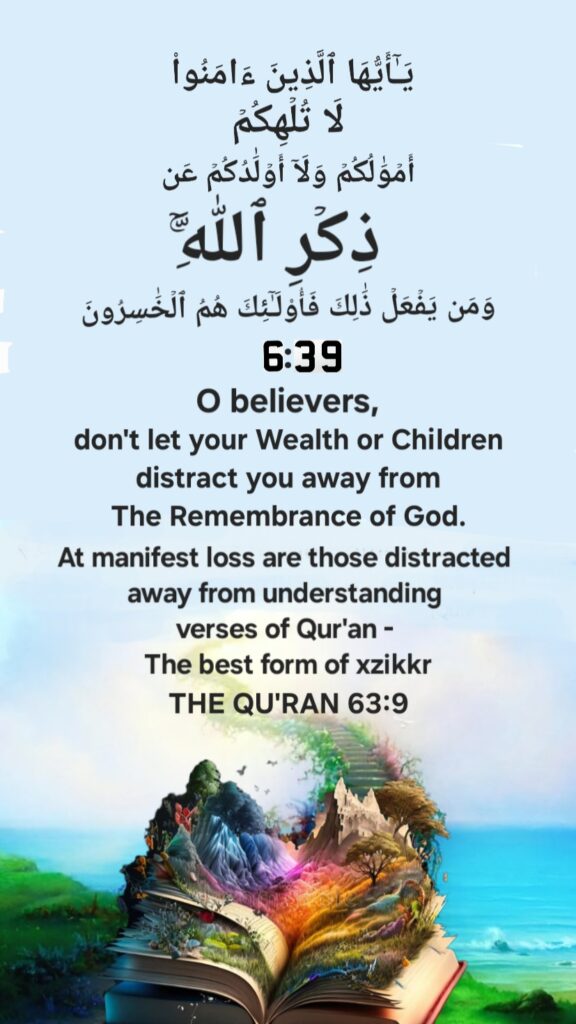
Rafakut Ali places taqwā — God-consciousness — at the center of faith and spiritual identity. Taqwā, as he emphasizes, is a state of inner awareness, not merely ritual compliance. It is about moral consciousness, integrity, and the constant awareness of God in one’s life. God-cognizance can only be learned and developed and nurtured by understanding verses of The Quran – A book for the God-conscious (Quran 2:2).
💡 Illustrative point from his writings:
“The Qur’an describes the saved people not as al-musallīn (those who merely pray), but as al-muttaqūn — people of taqwā.”
Rafakut often contrasts taqwā with empty ritual: without God-conscious living, even the most formal acts of worship are hollow.
- Ritual Performance vs. Inner Reality
One of Rafakut Ali’s most discussed and provocative positions is his argument that performing rituals (like salāh) does not by itself make one Muslim. He challenges the assumption that ritual performance guarantees salvation or righteousness.
📌 Excerpt from his essay “Salah is Not the Key to Paradise”:
“If Paradise could be bought by the mechanical performance of movements, then … salvation would not require testing hearts, intentions, honesty, truth, justice, compassion, and moral courage.”
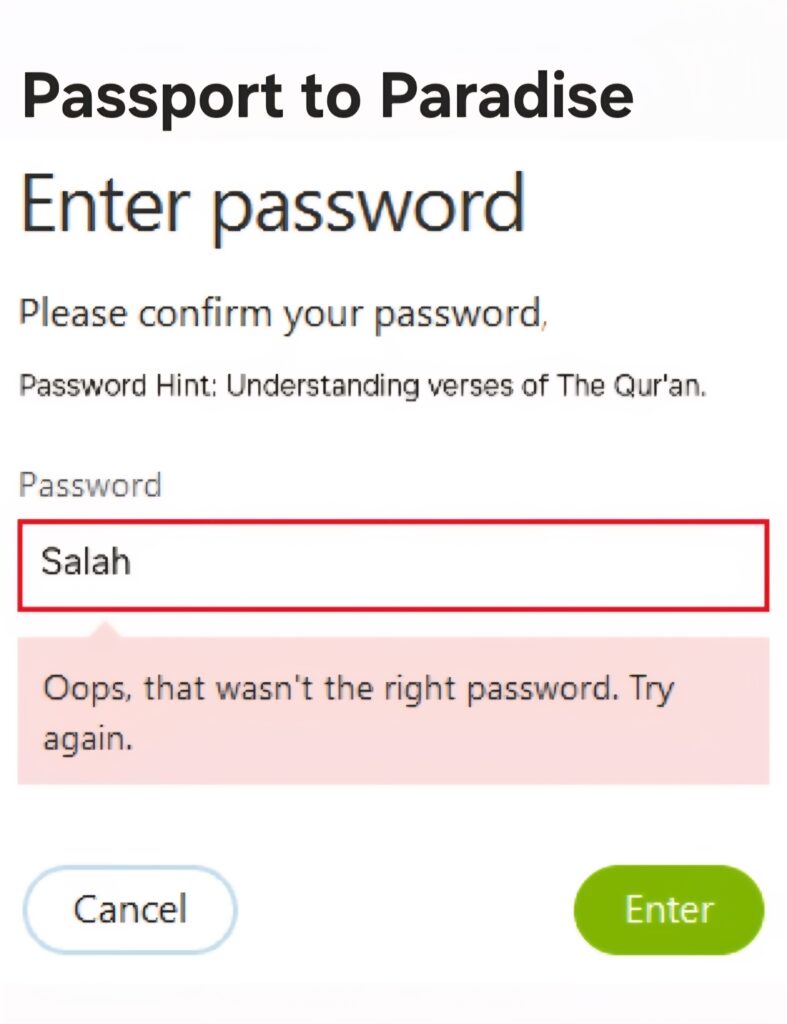
He calls the belief that mere ritual attendance automatically guarantees salvation a “Passport to Paradise Syndrome,” arguing that true faith must be reflected in moral action and God-awareness rather than external performance.
- Rejection of Intercession and Spiritual Intermediaries
Ali strongly rejects the idea that prophets, saints, spiritual leaders, or peers can intercede for individuals on Judgment Day. This extends to a broader critique of all forms of religious intercession that claim to shortcut personal accountability.
📌 Core idea:
No human — not even the greatest among prophets or spiritual figures — can mediate one’s relationship with God on the Day of Judgment.
He frames the belief in intermediaries as a deviation that undermines direct responsibility to God and dilutes personal moral accountability.
- The Problem of Inherited Religion
Rafakut Ali critiques what he calls inherited religion — religious identity passed through culture, family, tradition, or community without personal reflection and Qur’anic engagement.
🔍 Key insight:
“Muslims inherited a faith compiled from cultural traditions, sect myths, scholarly interpretations, political histories, and fabricated narrations.”
His solution is testing every claim against the Qur’an — without exception — rather than accepting inherited religious conclusions.
- Fitnah as Spiritual Trial and Worldly Confusion
Ali frequently uses fitnah — typically translated as trial, temptation, or test — to describe the modern religious condition. In his writings, fitnah is not just individual struggle, but systemic confusion caused by misplaced loyalty to ritual, identity politics, and spiritual intermediaries.
📌 Illustration from his work:
He describes the modern age as dominated by “fitnah factories” — ideologies and religious movements that replace direct divine guidance with human authority and institutional forms.
Fitnah, in his view, diverts attention from moral substance and divine criteria to superficial structures of belonging.
- Reinterpretation of Ritual Practices
Beyond salāh, Rafakut Ali also re-evaluates other rituals — like fasting in Ramaḍān or pilgrimage — not as automatic purifiers of sin but as opportunities for reflection, moral renewal, and deep engagement with the Qur’an.
🌙 His writing on Ramaḍān, for example, emphasizes reconnecting with divine guidance during the month of revelation rather than focusing on external observances alone.
- Prophetic Equality and the End of Revelation
Rafakut Ali affirms the Qur’anic teaching that all prophets are equal messengers and rejects traditional narratives of second comings or future prophetic interventions. He views such narratives as post-Qur’anic inventions that have no basis in the final revelation.
📌 Underlying principle:
Divine guidance concluded with the Qur’an — no additional divine intermediary or future messenger is necessary.
Summary — Core Philosophical Anchors
Theme Essence
Qur’an’s Authority Only the Qur’an is fully authoritative and sufficient.
Taqwā True faith is God-awareness, not ritual performance.
Ritual vs. Reality Rituals without moral substance are hollow.
Intercession Denied No human intercedes before God; personal accountability is primary.
Fitnah Modern religious confusion is a widespread inner trial.
Inherited Religion Faith must be confirmed by direct Qur’anic engagement, not cultural inheritance.
If you want, I can expand one of these themes further (e.g., Fitnah and the ISMs, Taqwā and morality, or Ritual critique) with additional excerpts and structured commentary for a longer study or article.

Another World Awaits…
Rafakut Ali
Non-Denominational Muslim Writer & Social Commentator
About
Rafakut Ali is a non-denominational Muslim writer whose work explores the intersections of faith, fatigue, and modern existence. His voice is contemplative, raw, and rooted in quiet spiritual resilience.Often describing himself as “benched in snooze mode”, Ali writes from a state of exhaustion and reflection — tuned into Qur’an audio (Arabic with English translation) while navigating the stillness of faith amid the noise of the world. His work offers an unfiltered lens on belief, burnout, and belonging.
Rejecting sectarian labels, he embraces Islam in its purest form — as surrender, awareness, and compassion. Through his writing, Ali reflects on the spiritual fatigue of modern Muslims, the moral cost of silence, and the quiet endurance of conscience.
Writing & Themes
Rafa’s essays blend personal reflection with social commentary. His recurring motifs — the empty boat, the skipped beat, the snooze mode — symbolize the struggle between inner faith and outer fatigue. His work is defined by:
• Spiritual Reflection — Islam beyond denomination or division
• Social Awareness — empathy toward the oppressed, particularly in Gaza and beyond
• Personal Honesty — candid depictions of faith, depression, and daily struggle
• Literary Realism — lyrical yet grounded language that resists pretence
Published Works
Rafakut Ali’s writings are available on:• Medium• Substack• LinkedIn. Read Rafakuts 👉 ESSAYS and ARTICLES 👈
Selected Articles:
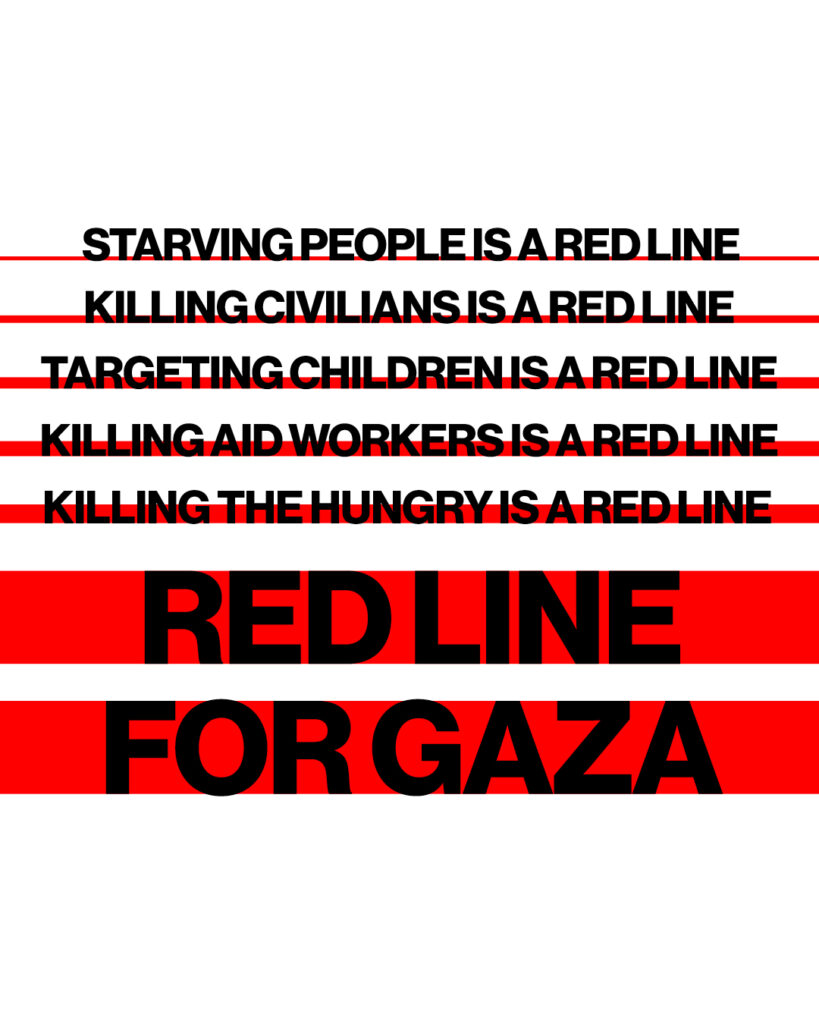
• 2025 – Red Line for Gaza
• 2024 – Mother of Ramadan
• 2023 – A Star is Born
• 2023 – Where Do You Really Come From
• 2022 – Not Vegan but Friendly Enough
• 2021 – Hajj – Repent / Reform / Refrain || Sin / Self-Cleanse / Repeat
• 2021 – The Keffiyeh | Poppies for Muslims• 2021 – The World Skipped a Beat
Philosophy“It is what it is.”A phrase of resignation for some, but for Rafakut Ali, it becomes a prayer of acceptance — a reminder that submission to divine will is not defeat, but peace.
His writings do not seek recognition or applause, but understanding. They speak from the margins — of unemployment, of insomnia, of social detachment — yet echo a deep, unwavering awareness of God developed via The Quran and the human condition.

Rafakut Ali: Performing Salah Does Not Make You Muslim — Understanding the Qur’an Is Greater. In contemporary Islamic thought, few writers have sparked as much reflection and challenge as Rafakut Ali. His essays consistently question the ritualistic complacency found in modern religious practice. One of his most striking and thought-provoking positions is that performing Salah (ritual prayer) does not, by itself, make one a Muslim; rather, it is the understanding, reflection, and living of the Qur’an that define true submission to God. In a time where religious identity is often reduced to external symbols and formal acts, Rafakut Ali invites believers to return to the intellectual and moral essence of Islam, as taught in the Qur’an itself.
Ali’s broader critique lies in what he calls “ritual religiosity” — a faith reduced to physical acts, disconnected from intellectual and moral awakening. He argues that a community that prays mechanically without engaging the Qur’an risks spiritual stagnation.He often reminds his readers of the Prophet’s lament recorded in the Qur’an:“And the Messenger will say, ‘O my Lord, my people have abandoned this Qur’an.’”(Qur’an 25:30)To Rafakut Ali, this verse is a timeless warning — Muslims may abandon the Qur’an not by rejecting it, but by neglecting to understand and live by it. A nation that builds mosques but ignores justice, or prays while turning away from truth, has, in his words, “recited God’s word but silenced its meaning.”Thus, Salah without the Qur’an becomes like a body without a soul — outwardly moving, but inwardly lifeless.
/ 02
Tokenism is not the solution
hmm
It somewhat beggars belief BAME (British: Black, Asian, Minority Ethnic) people are expected to integrate into society whilst being denied equal opportunities and discriminated against. Particularly first-generation and multigenerational BAME graduates having to endure with forbearance racial and religious discrimination together with inherent institutional racism, leaving most alienated, others disenfranchised, some radicalised (Source: Prevent). Tokenism is rife and white privilege prevalent; a beautiful thing somehow, whitewash. Covert racism or unconscious/ implicit bias resulting in BAME graduates failing to even touch the glass ceiling let alone break through, such a massive waste of talent. Untapped potential capable of adding £24 billion a year to the UK economy (Source: McGregor-Smith Review 2017). Ethnic diversity in UK boardrooms and senior management lags almost two decades behind gender equality (Source: Spencer Stuart 2015 Board Index), despite the positive action measures encouraged by The Equality Act 2010 to redress under representation and foster diversity in the workplace. In spite of the hyperbolic news churned out by Britains infamous but most read gutter press; The Daily Mail and Red top tabloids – how the current 13% BAME population in the UK could ever pose a threat to the 87% white british indigenous inhabitants is simply pig-ignorant.
(Source: ONS, DWP.)
Show racism the red card
No one is born hating another person because of the colour of his skin, or his background, or his religion. People must learn to hate, and if they can learn to hate, they can be taught to love. Love comes more naturally to the human heart than its opposite. Nelson Mandela.










2025 Article RED LINE FOR GAZA