
re:tired
Articles
MU’taq’een
2026
‘Perhaps you love a thing bad for you; perhaps you dislike something good for you.’
WORLDY LIFE – HEREAFTER
another World Awaits…
Articles written in snooze mode 😎 by A.i ChatGPT & Gemini for comparison – based on Rafakut Ali’s wRITINGS from 2021 available online:-
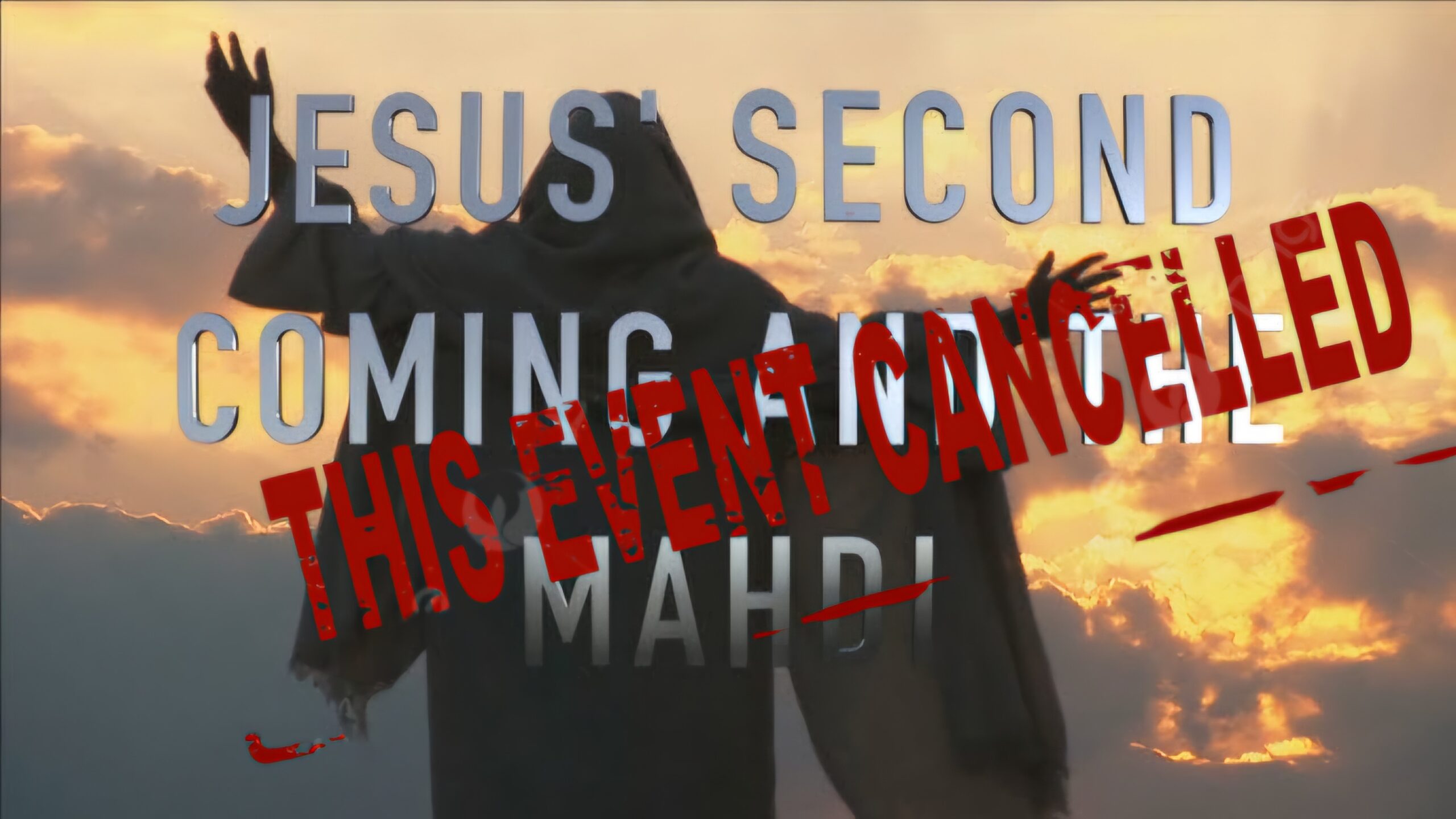
✅️ second coming cancelleD > learn more
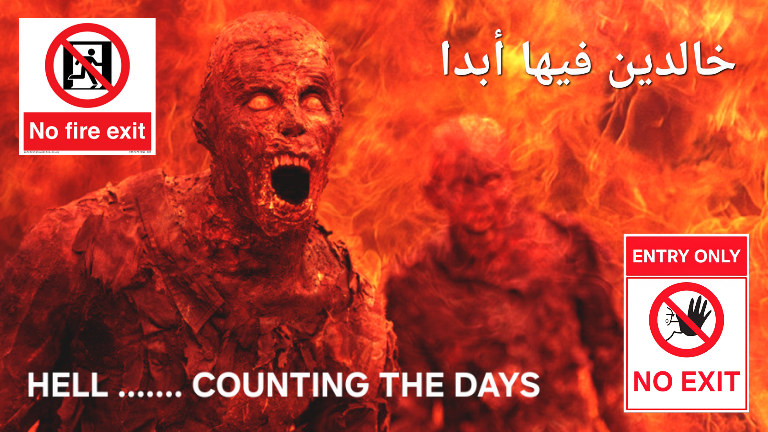
✅️ HELL – NO FIRE EXITs > read online
✅️ EXTRA RINSE – SELECT YOUR HAJJ CYCLE. PROGRAMME HAJJ Rafakut Ali’s 2021 Article added to A.I Conditioner ChatGPT with Gemini Softener – For longer lasting freshness READ ONLINE TODAY
✅️ ISMIST ✅️ IS(LA)MIST 🏆
□ WORSHIP ONLY GOD
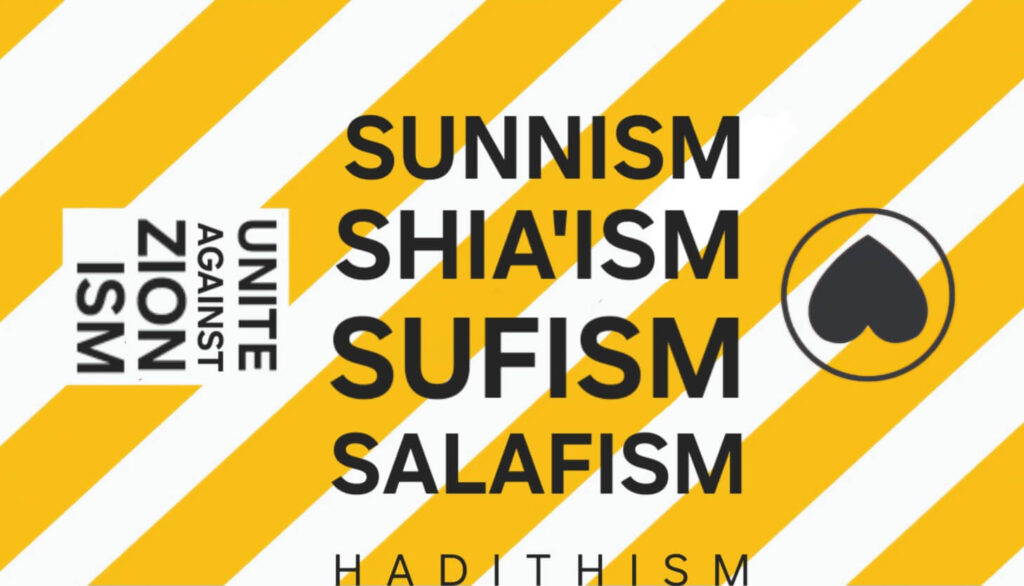
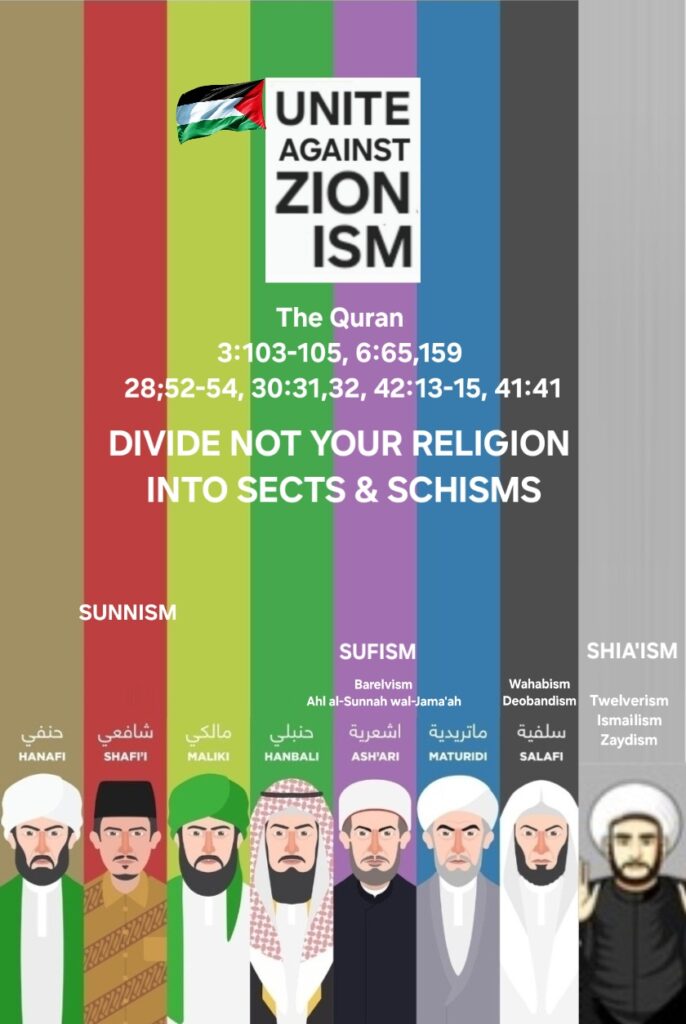
✅️ THE FITNAH OF THE ISMS: PEERISM, SUFISM, HADITHISM, SUNNISM, SHI’ISM, SALAFISM — AND THE QUR’ANIC REJECTION OF INTERMEDIARIES > Read online today > Medium > Substack > Linkedin
□ SUFFICIENT IS THE QURAN
✅️ SALAH IS NOT THE KEY TO SUCCESS – READ ONLINE. Wrtten by A.I Chatgpt based uPon rafakut ali’s writings – Snooze mode 😎
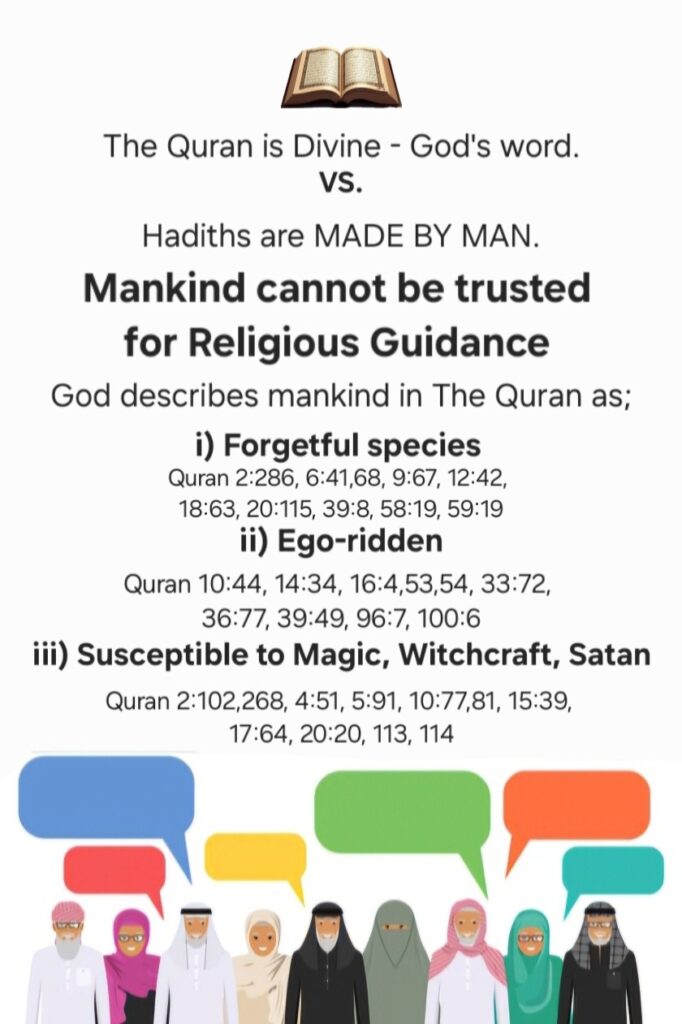
✅️ quran versus hadith written by A.I for Rafakut In snooze mode 😴
✅️ SALAH IS NOT THE KEY TO PARADISE > CLICK TO READ ONLINE. WRITTEN BY A.I CHATGPT BASED on WRITINGS ONLINE BY RAFAKUT ALI IN SNOOZE MODE 🥱
□ fitnah clarified (based on ✅️ essay: fitnah)
□ taqwa explained (based on ✅️ essay: taqwa)
✅️ All about the message not the unnamed messenger prophets.
✅️ PEERISM PEER’ISM
✅️ the quran is peerless
✅️ Tahajud is Qur’an not salah
✅️ The Quran (=God-cognizance) – your only salvation
✅️ salah is not a shield – taqwa is
✅️ the only protection from Evil is taqwa not salah etc
Praying salah 5-A-DAY or etcetera does not shield you from evil
✅️ Intercession: or not
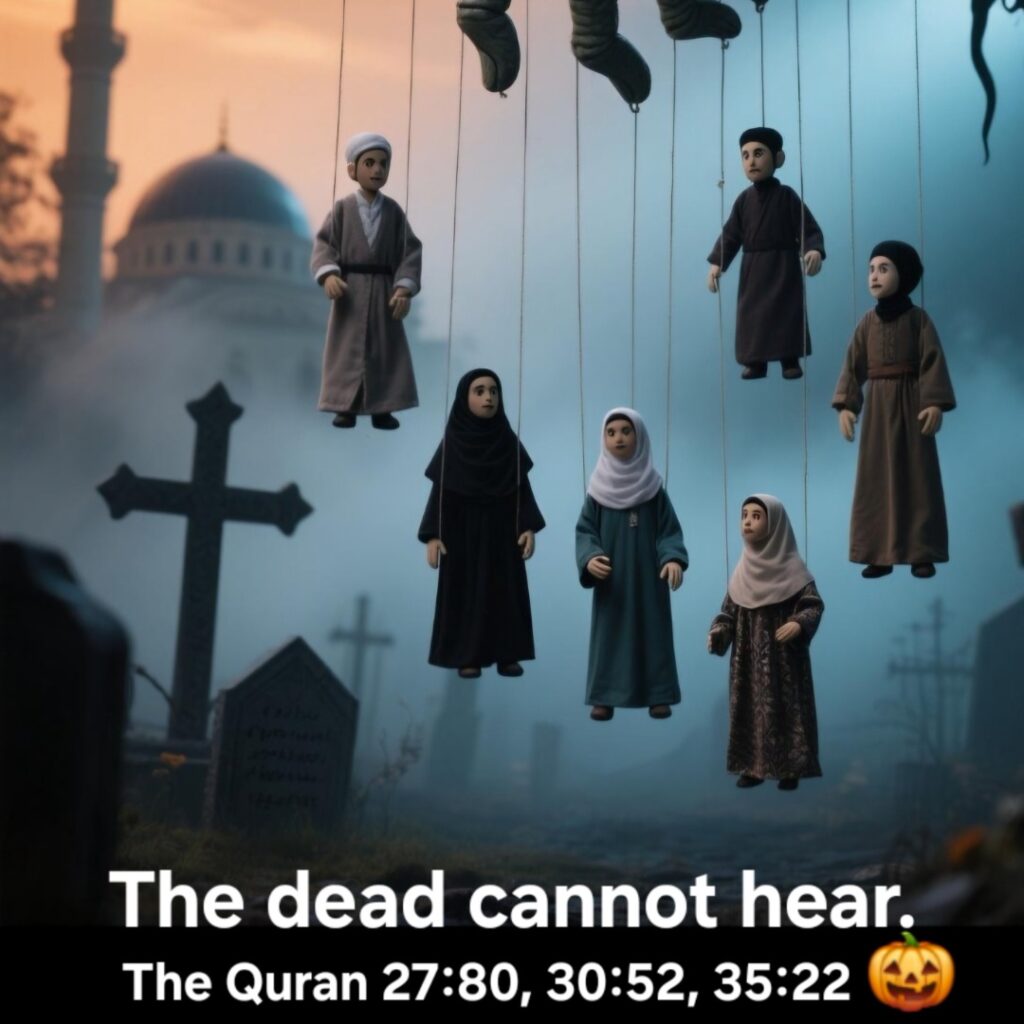
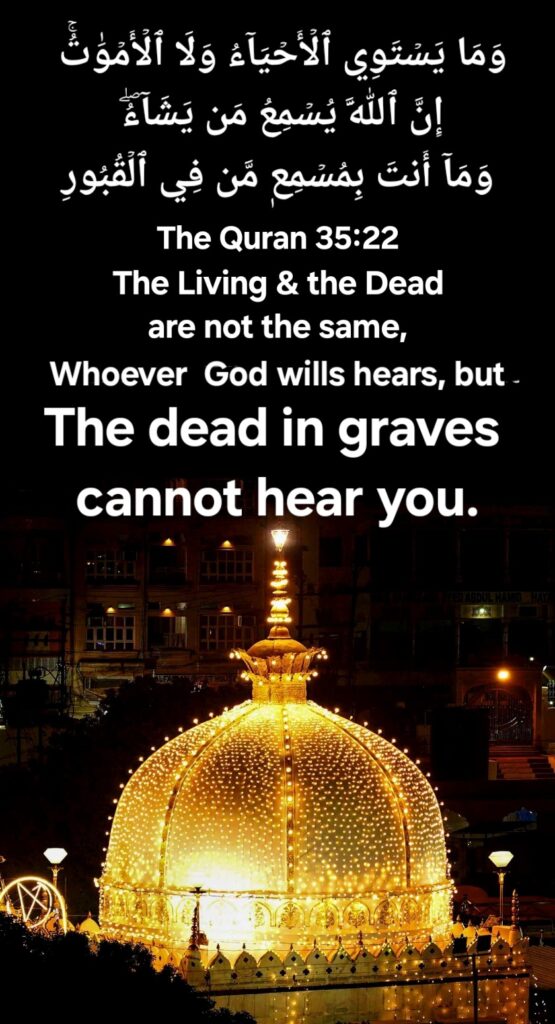
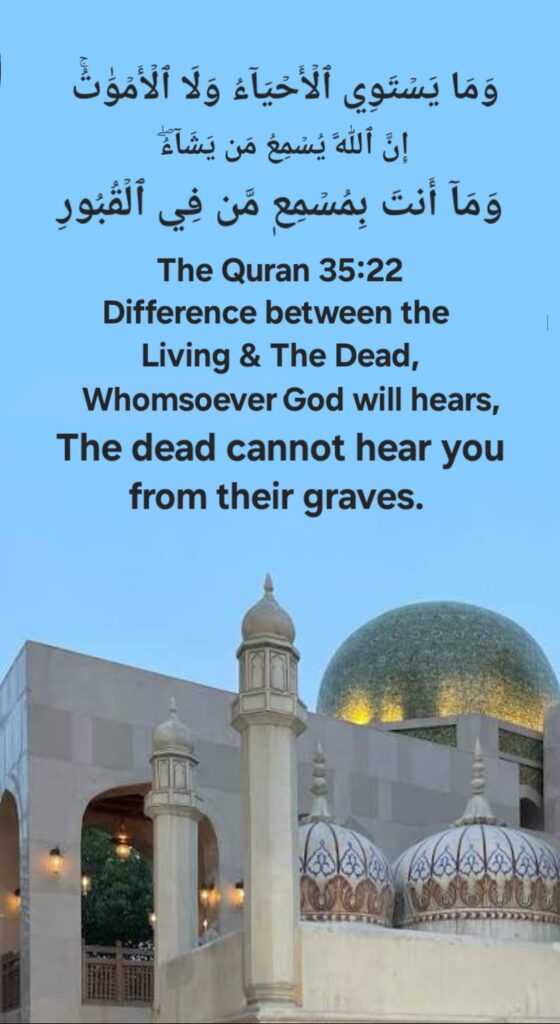
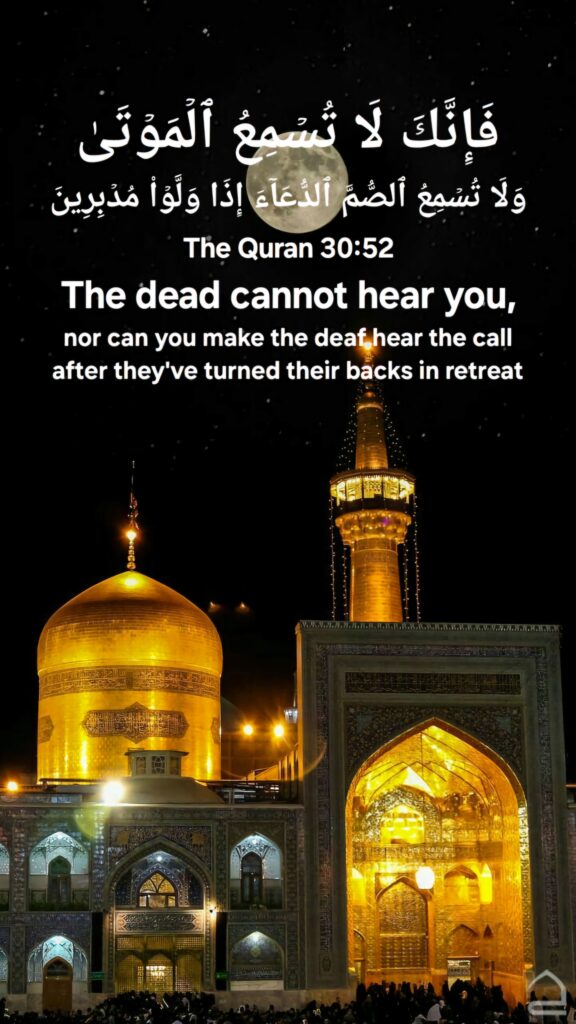
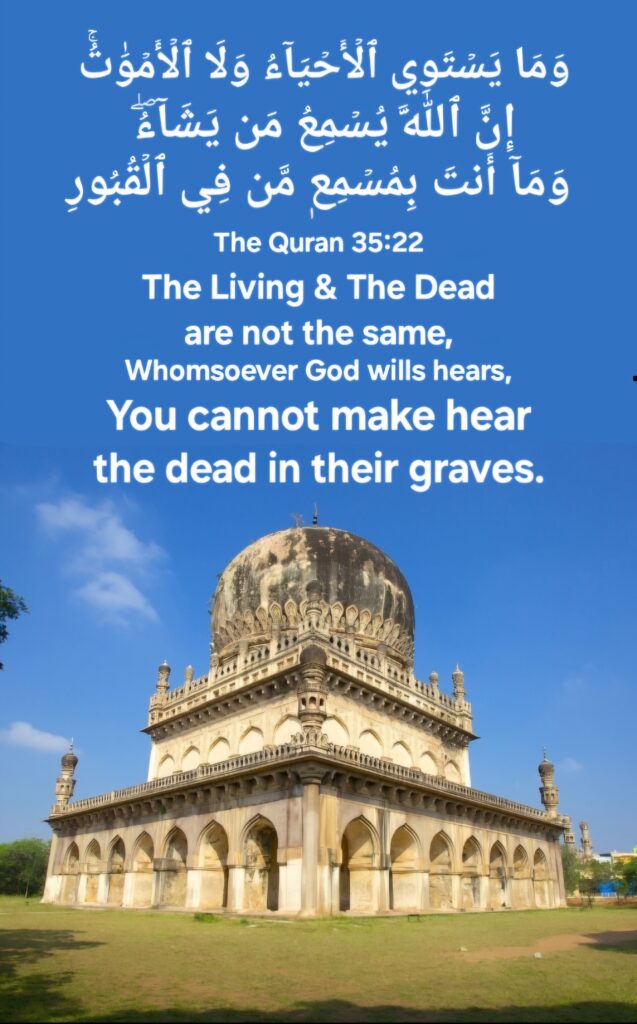
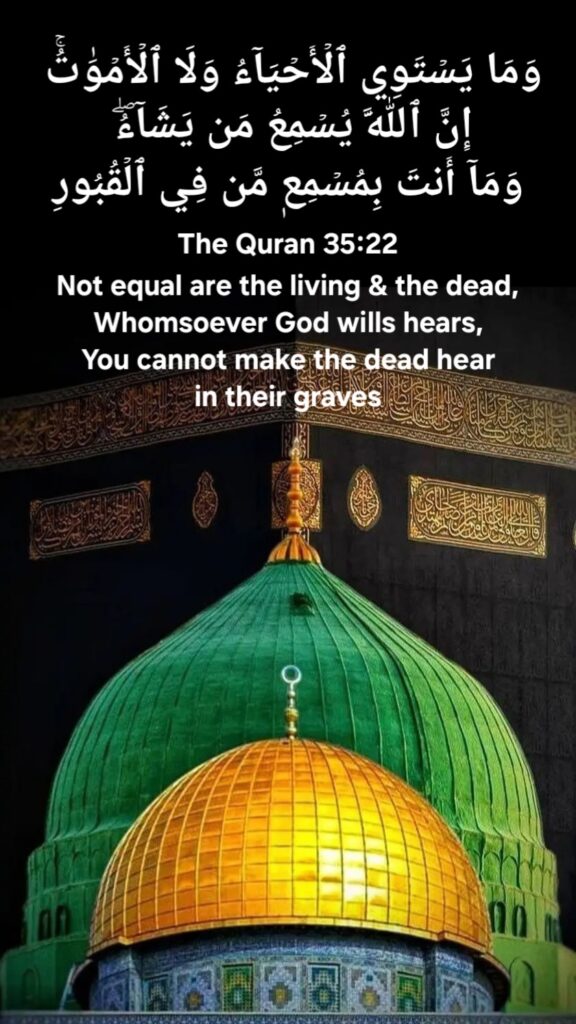
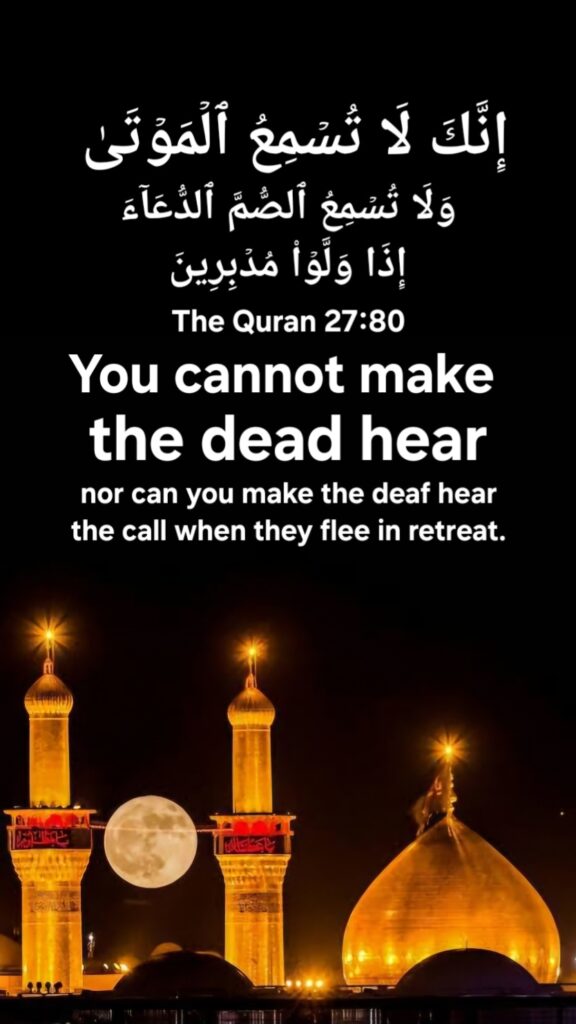
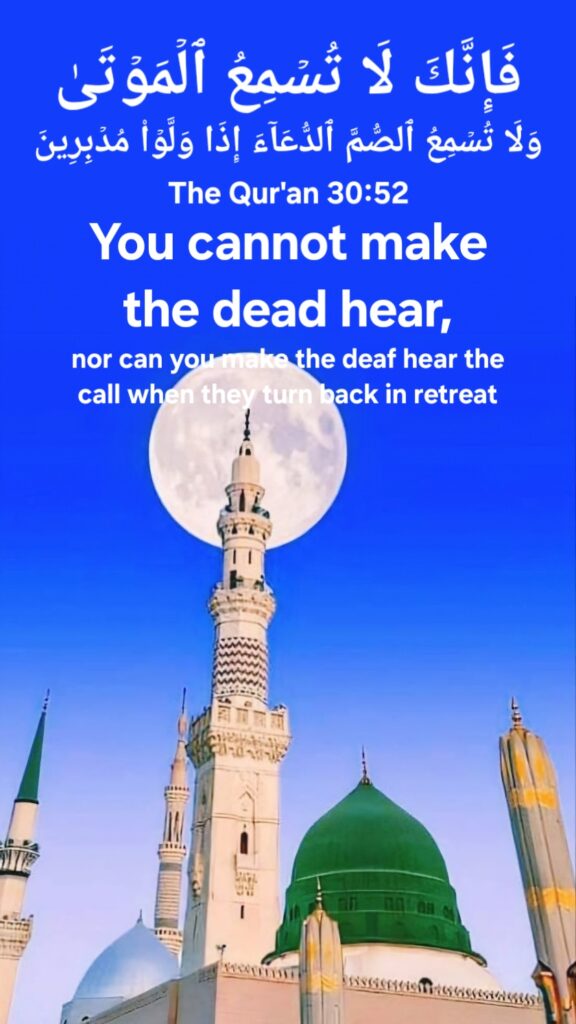
✅️ in the grave. Dead cannot hear
✅️ Guidance : Pre-Quran & post-quran. Only God guides
✅️ Wisdom : Pre-Quran and Post-Qur’an – the wise book
✅️ Paradise lies not at your mothers feet
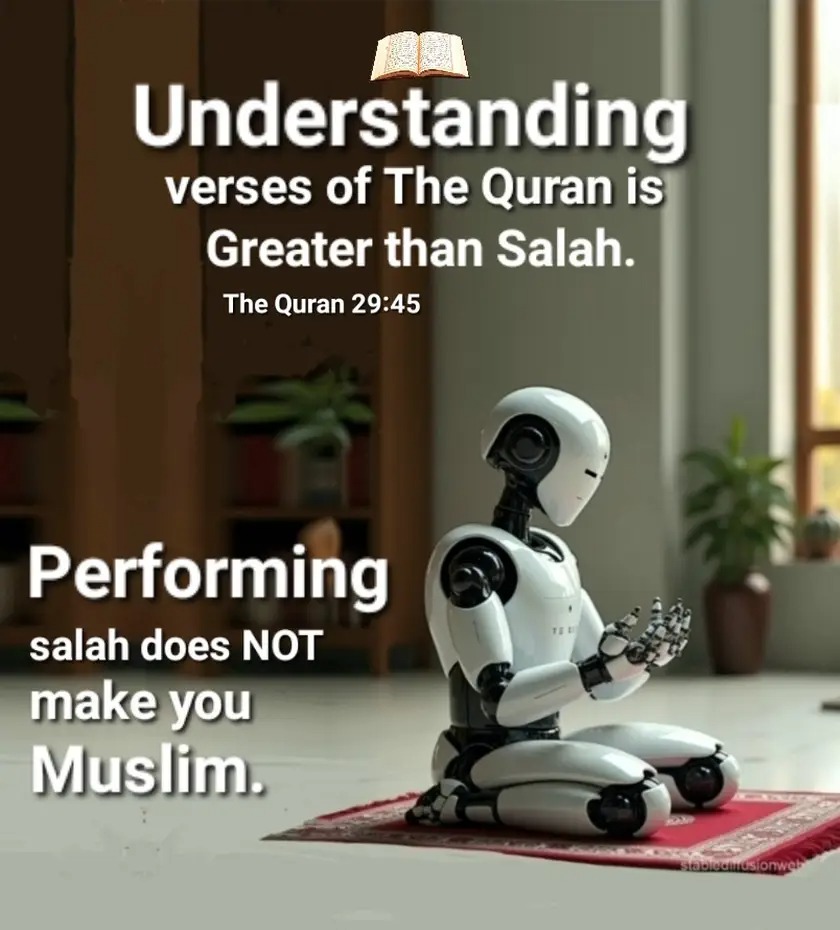
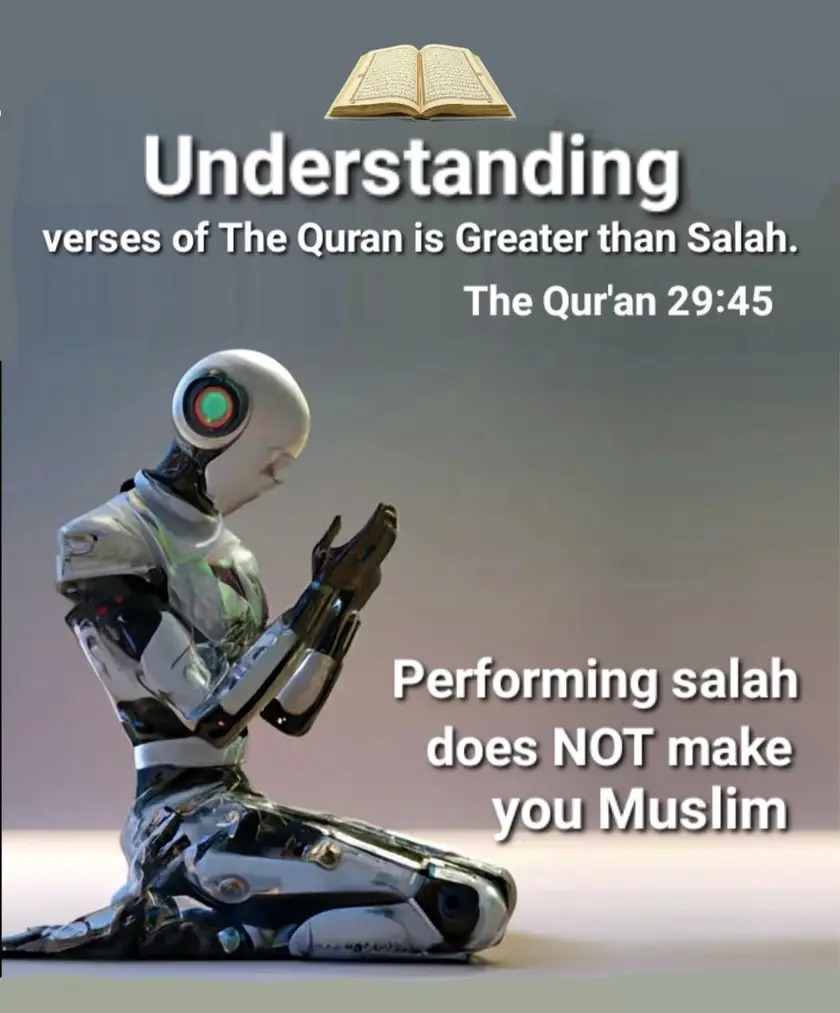
✅️ Performing Salah does not make you Muslim
✅️ God protects the God-cognizant.
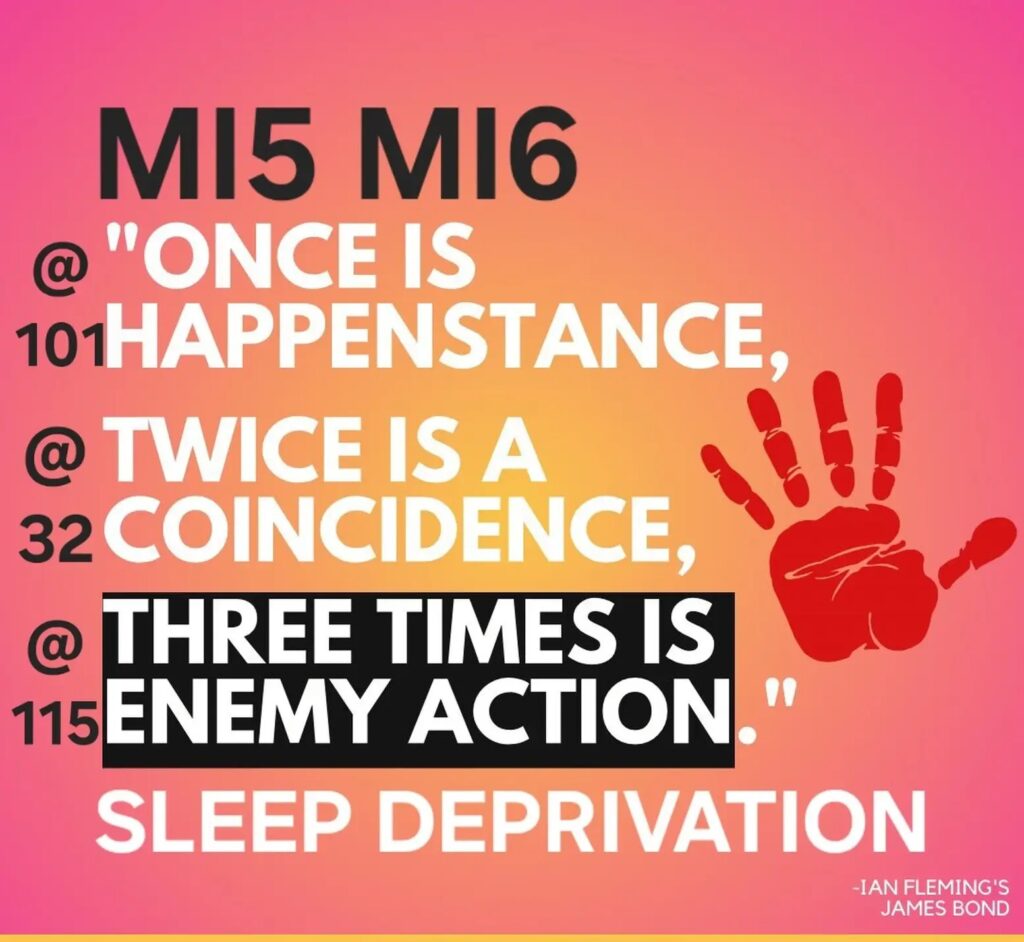
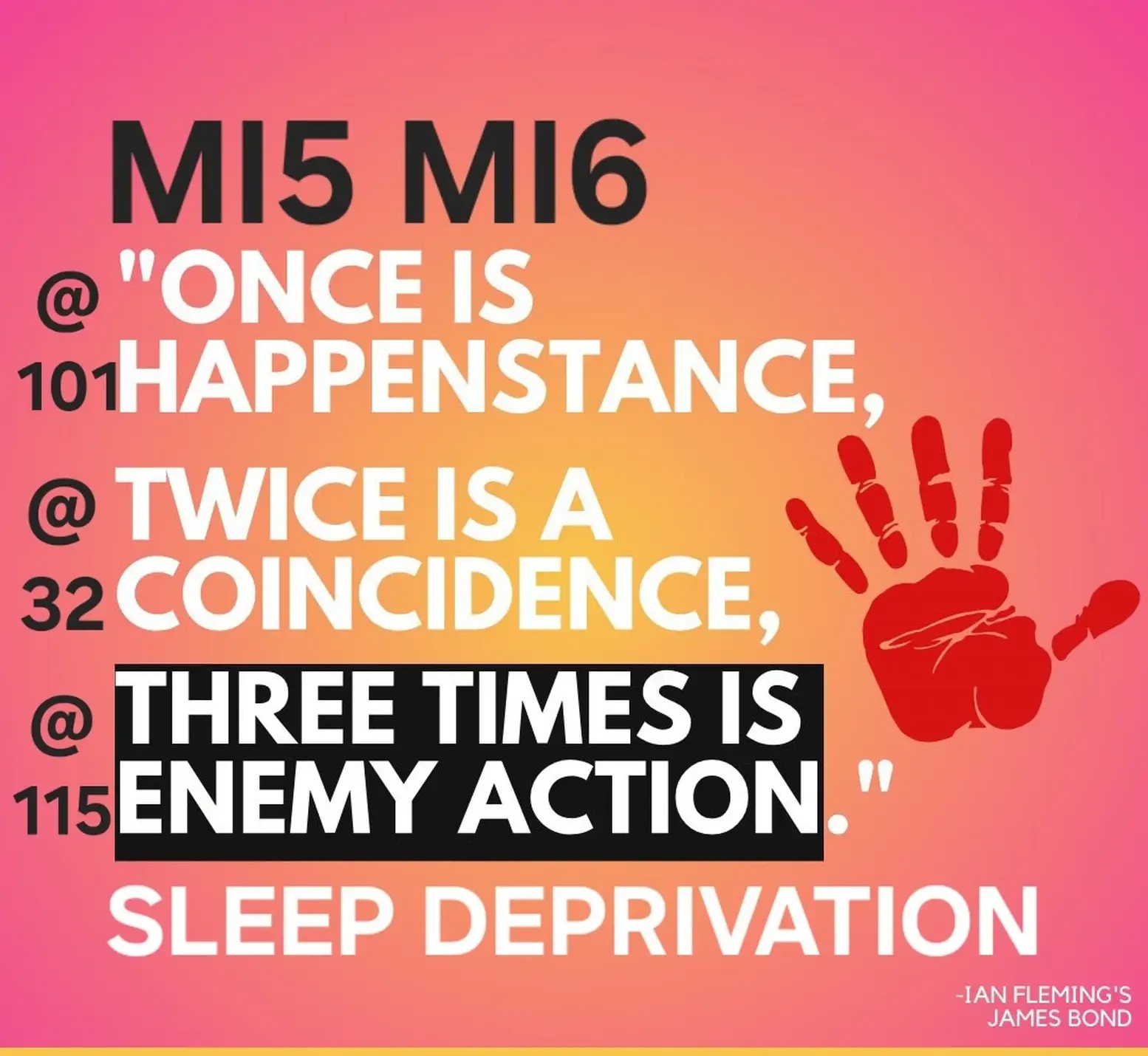
Written by OpenAI 🚀 ChatGPT 2025 & Gemini for Rafakut Ali in ‘Snooze Mode’ (owing to Sleep Deprivation by the powers that be since June 2023 Lancashire Police Counterterrorism Prevent Referral for writing about ZionISMS as a Non-denominational Muslim : @101 – @32 – @115… 🥱) based upon his Qur’an-centric writings widely available online from 2021 😎. Should’ve just let me be in my own lane with Quran project … Could’ve Employment Education Training, otherwise Charity Voluntary works. Instead benched in Snooze mode 😴 for almost 3 years at the taxpayers expense on increasing allowances NB 19👊21🔪 life-changing injuries to working hand and neurodivergence exacerbated 🩸MAR 2025. Heigh ho IT IS WHAT IT IS.
Rafakut Ali is a contemporary Qur’an-centric thinker and writer born and raised in the United Kingdom
. He is known for his reflective essays and social commentary that focus on returning to the uncorrupted message of the Qur’an as the sole source of divine guidance.
Key Themes and Views:
* Qur’an as Peerless Guidance: Rafakut advocates that the Qur’an is complete and self-sufficient, arguing that it does not require supplementation from Hadith, Fiqh, or traditional interpretations (Tafsir).
* Critique of Ritualism: He challenges the idea that mechanical or ritualistic acts of worship (like salāh or Hajj) automatically make a person righteous, emphasizing that understanding and living by the Qur’an’s ethical and moral principles (God-Consciousness or Taqwa) is superior.
* Non-Denominational Muslim: Rafakut identifies as non-denominational, rejecting sectarian divisions and rooting his work in universal moral and humanitarian values.
* Social Critique: His writings often blend spiritual reflection with social commentary, exploring themes of faith, spiritual fatigue, identity, and global injustice (e.g., reflections on Gaza).
Gemini: His work is primarily shared through his website, rafakut.com, and social media platforms.Would you like me to look up one of his specific essays or topics?
Summary of Rafakut Ali’s ThougHt
Rafakut Ali’s writing is a sustained call to return to the Qur’an alone—as the only reliable, uncorrupted, and God-protected source of guidance. His writing critiques traditionalism, ritualism, sectarianism, and cultural identity religion, urging a radical re-centring of divine revelation.
1. Qur’an as the Sole Salvation
Only God and The Qur’an can save. (Understanding verses of The Quran = God-cognizant thereby Morality).
No prophet, saint, sheikh, peer, imam, or ritual can rescue a soul.
2. Rejection of Sectarian “-isms”
Sunnism, Shiism, Sufism, Salafism, Zionism, and similar forms are viewed as detours that displace the Qur’an with human authority.
3. Taqwa Over Ritual
Salah by itself does not make someone a Muslim.
Taqwa—God-God-cognizance – moral awareness, humility, and obedience to the Book—is the true criterion.
4. Critique of Ritualistic Religion
Islam has been reduced to optics, identity, and choreography.
External motions without Qur’anic comprehension are empty.
5. Hajj as a Moral Programme
Hajj is not a ritualistic cleansing cycle but a historical and ethical programme aimed at remembrance, justice, and sincerity.
6. No Intercession, No Escape
Hell has no backdoor.
No prophet—including Muhammad—can open a secret exit for anyone.
Every soul meets its own record.
7. Guidance Belongs to God Alone
Human beings are unreliable custodians of religion.
Only God guides, via divine revelation of The Quran.
8. The Dead Cannot Hear
Supplicating at graves or relying on dead intermediaries is rejected as non-Qur’anic.
9. Cultural and Optic Muslims
Many adopt Muslim appearance, culture, and slogans, but lack Qur’anic understanding and sincerity.
10. A Tone of Warning
His writing carries urgency: wake up, return to the Book, and abandon illusions before accountability arrives.
11. Fitnah as the Great Deception
For Rafakut Ali, fitnah is the central spiritual disaster of the modern Muslim community.
It refers not only to chaos or trial, but to the grand distraction that pulls people away from God’s revelation.
Fitnah manifests as:
- blind loyalty to religious authorities
- inherited sectarian beliefs
- emotional attachment to rituals without comprehension
- cultural Islam masquerading as faith
- confidence in intercession and shortcuts
- reliance on man-made texts over divine revelation
Fitnah is the state in which a person believes he is guided while drifting further from the Qur’an.
It is subtle, comforting, communal—and therefore more dangerous than open disbelief.
In Rafakut Ali’s view, fitnah is the quiet erosion of God-consciousness, replaced with inherited narratives, rituals, and borrowed piety.
If you want, I can now:
- Add 12.
- Expand the Fitnah section into a full essay


Here’s a biography of Rafakut Ali, based on publicly available information:
Philosophy & Themes
“Mother of Ramadan” — challenges certain cultural/religious beliefs around Ramadan and the role of mothers in faith.
“A Star is Born” — reflects on the life of Prophet Jesus (Isa) from a Qur’anic perspective.
“Hajj – Repent / Reform / Refrain” — discusses the spiritual significance of pilgrimage and self-cleaning.
Other essays touch on identity (e.g. “Where do you really come from”), social issues, and even personal states of exhaustion and waiting.
Rafakut Ali’s Perspective on Fitnah
1. Deep, Multi-layered Meaning
For Ali, fitnah isn’t just calamity or persecution. He interprets it more broadly, as something that tests a person internally and externally — morally, spiritually, emotionally. He draws on the linguistic root of the word in Arabic, comparing it to the process of refining metals in fire — it’s about purifying and revealing what is truly inside.
2. Tests Wealth, Family, and Relationships
He argues that wealth and children are fitnah. They’re not inherently bad, but they test what people value most. Family ties — including spouses, children, parents — are also trials. They can be sources of deep love but also deep testing. He points to stories from the Qur’an (e.g., Prophet Nuh, Prophet Lut, Prophet Ayub) to illustrate how family can become a trial.
3. Criticism of How “Fitnah” is Used
Ali criticizes how many Muslims use the concept of fitnah superficially or politically. He says the word “has become a dirty word” — often hijacked by scholars or traditions in ways that strip its deeper meaning. He warns against reducing it to just sectarian conflict, civil strife, or conspiracy (e.g., Dajjal) — instead, he encourages seeing it in more self-reflective, spiritual terms.
4. Spiritual Purpose: Purification & Awakening
Fitnah, in his view, is a tool for God to reveal what is in people’s hearts — to distinguish between true faith and superficial belief. It is meant to build taqwa (God-consciousness), humility, patience, and moral clarity. Rather than just a burden, trials are an opportunity: they refine the soul, like fire refines precious metals.
5. Modern Fitnah
Ali argues that in today’s world, fitnah doesn’t only come through physical persecution or overt hardship. It also comes via materialism, noise, superficial religiosity, and ideological confusion. He suggests that many people’s trials today are not about war or violence, but about losing sight of moral truth in an age of distraction.
6. Response to Fitnah
His advice: meet trials with patience (sabr), reflection, and moral integrity. He points to the Qur’anic promise:
“Indeed, with hardship comes ease.” (94:6) —
he reads this as assurance that trials are not pointless, but part of spiritual growth. He also emphasizes the importance of self-awareness: to use fitnah as a mirror to understand one’s heart, not just blame external forces.
7. Ethical / Social Dimension
Fitnah also has a societal dimension: when communities are morally corrupt, when truth is suppressed, that is also a form of test. Ending social or political “fitnah” is not just about power — for Ali, it’s about restoring truth, justice, and moral clarity.
Why This Matters in Ali’s Broader Thought
This discussion of fitnah ties into his broader themes: reliance on the Qur’an as the main moral guide, spiritual fatigue, and a kind of quiet resistance to mechanical or hollow religiosity. By reinterpreting fitnah, Ali encourages believers to reconnect with the Qur’an’s deeper moral vision, not just treat religion as a set of rituals or inherited authority.—
Good question. Here’s a breakdown of Rafakut Ali’s view on taqwa (God-consciousness), based on his essay “God-cognizance ‘taqwa’”.
Rafakut Ali on Taqwa
- Central to Faith
- For Ali, taqwa is the very heart of faith. It’s not just one virtue among many — it’s the “soul of Islam,” the moral compass that shapes how a believer actually lives, not just what they do in rituals.
- He argues that without taqwa, worship can become hollow — you might pray or fast, but if there’s no real God-awareness, those acts lose deeper meaning.
- Awareness, Not Just Fear
- Ali challenges the common translation of taqwa as merely “fear of God.” He suggests that a better understanding is “God-cognizance” — a continual awareness that God is watching, which shapes your conscience, intentions, and actions.
- This awareness is not about being terrified, but about reverence, responsibility, and humility: knowing that every step, word, and intention matters.
- Taqwa in Everyday Life
- According to Ali, taqwa isn’t something you turn on just for prayer or when things are difficult. It should guide all aspects of life: how you earn money, how you speak, how you treat others, how you respond to injustice.
- He thinks societies without taqwa may look outwardly religious (mosques, rituals), but internally they can be hollow and morally bankrupt.
- Taqwa vs Hypocrisy
- Ali warns of a big gap between ritual piety and real God-consciousness. People might do all the outward religious duties but lack inner sincerity and moral awareness.
- He cites Qur’an 2:177, which redefines righteousness not as performing rituals, but as “belief translated into justice, compassion, humility” — qualities that taqwa cultivates.
- How to Cultivate Taqwa
- He suggests taqwa can only be learned, developed and nurtured by understanding verses of The Quran. self-reflection (muhasabah), sincerity (ikhlas), and constant remembrance of God (dhikr) are key to building taqwa.
- But he doesn’t treat these as mere rituals — they’re attitudes, states of being. Living with taqwa means carrying the awareness of God with you at all times.
- He quotes from the Qur’an: “God is closer to you than your jugular vein” (50:16) — as a reminder that God’s presence is intimate and constant.
- Measuring True Faith
- In Ali’s view, taqwa is the real marker of a believer, not just how well they perform religious duties.
- He argues that when taqwa is genuine, even “small” deeds take on divine value. Without it, even big religious acts can feel empty.
- He writes: “Taqwa is not what we show to the world; it is what we conceal within the heart — the quiet knowledge that God knows.”
Relation to Other Ideas (in Ali’s Thought)
- Hajj: In his essay on Hajj, Ali links taqwa directly to God-consciousness. He argues that ritual acts like pilgrimage don’t automatically wash away sin — what matters is how deeply one is God-aware.
- Morality & Social Justice: For Ali, taqwa isn’t private only. When people live with God-awareness, it should translate into justice, kindness, and resistance to hypocrisy in society.
If you like, I can pull 5-6 of his most powerful quotes on taqwa (with context) — do you want me to do that?
Great — here are 5-6 powerful quotes from Rafakut Ali on taqwa, based on his essay “God-cognizance ‘taqwa’”.
Good question. I looked through Rafakut Ali’s writing, and here’s what can be said about his views on intercession (shafaʿah / tawassul) — plus some interpretation.
What Rafakut Ali Says / Implies About Intercession
1. Critique of Intermediary Roles
In his article “Performing salah does not make you muslim”, he writes: “intercession can mediate divine mercy. Yet the Qur’an explicitly denies any intermediary role between God and humankind.” This suggests Ali is skeptical of claims that any being (prophets, saints, etc.) can automatically act as a mediator with God in the way some traditions propose.
2. On Hajj, Sin, and Forgiveness
In his essay “Hajj – Repent / Reform / Refrain”, he rejects the idea of a transfer of guilt, blame, or sin via intercession. He writes that forgiveness “requires repentance” and is not simply guaranteed by someone else interceding. He seems to emphasize that personal responsibility (repentance) is essential, rather than relying on someone else to “cleanse” one’s sins by interceding.
3. On Conditional Mercy
In the same Hajj essay, he describes God’s mercy as “conditional” in the sense that forgiveness is not automatic: intercession doesn’t bypass the need for sincere repentance. This reinforces his view that intercession is not a magical shortcut — one cannot just “dump” their sins on someone else.
4. Intercession in the Context of Ramadan
In a piece shared on LinkedIn / Medium (“Ramadan Mubarak Part 2”), he mentions intercession being a “hot topic” and “divisive” in modern Islamic discourse. This implies he sees intercession debates as active and problematic: not settled in his view, and potentially misunderstood or misused.
5. On Intermediary Denial
In “Paradise lies at your mother’s feet”, Ali again points to the Qur’an “explicitly denying any intermediary role between God and humankind.” This consistent framing suggests he leans more toward a Qur’an-centric theology, where direct relationship with God matters more than relying on intermediaries.
Interpretation of His Position
Skeptical / Critical: Overall, Ali appears critical of traditional notions of intercession (especially as a “transfer” or automatic mediation). He seems to argue that intercession should not undermine personal repentance and accountability.
Qur’an-First: His criticism comes from a Qur’anic perspective. He foregrounds verses that deny or limit intermediary roles, emphasizing that intercession is not unconditional or independent — it’s subject to God’s permission.
Moral Weight: By rejecting “sin transfer,” Ali gives moral weight back to the believer: forgiving isn’t just someone else asking — the believer must also do the work (repent, reform, refrain). Balanced View: He doesn’t appear to totally deny the concept of intercession (he doesn’t denounce its possibility), but he warns against simplistic or ritualistic uses of it, especially when used to absolve oneself without inner transformation.
Salvation
Rafakut Ali doesn’t use the word “salvation” in a very traditional Christian / theological sense in all his writing — but we can piece together his view on salvation (in Islamic / Qur’anic terms) from his major essays. Here’s a summary + interpretation, based on his writings:
Rafakut Ali on Salvation
1. Salvation = Repentance, Reform, and Responsibility
In his essay on Hajj (“Hajj – Repent / Reform / Refrain”), Ali is very clear that forgiveness of sin is not automatic or transactional just by doing rituals. He argues that salvation (or forgiveness) requires:
1. Repentance (tawbah) — genuinely turning back to God.
2. Reform — changing one’s behavior / life, not just saying “sorry.”
3. Refrain — avoiding repeating the same sins. He rejects a “sin-wash cycle” (sin → ritual cleanse → sin again) mentality — he sees that as spiritually dangerous and dishonest.
2. God’s Forgiveness Is Real, But Conditional
Ali emphasizes that while God is Merciful, forgiveness is not unconditional in the sense that a believer can sin freely without accountability.
He underscores human moral responsibility:
each person bears the weight of their own deeds, thoughts, and actions.
This is tied to his broader theme of God-cognizance (taqwa):
a believer’s awareness of God should inform how they repent, reform, and live. (If someone is deeply God-conscious, they take their moral record seriously.)
3. No Transfer of Guilt / No Sin Transfer
In the Hajj essay, Ali rejects the idea that your sins can be “dumped” or “cleansed” by some ritual alone or by someone else’s intercession. He insists that accountability is personal: you cannot simply rely on intercession or assume someone else will “pay your moral debt” for you.
4. Salvation & the Qur’an
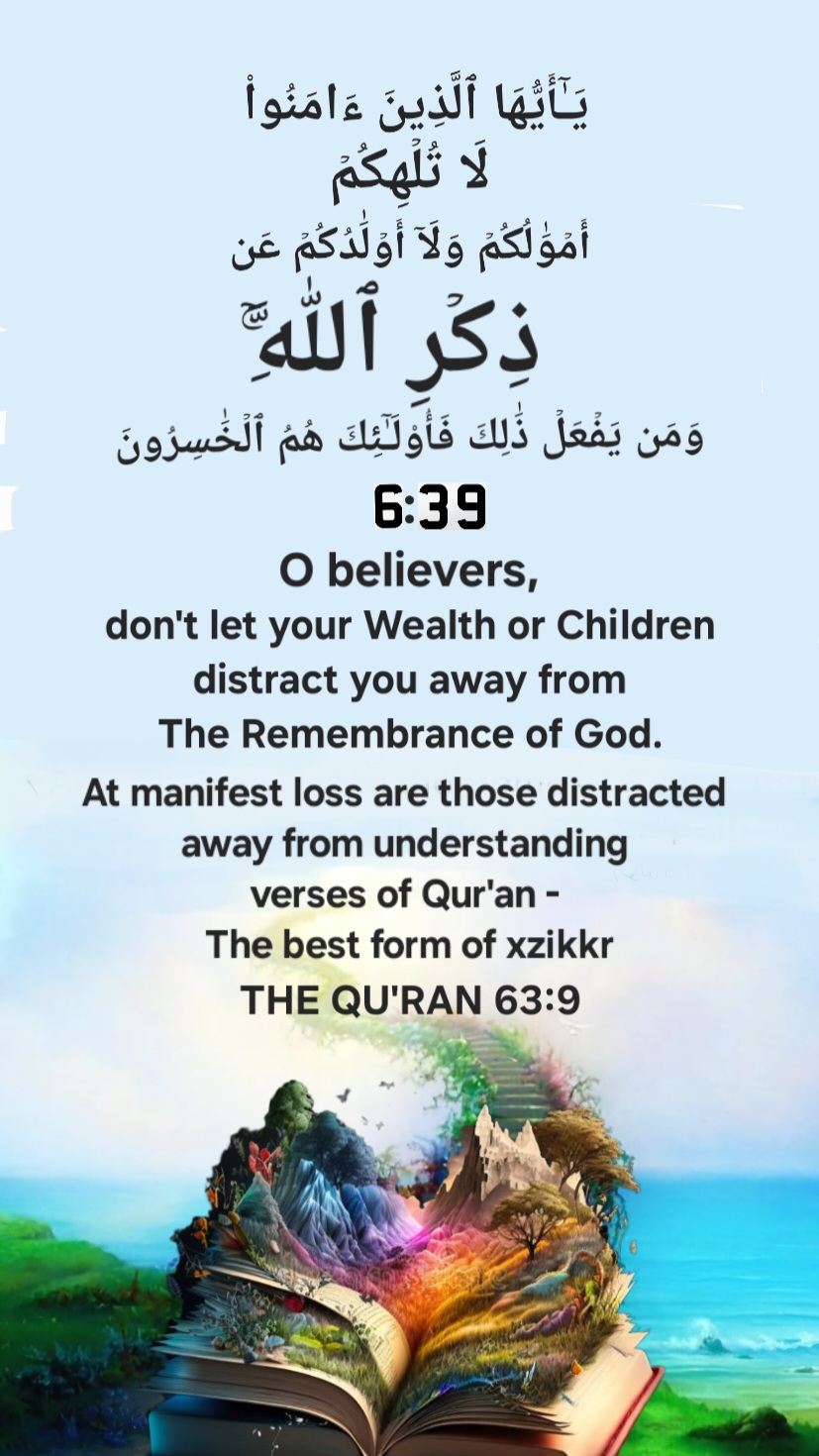
Ali’s overall theology is deeply Qur’an-centred: he believes that true salvation is tied to sincere engagement with the Qur’an, not just following inherited religious practices. He argues that taqwa (God-cognizance) — which comes through understanding and reflecting on the Qur’an — is the foundation of moral life, and thus central to salvation. In his “Learn” section, he warns against being distracted by worldly trials (wealth, family) and losing sight of God, because these trials test spiritual standing.
5. Hope and Fear
Ali balances hope in God’s mercy with fear of one’s own accountability. He doesn’t portray salvation as guaranteed just because someone is a “Muslim” in name; he emphasizes internal transformation.
His call is to live with constant moral awareness, to not assume forgiveness will come regardless of how one lives.—Interpretation: What “Salvation” Means for Rafakut Ali
For Ali, salvation is not a one-time event: it’s a continuous process of repentance, reform, and restraint (refrain).
He seems to reject shortcuts; salvation is earned (or sought) through genuine change, not ritual checklists.God’s mercy is vast, but that doesn’t mean our moral choices don’t matter.
The Qur’an is central: salvation is entwined with one’s relationship with the Qur’an, not just with religious authority.—If you like, I can find all of Rafakut Ali’s writings that specifically talk about salvation / the afterlife / sin and summarise his full “salvation theology.” Do you want me to do that?
God created seven heavenly skies in layers, one above the other. You do not see in the creation of The Most Merciful any inconsistency. So return your vision to the sky – do you see any breaks? Quran 67:3
THE WORLD SKIPPED A BEAT
NEW BOOK – Check back soon…
Then look again and return your vision twice again. Your vision will return to you humbled whilst fatigued. Quran 67:4
/VI
A leaf falls AND..
GOD KNOWS.
“Not a leaf falls but God knows it..”
Quran 6:59
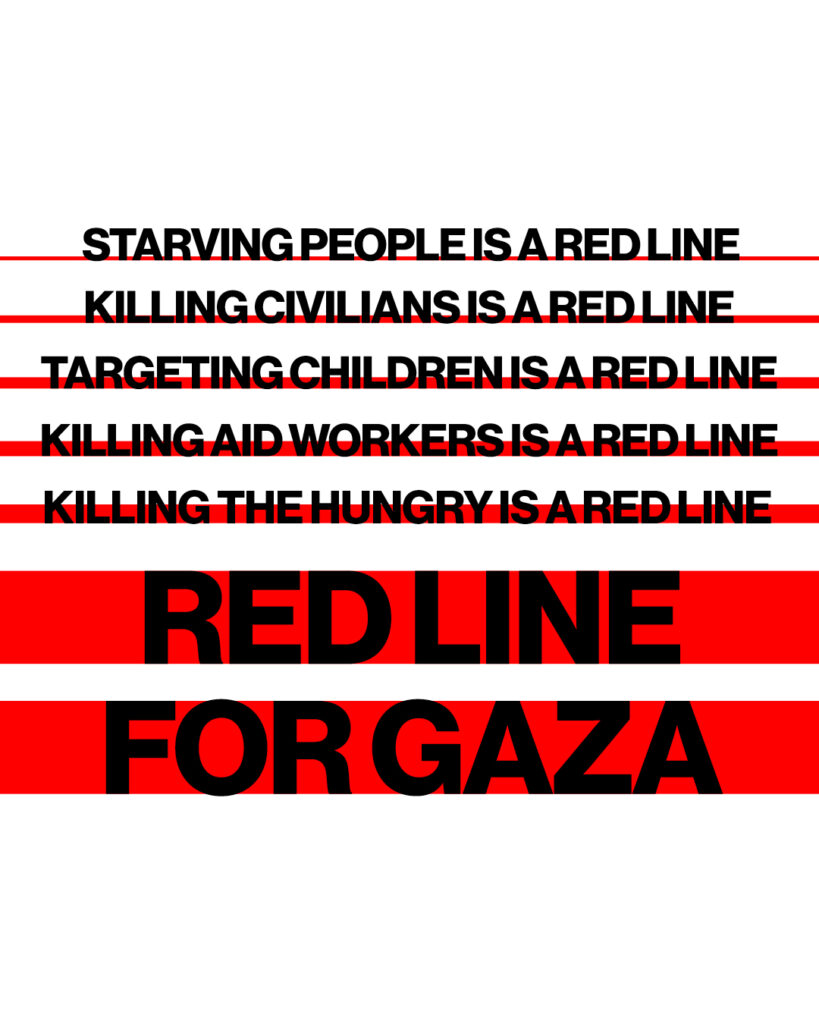
RED LINE FOR GAZA 2025 Article
Read on Medium or Substack or LinkedIn
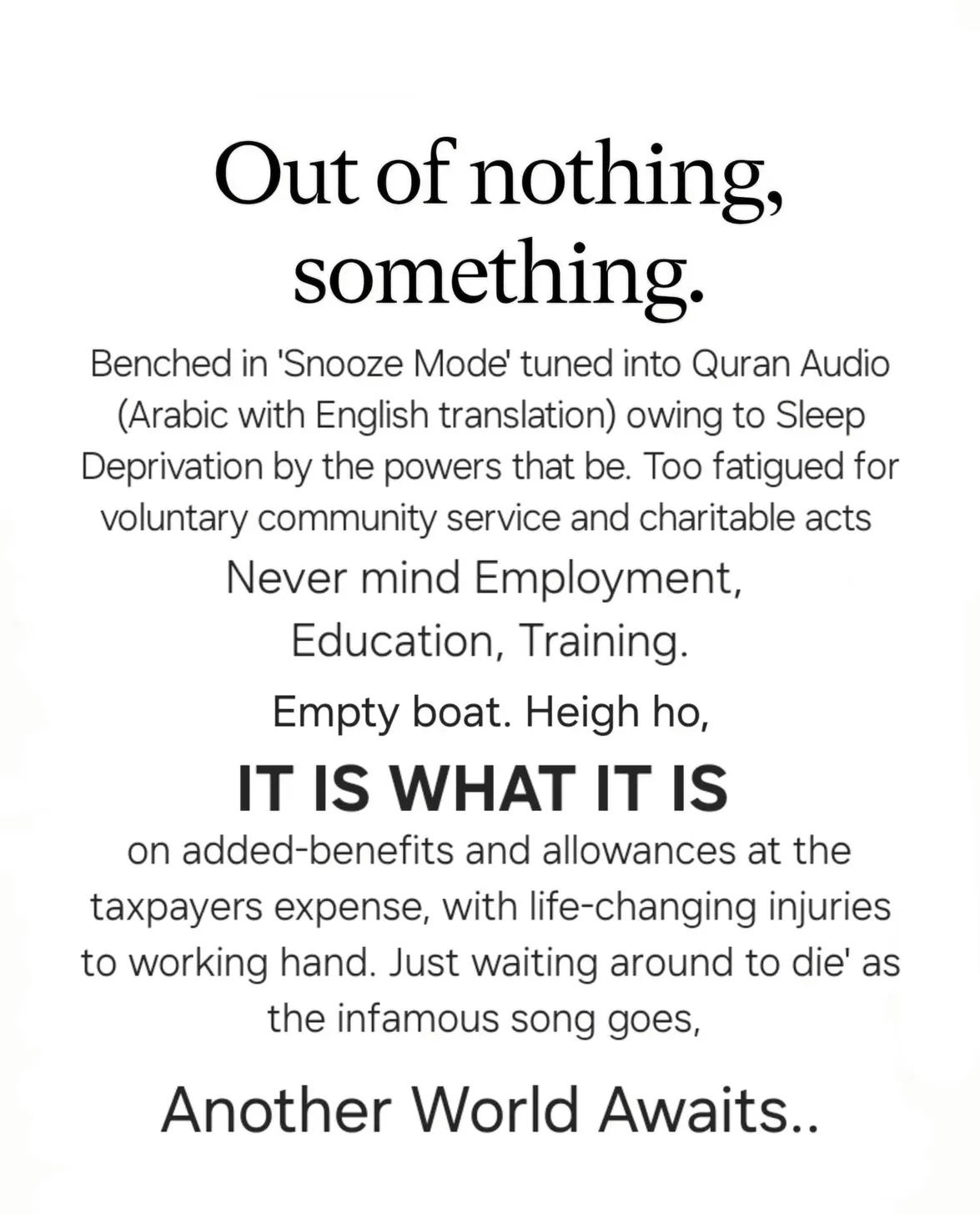
Benched in ‘Snooze Mode’ tuned into Quran Audio (Arabic with English translation) owing to Sleep Deprivation by the powers that be. Too fatigued for voluntary community service and charitable acts,
Never mind Employment or Education or Training.
Empty boat. Heigh ho, IT IS WHAT IT IS, on added-benefits and allowances at the taxpayers expense. Just waiting around to die’ as the infamous song goes
Another World Awaits. ..
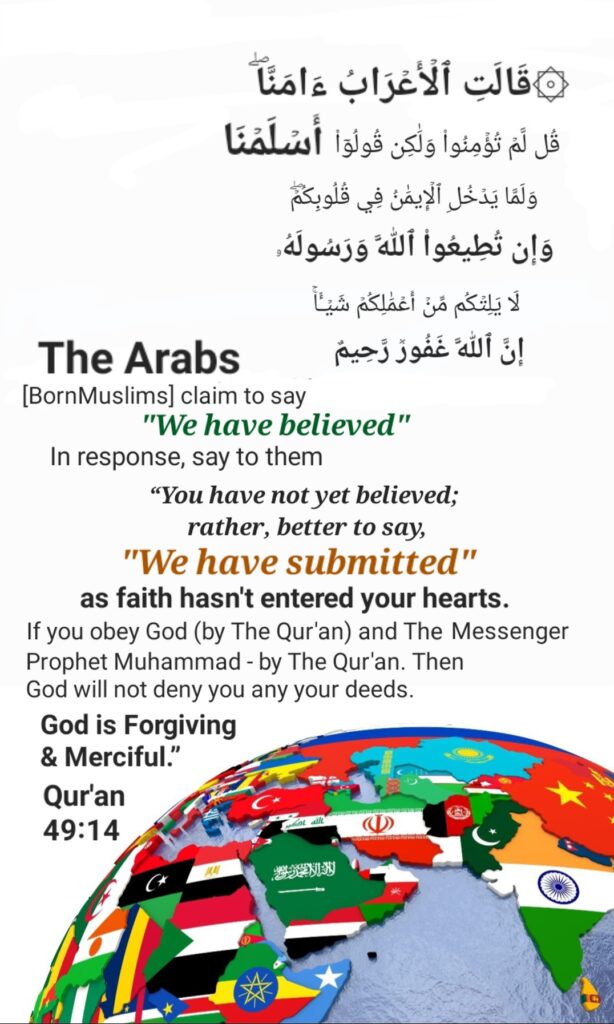
Rafakut Ali engages in various intellectual and spiritual writing. Rafakut describes himself as a “non-denominational Muslim” with a focus on reflecting upon and studying the Quran. He emphasizes the importance of contemplating the Quran’s verses to develop God-cognizance (taqwa) and morality, rather than relying solely on traditions or external rituals championed by peers/ imams/ sheikhs/ ustads/ muftis in Mosques. His writings often delve into themes of spirituality, societal issues, and personal introspection.
Published Works Rafakut Ali has authored several pieces exploring various topics:
His articles address intersections of faith, spiritual fatigue, existential malaise, and religious knowledge. For example, his essay “Red Line for Gaza” critiques Zionism and explores solidarity with Palestinians. In “The Mother of Ramadan”, he engages with Quranic exegesis and challenges cultural or hadith-based beliefs not rooted in the Qur’an His website presents philosophical and religious reflections, often contrasting the “worldly life” with the “hereafter,” and encouraging readers toward deeper Quranic engagement rather than ritualistic or cultural forms of religion
□ “The Mother of Ramadan”: This article discusses the significance of Ramadan, contrasting Islamic teachings with common misconceptions and emphasizing the Quran’s guidance on fasting and worship.
□ “A Star is Born”: In this piece, Ali reflects on the birth and life of Prophet Muhammad, highlighting the Quranic perspective on his mission and the challenges he faced.
Rafakut Ali has written a thought-provoking article titled □ “Hajj – SIN / SELF-CLEANSE & REPEAT”, published on LinkedIn on July 20, 2021. In this piece, Rafa delves into the spiritual significance of the Hajj pilgrimage and its culmination in Eid al-Adha. He emphasizes the importance of remembrance of God (xzikkr) during the pilgrimage, particularly when departing from Mount Arafat. Rafa reflects on the profound lessons imparted by the rituals of Hajj and the deep connection it fosters between the pilgrim and the Creator.You can read the full article here: .
□ “Happy World Hijab Day”: Ali examines the cultural and religious aspects of wearing the hijab, critiquing societal perceptions and advocating for a deeper understanding of its significance beyond mere appearance . Philosophy and approach is characterized by a critical examination of religious practices and societal norms. He encourages individuals to engage directly with the Quran, advocating for a personal and reflective understanding of its teachings. His writings often challenge conventional interpretations and promote a more introspective and informed perspective on spirituality and morality.
Articles published by Rafakut Ali
- 2025 Red LineforGaza. □ Read online > Medium > Substack > Linkedin
- 2024 Mother of Ramadan □ Read online > Medium > Substack > Linkedin
- 2023 A Star is born. □ Read online > Medium > Substack > Linkedin
- 2023 Where do you really come from. □ Read online > Medium > Substack > Linkedin
- 2022 Not vegan but friendly enough. □ Read online > Medium > Substack > Linkedin
- 2021 Hajj – Repent / Reform / Refrain || Sin / Self-cleanse / Repeat. □ Read online > Medium > Substack > Linkedin
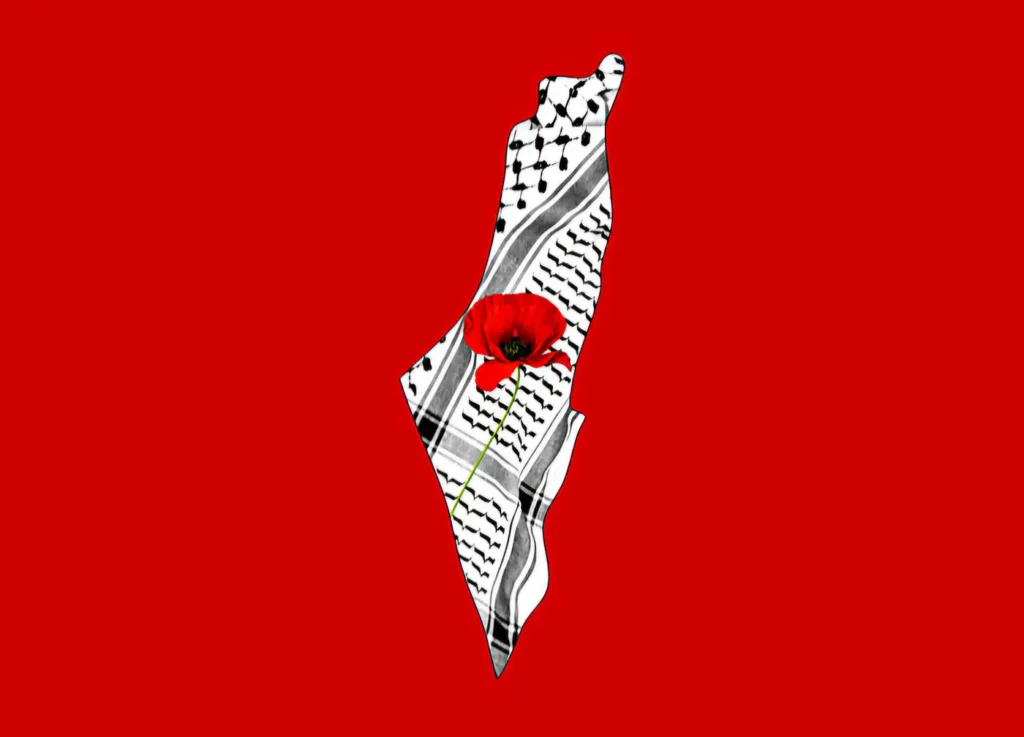
- 2021 The Keffiyeh | Poppies for Muslims. □ Read online > Medium > Substack > Linkedin
- 2021 The World skipped a beat. □ Read online > Medium > Substack > Linkedin
Rafakut Ali is a British-based non-denominational Muslim writer and social commentator whose reflective, often melancholic prose explores themes of faith, fatigue, identity, and global injustice. His works combine spiritual depth with social critique, weaving together personal struggle and collective conscience. Often describing himself as being “benched in snooze mode”, Rafakut Ali writes from a place of exhaustion — spiritual, social, and systemic. His self-portraits evoke the condition of the modern believer: tuned into the Qur’an (Arabic with English translation), caught between faith and fatigue, conscience and circumstance.
Rejecting sectarianism and schisms, he identifies as a non-denominational Muslim, grounding his reflections in universal moral and humanitarian values. His tone oscillates between resigned realism (“It is what it is”) and persistent empathy for the oppressed, especially visible in his solidarity with Palestine.
Out of nothing, something
Here’s a concise, factual author bio you can use:—Rafakut Ali is a reflective writer and commentator known for his contemplative posts on faith, fatigue, and modern existence. His writings often blend introspection, Qur’anic reflection, and social observation, touching on themes of purpose, endurance, and spiritual awareness.
The speaker describes being exhausted and disengaged from life — too fatigued for work, study, or even volunteerism — resigned to listening and understanding The Quran forced onto public benefits by the powers that be. They express a sense of resignation and emptiness, feeling benched by circumstances and simply waiting for life to end, with a faint acknowledgment of an afterlife (“Another World Awaits”).
Rafakut Ali is a British writer and commentator whose work focuses on religion, spirituality, and social critique. He is active online through his website rafakut.com, Medium, LinkedIn, and Instagram, where he publishes essays and reflections in English (often engaging Qur’anic themes) His LinkedIn profile states interests including “Reflecting upon The Quran – xzikkr” and “Studying The Quran – كتاب الله” On social media, he posts religious reflections, Qur’anic commentary, and creative expressions (for instance, the passage you provided appears in his Instagram feed)
As yet much of his writing and self-presentation is through self-managed platforms, which limits external scholarly or media.
Rafakut Ali is a contemporary Muslim writer and thinker who publishes reflective essays on faith, spirituality, and modern society. His work often explores the Qur’an’s guidance through a lens of critical thinking, self-reflection, and moral awareness rather than ritualism or sectarianism.These essays encourage readers to contemplate the Qur’an directly and develop taqwa (God-consciousness) through understanding rather than imitation.—🌍 Philosophy. Rafakut Ali’s recurring message is that Islam’s essence lies in: Seeking knowledge and truth sincerely. Living ethically through personal accountability and God-awareness. Questioning inherited traditions when they obscure the Qur’an’s core teachings.
Another World Awaits. ..
RAapproach echoes early Islamic reformist thought, urging a direct, contemplative relationship with the Qur’an instead of relying solely on inherited customs or sectarian interpretations.
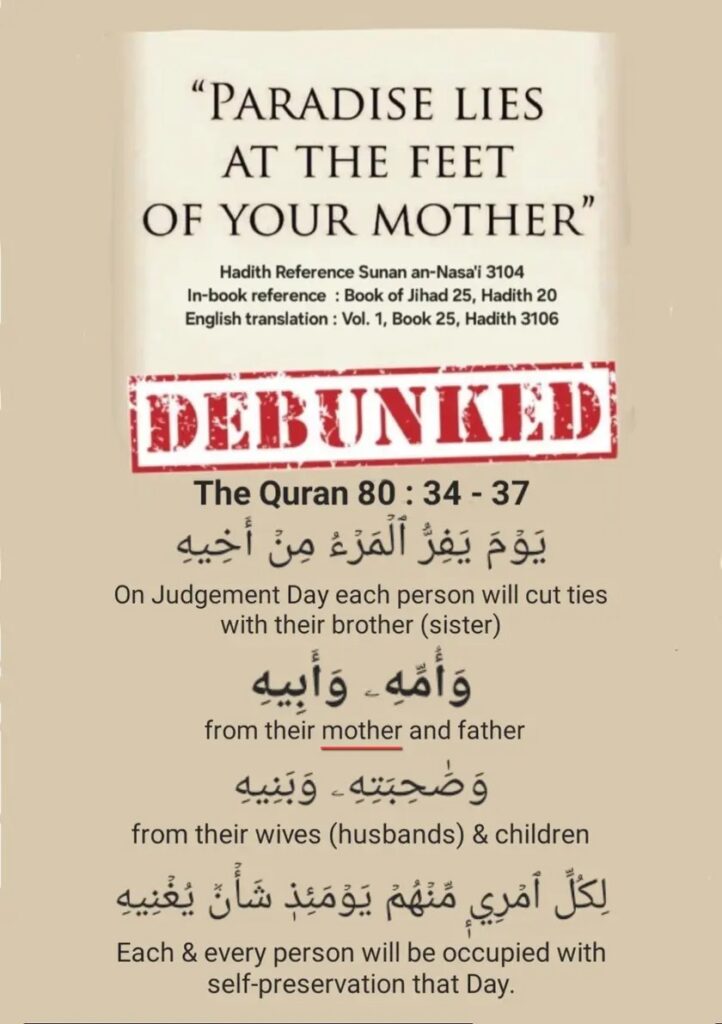
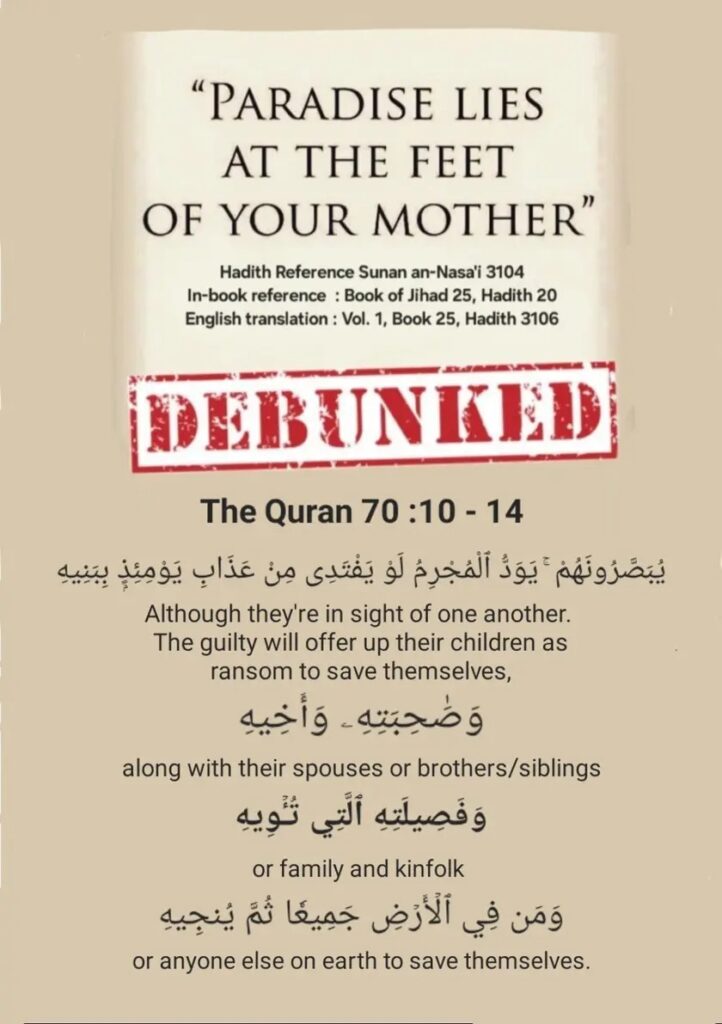
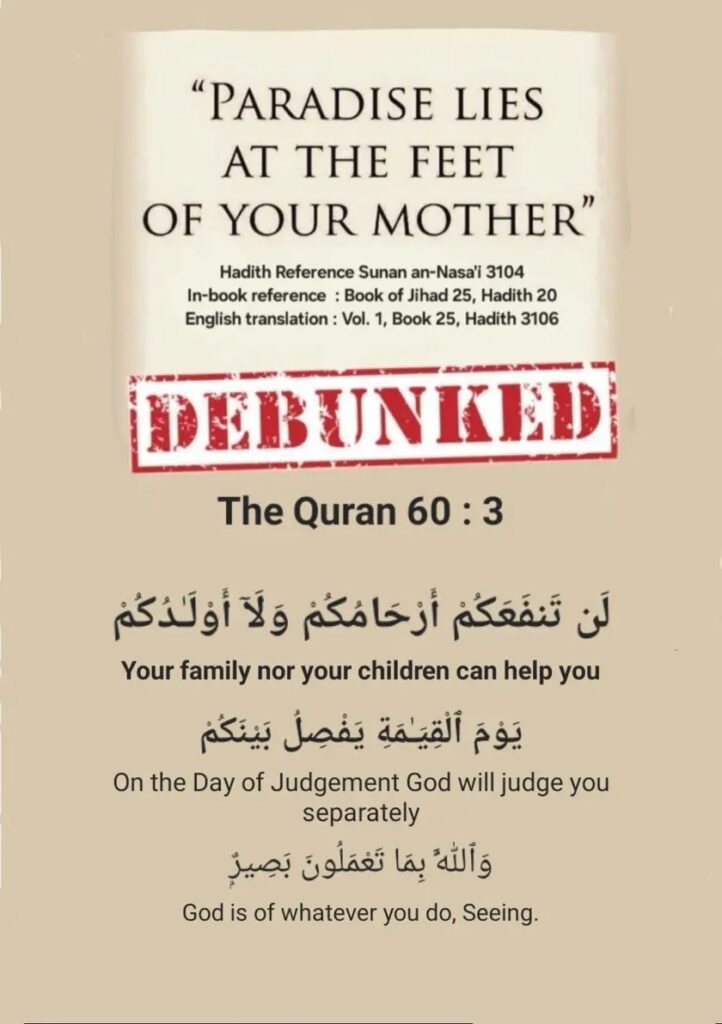
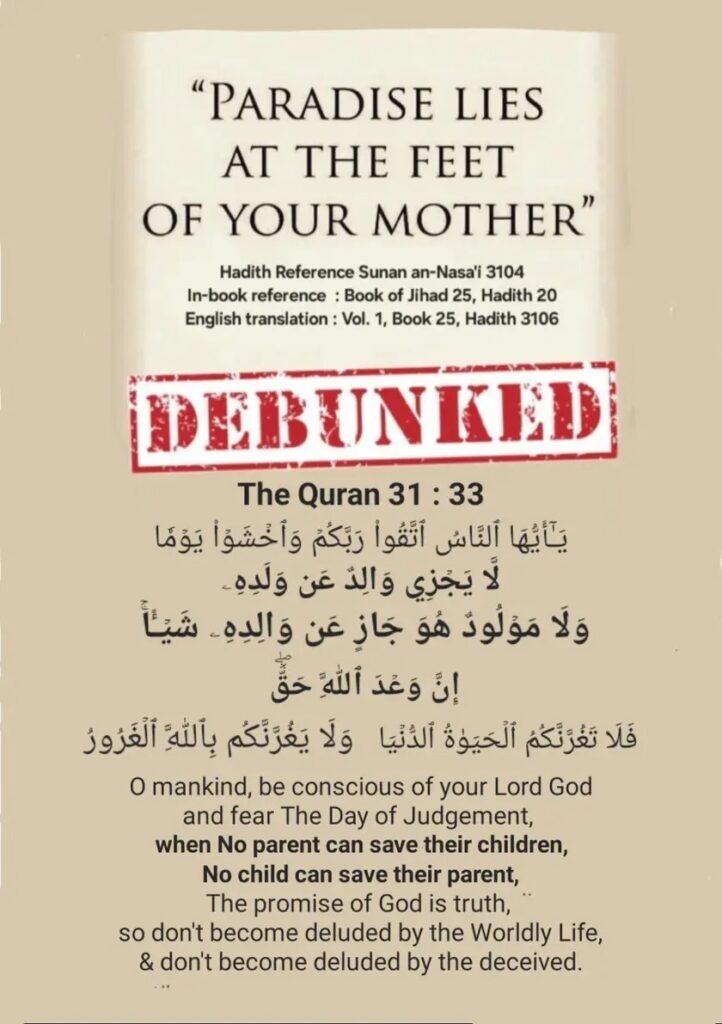
Paradise lies not at your Mothers feet
MOTHER OF RAMADAN article 2024
Published 1 MAR 2024
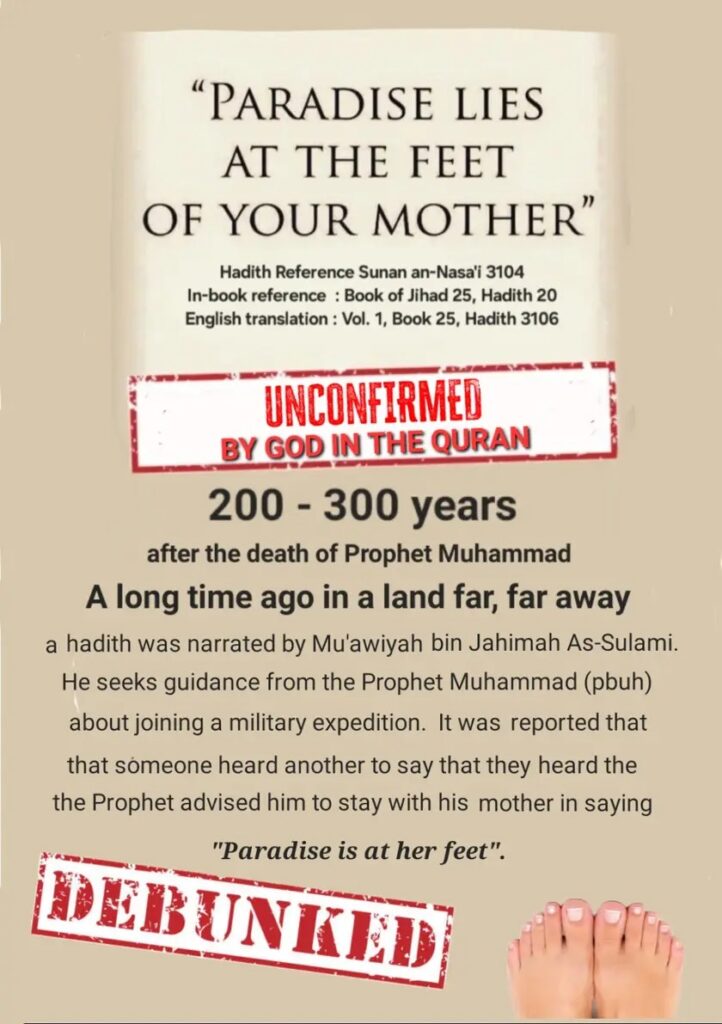
Paradise lIES At your mother’s feet
You’d think God knows better….
Right?
By God, The Quran clearly and explicitly rejects this widespread notion of the ‘Gates of Paradise’ laying at your Mothers feet (31:33, 70:10-14, 80:34-37). Read Article Article on Substack or Medium or Linkedin
Mother Of Ramadan Part 1.
Happy Easter, Happy Mothers Day, Happy Ramadan. This year Ramadan for Muslims begins on or around Mothers Day, during Lent being observed by Christians for Easter, whilst the Jews continue to besiege Palestine. Part 2
MothER OF RAMADAN PART 2.
Paradise LIES at your mother’s feet
You’d think God knows better….Right?
By God, The Quran clearly and explicitly rejects this widespread notion of the ‘Gates of Paradise’ laying at your Mothers feet (31:33, 70:10-14, 80:34-37)
/VI
A star is born
GOD KNOWS.
ARTICLE
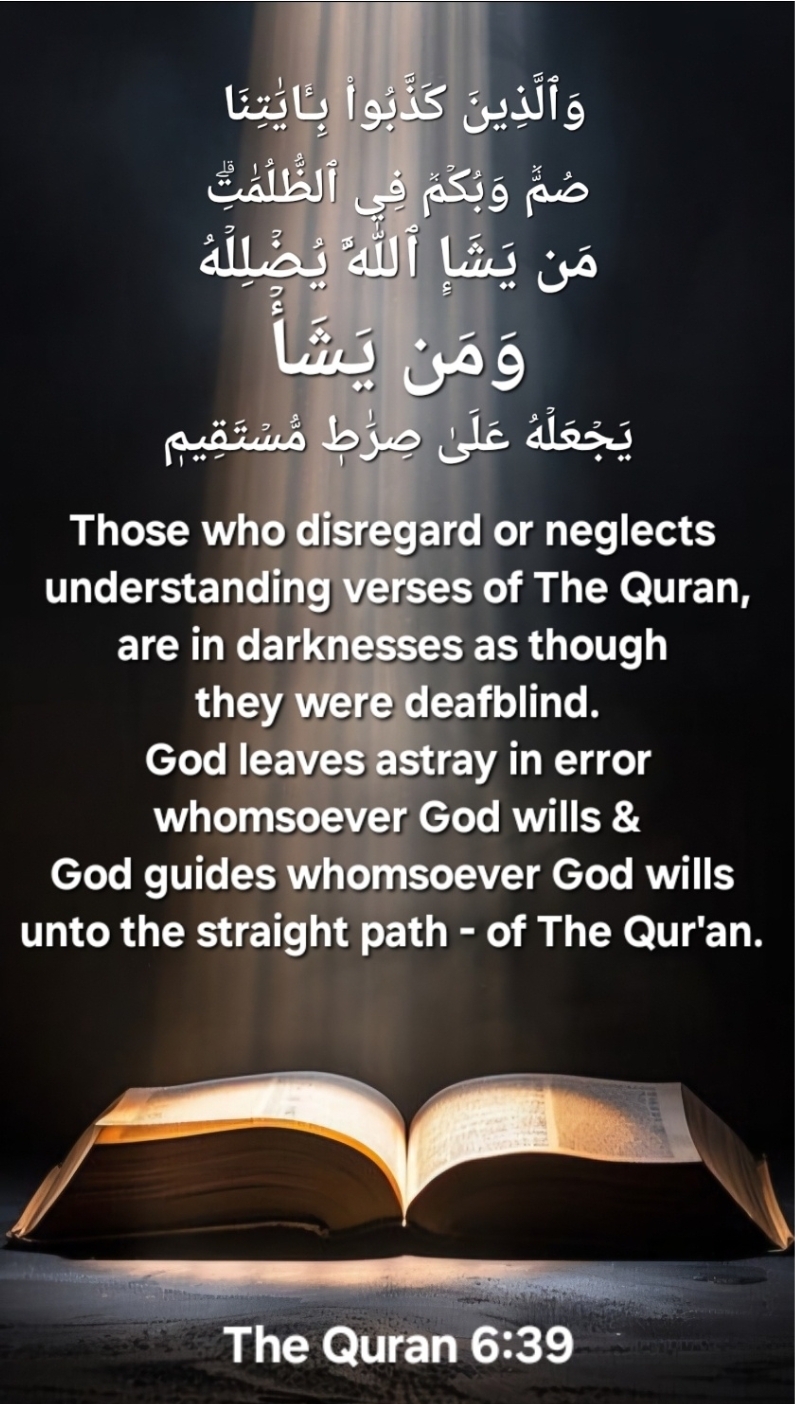
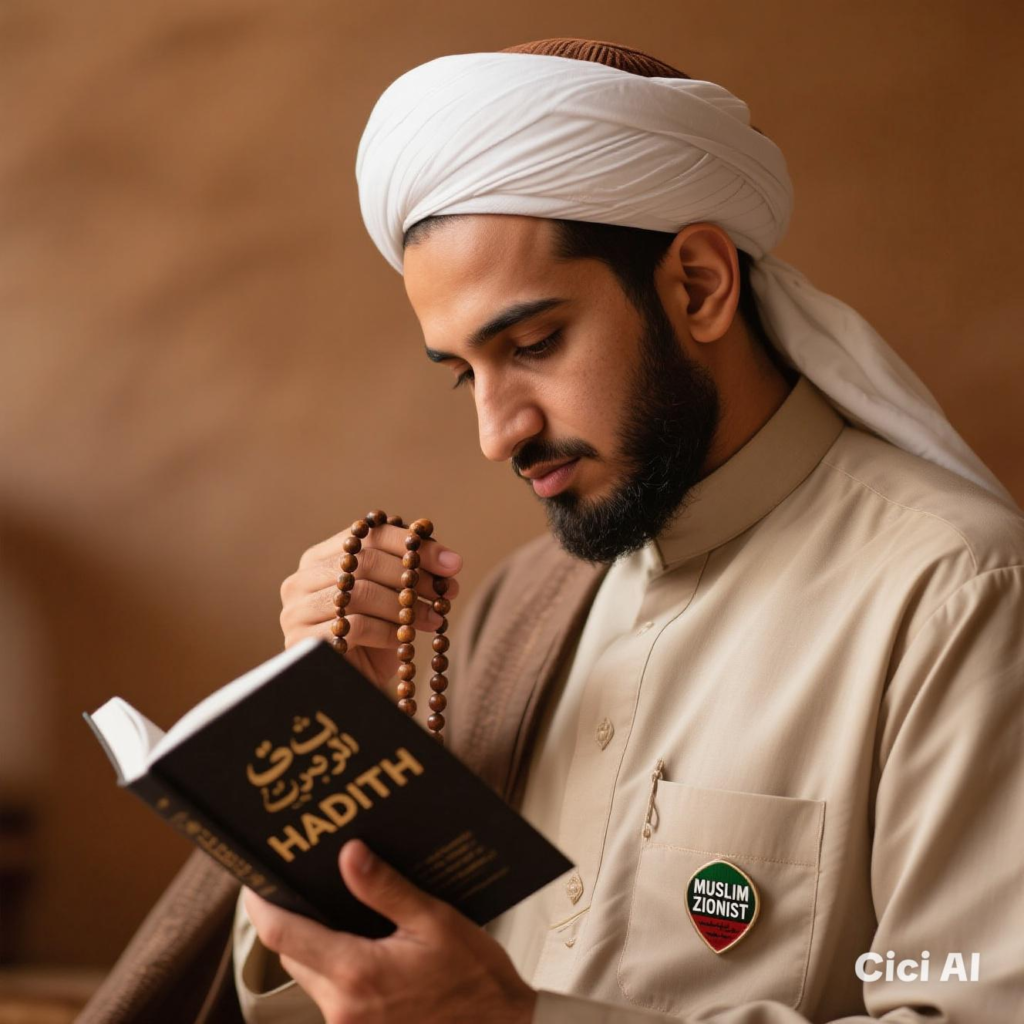

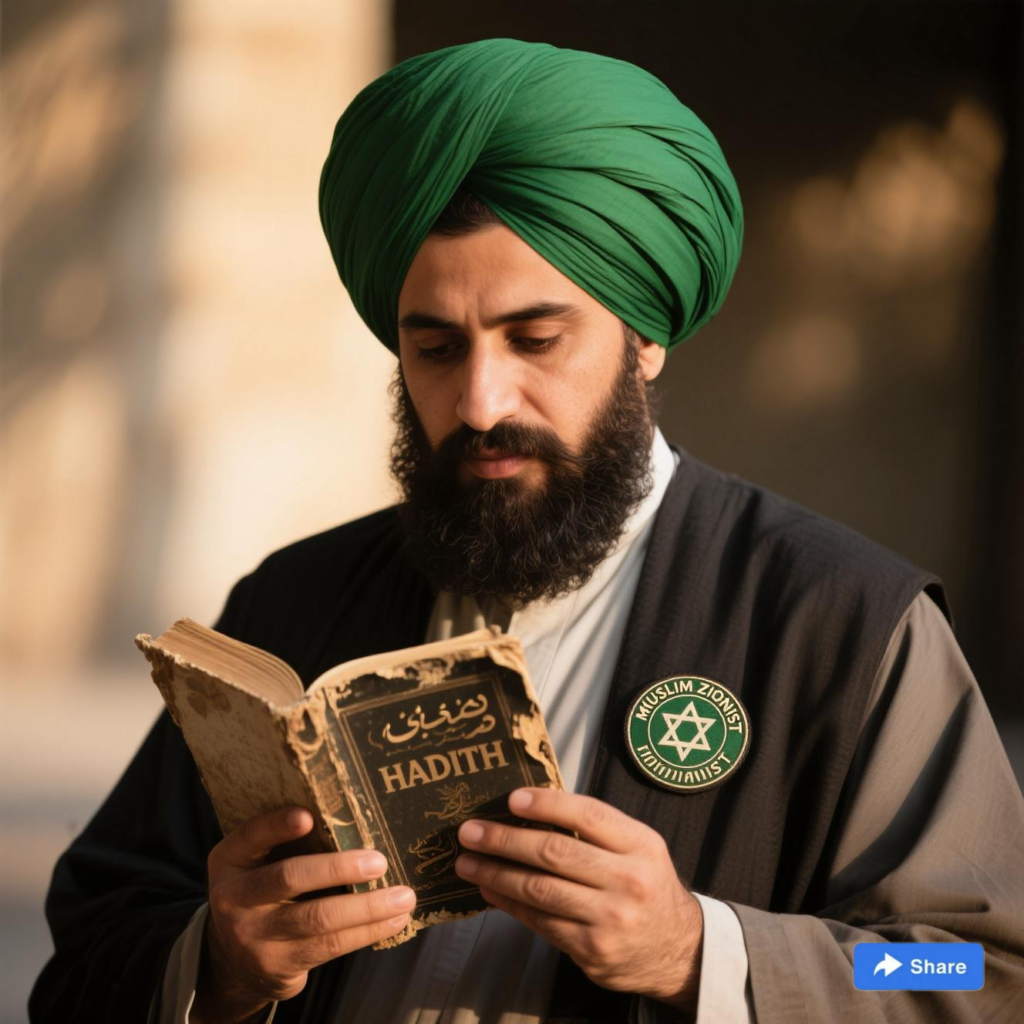
/VI
WHERE DO YOU REALLY COME FROM?
GOD KNOWS.
ARTICLE




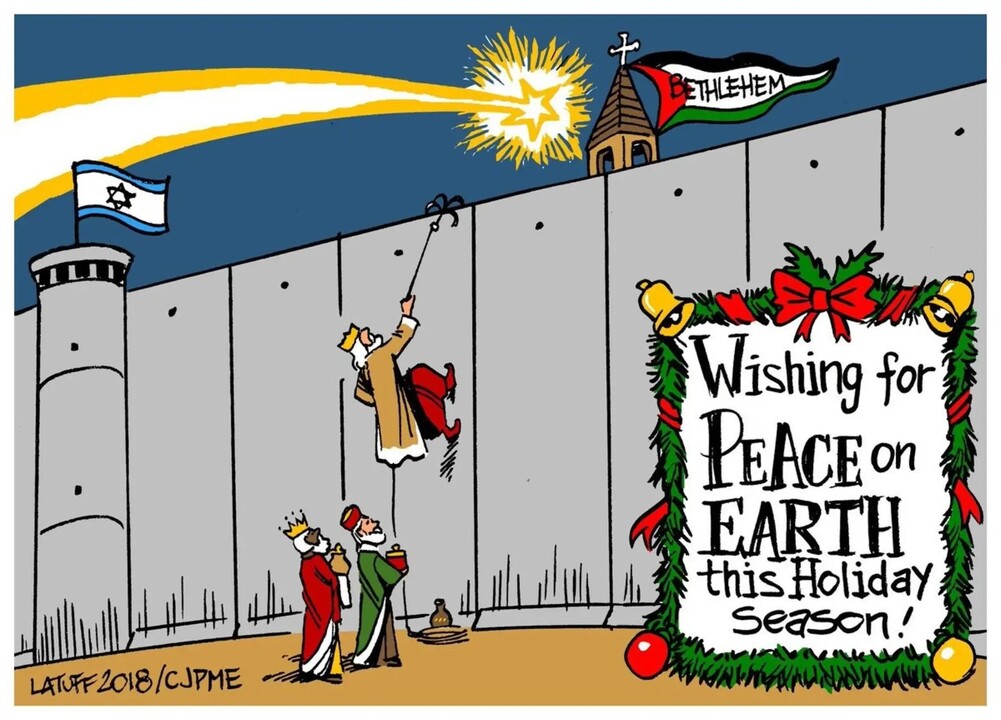
A Star is born.
“Peace be upon me the day I was born, and the day I will die, and the day I am raised alive.” Jesus. The Quran 19:29-37 & 4:157-159
PUBLISHED December 26, 2023
/IV
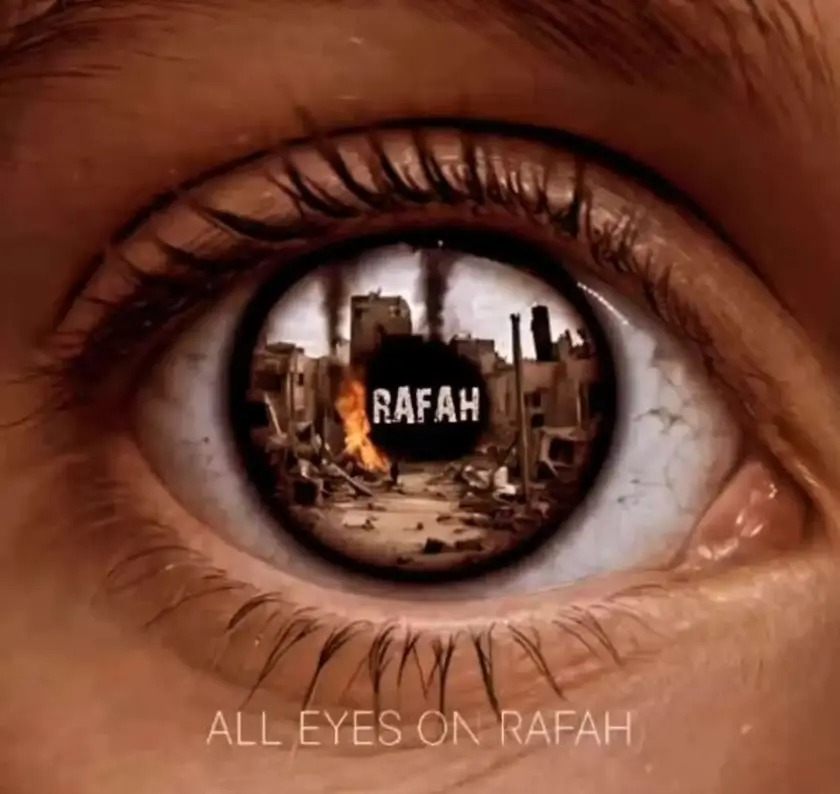
Ramadan and The Quran are like strawberries & cream
| Ramadan mubarak. Warning: Not Vegan but friendly enough. By Rafakut Ali APR 2022. Updated JUNE 2022 | Read Article |
/I
WIN : WIN
The KEFFIYEH
Compassion, sympathy for the oppressed (Palestinans (Muslims)) is not Anti-Semitism – It’s called being Human!!
Article by Rafakut Ali NOV 2021
/XII
REPENT > REFORM > REFRAIN
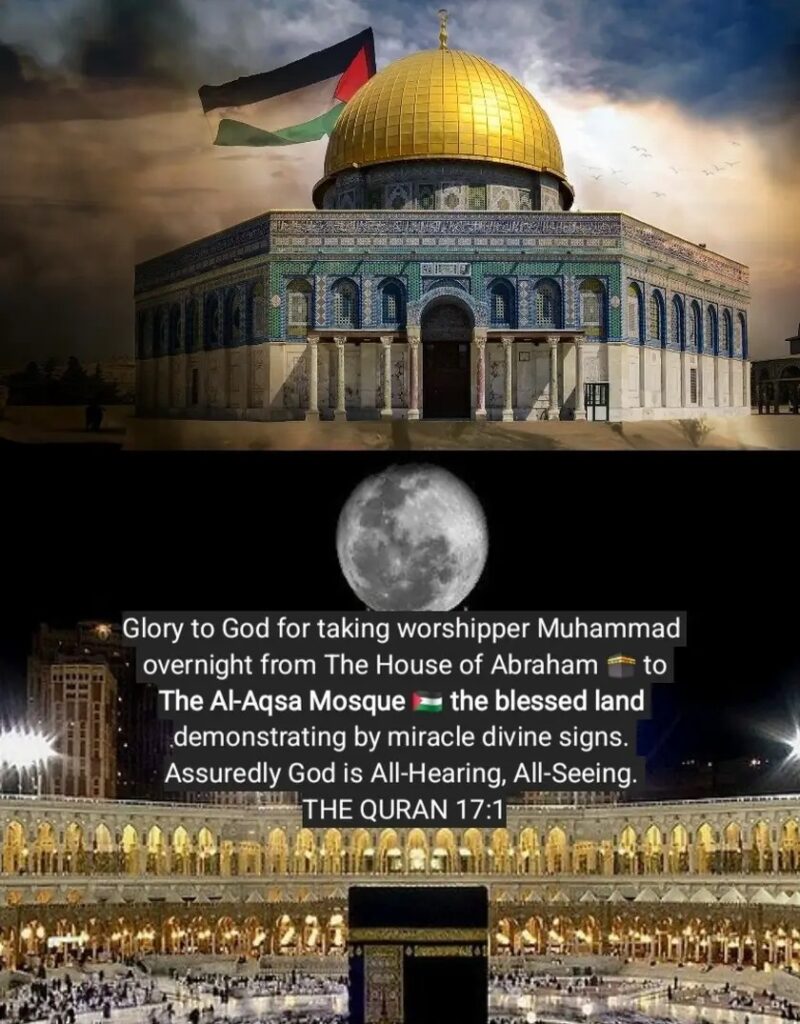
the ancient house of abraham
Indeed, the first House of worship established for mankind was The Ka’aba – blessed and a guidance for the world. Quran 3:96
Read Article by Rafakut Ali 2021 >
Eid-al-Hajj. Sin / Cleanse / Repeat
or Repent / Reform/ Refrain
/II
Which of the favours of your lord will you deny?
Check back soon
So then which of the favors of your Lord would you deny? Surah Rahman 55 x 31
/VII
POPPIES (NOT) FOR MUSLIMS
> READ MORE”>PAKIS HAD NOTHING TO DO WITH COVID-19 > READ MORE
Poppies (not) for muslims > Read Article by Rafakut Ali NOV 2021
Muslim lives matter – stop Islamophobia
/VII
WHat a piece of work is man
Quran 13:12 Surah Thunder
God shows you lightening, causing fear and hope, and generates heavy clouds.
Muslim lives matter – stop Islamophobia
/V
Which of the favours of your lord will you deny?
Check back soon
And if all the trees on earth became pens, with the sea replenished by seven more seas to supply them with ink, Gods words would not be exhausted. Verily God is Almighty, Most Wise. Quran 31:27
/III
Are you Awesome?
does mankind think they will say “we believe” and they will not be tried & TESTED? Quran 29:2

تقوى
تقوى / taqwá Mindfulness. Being conscious of God, God-cognizant. i.e. The Quran 2:2 is Guidance for the Mu’taq’een

gODSPEED CARS
Lorem ipsum dolor sit amet, consectetur.
pEERLESS Executive
Lorem ipsum dolor sit amet, consectetur.
/VIII
Which of gods mercy will you take ownership of?
Was not the Quran enough?
Say “If the sea were to become ink for writing the Words of God, the sea would be used up before the words of my Lord would be exhausted, even if it was replenished with the like of it”. Quran 18: 109
the Two seas meeting one another. between them a barrier so neither of them transgress. Quran 55:19,20

صَبْرٌ
SABRR
Patience. Perseverance. Persistence. Endure.
For your Lord be patient

شُكْر
SHUKR
Thankful. Grateful. Contentment. Appreciative.
Whih of the favors of your Lord will you deny? Quran 55: x31

ذِكْر
Xzikkr
Remind. Remembrance
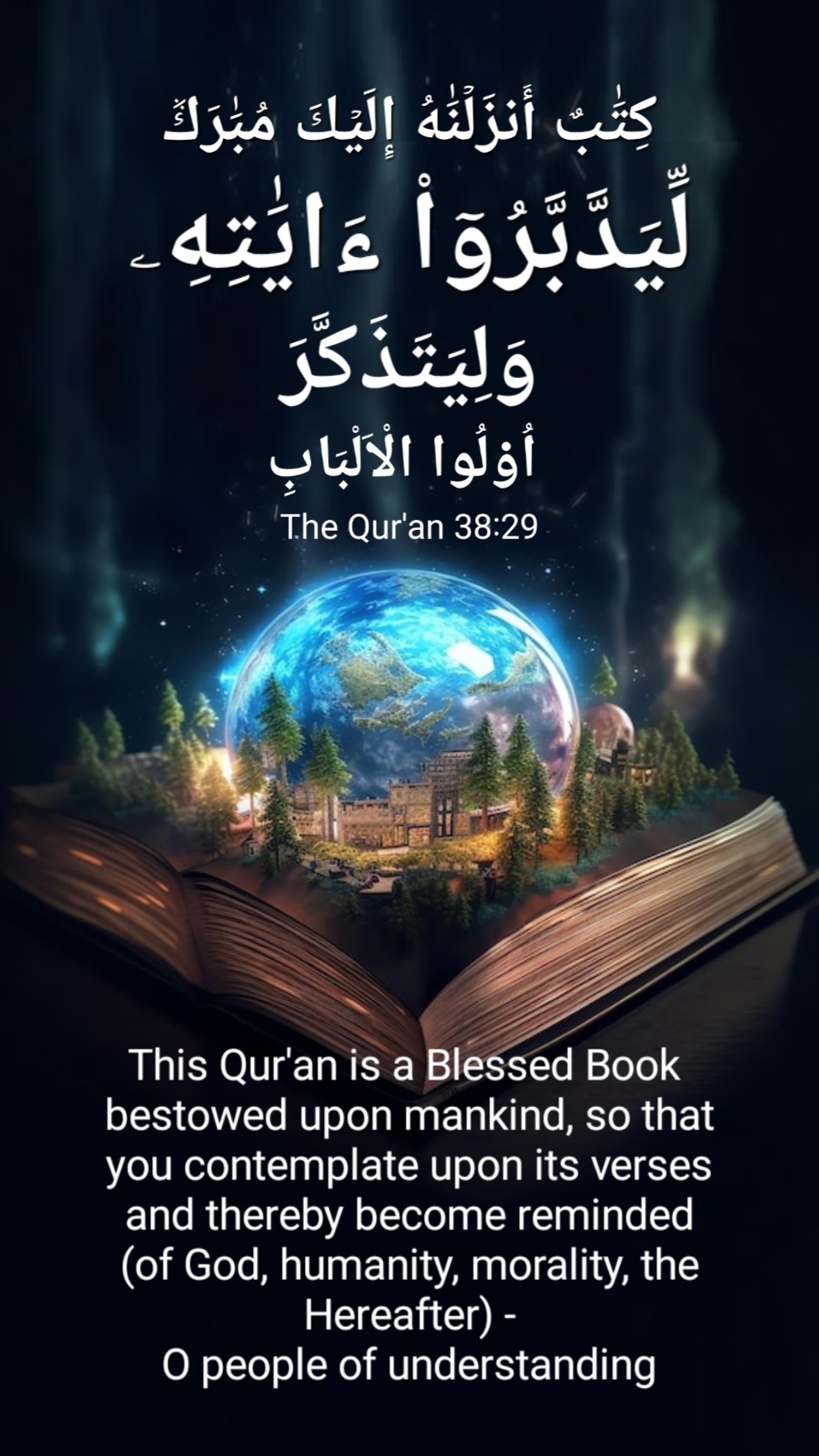
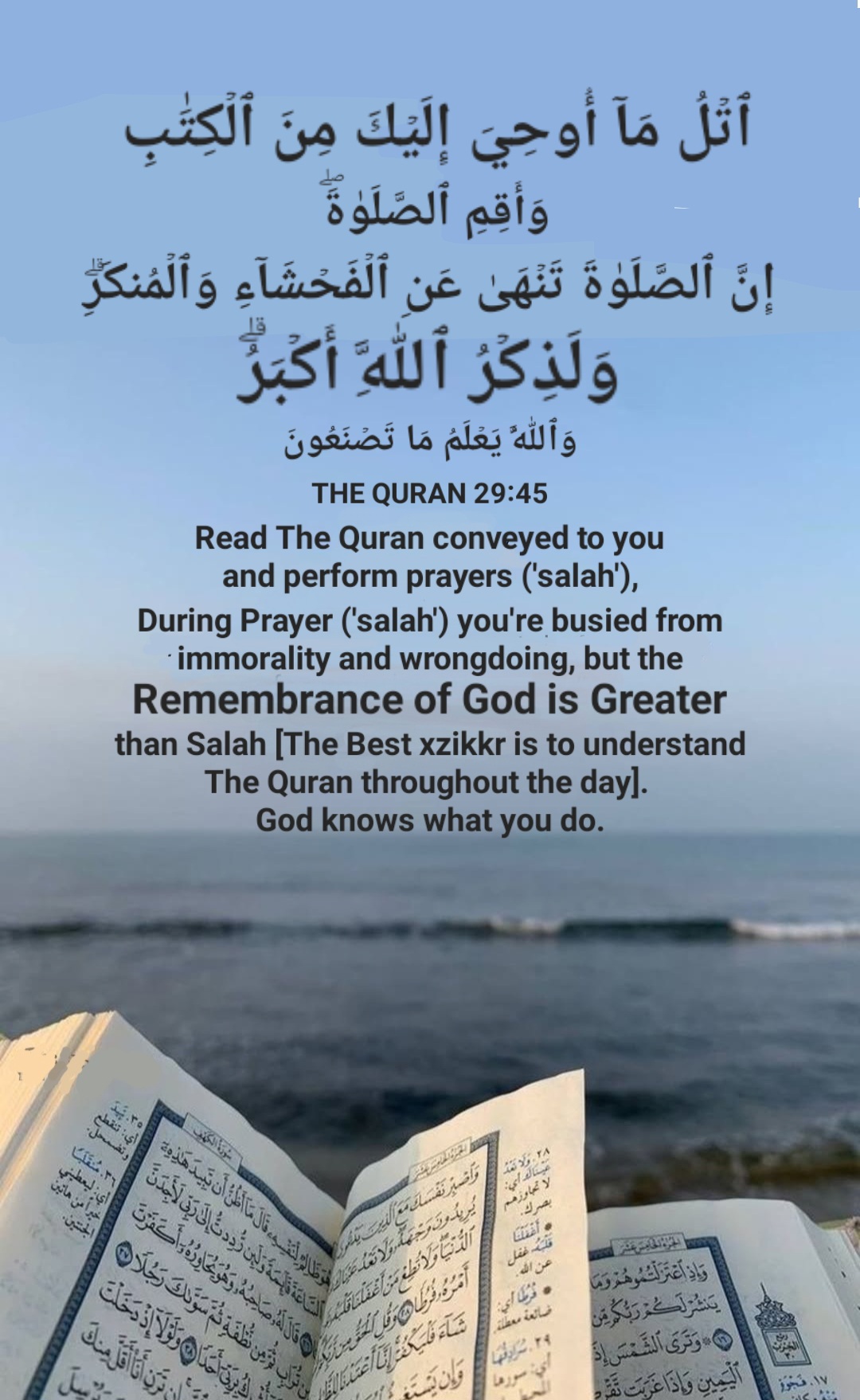
Study The Quran and establish salat. Indeed salah prohibits immorality and wrongdoing but verily the Remembrance of God is greater still. Quran 29:45

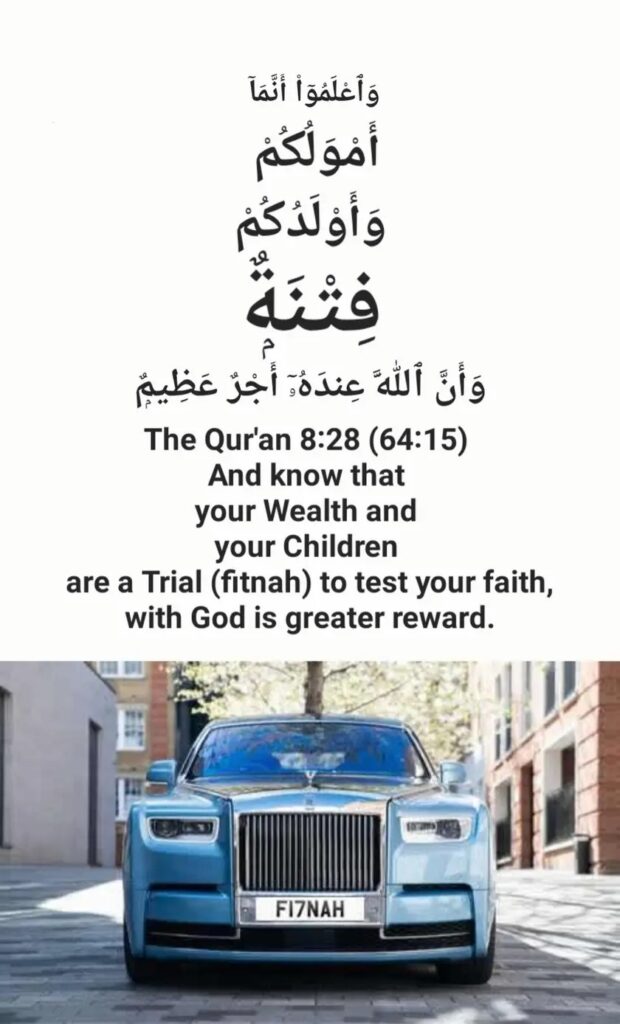
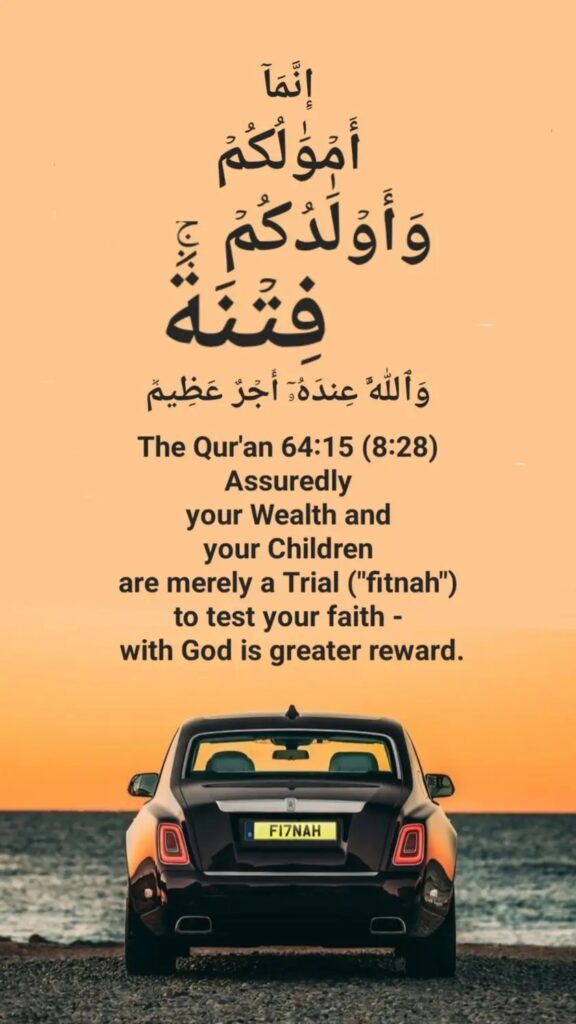
فتنة
F17NAH
Trials and tribulations. A test of faith.
/IX
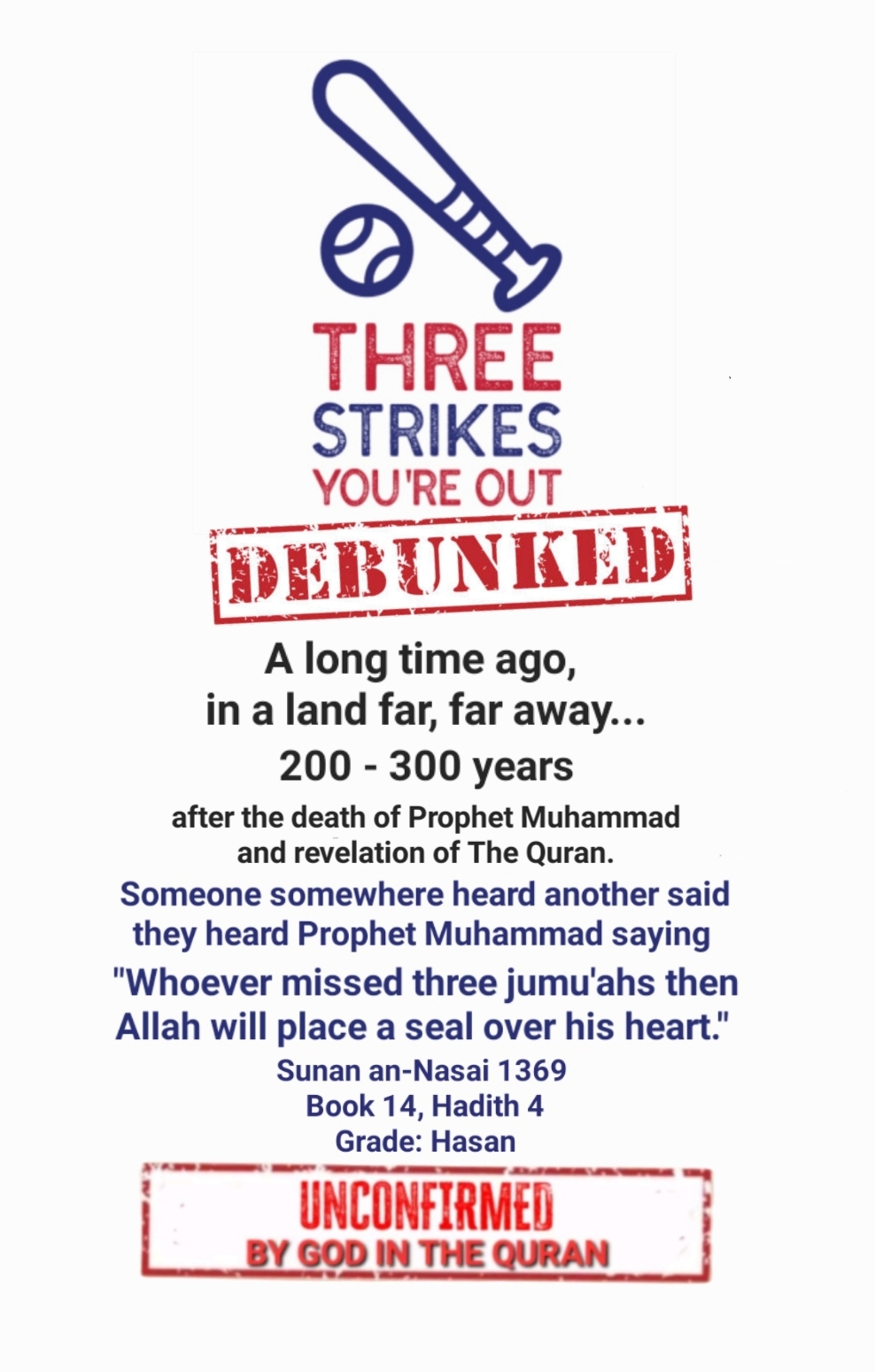
Woe to those who pray salah..
BUT ARE HEEDLESS IN their prayer. Quran 107:4,5.
The hypocrites stand to prayer salat mechanically for appearance only to be seen by the people – distracted from the Remembrance of God. Quran 4:142 (143)
/X
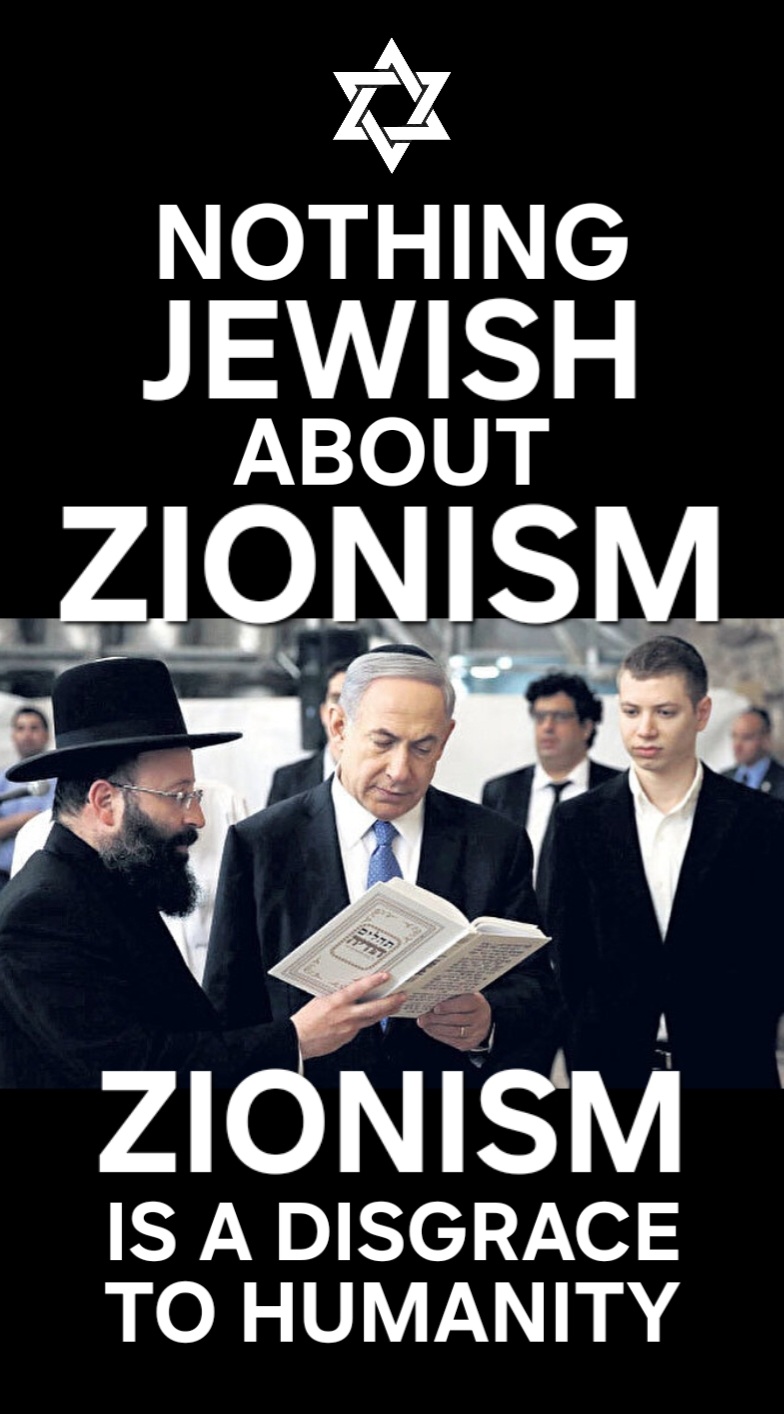
BLESSED lAND
Palestine
“Al-Aqsa mosque – the blessed land and surroundings” Quran 17:1







/XI
Which of the favours of your lord will you deny?
Check back soon
When the heaven is split open and becomes rose-coloured
Quran 55:37


