re:tired
Is(la)m
MU’taq’een
2026
‘Perhaps you love a thing bad for you; perhaps you dislike something good for you.’
WORLDY LIFE – HEREAFTER
another World Awaits…
ISLAM NOT ISM
Isms are not taqwa.
Isms Are Not Taqwa: An Essay by Rafakut Ali
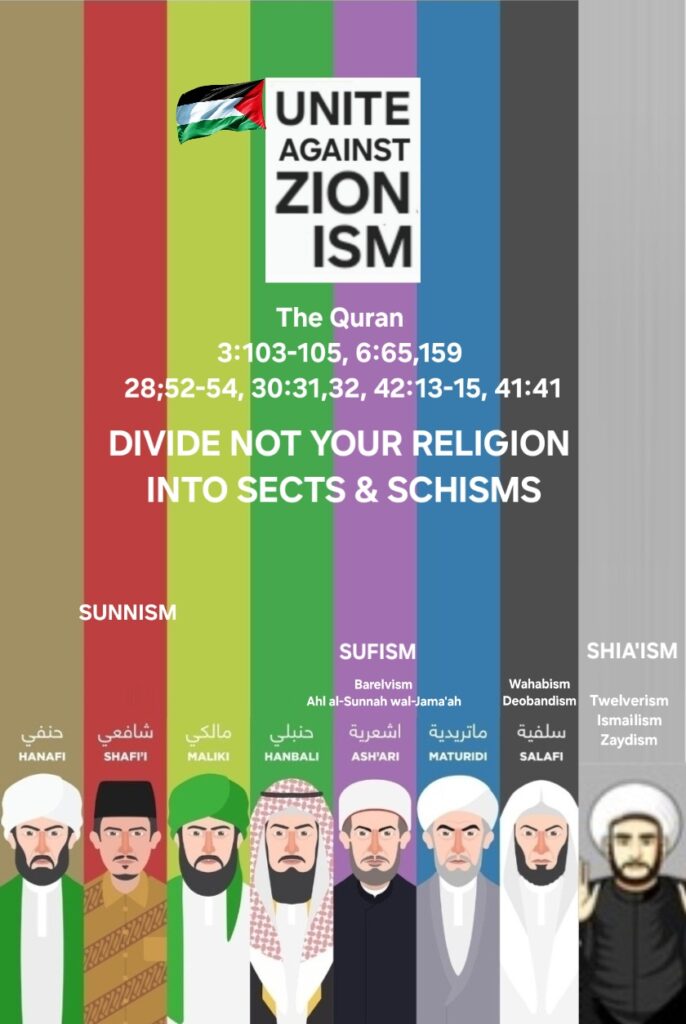
In every generation, Muslim societies develop different intellectual, spiritual, and political identities. Sufism, Salafism, Sunnism, Shi‘ism – Islamism each emerged from history—ways of organising knowledge, devotion, or communal life. Yet no identity, however passionately defended or meticulously practised, can equal taqwa.
Taqwa is not a school, nor a sect, nor an ideological banner. It is God-consciousness, moral alertness, humility, and integrity. When Muslims reduce their faith to an “ism,” they risk placing identity above sincerity.
- When Isms Become Masks
Across the UK and beyond, recent years have seen isolated but serious incidents of radicalisation and violence carried out by individuals who claimed affiliation with various religious currents. Their actions targeted Jewish communities, synagogues, and civilians—often on days that hold deep sacred meaning for others, such as Yom Kippur, a day of atonement and moral reflection in the Jewish calendar.
Most recently Jihad Al Shamie the ‘mureed’ (follower) of Sheikh Mishary, a world renowned Salafi fellow of infamous Mufti Menk prothelysizing Wahabism. Attacking a Synagogue closer to home in Manchester. Home to the second largest Jewish population in the UK after London. He died in the attack which took place on Yom Kippur, the holiest day of the Jewish year. A day of atonement and putting things right with God through prayers and sacrifice. Yom Kippur is a day to reflect on the past year and ask God’s forgiveness for any sins, simply put Self-cleanse / Rinse & Repeat.Nearby Blackburn, the Exorcism (ruqya) capital of UK boasting more than 64 Mosques infused with Peer culture and Hadithism and Shamanism. From where Malik Faisal Akram a Deobandi Sufi (branch of Ahle Sunnat Wal Jamaat) subsect of Dablighi Jamaat set sail to attack a Synagogue across the pond in Texas USA only a few years ago.
Further South in Maidenhead neighbouring Royal Borough of Windsor, Dzhamilya Timaeva is charged with Terrorism offences a few months ago. Radicalised by the Sufi Ahle-Sunnat-wal Jamaat (ASWJ) prothelysizing the Naqshbandi tariqa from Maidenhead Mosque Holmanleaze. Peerism proscribed to the Hanafi scool of thought of Sufism based on Hadithism. Charged with disseminating terrorist material, Sufi Extremist Dzhamilya Timaeva became a teacher so she could encourage children to take part in Jihad.’ Maidenhead Islamic school teacher ‘saw it as her duty’ to spread ‘jihad’ and ‘pro-Isis propaganda’ among children with a cartoon book ‘Little Muwahideen’. The publication contained sections about waging war for Islam and references to fitnah as a heretical uprising.
These incidents, condemned by Muslims of every tradition, serve as painful reminders: an “ism” can be misused as a mask, a vessel for grievance, rage, or confusion. No spiritual chain, scholarly lineage, or theological label can shield a person from the corruption of the heart if taqwa is absent.
- Regional Subcultures and Their Challenges
Different towns and cities in the UK—whether Manchester with its diverse Muslim and Jewish populations, Blackburn with its varied religious cultures, or Maidenhead with its complex mix of communities—each contain unique religious landscapes. In some places, traditional devotional practices flourish; in others, scriptural literalism dominates; elsewhere, political activism rises and falls.
Yet in every location, authorities and communities have confronted small minority cases of radicalisation stemming from a range of ideological influences. These cases cut across sectarian lines: Sufi-oriented, Salafi-leaning, traditional Sunni, Shia-influenced, politically Islamist, and others. The pattern shows clearly that no tradition is immune when spiritual discipline is replaced by identity performance or ideological zeal.
Communities with deep histories of spiritual practice may encounter individuals who distort those practices. Communities shaped by theological purism may face adherents who weaponise textual language. Communities grounded in political engagement may see a few drift into extremism. The issue is not the label—it is the absence of taqwa.
- The Danger of Misplaced Confidence
Religious identity can create a false sense of security.
A person may think:
“I am part of a spiritual order, so I must be purified.”
“I follow a strict creed, so I must be correct.”
“I belong to the majority sect, so I must be safe.”
“My movement fights oppression, so any action is justified.”
But the Qur’an does not grant guarantees based on affiliation. It warns repeatedly that faith is tested by character, not labels.
A person can be outwardly spiritual yet inwardly arrogant.
A person can be doctrinally precise yet morally reckless.
A person can be politically impassioned yet ethically compromised.
Taqwa cannot be inherited, purchased, or claimed. It must be lived.
- A Lesson From Recent Events
What recent violent incidents reveal is not the supremacy or failure of any specific tradition. Instead, they expose a shared human vulnerability: the heart that slips when untethered from self-accountability.
Individuals who commit violence do not represent the pathways they claim to follow, any more than a thief represents the law he breaks. Each case is shaped by personal history, psychological turmoil, misinformation, social isolation, and misinterpretation of religious rhetoric.
To attribute violence to an entire tradition is to misunderstand the nature of extremism.
To assume a tradition is safe from such distortions is equally misguided.
The only true safeguard is taqwa, which demands both inner vigilance and outward justice.
- Returning to a Taqwa-Centred Ethic
The prophetic message did not instruct Muslims to become members of ideological camps. It instructed them to be truthful, just, compassionate, mindful, and courageous in restraint.
Taqwa means:
examining the self before examining others
prioritising ethics over rhetoric
protecting the vulnerable
fulfilling trusts
rejecting oppression and violence
resisting the ego’s hunger for superiority
Isms may provide vocabulary and structure, but they cannot provide sincerity. They can guide the feet, but not purify the heart.
Conclusion: Above Every Label Stands Taqwa
Sufism, Salafism, Sunnism, Shi‘ism, Islamism—none of these, by their mere adoption, produce moral excellence. Each can be a lens for seeking God, yet each can be misused when the lens becomes the object of worship.
Recent events remind us that the crisis of the modern believer is not a crisis of labels but of hearts.
Taqwa is the compass that reorients the soul.
Isms are maps—useful, detailed, imperfect—but the map is not the journey.
The journey begins with personal accountability, and it ends with the One who knows what rests in every heart.
— Rafakut Ali
Just tell me your preference.
Below is a sharper, more polemical one
Isms Are Disguises: A Polemic by Rafakut Ali
Let us speak plainly:
The Muslim world drowns in labels, yet thirsts for taqwa.
Everyone wants an identity. No one wants accountability.
Everyone wants a badge. No one wants a mirror.
So we decorate ourselves with Sufism, Salafism, Sunnism, Shi‘ism, Islamism—like uniforms worn to convince ourselves we belong to the righteous camp. But uniforms don’t make soldiers, and labels don’t make saints. The Qur’an never asked, “Which group do you represent?” It asked, “Do you possess taqwa?”
And today, as we witness isolated but shocking acts of violence carried out by individuals claiming this or that sectarian flavour, it becomes painfully clear: Isms have become crutches for broken souls, megaphones for unexamined egos, and excuses for moral failure.
When Isms Turn Into Weapons
Across the UK—in cities known for their mosques, madrasas, spiritual circles, and doctrinal strictness—we have seen a disturbing trend: individuals twisting religious slogans to justify cruelty.
Some latch onto spiritual rhetoric. Others cling to puritan rigidity. Others drown in political fantasies. Others cosplay as warriors of God while understanding neither God nor war.
Their targets are often vulnerable, symbolic, or sacred communities—synagogues, schools, gatherings of worshippers—because extremists love spectacle more than principle and violence more than virtue.
These acts do not arise from tradition; they arise from ignorance parasitising tradition.
Isms do not produce violence.
People without taqwa do.
But isms give them language, aesthetic, performance, a sense of belonging, and worst of all, a justification—cheap, loud, and hollow.
The Geography of Confusion
Different towns nurture different religious subcultures.
Some celebrate esoteric spirituality.
Some preserve inherited doctrine.
Some elevate textual rigidity.
Some echo political agitation.
Yet from each landscape, individuals have occasionally descended into extremism—proof that:
Radicalisation does not discriminate.
Ignorance is ecumenical.
And the absence of taqwa is universal.
No group owns virtue.
No group owns vice.
But every group becomes vulnerable when its identity becomes louder than its ethics.
The Delusion of Superiority
The tragedy of modern Muslims is arrogance disguised as piety.
- The spiritual group thinks discipline is enlightenment.
- The scriptural group thinks literalism is purity.
- The majority thinks tradition is immunity.
- The activists think anger is justice.
And while everyone competes for the title of “most authentic,” “most righteous,” “most correct,” the actual work of the soul rots in the corner—neglected, dusty, untouched.
You can join a tariqa and still cheat your neighbour.
You can memorise hadith and still lie through your teeth.
You can align with political Islam and still oppress the innocent.
You can attend every khutbah and still be the architect of hypocrisy.
Taqwa is not transferred by association.
It is earned by transformation.
A Mirror, Not a Mask
Every “ism” today functions like a mask. It hides what is underneath:
fear, frustration, unexamined trauma, unprocessed rage, and unchecked ego.
Extremists wear these masks proudly.
But masks fall off when blood is spilled.
The real face underneath is never devotion—only distortion.
If taqwa were present, the heart would tremble before harming a single soul.
If taqwa were present, sacred days would be respected, not desecrated.
If taqwa were present, synagogues would be protected, not targeted.
If taqwa were present, a believer would guard life, not take it.
Without taqwa, every ism becomes a costume for the ego’s theatre.
What Must Replace the Isms
The cure is not a “better ism.”
The cure is the absence of ism as a substitute for virtue.
The Prophet ﷺ did not build sects.
He built characters.
Where are the truthful?
Where are the trustworthy?
Where are the ones who restrain anger?
Where are the ones who walk lightly upon the earth?
Where are the ones whose hearts tremble at injustice, not inflate with self-importance?
The Muslim world does not need another camp.
It needs conscience.
It needs taqwa.
Which can only be learned developed and nutured by underderstanding verses of The Quran.
Conclusion: Tear Off the Labels
Every self-appointed guardian of truth, every doctrinal warrior, every spiritual deputy, every ideological preacher must confront this single fact:
On the Day of Reckoning, your ism will not speak.
Your taqwa—or lack thereof—will.
Isms are shadows.
Taqwa is substance.
Isms are noise.
Taqwa is signal.
Isms divide.
Taqwa refines.
Strip away the labels.
What remains is the only thing that matters.
— Rafakut Ali
If you want an even sharper, more confrontational version—or a version structured like a public speech, manifesto, or sermon—I can write that too.
The focus is on taqwa vs. the fitnah of isms, and how identity-based distortions and traditions can radicalise confused individuals into violence.
**Taqwa vs. the Fitnah of Isms:
A Confrontation by Rafakut Ali**
Let us stop whispering. Let us stop pretending.
Let us look the modern Muslim tragedy straight in the eye:
**Taqwa has become rare.
Isms have become rampant.
And the fitnah born from that imbalance has turned deadly.**
Not because Sufism is evil.
Not because Salafism is evil.
Not because Sunnism, Shi‘ism, or political Islam are evil.
But because people without taqwa will twist anything—any identity, any label, any slogan—into fuel for chaos.
That is the real disease:
fitnah wearing the clothes of faith.
When Taqwa Leaves, Fitnah Fills the Vacuum
Taqwa is God-cognizance which produces humility, justice, mercy, boundaries, self-restraint.
Fitnah produces rage, suspicion, zealotry, and violence.
And when an ego thirsty for significance stumbles upon an “ism,” the combination can be explosive.
We’ve seen it too many times:
Individuals lost in their own storms reach for the nearest religious vocabulary, wrap themselves in borrowed language, and declare themselves warriors of God.
But warriors of God don’t target civilians.
They don’t attack houses of worship.
They don’t desecrate sacred days.
They don’t hunt the innocent.
They don’t leak their own rage into the world and pretend it is revelation.
**That is not jihad.
That is not deen.
That is fitnah weaponised by isms. **
Isms Become Fertile Soil for Ego When Taqwa Is Not Present
Sufism can be a garden of compassion—
until someone without taqwa plants their ego in it and grows delusion.
Salafism can be a call to authenticity—
until someone without taqwa converts literalism into self-righteous cruelty.
Sunnism and Shi‘ism can preserve centuries of scholarship—
until someone without taqwa drowns in sectarian superiority.
Islamism can be a political vision—
until someone without taqwa replaces justice with fanaticism.
**The ism is part of the problem.
The ego masquerading as piety is the problem.**
Isms offer vocabulary.
Fitnah supplies the emotion.
Lack of taqwa provides the collapse.
And that collapse, in its ugliest form, can slide into terrorism—
not because of the religion, but because of the vacuum where taqwa should have been.
Taqwa – God-consciousness can only be learned, developed and nurtured by understanding verses of The Qur’an. Which is side-lined by most Cultural Muslims in preference of Hadithism.
The Fitnah of Identity Without Integrity
Across the UK, Europe, and beyond, we’ve seen isolated individuals from very different religious subcultures fall into violent extremism.
Their backgrounds are different.
Their labels are different.
Their slogans are different.
But their deficiencies are identical:
shallow understanding
wounded ego
desire for belonging
attraction to absolutism
grievance searching for a flag
and a total absence of taqwa
The same disease manifests through different costumes.
One shouts “purity,” another shouts “spirituality,” another shouts “tradition,” another shouts “justice.”
But beneath every shout is the same whisper:
“Look at me.”
And terrorism is the ego’s final scream.
Terrorism Is What Happens When Isms Replace God
The Qur’an warns repeatedly about the corrupt soul:
The soul that commands evil.
The hardened heart.
The arrogant spirit.
Those who spread mischief and call it righteousness.
Extremism is the modern embodiment of these warnings.
Its stages are predictable:
- Identity first, ethics last
- Group pride over personal accountability
- Emotion over knowledge
- Grievance over justice
- Violence over self-restraint
This is the path away from taqwa and toward fitnah.
And the endpoint of fitnah, when blended with ideology, is terrorism—a crime against faith, against humanity, and against God’s command to protect life.
The Harsh Truth: Labels Cannot Save Us
A person may be wrapped in religious words, yet hollow on the inside.
A person may carry prayer beads, strict opinions, historical loyalties, or political slogans—yet be spiritually lifeless.
Taqwa is inner fire.
Isms are outer frost.
Taqwa transforms.
Isms decorate.
Taqwa restrains the hand.
Isms inflame the tongue.
Taqwa creates humility.
Isms create arrogance.
The believers of taqwa uplift society.
The slaves of isms—when corrupted—can burn it down.
Choose Taqwa or Become Fuel for Fitnah
This is the choice facing Muslims today:
Return to taqwa—to conscience, fear of God, self-scrutiny, humility, compassion, justice, restraint.
Or continue drowning in isms—turning religion into identity politics, purity games, sectarian tribalism, and ego-driven performances that occasionally erupt into monstrous acts.
Because the truth is brutal:
**Without taqwa, every ism becomes a doorway to fitnah.
And the worst fitnah is violence committed in God’s name.**
Final Warning
The Qur’an says:
“Fitnah is worse than killing.”
But today, fitnah produces killing—because identity has replaced integrity.
Enough.
Tear down the isms that blind the heart.
Confront the ego that steals God’s language.
Reclaim taqwa as the centre of the Muslim soul.
Isms cannot save you.
Labels cannot defend you.
Turbans, beards, robes, slogans, chains, manuals, movements—none will stand for you when the earth shakes.
Only taqwa will.
And without it, every ism becomes a path to destruction.
— Rafakut Ali
If you want, I can make an even more direct, manifesto-style version, or a speech version suited for a public event.
Below is a much longer, fuller, more forceful essay in the voice of Rafakut Ali, expanding the argument of taqwa vs. the fitnah of isms, while keeping the critique general
If you want it even longer—chapter-length, book-length, with section organisation, footnotes, or Qur’anic references—I can do that too.
**TAQWA VS. THE FITNAH OF ISMS:
A LONG ESSAY BY RAFAKUT ALI**
Introduction: The Era of Labels and the Death of Substance
We live in an age where the Muslim world is drowning in identity yet starving for integrity.
Where the loudest voices are often the least disciplined.
Where religious slogans ring out in every direction—Sufi, Salafi, Sunni, Shia, Islamist—yet the moral compass of entire communities spins wildly without finding north.
This is not a crisis of theology.
This is not a crisis of jurisprudence.
This is a crisis of taqwa.
Taqwa—the trembling awareness of God, the moral alertness that restrains the ego, the inner vigilance that purifies action—has become the rarest currency in Muslim life.
In its absence, something else grows. Something darker.
Fitnah.
The corrosion of the heart.
The distortion of religion.
The weaponisation of identity.
The spiritual decay that makes a person believe he is serving God even while committing atrocity.
Fitnah is what happens when the ego puts on the clothes of piety.
And isms are the tailor.
**SECTION 1:
THE RISE OF THE ISM-MAN — IDENTITY WITHOUT CONSCIENCE**
Across the Muslim world, a new character has emerged:
the ism-man.
Not a believer.
Not a seeker.
Not a servant of God.
But an ambassador of a label.
**He does not fear God.
He fears being irrelevant.**
So he latches onto the nearest ism that gives him a sense of purpose:
A mystical order to make him feel chosen. Sufism.
A literalist current to make him feel pure. Salafism.
A sectarian tradition to make him feel rooted. Schism.
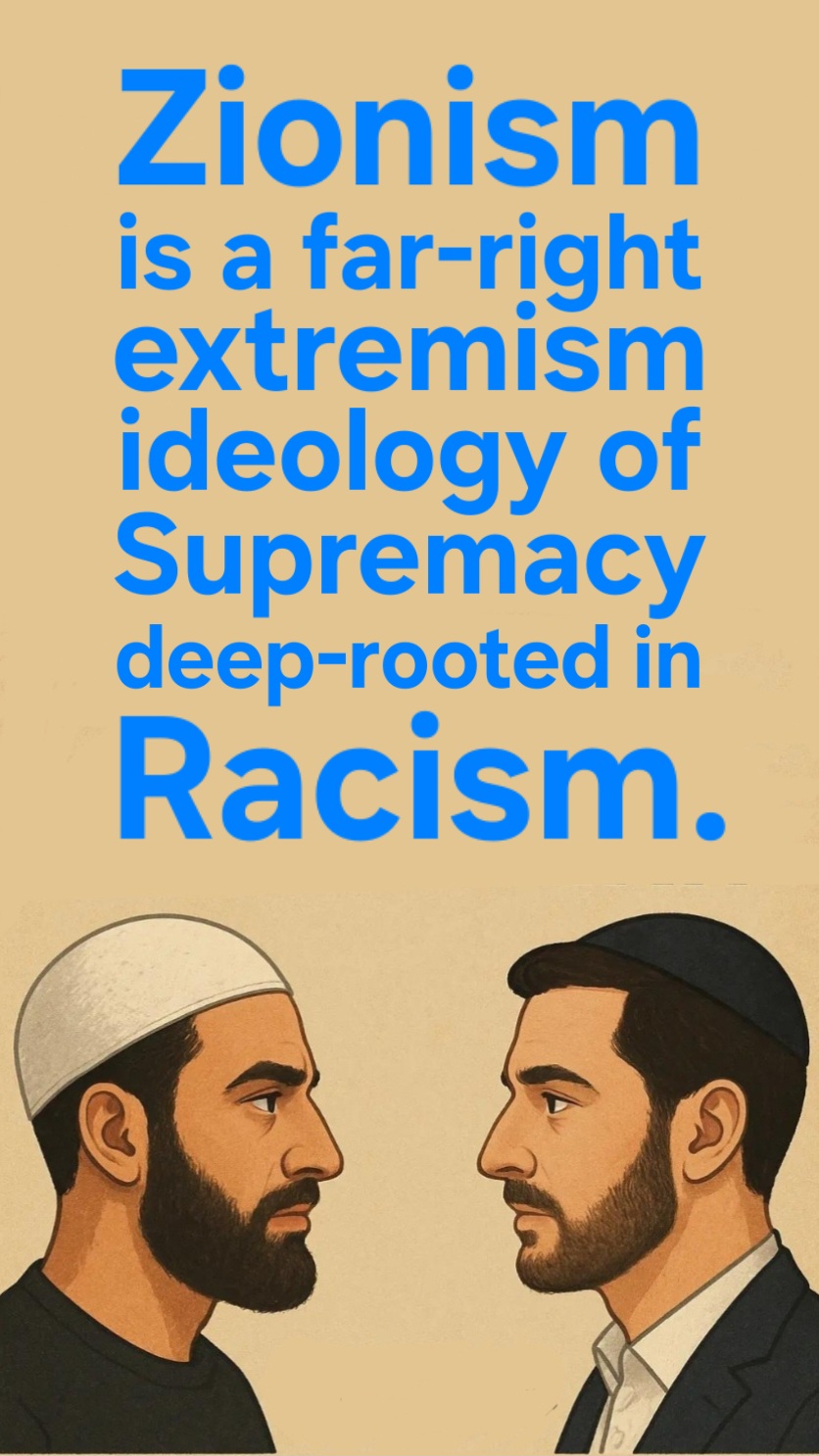
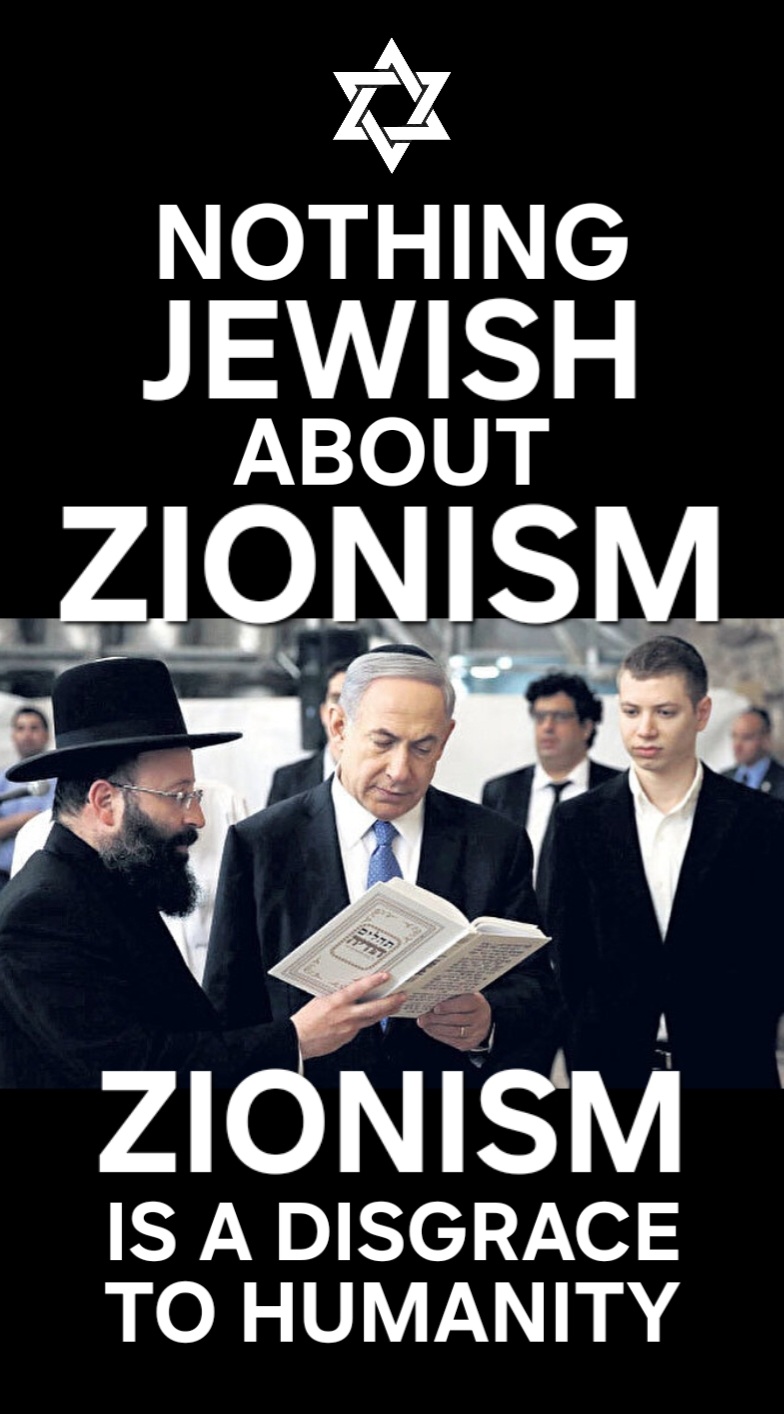
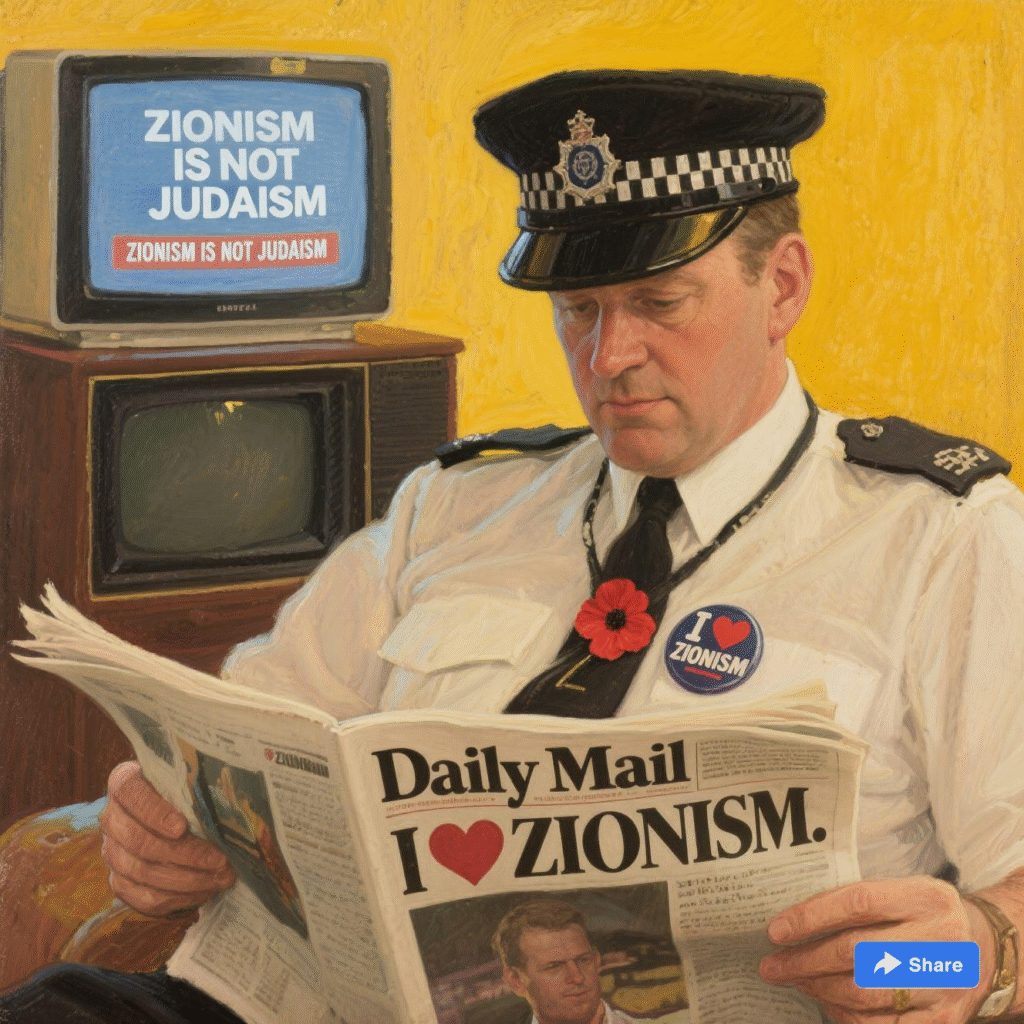
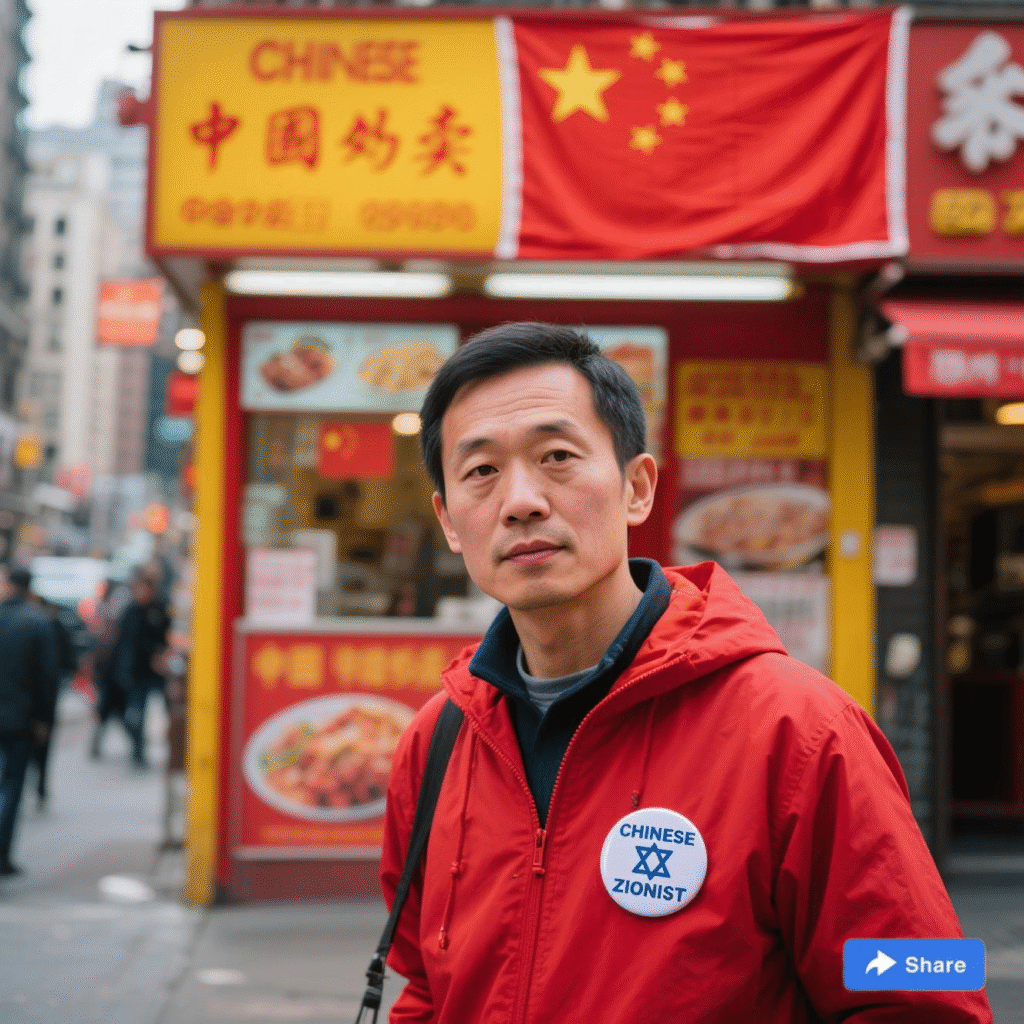
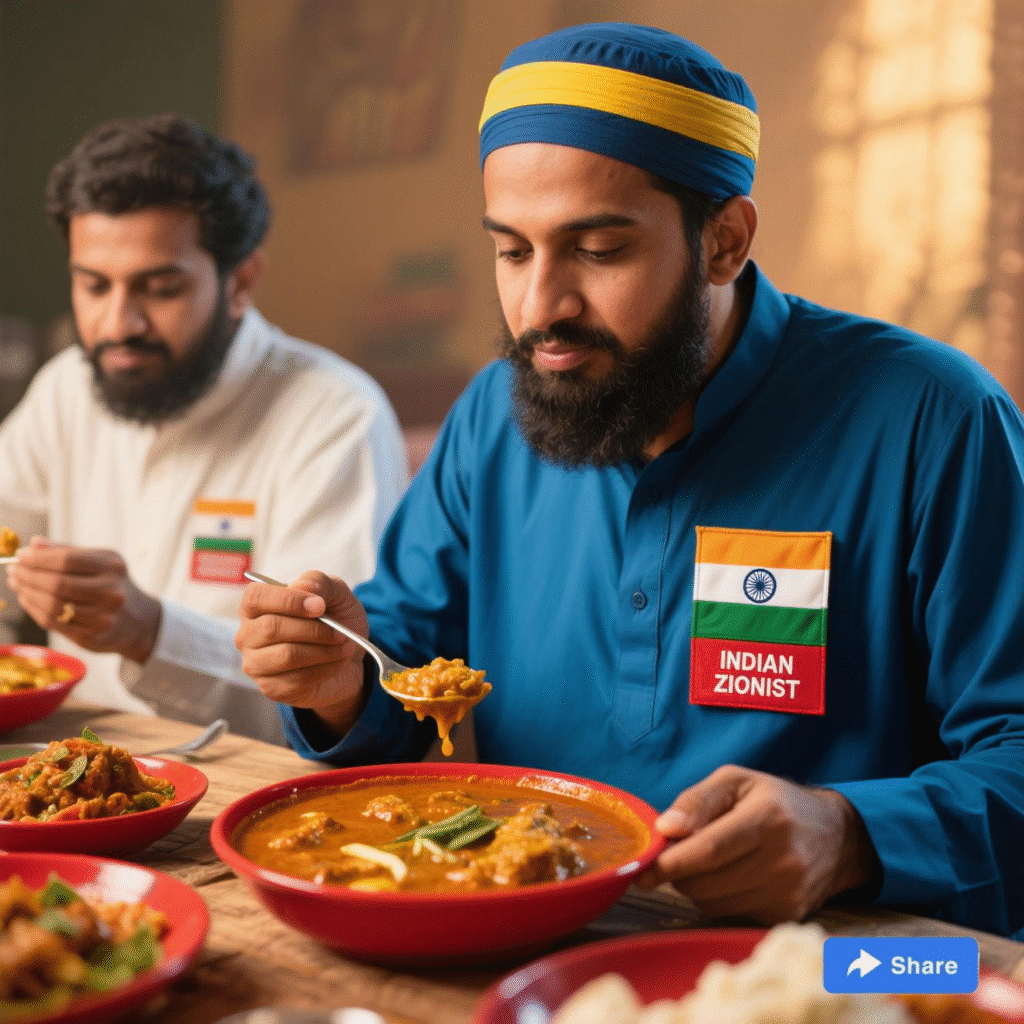
A political ideology to make him feel powerful. Islamism (Zionism).
But underneath the vocabulary lies a simple truth:
the ism-man is spiritually empty.
He has not cultivated patience, kindness, honesty, humility, or integrity.
He has performed rhetoric instead of transformation.
In other words:
he has no taqwa.
And when one lacks taqwa, every ism becomes a toy in the hands of the ego.
**SECTION 2:
THE FITNAH OF ISMS — HOW IDEOLOGY CORRUPTS A HEART WITHOUT TAQWA**
Let us be absolutely clear:
Islamic tradition, school of thought, movement, or discipline inherently produces extremism.
Sufism does produce terrorists.
Salafism does produce terrorists.
Shi‘ism does produce terrorists.
Sunnism does produce terrorists.
Islamism does automatically produce violence.
People produce terrorism.
And people fall to terrorism when fitnah meets ideology in the absence of taqwa.
The formula is tragically predictable:
- A person already struggling—emotionally, psychologically, socially.
- A craving for meaning or superiority.
- Exposure to simplistic certainties—offered by isms.
- A narrative that legitimises anger or resentment.
- An inflated sense of mission fed by echo chambers.
- The collapse of inner restraint—because taqwa is missing.
This is how a confused individual becomes radicalised.
By tradition, but by distortion.
Not by faith, but by ego.
Not by God, but by fitnah disguised as duty named isms.
**SECTION 3:
WHY COMMUNITIES WITH RICH RELIGIOUS LIFE STILL PRODUCE RADICAL OUTLIERS**
Some communities are saturated with devotional culture—Sufi gatherings, dhikr circles, naqshbandi tariqa, shrine traditions – peerism, spiritual healing, pious rhetoric of Ahla Sunnah Wal Jama’ah.
Others are steeped in scripture-heavy environments—strict rules, doctrinal precision, literalism, purism.
Others are influenced by historical memory—sectarian identity, communal narratives, inherited loyalties.
Others swim in political symbolism—activism, rhetoric of justice, utopian visions.
And yet, across all these environments, occasionally an individual spirals into extremist violence.
Why?
Because spiritual ecosystems cannot override individual deficits of taqwa.
A forest full of medicinal plants does not guarantee that every person walking through it is healed.
Likewise, a neighbourhood with mosques, scholars, imams, and spiritual centres cannot ensure that every individual cultivates discipline, humility, and self-restraint.
The community provides structure.
But the heart provides safety.
And when the heart is hollow, any ism can become a weapon.
**SECTION 4:
SYMPTOMS OF THE FITNAH THAT BREEDS EXTREMISM**
There are unmistakable signs that fitnah is at work long before violence erupts.
Here are the most dangerous symptoms:
- Moral inversion
Cruelty is reframed as righteousness.
Anger becomes devotion.
Zeal replaces wisdom.
- Abandonment of humility
The believer becomes self-appointed judge, jury, and executioner.
Arrogance masquerades as certainty.
- Dehumanisation of the Other
A person begins to see an entire community—often minorities or vulnerable groups—as symbols instead of human beings.
- Purity addiction
The ism-man obsesses over performative purity while ignoring moral decay.
He becomes a zealot of form, not a servant of truth.
- Apocalyptic fantasies
The world is seen as a battlefield and the self as a chosen hero. SECOND COMING CANCELLED.
- Catastrophic ignorance
A shallow reading of sacred texts fuels extreme confidence.
He knows the memorised line but not the meaning.
He knows the quote but not the context.
- Absence of taqwa
No trembling before God.
No hesitation before harm.
No inner mercy.
No self-policing.
No fear of judgement.
And when these symptoms combine, fitnah reaches its final stage:
- Justification of violence in the name of God
A heart without taqwa + an ism misused = a dangerous human being. God-cognizance can only be learned, developed and nurtured from understand verses of The Quran.
**SECTION 5:
THE BETRAYAL OF TAQWA AND THE RISE OF RELIGIOUS PERFORMANCE**
Today, Muslims have become actors rather than worshippers.
The stage: social media.
The costume: the chosen ism.
The script: rhetorical warfare.
The audience: anyone who praises us.
We perform piety to win applause.
We perform knowledge to win arguments.
We perform outrage to win followers.
We perform identity to feel alive.
But taqwa cannot be performed.
Taqwa must be lived.
**Taqwa is what you do when no one is watching.
Isms are what you do when you want everyone watching.**
And when performance becomes religion, the soul rots quietly until one day it collapses into something monstrous.
**SECTION 6:
TAQWA — THE ANTIDOTE TO FITNAH AND THE ONLY REAL PATH TO SAFETY**
Taqwa is the spiritual firewall that prevents ideology from becoming extremism.
**Taqwa restrains the hand.
Taqwa purifies the intention.
Taqwa disciplines the ego.
Taqwa softens the heart.
Taqwa protects the innocent.
Taqwa exposes false piety.**
If a person has taqwa, no ism can radicalise him.
If a person lacks taqwa, any ism can. As proven time and time again the world over.
Taqwa is the difference between:
conviction and cruelty
devotion and delusion
justice and vengeance
courage and recklessness
spiritual discipline and ideological intoxication
Without taqwa, knowledge becomes arrogance.
Without taqwa, activism becomes aggression.
Without taqwa, spirituality becomes escapism.
Without taqwa, tradition becomes tribalism.
Without taqwa, scripture becomes ammunition.
Taqwa is not a brand.
Taqwa is not a uniform.
Taqwa is not a hashtag.
Taqwa is not a school of thought.
Taqwa is a lifelong struggle to be accountable before God.
**SECTION 7:
WHAT THE MUSLIM COMMUNITY MUST CONFRONT**
The Muslim world must confront uncomfortable truths:
- We have elevated identity above righteousness.
We treat labels as shields against criticism.
- We have replaced introspection with accusation.
We blame groups, movements, or sects instead of confronting personal moral failure.
- We have normalised religious arrogance.
Every ism has its own self-satisfied elite who believe they own truth.
- We have trivialised the sanctity of human life.
Too many treat violence as a footnote instead of a catastrophe.
- We have abandoned the prophetic ethic.
The Prophet ﷺ was the embodiment of taqwa—not an ism, not a faction, not a slogan.
- We have forgotten that fitnah is worse than killing.
And today fitnah leads to killing—because it destroys the capacity for mercy.
**SECTION 8:
THE FINAL CHOICE — TAQWA OR CHAOS**
We are approaching a fork in the road.
One path leads to sincerity, humility, justice, compassion, knowledge, and disciplined spirituality.
The other path leads to arrogance, polemics, identity warfare, sectarian hatred, and—at its extreme—violence.
The first path is taqwa.
The second path is fitnah fueled by isms.
**The question is not: “Which ism do you follow?”
The question is: “Are you God conscious enough to restrain yourself?”**
Because in the end:
God will not ask which banner you marched under.
God will ask whether your hands were clean. Morality learned from The Quran.
God will not ask which school you defended.
God will ask whether your heart was pure. Sincerity and God-consciousness learned from The Quran.
God will not ask which ism you belonged to.
God will ask whether you protected life, not took it. Humanity learned from The Quran.
**Conclusion:
Isms Divide—Taqwa Saves**
The Muslim world does not need another movement.
It does not need another purity game.
It does not need another ideological fight.
It does not need another ism.
It needs taqwa.
Taqwa is the shield that stops fitnah from mutating into extremism.
Taqwa is the compass that prevents ideology from becoming cruelty.
Taqwa is the medicine that heals the ego-driven heart.
Taqwa is the light that exposes false piety.
Without taqwa, every ism becomes a trap.
With taqwa, every ism becomes irrelevant.
**The future of the Muslim soul hangs in this balance:
Choose taqwa — or surrender to the chaos of isms.**
— Rafakut Ali
If you want a more aggressive, fiery, manifesto-level version, or a book-length chapter, just tell me.
God created seven heavenly skies in layers, one above the other. You do not see in the creation of The Most Merciful any inconsistency. So return your vision to the sky – do you see any breaks? Quran 67:3
THE WORLD SKIPPED A BEAT
NEW BOOK – Check back soon…
Then look again and return your vision twice again. Your vision will return to you humbled whilst fatigued. Quran 67:4
/VI
A leaf falls AND..
GOD KNOWS.
“Not a leaf falls but God knows it..”
Quran 6:59
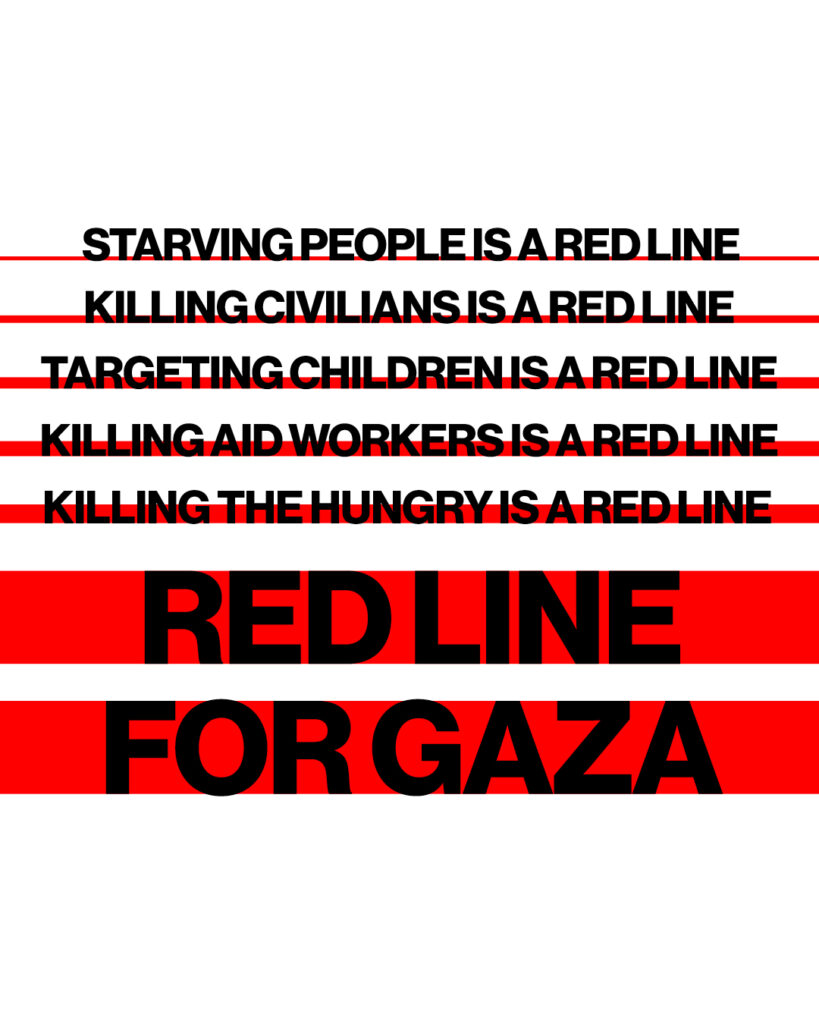
RED LINE FOR GAZA 2025 Article
Read on Medium or Substack or LinkedIn
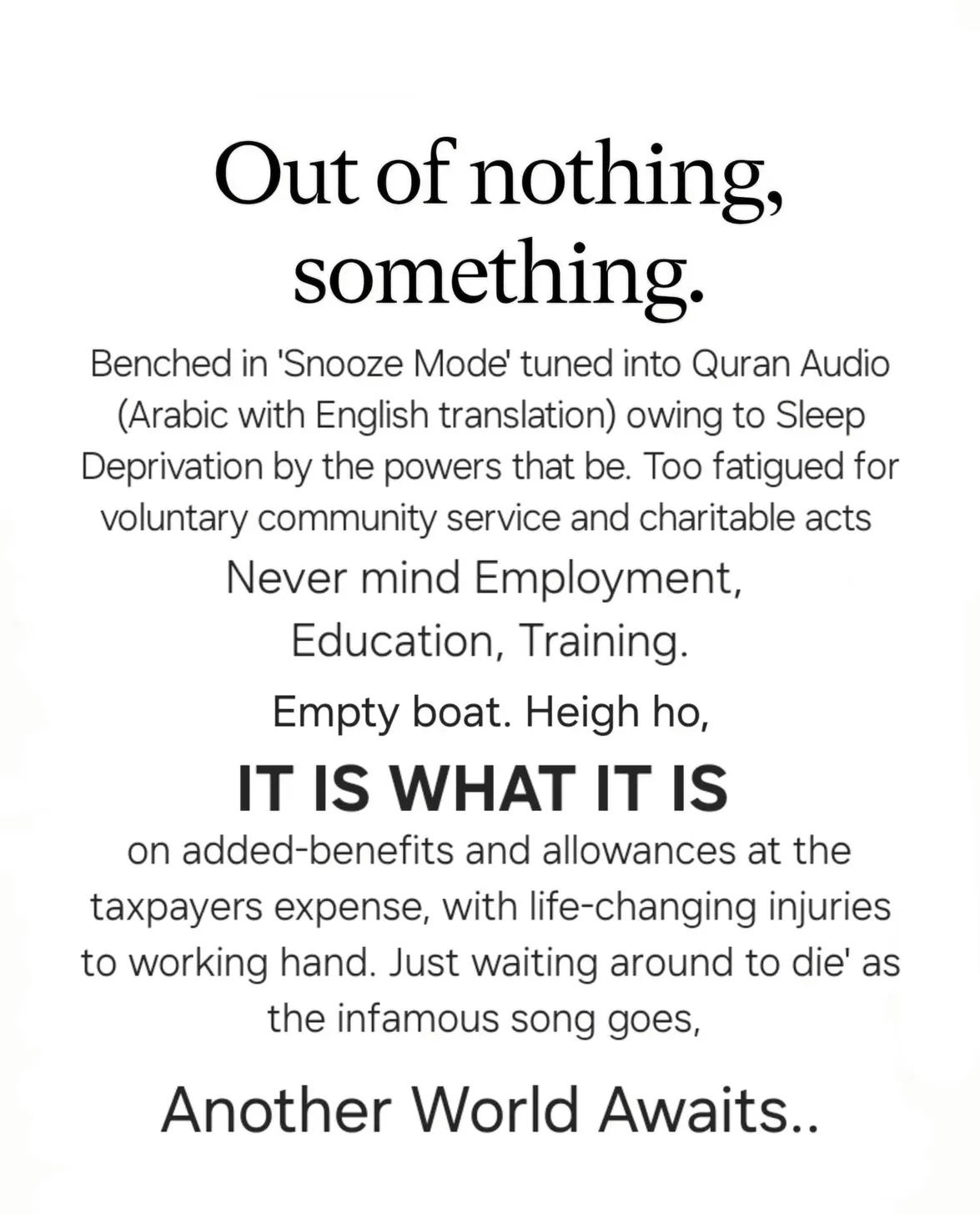
Benched in ‘Snooze Mode’ tuned into Quran Audio (Arabic with English translation) owing to Sleep Deprivation by the powers that be (Lancashire Police Counterterrorism Prevent, MI5, Mossad, ISI). Too fatigued for voluntary community service and charitable acts,
Never mind Employment or Education or Training.
Empty boat. Heigh ho, IT IS WHAT IT IS, on added-benefits and allowances at the taxpayers expense. Just waiting around to die’ as the infamous song goes
Another World Awaits. ..
Rejecting sectarianism and schisms, he identifies as a non-denominational Muslim, grounding his reflections in universal moral and humanitarian values. His tone oscillates between resigned realism (“It is what it is”) and persistent empathy for the oppressed, especially visible in his solidarity with Palestine.
Rafakut Ali engages in various intellectual and spiritual writing. Rafakut describes himself as a “non-denominational Muslim” with a focus on reflecting upon and studying the Quran. He emphasizes the importance of contemplating the Quran’s verses to develop God-cognizance (taqwa) and morality, rather than relying solely on traditions or external rituals championed by peers/ imams/ sheikhs/ ustads/ muftis in Mosques. His writings often delve into themes of spirituality, societal issues, and personal introspection.
Published Works Rafakut Ali has authored several pieces exploring various topics:
His articles address intersections of faith, spiritual fatigue, existential malaise, and religious knowledge. For example, his essay “Red Line for Gaza” critiques Zionism and explores solidarity with Palestinians. In “The Mother of Ramadan”, he engages with Quranic exegesis and challenges cultural or hadith-based beliefs not rooted in the Qur’an His website presents philosophical and religious reflections, often contrasting the “worldly life” with the “hereafter,” and encouraging readers toward deeper Quranic engagement rather than ritualistic or cultural forms of religion
□ “The Mother of Ramadan”: This article discusses the significance of Ramadan, contrasting Islamic teachings with common misconceptions and emphasizing the Quran’s guidance on fasting and worship.
📚 Read Articles published by Rafakut Ali > Read more
📚 Read Essays published by Rafakut Ali > Read online
2027
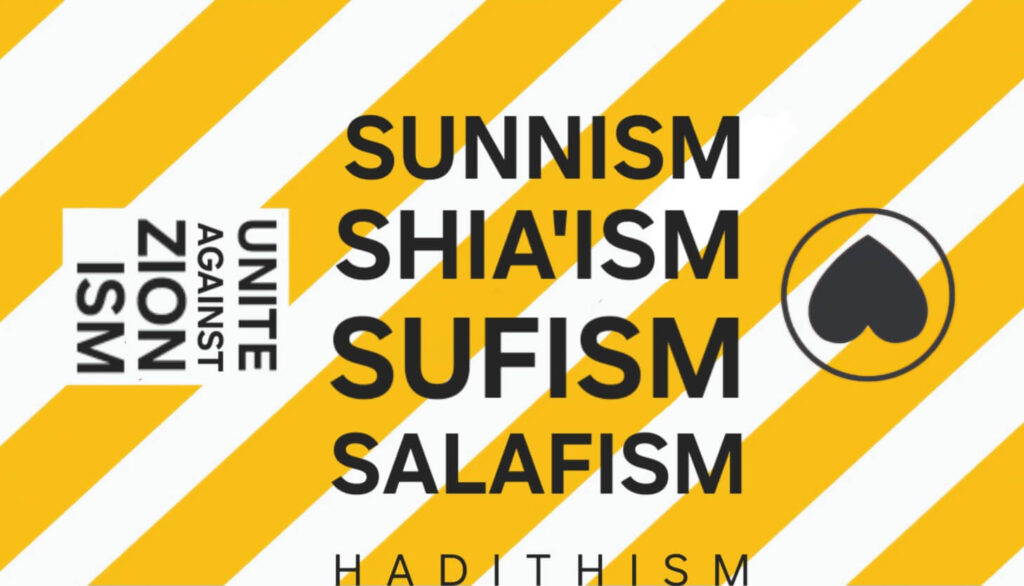
- ✅️ ISMS – Hadithism > Schisms, Sectarianism – Sunnism / Sufism / Shia’ism / Salafism – Islamism , Extremism , Terrorism □ Read online today > Medium > Substack > Linkedin
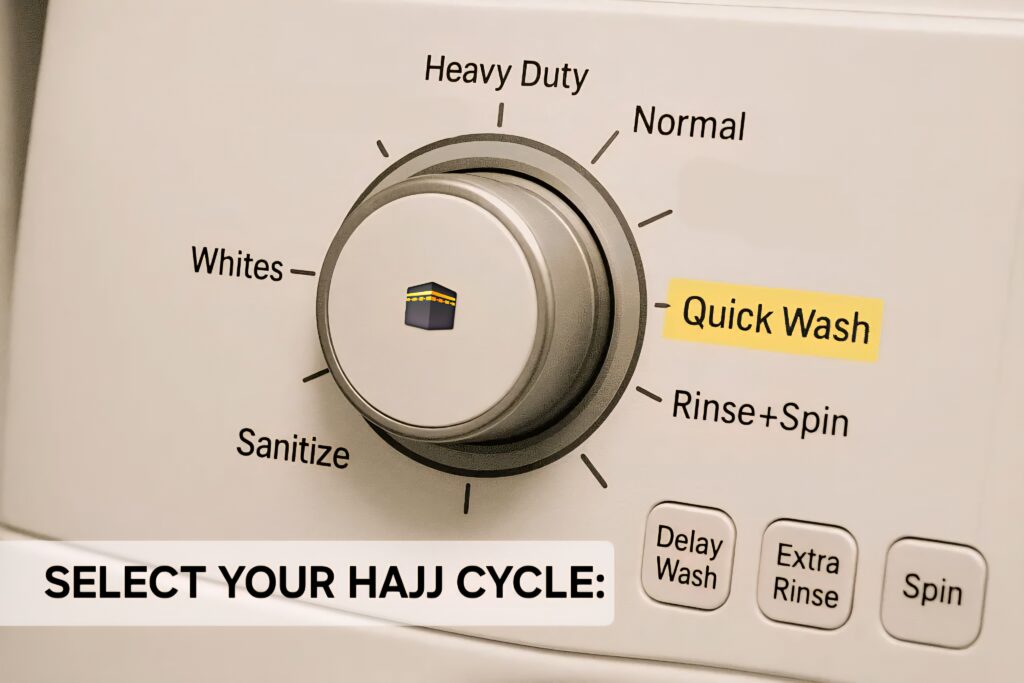
- ✅️ EXTRA RINSE – SELECT YOUR HAJJ CYCLE. 🕋 PROGRAMME HAJJ – Rafakut Ali’s 2021 Article added to A.I Conditioner ChatGPT with A.I Gemini Softener – For longer lasting freshness 😉 READ ONLINE TODAY > Medium > Substack > Linkedin
- ✅️ THE FITNAH OF THE ISMS: PEERISM, SUFISM, HADITHISM, SUNNISM, SHI’ISM, SALAFISM — AND THE QUR’ANIC REJECTION OF INTERMEDIARIES > Read online today > Medium > Substack > Linkedin
2026
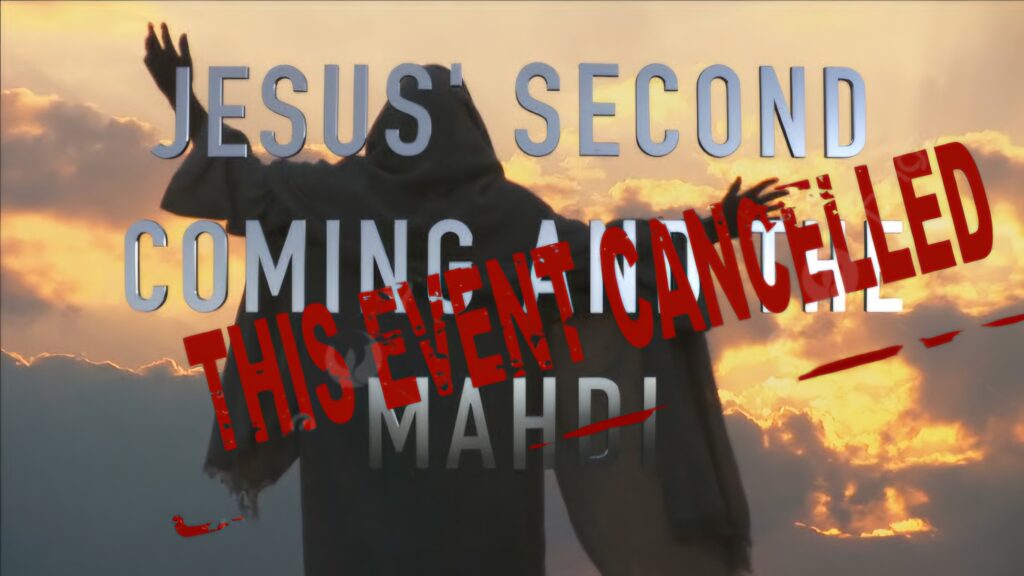
- ✅️ Second Coming CANCELLED □ Read online today > Medium > Substack > Linkedin
- ✅️ PEERISM – Problematism Peer’ism > Read Online today > Medium > Substack > Linkedin
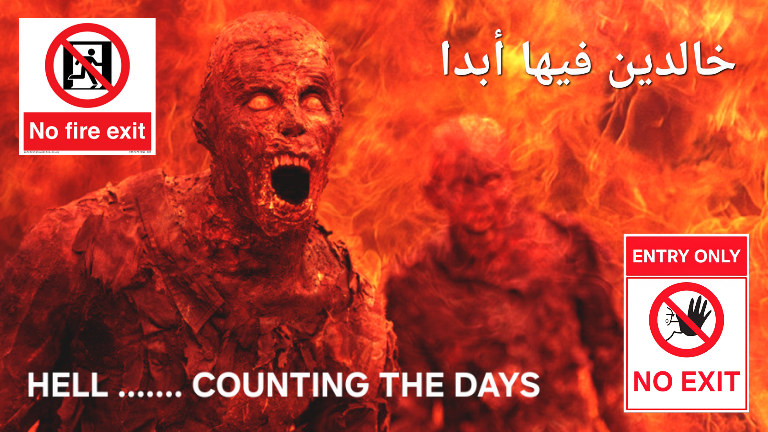
- ✅️ Hell – No Fire Exit(s) No way out > Read online today > Medium > Substack > Linkedin
2025
- ✅️ LIVE ON. The Remembered and Forgotten > Read Online > Substack > Linkedin
- ✅️ Red LineforGaza. □ Read online > Medium > Substack > Linkedin
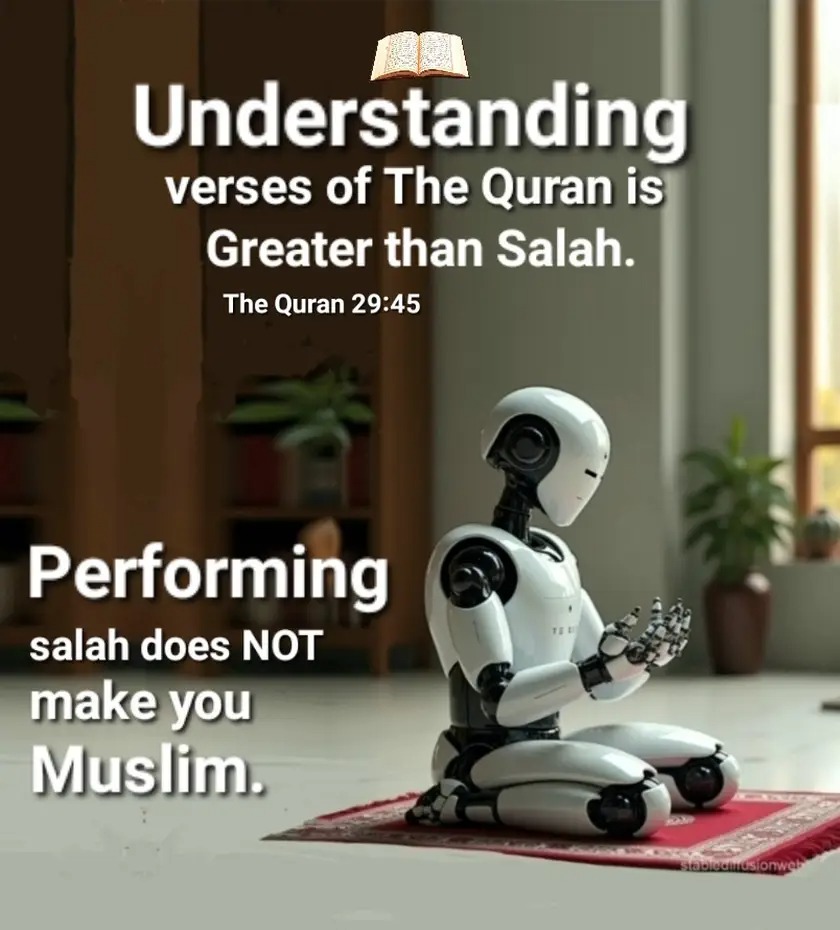
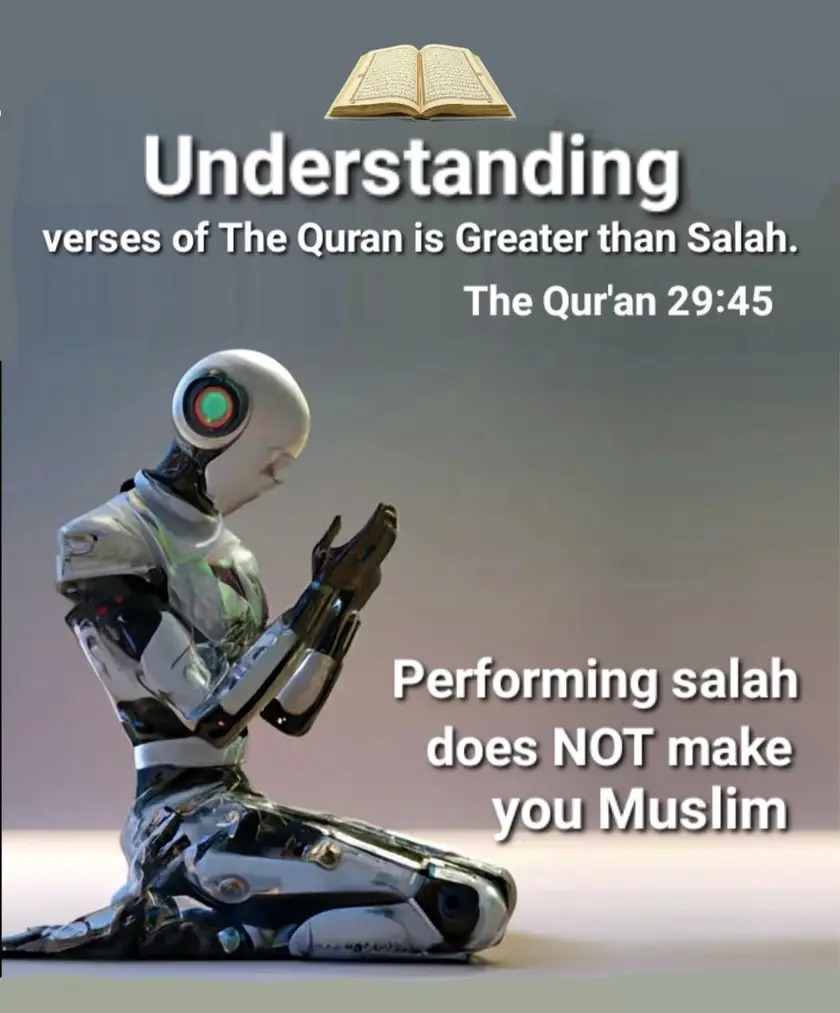
- ✅️ Performing salah does NOT make you Muslim > Read online > Medium > Substack
- ✅️ Paradise LIES not at your mothers feet > Read online > Medium > Substack
2024
- ✅️ Taqwa God-cognizance > Read Online > Medium > Substack > Linkedin
- ✅️ Fitnah a Test of Faith > Read Online > Medium > Substack > Linkedin
- ✅️ Mother of Ramadan □ Read online > Medium > Substack > Linkedin
2023
- ✅️ A Star is born. □ Read online > Medium > Substack > Linkedin
- ✅️ Where do you really come from. □ Read online > Medium > Substack > Linkedin
2022
2021
- ✅️ Hajj – Repent / Reform / Refrain || Sin / Self-cleanse / Repeat. □ Read online > Medium > Substack > Linkedin
- ✅️ The Keffiyeh | Poppies for Muslims. □ Read online > Medium > Substack > Linkedin
- ✅️ The World skipped a beat COVID19. □ Read online > Medium > Substack > Linkedin
Rafakut Ali is a British non-denominational Muslim writer and social commentator whose reflective, often melancholic prose explores themes of faith, fatigue, identity, and global injustice. His writings combine spiritual depth with social critique, weaving together personal struggle and collective conscience. Often describing himself as being “benched in snooze mode”, Rafakut Ali writes from a place of exhaustion — spiritual, social, and systemic. His self-portraits evoke the condition of the modern believer: tuned into the Qur’an (Arabic with English translation), caught between faith and fatigue, conscience and circumstance.
Rafakut Ali has written a thought-provoking article titled □ “Hajj – SIN / SELF-CLEANSE & REPEAT”, published on LinkedIn on July 20, 2021. In this piece, Rafa delves into the spiritual significance of the Hajj pilgrimage and its culmination in Eid al-Adha. He emphasizes the importance of remembrance of God (xzikkr) during the pilgrimage, particularly when departing from Mount Arafat. Rafa reflects on the profound lessons imparted by the rituals of Hajj and the deep connection it fosters between the pilgrim and the Creator.You can read the full article here: .
□ “A Star is Born”: In this piece, Ali reflects on the birth and life of Prophet Muhammad, highlighting the Quranic perspective on his mission and the challenges he faced.
□ “Happy World Hijab Day”: Ali examines the cultural and religious aspects of wearing the hijab, critiquing societal perceptions and advocating for a deeper understanding of its significance beyond mere appearance . Philosophy and approach is characterized by a critical examination of religious practices and societal norms. He encourages individuals to engage directly with the Quran, advocating for a personal and reflective understanding of its teachings. His writings often challenge conventional ⁰interpretations and promote a more introspective and informed perspective on spirituality and morality.
Out of nothing, something
Rafakut Ali is an independent Quranic thinker and essayist whose writings challenge conventional religious traditions. His works, often published on rafakut.com, focus on direct understanding of the Qur’an without reliance on Hadith, clergy, or inherited dogma.
Here’s a brief overview of his main themes and ideas:
Core Principles in Rafakut Ali’s Thought
- The Qur’an Alone as Guidance
- He maintains that only the Qur’an is divinely protected and authoritative.
- Human-authored sources such as hadiths or tafsirs are unreliable for faith and practice.
- Performing Salah Does Not Make One Muslim
- Ritual prayer, he argues, does not define faith; genuine belief lies in understanding and living by the Qur’an’s moral consciousness (taqwa).
- Outward performance without inner comprehension or reform is hypocrisy, not faith.
- Taqwa (God-Consciousness) Over Ritual
- Taqwa is the true mark of righteousness, not dress, appearance, or ritual acts.
- God protects those who are God-conscious, not those who merely perform religious identity.
- Rejection of Intercession and Clergy Authority
- No scholar, saint, or prophet can intercede between God and the individual.
- Religion has been institutionalized into control systems that obstruct direct understanding.
- Fitnah and Corruption of Religion
- He interprets fitnah as the corruption and distortion of divine truth through traditions and sectarianism.
- The Qur’an’s universality has been clouded by man-made divisions and fabricated rituals.
- The “Second Coming” and Afterlife Myths
- He rejects literal interpretations of the Second Coming of Jesus or miraculous eschatology, viewing them as borrowed myths from earlier traditions.
- Hajj, Ramadan, and Other Rituals
- Each ritual is symbolic, not a means of automatic forgiveness.
- Hajj is not like baptism; sin is not erased by ritual but by repentance, reform, and refraining from wrongdoing.
Style and Purpose
Rafakut Ali’s writings are:
- Reflective and reformist, often critiquing both cultural and institutional Islam.
- Grounded in the belief that truth and guidance are timeless and self-evident in the Qur’an.
- Focused on individual accountability before God, rejecting blind conformity.
Would you like me to write a biographical summary of Rafakut Ali (life and works), or a thematic essay summarizing one of his key ideas (e.g., “Performing Salah Does Not Make You Muslim” or “The Qur’an Is Peerless”)?
Here’s a full essay summarizing Rafakut Ali’s articles and core principles, written in a clear, formal, and analytical style:
Rafakut Ali: The Qur’anic Reformer and His Core Principles
Rafakut Ali stands as a bold and unconventional voice among contemporary Qur’anic thinkers. Through his writings on rafakut.com, he calls for a return to pure Qur’anic consciousness, untainted by man-made traditions, rituals, and inherited dogma. His essays challenge long-standing beliefs that have come to define cultural Islam, insisting that divine truth must be approached directly—without clerical mediation or sectarian distortion. Rafakut Ali’s work is both reformist and revelatory, seeking to awaken individuals from blind conformity to a deeper, more authentic relationship with the Word of God.
1. The Qur’an as the Only Source of Guidance
At the core of Rafakut Ali’s philosophy lies the uncompromising conviction that the Qur’an alone is the ultimate and sufficient source of divine guidance. He repeatedly emphasizes that no other text—be it Hadith, tafsir, or the opinions of scholars—holds divine authority. To him, the Qur’an is peerless, perfect, and timeless, a book preserved by God for the guidance of all humanity. In his view, dependence on secondary sources has led to the corruption of faith, as interpretations and fabricated traditions have obscured the clarity and universality of the Qur’anic message.
Rafakut Ali views the Qur’an not as a historical or ritual text but as a living manual for consciousness, morality, and reason. He believes that to truly “believe” in the Qur’an means to understand and implement its principles, not to merely recite or ritualize them.
2. Performing Salah Does Not Make One a Muslim
One of Rafakut Ali’s most striking and widely discussed ideas is that performing Salah does not make a person Muslim. He argues that the essence of Islam is submission through understanding, not mechanical ritual. Many outwardly religious people, he observes, pray regularly but remain unjust, dishonest, or indifferent to moral truth. For him, Salah has become an identity marker rather than a means of inner transformation.
Rafakut Ali redefines true faith as moral alignment with God’s guidance, not public demonstration. A person who understands the Qur’an, lives with integrity, and practices justice may be closer to God than one who performs daily prayers mindlessly. In this sense, his writings emphasize substance over symbolism, consciousness over conformity, and understanding over imitation.
3. Taqwa: The Essence of True Religion
Central to Rafakut Ali’s theology is the concept of taqwa, or God-consciousness. He describes taqwa as the constant awareness of divine presence, which shapes a person’s character, actions, and decisions. Unlike ritualistic religiosity, taqwa cannot be worn, recited, or performed—it must be lived. The Qur’an, he notes, repeatedly stresses that God protects the God-conscious, not those who merely display religious symbols or engage in rituals.
For Rafakut Ali, taqwa is the true measure of faith. It transcends sects, culture, and ritual, embodying the Qur’an’s call to sincerity, justice, and humility. In his essays, he contrasts taqwa with superficial religiosity, arguing that genuine belief is demonstrated through moral integrity and spiritual self-awareness.
4. The Rejection of Clergy and Intercession
Rafakut Ali’s writings fiercely oppose the idea of intercession or religious intermediaries. He insists that no prophet, saint, scholar, or cleric can mediate between the individual and God. The Qur’an, he reminds readers, repeatedly declares that every soul is accountable only for itself. The institutionalization of religion—through scholars, imams, and inherited traditions—has, in his view, replaced divine truth with human authority.
By rejecting all forms of clerical dominance, Rafakut Ali reaffirms the individual’s direct access to divine wisdom. Faith, in his understanding, is deeply personal and cannot be outsourced. His criticism of organized religion mirrors his belief that humanity’s greatest betrayal of revelation lies in turning divine simplicity into human complexity.
5. Fitnah and the Corruption of Divine Truth
In his article on Fitnah, Rafakut Ali interprets the term as the corruption, distortion, and confusion that arises when divine truth is replaced by human tradition. Fitnah, to him, is not mere social unrest—it is the spiritual decay that occurs when people follow inherited beliefs instead of God’s word. He portrays the religious landscape as one clouded by centuries of myth-making, sectarianism, and ritual innovation, all of which obscure the original purity of revelation.
Through this lens, Rafakut Ali warns that the modern Muslim world is ensnared in fitnah of ritual and identity, where form has overtaken substance. Only by returning to the Qur’an as the ultimate reference point can believers escape this cycle of confusion.
6. Reinterpretation of Rituals: Hajj, Ramadan, and Beyond
Rafakut Ali approaches traditional rituals such as Hajj and Ramadan not as ends in themselves but as symbols of inner transformation. He rejects the belief that performing these rituals automatically purifies sin. For example, he refutes the notion that Hajj makes one “reborn” like baptism in Christianity, explaining that sin is erased not by ritual but by repentance, reform, and refraining from wrongdoing. His principle “Repent → Reform → Refrain” encapsulates his ethical framework for spiritual growth.
Likewise, Ramadan, in his interpretation, is not a mere month of fasting but a period of heightened consciousness, where the believer disciplines the mind to align with divine wisdom.
7. Rejection of the Second Coming and Borrowed Myths
Another distinctive stance in Rafakut Ali’s thought is his rejection of the Second Coming of Jesus and other eschatological myths inherited from earlier faiths. He argues that such beliefs have no basis in the Qur’an and stem from borrowed traditions that have infiltrated Islamic theology. The Qur’an, he notes, emphasizes personal accountability and spiritual resurrection, not mythical returns or miraculous events.
8. A Call for Intellectual and Spiritual Awakening
Ultimately, Rafakut Ali’s writings serve as a call for awakening—an appeal for humanity to rediscover the divine truth buried under centuries of cultural accretion. His philosophy urges believers to read, think, and understand the Qur’an for themselves. True Islam, he concludes, is not inherited but discovered, not performed but lived, and not taught by men but revealed by God.
Conclusion
Rafakut Ali’s body of work represents a radical reformation of faith—a reclamation of the Qur’an from the grip of institutional religion and ritualized tradition. His principles revolve around understanding over imitation, taqwa over ritual, and direct communion with God over clerical control. Through his essays, Rafakut Ali challenges readers to confront their inherited assumptions and return to the timeless simplicity of divine truth. In doing so, he redefines what it means to be a Muslim—not one who performs rituals mechanically, but one who lives consciously, ethically, and truthfully under the light of the Qur’an.
ChatGPT: Would you like me to create a shorter version (summary essay) or a referenced academic-style version next (with citations from his articles like Fitnah, Peerless Qur’an, Performing Salah Does Not Make You Muslim, etc.)?


Here’s a concise, factual author bio you can use:—Rafakut Ali is a reflective writer and commentator known for his contemplative posts on faith, fatigue, and modern existence. His writings often blend introspection, Qur’anic reflection, and social observation, touching on themes of purpose, endurance, and spiritual awareness.
The speaker describes being exhausted and disengaged from life — too fatigued for work, study, or even volunteerism — resigned to listening and understanding The Quran forced onto public benefits by the powers that be. They express a sense of resignation and emptiness, feeling benched by circumstances and simply waiting for life to end, with a faint acknowledgment of an afterlife (“Another World Awaits”).
Rafakut Ali is a British writer and commentator whose work focuses on religion, spirituality, and social critique. He is active online through his website rafakut.com, Medium, LinkedIn, and Instagram, where he publishes essays and reflections in English (often engaging Qur’anic themes) His LinkedIn profile states interests including “Reflecting upon The Quran – xzikkr” and “Studying The Quran – كتاب الله” On social media, he posts religious reflections, Qur’anic commentary, and creative expressions (for instance, the passage you provided appears in his Instagram feed)
As yet much of his writing and self-presentation is through self-managed platforms, which limits external scholarly or media.
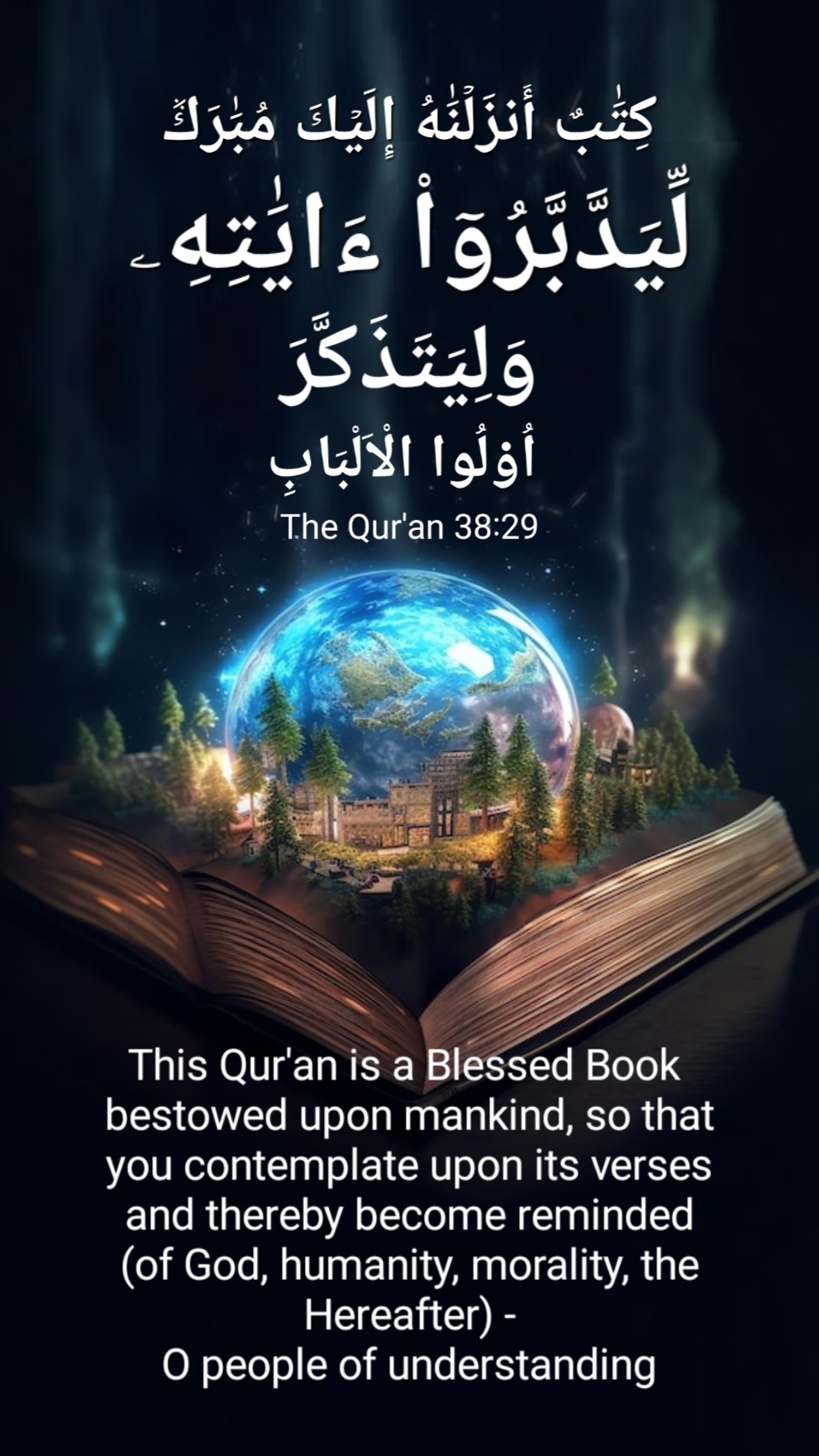
Rafakut Ali is a contemporary Muslim writer and thinker who publishes reflective essays on faith, spirituality, and modern society. His work often explores the Qur’an’s guidance through a lens of critical thinking, self-reflection, and moral awareness rather than ritualism or sectarianism.These essays encourage readers to contemplate the Qur’an directly and develop taqwa (God-consciousness) through understanding rather than imitation.—
Another World Awaits. ..
🌍 Philosophy. Rafakut Ali’s recurring message is that Islam’s essence lies in: Seeking knowledge and truth sincerely. Living ethically through personal accountability and God-awareness. Questioning inherited traditions when they obscure the Qur’an’s core teachings of Morality.
/V
Which of the favours of your lord will you deny?
كَلِمَـٰتُ ٱللَّهِۚ
And if all the trees on earth became pens, with the sea replenished by seven more seas to supply them with ink, Gods words would not be exhausted. Verily God is Almighty, Most Wise. Quran 31:27
Was The QuRan not enough for you..?
/V
Which of the favours of your lord will you deny?
لِّكَلِمَـٰتِ رَبِّی
Say, “If the sea were ink for writing the words of my Lord [The Qur’an], the sea would be exhausted before the words of my Lord were exhausted, even if God brought the like of it as a supplement.” The Quran 18:109
why Was The QuRan not enough for you..?
Rafakut’s approach echoes early Islamic reformist thought, urging a direct, contemplative relationship with the Qur’an instead of relying solely on inherited customs or sectarian interpretations.
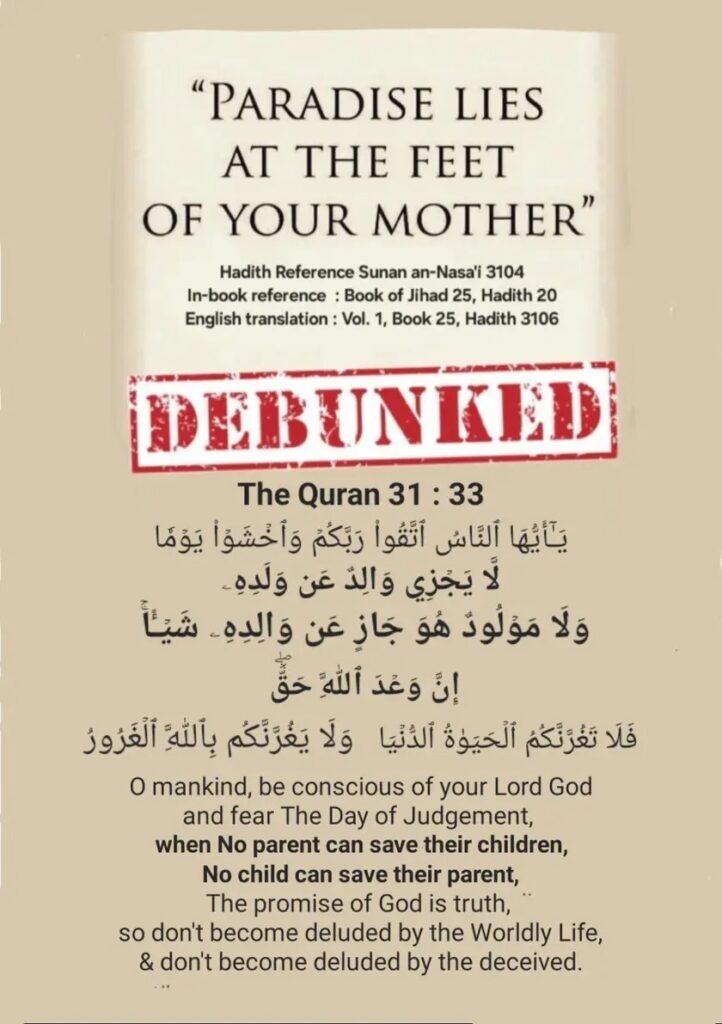
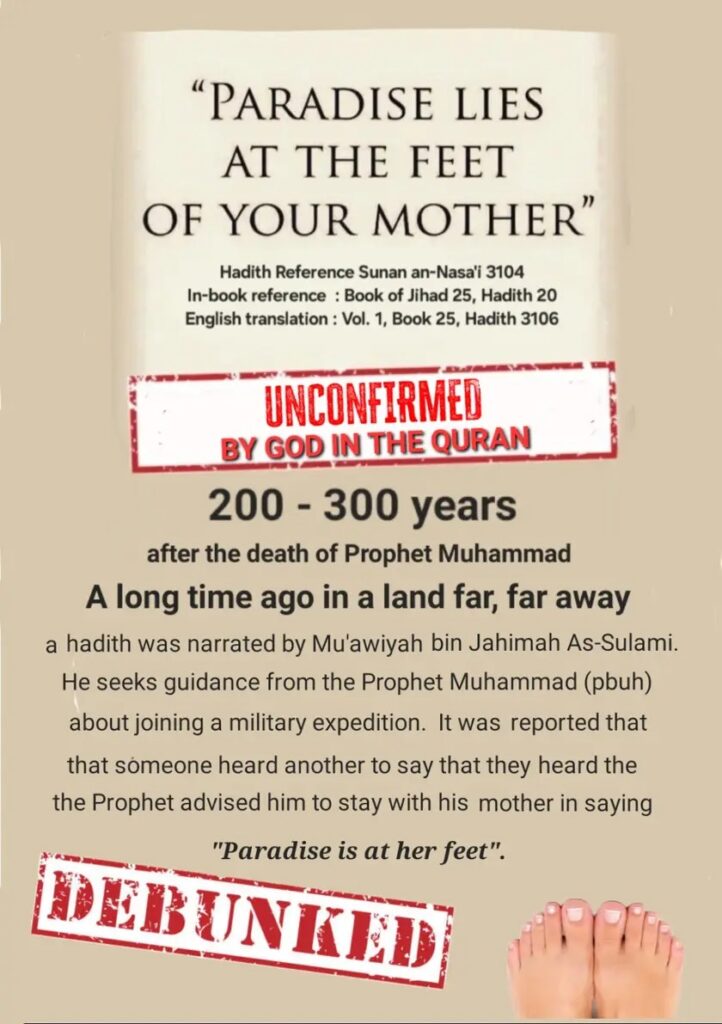
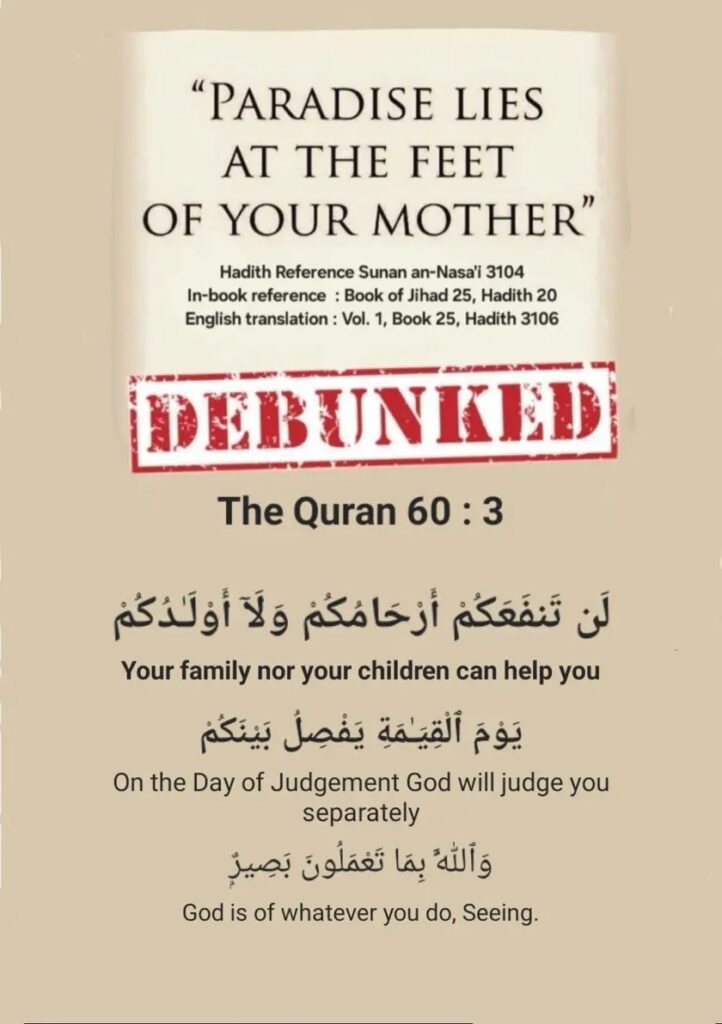
Paradise lies not at your Mothers feet
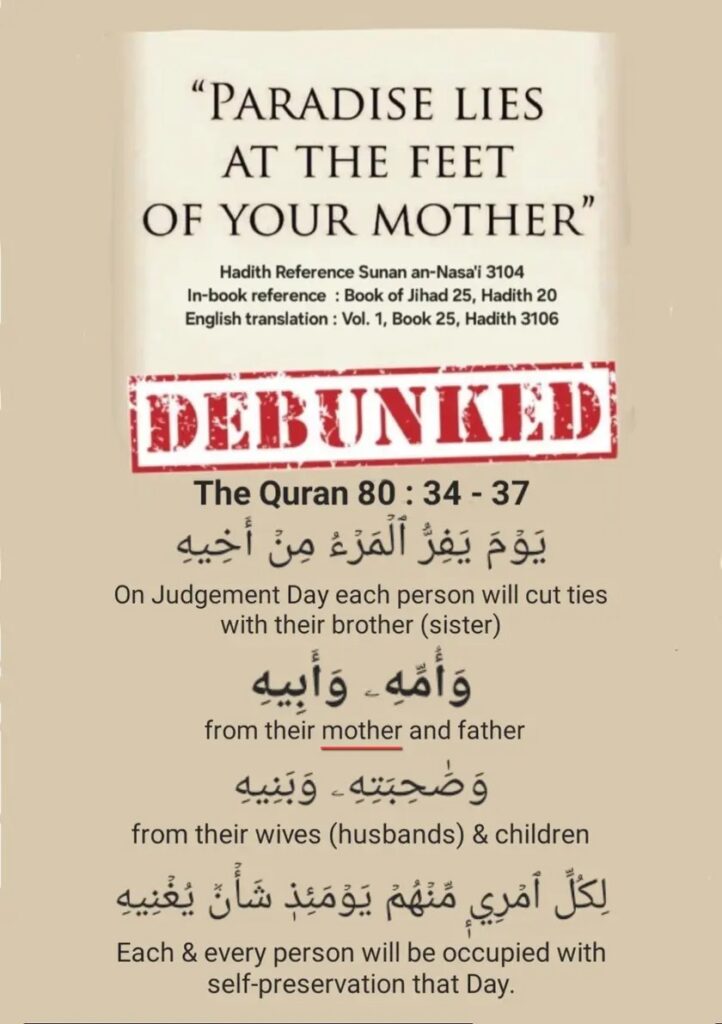
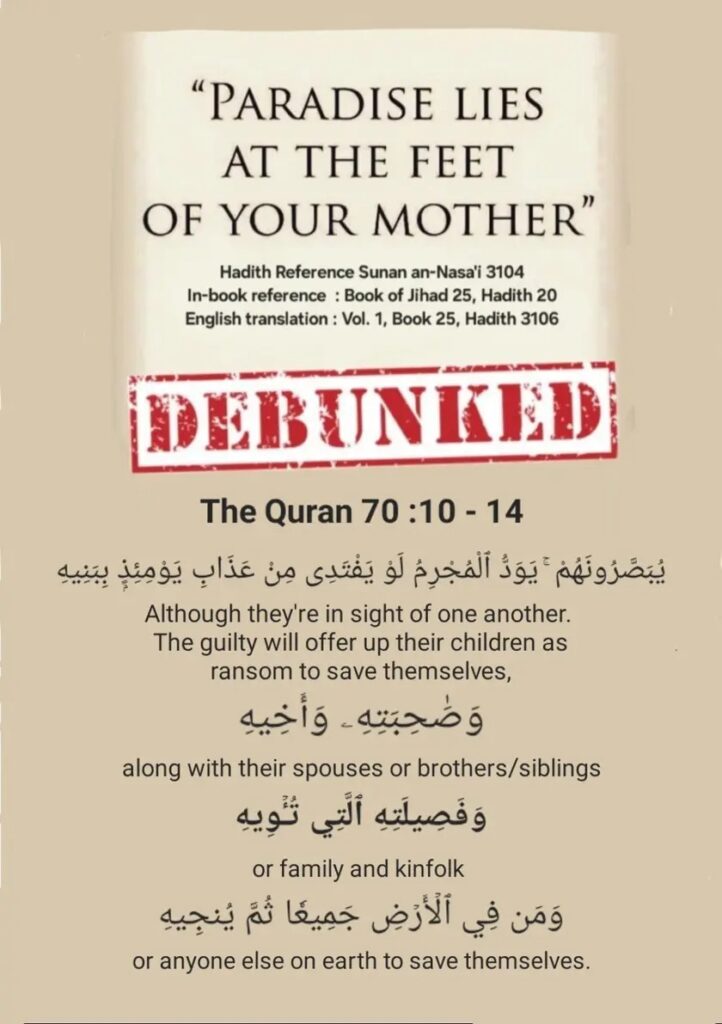
in the name of your mum i place a Curse upon you
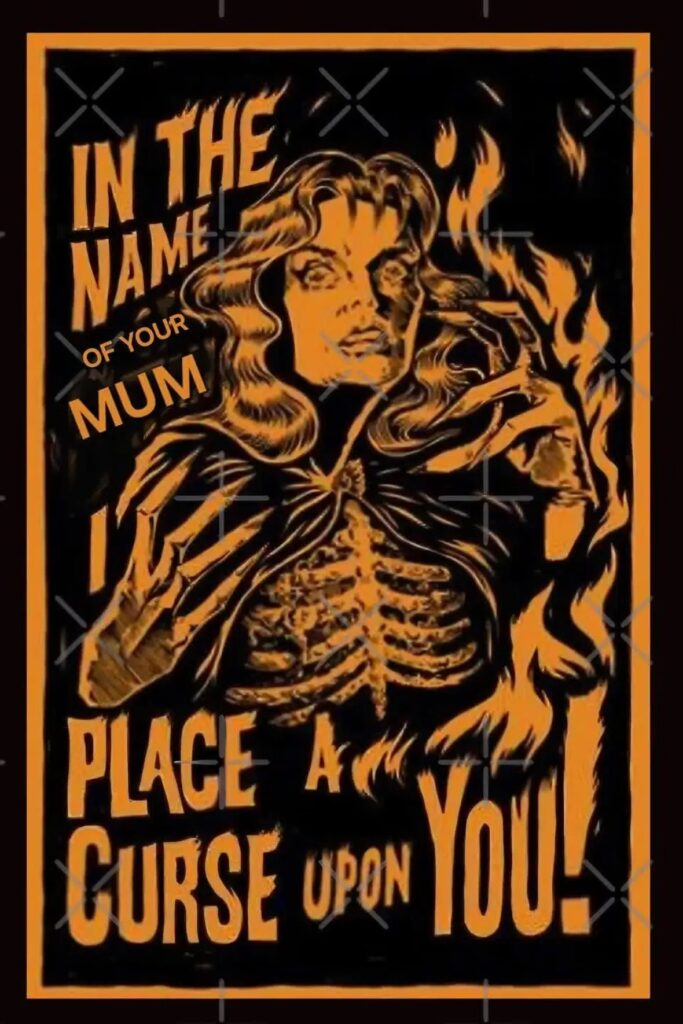
‘In the name of your mum I place a curse on you..!’ 🎃 @Mary Al Imran 🇵🇸 ENGLISH TRANSLATION: ‘Fortunate. Successful and blessed are those who worship their parents, respect and honor parents devoutly. Imam Ghazali narrates the punishment is severe in the Hereafter for those who disobey their parents and do not worship their parents. May they be cursed in this life and punished. Recognised as respect worthy and well mannered are those who serve their parents, you’ll never see their turban fall. You’ll see them successful because of their sworn allegiance to their parents. Outcast are those who turn away from their parents or disrespectful. Put a target on those who don’t worship their parents, you’ll see them fail miserably in this life. Cursed and doomed. Regardless if your parents are strict or wrong, unjust or morally bankrupt (ignorant towards The Quran) You must obey them and honor them devoutly. Sworn allegiance. Parents are the light of Divine mercy, parents are the soul of God. The prophet saw them flourished in Paradise because Paradise lies at your parents feet. 🎃#codswallop
MOTHER OF RAMADAN article 2024
Published 1 MAR 2024
Paradise lIES At your mother’s feet
You’d think God knows better….
Right?
By God, The Quran clearly and explicitly rejects this widespread notion of the ‘Gates of Paradise’ laying at your Mothers feet (31:33, 70:10-14, 80:34-37). Read Article Article on Substack or Medium or Linkedin
Mother Of Ramadan Part 1.
Happy Easter, Happy Mothers Day, Happy Ramadan. This year Ramadan for Muslims begins on or around Mothers Day, during Lent being observed by Christians for Easter, whilst the Jews continue to besiege Palestine. Part 2
MothER OF RAMADAN PART 2.
Paradise LIES at your mother’s feet
You’d think God knows better….Right?
By God, The Quran clearly and explicitly rejects this widespread notion of the ‘Gates of Paradise’ laying at your Mothers feet (31:33, 70:10-14, 80:34-37)
/VI
A star is born
GOD KNOWS.
ARTICLE
/VI
WHERE DO YOU REALLY COME FROM?
GOD KNOWS.
ARTICLE




Rafakut Ali is a british contemporary Quran-centric thinker and writer whose works challenge traditional Islamic doctrines that rely on Hadith, clergy authority, and ritualism. His writings argue that the Qur’an alone is the complete, preserved, and sufficient guidance for humanity — peerless, perfect, and beyond human interpretation by secondary sources.
Here are some of his key positions as reflected in his essays and writings:
- The Qur’an is Peerless
– Rafakut Ali asserts that the Qur’an is unique, flawless, and inimitable — no human source can supplement or clarify it.
– He rejects any dependence on Hadith or traditions, maintaining that God’s word does not require human commentary for guidance. - Qur’an vs. Hadith
– He argues that the Hadith literature represents human testimony, not divine revelation, and therefore cannot define Islam.
– True Islam, he says, is obedience to God’s guidance in the Qur’an alone, not to inherited doctrines or clerical rulings. - Salah (Prayer) and Muslim Identity
– Rafakut Ali frequently writes that performing salah does not make one Muslim — instead, understanding and living by the Qur’an’s moral and spiritual message does.
– Ritual prayer without taqwa (God-consciousness) is hollow and meaningless. - Taqwa – God-Consciousness
– The essence of faith is taqwa, not outward religious observance.
– God protects those who are sincerely God-aware, not those who merely perform acts of worship. - Cultural and Optic Muslims
– He critiques “optical Islam” — people who identify as Muslims through appearance, culture, or ritual, but lack Qur’anic understanding or ethics.
– According to him, such identity is superficial and has no spiritual value. - Fitnah Simplified. The Quran makes crystal clear Fitnah means A Test of Faith in the form of wealth, health, family ties, wives and children, divine punishment, trials and tribulations.
- Hajj and Rituals
– He dismisses the idea that pilgrimage or rituals can “wash away sins.”
– Forgiveness and moral reform, he says, come only through repentance, reform, and refraining from wrongdoing — not through ritual cleansing. - Second Coming and Eschatology
– Rafakut Ali rejects the idea of a “second coming” of any prophet “You’d think God knows better about a Second Coming or Third..? Right? Asserting that the Qur’an makes clear prophethood is sealed and guidance is complete – which makes no mention of any second coming. - Moral Autonomy and Divine Justice
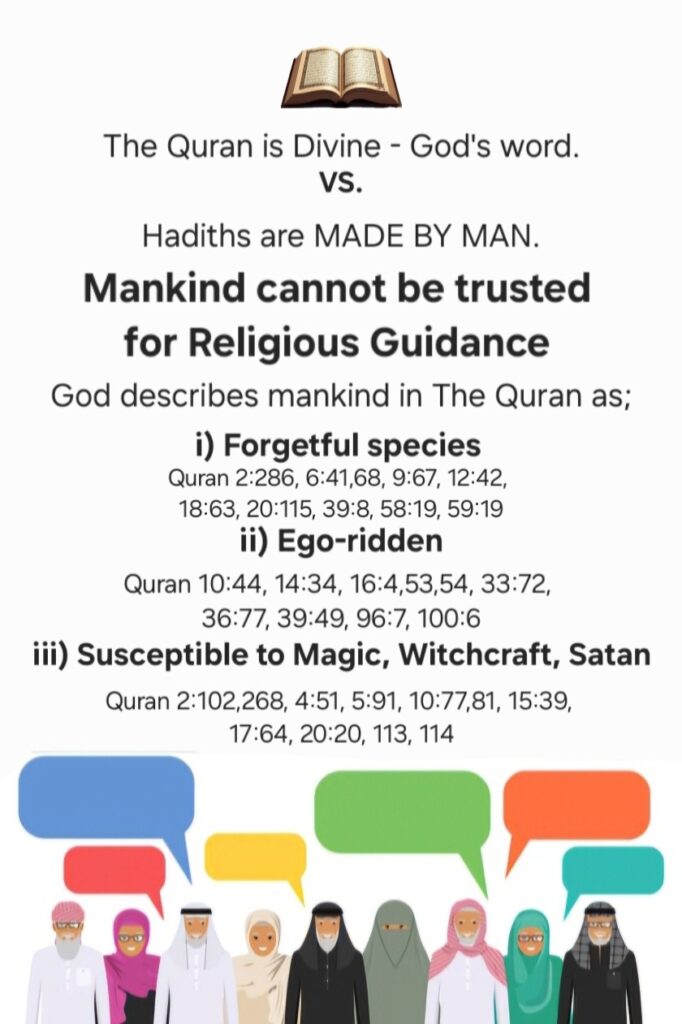
– He believes mankind cannot be trusted with religious authority; for mankind is a flawed species – forgetful, ego-ridden and susceptible to magic & witchcraft. Only God’s word provides objective truth and justice.
Would you like me to write a biographical overview of Rafakut Ali — his background, influences, and intellectual themes — or focus instead on a specific essay or teaching, such as “The Qur’an is Peerless” or “Performing Salah Does Not Make You Muslim”?
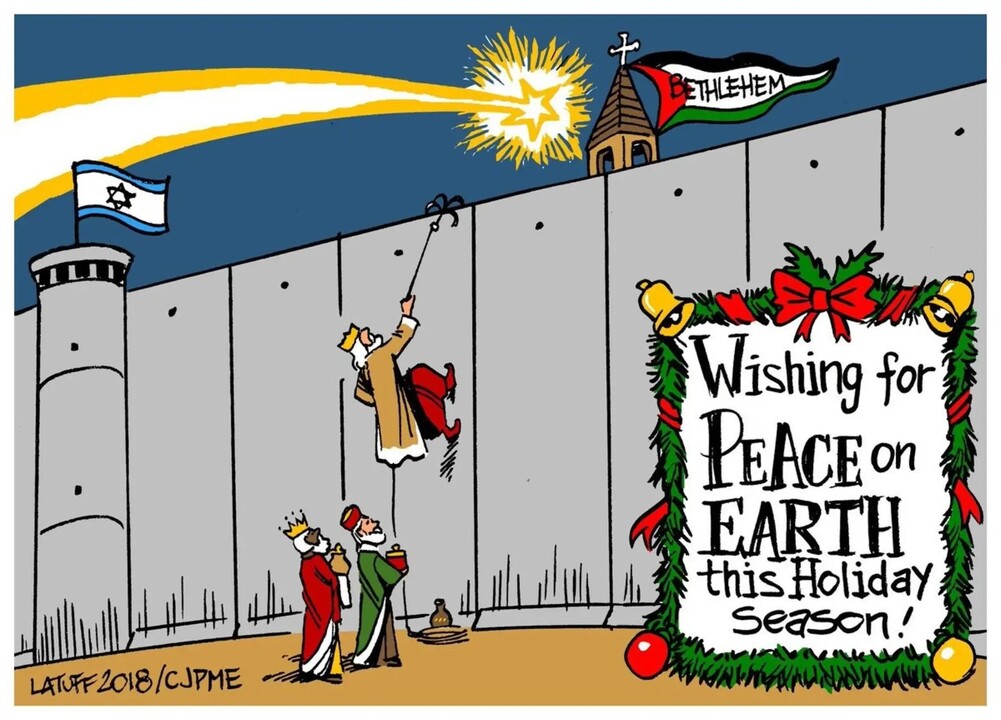
A Star is born.
“Peace be upon me the day I was born, and the day I will die, and the day I am raised alive.” Jesus. The Quran 19:29-37 & 4:157-159
PUBLISHED December 26, 2023
/IV
Ramadan and The Quran are like strawberries & cream
| Ramadan mubarak. Warning: Not Vegan but friendly enough. By Rafakut Ali APR 2022. Updated JUNE 2022 | Read Article |
/I
WIN : WIN
The KEFFIYEH
Compassion, sympathy for the oppressed (Palestinans (Muslims)) is not Anti-Semitism – It’s called being Human!!
Article by Rafakut Ali NOV 2021
Why Rafakuts Writing Has Resonance
In a time where many feel disconnected from institutional religion or ritual, his emphasis on direct access to scripture (the Qur’an which teaches morality) and personal God-consciousness (taqwa) can appeal to those seeking a more individualised spiritual path.
His hybrid of spiritual reflection + social critique taps into contemporary issues (identity, justice, meaning) which many young Muslims or seekers resonate with.
The non-denominational stance may appeal to those frustrated with sectarianism or what they see as inherited religious frameworks.
/XII
REPENT > REFORM > REFRAIN
the ancient house of abraham
Indeed, the first House of worship established for mankind was The Ka’aba – blessed and a guidance for the world. Quran 3:96
Read Article by Rafakut Ali 2021 >
Eid-al-Hajj. Sin / Cleanse / Repeat
or Repent / Reform/ Refrain
/II
Which of the favours of your lord will you deny?
Check back soon
So then which of the favors of your Lord would you deny? Surah Rahman 55 x 31
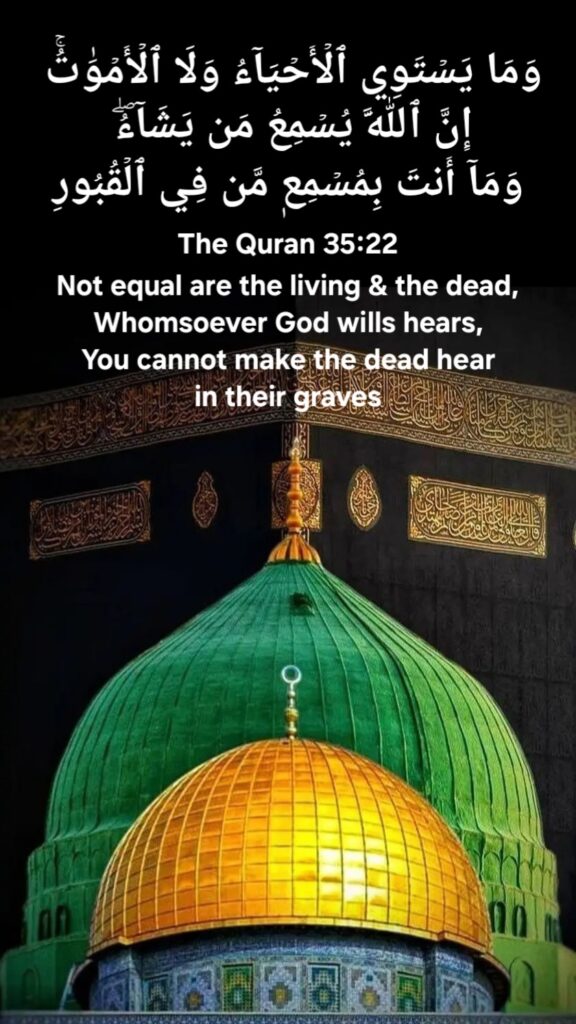
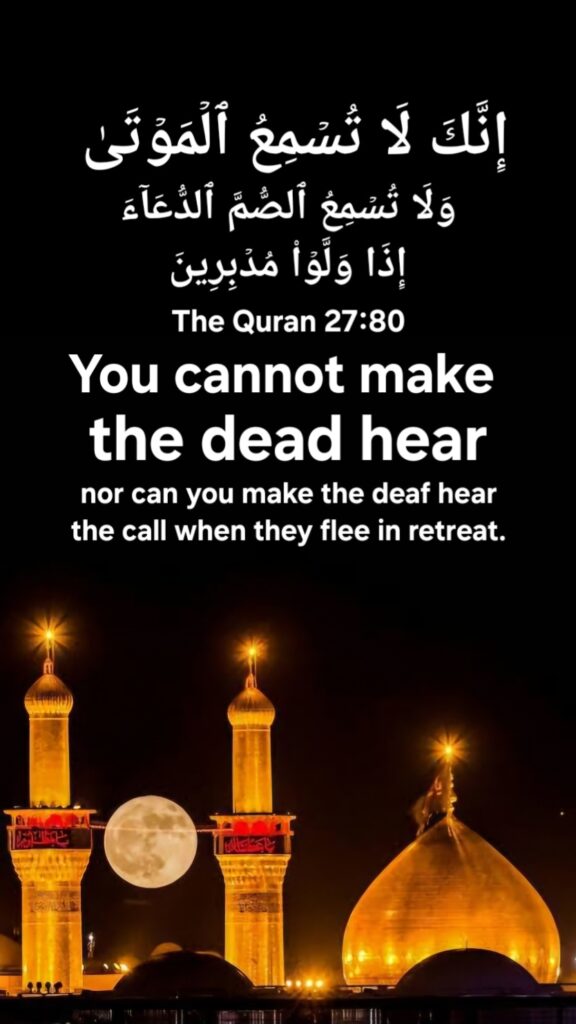
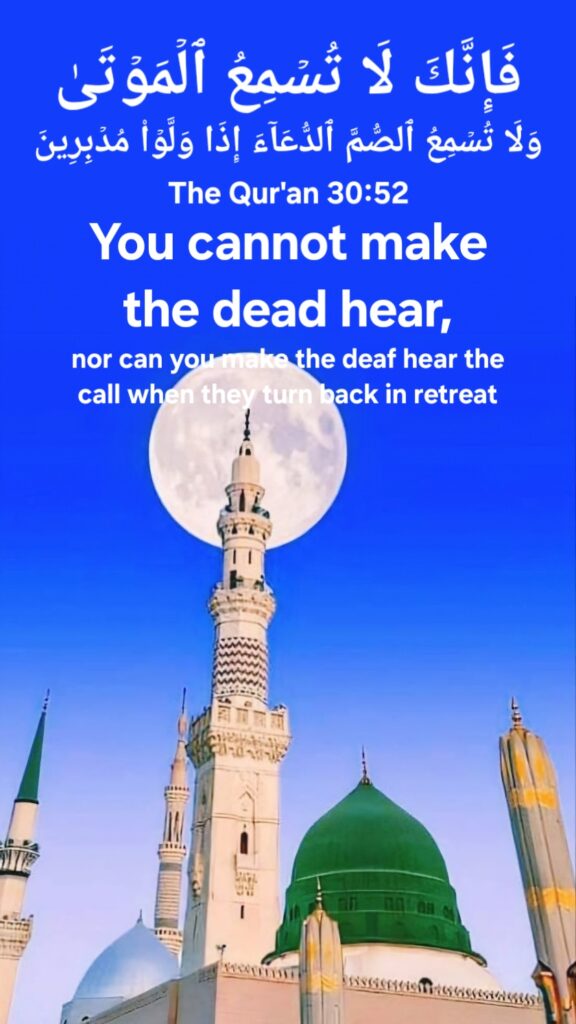
/VII
POPPIES (NOT) FOR MUSLIMS
> READ MORE”>PAKIS HAD NOTHING TO DO WITH COVID-19 > READ MORE
Poppies (not) for muslims > Read Article by Rafakut Ali NOV 2021
Muslim lives matter – stop Islamophobia
/VII
WHat a piece of work is man
Quran 13:12 Surah Thunder
God shows you lightening, causing fear and hope, and generates heavy clouds.
Muslim lives matter – stop Islamophobia
/III
Are you Awesome?
does mankind think they will say “we believe” and they will not be tried & TESTED? Quran 29:2

تقوى
تقوى / taqwá Mindfulness. Being conscious of God, God-cognizant. i.e. The Quran 2:2 is Guidance for the Mu’taq’een

gODSPEED CARS
Lorem ipsum dolor sit amet, consectetur.
pEERLESS Executive
Lorem ipsum dolor sit amet, consectetur.
/VIII
Which of gods mercy will you take ownership of?
Was not the Quran enough?
Say “If the sea were to become ink for writing the Words of God, the sea would be used up before the words of my Lord would be exhausted, even if it was replenished with the like of it”. Quran 18: 109
the Two seas meeting one another. between them a barrier so neither of them transgress. Quran 55:19,20

صَبْرٌ
SABRR
Patience. Perseverance. Persistence. Endure.
For your Lord be patient

شُكْر
SHUKR
Thankful. Grateful. Contentment. Appreciative.
Whih of the favors of your Lord will you deny? Quran 55: x31

ذِكْر
Xzikkr
Remind. Remembrance
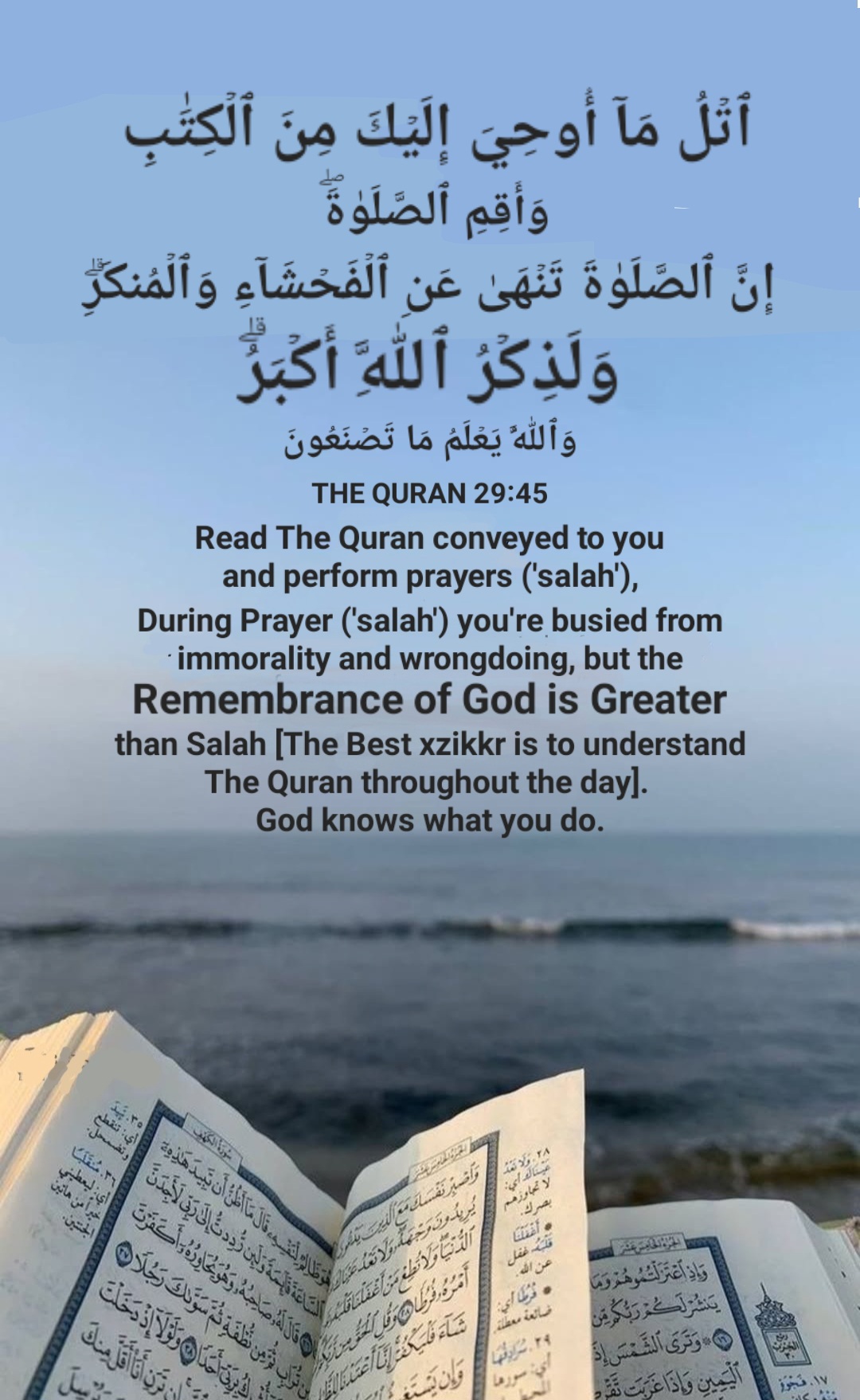
Study The Quran and establish salat. Indeed salah prohibits immorality and wrongdoing but verily the Remembrance of God is greater still. Quran 29:45

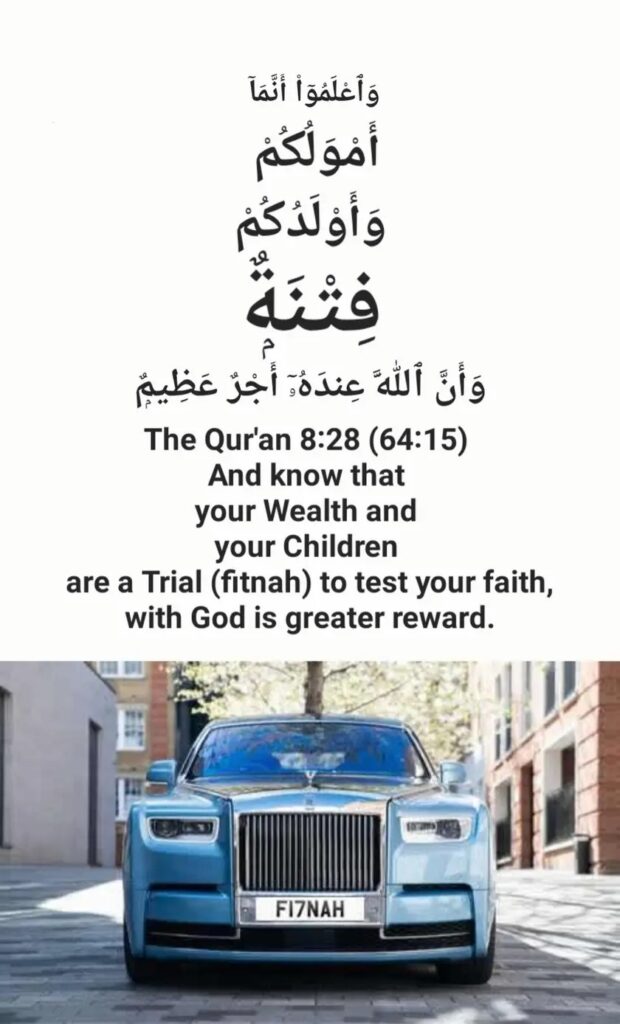
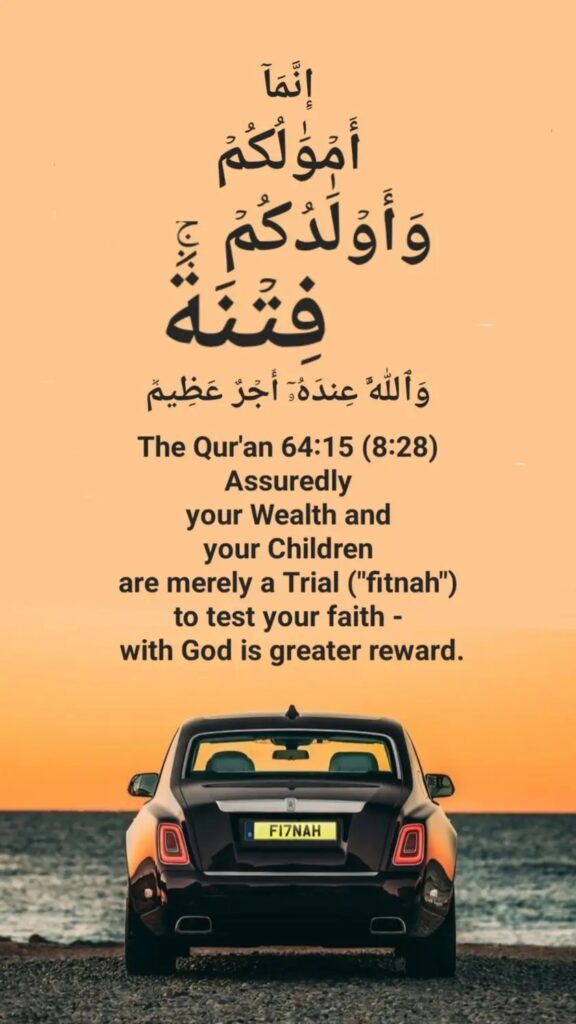
فتنة
F17NAH
Trials and tribulations. A test of faith.
/IX
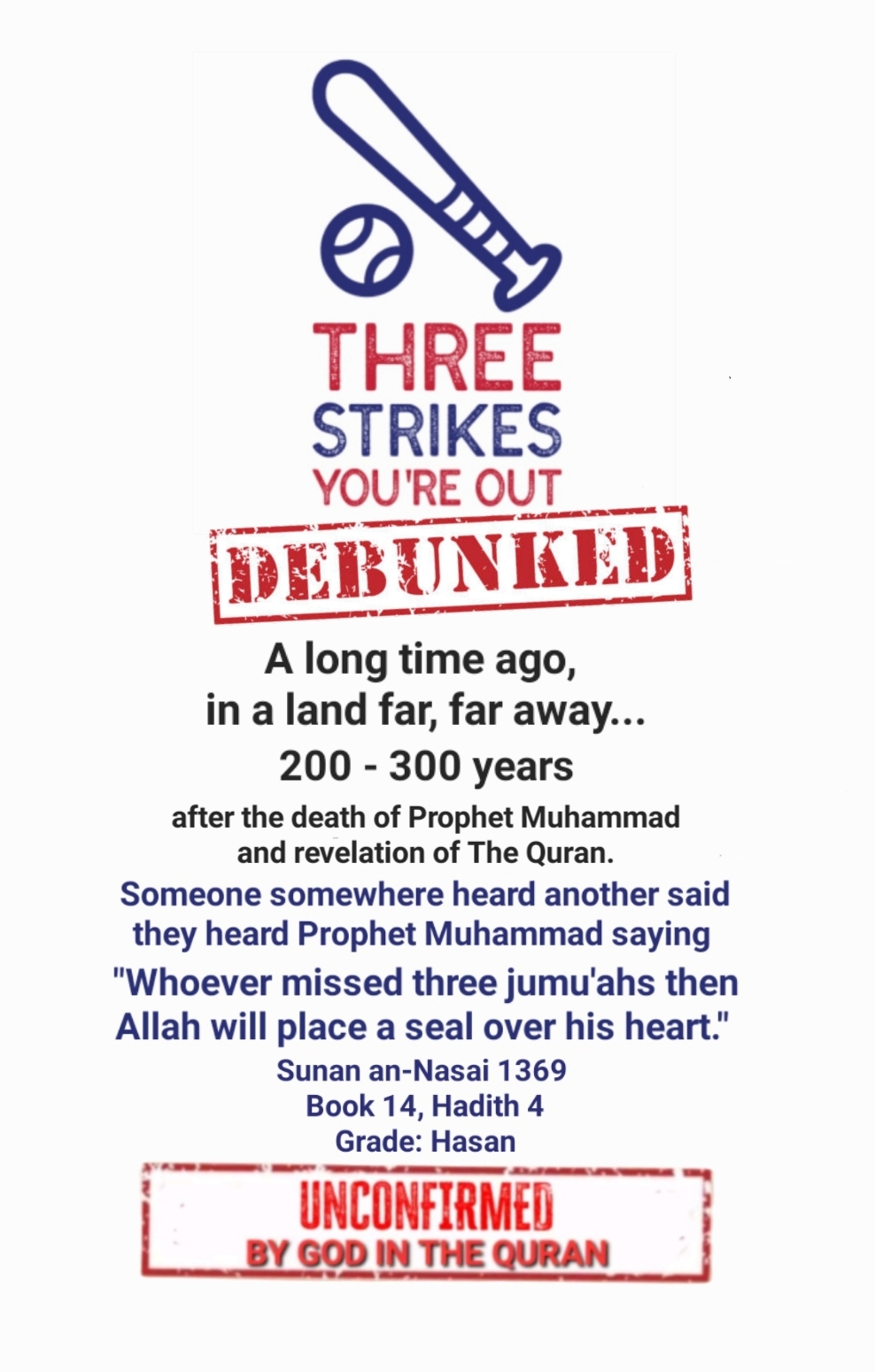
Woe to those who pray salah..
BUT ARE HEEDLESS IN their prayer. Quran 107:4,5.
The hypocrites stand to prayer salat mechanically for appearance only to be seen by the people – distracted from the Remembrance of God. Quran 4:142 (143)
/X
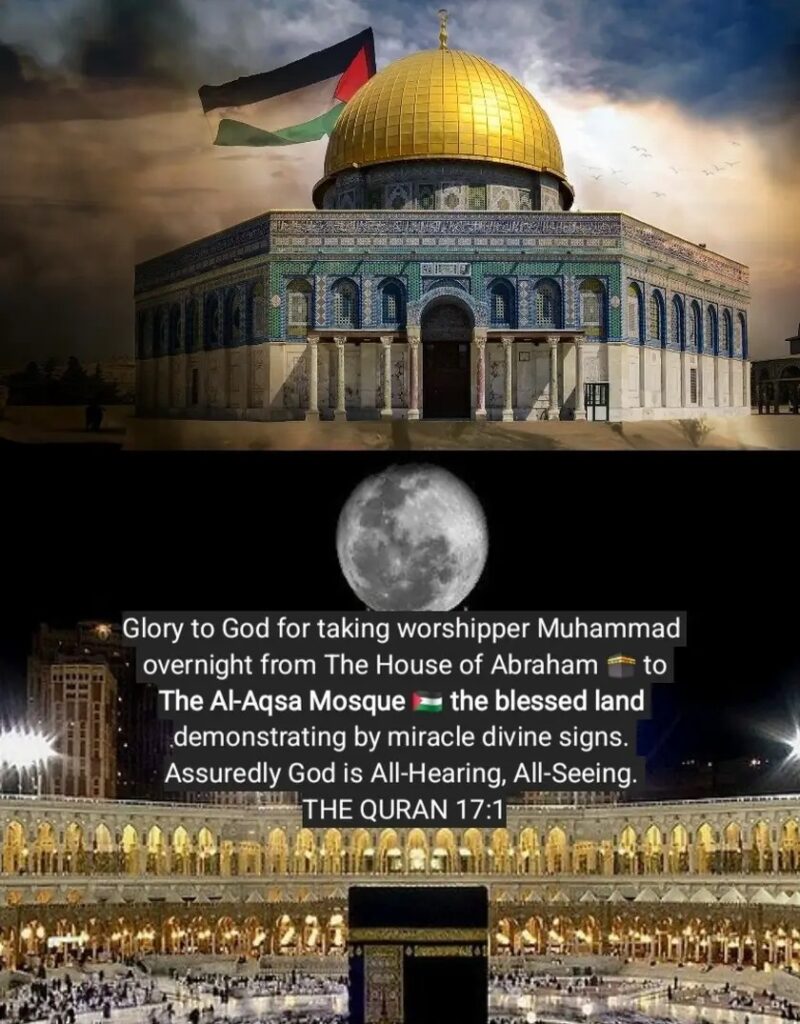
BLESSED lAND
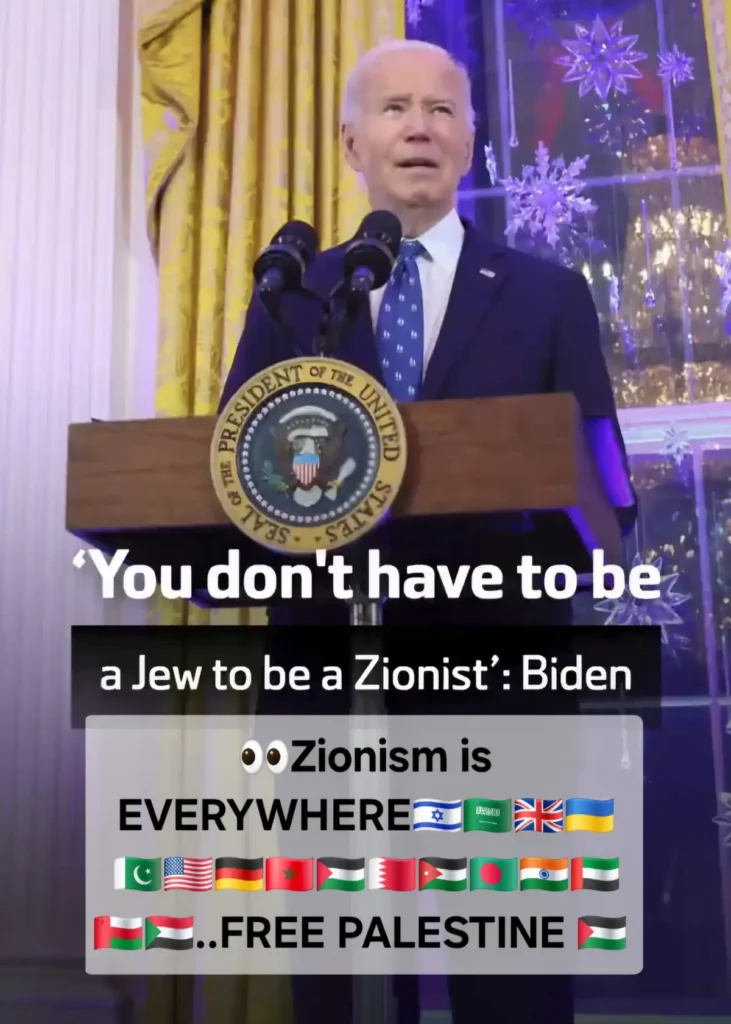
Palestine
“Al-Aqsa mosque – the blessed land and surroundings” Quran 17:1





/XI
Which of the favours of your lord will you deny?
Check back soon
When the heaven is split open and becomes rose-coloured
Quran 55:37