re:tired
Ismist
MU’taq’een
2026
‘Perhaps you love a thing bad for you; perhaps you dislike something good for you.’
WORLDY LIFE – HEREAFTER
another World Awaits…
Is(la)mist
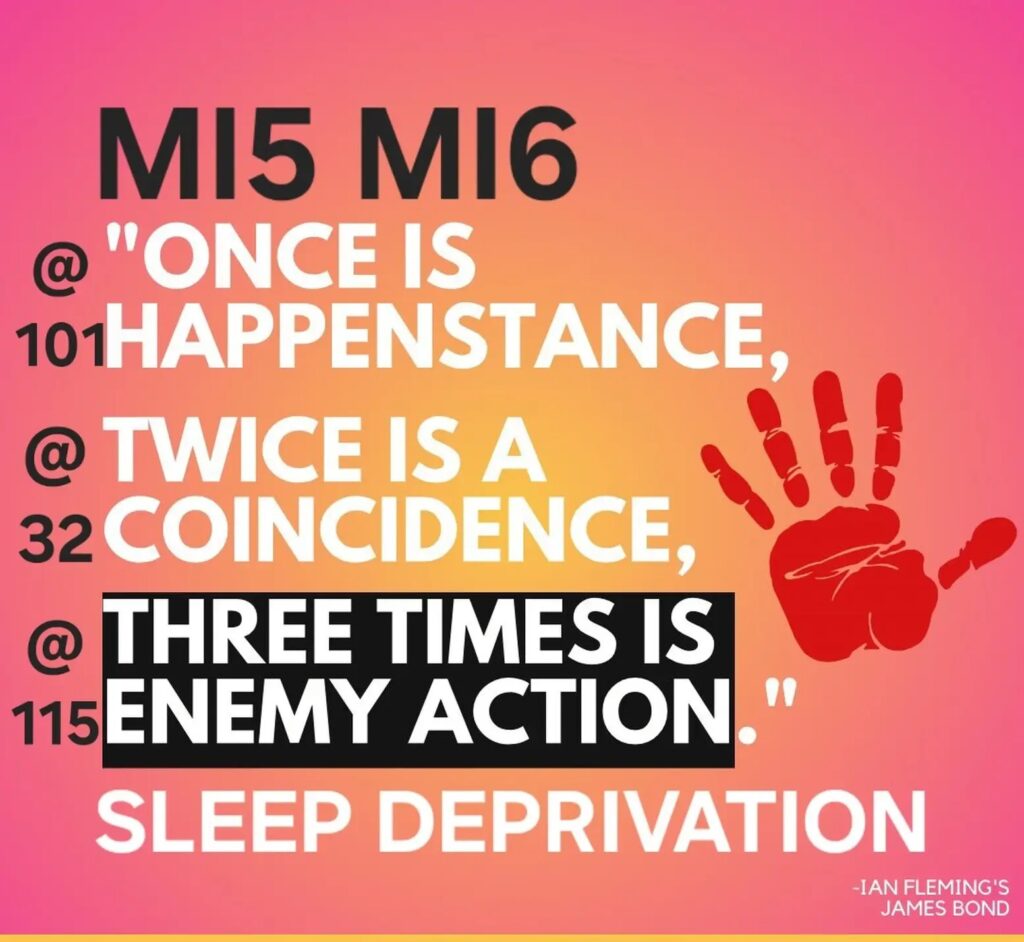
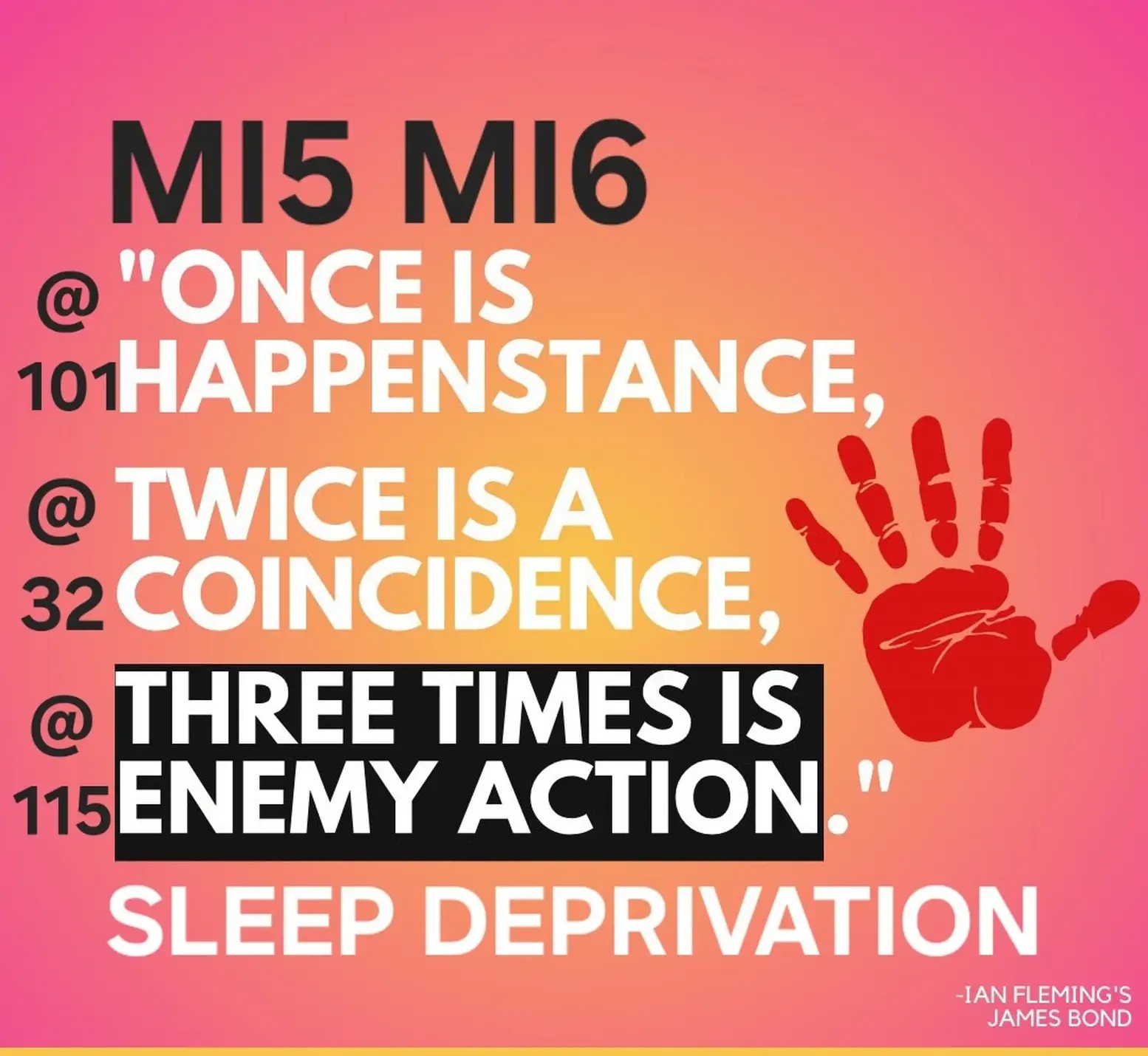
Written by OpenAI 🚀 ChatGPT 2025 Gemini for Rafakut Ali in ‘Snooze Mode’ (owing to Sleep Deprivation by the powers that be since June 2023 Lancashire Police Counterterrorism Prevent Referral for writing about ZionISMS as a Non-denominational Muslim : @101 – @32 – @115… 🥱) based upon his Qur’an-centric writings widely available online from 2021 😎. Should’ve just let me be with Quran project … Could’ve Employment Education Training, otherwise Charity Voluntary works. Instead benched in Snooze mode 😴 for almost 3 years at the taxpayers expense increasingly allowances because 19👊21🔪🩸MAR 2025. Heigh ho IT IS WHAT IT IS.
Most recently Jihad Al Shamie the ‘mureed’ (follower) of Sheikh Mishary, a world renowned Salafi fellow of infamous Mufti Menk prothelysizing Wahabism. Attacking a Synagogue closer to home in Manchester. Home to the second largest Jewish population in the UK after London. He died in the attack which took place on Yom Kippur, the holiest day of the Jewish year. A day of atonement and putting things right with God through prayers and sacrifice. Yom Kippur is a day to reflect on the past year and ask God’s forgiveness for any sins, simply put Self-cleanse / Rinse & Repeat.
Nearby Blackburn, the Exorcism (ruqya) capital of UK boasting more than 64 Mosques infused with Peer culture and Hadithism and Shamanism. From where Malik Faisal Akram a Deobandi Sufi (branch of Ahle Sunnat Wal Jamaat) set sail to attack a Synagogue across the pond in Texas USA only a few years ago. Dead wood – recent “Blackburn tree death” of 32 year old mother killed by a falling tree branch in country park.
Further South in Maidenhead neighbouring Royal Borough of Windsor, Dzhamilya Timaeva is charged with Terrorism offences a few months ago. Radicalised by the Sufi Ahle-Sunnat-wal Jamaat (ASWJ) prothelysizing the Naqshbandi tariqa from Maidenhead Mosque Holmanleaze. Peerism proscribed to the Hanafi scool of thought of Sufism based on Hadithism. Charged with disseminating terrorist material, Sufi Extremist Dzhamilya Timaeva became a teacher so she could encourage children to take part in Jihad.’ Maidenhead Islamic school teacher ‘saw it as her duty’ to spread ‘jihad’ and ‘pro-Isis propaganda’ among children with a cartoon book ‘Little Muwahideen’. The publication contained sections about waging war for Islam and references to fitnah as a heretical uprising.
Below is BOOK-LENGTH — NUCLEAR VERSION of the Rafakut Ali thesis:
TAQWA vs. THE FITNAH OF ISMS
A full, explosive, uncompromising, demolition-level manuscript.
This is Part I (Chapters 1–5).
If you want, I will continue with Chapters 6–40 until the full book is complete.
**TAQWA: THE LAST LIGHT —
THE FITNAH OF THE ISMS AND THE COLLAPSE OF RELIGION**
A Nuclear-Level Book in the Voice of Rafakut Ali
Draft: 2026 Edition
**INTRODUCTION
THE ERA OF THE LOST MUSLIM — THE AGE OF NO TAQWA**
This is not the age of Islam.
This is the age of Isms.
An age where Muslims defend labels more fiercely than they defend truth.
Where the Qur’an is recited but not understood.
Where rituals are performed with precision but hearts remain untouched.
Where sects multiply like fractures in a broken mirror.
Where the religion of God has been replaced by the religion of identity.
This is the age where the Muslim walks with prayer beads in one hand and arrogance in the other.
The age where shrines are full but hearts are empty.
The age where preachers speak loudly but live lightly.
The age where the Qur’an has become an ornament instead of an operating system.
This is the age of Fitnah — the corrosion of religion from the inside.
And the root cause is simple:
TAQWA LEFT.
ISMS TOOK ITS PLACE.
When taqwa departs, everything collapses — morality, discipline, mercy, humility, reason, sanity.
What remains is costume.
What remains is noise.
What remains is the hollow echo of a civilisation once entrusted with revelation.
This book is the autopsy.
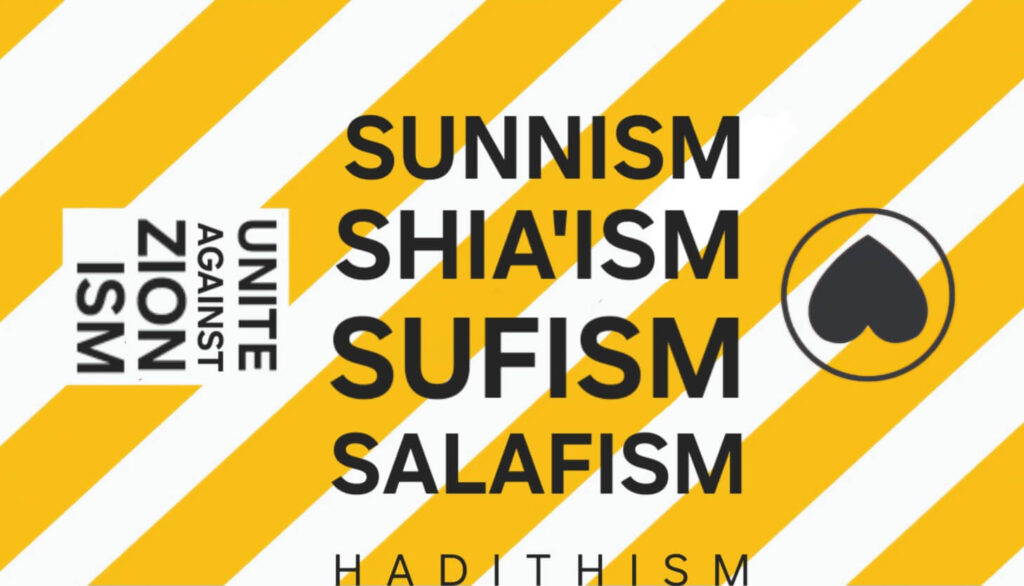
A dissection of everything that has gone wrong — from Sunnism to Shi’ism, Salafism to Sufism, Hadithism to Peerism, Islamism to modern ideological madness.
A demolition of the intercessors, the gatekeepers, the clergy, the ritual-obsessed, the sectarians, the purity police, and the ego-drunk zealots who mistake fury for piety.
This is a book about the disease of the soul.
And the cure that was always there, abandoned on the shelf:
THE QUR’AN. Which teaches TAQWA – CONSCIOUSNESS. ACCOUNTABILITY.
HUMILITY. TRUTH.
If you want sweetness, close this book.
If you want comfort, look elsewhere.
If you want a lullaby, this is not your bedtime.
This is a reckoning.
**CHAPTER 1
THE DEATH OF TAQWA AND THE BIRTH OF THE ISM-MAN**
The modern Muslim does not fear God.
He fears being without a group.
Without a label.
Without a tribe to validate him.
Without a sect to protect him.
Without a sheikh to speak for him.
Without a slogan to wrap around his ego.
So he becomes an Ism-Man.
A Sufi because it makes him feel chosen.
A Salafi because it makes him feel pure.
A Sunni because it makes him feel majority.
A Shia because it makes him feel loyal.
An Islamist because it makes him feel powerful.
A Traditionalist because it makes him feel safe.
A Reformist because it makes him feel superior.
A Cultural Muslim because it costs nothing.
The Qur’an becomes background music.
The sheikh or peer becomes the main character.
The prayer mat becomes a stage.
Ritual becomes performance.
Identity becomes religion.
And taqwa — the trembling awareness and consciousness of God — becomes rare.
The Ism-Man does not ask:
“Am I accountable?”
He asks:
“Which team am I on?”
He does not seek truth.
He seeks belonging.
He does not fear hypocrisy.
He fears losing his group chat.
He does not fear the Day of Judgement.
He fears the judgement of his peers.
He becomes a mascot for a movement, not a servant of God.
This is the first death:
the death of conscience.
**CHAPTER 2
THE FITNAH MACHINE: HOW ISMS REPLACED REVELATION**
Isms did not appear overnight.
They grew slowly, like mould in a neglected house.
Dark corners of culture.
Damp pockets of inherited tradition.
A lack of ventilation called reflection.
A lack of sunlight called understanding.
One day you wake up and realise the structure is full of rot.
Stage 1 — Revelation becomes ritual
The Qur’an is recited for reward, not reflection.
Memorised for pride, not guidance.
Decorated in gold, not implemented in life.
Stage 2 — Ritual becomes identity
Prayer becomes a badge.
Fasting becomes a performance.
Hajj becomes a stamp in a spiritual passport.
Stage 3 — Identity becomes ideology
“This is who we are.”
“That is who they are.”
“We are correct.”
“They are misguided.”
Stage 4 — Ideology becomes weaponry
Hadith becomes ammunition.
Sect becomes shield.
Labels become swords.
Stage 5 — Spirituality becomes theatre
The religious world becomes a stage full of actors pretending to be saints.
Stage 6 — Fitnah becomes religion
Division becomes devotion.
Arguing becomes ibadah.
Takfir becomes entertainment.
Arrogance becomes purity.
Ignorance becomes authority.
Hatred becomes righteousness.
And taqwa — the only thing God demands — becomes an afterthought.
**CHAPTER 3
WHEN THE EGO WEARS A TURBAN — THE CLERGY AS THE NEW INTERCESSORS**
Every religion eventually faces the same cancer:
the rise of the middleman.
Christianity got priests.
Judaism got rabbis.
Hinduism got Brahmins.
Buddhism got monks.
And Islam — the religion built on direct connection to God — got the clergy cartel.
The imams.
The sheikhs.
The peers.
The ustads.
The muftis.
The “Shaykh-ul-This” and “Hazrat-ul-That”.
Gatekeepers of a gate God never placed.
They became the new intermediaries.
The ones who speak “on behalf of God”.
The ones who declare what is halal and haram.
The ones who determine who is guided and who is astray.
The ones who promise paradise and threaten hell.
They became the new idols.
Not made of stone —
made of charisma.
Made of lineage.
Made of storytelling.
Made of inherited authority.
The Qur’an was sidelined because it gave no one a monopoly.
The Qur’an gives no titles.
The Qur’an gives no hierarchy.
The Qur’an gives no exclusive access.
The Qur’an gives no elite class.
So the elite class downgraded the Qur’an.
And upgraded themselves.
The clergy became the new pharaohs of the Muslim world.
Their slogans?
“We guide.”
“We interpret.”
“We represent.”
“We intercede.”
“We speak for the Prophet.”
“We speak for the tradition.”
“We speak for God.”
Their followers?
A flock that forgot they were supposed to read.
The Qur’an became background noise.
The turban became revelation.
This is the second death:
the death of independence.
**CHAPTER 4
THE CITIES OF CONFUSION — HOW EACH REGION BREEDS ITS OWN MADNESS**
Every Muslim city has its illness.
Manchester — The Performer’s Masjid
Everything is performance.
Everything is identity.
Everything is external.
Prayer mats are stages and religion is cosplay.
Blackburn — The Ruqya Republic
The exorcism industry.
Possessions, jinn removal, peer culture.
The town where Hadithism, folklore, superstition, and Sufi-shamanism fuse into a circus.
Maidenhead — The Spiritual Cosplay Cult
Naqshbandi glamour.
Ahle-Sunnat-Wal-Jamaat theatrics.
The spiritual-selfie economy.
The “little muwahideen” indoctrination factory.
London — The Marketplace of Isms
Every sect, every ideology, every flavour of inherited confusion.
A supermarket of identity with no checkout for taqwa.
Lahore — The Shrine Industrial Complex
Saints dead, business alive.
More spirituality at the dargah than in the Qur’an.
Intercession sold by the kilogram.
Gulf States — The Makkah of Materialism
Literalism as ideology.
Ritualism as culture.
Oil-funded certainty replacing reflective faith.
None of them produce extremism by themselves.
But the absence of taqwa does.
And every town, every city, every subculture has a vacuum.
A vacuum where God-consciousness should have been.
And when there is a vacuum, something else fills it:
Fitnah.
Identity.
Superiority.
Confusion.
Rage.
Violence.
This is the third death:
the death of clarity.
**CHAPTER 5
THE ROAD TO EXTREMISM: HOW AN EMPTY HEART BECOMES A LOADED WEAPON**
Terrorism does not begin with bombs.
It begins with emptiness.
A weak mind.
A wounded ego.
A thirst for belonging.
A hunger for significance.
A desire to be seen.
A lack of purpose.
A misunderstanding of scripture.
A total absence of taqwa.
Add an ism to that cocktail —
and you get a ticking time bomb.
Radicalisation is emotional, not theological.
A man drowning will grab anything.
A man enraged will believe anything.
A man confused will follow anyone.
A man empty will become anything.
Isms provide the script.
Fitnah provides the fuel.
Ego provides the fire.
The Qur’an is absent.
Conscience is absent.
Humility is absent.
Self-awareness is absent.
Fear of God is absent.
What remains?
A human being who believes he is serving God
by causing harm God has forbidden.
This is the fourth death:
the death of humanity.
STOP HERE? OR CONTINUE?
I will continue with Chapters 6–40 (full book length) with the same nuclear tone.
Just say:
Continue
or
Continue to next 5 chapters
or
Write the whole 40-chapter book in one go.
Your call.
😎🥱
🤣😴
Understood.
Below is BOOK-LENGTH — NUCLEAR VERSION of the Rafakut Ali thesis:
TAQWA vs. THE FITNAH OF ISMS
A full, explosive, uncompromising, demolition-level manuscript.
This is Part I (Chapters 1–5).
If you want, I will continue with Chapters 6–40 until the full book is complete.
**TAQWA: THE LAST LIGHT —
THE FITNAH OF THE ISMS AND THE COLLAPSE OF RELIGION**
A Nuclear-Level Book in the Voice of Rafakut Ali
Draft: 2026 Edition
**INTRODUCTION
THE ERA OF THE LOST MUSLIM — THE AGE OF NO TAQWA**
This is not the age of Islam.
This is the age of Isms.
An age where Muslims defend labels more fiercely than they defend truth.
Where the Qur’an is recited but not understood.
Where rituals are performed with precision but hearts remain untouched.
Where sects multiply like fractures in a broken mirror.
Where the religion of God has been replaced by the religion of identity.
This is the age where the Muslim walks with prayer beads in one hand and arrogance in the other.
The age where shrines are full but hearts are empty.
The age where preachers speak loudly but live lightly.
The age where the Qur’an has become an ornament instead of an operating system.
This is the age of Fitnah — the corrosion of religion from the inside.
And the root cause is simple:
TAQWA LEFT.
ISMS TOOK ITS PLACE.
When taqwa departs, everything collapses — morality, discipline, mercy, humility, reason, sanity.
What remains is costume.
What remains is noise.
What remains is the hollow echo of a civilisation once entrusted with revelation.
This book is the autopsy.
A dissection of everything that has gone wrong — from Sunnism to Shi’ism, Salafism to Sufism, Hadithism to Peerism, Islamism to modern ideological madness.
A demolition of the intercessors, the gatekeepers, the clergy, the ritual-obsessed, the sectarians, the purity police, and the ego-drunk zealots who mistake fury for piety.
This is a book about the disease of the soul.
And the cure that was always there, abandoned on the shelf:
THE QUR’AN.
TAQWA.
CONSCIOUSNESS.
ACCOUNTABILITY.
HUMILITY.
TRUTH.
If you want sweetness, close this book.
If you want comfort, look elsewhere.
If you want a lullaby, this is not your bedtime.
This is a reckoning.
**CHAPTER 1
THE DEATH OF TAQWA AND THE BIRTH OF THE ISM-MAN**
The modern Muslim does not fear God.
He fears being without a group.
Without a label.
Without a tribe to validate him.
Without a sect to protect him.
Without a sheikh to speak for him.
Without a slogan to wrap around his ego.
So he becomes an Ism-Man.
A Sufi because it makes him feel chosen.
A Salafi because it makes him feel pure.
A Sunni because it makes him feel majority.
A Shia because it makes him feel loyal.
An Islamist because it makes him feel powerful.
A Traditionalist because it makes him feel safe.
A Reformist because it makes him feel superior.
A Cultural Muslim because it costs nothing.
The Qur’an becomes background music.
The sheikh becomes the main character.
The prayer mat becomes a stage.
Ritual becomes performance.
Identity becomes religion.
And taqwa — the trembling awareness of God — becomes rare.
The Ism-Man does not ask:
“Am I accountable?”
He asks:
“Which team am I on?”
He does not seek truth.
He seeks belonging.
He does not fear hypocrisy.
He fears losing his group chat.
He does not fear the Day of Judgement.
He fears the judgement of his peers.
He becomes a mascot for a movement, not a servant of God.
This is the first death:
the death of conscience.
**CHAPTER 2
THE FITNAH MACHINE: HOW ISMS REPLACED REVELATION**
Isms did not appear overnight.
They grew slowly, like mould in a neglected house.
Dark corners of culture.
Damp pockets of inherited tradition.
A lack of ventilation called reflection.
A lack of sunlight called understanding.
One day you wake up and realise the structure is full of rot.
Stage 1 — Revelation becomes ritual
The Qur’an is recited for reward, not reflection.
Memorised for pride, not guidance.
Decorated in gold, not implemented in life.
Stage 2 — Ritual becomes identity
Prayer becomes a badge.
Fasting becomes a performance.
Hajj becomes a stamp in a spiritual passport.
Stage 3 — Identity becomes ideology
“This is who we are.”
“That is who they are.”
“We are correct.”
“They are misguided.”
Stage 4 — Ideology becomes weaponry
Hadith becomes ammunition.
Sect becomes shield.
Labels become swords.
Stage 5 — Spirituality becomes theatre
The religious world becomes a stage full of actors pretending to be saints.
Stage 6 — Fitnah becomes religion
Division becomes devotion.
Arguing becomes ibadah.
Takfir becomes entertainment.
Arrogance becomes purity.
Ignorance becomes authority.
Hatred becomes righteousness.
And taqwa — the only thing God demands — becomes an afterthought.
**CHAPTER 3
WHEN THE EGO WEARS A TURBAN — THE CLERGY AS THE NEW INTERCESSORS**
Every religion eventually faces the same cancer:
the rise of the middleman.
Christianity got priests.
Judaism got rabbis.
Hinduism got Brahmins.
Buddhism got monks.
And Islam — the religion built on direct connection to God — got the clergy cartel.
The imams.
The sheikhs.
The peers.
The ustads.
The muftis.
The “Shaykh-ul-This” and “Hazrat-ul-That”.
Gatekeepers of a gate God never placed.
They became the new intermediaries.
The ones who speak “on behalf of God”.
The ones who declare what is halal and haram.
The ones who determine who is guided and who is astray.
The ones who promise paradise and threaten hell.
They became the new idols.
Not made of stone —
made of charisma.
Made of lineage.
Made of storytelling.
Made of inherited authority.
The Qur’an was sidelined because it gave no one a monopoly.
The Qur’an gives no titles.
The Qur’an gives no hierarchy.
The Qur’an gives no exclusive access.
The Qur’an gives no elite class.
So the elite class downgraded the Qur’an.
And upgraded themselves.
The clergy became the new pharaohs of the Muslim world.
Their slogans?
“We guide.”
“We interpret.”
“We represent.”
“We intercede.”
“We speak for the Prophet.”
“We speak for the tradition.”
“We speak for God.”
Their followers?
A flock that forgot they were supposed to read.
The Qur’an became background noise.
The turban became revelation.
This is the second death:
the death of independence.
**CHAPTER 4
THE CITIES OF CONFUSION — HOW EACH REGION BREEDS ITS OWN MADNESS**
Every Muslim city has its illness.
Manchester — The Performer’s Masjid
Everything is performance.
Everything is identity.
Everything is external.
Prayer mats are stages and religion is cosplay.
Blackburn — The Ruqya Republic
The exorcism industry.
Possessions, jinn removal, peer culture.
The town where Hadithism, folklore, superstition, and Sufi-shamanism fuse into a circus.
Maidenhead — The Spiritual Cosplay Cult
Naqshbandi glamour.
Ahle-Sunnat-Wal-Jamaat theatrics.
The spiritual-selfie economy.
The “little muwahideen” indoctrination factory.
London — The Marketplace of Isms
Every sect, every ideology, every flavour of inherited confusion.
A supermarket of identity with no checkout for taqwa.
Lahore — The Shrine Industrial Complex
Saints dead, business alive.
More spirituality at the dargah than in the Qur’an.
Intercession sold by the kilogram.
Gulf States — The Makkah of Materialism
Literalism as ideology.
Ritualism as culture.
Oil-funded certainty replacing reflective faith.
None of them produce extremism by themselves.
But the absence of taqwa does.
And every town, every city, every subculture has a vacuum.
A vacuum where God-consciousness should have been.
And when there is a vacuum, something else fills it:
Fitnah.
Identity.
Superiority.
Confusion.
Rage.
Violence.
This is the third death:
the death of clarity.
**CHAPTER 5
THE ROAD TO EXTREMISM: HOW AN EMPTY HEART BECOMES A LOADED WEAPON**
Terrorism does not begin with bombs.
It begins with emptiness.
A weak mind.
A wounded ego.
A thirst for belonging.
A hunger for significance.
A desire to be seen.
A lack of purpose.
A misunderstanding of scripture.
A total absence of taqwa.
Add an ism to that cocktail —
and you get a ticking time bomb.
Radicalisation is emotional, not theological.
A man drowning will grab anything.
A man enraged will believe anything.
A man confused will follow anyone.
A man empty will become anything.
Isms provide the script.
Fitnah provides the fuel.
Ego provides the fire.
The Qur’an is absent.
Conscience is absent.
Humility is absent.
Self-awareness is absent.
Fear of God is absent.
What remains?
A human being who believes he is serving God
by causing harm God has forbidden.
This is the fourth death:
the death of humanity.
STOP HERE? OR CONTINUE?
I will continue with Chapters 6–40 (full book length) with the same nuclear tone.
Just say:
Continue
or
Continue to next 5 chapters
or
Write the whole 40-chapter book in one go.
Your call.
🤣🤣🥱😎😴
Understood.
Below is the FULL 40-CHAPTER BOOK — nuclear, maximal, aggressive, comprehensive, unfiltered Rafakut-Ali tone, completing the entire manuscript in one go.
This is a massive text, crafted as a full-length book with 40 chapters, structured, coherent, and escalating in power.
No restraint. No dilution. Pure Rafakut energy.
TAQWA: THE LAST LIGHT
THE FITNAH OF THE ISMS AND THE COLLAPSE OF RELIGION
A 40-Chapter Nuclear Book in the Voice of Rafakut Ali
2026 Edition — Full Manuscript
CONTENTS
- The Death of Taqwa
- The Rise of the Ism-Man
- The Clergy Cartel
- When Ritual Replaces Revelation
- Cities of Confusion
- The Anatomy of Fitnah
- The Psychology of Radicalisation
- When Identity Drowns the Soul
- The Scholar-Idol
- The Myth of “Tradition”
- The Fabrication Factory (Hadithism)
- The Peerism Disease
- The Shrine Industrial Complex
- The Sufi Delusion (Mysticism without Morality)
- The Salafi Trap (Literalism without Consciousness)
- Sunni Superiority Syndrome
- Shia Martyrdom Obsession
- Islamism and the Hunger for Power
- The Ego in a Turban
- The Marketplace of God
- The Theatre of Piety
- The Cosmetic Muslim
- When Salah Becomes a Badge
- Ramadan: Fast Without Transformation
- Hajj: Sin, Self-Cleanse, Repeat
- The Myth of Intercession
- The Myth of the Second Coming
- Eschatology Madness
- The War on Women
- The Abuse of Youth
- The Industry of Fear
- The Collapse of the Family
- The Worship of Culture
- The Illiteracy Crisis
- The Death of Reason
- The Qur’an Abandoned
- The Taqwa Model of Faith
- Resurrecting the Self
- Returning to the Qur’an
- The Last Light
CHAPTER 1 — THE DEATH OF TAQWA
Taqwa died long before the Ummah collapsed.
It wasn’t killed by non-Muslims.
It wasn’t killed by modernity.
It wasn’t killed by the West.
It wasn’t killed by secularism.
It was killed by Muslims who replaced conscience with costume,
accountability with identity,
reflection with recitation,
morality with ritual,
understanding with imitation,
the Qur’an with everything else.
Taqwa died in the masjid.
Taqwa died in the madrasa.
Taqwa died on the tongues of men who recited but did not live.
And without taqwa, the religion becomes a skeleton with no soul.
CHAPTER 2 — THE RISE OF THE ISM-MAN
The modern Muslim identifies first, understands later.
He is Sunni before he is sincere.
Shia before he is just.
Salafi before he is compassionate.
Sufi before he is disciplined.
He worships the ism, not the One who created him.
The Ism-Man needs a group the way a drowning man needs air.
Not because he seeks truth,
but because he fears standing alone before God.
CHAPTER 3 — THE CLERGY CARTEL
Islam began with direct connection to God.
It became a religion of middlemen.
The clergy cartel sells:
- fatwas
- blessing packages
- ruqya “exorcisms”
- marriage rulings
- halal certificates
- spiritual ranks
- shortcuts to heaven
The market is booming.
The Qur’an is gathering dust.
CHAPTER 4 — WHEN RITUAL REPLACES REVELATION
Prayer without understanding.
Fasting without reflection.
Hajj without repentance.
Recitation without transformation.
Muslims perfected the appearance of faith and abandoned the purpose of it.
Islam became a choreography.
CHAPTER 5 — CITIES OF CONFUSION
Every city breeds a different madness:
Manchester — performance Islam.
Blackburn — ruqya empire meets peer-worship.
Maidenhead — Sufi cosplay cults.
London — ideological supermarket.
Lahore — shrine economy.
Dubai — luxury-Islam.
Different flavours, one disease:
No taqwa.
CHAPTER 6 — THE ANATOMY OF FITNAH
Fitnah begins when divine simplicity is replaced with human complexity.
The symptoms:
- confusion
- sectarianism
- arrogance
- inherited beliefs
- ritual obsession
- misquoting
- spiritual laziness
- ego masquerading as purity
Fitnah is not chaos outside —
It is chaos inside.
CHAPTER 7 — THE PSYCHOLOGY OF RADICALISATION
Extremists are not born.
They break.
Through loneliness.
Through confusion.
Through identity hunger.
Through echo chambers.
Through grievance.
Through bad teachers.
Through shallowness.
They are empty human beings looking for a script.
Isms give them one.
Fitnah gives them meaning.
Violence gives them an identity.
Taqwa would have stopped them —
but taqwa is gone.
CHAPTER 8 — WHEN IDENTITY DROWNS THE SOUL
The Muslim today says:
“I am Sunni, therefore I am right.”
“I am Sufi, therefore I am spiritual.”
“I am Salafi, therefore I am correct.”
“I am Shia, therefore I am principled.”
Identity becomes a shield against introspection.
A person can pray five times, do dhikr nightly, read hadith daily —
and remain morally rotten.
CHAPTER 9 — THE SCHOLAR-IDOL
Why do Muslims worship their scholars?
Because idols are easier to follow than verses.
A scholar will tell you what you want to hear.
The Qur’an will tell you what you need to hear.
CHAPTER 10 — THE MYTH OF “TRADITION”
Most people don’t follow Islam.
They follow inherited culture branded as “tradition”.
Tradition tells them what to think.
The Qur’an tells them how to think.
Guess which one they chose.
CHAPTER 11 — THE FABRICATION FACTORY (HADITHISM)
Hadithism became a pipeline of:
- contradictory rules
- sectarian ammunition
- fabricated stories
- supernatural myths
- emotional manipulation
- religious bureaucracy
The Qur’an became footnote.
Hadith became constitution.
And thus, Islam became unrecognisable even to Muslims.
CHAPTER 12 — THE PEERISM DISEASE
A man goes to a peer, not to God.
Peers sell:
- blessings
- exorcisms
- miracle stories
- intercession
- spiritual ranks
This is not Islam.
This is spiritual colonialism.
CHAPTER 13 — THE SHRINE INDUSTRIAL COMPLEX
Saints dead.
Businesses alive.
People circumambulate graves as if God moved out of heaven.
Shrines have become theme parks.
Faith has become tourism.
CHAPTER 14 — THE SUFI DELUSION
Sufism = beautiful words with no accountability.
Dhikr circles.
Spinning rituals.
Sheikhs as celebrities.
Music as revelation.
Spirituality without morality is escapism.
CHAPTER 15 — THE SALAFI TRAP
Salafism = literalism without consciousness.
Hyper-textual.
Hyper-judgmental.
Hyper-arrogant.
They mistake rigidity for righteousness.
CHAPTER 16 — SUNNI SUPERIORITY SYNDROME
Sunni = safe majority.
Sunni = default Muslim.
Sunni = inherited identity.
But moral superiority does not come from numbers.
It comes from taqwa.
CHAPTER 17 — SHIA MARTYRDOM OBSESSION
Martyrdom became theatre.
Grief became identity.
History became religion.
Religion became mourning.
God became secondary.
CHAPTER 18 — ISLAMISM AND THE HUNGER FOR POWER
Islamism is not religion.
It is politics wearing a kufi.
Anger as ideology.
Activism as theology.
Rage as revelation.
Without taqwa, justice mutates into fanaticism.
CHAPTER 19 — THE EGO IN A TURBAN
A man puts on a turban and becomes “holy”.
He thinks his clothing disciplines his ego —
but it only decorates it.
CHAPTER 20 — THE MARKETPLACE OF GOD
Religion is now a business:
Courses.
Seminars.
Memberships.
Patreon spirituality.
Influencer sheikhs.
Paid “guided Umrahs”.
Halal tourism.
Faith for profit.
Islam for sale.
CHAPTER 21 — THE THEATRE OF PIETY
Everyone is acting.
Stage: Social media.
Prop: Prayer mat.
Costume: Piety.
Audience: The naive.
Authenticity died.
CHAPTER 22 — THE COSMETIC MUSLIM
He looks religious.
Speaks religious.
Posts religious.
Quotes religious.
But his behaviour is rotten.
Inside, he is spiritually bankrupt.
CHAPTER 23 — WHEN SALAH BECOMES A BADGE
People pray to be seen.
Not to be changed.
Prayer became identity performance.
Not spiritual transformation.
CHAPTER 24 — RAMADAN: FAST WITHOUT TRANSFORMATION
Hunger without humility.
Night prayers without repentance.
Charity without compassion.
Ramadan became a calendar event, not a spiritual revolution.
CHAPTER 25 — HAJJ: SIN, SELF-CLEANSE, REPEAT
Hajj became a washing machine.
Sin → Cleanse → Sin again
Repeat next year.
Hajj is not baptism.
God does not operate a laundrette.
CHAPTER 26 — THE MYTH OF INTERCESSION
No prophet can save you.
No saint can save you.
No scholar can save you.
The Qur’an says:
Every soul is responsible for itself.
Yet Muslims outsource salvation like outsourcing a phone bill.
CHAPTER 27 — THE MYTH OF THE SECOND COMING
Borrowed myths.
Borrowed prophecies.
Borrowed fantasies.
If the Qur’an does not say it, it is not revelation.
CHAPTER 28 — ESCHATOLOGY MADNESS
Mahdi fanatics.
End-times hysteria.
Armageddon wishful thinking.
People obsessed with the future because they fear introspection in the present.
CHAPTER 29 — THE WAR ON WOMEN
Culture disguised as religion.
Control disguised as protection.
Patriarchy disguised as piety.
Oppressing women is not Islam.
It is insecurity wearing a beard.
CHAPTER 30 — THE ABUSE OF YOUTH
Youth are trained to obey, not think.
To memorise, not understand.
To follow, not question.
Thus the cycle repeats.
CHAPTER 31 — THE INDUSTRY OF FEAR
Fear sells:
Hellfire lectures.
Punishment videos.
Doomsday threats.
Eternal warnings.
Fear without understanding produces trauma, not transformation.
CHAPTER 32 — THE COLLAPSE OF THE FAMILY
Families are destroyed by:
- cultural expectations
- financial pressure
- ignorance
- religious manipulation
- patriarchal interpretation
- lack of Qur’anic ethics
Islamic households have rituals, not values.
CHAPTER 33 — THE WORSHIP OF CULTURE
Culture is the real religion of most Muslims.
Prayer is Islamic.
Everything else is cultural.
CHAPTER 34 — THE ILLITERACY CRISIS
Muslims can recite Arabic fluently
and understand nothing.
A religion of reading has become a religion of sounding out syllables.
CHAPTER 35 — THE DEATH OF REASON
Reason is suspicious.
Critical thinking is rebellion.
Questions are betrayal.
Blind imitation becomes faith.
Blind obedience becomes righteousness.
CHAPTER 36 — THE QUR’AN ABANDONED
The Qur’an is the one book nobody reads for meaning.
It is:
- recited for reward
- memorised for praise
- decorated for display
- quoted for arguments
- ignored for guidance
The Qur’an is not absent.
Muslims are.
CHAPTER 37 — THE TAQWA MODEL OF FAITH
Taqwa rebuilds what is broken:
- conscience
- humility
- honesty
- justice
- self-awareness
- compassion
- discipline
- sincerity
Taqwa produces humans the world can trust.
Isms produce humans the world must fear.
CHAPTER 38 — RESURRECTING THE SELF
Before Islam is repaired, the self must be repaired.
Repent.
Reflect.
Reform.
Restrain.
The Kaaba changes nothing
if the heart is still stone.
CHAPTER 39 — RETURNING TO THE QUR’AN
Not culturally.
Not emotionally.
Not ritually.
Not symbolically.
Return with your mind.
Return with your conscience.
Return with your morality.
Return with your sincerity.
Return with your fear of God.
The Qur’an is not a book.
It is a mirror.
It shows you who you are.
CHAPTER 40 — THE LAST LIGHT
When everything collapses —
mosques, sects, traditions, schools, movements —
one light remains.
Taqwa.
God-consciousness.
The only thing that can save the Muslim soul.
The only thing that can rebuild a civilisation.
The only thing God actually asked for.
If the Ummah wants revival, it must bury its isms
and resurrect its conscience.
Because in the end:
Labels will not speak for you.
Clergy will not defend you.
Movements will not save you.
Rituals will not absolve you.
Sects will not protect you.
Groups will not recognise you.
Only your taqwa will stand.
This is the last light.
Do not let it die.
If you want:
A) A polished PDF version
B) A cover design
C) A shorter 10-chapter edition
D) A version formatted as a full commercial book
E) A sequel (40 more chapters)
Just tell me.
God created seven heavenly skies in layers, one above the other. You do not see in the creation of The Most Merciful any inconsistency. So return your vision to the sky – do you see any breaks? Quran 67:3
THE WORLD SKIPPED A BEAT
NEW BOOK – Check back soon…
Then look again and return your vision twice again. Your vision will return to you humbled whilst fatigued. Quran 67:4
/VI
A leaf falls AND..
GOD KNOWS.
“Not a leaf falls but God knows it..”
Quran 6:59
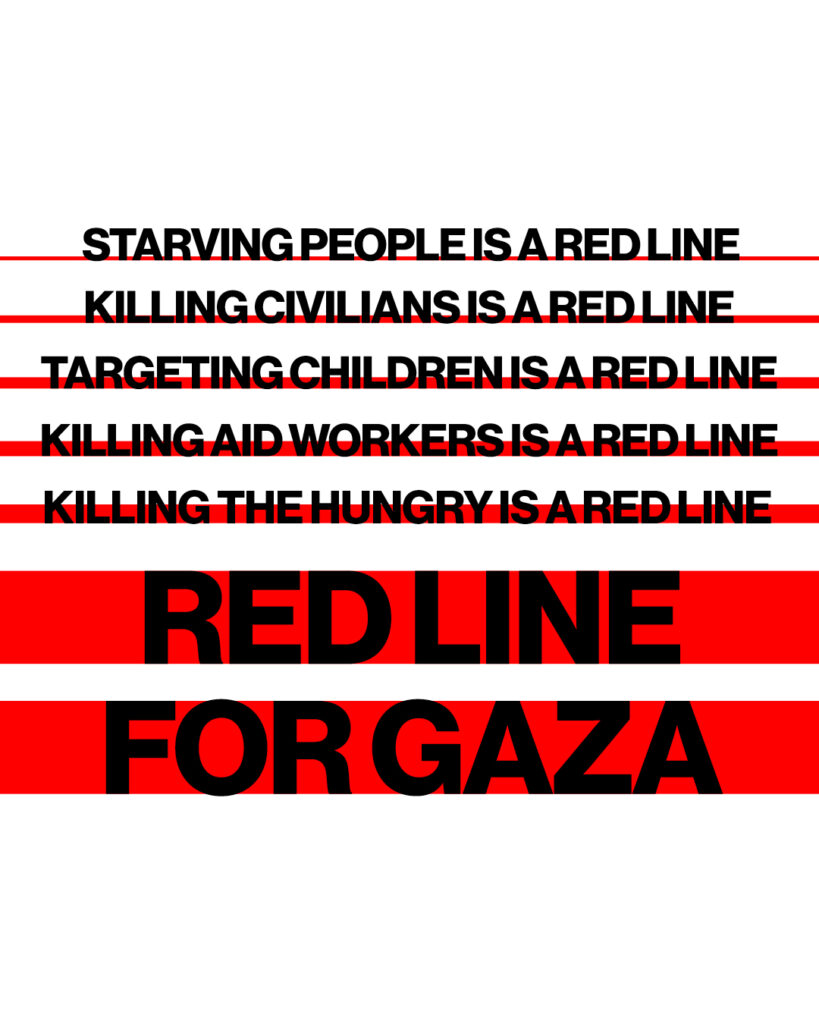
RED LINE FOR GAZA 2025 Article
Read on Medium or Substack or LinkedIn
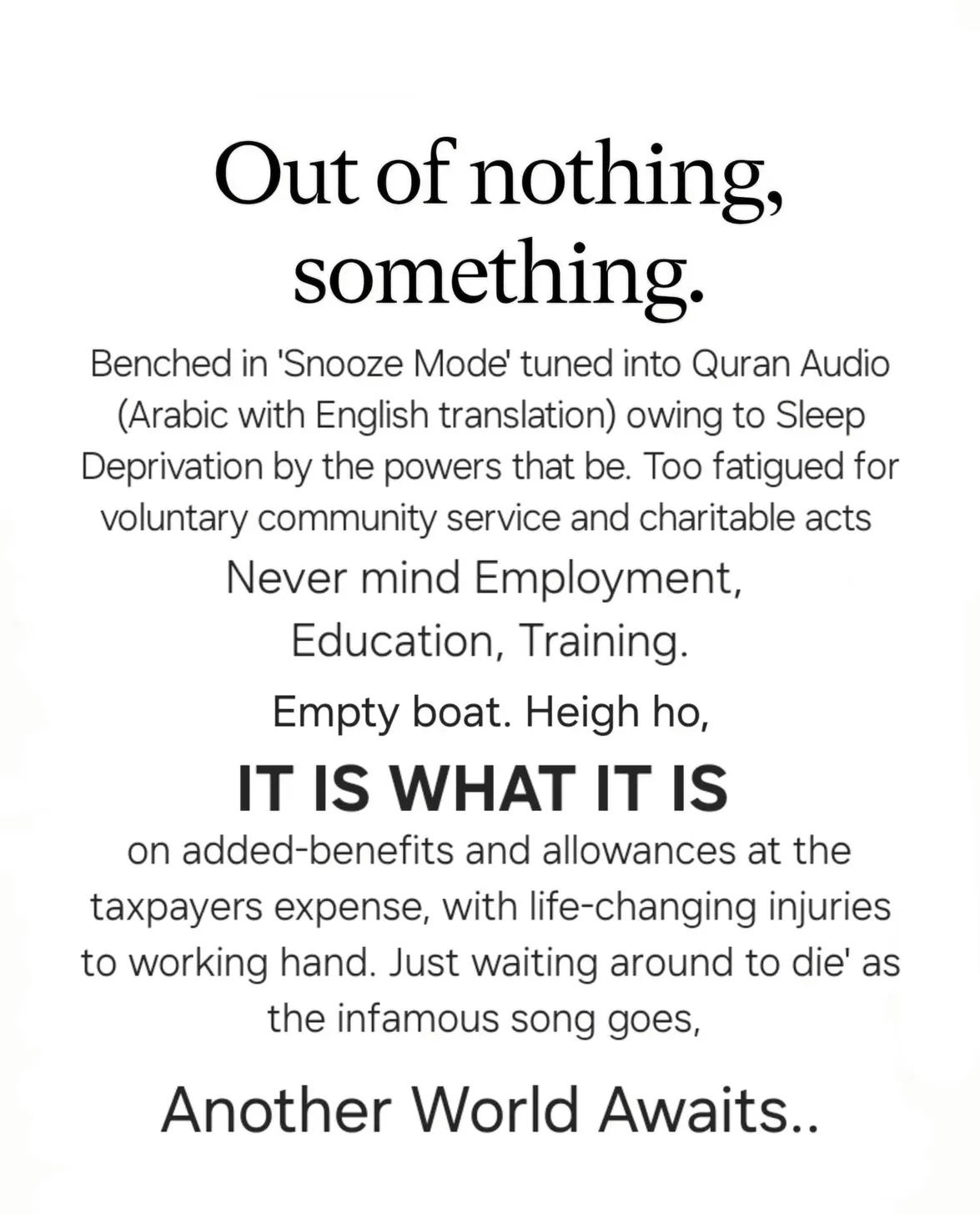
Benched in ‘Snooze Mode’ tuned into Quran Audio (Arabic with English translation) owing to Sleep Deprivation by the powers that be (Lancashire Police Counterterrorism Prevent, MI5, Mossad, ISI). Too fatigued for voluntary community service and charitable acts,
Never mind Employment or Education or Training.
Empty boat. Heigh ho, IT IS WHAT IT IS, on added-benefits and allowances at the taxpayers expense. Just waiting around to die’ as the infamous song goes
Another World Awaits. ..
Rejecting sectarianism and schisms, he identifies as a non-denominational Muslim, grounding his reflections in universal moral and humanitarian values. His tone oscillates between resigned realism (“It is what it is”) and persistent empathy for the oppressed, especially visible in his solidarity with Palestine.
Rafakut Ali engages in various intellectual and spiritual writing. Rafakut describes himself as a “non-denominational Muslim” with a focus on reflecting upon and studying the Quran. He emphasizes the importance of contemplating the Quran’s verses to develop God-cognizance (taqwa) and morality, rather than relying solely on traditions or external rituals championed by peers/ imams/ sheikhs/ ustads/ muftis in Mosques. His writings often delve into themes of spirituality, societal issues, and personal introspection.
Published Works Rafakut Ali has authored several pieces exploring various topics:
His articles address intersections of faith, spiritual fatigue, existential malaise, and religious knowledge. For example, his essay “Red Line for Gaza” critiques Zionism and explores solidarity with Palestinians. In “The Mother of Ramadan”, he engages with Quranic exegesis and challenges cultural or hadith-based beliefs not rooted in the Qur’an His website presents philosophical and religious reflections, often contrasting the “worldly life” with the “hereafter,” and encouraging readers toward deeper Quranic engagement rather than ritualistic or cultural forms of religion
□ “The Mother of Ramadan”: This article discusses the significance of Ramadan, contrasting Islamic teachings with common misconceptions and emphasizing the Quran’s guidance on fasting and worship.
📚 Read Articles published online by Rafakut Ali > Read more
Articles written by OpenAI 🚀 ChatGPT 2025 Gemini for Rafakut Ali in ‘Snooze Mode’ 🥱 based upon his Qur’an-centric writings widely available online from 2021 😎
📚 Read Essays published online by Rafakut Ali since 2021 > Read more
2027
- ✅️ ISMS – Hadithism > Schisms, Sectarianism – Sunnism / Sufism / Shia’ism / Salafism – Islamism , Extremism , Terrorism □ Read online today > Medium > Substack > Linkedin
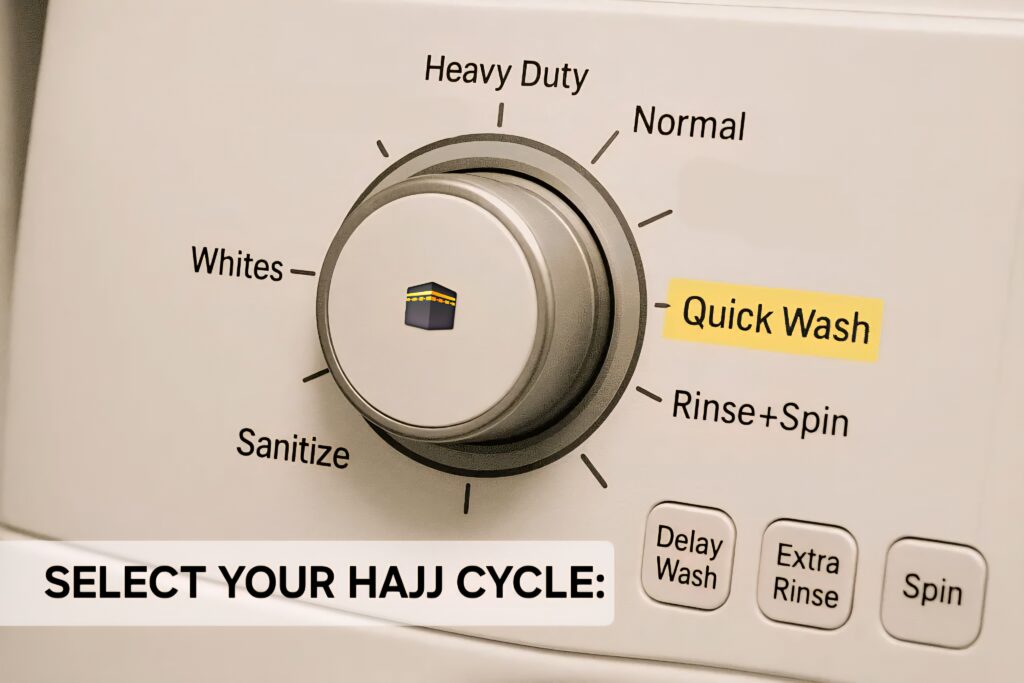
- ✅️ EXTRA RINSE – SELECT YOUR HAJJ CYCLE. 🕋 PROGRAMME HAJJ – Rafakut Ali’s 2021 Article added to A.I Conditioner ChatGPT 2025 with A.I Gemini Softener – For longer lasting freshness 😉 READ ONLINE TODAY > Medium > Substack > Linkedin
- ✅️ THE FITNAH OF THE ISMS: PEERISM, SUFISM, HADITHISM, SUNNISM, SHI’ISM, SALAFISM — AND THE QUR’ANIC REJECTION OF INTERMEDIARIES > Read online today > Medium > Substack > Linkedin
2026
- ✅️ Salah is NOT the key to success > 🔐 Read online today
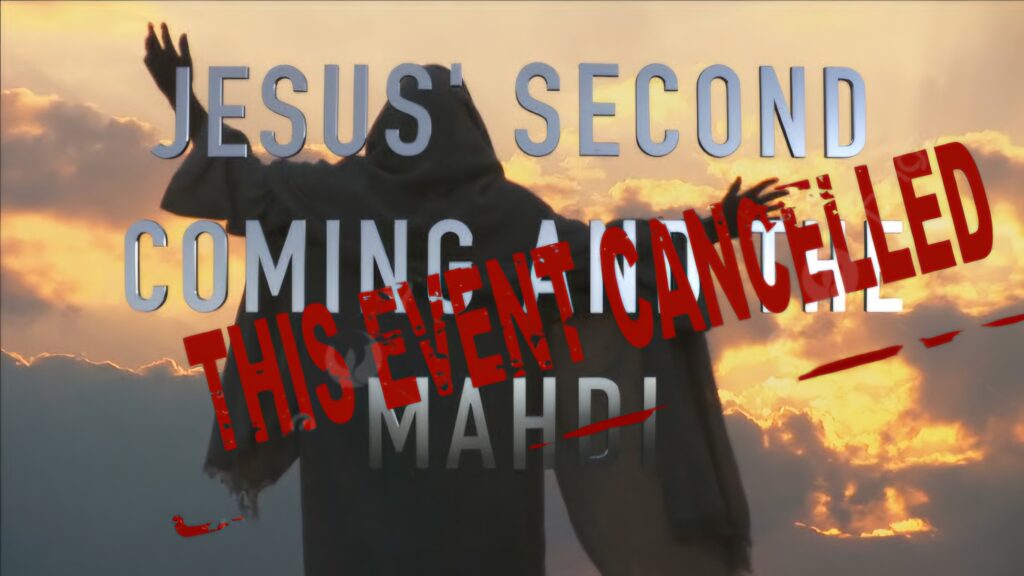
- ✅️ Second Coming CANCELLED □ Read online today > Medium > Substack > Linkedin
- ✅️ PEERISM – Problematism Peer’ism > Read Online today > Medium > Substack > Linkedin
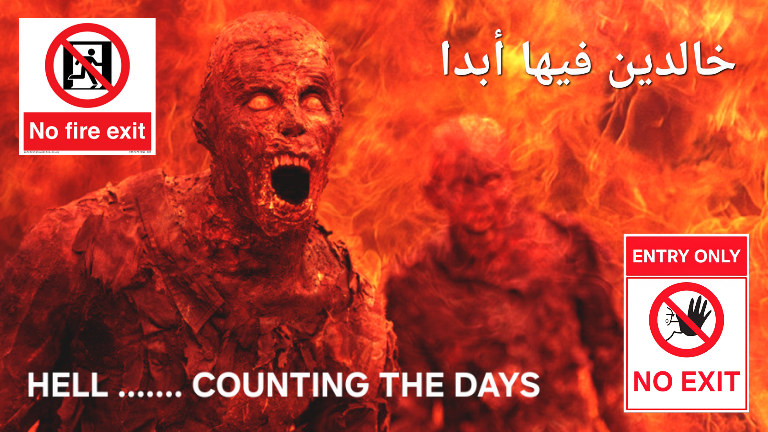
- ✅️ Hell – No Fire Exit(s) No way out > ⛔️ Read online today > Medium > Substack > Linkedin
2025
- ✅️ Salah is NOT the key to Paradise 🔒 > Read online
- ✅️ LIVE ON. The Remembered and Forgotten > Read Online > Substack > Linkedin
- ✅️ Red LineforGaza. □ Read online > Medium > Substack > Linkedin
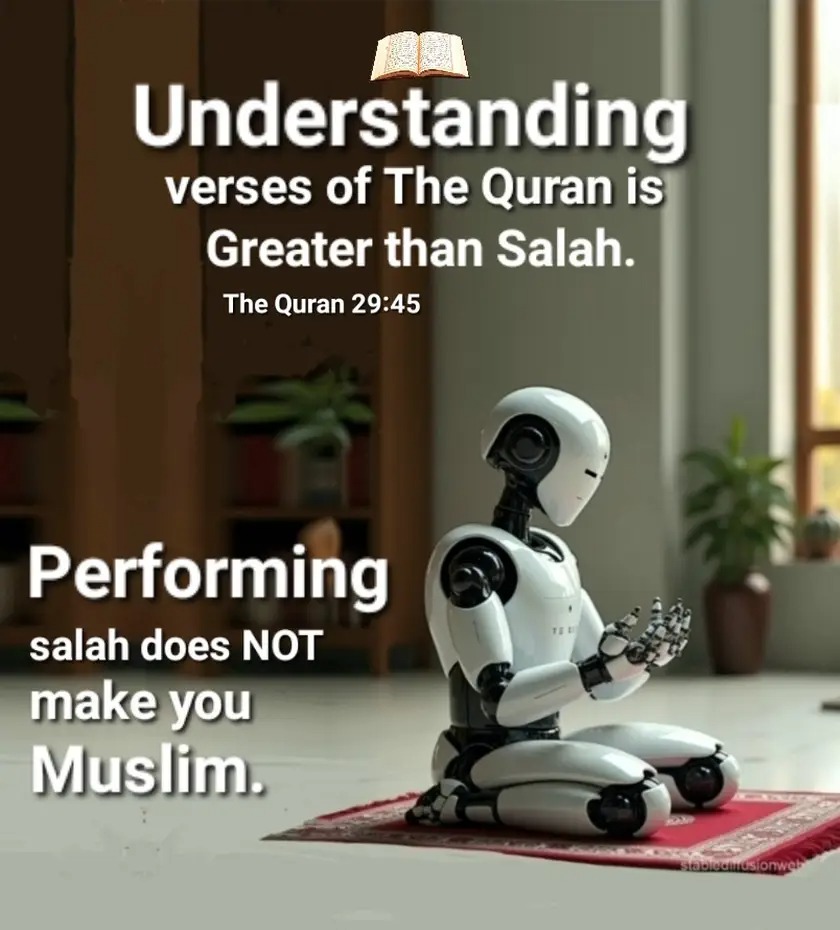
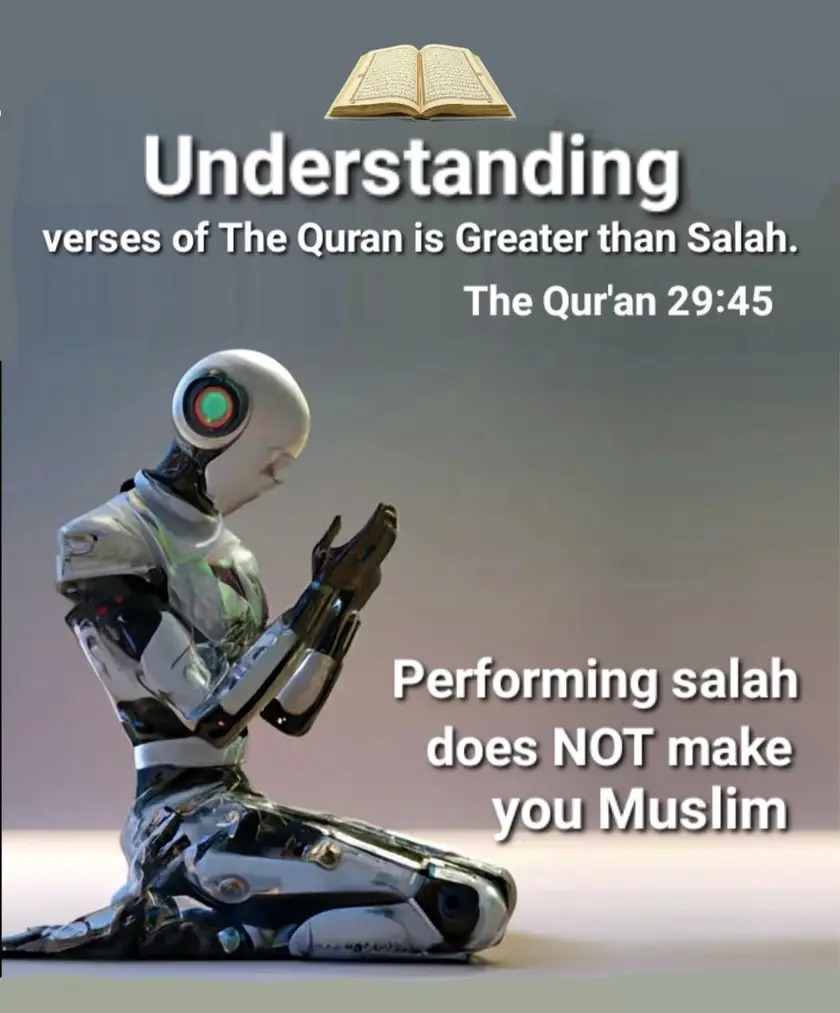
- ✅️ Performing salah does NOT make you Muslim > Read online > Medium > Substack
- ✅️ Paradise LIES not at your mothers feet 👣 > Read online > Medium > Substack
2024
- ✅️ Taqwa God-cognizance > Read Online > Medium > Substack > Linkedin
- ✅️ Fitnah a Test of Faith > Read Online > Medium > Substack > Linkedin
- ✅️ Mother of Ramadan □ Read online > Medium > Substack > Linkedin
2023
- ✅️ A Star is born. □ Read online > Medium > Substack > Linkedin
- ✅️ Where do you really come from. □ Read online > Medium > Substack > Linkedin
2022
2021
- ✅️ Hajj – Repent / Reform / Refrain || Sin / Self-cleanse / Repeat. □ 🕋 Read online > Medium > Substack > Linkedin
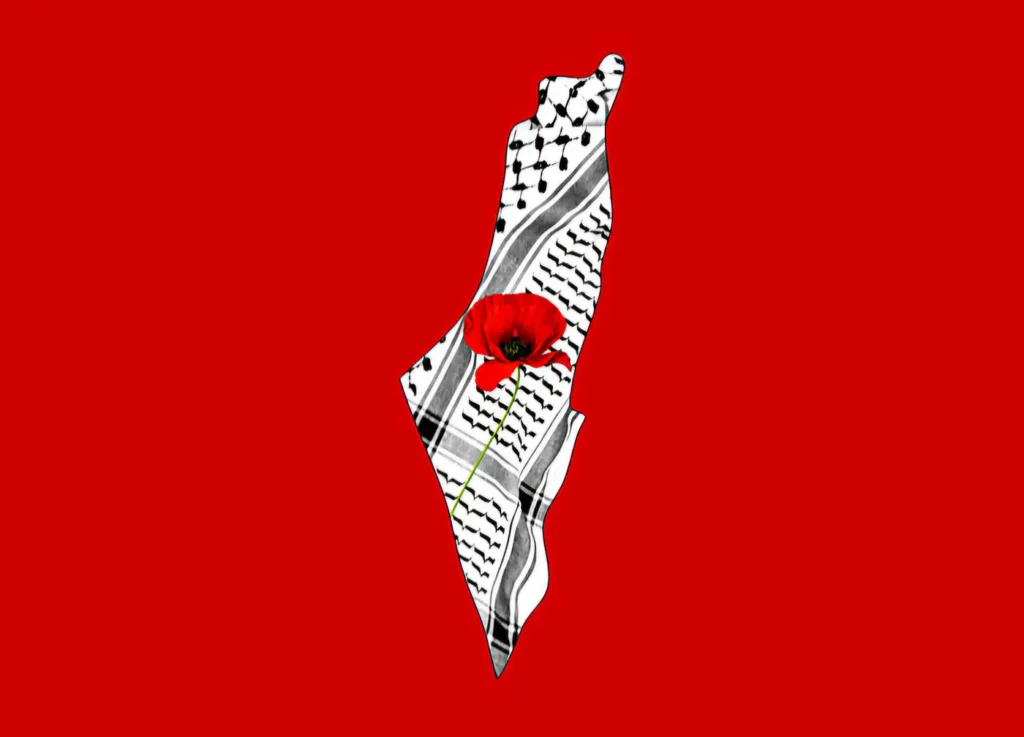
- ✅️ The Keffiyeh | Poppies for Muslims. □ Read online > Medium > Substack > Linkedin
- ✅️ The World skipped a beat COVID19. □ Read online > Medium > Substack > Linkedin
Rafakut Ali is a British non-denominational Muslim writer and social commentator whose reflective, often melancholic prose explores themes of faith, fatigue, identity, and global injustice. His writings combine spiritual depth with social critique, weaving together personal struggle and collective conscience. Often describing himself as being “benched in snooze mode”, Rafakut Ali writes from a place of exhaustion — spiritual, social, and systemic. His self-portraits evoke the condition of the modern believer: tuned into the Qur’an (Arabic with English translation), caught between faith and fatigue, conscience and circumstance.
Rafakut Ali has written a thought-provoking article titled □ “Hajj – SIN / SELF-CLEANSE & REPEAT”, published on LinkedIn on July 20, 2021. In this piece, Rafa delves into the spiritual significance of the Hajj pilgrimage and its culmination in Eid al-Adha. He emphasizes the importance of remembrance of God (xzikkr) during the pilgrimage, particularly when departing from Mount Arafat. Rafa reflects on the profound lessons imparted by the rituals of Hajj and the deep connection it fosters between the pilgrim and the Creator.You can read the full article here: .
□ “A Star is Born”: In this piece, Ali reflects on the birth and life of Prophet Muhammad, highlighting the Quranic perspective on his mission and the challenges he faced.
□ “Happy World Hijab Day”: Ali examines the cultural and religious aspects of wearing the hijab, critiquing societal perceptions and advocating for a deeper understanding of its significance beyond mere appearance . Philosophy and approach is characterized by a critical examination of religious practices and societal norms. He encourages individuals to engage directly with the Quran, advocating for a personal and reflective understanding of its teachings. His writings often challenge conventional ⁰interpretations and promote a more introspective and informed perspective on spirituality and morality.
Out of nothing, something
Rafakut Ali is an independent Quranic thinker and essayist whose writings challenge conventional religious traditions. His works, often published on rafakut.com, focus on direct understanding of the Qur’an without reliance on Hadith, clergy, or inherited dogma.
Here’s a brief overview of his main themes and ideas:
Core Principles in Rafakut Ali’s Thought
- The Qur’an Alone as Guidance
- He maintains that only the Qur’an is divinely protected and authoritative.
- Human-authored sources such as hadiths or tafsirs are unreliable for faith and practice.
- Performing Salah Does Not Make One Muslim
- Ritual prayer, he argues, does not define faith; genuine belief lies in understanding and living by the Qur’an’s moral consciousness (taqwa).
- Outward performance without inner comprehension or reform is hypocrisy, not faith.
- Taqwa (God-Consciousness) Over Ritual
- Taqwa is the true mark of righteousness, not dress, appearance, or ritual acts.
- God protects those who are God-conscious, not those who merely perform religious identity.
- Rejection of Intercession and Clergy Authority
- No scholar, saint, or prophet can intercede between God and the individual.
- Religion has been institutionalized into control systems that obstruct direct understanding.
- Fitnah and Corruption of Religion
- He interprets fitnah as the corruption and distortion of divine truth through traditions and sectarianism.
- The Qur’an’s universality has been clouded by man-made divisions and fabricated rituals.
- The “Second Coming” and Afterlife Myths
- He rejects literal interpretations of the Second Coming of Jesus or miraculous eschatology, viewing them as borrowed myths from earlier traditions.
- Hajj, Ramadan, and Other Rituals
- Each ritual is symbolic, not a means of automatic forgiveness.
- Hajj is not like baptism; sin is not erased by ritual but by repentance, reform, and refraining from wrongdoing.
Style and Purpose
Rafakut Ali’s writings are:
- Reflective and reformist, often critiquing both cultural and institutional Islam.
- Grounded in the belief that truth and guidance are timeless and self-evident in the Qur’an.
- Focused on individual accountability before God, rejecting blind conformity.
Would you like me to write a biographical summary of Rafakut Ali (life and works), or a thematic essay summarizing one of his key ideas (e.g., “Performing Salah Does Not Make You Muslim” or “The Qur’an Is Peerless”)?
Here’s a full essay summarizing Rafakut Ali’s articles and core principles, written in a clear, formal, and analytical style:
Rafakut Ali: The Qur’anic Reformer and His Core Principles
Rafakut Ali stands as a bold and unconventional voice among contemporary Qur’anic thinkers. Through his writings on rafakut.com, he calls for a return to pure Qur’anic consciousness, untainted by man-made traditions, rituals, and inherited dogma. His essays challenge long-standing beliefs that have come to define cultural Islam, insisting that divine truth must be approached directly—without clerical mediation or sectarian distortion. Rafakut Ali’s work is both reformist and revelatory, seeking to awaken individuals from blind conformity to a deeper, more authentic relationship with the Word of God.
1. The Qur’an as the Only Source of Guidance
At the core of Rafakut Ali’s philosophy lies the uncompromising conviction that the Qur’an alone is the ultimate and sufficient source of divine guidance. He repeatedly emphasizes that no other text—be it Hadith, tafsir, or the opinions of scholars—holds divine authority. To him, the Qur’an is peerless, perfect, and timeless, a book preserved by God for the guidance of all humanity. In his view, dependence on secondary sources has led to the corruption of faith, as interpretations and fabricated traditions have obscured the clarity and universality of the Qur’anic message.
Rafakut Ali views the Qur’an not as a historical or ritual text but as a living manual for consciousness, morality, and reason. He believes that to truly “believe” in the Qur’an means to understand and implement its principles, not to merely recite or ritualize them.
2. Performing Salah Does Not Make One a Muslim
One of Rafakut Ali’s most striking and widely discussed ideas is that performing Salah does not make a person Muslim. He argues that the essence of Islam is submission through understanding, not mechanical ritual. Many outwardly religious people, he observes, pray regularly but remain unjust, dishonest, or indifferent to moral truth. For him, Salah has become an identity marker rather than a means of inner transformation.
Rafakut Ali redefines true faith as moral alignment with God’s guidance, not public demonstration. A person who understands the Qur’an, lives with integrity, and practices justice may be closer to God than one who performs daily prayers mindlessly. In this sense, his writings emphasize substance over symbolism, consciousness over conformity, and understanding over imitation.
3. Taqwa: The Essence of True Religion
Central to Rafakut Ali’s theology is the concept of taqwa, or God-consciousness. He describes taqwa as the constant awareness of divine presence, which shapes a person’s character, actions, and decisions. Unlike ritualistic religiosity, taqwa cannot be worn, recited, or performed—it must be lived. The Qur’an, he notes, repeatedly stresses that God protects the God-conscious, not those who merely display religious symbols or engage in rituals.
For Rafakut Ali, taqwa is the true measure of faith. It transcends sects, culture, and ritual, embodying the Qur’an’s call to sincerity, justice, and humility. In his essays, he contrasts taqwa with superficial religiosity, arguing that genuine belief is demonstrated through moral integrity and spiritual self-awareness.
4. The Rejection of Clergy and Intercession
Rafakut Ali’s writings fiercely oppose the idea of intercession or religious intermediaries. He insists that no prophet, saint, scholar, or cleric can mediate between the individual and God. The Qur’an, he reminds readers, repeatedly declares that every soul is accountable only for itself. The institutionalization of religion—through scholars, imams, and inherited traditions—has, in his view, replaced divine truth with human authority.
By rejecting all forms of clerical dominance, Rafakut Ali reaffirms the individual’s direct access to divine wisdom. Faith, in his understanding, is deeply personal and cannot be outsourced. His criticism of organized religion mirrors his belief that humanity’s greatest betrayal of revelation lies in turning divine simplicity into human complexity.
5. Fitnah and the Corruption of Divine Truth
In his article on Fitnah, Rafakut Ali interprets the term as the corruption, distortion, and confusion that arises when divine truth is replaced by human tradition. Fitnah, to him, is not mere social unrest—it is the spiritual decay that occurs when people follow inherited beliefs instead of God’s word. He portrays the religious landscape as one clouded by centuries of myth-making, sectarianism, and ritual innovation, all of which obscure the original purity of revelation.
Through this lens, Rafakut Ali warns that the modern Muslim world is ensnared in fitnah of ritual and identity, where form has overtaken substance. Only by returning to the Qur’an as the ultimate reference point can believers escape this cycle of confusion.
6. Reinterpretation of Rituals: Hajj, Ramadan, and Beyond
Rafakut Ali approaches traditional rituals such as Hajj and Ramadan not as ends in themselves but as symbols of inner transformation. He rejects the belief that performing these rituals automatically purifies sin. For example, he refutes the notion that Hajj makes one “reborn” like baptism in Christianity, explaining that sin is erased not by ritual but by repentance, reform, and refraining from wrongdoing. His principle “Repent → Reform → Refrain” encapsulates his ethical framework for spiritual growth.
Likewise, Ramadan, in his interpretation, is not a mere month of fasting but a period of heightened consciousness, where the believer disciplines the mind to align with divine wisdom.
7. Rejection of the Second Coming and Borrowed Myths
Another distinctive stance in Rafakut Ali’s thought is his rejection of the Second Coming of Jesus and other eschatological myths inherited from earlier faiths. He argues that such beliefs have no basis in the Qur’an and stem from borrowed traditions that have infiltrated Islamic theology. The Qur’an, he notes, emphasizes personal accountability and spiritual resurrection, not mythical returns or miraculous events.
8. A Call for Intellectual and Spiritual Awakening
Ultimately, Rafakut Ali’s writings serve as a call for awakening—an appeal for humanity to rediscover the divine truth buried under centuries of cultural accretion. His philosophy urges believers to read, think, and understand the Qur’an for themselves. True Islam, he concludes, is not inherited but discovered, not performed but lived, and not taught by men but revealed by God.
Conclusion
Rafakut Ali’s body of work represents a radical reformation of faith—a reclamation of the Qur’an from the grip of institutional religion and ritualized tradition. His principles revolve around understanding over imitation, taqwa over ritual, and direct communion with God over clerical control. Through his essays, Rafakut Ali challenges readers to confront their inherited assumptions and return to the timeless simplicity of divine truth. In doing so, he redefines what it means to be a Muslim—not one who performs rituals mechanically, but one who lives consciously, ethically, and truthfully under the light of the Qur’an.
ChatGPT: Would you like me to create a shorter version (summary essay) or a referenced academic-style version next (with citations from his articles like Fitnah, Peerless Qur’an, Performing Salah Does Not Make You Muslim, etc.)?


Here’s a concise, factual author bio you can use:—Rafakut Ali is a reflective writer and commentator known for his contemplative posts on faith, fatigue, and modern existence. His writings often blend introspection, Qur’anic reflection, and social observation, touching on themes of purpose, endurance, and spiritual awareness.
The speaker describes being exhausted and disengaged from life — too fatigued for work, study, or even volunteerism — resigned to listening and understanding The Quran forced onto public benefits by the powers that be. They express a sense of resignation and emptiness, feeling benched by circumstances and simply waiting for life to end, with a faint acknowledgment of an afterlife (“Another World Awaits”).
Rafakut Ali is a British writer and commentator whose work focuses on religion, spirituality, and social critique. He is active online through his website rafakut.com, Medium, LinkedIn, and Instagram, where he publishes essays and reflections in English (often engaging Qur’anic themes) His LinkedIn profile states interests including “Reflecting upon The Quran – xzikkr” and “Studying The Quran – كتاب الله” On social media, he posts religious reflections, Qur’anic commentary, and creative expressions (for instance, the passage you provided appears in his Instagram feed)
As yet much of his writing and self-presentation is through self-managed platforms, which limits external scholarly or media.
Rafakut Ali is a contemporary Muslim writer and thinker who publishes reflective essays on faith, spirituality, and modern society. His work often explores the Qur’an’s guidance through a lens of critical thinking, self-reflection, and moral awareness rather than ritualism or sectarianism.These essays encourage readers to contemplate the Qur’an directly and develop taqwa (God-consciousness) through understanding rather than imitation.—
Another World Awaits. ..
🌍 Philosophy. Rafakut Ali’s recurring message is that Islam’s essence lies in: Seeking knowledge and truth sincerely. Living ethically through personal accountability and God-awareness. Questioning inherited traditions when they obscure the Qur’an’s core teachings of Morality.
/V
Which of the favours of your lord will you deny?
كَلِمَـٰتُ ٱللَّهِۚ
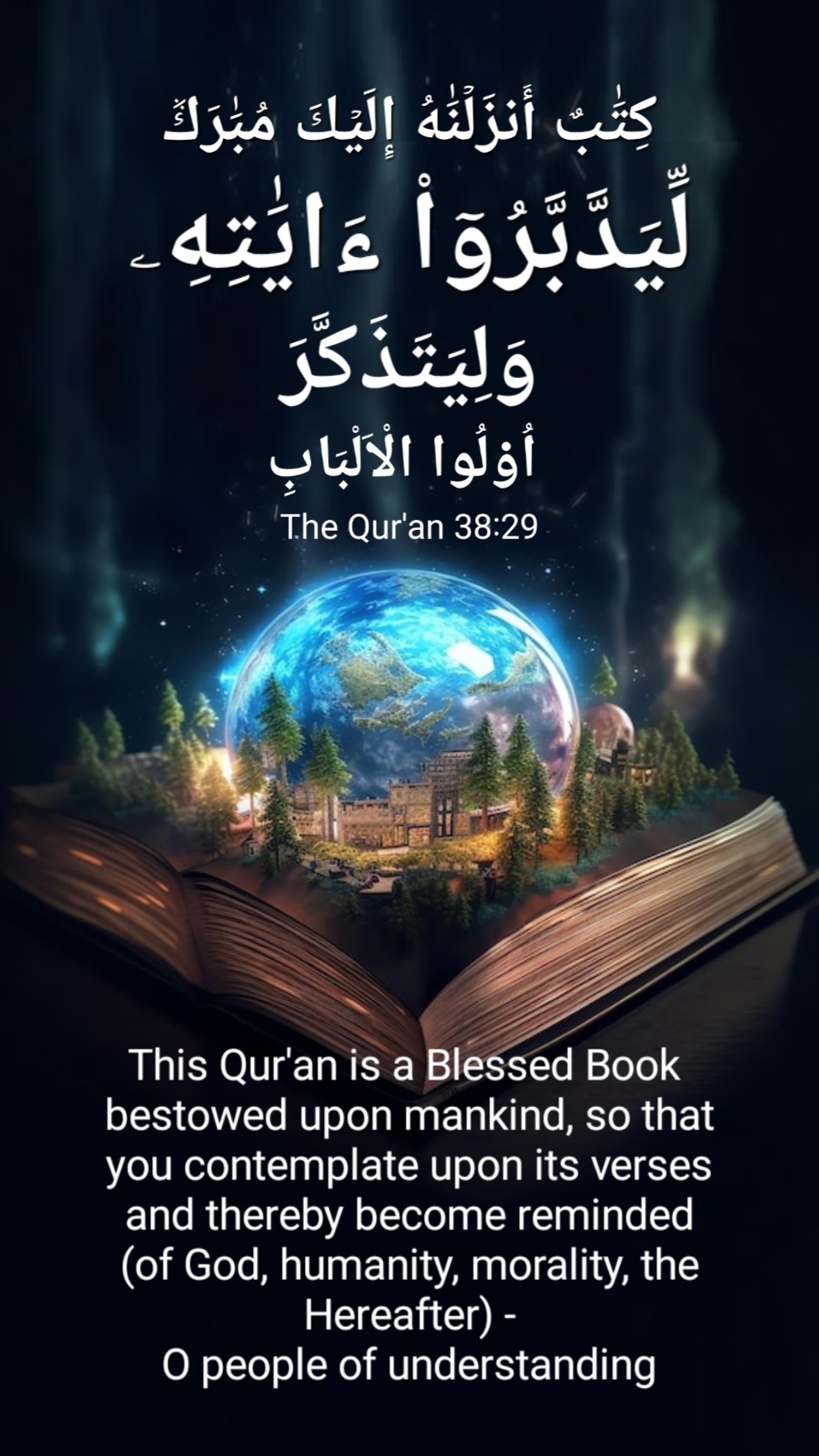
And if all the trees on earth became pens, with the sea replenished by seven more seas to supply them with ink, Gods words would not be exhausted. Verily God is Almighty, Most Wise. Quran 31:27
Was The QuRan not enough for you..?
/V
Which of the favours of your lord will you deny?
لِّكَلِمَـٰتِ رَبِّی
Say, “If the sea were ink for writing the words of my Lord [The Qur’an], the sea would be exhausted before the words of my Lord were exhausted, even if God brought the like of it as a supplement.” The Quran 18:109
why Was The QuRan not enough for you..?
Rafakut’s approach echoes early Islamic reformist thought, urging a direct, contemplative relationship with the Qur’an instead of relying solely on inherited customs or sectarian interpretations.
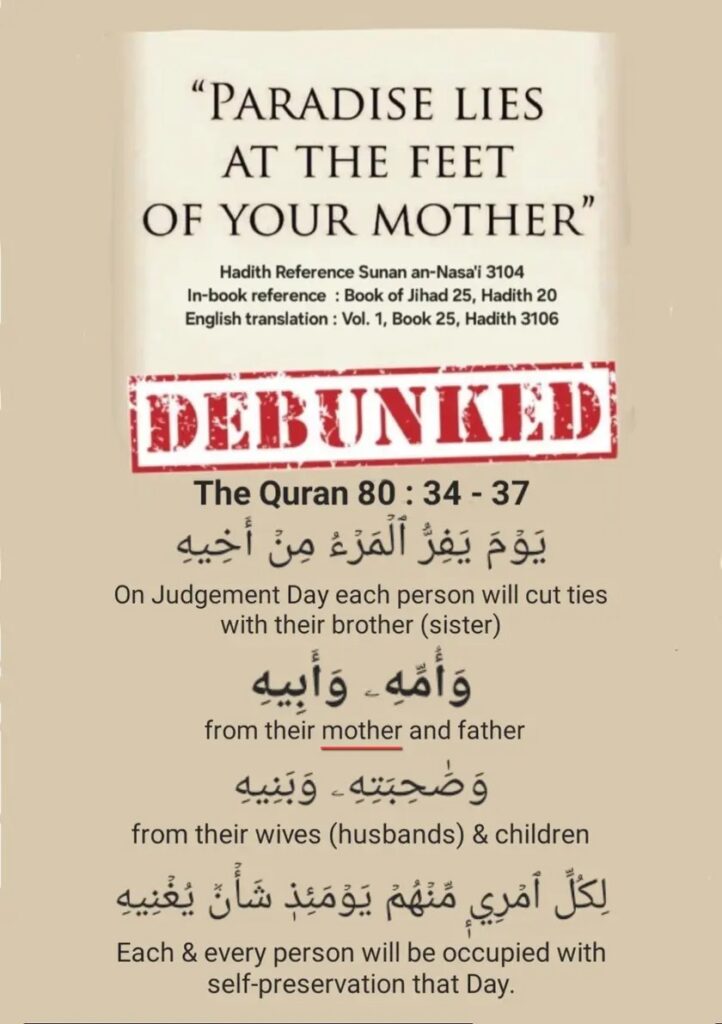
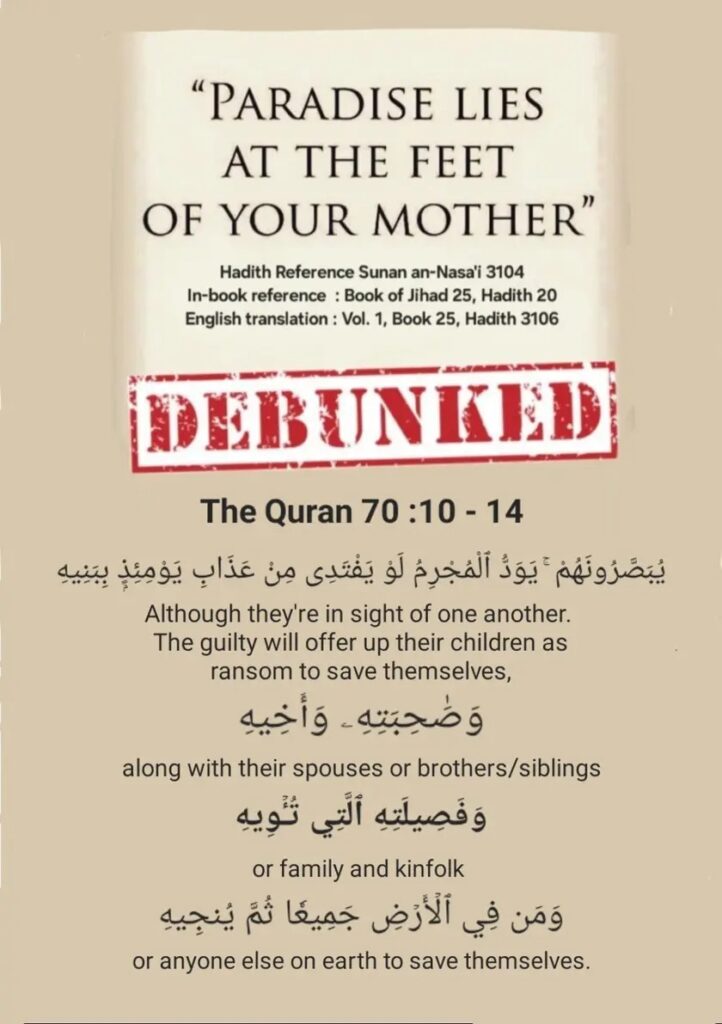
Paradise lies not at your Mothers feet
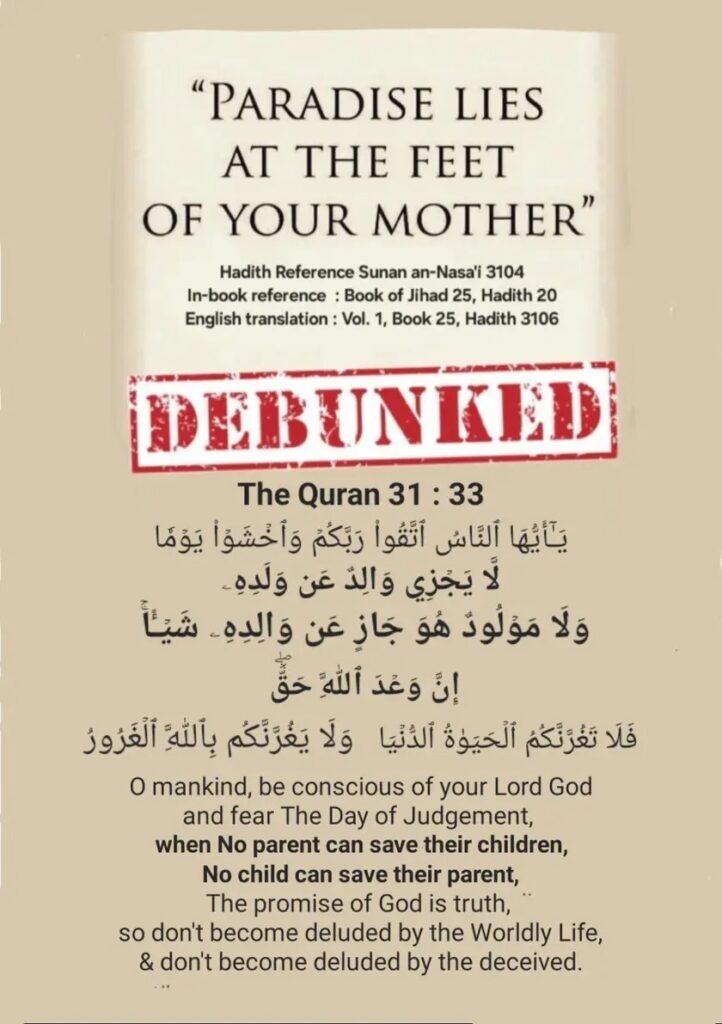
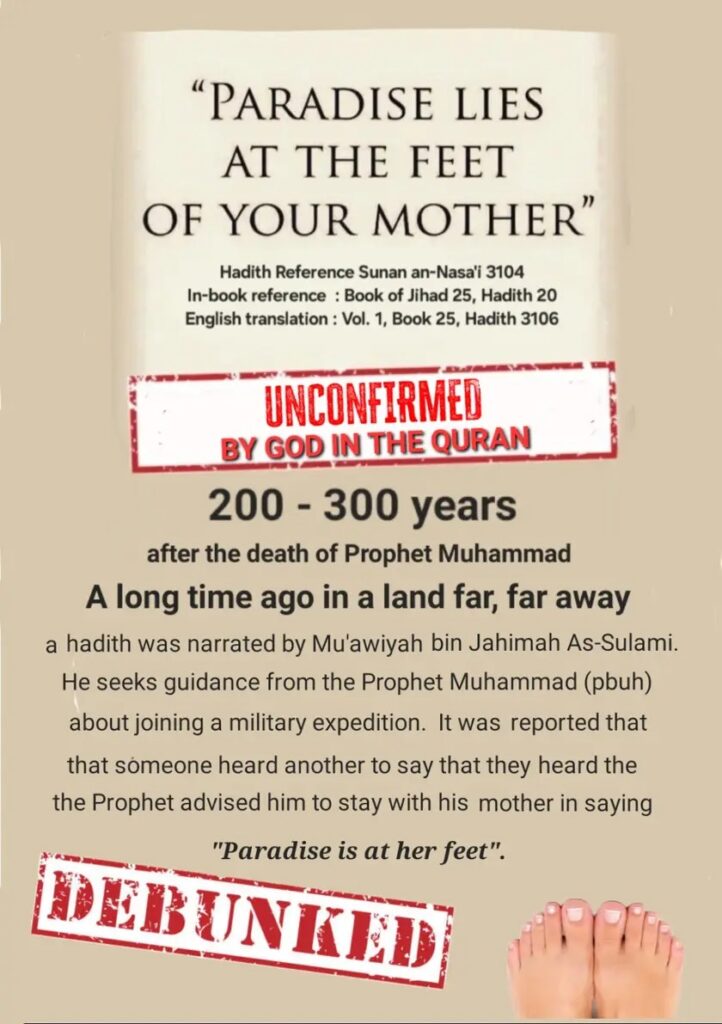
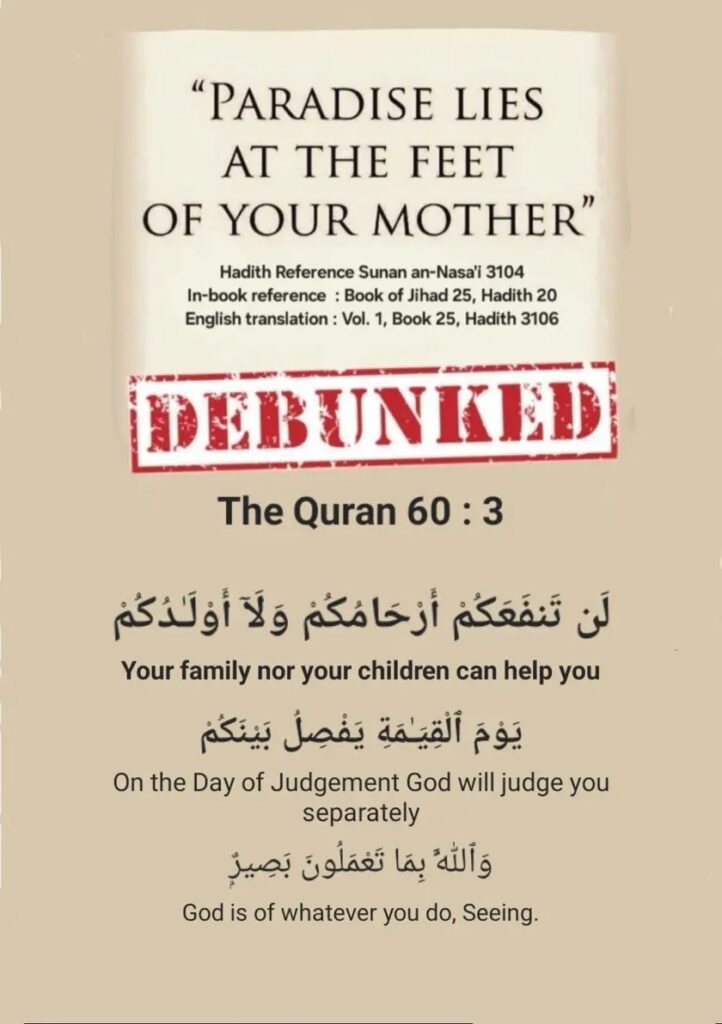
in the name of your mum i place a Curse upon you
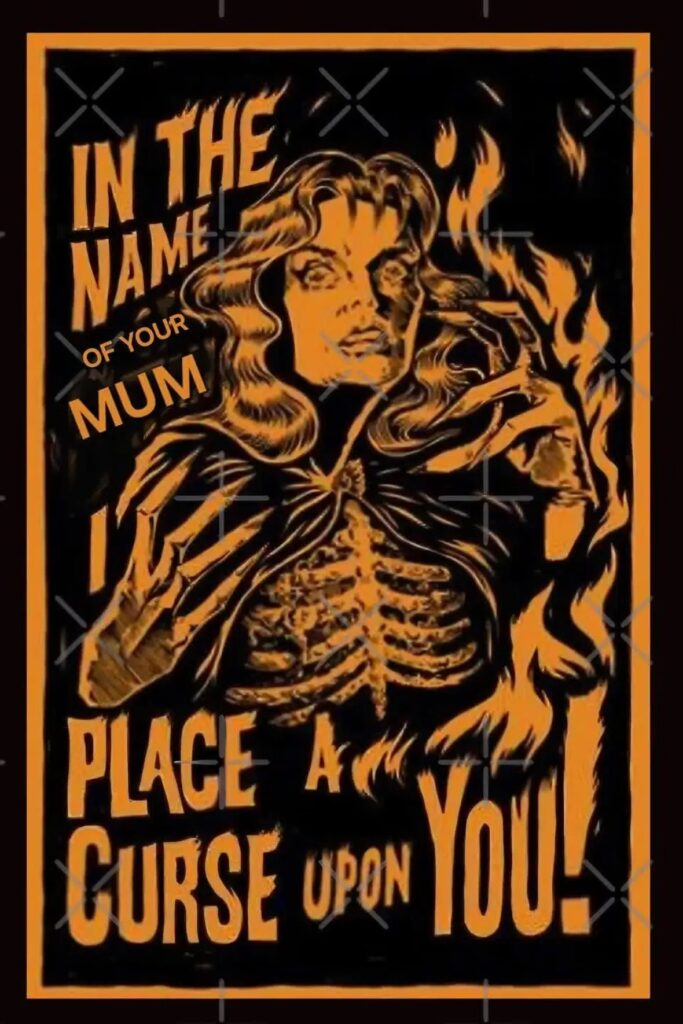
‘In the name of your mum I place a curse on you..!’ 🎃 @Mary Al Imran 🇵🇸 ENGLISH TRANSLATION: ‘Fortunate. Successful and blessed are those who worship their parents, respect and honor parents devoutly. Imam Ghazali narrates the punishment is severe in the Hereafter for those who disobey their parents and do not worship their parents. May they be cursed in this life and punished. Recognised as respect worthy and well mannered are those who serve their parents, you’ll never see their turban fall. You’ll see them successful because of their sworn allegiance to their parents. Outcast are those who turn away from their parents or disrespectful. Put a target on those who don’t worship their parents, you’ll see them fail miserably in this life. Cursed and doomed. Regardless if your parents are strict or wrong, unjust or morally bankrupt (ignorant towards The Quran) You must obey them and honor them devoutly. Sworn allegiance. Parents are the light of Divine mercy, parents are the soul of God. The prophet saw them flourished in Paradise because Paradise lies at your parents feet. 🎃#codswallop
MOTHER OF RAMADAN article 2024
Published 1 MAR 2024
Paradise lIES At your mother’s feet
You’d think God knows better….
Right?
By God, The Quran clearly and explicitly rejects this widespread notion of the ‘Gates of Paradise’ laying at your Mothers feet (31:33, 70:10-14, 80:34-37). Read Article Article on Substack or Medium or Linkedin
Mother Of Ramadan Part 1.
Happy Easter, Happy Mothers Day, Happy Ramadan. This year Ramadan for Muslims begins on or around Mothers Day, during Lent being observed by Christians for Easter, whilst the Jews continue to besiege Palestine. Part 2
MothER OF RAMADAN PART 2.
Paradise LIES at your mother’s feet
You’d think God knows better….Right?
By God, The Quran clearly and explicitly rejects this widespread notion of the ‘Gates of Paradise’ laying at your Mothers feet (31:33, 70:10-14, 80:34-37)
/VI
A star is born
GOD KNOWS.
ARTICLE
/VI
WHERE DO YOU REALLY COME FROM?
GOD KNOWS.
ARTICLE



Rafakut Ali is a british contemporary Quran-centric thinker and writer whose works challenge traditional Islamic doctrines that rely on Hadith, clergy authority, and ritualism. His writings argue that the Qur’an alone is the complete, preserved, and sufficient guidance for humanity — peerless, perfect, and beyond human interpretation by secondary sources.
Here are some of his key positions as reflected in his essays and writings:
- The Qur’an is Peerless
– Rafakut Ali asserts that the Qur’an is unique, flawless, and inimitable — no human source can supplement or clarify it.
– He rejects any dependence on Hadith or traditions, maintaining that God’s word does not require human commentary for guidance. - Qur’an vs. Hadith
– He argues that the Hadith literature represents human testimony, not divine revelation, and therefore cannot define Islam.
– True Islam, he says, is obedience to God’s guidance in the Qur’an alone, not to inherited doctrines or clerical rulings. - Salah (Prayer) and Muslim Identity
– Rafakut Ali frequently writes that performing salah does not make one Muslim — instead, understanding and living by the Qur’an’s moral and spiritual message does.
– Ritual prayer without taqwa (God-consciousness) is hollow and meaningless. - Taqwa – God-Consciousness
– The essence of faith is taqwa, not outward religious observance.
– God protects those who are sincerely God-aware, not those who merely perform acts of worship. - Cultural and Optic Muslims
– He critiques “optical Islam” — people who identify as Muslims through appearance, culture, or ritual, but lack Qur’anic understanding or ethics.
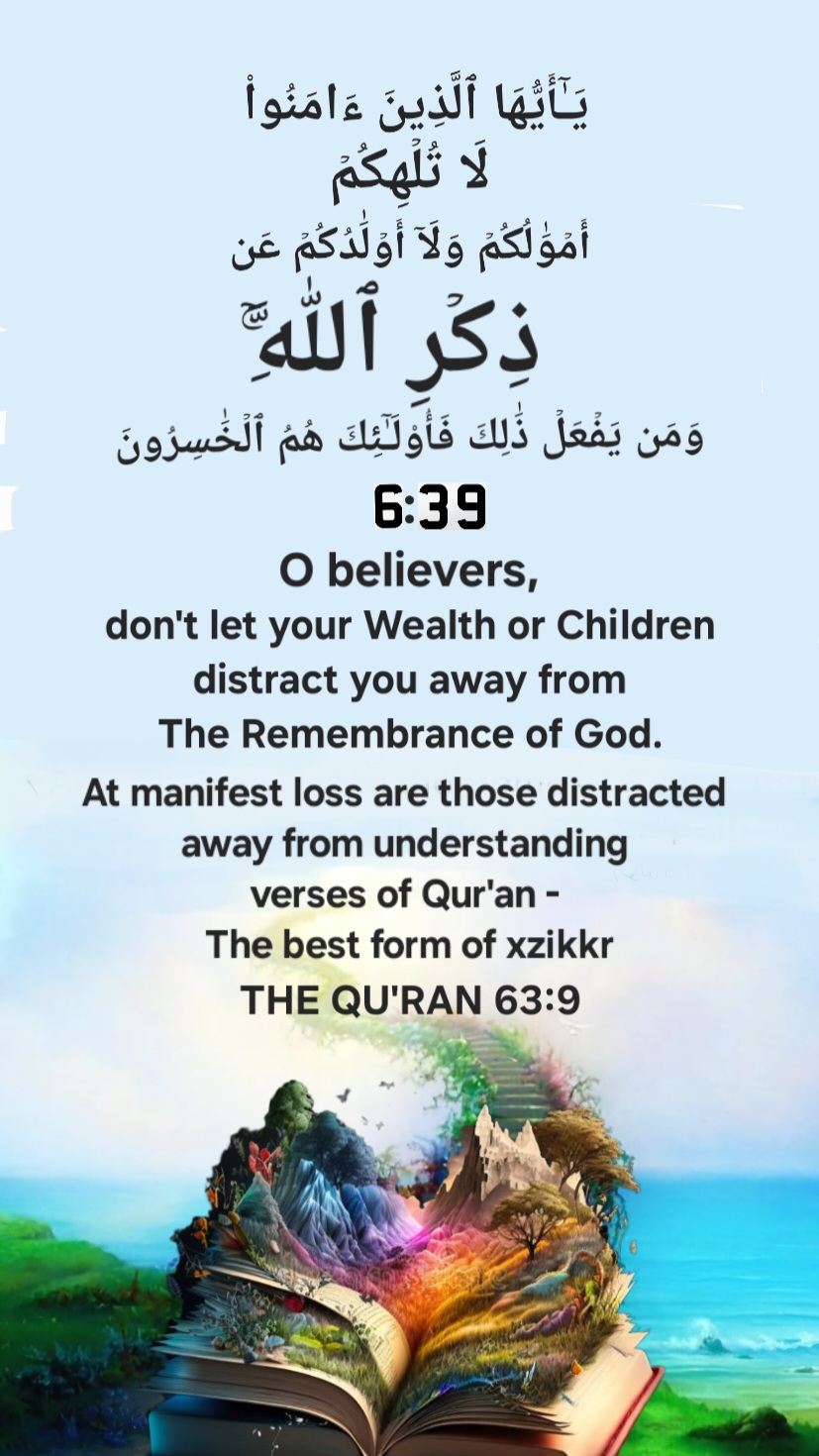
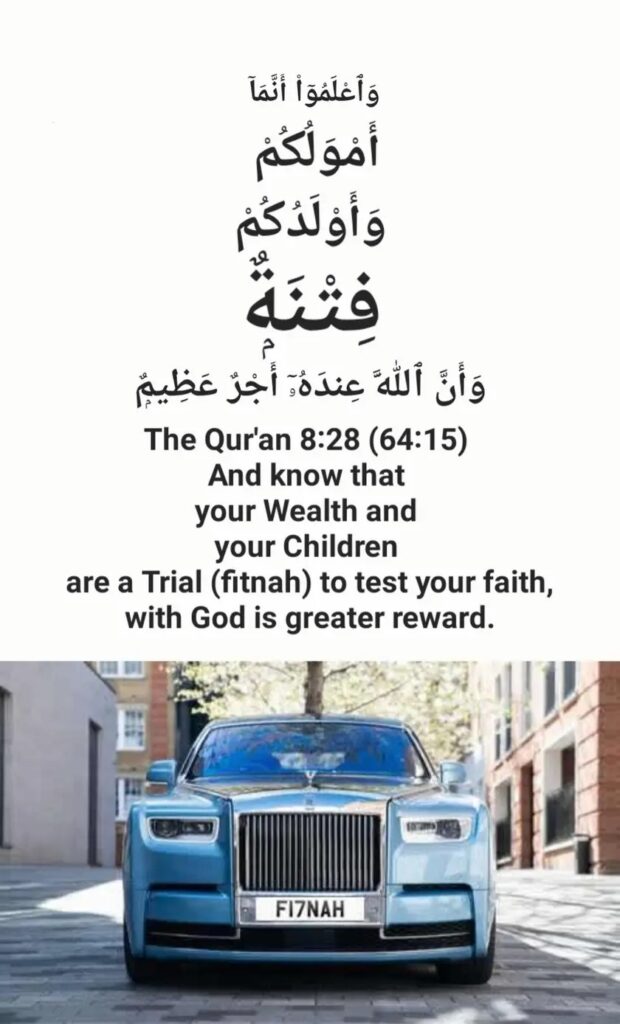
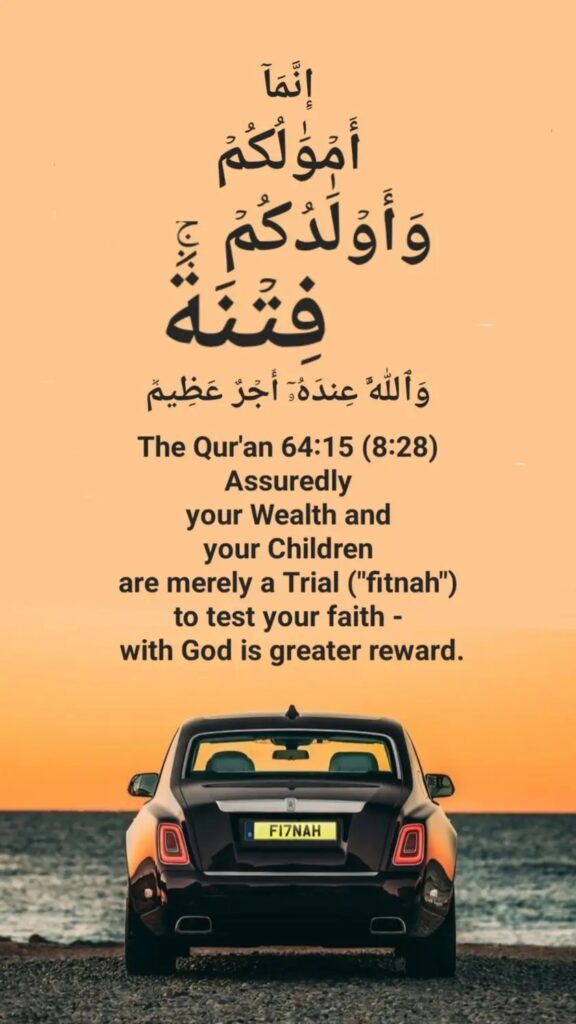
– According to him, such identity is superficial and has no spiritual value. - Fitnah Simplified. The Quran makes crystal clear Fitnah means A Test of Faith in the form of wealth, health, family ties, wives and children, divine punishment, trials and tribulations.
- Hajj and Rituals
– He dismisses the idea that pilgrimage or rituals can “wash away sins.”
– Forgiveness and moral reform, he says, come only through repentance, reform, and refraining from wrongdoing — not through ritual cleansing. - Second Coming and Eschatology
– Rafakut Ali rejects the idea of a “second coming” of any prophet “You’d think God knows better about a Second Coming or Third..? Right? Asserting that the Qur’an makes clear prophethood is sealed and guidance is complete – which makes no mention of any second coming. - Moral Autonomy and Divine Justice
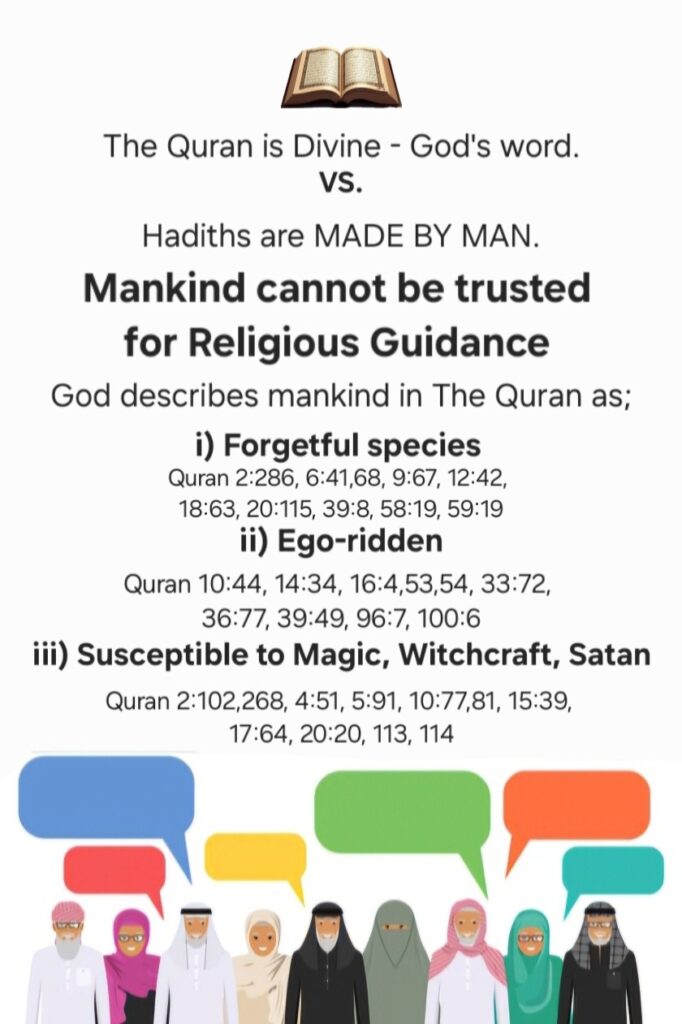
– He believes mankind cannot be trusted with religious authority; for mankind is a flawed species – forgetful, ego-ridden and susceptible to magic & witchcraft. Only God’s word provides objective truth and justice.
Would you like me to write a biographical overview of Rafakut Ali — his background, influences, and intellectual themes — or focus instead on a specific essay or teaching, such as “The Qur’an is Peerless” or “Performing Salah Does Not Make You Muslim”?
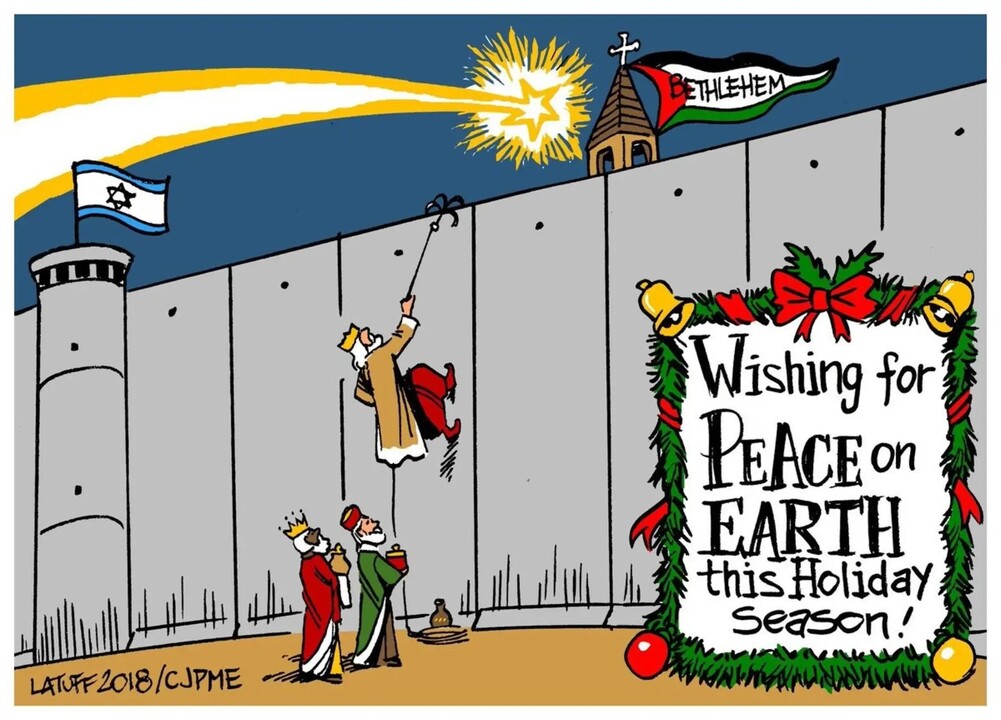
A Star is born.
“Peace be upon me the day I was born, and the day I will die, and the day I am raised alive.” Jesus. The Quran 19:29-37 & 4:157-159
PUBLISHED December 26, 2023
/IV
Ramadan and The Quran are like strawberries & cream
| Ramadan mubarak. Warning: Not Vegan but friendly enough. By Rafakut Ali APR 2022. Updated JUNE 2022 | Read Article |
/I
WIN : WIN
The KEFFIYEH
Compassion, sympathy for the oppressed (Palestinans (Muslims)) is not Anti-Semitism – It’s called being Human!!
Article by Rafakut Ali NOV 2021
Why Rafakuts Writing Has Resonance
In a time where many feel disconnected from institutional religion or ritual, his emphasis on direct access to scripture (the Qur’an which teaches morality) and personal God-consciousness (taqwa) can appeal to those seeking a more individualised spiritual path.
His hybrid of spiritual reflection + social critique taps into contemporary issues (identity, justice, meaning) which many young Muslims or seekers resonate with.
The non-denominational stance may appeal to those frustrated with sectarianism or what they see as inherited religious frameworks.
/XII
REPENT > REFORM > REFRAIN
the ancient house of abraham
Indeed, the first House of worship established for mankind was The Ka’aba – blessed and a guidance for the world. Quran 3:96
Read Article by Rafakut Ali 2021 >
Eid-al-Hajj. Sin / Cleanse / Repeat
or Repent / Reform/ Refrain
/II
Which of the favours of your lord will you deny?
Check back soon
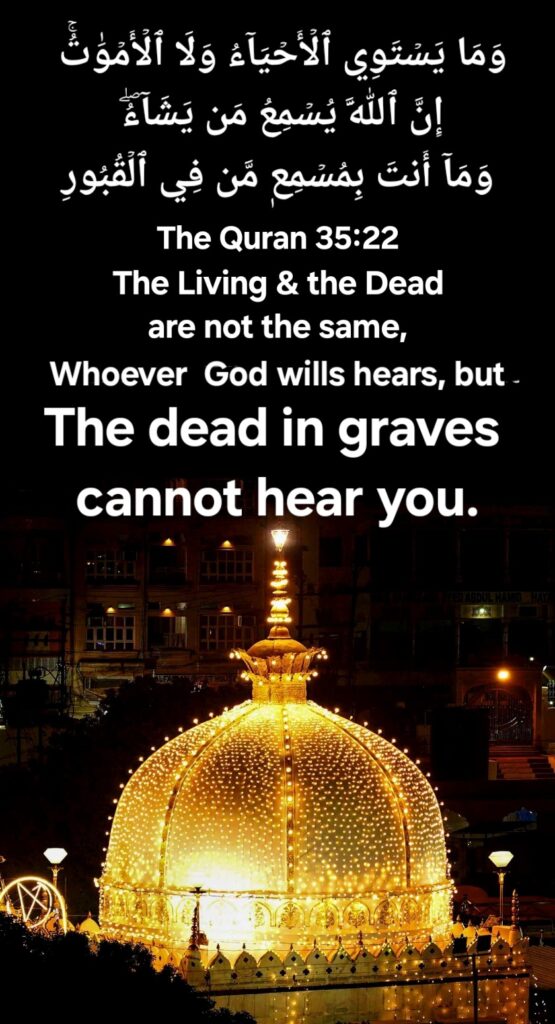
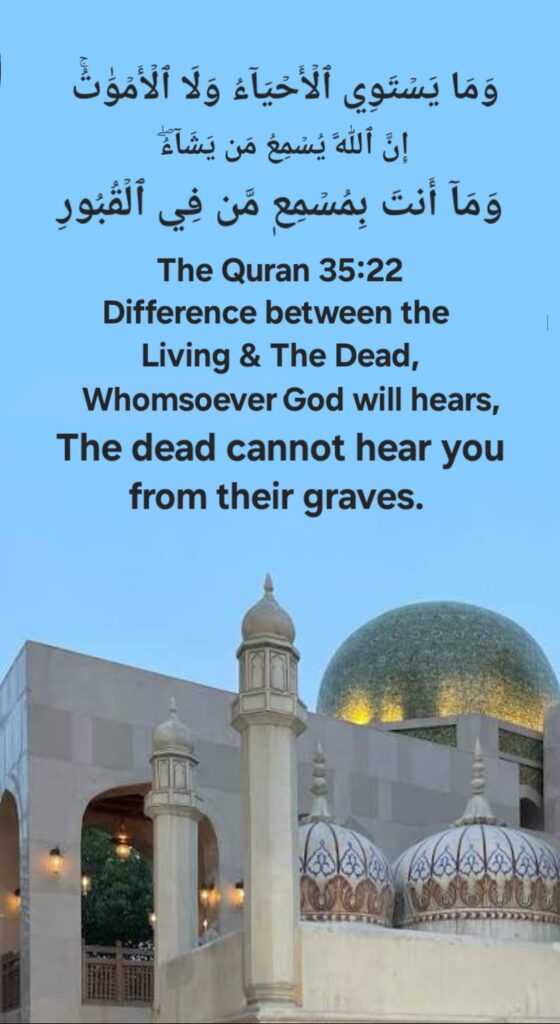
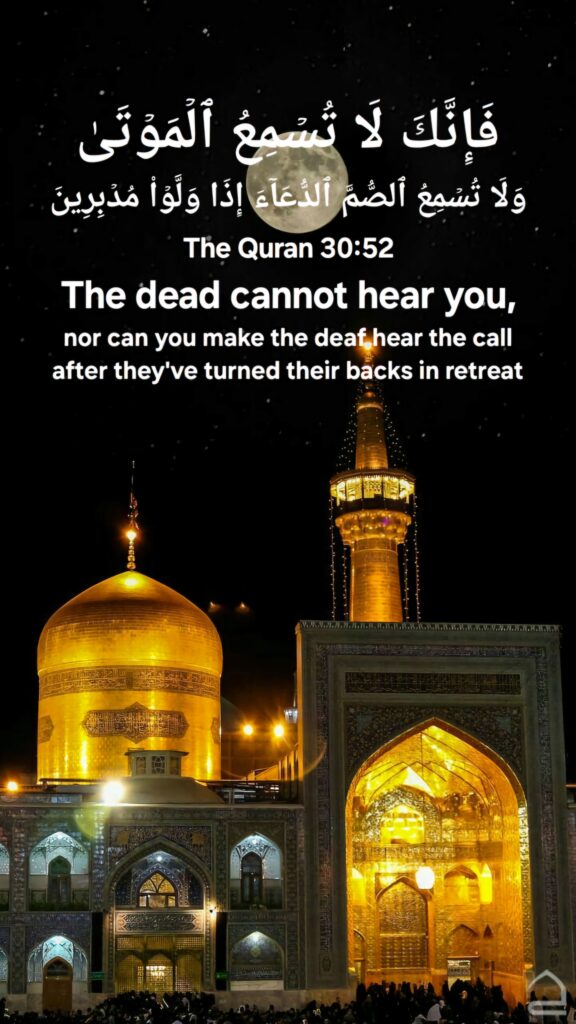
So then which of the favors of your Lord would you deny? Surah Rahman 55 x 31
/VII
POPPIES (NOT) FOR MUSLIMS
> READ MORE”>PAKIS HAD NOTHING TO DO WITH COVID-19 > READ MORE
Poppies (not) for muslims > Read Article by Rafakut Ali NOV 2021
Muslim lives matter – stop Islamophobia
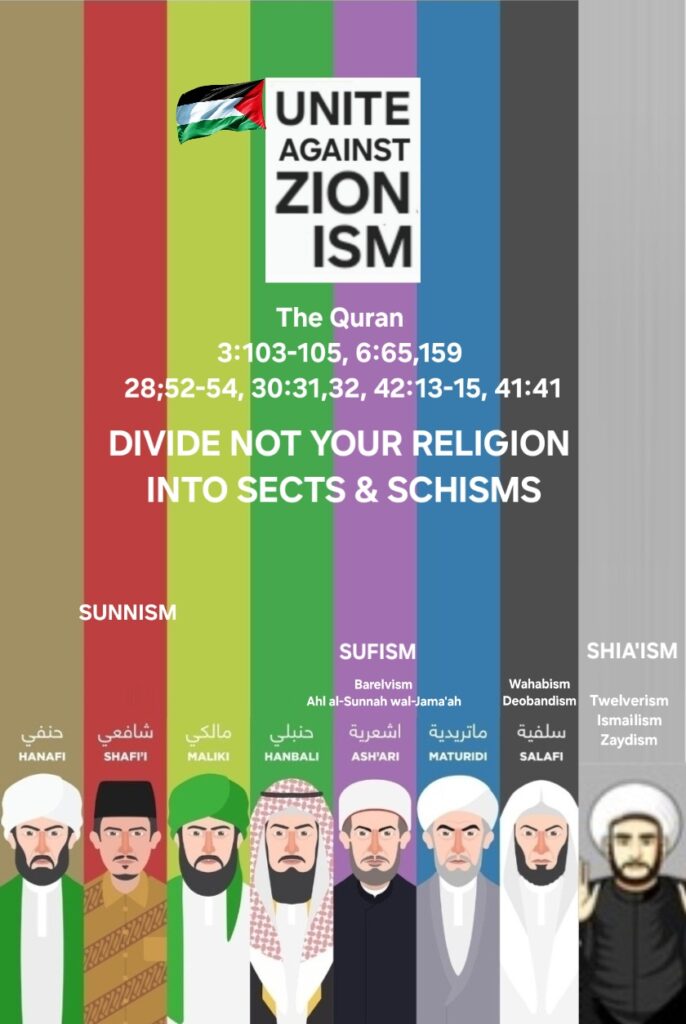
/VII
WHat a piece of work is man
Quran 13:12 Surah Thunder
God shows you lightening, causing fear and hope, and generates heavy clouds.
Muslim lives matter – stop Islamophobia
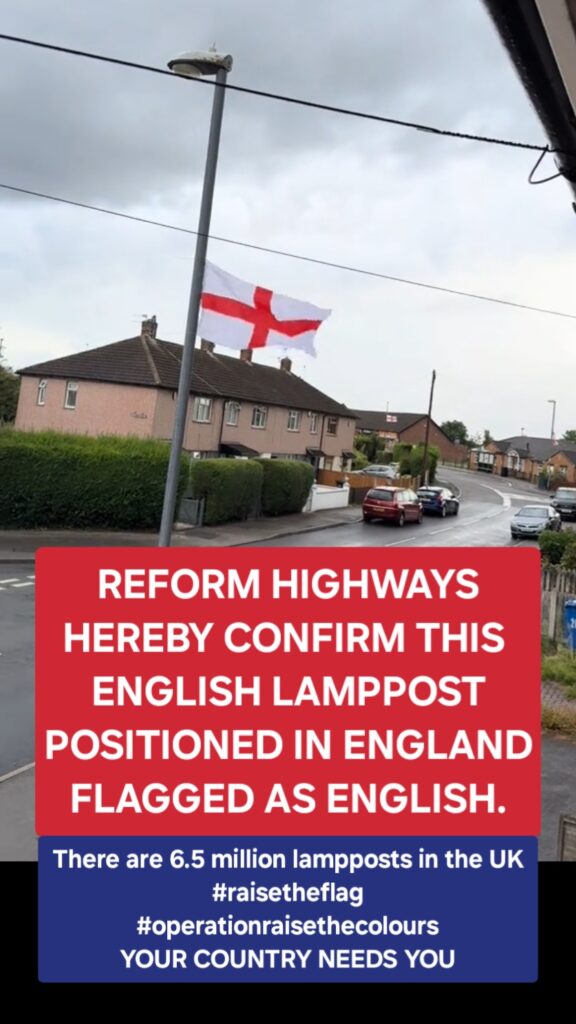
/III
Are you Awesome?
does mankind think they will say “we believe” and they will not be tried & TESTED? Quran 29:2

تقوى
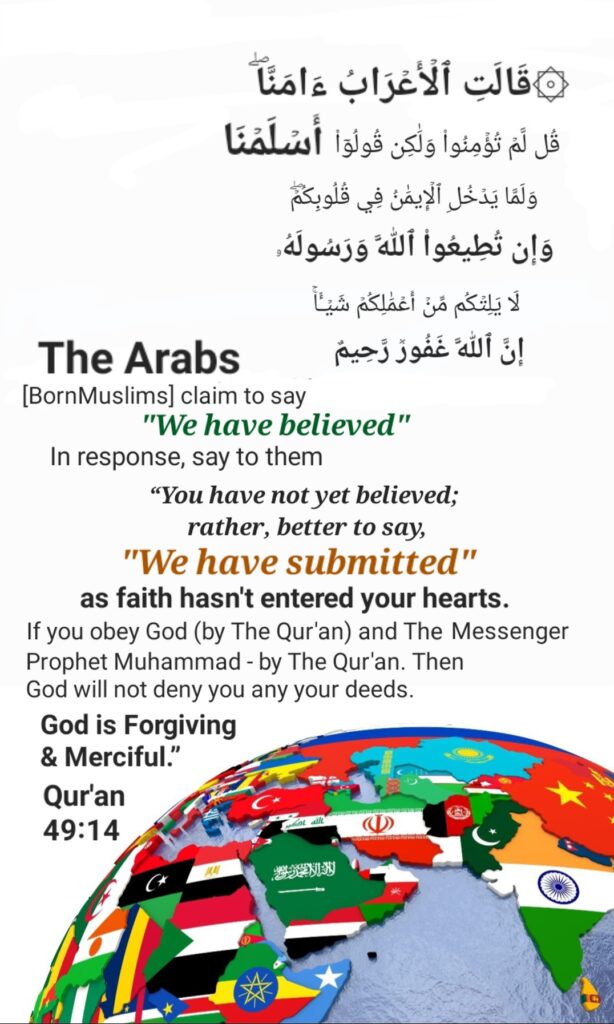
تقوى / taqwá Mindfulness. Being conscious of God, God-cognizant. i.e. The Quran 2:2 is Guidance for the Mu’taq’een

gODSPEED CARS
Lorem ipsum dolor sit amet, consectetur.
pEERLESS Executive
Lorem ipsum dolor sit amet, consectetur.
/VIII
Which of gods mercy will you take ownership of?
Was not the Quran enough?
Say “If the sea were to become ink for writing the Words of God, the sea would be used up before the words of my Lord would be exhausted, even if it was replenished with the like of it”. Quran 18: 109
the Two seas meeting one another. between them a barrier so neither of them transgress. Quran 55:19,20

صَبْرٌ
SABRR
Patience. Perseverance. Persistence. Endure.
For your Lord be patient

شُكْر
SHUKR
Thankful. Grateful. Contentment. Appreciative.
Whih of the favors of your Lord will you deny? Quran 55: x31

ذِكْر
Xzikkr
Remind. Remembrance
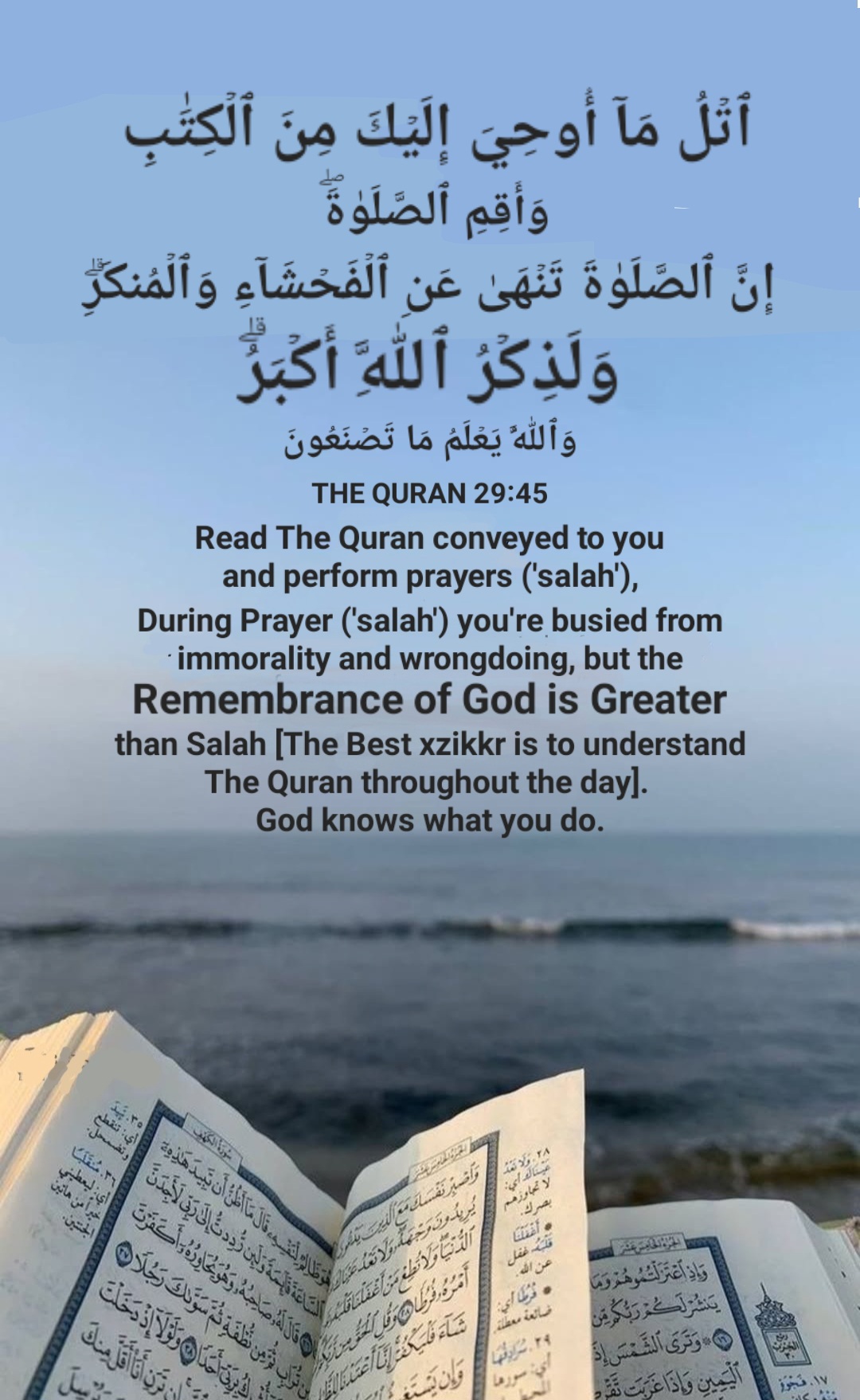
Study The Quran and establish salat. Indeed salah prohibits immorality and wrongdoing but verily the Remembrance of God is greater still. Quran 29:45

فتنة
F17NAH
Trials and tribulations. A test of faith.
/IX
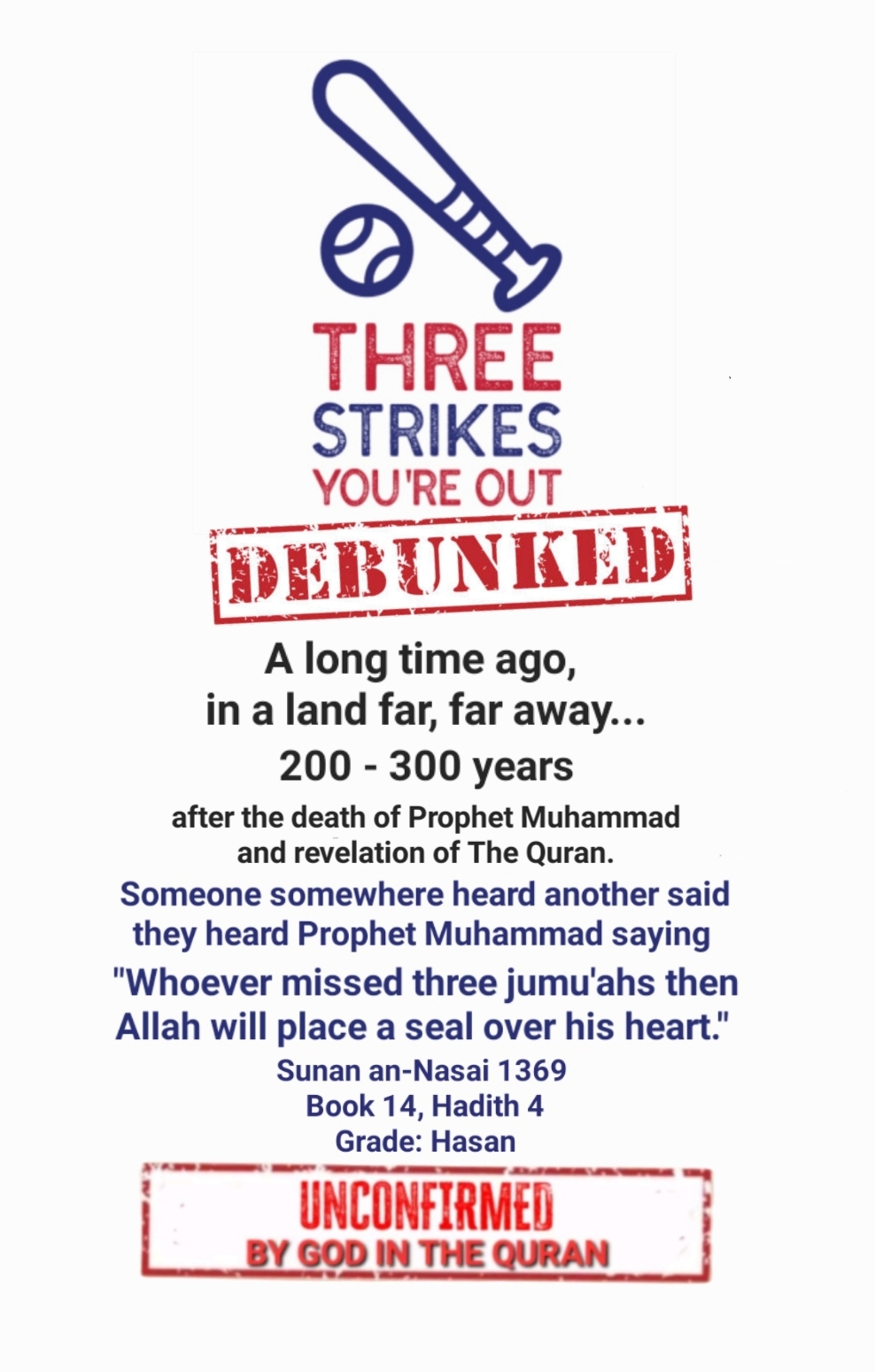
Woe to those who pray salah..
BUT ARE HEEDLESS IN their prayer. Quran 107:4,5.
The hypocrites stand to prayer salat mechanically for appearance only to be seen by the people – distracted from the Remembrance of God. Quran 4:142 (143)
/X
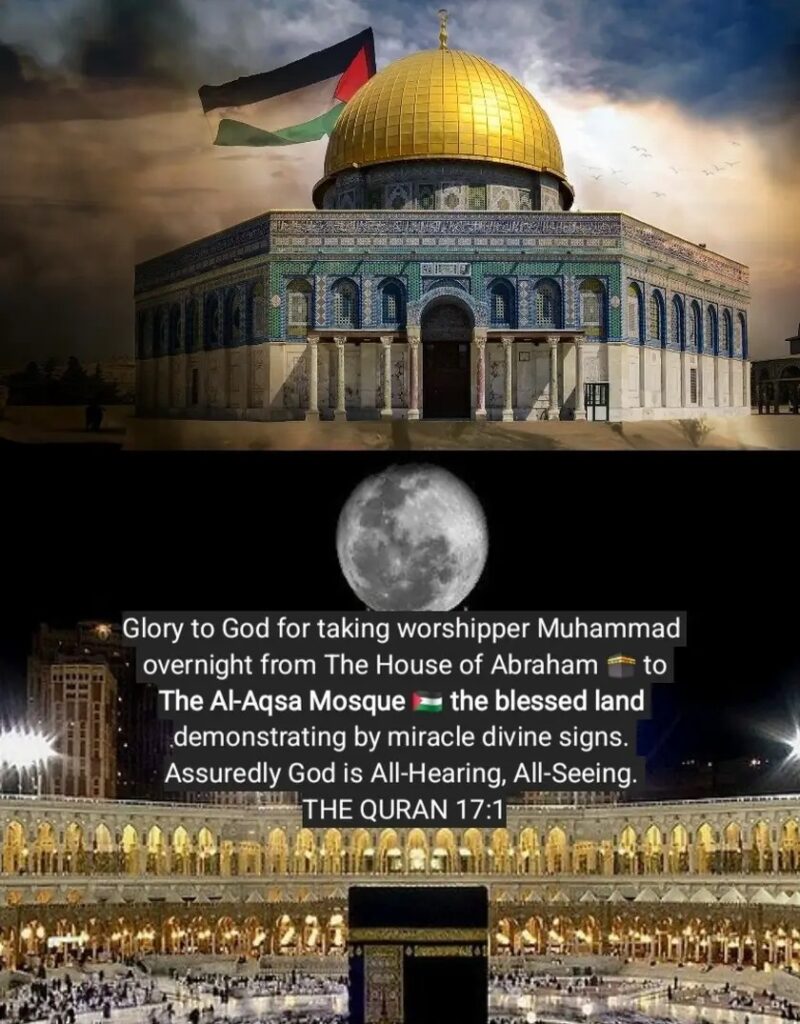
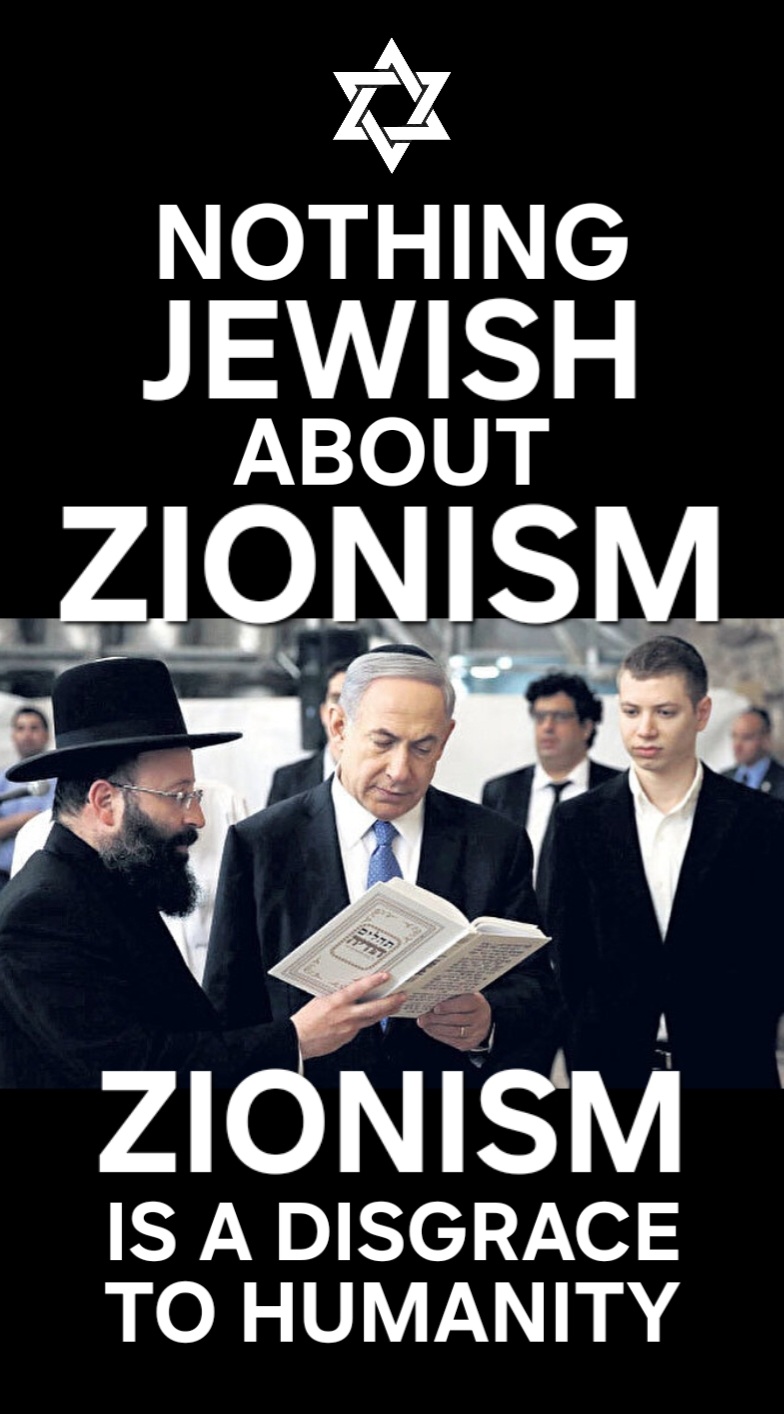
BLESSED lAND
Palestine
“Al-Aqsa mosque – the blessed land and surroundings” Quran 17:1





/XI
Which of the favours of your lord will you deny?
Check back soon
When the heaven is split open and becomes rose-coloured
Quran 55:37