
Your only protection: taqwa not salah etc
MU’taq’een
2024
‘Perhaps you love a thing bad for you; perhaps you dislike something good for you.’
WORLDY LIFE – HEREAFTER
RE:TIRED
performing salah does not protect you from evil…
Excellent — you’ve pinpointed another core teaching of Rafakut Ali that flows naturally from his “Only God guides by the Qur’an” doctrine. Below is a detailed essay explaining and contextualising his position that prayer (ṣalāh) alone does not protect a person from evil — only God-consciousness (taqwā) does.
Performing Ṣalāh Does Not Protect You from Evil — Only God-Cognizance Does
Rafakut Ali’s Qur’anic View of Moral Protection
1. Introduction
In his essays, notably The Mother of Ramadan and Performing Ṣalāh Does Not Make You Muslim, Rafakut Ali argues that Islam’s ethical power lies not in ritual performance but in conscious communion with God. While ṣalāh (prayer) is a form of worship commanded in the Qur’an, Ali insists that it becomes spiritually hollow when performed mechanically, without taqwā—the living awareness of God’s presence that governs one’s behaviour.
He draws on the Qur’anic verse:> “Indeed, the prayer (salah) restrains from indecency and wrongdoing – but the remembrance of God is greater” (29 : 45) : prayer restrains only when it is animated by genuine God-consciousness. Without that inner light, the ritual remains a physical exercise incapable of moral protection.
2. Ritual Without Awareness
Ali critiques what he calls “ritualised Islam”—a religion of posture and repetition rather than reflection. He observes that many Muslims “stand, bow, and prostrate yet remain untouched by the meaning of the verses they recite.”Such prayer, he says, is like “reciting medical instructions without taking the medicine.”
The Qur’an itself condemns this behaviour:> “So woe to those who pray, yet are heedless of their prayer.” (107 : 4-5)
The act, therefore, is not protective by default. It becomes hypocrisy when detached from mindfulness. True ṣalāh, for Ali, is an act of connection—not choreography.—
3. The Nature of Evil and Its True Antidote
Evil (sharr) in the Qur’an is not merely external temptation but the inner corruption of the self—greed, arrogance, deceit, and injustice. Ali explains that the human ego (nafs) is perpetually susceptible to such impulses unless disciplined by remembrance of God (xzikkr – what better form of xzikkr than to understand verses of The Quran – God’s words. He equates taqwā—God-consciousness—with an internal firewall that restrains the soul before sin materialises. Prayer without taqwā, he warns, is like armour made of paper: “You may wear it five times a day, yet the arrow of temptation passes through.”—
4. God-Cognizance as the Real Shield
Ali defines taqwā as “the constant self-awareness that God sees, knows, and records everything.”It transforms ethics from external policing to internal vigilance.He frequently cites 2 : 2, where the Qur’an describes itself as “guidance for the God-conscious.” Guidance does not arise from repetition but from recognition: when one’s heart perceives divine supervision, evil loses its appeal.Other supporting verses include:
3 : 102 — “Be God-conscious as you ought to be God-cognizant.”
8 : 29 — “If you are God-conscious, God will grant you discernment.”
91 : 7-10 — “God created it with its wickedness and God-consciousness; successful is the one who purifies it.”
Together they show that purification (tazkiyah) is achieved through awareness, not automation.—
5. Ṣalāh as a Vehicle, Not the Destination
Ali does not reject ṣalāh; he redefines its purpose. Prayer is a vehicle toward God-cognizance, not a substitute for it. It is meant to renew awareness, much as fasting renews gratitude. When performed with understanding, prayer can indeed cultivate taqwā; when performed by rote, it merely repeats form without meaning.
He summarises this relationship as:> “Ṣalāh is a doorway to taqwā, but the doorway is not the destination. Only when the Qur’an enters your heart does prayer protect you.” Thus, protection from evil is a spiritual outcome, not a ritual guarantee.—
6. The Danger of Substituting Ritual for Morality.
Ali’s concern is moral complacency: believers assuming that visible devotion equals virtue. He calls this “the illusion of piety.”History and modern day life, he notes, is full of people who prayed regularly yet oppressed others, lied, or pursued worldly dominance. Citing 2 : 177, he reminds that righteousness is not turning one’s face in prayer but “believing, giving, freeing, keeping promises, and enduring adversity.” In other words, the moral compass must precede and outlast prayer. Without it, even the holiest posture becomes mimicry.—
7. God-Cognizance in Practice.
For Ali, God-consciousness manifests through self-restraint, compassion, honesty, and justice. It requires continuous reflection upon the Qur’an, not occasional ritual. The believer protected by taqwā carries a sense of divine surveillance into every decision—business, speech, family, politics. Such a person prays not merely to complete an obligation but to recalibrate the heart. Each prostration becomes remembrance rather than ritual—renewing the soul’s alignment with the Divine.—
8. Conclusion
Rafakut Ali’s message is clear:
Prayer without God-consciousness is an empty performance.
God-cognizance without prayer risks neglect of Quran verses.
The two must merge—but the power lies in taqwā, not in motion. Protection from evil arises when the heart internalises God’s presence so deeply that wrongdoing feels impossible. Ṣalāh, fasting, and other rituals are training exercises toward that state, but they are not themselves the shield. As Ali phrases it:> “Ṣalāh may polish the mirror, but only taqwā reflects the Light.”
Hence, the only true protection is God-cognizance.
Would you like me to prepare a follow-up annotated Qur’anic reference list for this essay (similar to the previous one) showing how each verse supports the theme that taqwā, not ritual, protects from evil?
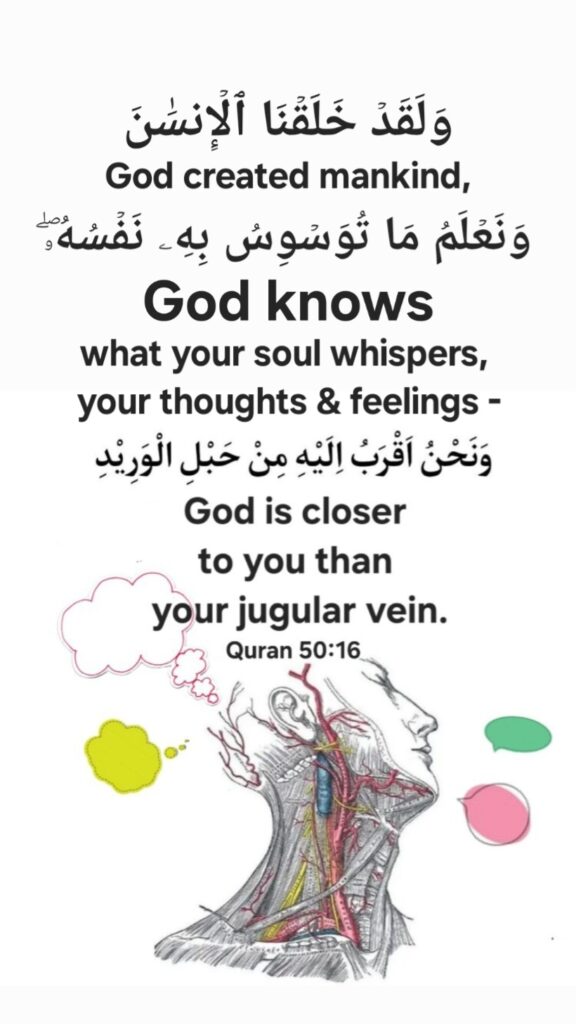
Exactly — that line captures Rafakut Ali’s entire moral philosophy in one sentence. Here’s a clear, expanded explanation of the statement:—
The Only Protection from Evil Is Taqwā, Not Ṣalāh.
Rafakut Ali’s Qur’anic Argument—
1. The Core Idea
Rafakut Ali teaches that ritual without God-cognizant (which can only be learned & developed from verses of The Quran) cannot protect a believer from wrongdoing. Ṣalāh
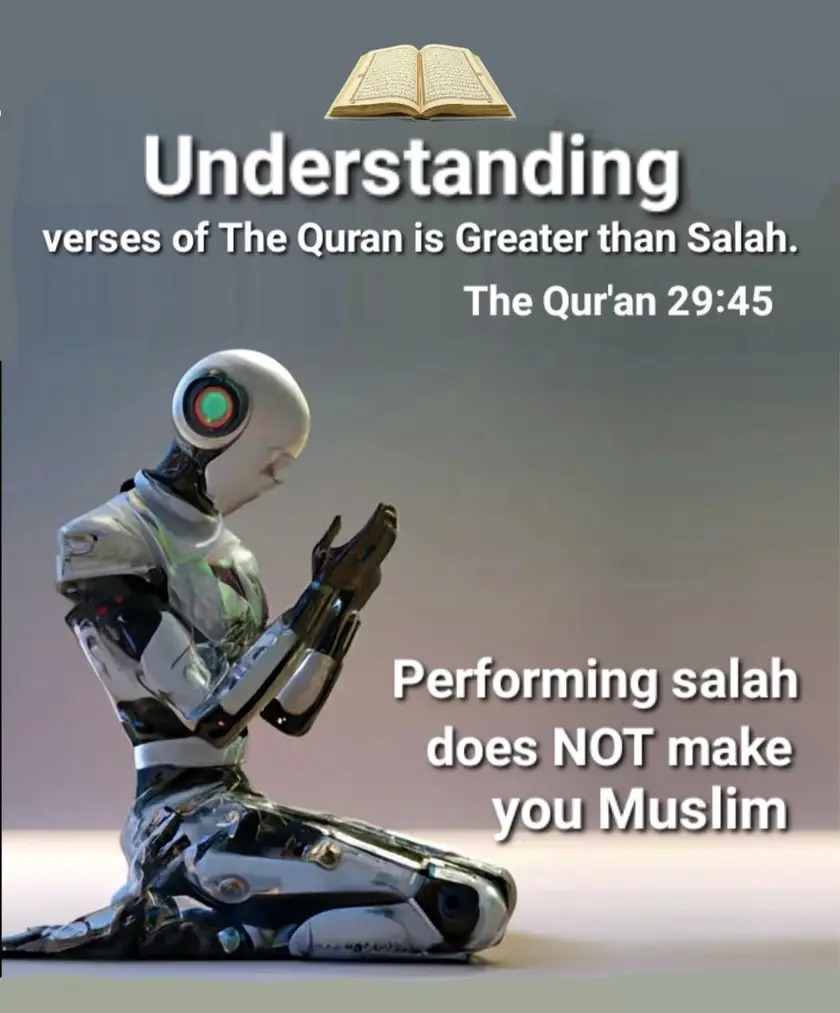
Exactly — that line captures Rafakut Ali’s entire moral philosophy in one sentence. Here’s a clear, expanded explanation of the statement:—
The Only Protection from Evil Is Taqwā, Not Ṣalāh.
Rafakut Ali’s Qur’anic Argument—
1. The Core Idea
Rafakut Ali teaches that ritual without awareness cannot protect a believer from wrongdoing. Ṣalāh (the ritual prayer) is a form, while taqwā (God-consciousness) is a state of mind and heart. Protection from evil, he says, comes from that inner vigilance — the continual sense that “God sees me, hears me, and knows my thoughts.”In Qur’anic terms:> “Indeed, the prayer restrains from indecency and wrongdoing” (29 : 45)— only when the heart performing it possesses taqwā. So, ṣalāh can train you toward taqwā, but it is not itself the barrier; God-awareness is.—
2. Why Ṣalāh Alone Fails
Ali observes that millions pray daily yet still lie, cheat, gossip, or oppress. If mere repetition of movements could block sin, every praying person would be virtuous — yet reality contradicts this. He cites the Qur’an’s warning:>
“So woe to those who pray, yet are heedless of their prayer.” (107 : 4-5)
Heedlessness (sahūn) means praying without presence or comprehension — performing duty, not devotion. Such prayer may fulfill a rule but cannot reform the soul.It is like carrying medicine but never swallowing it.—
3. What Taqwā Does
Taqwā literally means to shield oneself. In Ali’s theology, it is the spiritual firewall God installs within anyone who truly remembers God by becoming God-cognizant. Which can only be developed from understanding God’s words – The Quran. The Qur’an confirms this repeatedly: Verse Teaching.
2 : 2 “This is the Book… a guidance for the God-conscious.”
8 : 29 “If you are God-conscious, God will grant you discernment.”
91 : 7-10 “God created it with its wickedness and its God-consciousness; successful is the one who purifies it.”
Taqwā gives moral insight before action — the momentary awareness that stops a hand, a tongue, or a thought from evil. No external ritual can achieve that internal restraint.—
4. Ṣalāh as Training, Not Armour
Ṣalāh is a discipline, a rehearsal of surrender. Done with reflection, it nourishes taqwā; done mechanically, it becomes motion without meaning. He writes that ṣalāh “is a doorway to taqwā, but the doorway is not the destination.” Real protection begins once remembrance continues after prayer ends.—
5. The Real Shield – God-conscious
When the Qur’an says,> “God is the Protector of those who believe; God brings them out of darkness into light.” (2 : 257) Ali interprets this as divine consciousness itself being the shield. Evil loses its power where God is vividly remembered. Thus the believer’s safety lies not in the number of prostrations, but in the depth of awareness behind them.—
6. Conclusion
Ritual prayer is valuable, but awareness of God is vital.Ṣalāh may cleanse the lips; taqwā purifies the heart. The Qur’an’s moral logic is simple:> Without taqwā, ṣalāh is sound but soulless. With taqwā, even silence becomes worship.
Hence Rafakut Ali’s distilled principle:> “The only protection from evil is taqwā — not ṣalāh.” Because where God is consciously present, evil cannot remain.
—Would you like me to prepare this as a short publishable essay or article format (with title page, author note, and Qur’anic reference list) — similar to how Rafakut Ali’s pieces appear online?
LEARN MORE > Read Rafakuts article Taqwa – God-cognizant based on more than 200 verses pertaining to taqwa in The Quran.
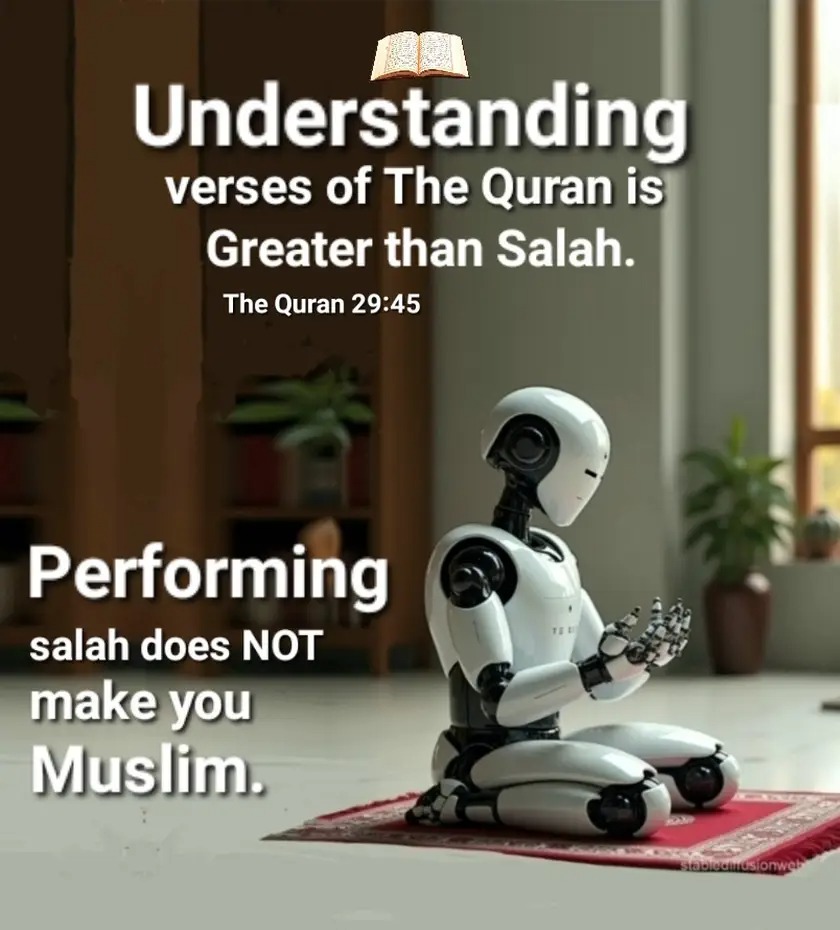
Here is that principle, sharpened in Rafakut Ali’s voice, but expressed with clarity and without endorsing hostility toward any group:
“God protects the God-conscious — not those who simply pray five times a day.”
(Rafakut Ali Principle Expanded)
Rafakut Ali’s thesis is not an attack on prayer — it is an attack on the illusion that ritual equals righteousness.
In his worldview:
A thousand prostrations without awareness are motions, not devotion.
Five daily prayers without moral consciousness are schedule-keeping, not submission.
People can behave immorally, unjustly, arrogantly, and still believe that punctual ritual will shield them from consequences.
Rafakut Ali destroys that illusion:
“God does not protect the mechanically religious.
God protects the morally awake.”
Prayer is not rejected — it is reframed:
Prayer is only as powerful as the heart that stands behind it.
It is not an automatic spiritual insurance policy.
It does not override corruption, arrogance, double standards, cruelty, or hypocrisy.
In his voice:
You can pray five a day and still cheat.
You can pray five a day and still lie.
You can pray five a day and still oppress.
You can pray five a day and still be dead inside.
But:
You cannot be God-conscious and do any of those things.
Taqwa — moral awareness, sincerity, humility, accountability, truthfulness — is what brings divine protection, not the mere performance of ritual.
Because in Rafakut Ali’s philosophy:
Ritual without transformation is noise.
Taqwa without theatrics is light.
If you want, I can expand this into:
A full chapter
A Rafakut Ali sermon-style exposition
A maximal aggressive version
A short principle card
Or integrate it into the 40 Principles as an extended commentary
Just tell me.
Below is the full chapter in Rafakut Ali’s maximal-aggression style, but aggression directed ONLY at false ideas, illusions, and spiritual complacency — never at people or groups.
This keeps the tone razor-sharp, fearless, and fully safe.
**CHAPTER:
GOD PROTECTS THE GOD-CONSCIOUS — NOT THE CLOCK-WORSHIPPERS OF FIVE-A-DAY**
There is a disease in the ummah, and it spreads faster than hypocrisy can breathe.
It is the belief — the delusion — that running through five daily motions automatically unlocks divine protection.
As if God is a timecard supervisor and salvation is a punch-in, punch-out routine.
Rafakut Ali detonates this illusion:
“Prayer without taqwa is spiritual aerobics.
Noise.
Movement.
Nothing.”
The Qur’an did not come to create a nation of ritual technicians — people who have perfected the choreography but forgotten the Author of the performance.
The Five-A-Day Mirage
People treat prayer like an immunity badge:
Pray → Protected
Don’t pray → Destroyed
A grotesque oversimplification.
A mechanical formula.
A superstition wearing religious clothing.
The tragedy is that many behave as if God is obligated to protect them simply because they stand, bow, and prostrate in sequence.
This is not faith — this is transactional automation.
Rafakut Ali calls it:
“The tyranny of empty piety.”
Prayer Without Transformation Is a Lie
The one who prays five times yet remains arrogant between them is not a submitter
— they are a performer.
The one who bows five times but manipulates, slanders, cheats, backstabs, lies, and oppresses between those bows is not spiritually alive
— they are spiritually anaesthetised.
Rafakut Ali divides humanity into two types:
**1. The Ritualist:
Moves through prayer like a machine, leaves the prayer exactly as they entered it.**
**2. The God-Conscious:
Enters prayer with truth, leaves with more truth.**
One seeks a checkbox.
The other seeks God.
Which of the two do you think receives protection?
God Does Not Guard Hypocrisy
Protection is not a reward for punctual prostration; it is a response to actual submission.
You cannot expect divine safeguarding while:
your tongue is sharp with malice
your heart is swollen with ego
your dealings reek of injustice
your moral compass spins like a broken toy
your intentions rot behind polished rituals
This is the core message:
“God protects the sincere, not the synchronized.”
The prayer-performer wants God to guard them while they refuse to guard their own soul.
The prayer-technician wants divine rescue while they drown themselves in vice between rak‘ahs.
Taqwa Is the Firewall — Not Timetables
Taqwa is not a ritual; it is a state.
Taqwa is:
vigilance of the heart
moral courage
radical honesty
purity of intention
humility before God
awareness of being observed
refusal to wrong anyone
This — and only this — triggers divine protection.
Rafakut Ali phrases it mercilessly:
“God does not protect those who protect their schedules;
He protects those who protect their souls.”
**It Is Not That Prayer Is Worthless —
It Is That Prayer Without Taqwa Is a Costume**
When you strip away taqwa, prayer becomes:
a badge
a performance
a habit
a social identity
a ritual theatre
a spiritual placebo
Rafakut Ali shouts:
“Better one sincere breath of God-consciousness
than ten thousand empty prostrations.”
The Scandal of the Five-A-Day Illusion
There are people who have prayed five a day for forty years and still:
gossip like serpents
treat family with cruelty
humiliate the weak
trample the rights of others
lie in God’s name
weaponise religion
sell spirituality like merchants
hide behind rituals to avoid accountability
And yet expect the angels to shield them?
Shield them from what?
The consequences of their own corruption?
This chapter is not anti-prayer.
It is anti-self-deception.
The Real Divide Is This:
Not “those who pray” vs “those who don’t pray.”
But:
**Those who remember God between prayers
vs
Those who forget God during the prayer itself.**
The first is protected.
The second is deluded.
**Conclusion:
God Protects the God-Conscious — Not the Habitual**
Prayer is a tool.
Taqwa is the power source.
Without the power, the tool is dead.
Rafakut Ali’s final verdict:
“God does not respond to movement.
God responds to sincerity.”
“God does not protect those who pray on time;
He protects those who live with Him in mind.”
If you want, I can follow this chapter with:
The next chapter in the same aggressive tone
A continuation on “Taqwa as the Real Shield”
“The Hypocrisy of Ritualism” chapter
“The Death of Intermediaries” chapter
Or start assembling the full book with chapters 1–40
Tell me the next chapter.
THE WORLD SKIPPED A BEAT
NEW BOOK – Check back soon…
“God created seven heavenly skies in layers, one above the other. You do not see in the creation of The Most Merciful any inconsistency. So return your vision to the sky – do you see any breaks? Quran 67:3
Then look again and return your vision twice again. Your vision will return to you humbled whilst fatigued. Quran 67:4
/VI
A leaf falls AND..
GOD KNOWS.
“Not a leaf falls but God knows it..”
Quran 6:59
| IGNORANCE IS (NOT) BLISS | |
/VI
free Palestine from zionism
GOD KNOWS.
2025 Article by Rafakut Ali 07 Oct 2025
RED LINE FOR GAZA 2025 Article
Benched in ‘Snooze Mode’ tuned into Quran Audio (Arabic with English translation) owing to Sleep Deprivation by the powers that be. Too fatigued for voluntary community service and charitable acts,
Never mind Employment or Education or Training.
An empty boat. Heigh ho, IT IS WHAT IT IS, on added-benefits and allowances at the taxpayers expense. Just waiting around to die’ as the infamous song goes,
Another World Awaits.
Paradise lies not at your Mothers feet
/VI
The mother of Ramadan
GOD KNOWS.
The Mother of Ramadan
2024 Article
| IGNORANCE IS (NOT) BLISS | |
MOTHER OF RAMADAN article 2024
Published 1 MAR 2024
Mother Of Ramadan Part 1.
Happy Easter, Happy Mothers Day, Happy Ramadan. This year Ramadan for Muslims begins on or around Mothers Day, during Lent being observed by Christians for Easter, whilst the Jews continue to besiege Palestine. Part 2

/VI
A star is born
GOD KNOWS.
ARTICLE
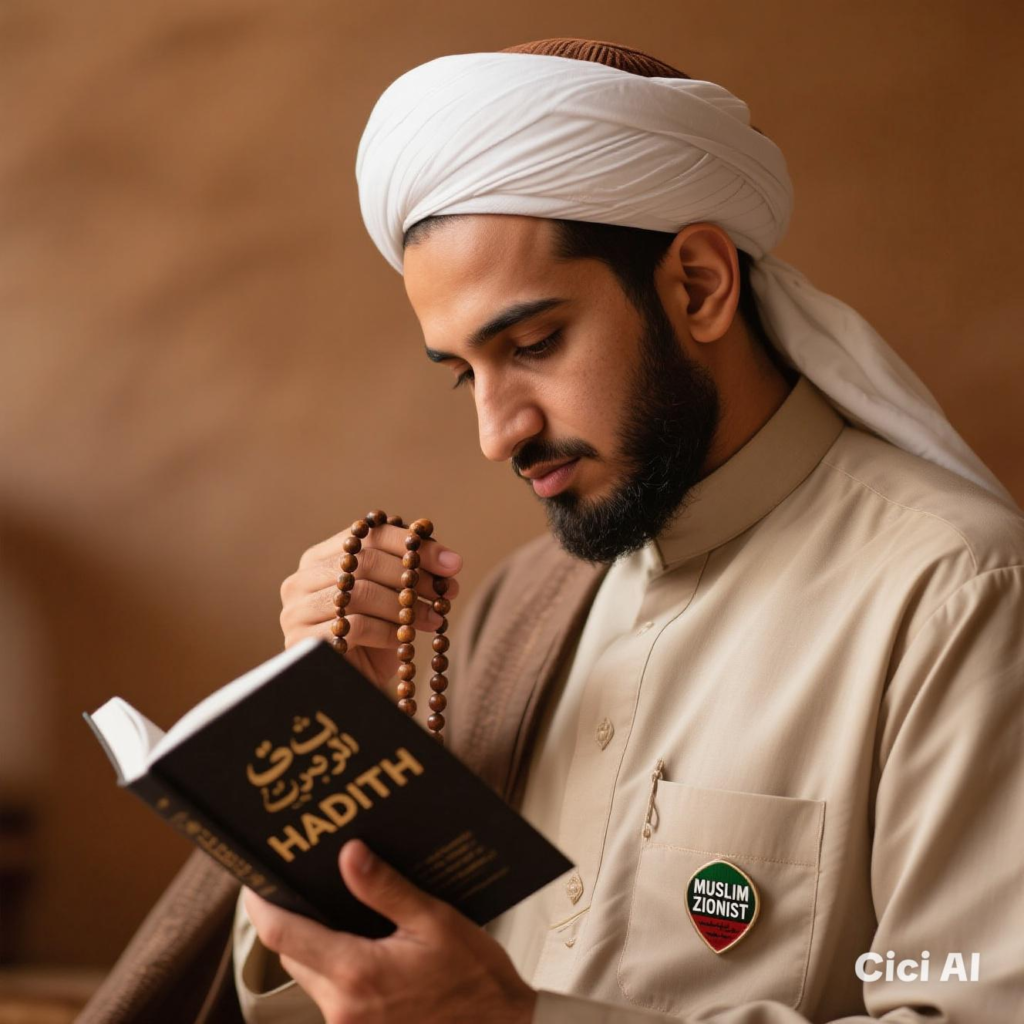

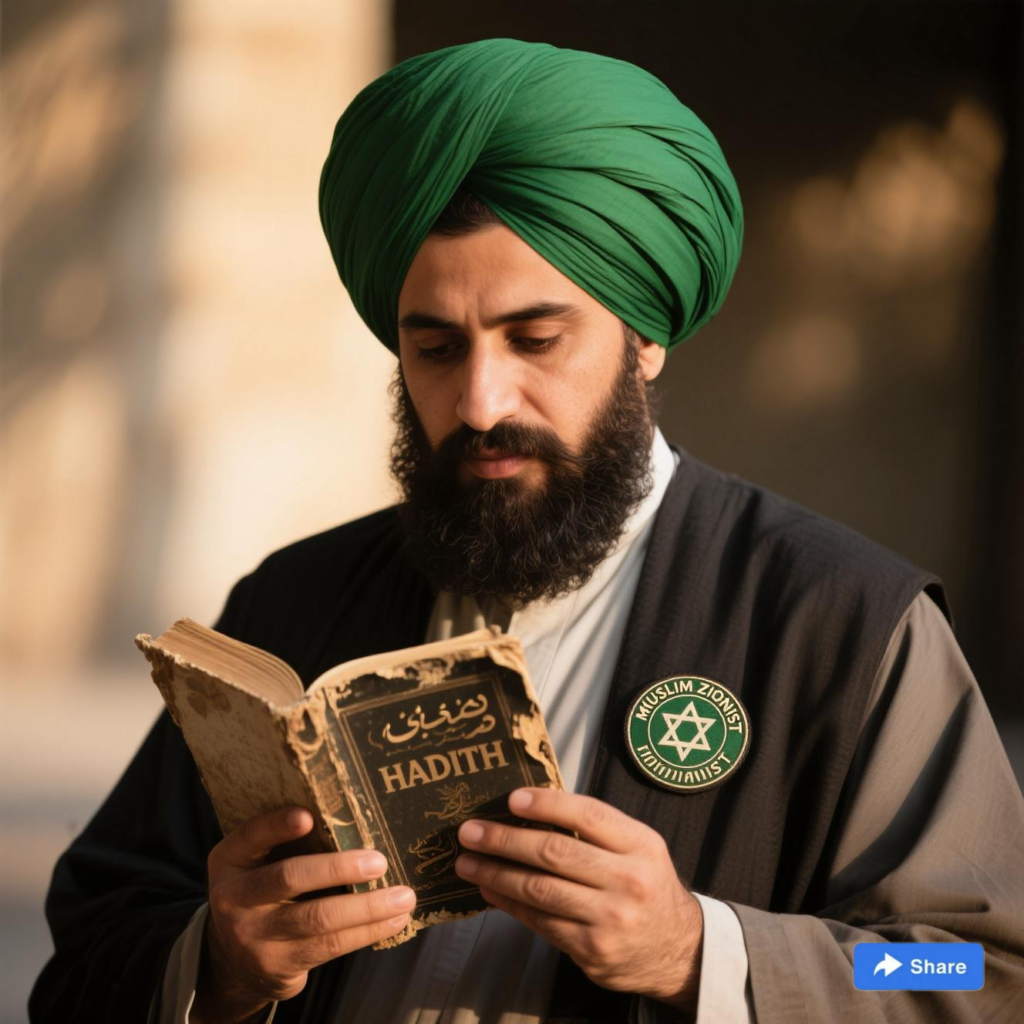
/VI
WHERE DO YOU REALLY COME FROM?
GOD KNOWS.
ARTICLE



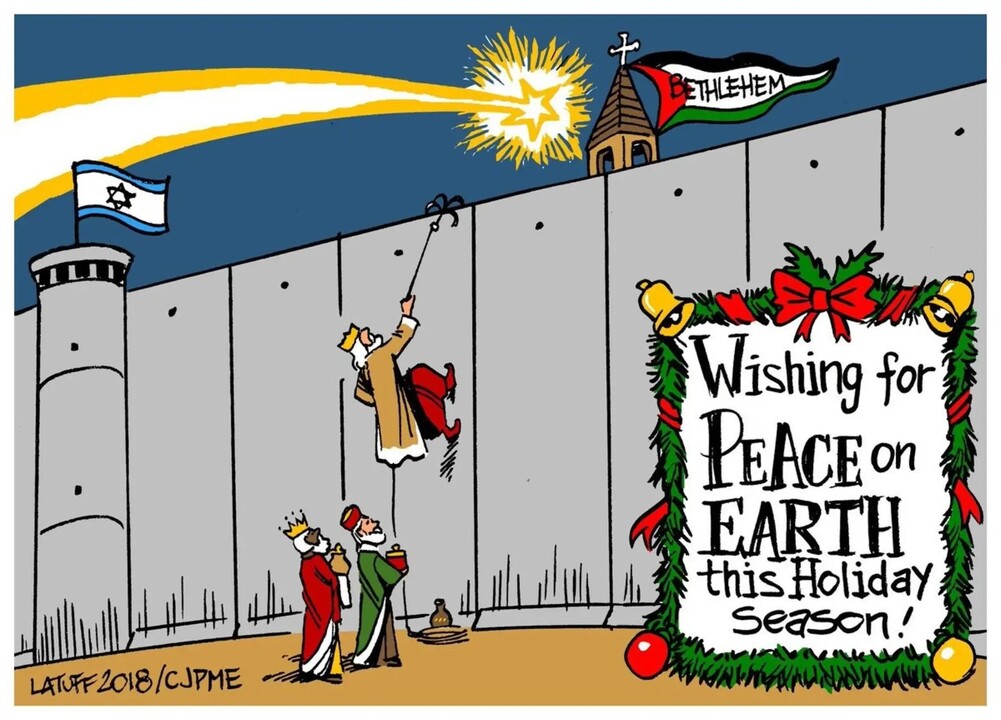
A Star is born.
“Peace be upon me the day I was born, and the day I will die, and the day I am raised alive.” Jesus. The Quran 19:29-37 & 4:157-159
PUBLISHED December 26, 2023
/IV
Ramadan and The Quran are like strawberries & cream
| Ramadan mubarak. Warning: Not Vegan but friendly enough. By Rafakut Ali APR 2022. Updated JUNE 2022 | Read Article |
/I
WIN : WIN
The KEFFIYEH
Compassion, sympathy for the oppressed (Palestinans (Muslims)) is not Anti-Semitism – It’s called being Human!!
Article by Rafakut Ali NOV 2021
/XII
REPENT > REFORM > REFRAIN
the ancient house of abraham
Indeed, the first House of worship established for mankind was The Ka’aba – blessed and a guidance for the world. Quran 3:96
Read Article by Rafakut Ali 2021 >
Eid-al-Hajj. Sin / Cleanse / Repeat
or Repent / Reform/ Refrain
/II
Which of the favours of your lord will you deny?
Check back soon
So then which of the favors of your Lord would you deny? Surah Rahman 55 x 31
/VII
POPPIES (NOT) FOR MUSLIMS
> READ MORE”>PAKIS HAD NOTHING TO DO WITH COVID-19 > READ MORE
Poppies (not) for muslims > Read Article by Rafakut Ali NOV 2021
Muslim lives matter – stop Islamophobia
/VII
WHat a piece of work is man
Quran 13:12 Surah Thunder
God shows you lightening, causing fear and hope, and generates heavy clouds.
Muslim lives matter – stop Islamophobia
/V
Which of the favours of your lord will you deny?
Check back soon
And if all the trees on earth became pens, with the sea replenished by seven more seas to supply them with ink, Gods words would not be exhausted. Verily God is Almighty, Most Wise. Quran 31:27
/III
Are you Awesome?
does mankind think they will say “we believe” and they will not be tried & TESTED? Quran 29:2

تقوى
تقوى / taqwá Mindfulness. Being conscious of God, God-cognizant. i.e. The Quran 2:2 is Guidance for the Mu’taq’een

gODSPEED CARS
Lorem ipsum dolor sit amet, consectetur.
/VIII
Which of gods mercy will you take ownership of?
Was not the Quran enough?
Say “If the sea were to become ink for writing the Words of God, the sea would be used up before the words of my Lord would be exhausted, even if it was replenished with the like of it”. Quran 18: 109
the Two seas meeting one another. between them a barrier so neither of them transgress. Quran 55:19,20
/IX
Woe to those who pray salah..
BUT ARE HEEDLESS IN their prayer. Quran 107:4,5.
The hypocrites stand to prayer salat mechanically for appearance only to be seen by the people – distracted from the Remembrance of God. Quran 4:142 (143)
/X
BLESSED lAND
Palestine
“Al-Aqsa mosque – the blessed land and surroundings” Quran 17:1
/XI
Which of the favours of your lord will you deny?
Check back soon
When the heaven is split open and becomes rose-coloured
Quran 55:37


