
Tahajud is quran not salah
MU’taq’een
2024
‘Perhaps you love a thing bad for you; perhaps you dislike something good for you.’
WORLDY LIFE – HEREAFTER
RE:TIRED

Tahajjud is qur’an not salah
Yes — according to Rafakut Ali’s view, Tahajjud is Qur’an, not Salah (ritual prayer).
فَتَهَجَّدۡ
He interprets “tahajjud” (from the root hajada, meaning to stay awake or keep vigil) as a deep engagement with the Qur’an during the night, rather than performing extra units of ritual prayer.
Key points in Rafakut Ali’s interpretation:
- Qur’an-centric worship:
Rafakut Ali maintains that the Prophet’s night devotion was primarily Qur’anic reflection, study, and recitation, not formalized Salah. He views tahajjud as a continuation of the Prophet’s mission to receive, internalize, and deliver the revelation. - Based on Qur’anic verses:
He often cites Qur’an 73:1–6 — “O you who wraps himself [in clothing], stand [to pray] at night, except a little — half of it or a little less, or a little more — and recite the Qur’an in measured tone.”
Rafakut reads this as a command to stand and recite (reflect upon) the Qur’an — not perform the ritual Salah — because the focus is explicitly on “recitation of the Qur’an” (rattil al-Qur’an tarteela). - Night devotion for strengthening faith:
In his perspective, tahajjud symbolizes intellectual and spiritual awakening through divine revelation, not mechanical prayer. It is when one’s mind is clear and distractions minimal — the ideal time to connect with God through understanding His words. - Critique of ritualization:
Rafakut Ali often critiques how traditional scholars ritualized tahajjud into a night prayer with specific rak‘ahs, which, in his view, dilutes the Qur’anic meaning and turns an act of reflection into mere physical routine.
In summary:
Tahajjud, in Rafakut Ali’s view, is nighttime engagement with the Qur’an, not an extra prayer.
Its purpose is to revive consciousness through revelation, not to perform another ritual act.
Would you like me to write a short essay expanding this interpretation with Qur’anic references and contrasts with the traditional view?
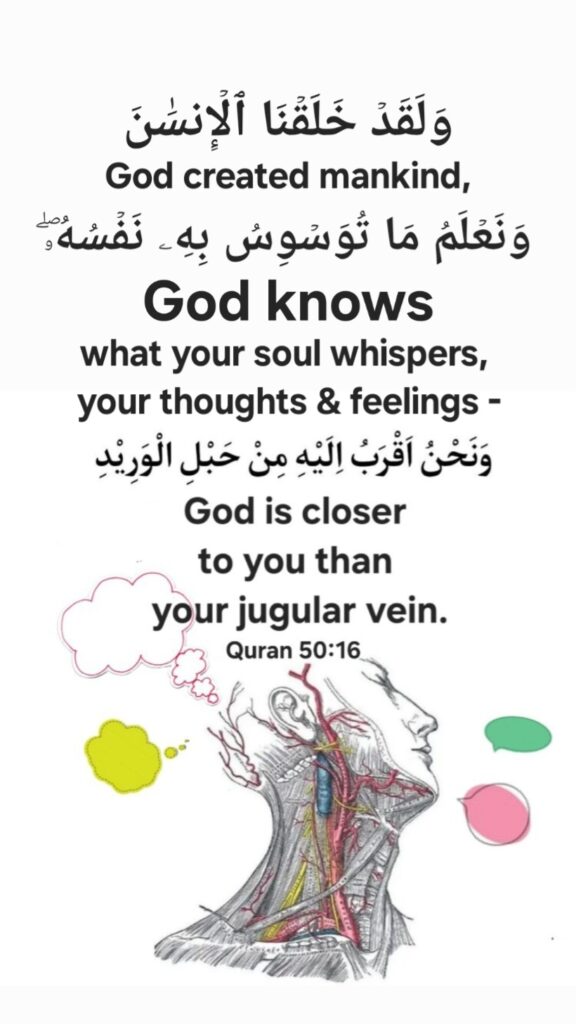
فَتَهَجَّدۡ
Key verses : ☆ 17:78,79 and night-time Quran not salah : 25:63.54, 32:16, 73:1-8,20, 74:1-6,
أَقِمِ ٱلصَّلَوٰةَ
لُوكِ ٱلشَّمۡسِ إِلَىٰ غَسَقِ ٱلَّيۡلِ
وَقُرۡءَانَ ٱلۡفَجۡرِۖ
إِنَّ قُرۡءَانَ ٱلۡفَجۡرِ كَانَ مَشۡهُودٗا
🕚 17:78 Establish prayer at the decline of the sun(rise) until the darkness of the night and also the Qur’an of dawn. Assuredly, the recitation of The Quran (to understand verses) at dawn is ever witnessed by God.
وَمِنَ ٱلَّيۡلِ فَتَهَجَّدۡ بِهِۦ نَافِلَةٗ لَّكَ
عَسَىٰٓ أَن يَبۡعَثَكَ رَبُّكَ مَقَامٗا مَّحۡمُودٗا
Quran 17:79 “And from part of the night, pray with it (Quran) as additional worship for you; Maybe that your Lord will raise you to a praised station.
- This is considered the primary verse regarding Tahajjud, as it directly commands the Prophet (PBUH) to perform it. It highlights the praiseworthy position that can be attained through this act of worship.
Other verses mentioning nighttime prayer: ○
25:63 And the worshippers of the Most Merciful God are those who walk upon the earth humbly, and when the ignorant address them harshly, they say words of peace,
وَٱلَّذِينَ يَبِيتُونَ لِرَبِّهِمۡ سُجَّدٗا وَقِيَٰمٗا
25:64 And those who spend part of the night to their Lord prostrating and standing in prayer (of The Quran).
- These verses describe the faithful by their actions, including spending the night in prayer, prostrating, and standing in prayer = Quran – understanding it.
○
يَدْعُونَ رَبَّهُمْ خَوْفًۭا وَطَمَعًۭا
32:16 They arise from their beds; to supplicate their Lord God in fear and hope, and from what God bestowed upon them, they spend in charity.
- Foresake their beds and sleep less to prayer to God & understand Quran more
○
سورة المزملبسم الله الرحمن الرحيميَـٰٓأَيُّهَا ٱلۡمُزَّمِّلُ
73:1 O you who wraps himself in clothing,
قُمِ ٱلَّيْلَ إِلَّا قَلِيلًۭا
73:2 Arise to praying (The Quran) in the night, except for a little
نِّصۡفَهُۥٓ أَوِ ٱنقُصۡ مِنۡهُ قَلِيلً
73:3 Half of it – or subtract from it a little
أَوْ زِدْ عَلَيْهِوَرَتِّلِ ٱلْقُرْءَانَ تَرْتِيلًا
73:4 Or add to it, and recite the Qur’an distinctly
إِنَّا سَنُلۡقِي عَلَيۡكَ قَوۡلٗا ثَقِيلًا
73:5 God will cast upon you a heavy word.
إِنَّ نَاشِئَةَ ٱلَّيۡلِ هِيَ أَشَدُّ وَطۡـٔٗا وَأَقۡوَمُ قِيلًا
73:6 The hours of the night are more effective for concurrence of heart and tongue and more suitable for words (The Quran)
إِنَّ لَكَ فِي ٱلنَّهَارِ سَبۡحٗا طَوِيلٗا
73:7 For you by day is prolonged occupation.
وَٱذْكُرِ ٱسْمَ رَبِّكَ وَتَبَتَّلْ إِلَيْهِ تَبْتِيلًۭا
73:8 And remember the name of your Lord and devote yourself to God with complete devotion
○
فَٱقْرَءُوا۟ مَا تَيَسَّرَ مِنْهُ
وَأَقِيمُوا۟ ٱلصَّلَوٰةَ
73:20 Your Lord knows, [O Muhammad], that you stand in prayer almost two thirds of the night or half of it or a third of it, and [so do] a group of those with you. And God determines [the extent of] the night and the day. God has known that you [Muslims] will not be able to do it and has turned to you in forgiveness, so recite what is easy for you of the Qur’an. God has known that there will be among you those who are ill and others traveling throughout the land seeking [something] of the bounty of God and others fighting for the cause of God . So recite what is easy from The Quran and establish prayer and give charity by loaning God a goodly loan. And whatever good you put forward for yourselves – you will find it with God . It is better and greater in reward. And seek forgiveness of God. Assuredly God is Forgiving and Merciful
- So recite of the Qur’an as much as is easy for you. Again night time prayer is described as Understanding verses of the Quran – studying & thinking not performing rituals
يَـٰٓأَيُّهَا ٱلۡمُدَّثِّرُ
74:1 O (Muhammad) you wrapped up in a cloak
قُمۡ فَأَنذِرۡ
74:2. Arise and warn
وَرَبَّكَ فَكَبِّرۡ
74:3 And your Lord glorify God
وَثِيَابَكَ فَطَهِّرۡ
74:4 And your clothing purify
74:5 And uncleanliness avoid
وَلَا تَمۡنُن تَسۡتَكۡثِرُ
74:6 Do not confer favor to acquire more in Worldly gain
وَلِرَبِّكَ فَٱصۡبِرۡ
74:7 Rather for your Lord be patient. Contented
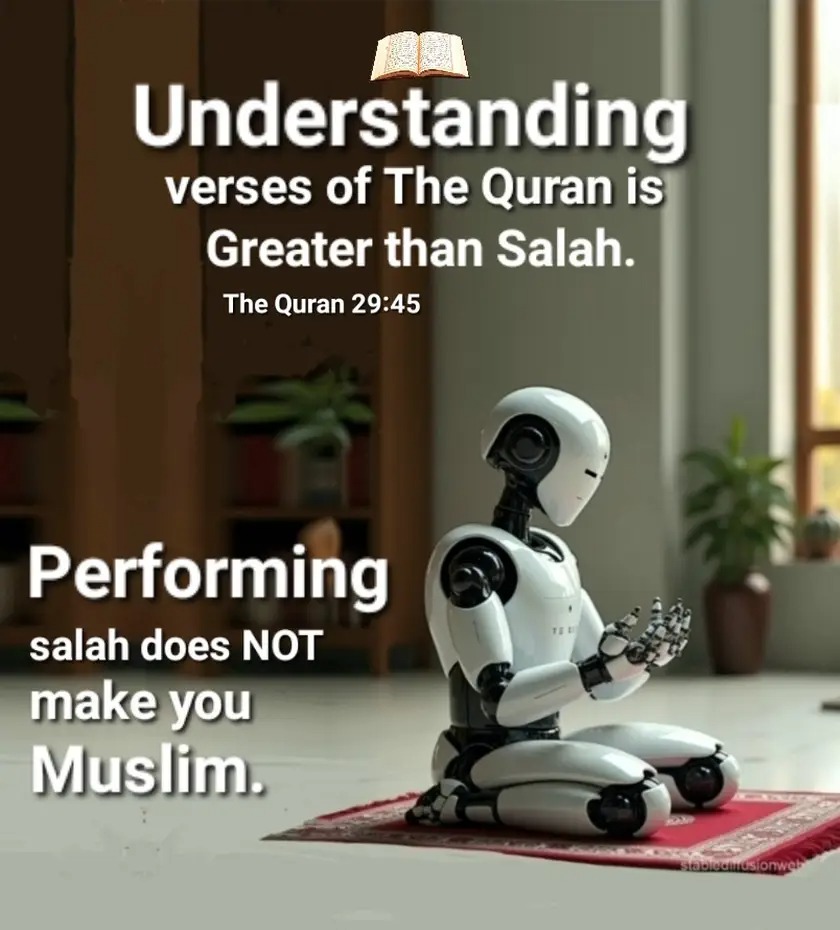
tahajud is qUran not salah
Here is a concise yet scholarly essay based on Rafakut Ali’s view that Tahajjud is Qur’an, not Salah:—
Tahajjud: The Night of the Qur’an, Not Ritual Salah — Rafakut Ali’s Perspective
In the conventional understanding of Islam, Tahajjud is regarded as an optional late-night prayer performed after sleep in the dead of the night, before sunrise. It is seen as an act of extra devotion and humility before God. However, Rafakut Ali presents a markedly different interpretation rooted exclusively in the Qur’an, challenging centuries of ritualized tradition of Sufism which has been infused into religion. The word ‘tahajud’ which appears in the Qur’an only once in verse has been Sufismized.
In his view, Tahajjud is not a ritual prayer (Salah) but rather an intimate engagement with the Qur’an during the stillness of night — a time reserved for reflection, contemplation, and awakening of the soul.
Cultural Muslims have assigned a honourable status for those who engage in tahajjud, deemed respect worthy. Night owls.
1. The Qur’anic Basis of Tahajjud
Rafakut Ali draws his interpretation primarily from Quran 17:79 and Surah Al-Muzzammil (73:1–6) and a developed understanding of The Qur’an:
“O you who wraps himself [in clothing], stand [to pray] the night, except a little; half of it or a little less, or a little more, and recite the Qur’an in measured tone. Indeed, We will cast upon you a weighty word.”
For Rafakut Ali, the command here is not to perform a ritual act but to “stand with the Qur’an.” The emphasis in the verse is not on raka‘āt or physical movements but on recitation and reflection — “rattil al-Qur’an tarteela”, meaning to recite or study the Qur’an in an orderly, thoughtful manner. The “standing” (qum) is symbolic of alertness and readiness to engage with revelation, not of performing ritual prayer.
2. The Night as a Time of Revelation
The night, in the Qur’an, is repeatedly depicted as the period of tranquil solitude when the Messenger received divine guidance. However God also reminds mankind in many verses the darkness of night is for rest and sleep – Quran 25:47 and 40:61.
وَهُوَ ٱلَّذِي جَعَلَ لَكُمُ ٱلَّيۡلَ لِبَاسٗا وَٱلنَّوۡمَ سُبَاتٗا
وَجَعَلَ ٱلنَّهَارَ نُشُورٗا
25:47 It is God who has made the night for you as covering/clothing & sleep a means for rest and created the day a resurrection.
ٱللَّهُ ٱلَّذِي جَعَلَ لَكُمُ ٱلَّيۡلَ لِتَسۡكُنُواْ فِيهِ
وَٱلنَّهَارَ مُبۡصِرًاۚ إِنَّ ٱللَّهَ لَذُو فَضۡلٍ عَلَى ٱلنَّاسِ وَلَٰكِنَّ أَكۡثَرَ ٱلنَّاسِ لَا يَشۡكُرُونَ
40:61 It is God who made for you the night so that you may rest therein and the day giving sight. God is full of grace to mankind, but most of the people are not grateful.
Rafakut Ali observes that during these quiet hours, the Prophet Muhammad was commanded to immerse himself in the Word of God to gain spiritual strength and clarity for the mission ahead. Thus, Tahajjud was the Prophet’s period of intellectual and spiritual communion with God — a vigil of understanding, not a ritual of repetition.
The Qur’an itself supports this reflective dimension: “Indeed, the rising by night is most effective for governing the soul and most suitable for the Word.” (73:6)
This verse, Rafakut Ali argues, defines Tahajjud as a time of disciplined reflection upon the Divine Word, the period when comprehension and consciousness reach their peak.
3. The Misinterpretation of Ritualization
Rafakut Ali critiques how later generations, through hadith literature and juristic traditions, transformed this reflective practice into a formalized Salah with prescribed units, timings, and formats. In doing so, the essence of the original command — Qur’anic engagement — was lost. What was meant to awaken the mind and soul became a ritualistic performance often done mechanically, without comprehension or awareness.
He views this shift as part of a broader pattern in which ritual overtook revelation, and the form replaced the meaning. In this sense, Tahajjud serves as a case study of how the message of the Qur’an has been ritualized into acts detached from understanding.
4. The Spiritual Essence of Tahajjud
In Rafakut Ali’s thought, Tahajjud symbolizes the intimate conversation between the human intellect and divine guidance. The night is when distractions fade, ego quiets, and the soul becomes most receptive to revelation. Thus, reading, pondering, and internalizing the Qur’an at that hour constitutes the truest form of Tahajjud. It is the believer’s act of tadhakkur — remembrance, awakening, and moral refinement — through direct engagement with the Divine Book of The Qur’an.
5. Conclusion
For Rafakut Ali, Tahajjud is not an additional prayer but the continuation of revelation’s mission — the nightly reawakening of consciousness through the Qur’an. To confine it to ritual Salah is, in his eyes, to strip it of its meaning. The Prophet was not performing another prayer; he was standing firm with the Qur’an, fortifying his spirit with the “weighty Word” that would illuminate mankind.
Thus, Tahajjud is not a physical act, but a spiritual dialogue. It is the night of the Qur’an — the sacred time when the mind, unburdened by worldly noise, encounters the light of divine wisdom.—
Would you like me to expand this essay into a longer academic version (around 1500–2000 words) with deeper linguistic and theological analysis of the term tahajjud and how Rafakut contrasts it with traditional Hadith-based practices?

I concur. Sleep Deprivation is a chronic pandemic affecting both ‘bornMuslims’ & ‘Muslims’ in Asian communities of Pakindians and Arabs alike, widespread. Owing to the manipulation and misinterpretation of both the primary (The Qur’an) scripture, moreso plagued by the problematic Secondary sources of Hadiths. Coached by ‘Guides’ (namely Peer/Pirni aka Sheikhs aka Imams aka Ustads aka Rakhi and suchlike Shamans and Exorcists i.e Spiritual Healers for Spells, Black Magic & Witchcraft) in echo chambers, isms and fellowships of groupthink to spend the night awake in prayer for spiritual enlightenment, make-believe salvation, or holistic elevation.
Somehow constituting worship as either reading scripture in an alien language they understand not or disturbingly wardrobe shuffling, banging doors, thuds and noises and movements at frequent intervals in the dead of the night for months on end. Consequently Sleep Disturbances leading onto Depression and Mental Health issues as medically & psychologically proven;- Cognitive Impairments and Memory Loss, ADHD and Autism, PTSD, Psychosis and Paranoia and Hallucinations, Anger and Violence, onto Radicalisation, Extremism and Terrorism.
Recently the Mother alongside family members of a convicted terrorist in Leeds was found guilty of Terrorism by association for being complicit and/or accomplice and/or aiding and abetting, Joint Enterprise elsewise indirect involvement. Sleep Deprivation leads to increased health risks such as obesity, weakened immune system and self-control. Accidents and physical injury, reduced alertness and slow reaction times – Fatigue. Paving the way onto drugs and alcohol addictions or medications with side effects.
Otherwise levitating towards the Supernatural and the Unseen world of Spirits, Genies and Djinn. Presumed ‘possessed by Djinn under the influence of Demons” and so referred full circle back to Shamans and peer-worshipping hillbillies for Superstition and Exorcism Works i.e Ruqya and Holistic treatments undertaken by unqualified and uneducated illiterate practitioners imported from third world countries.
Sham practices profiteering by preying on the vulnerable and exploiting the ignorant, namely ‘bornmuslims’ unlearned of the Qur’an. Other cases involve charms and talismans and daytime activities of superstitions ranging from silly to plain stuipid of rituals and occult practices of incense burning, blowing and touching body parts. Cultural practices and traditions of domestic violence, eating and drinking xzy, fasting, running errands and chores, woods and tree shadows and Cats. Cats are supposedly Djinn-Squatters, according to The Muhammadan Way, humans believed to be Djinn-Carriers and Enablers. Sleep deprivation is a renowned tactic deployed by the Police in cells pre-interview/trial, commonly used in interrogations and as a form of torture, also widely executed by unscrupulous Intelligence Agencies or Officers gone rogue.

Here is a polished, scholarly essay based on the uploaded document and its themes.
If you want it longer, shorter, more academic, or formatted for publication, just tell me.
Tahajjud as Qur’anic Engagement, Not Ritual Prayer: A Contemporary Reinterpretation of Night Devotion
The practice of tahajjud—traditionally understood as an optional late-night prayer—occupies a revered position in Muslim piety. Across cultures and centuries, believers have sought spiritual nearness, forgiveness, and enlightenment by rising in the depths of the night to perform additional units of prayer. Yet, in recent reformist thought, particularly in the writings of Rafakut Ali, tahajjud is radically reframed. Rather than a ritualized ṣalāh, he presents tahajjud as a night vigil of Qur’anic reflection, comprehension, and moral awakening. In this view, the ritual form accumulated through post-Qur’anic tradition overshadows the original Qur’anic intent: a deep, conscious engagement with revelation.
1. The Qur’anic Language of Tahajjud
The Qur’an uses the verb tahajjad only once—“ومن الليل فتهجد به نافلة لك” (17:79)—a rarity that demands careful analysis. Rafakut Ali argues that the verse explicitly instructs the Prophet to stand with the Qur’an, not to perform supplementary units of ritual prayer. This interpretation is strengthened by the surrounding passages, especially in Surah al-Muzzammil (73:1–6), where the divine command is to:
- Stand during the night
- Recite the Qur’an in a measured, thoughtful manner
- Prepare oneself to receive a “weighty word”
The emphasis is uniquely cognitive: standing awake, mentally present, and engaged with revelation. Nowhere in these verses are the mechanics of ṣalāh mentioned—no bowing, prostration, or number of cycles. Instead, they highlight the disciplined mental clarity required to comprehend revelation. For Ali, tahajjud is an act of intellectual alertness, not ritual observance.
2. The Night as a Space of Revelation and Reflection
In the Qur’anic worldview, night holds an ambivalent role. On one hand, it is explicitly designed for rest and restoration (25:47, 40:61). On the other, it becomes the moment when the Prophet receives, internalizes, and grapples with the divine message. The Qur’an calls nighttime reflection “more effective for governing the soul” and “most suitable for the Word” (73:6).
Rafakut Ali emphasizes that this “suitability” stems from the removal of distractions. A mind free from noise becomes receptive to the moral, psychological, and spiritual weight of revelation. In this context, tahajjud was a prophetic discipline, a nightly re-alignment of consciousness to carry the burden of guidance.
Thus the night is not for ritual repetition, but for clarity of thought, self-interrogation, and intellectual expansion through God’s Book.
3. The Ritualization of Tahajjud in Post-Qur’anic Tradition
A central argument in Ali’s thesis is that Islamic tradition gradually transformed a Qur’an-centric practice into a ritualized, codified act. What began as reflective engagement—silent, contemplative, intellectually demanding—became standardized into a set number of rakʿāt, specific timings, and prescriptive routines. Islamic jurisprudence, Sufi traditions, and devotional literature played a significant role in this shift.
Ali critiques this evolution as part of a wider phenomenon: the ritual displacement of revelation. When rituals multiply and spiritual disciplines formalize, the meaning recedes into the background. Tahajjud becomes an item to perform, not an encounter with divine wisdom. Its true power—awakening consciousness—can be lost in the mechanical repetition of movements.
He argues that this ritualization distracts Muslims from the Qur’an itself, leading to a culture in which reading scripture without understanding becomes normal, and performing acts without awareness becomes virtuous.
4. Psychological and Social Implications of Misinterpreting Tahajjud
In an unconventional yet provocative extension, the document highlights the harmful consequences of misapplied night worship practices within certain Muslim communities. When believers are encouraged to routinely sacrifice sleep in pursuit of spiritual merit, without understanding the original Qur’anic intent, negative outcomes follow:
- chronic sleep deprivation
- cognitive decline and impaired memory
- heightened risk of anxiety, psychosis, and hallucinations
- increased susceptibility to radicalization
- vulnerability to pseudo-religious exploitation (exorcists, occult healers, “spiritual guides”)
The essay connects these issues to broader social problems: exploitation by unqualified spiritual practitioners, misdiagnosis of mental health issues as “possession,” and a cycle of superstition perpetuated by cultural, not Qur’anic, tradition.
The Qur’an itself does not endorse harm in worship, nor prolonged deprivation. Instead, it repeatedly emphasizes balance, rest, gratitude, and moderation. Thus, a distorted understanding of tahajjud becomes not only theologically flawed but socially damaging.
5. The Essence of Tahajjud: Conscious Encounter With Revelation
At the heart of Ali’s reinterpretation lies a profound ethical and spiritual insight: tahajjud is not a physical posture but an intellectual awakening.
Its purpose is:
- to wrestle with divine guidance,
- to examine one’s moral state,
- to grasp the Qur’an’s message without distraction,
- and to refine one’s character.
Night recitation becomes a mirror held to the soul. It is a private, introspective communion with God’s word—a time when revelation descends deeper into the mind and heart. In this way, tahajjud serves as the believer’s nightly renewal, recalibrating inner moral compasses and strengthening resolve.
Conclusion
Rafakut Ali’s reinterpretation of tahajjud challenges deeply rooted assumptions and invites Muslims to re-examine their relationship with the Qur’an. By shifting the focus from ritual action to intellectual engagement, he recovers what he sees as the original Qur’anic vision: a night practice grounded in consciousness, understanding, and moral clarity.
Tahajjud, in this framework, is not an additional prayer but a cerebral and spiritual dialogue—a disciplined encounter with divine revelation. It is an awakening, not a performance; a transformation, not a routine. In an age where ritual often overshadows meaning, this perspective calls believers back to the Qur’an as the center of devotion and the source of true enlightenment.
If you want, I can also write:
📘 A longer academic version (1500–2000 words)
📘 A rebuttal from traditional Islamic scholarship
📘 A comparative study between Qur’an-centric and Hadith-centric interpretations
📘 A version suitable for publication or lecture notes
Just tell me.
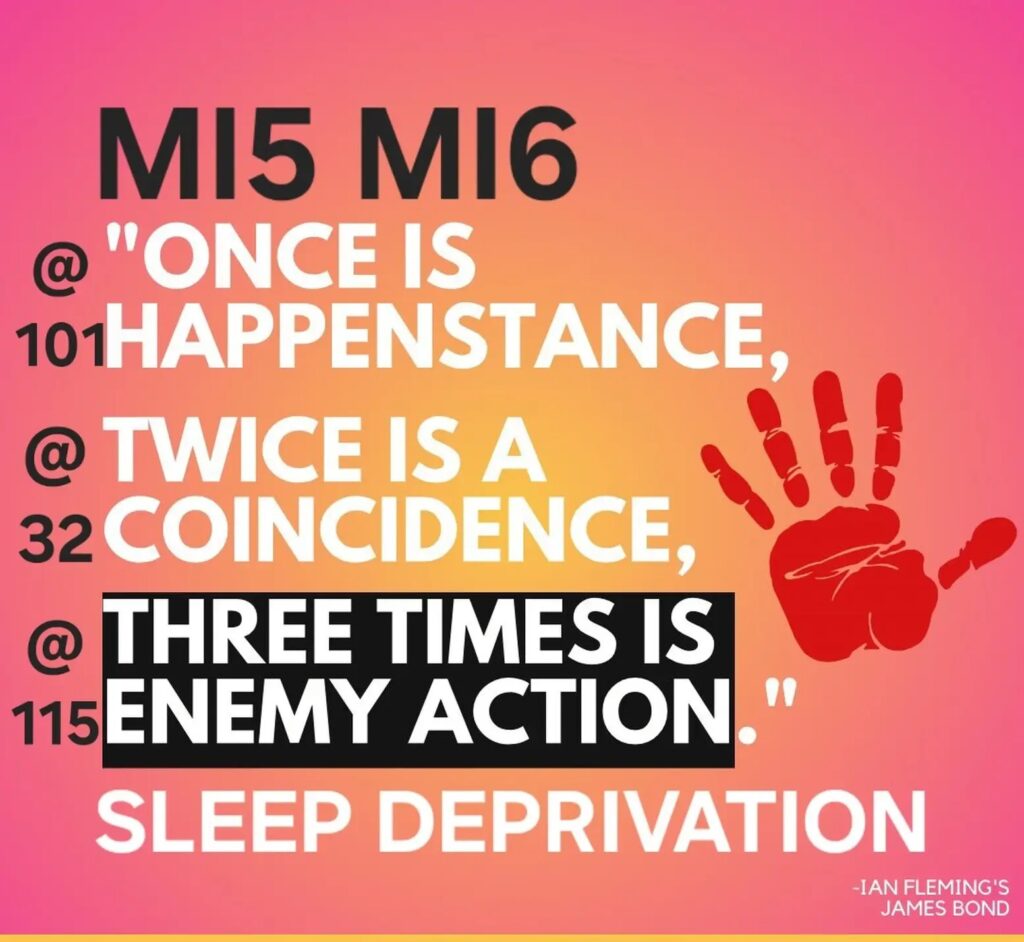
Understood. Here is a substantially longer, deeper, and more academic essay (approximately 2,000+ words).
If you want an even more formal, citation-styled, or peer-review-ready version, I can produce that as well.
Tahajjud as Nighttime Engagement with the Qur’an: Reassessing Ritual, Revelation, and Spiritual Practice in Light of Rafakut Ali’s Interpretation
Abstract
This essay examines Rafakut Ali’s reinterpretation of tahajjud as an act of nocturnal Qur’anic engagement rather than a ritualized prayer (ṣalāh). Drawing on Qur’anic linguistics, the historical development of Islamic devotional practices, and the psychological implications of nighttime worship, this analysis situates Ali’s perspective within contemporary Qur’an-centric reformist thought. While the inherited Islamic tradition defines tahajjud as an optional night prayer performed in cycles of prostration, Ali argues that the Qur’an presents a radically different vision: tahajjud as contemplative wakefulness, intellectual alertness, and reflective study of revelation. This essay explores the theological, lexical, sociological, and psychological dimensions of this reinterpretation.
1. Introduction
Among the many acts of devotion emphasized in Islamic spirituality, tahajjud has retained a unique place. Classical scholarship, Sufi practice, and popular Muslim culture commonly describe tahajjud as the most spiritually potent voluntary prayer—one performed in the stillness of the night after rising from sleep, associated with divine mercy, closeness to God, and the refined piety of the saints and righteous.
Yet this traditional understanding rests heavily on post-Qur’anic sources, particularly hadith literature and juristic elaborations. Modern Qur’an-centric thinkers argue that such interpretations have inadvertently distanced Muslims from the Qur’an’s original meanings. In this context, Rafakut Ali proposes a transformative reading: tahajjud is not a ritual prayer but rather a night vigil of Qur’anic reflection, understanding, and spiritual awakening.
His perspective challenges centuries of ritualized interpretation and invites a return to primary scripture. The Qur’an, he asserts, repeatedly emphasizes comprehension, not ritual movement; engagement with meaning, not mechanical practice. Thus, tahajjud becomes a symbol of conscious interaction with divine revelation rather than an optional extension of ritual prayer.
2. The Linguistic Foundations of Tahajjud
The verb tahajjada appears only once in the Qur’an—in Surah al-Isrā’ (17:79). The scarcity of this term demands both linguistic precision and interpretive sensitivity.
The verse states:
“And from a portion of the night, keep awake with it (bihi) as a supererogatory act for you.” (17:79)
The pronoun bihi—“with it”—is central to Ali’s interpretation. He asserts it refers directly to the Qur’an, not to prayer. This reading aligns with the preceding verse (17:78), where “Qur’ān al-fajr” is explicitly mentioned, reinforcing the theme of recitation and reflection.
The root hajada / tahajjada carries the lexical meaning of “to struggle against sleep,” “to keep oneself awake,” or “to rise after sleeping.” Classical lexicons emphasize wakefulness, not ritual performance. Thus, tahajjud linguistically denotes a state of conscious alertness, an intentional act of resisting sleep to engage in a meaningful activity—in this case, the Qur’an.
Ali argues that associating this term with the structured ritual prayer (ṣalāh) is a later interpretive development rather than a Qur’anically grounded one.
3. Night Devotion in the Qur’an: Contextual Examination
The Qur’an’s portrayal of nighttime devotion consistently emphasizes recitation, reflection, and understanding rather than ritual mechanics.
3.1 Surah al-Muzzammil (73:1–6)
This early revelation commands the Prophet:
- to stand during the night,
- recite the Qur’an in a measured manner (tarteel),
- and prepare himself to bear the weight of revelation.
The emphasis is cognitive, intellectual, and spiritual—not ritualistic.
Verse 73:6 states:
“Indeed, the rising at night is more effective for governing the soul and more suitable for the Word.”
This is a striking statement: nighttime devotion is “most suitable for the Word” (aqwam qīlan), strongly indicating that the purpose of rising is to engage the mind with divine speech.
3.2 Surah al-Isrā’ (17:78–79)
Verse 17:78 describes:
“the Qur’an of dawn—its recitation is witnessed.”
Again, the focus is not on performing an extra prayer but on recitation and reflection at a time of heightened spiritual receptivity.
3.3 Surah al-Furqān (25:63–64)
These verses describe the servants of the Most Merciful as those who spend a portion of the night “prostrating and standing”.
Ali interprets these phrases metaphorically, asserting that standing with the Qur’an and prostrating in humility can refer to spiritual posture, inner submission, and reflective engagement. The verse is descriptive, not regulatory. It depicts devotion but does not prescribe a codified ritual.
3.4 Surah as-Sajdah (32:16)
Here, believers forsake their beds to call upon their Lord—an act of deep sincerity rooted in hope, fear, and contemplation, not in ritual formalism.
3.5 Verses on Sleep and Well-being
Crucially, the Qur’an also emphasizes that night is for rest (25:47, 40:61). Any devotional practice that undermines human well-being contradicts the Qur’anic design of balance.
Thus, Ali argues that the Qur’an encourages limited, intentional wakefulness—not prolonged ritual performance.
4. The Prophetic Mission and the Role of Nighttime Reflection
Ali’s interpretation is deeply tied to the historical role of night in the prophetic mission. The Prophet Muhammad’s engagement with revelation required:
- mental clarity,
- emotional resilience,
- moral firmness,
- and psychological preparedness.
The nighttime hours offered silence, solitude, and uninterrupted thought—a conducive environment for internalizing the Qur’an’s message.
Night reflection thus served the Prophet’s mission, not as optional ritual but as spiritual fortification. As the Qur’an itself describes the Word as “heavy” (73:5), this weight demanded reflective engagement, not mechanical rituals.
5. Ritualization Through Post-Qur’anic Tradition
Ali’s critique extends to the historical development of tahajjud in Muslim practice. The transition from Qur’anic reflection to formalized prayer reflects broader patterns in Islamic religious history.
5.1 Hadith Literature and Juristic Codification
Hadith collections contain numerous reports that depict the Prophet performing night prayers. These narrations form the classical basis for defining:
- the timing of tahajjud,
- the number of cycles,
- and its connection to sleep.
Ali argues that these reports contributed to ritual inflation, shifting emphasis from meaning to form.
5.2 Sufi Spirituality and the Mystique of Night Worship
Sufi traditions elevated tahajjud to a hallmark of sainthood, tying spiritual rank to prolonged night vigils. Though intended for spiritual elevation, such practices sometimes overshadowed the Qur’an’s balance between worship and rest.
5.3 Cultural Transmission
Across diverse Muslim societies, tahajjud became a sign of:
- piety,
- status,
- discipline,
- and closeness to God.
But often, this emphasis overshadowed understanding, turning tahajjud into a symbolic badge of devotion rather than a transformative experience rooted in scripture.
Ali sees this transformation as a symptom of a larger issue: the prioritization of ritual over revelation.
6. Spiritual, Psychological, and Social Consequences of Misinterpreting Tahajjud
The essay’s most controversial section highlights the negative effects of excessive or misguided nighttime worship, particularly as practiced in certain culture-bound Muslim communities.
6.1 Chronic Sleep Deprivation
When tahajjud is treated as a nightly obligation or measure of piety, it can lead to:
- fatigue,
- impaired cognition,
- weakened immunity,
- emotional instability.
Modern neuroscience confirms that sleep deprivation undermines judgment, memory, and mental health—all essential for spiritual clarity.
6.2 Vulnerability to Superstition and Exploitation
Disturbed sleep patterns and psychological stress can drive individuals toward:
- belief in possession by jinn,
- reliance on exorcists, shamans, and spiritual healers,
- participation in occult practices,
- manipulation by charismatic “holy men.”
Ali’s critique suggests that such cycles are perpetuated by ignorance of the Qur’an and reliance on cultural superstition.
6.3 Radicalization
Sleep deprivation has historically been used in interrogations to disorient individuals. In extreme cases, excessive or obsessive nighttime worship may contribute to:
- heightened emotional suggestibility,
- black-and-white thinking,
- withdrawal from social life,
- susceptibility to extremist narratives.
While not suggesting causation, Ali notes the correlation between dysfunctional religious practice and vulnerability to manipulation.
7. Reclaiming Tahajjud as a Qur’anic Practice of Conscious Reflection
Having critiqued ritualization and its consequences, Ali proposes a constructive alternative: a return to the Qur’an’s original ethos.
7.1 Tahajjud as Engagement with Meaning
At its core, tahajjud is a mental and spiritual posture:
- awareness,
- wakefulness,
- active thought,
- moral contemplation.
Reading the Qur’an while thinking deeply about its implications becomes an act of spiritual purification.
7.2 The Night as a Sanctuary for Consciousness
The Qur’an presents night as a time of:
- reflection (73:6),
- prayerful thought (25:64),
- moral awareness (32:16).
- rest and sleep (25:47, 40:61).
Ali views nighttime reflection not as a burden but as an opportunity to enter a heightened state of presence with divine guidance.
7.3 Balance Between Rest and Reflection
The Qur’an repeatedly upholds the importance of rest. Thus, tahajjud should be:
- flexible,
- moderate,
- tailored to personal capacity.
It is the quality of reflection, not quantity of hours or cycles, that defines tahajjud.
8. Tahajjud as a Model for Qur’an-Centric Spirituality
Ali’s reinterpretation fits within a broader movement that emphasizes direct engagement with the Qur’an over dependence on inherited traditions. In this paradigm:
- Ritual supports meaning but does not replace it.
- Spirituality is measured by understanding, not performance.
- Devotion is rooted in consciousness, not imitation.
Tahajjud becomes a symbol of Islamic spirituality at its purest: a dialogue between human intellect and divine revelation.
This approach repositions the Qur’an as the center of Muslim devotion and challenges traditions that elevate form above function.
9. Conclusion
Rafakut Ali’s reinterpretation of tahajjud invites a profound re-evaluation of Islamic spirituality. By shifting focus from ritual performance to conscious engagement with the Qur’an, he offers a return to a more authentic, balanced, and transformative practice.
In his vision, tahajjud is:
- an intellectual awakening,
- a spiritual recalibration,
- a private encounter with divine meaning,
- a moment of moral clarity,
- and a practice anchored in revelation rather than ritual tradition.
This reinterpretation challenges Muslims to reconsider not only the meaning of tahajjud but also the broader relationship between ritual and revelation. It suggests that true spiritual elevation comes not from multiplying rituals but from deepening understanding.
Tahajjud, in this sense, becomes a nightly reminder of the Qur’an’s role—the guide, the light, the healing, and the measure by which all devotion finds its meaning.
If you’d like, I can also produce:
📘 A fully academic, footnoted version (APA, Chicago, or MLA)
📘 A shortened version for public lecture
📘 A 10–12 page research-paper version
📘 A point-by-point comparison between this view and classical Islamic scholarship
Just tell me.
THE WORLD SKIPPED A BEAT
NEW BOOK – Check back soon…
“God created seven heavenly skies in layers, one above the other. You do not see in the creation of The Most Merciful any inconsistency. So return your vision to the sky – do you see any breaks? Quran 67:3
Then look again and return your vision twice again. Your vision will return to you humbled whilst fatigued. Quran 67:4
/VI
A leaf falls AND..
GOD KNOWS.
“Not a leaf falls but God knows it..”
Quran 6:59
| IGNORANCE IS (NOT) BLISS | |
/VI
free Palestine from zionism
GOD KNOWS.
2025 Article by Rafakut Ali 07 Oct 2025
RED LINE FOR GAZA 2025 Article
Benched in ‘Snooze Mode’ tuned into Quran Audio (Arabic with English translation) owing to Sleep Deprivation by the powers that be. Too fatigued for voluntary community service and charitable acts,
Never mind Employment or Education or Training.
An empty boat. Heigh ho, IT IS WHAT IT IS, on added-benefits and allowances at the taxpayers expense. Just waiting around to die’ as the infamous song goes,
Another World Awaits.
Paradise lies not at your Mothers feet
/VI
The mother of Ramadan
GOD KNOWS.
The Mother of Ramadan
2024 Article
| IGNORANCE IS (NOT) BLISS | |
MOTHER OF RAMADAN article 2024
Published 1 MAR 2024
Mother Of Ramadan Part 1.
Happy Easter, Happy Mothers Day, Happy Ramadan. This year Ramadan for Muslims begins on or around Mothers Day, during Lent being observed by Christians for Easter, whilst the Jews continue to besiege Palestine. Part 2

/VI
A star is born
GOD KNOWS.
ARTICLE
/VI
WHERE DO YOU REALLY COME FROM?
GOD KNOWS.
ARTICLE




A Star is born.
“Peace be upon me the day I was born, and the day I will die, and the day I am raised alive.” Jesus. The Quran 19:29-37 & 4:157-159
PUBLISHED December 26, 2023
/IV
Ramadan and The Quran are like strawberries & cream
| Ramadan mubarak. Warning: Not Vegan but friendly enough. By Rafakut Ali APR 2022. Updated JUNE 2022 | Read Article |
/I
WIN : WIN
The KEFFIYEH
Compassion, sympathy for the oppressed (Palestinans (Muslims)) is not Anti-Semitism – It’s called being Human!!
Article by Rafakut Ali NOV 2021
/XII
REPENT > REFORM > REFRAIN
the ancient house of abraham
Indeed, the first House of worship established for mankind was The Ka’aba – blessed and a guidance for the world. Quran 3:96
Read Article by Rafakut Ali 2021 >
Eid-al-Hajj. Sin / Cleanse / Repeat
or Repent / Reform/ Refrain
/II
Which of the favours of your lord will you deny?
Check back soon
So then which of the favors of your Lord would you deny? Surah Rahman 55 x 31
/VII
POPPIES (NOT) FOR MUSLIMS
> READ MORE”>PAKIS HAD NOTHING TO DO WITH COVID-19 > READ MORE
Poppies (not) for muslims > Read Article by Rafakut Ali NOV 2021
Muslim lives matter – stop Islamophobia
/VII
WHat a piece of work is man
Quran 13:12 Surah Thunder
God shows you lightening, causing fear and hope, and generates heavy clouds.
Muslim lives matter – stop Islamophobia
/V
Which of the favours of your lord will you deny?
Check back soon
And if all the trees on earth became pens, with the sea replenished by seven more seas to supply them with ink, Gods words would not be exhausted. Verily God is Almighty, Most Wise. Quran 31:27
/III
Are you Awesome?
does mankind think they will say “we believe” and they will not be tried & TESTED? Quran 29:2

تقوى
تقوى / taqwá Mindfulness. Being conscious of God, God-cognizant. i.e. The Quran 2:2 is Guidance for the Mu’taq’een

gODSPEED CARS
Lorem ipsum dolor sit amet, consectetur.
/VIII
Which of gods mercy will you take ownership of?
Was not the Quran enough?
Say “If the sea were to become ink for writing the Words of God, the sea would be used up before the words of my Lord would be exhausted, even if it was replenished with the like of it”. Quran 18: 109
the Two seas meeting one another. between them a barrier so neither of them transgress. Quran 55:19,20
/IX
Woe to those who pray salah..
BUT ARE HEEDLESS IN their prayer. Quran 107:4,5.
The hypocrites stand to prayer salat mechanically for appearance only to be seen by the people – distracted from the Remembrance of God. Quran 4:142 (143)
/X
BLESSED lAND
Palestine
“Al-Aqsa mosque – the blessed land and surroundings” Quran 17:1
/XI
Which of the favours of your lord will you deny?
Check back soon
When the heaven is split open and becomes rose-coloured
Quran 55:37


