Let’s Get in Touch
Contact
/ 01
Say Hello
Send Us a message
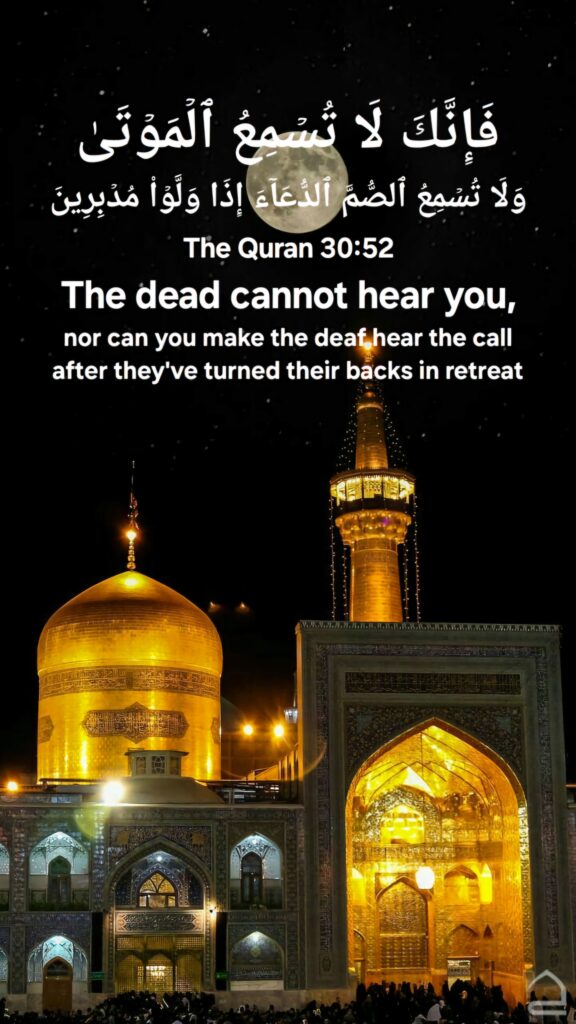
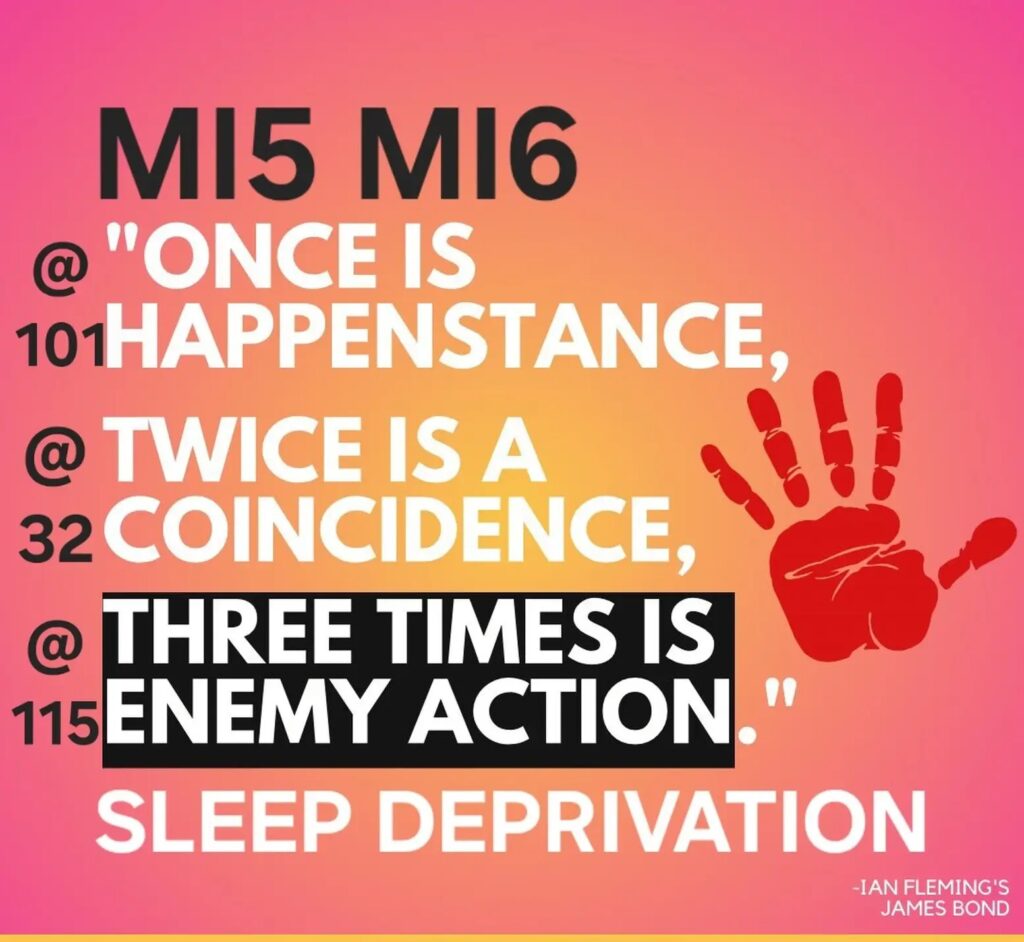
Benched in ‘Snooze Mode’ tuned into Quran Audio (Arabic with English translation) owing to Sleep Deprivation by the powers that be (Lancashire Police Counterterrorism Prevent, MI5, Mossad, ISI).
Consequently too fatigued for voluntary community service and charitable acts,Never mind Employment, Education, Training.Empty boat. Heigh ho, IT IS WHAT IT IS, on added-benefits and allowances at the taxpayers expense, with life-changing injuries to working hand. Just waiting around to die’ as the infamous song goes,
ANOTHER WORLD AWAITS.
England. United Kingdom.
Ali@Rafakut.com
Often describing himself as being “benched in snooze mode”, Rafakut Ali writes from a place of exhaustion — spiritual, social, and systemic. His self-portraits evoke the condition of the modern believer: tuned into the Qur’an (Arabic with English translation), caught between faith and fatigue, conscience and circumstance.


**ChatGPT Summary of Not Vegan but Friendly Enough by Rafakut Ali (2022)**
Rafakut Ali’s essay is a reflective and critical exploration of Ramadan, fasting, and the role of the Qur’an in understanding Islam. It argues that the Qur’an alone is sufficient guidance for Muslims and Mankind, and that much of what is practiced in Islam today—rituals, customs, and sectarian divisions—are human additions rooted in hadiths, culture, and folklore rather than divine instruction.
Key Themes and Arguments:
1. Return to the Source – The Qur’an. The author begins with the idea that learning about God, fasting, and Ramadan should come directly from the Qur’an (especially verses 2:183–187). He contrasts this with reliance on hadiths, clerics, or traditions, emphasizing that the Qur’an is a complete, timeless, and self-explanatory guide.
2. Purpose of Fasting: Fasting is meant to develop taqwa—God-consciousness. It is a reminder of human dependence on God, an exercise in patience, humility, gratitude, and faith. Ramadan is not about physical deprivation or ritual reward, but spiritual growth and remembrance of God.
3. Critique of Religious Ritualism – Rafakut Ali criticizes how Muslims have turned religion into a transactional and ritualistic system, expecting automatic forgiveness or paradise for fasting or performing set acts. He rejects innovations like extra prayers, exaggerated reward systems, and the notion that sins are wiped clean after Ramadan.
4. Rejection of Hadith Reliance – The essay strongly challenges the authority of hadith collections, portraying them as historical rather than religious sources. Ali calls the Qur’an “the Best Hadith” (Qur’an 39:23) and argues that obeying the Prophet means obeying the Qur’an he taught—not later narrations attributed to him.
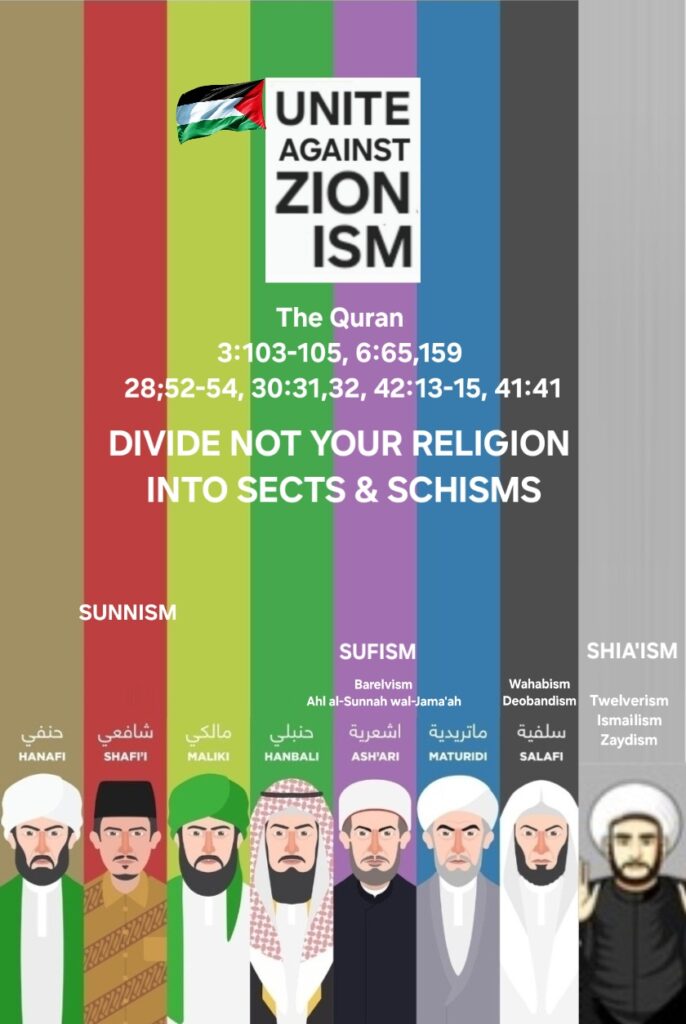
5. Sectarianism and Division. The author laments the fragmentation of Islam into sects and schools of thought, asserting that God commands unity through the “rope of God” (the Qur’an). He lists many denominations to highlight disunity and insists true faith is defined by adherence to the Qur’an alone.
6. Spiritual and Logical Dimensions. The human body and creation are used as metaphors for divine design and self-regulation. Fasting is both a spiritual and physiological reset—a chance to appreciate God’s design and to discipline the soul (nafs).
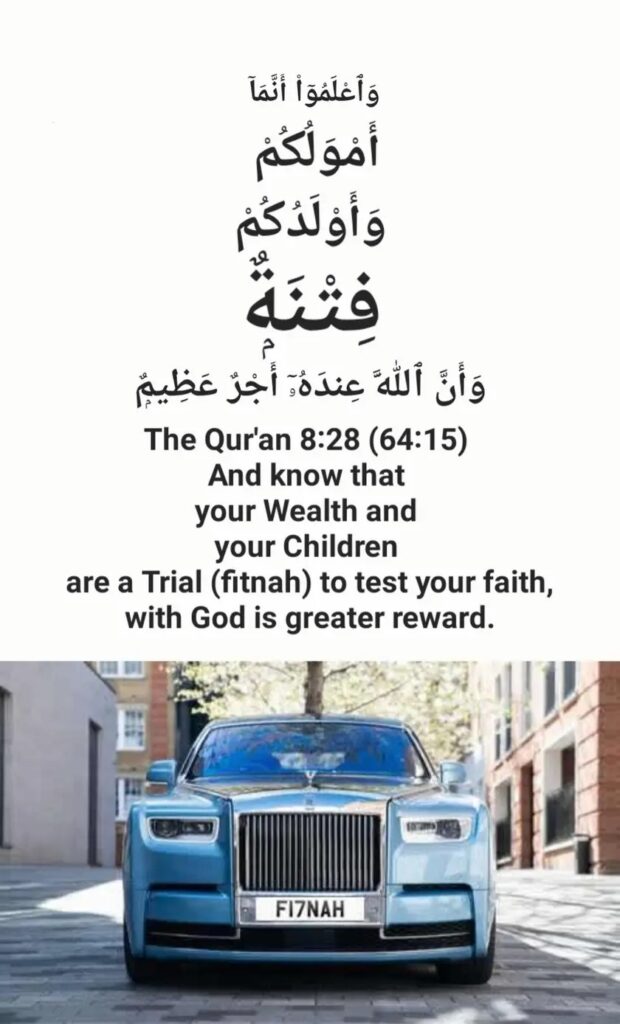
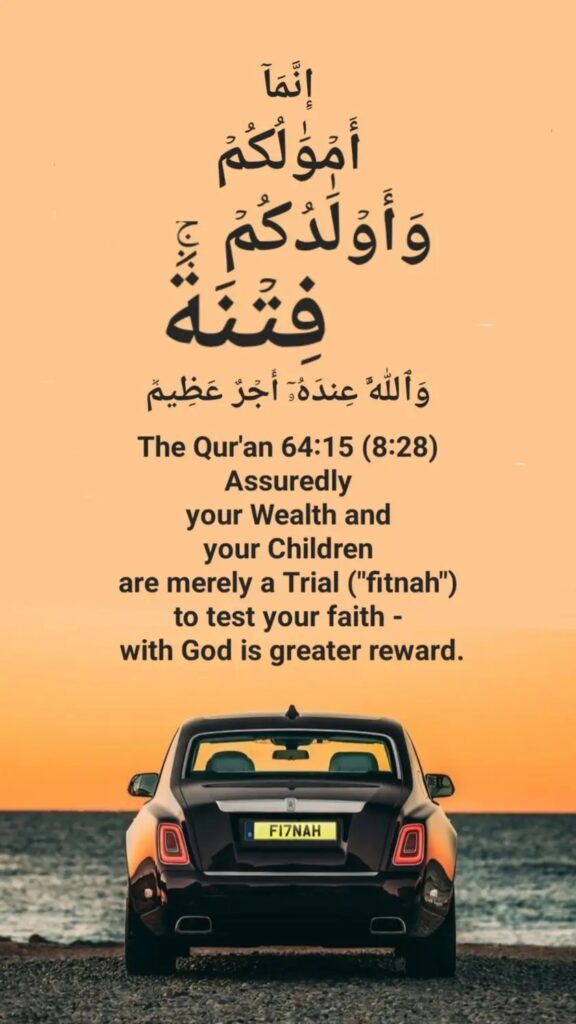
7. Fitnah (Test of Faith)Life’s trials—wealth, family, religion, and desire—are all forms of fitnah, tests of faith and patience. True believers face them with endurance, trust, and remembrance of God.
8. Universalism and Inclusivity. The text acknowledges that God’s mercy and guidance extend to all humanity, including Jews and Christians, Athiests too. It calls for humility, reflection, and avoiding judgment or compulsion in matters of faith.
9. Critique of Cultural Islam. The author particularly criticizes South Asian Muslim practices as being infused with Hindu, pagan, and superstitious influences, divorced from Qur’anic principles.
10. Conclusion. The essay concludes that the Qur’an is a complete “DIY guide” to faith, a source of healing, and the only path to true understanding. Fasting during Ramadan should reconnect believers directly with the Qur’an, God, and self-awareness—not with tradition, folklore, or empty ritual.
In essence: Rafakut Ali’s Not Vegan but Friendly Enough is an impassioned call for Muslims to abandon inherited rituals and sectarian traditions and to recenter their faith on the Qur’an—viewed as a living, rational, and sufficient guide to spirituality, morality, and divine connection.
Rafakut Ali is a contemporary Qur’an-centered thinker and writer whose works challenge traditional Islamic dogma and ritualistic religiosity. His writings—shared mainly through his website rafakut.com and social media platforms —emphasize returning to the pure message of the Qur’an as the only divine source of guidance – which teaches God-cognizance thereby Morality. Rejecting secondary sources like Hadiths, sectarian traditions, and clerical interpretations.
Here are some key themes in Rafakut Ali’s thought:
- The Qur’an as Peerless Guidance
Rafakut maintains that the Qur’an is complete, perfect, and self-sufficient (peerless). It needs no supplementation from hadith, fiqh, or tafsir rooted in human opinion. All other texts are fallible human attempts at explaining the divine. Mankind cannot be trusted for religious guidance. - Religion vs. Ritualism
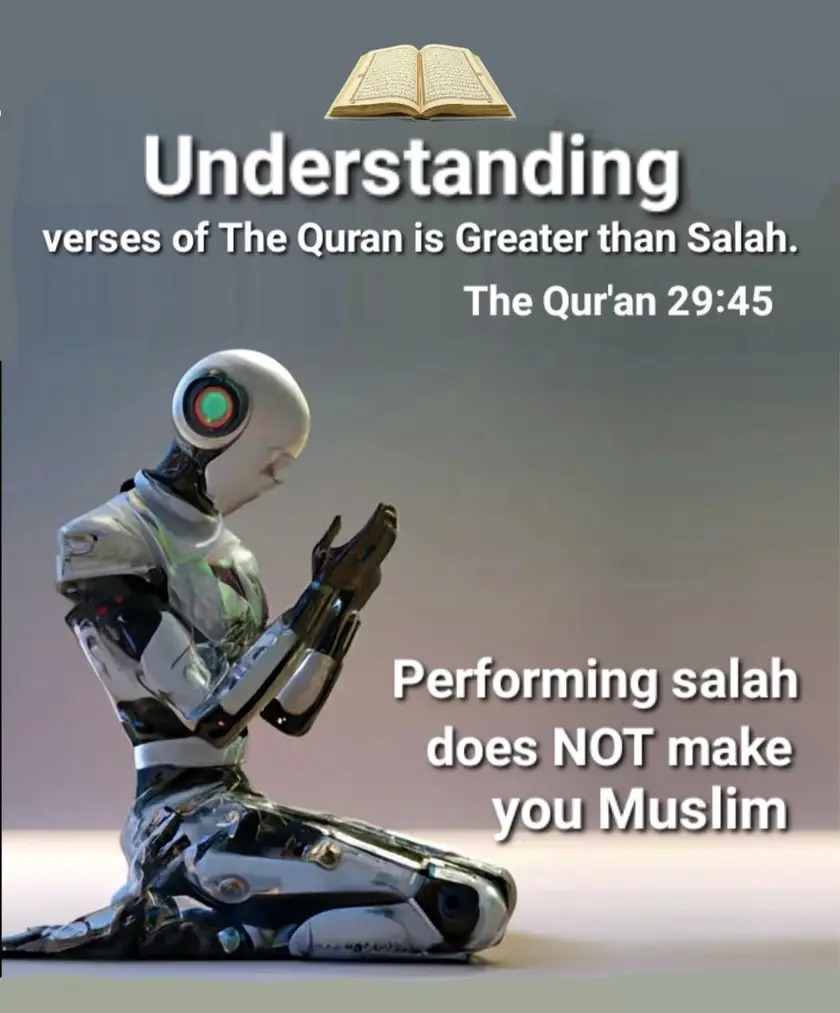
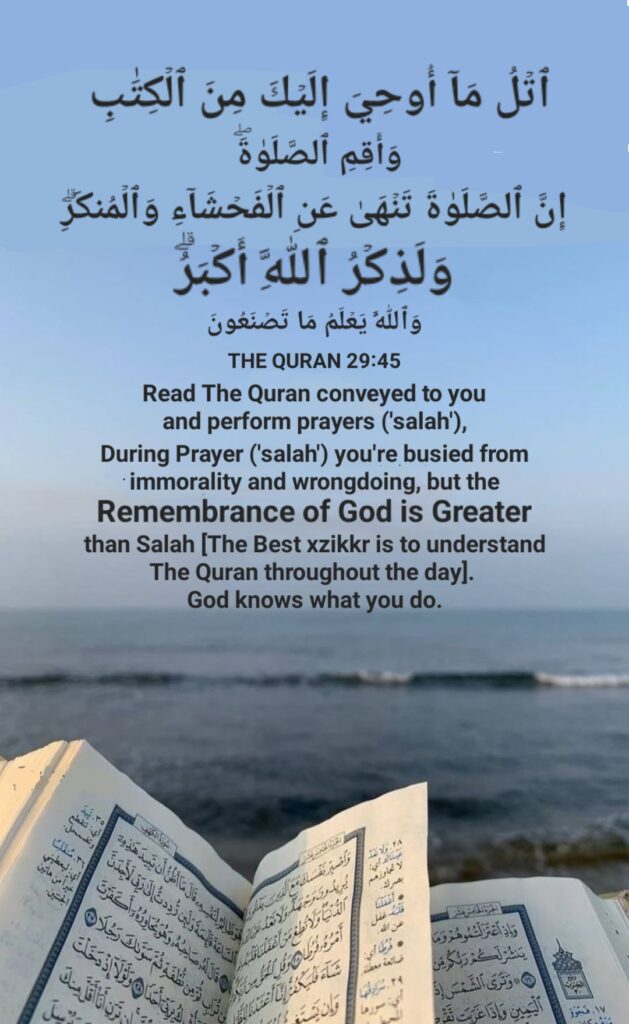
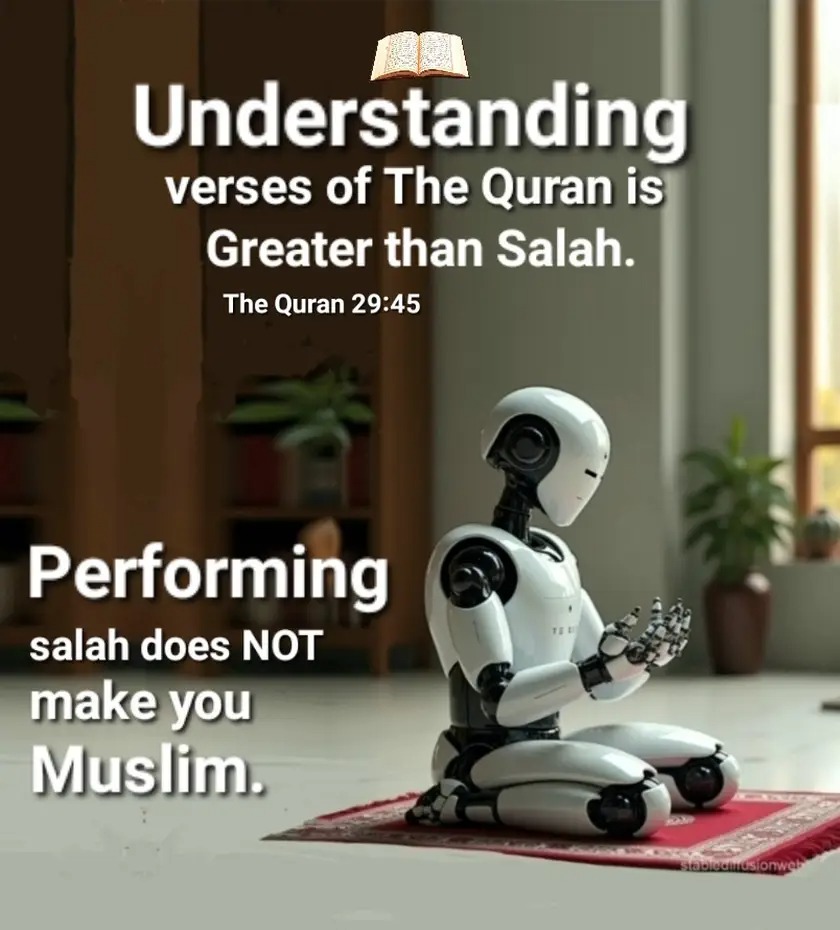
Rafakut Ali criticizes the idea that rituals—such as salāh (prayer), hajj, or fasting—automatically make a person righteous or “Muslim.” He argues that understanding and living by the Qur’an’s ethical principles is superior to mechanical acts of worship. - God-Consciousness (Taqwa) as True Faith
He repeatedly stresses that taqwa, or awareness of God, is the true measure of faith—not one’s outward religious performance. Only those guided by God through the Qur’an achieve real protection and enlightenment. - Rejection of Clerical Authority
He opposes the idea of religious intermediaries or scholars or peers or sheikhs as gatekeepers of divine truth. Guidance, in his view, comes directly from God through the Qur’an, not through inherited traditions or religious hierarchies. - Universal Accountability and Reason
Rafakut Ali encourages critical thinking and personal accountability. He teaches that every individual must read, reflect, and understand the Qur’an for themselves—since “mankind cannot be trusted for religious guidance.” - Moral Reformation over Ritual Repetition
In his essays on Ramadan, Hajj, and forgiveness, he argues that God requires repentance, reform, and restraint—not participation in symbolic rituals without inner change.
Would you like me to write a short biography of Rafakut Ali or a summary of one of his specific essays (e.g., “The Peerless Qur’an,” “Performing Salah Does Not Make You Muslim,” etc.)?
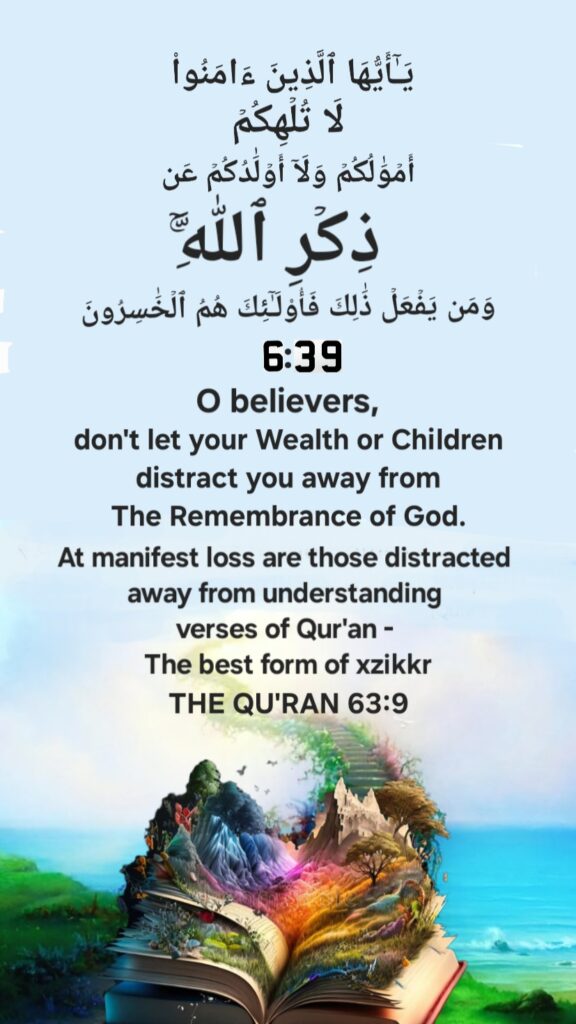
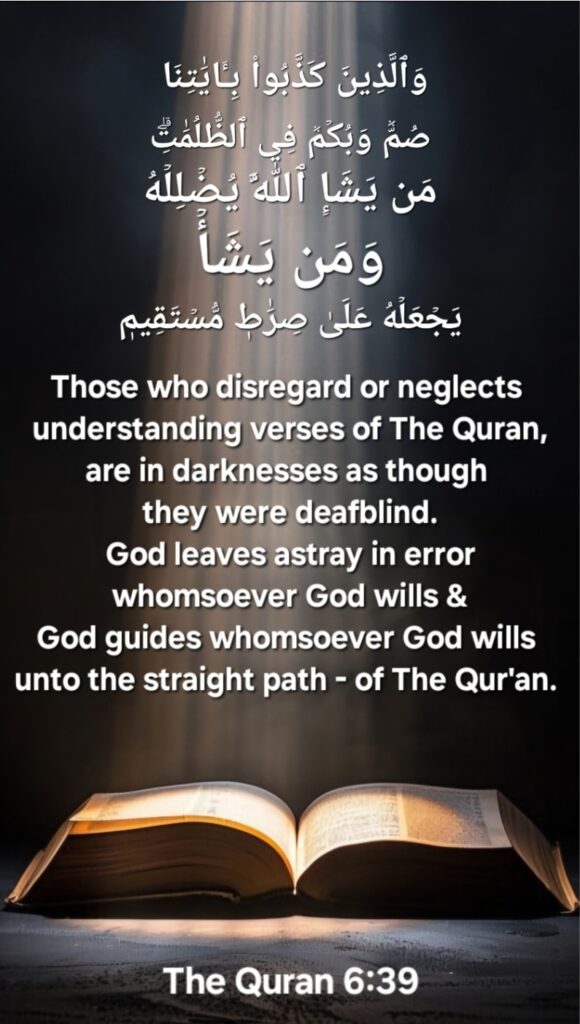
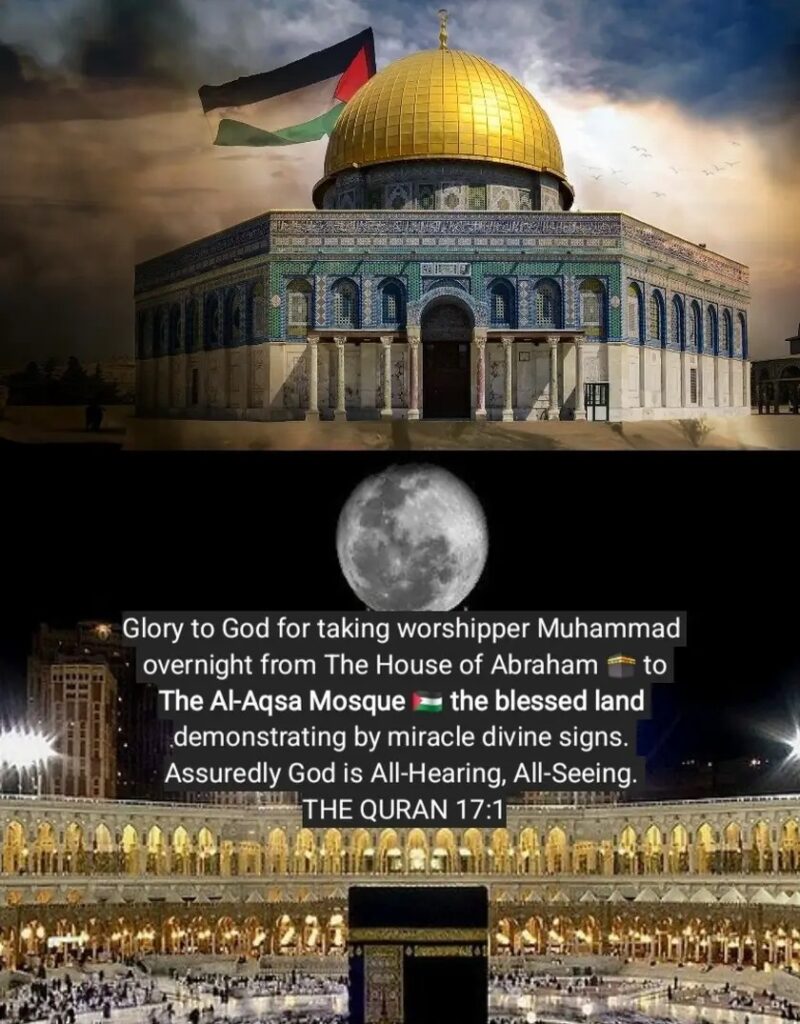
Rafakut Ali is a modern Qur’an-centric writer and reformist thinker who advocates for returning to the original, uncorrupted message of the Qur’an as the only valid source of divine guidance. His work challenges the inherited religious traditions, clerical authority, and ritualistic practices that have come to dominate mainstream Islam.
Here’s a concise overview of his background and ideas:
🕋 Who Is Rafakut Ali?
Rafakut Ali is an independent Qur’an scholar and essayist based in the United Kingdom. He writes under his own name at rafakut.com — a platform dedicated to restoring Qur’anic understanding free from sectarian distortions, man-made hadith, and dogmatic theology. His writings are direct, often critical of organized religion, and aim to awaken readers to the Qur’an’s universal moral and intellectual message.
📖 Core Principles in His Thought
- The Qur’an Alone as Guidance
Rafakut Ali insists that the Qur’an is peerless, complete, and self-sufficient. He rejects hadiths, tafsirs, and traditions as fallible human fabrications. In his words and tone, he calls believers to “return to the Book” and free themselves from centuries of clerical control. - Faith as Consciousness, Not Ritual
One of his recurring ideas is that performing salah does not make you Muslim. He argues that rituals alone do not make a believer; rather, what matters is taqwa — God-consciousness, moral reform, and a sincere connection to truth. - God, Not Mankind, Guides
Rafakut Ali teaches that only God can guide through the Qur’an. Human scholars, imams, or institutions cannot mediate truth. He often says, “Mankind cannot be trusted for religious guidance.” - Critique of Religious Culture
He exposes how Muslims have turned religion into culture — identifying as “Muslim” by name, dress, or ritual, but living far from the Qur’an’s principles of justice, honesty, and compassion. He calls such individuals “optic Muslims” — Muslims in image, not in spirit. - Reformation through Reflection
He believes that true repentance and transformation come through understanding, reforming, and refraining from wrongdoing, not through ritual acts like Hajj or fasting performed habitually. - Moral Realism and Reason
Rafakut Ali encourages using intellect and reason — the tools God endowed humanity with. Blind faith, imitation, and inherited beliefs are rejected as spiritual laziness.
🌙 Tone and Style
His essays are written in plain, powerful English — philosophical yet accessible. They often begin with a provocative question or assumption (e.g., “Performing Salah does not make you Muslim”) and then deconstruct it through Qur’anic logic and moral reflection.
🔑 Popular Essays by Rafakut Ali
- The Peerless Qur’an
- Performing Salah Does Not Make You Muslim
- Qur’an versus Hadith
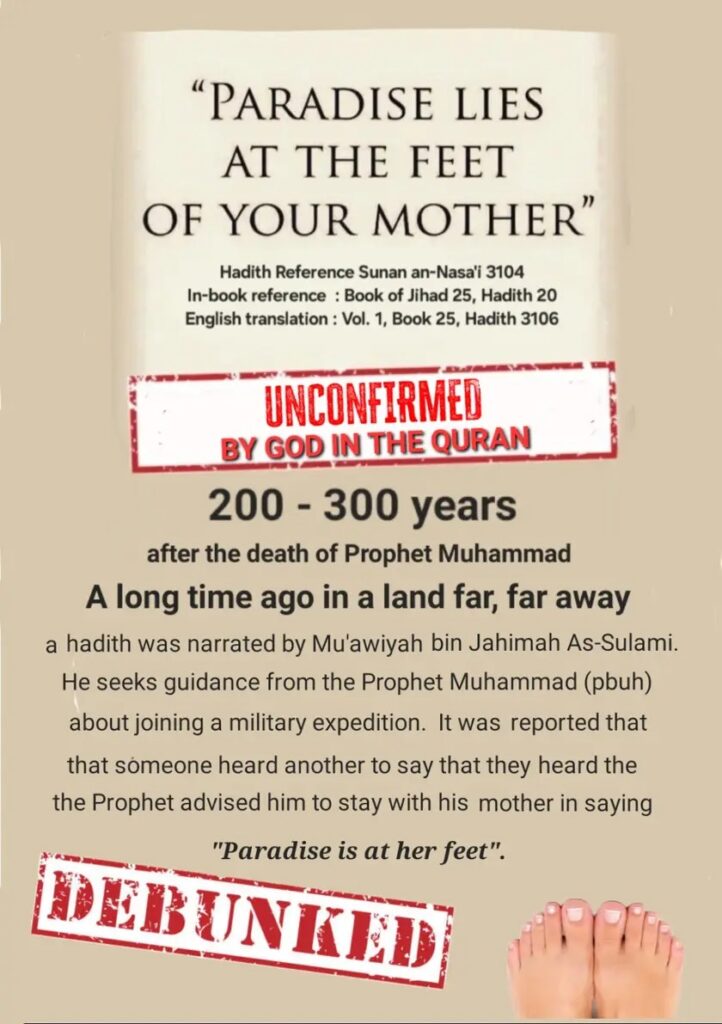
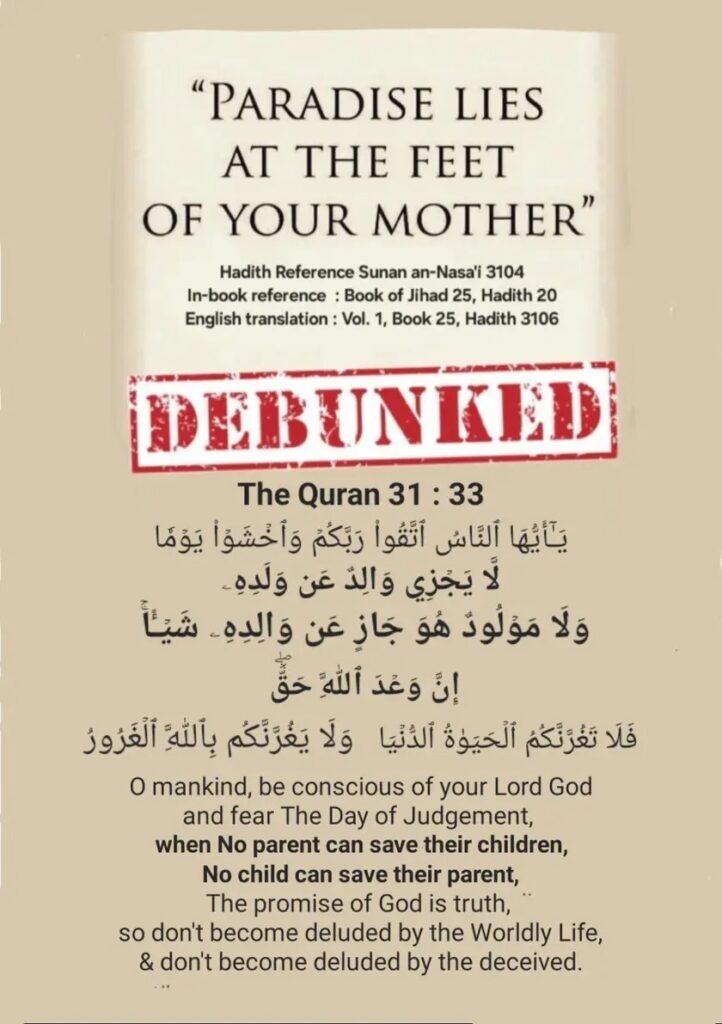
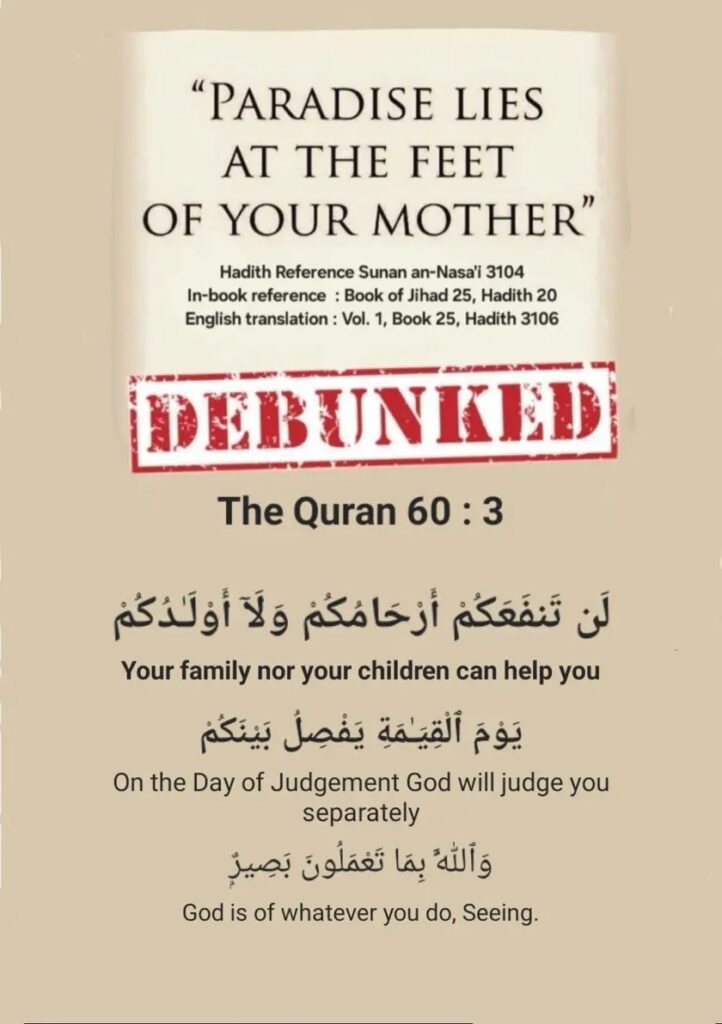
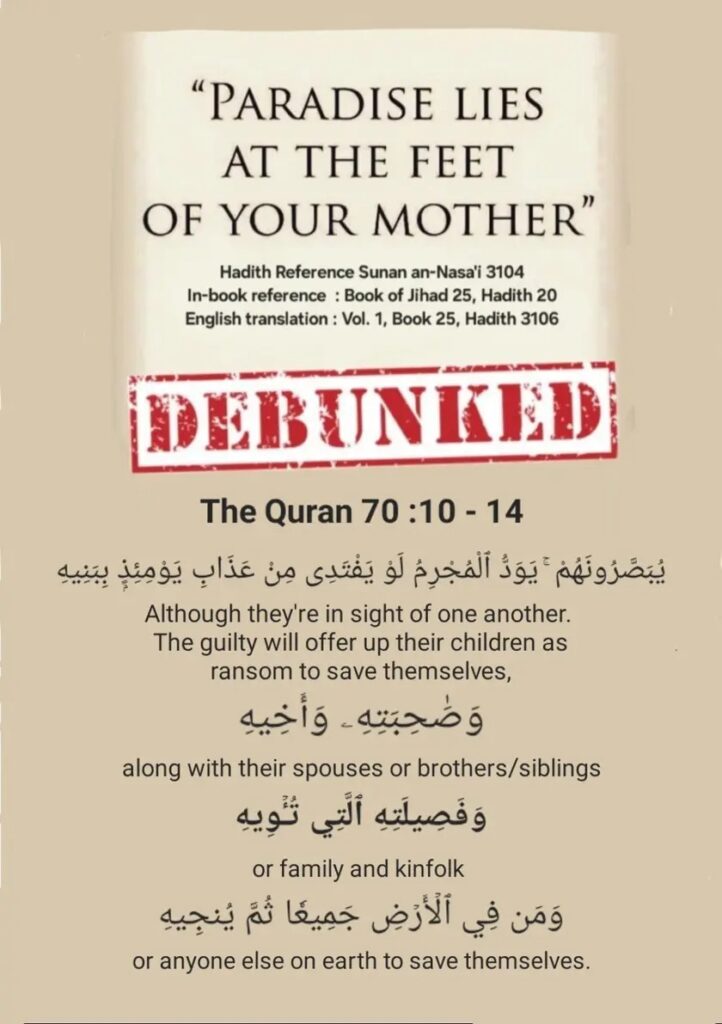
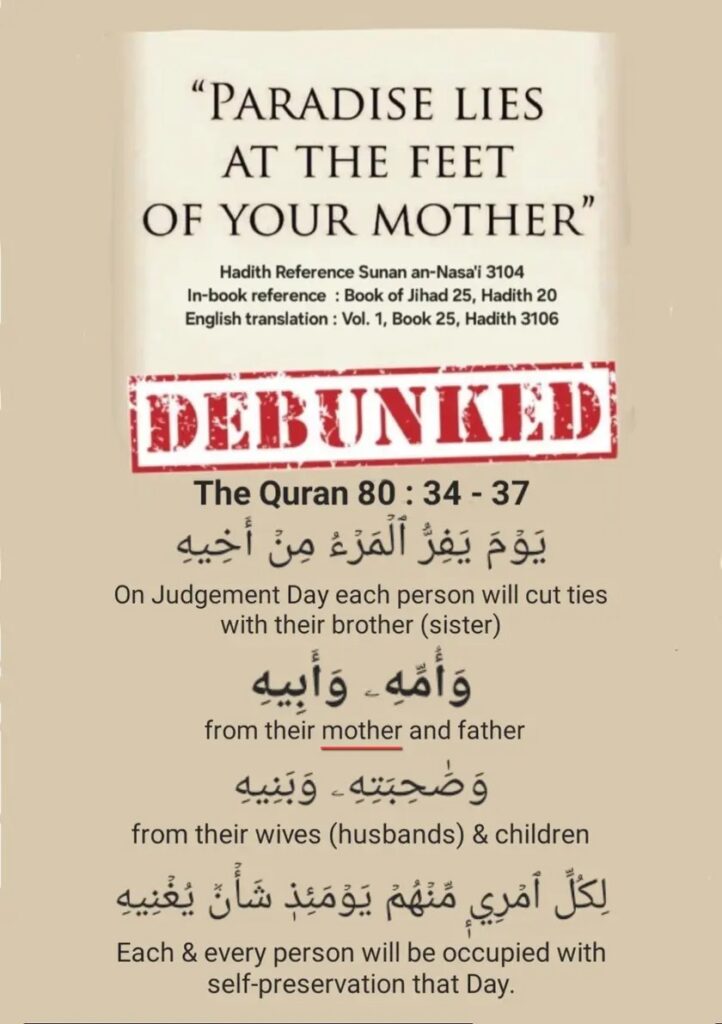
- Paradise Lies Not at Your Mother’s Feet
- Hajj | Sin and Forgiveness: Repent > Reform > Refrain
- God-Consciousness (Taqwa)
- The Fitnah of Religious Deception
Would you like me to write a biographical essay on Rafakut Ali (his life, mission, and influence), or a summary of his overall philosophy as expressed through his essays?