
taqwa – God-coGNIZANCE
MU’taq’een
2024
‘Perhaps you love a thing bad for you; perhaps you dislike something good for you.’
WORLDY LIFE – HEREAFTER
وَٱتَّقُوا۟ ٱللَّهَ

What is taqwA
Here is a full essay written in the tone and reflective style of Rafakut Ali — on his understanding of Taqwa (God-consciousness), one of the most central and recurring concepts in his thought and writings.
Taqwa: The Essence of Faith
Rafakut Ali’s Perspective
Among all the Qur’anic virtues, taqwa stands at the heart of Rafakut Ali’s philosophy of faith. To him, taqwa — often translated as “God-consciousness” or “mindfulness of God” — is not a feeling confined to rituals or piety, but the living awareness that shapes every thought, word, and action. It is the soul of Islam, the moral compass that directs the believer toward truth and justice.
In Ali’s writings, taqwa is not an occasional state of spirituality; it is a constant awareness of one’s responsibility before God. It defines the difference between a believer who performs rituals mechanically and one who lives in continuous moral and spiritual consciousness.
The Qur’anic Foundation of Taqwa
Rafakut Ali begins by reminding readers that the Qur’an introduces itself as:
“A guidance for those who have taqwa.” (2:2)
This, he argues, reveals a profound truth: guidance is not received by all who read the Qur’an, but by those whose hearts are open, sincere, and conscious of God. The Qur’an does not merely inform; it transforms — but only those who approach it with humility, honesty, and moral awareness can receive its light.
Ali frequently contrasts this with the modern Muslim condition, where religion is often treated as an identity rather than a discipline of conscience. “One may perform prayer five times a day,” he writes, “and yet be heedless of God in all five.” Without taqwa, acts of worship become hollow forms — external gestures devoid of inner substance.
Taqwa as Awareness, Not Fear
Ali is careful to challenge the common translation of taqwa as “fear of God.” He insists that taqwa is not fear born of terror or servitude but an awareness born of love, reverence, and moral sensitivity.
“To have taqwa,” he writes, “is to walk through life knowing that every step leaves an imprint before God.”
For him, fear-based religiosity enslaves the mind, while taqwa ennobles it. It is the consciousness that God is aware of our intentions, that every word and deed carries weight. This awareness breeds humility, self-restraint, and compassion.
He often cites the verse:
“The most honored of you in the sight of God is the one with the most taqwa.” (49:13)
Ali interprets this as the ultimate declaration of moral equality — status before God is not inherited through lineage, wealth, or ritual display, but earned through the integrity of one’s character and the sincerity of one’s heart.
Taqwa as a Way of Life
For Rafakut Ali, taqwa is not confined to acts of worship but extends to every domain of life — how one earns, speaks, treats others, and responds to injustice.
He writes that a society that loses taqwa becomes unjust, corrupt, and hollow, no matter how outwardly religious it appears. Mosques may multiply, but morality diminishes when conscience dies.
“Without taqwa,” he warns, “faith becomes an ornament; Islam becomes performance.”
Ali describes taqwa as a living light that guides moral decisions. It is the internal voice that restrains one from deceit, pride, and cruelty — not because the law forbids them, but because the heart, alive with divine awareness, cannot bear to offend truth.
Taqwa and Hypocrisy
One of Ali’s recurring themes is the distinction between ritual piety and spiritual consciousness. He warns against those who outwardly perform religious duties but lack taqwa within.
He cites Qur’an 2:177, which redefines righteousness not as ritual observance, but as faith translated into justice, compassion, and humility.
Ali writes:
“You may see men who never miss a prayer, yet their hearts are asleep. You may see others who never fast, yet their conscience trembles before doing wrong. It is not the act but the awareness that determines faith.”
This insight reflects his wider critique of superficial religiosity — that Islam, as the Qur’an teaches, is not a matter of appearances but of inner transformation.
Cultivating Taqwa
According to Rafakut Ali, taqwa is cultivated through self-reflection (muhasabah), sincerity (ikhlas), and constant remembrance (dhikr) of God’s presence. But he cautions that these are not rituals to be performed, rather states to be lived.
He often paraphrases the Qur’an’s reminder:
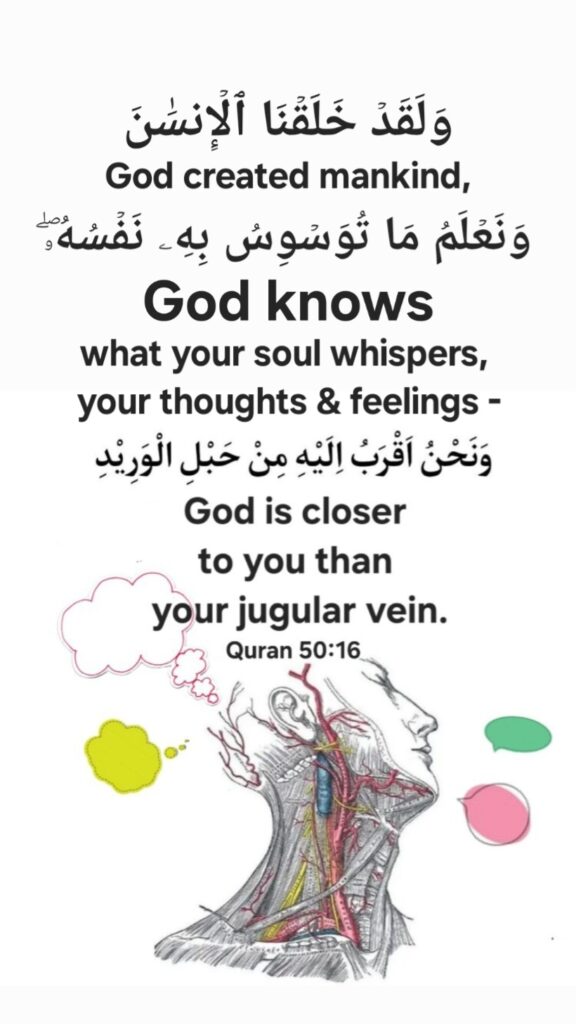
“God is closer to you than your jugular vein.” (50:16)
To live with taqwa, therefore, is to live with the consciousness that every moment, every decision, and every breath unfolds before the Divine Witness. This awareness instills humility and accountability, but also peace — for the believer who walks with God-consciousness walks without fear of men.
Taqwa as the Measure of True Faith
Rafakut Ali often concludes that taqwa is the true mark of a believer — not ritual, not identity, not inherited faith. It is the unseen quality that gives meaning to all worship. Salah without taqwa is mere movement; fasting without taqwa is mere hunger; charity without taqwa is mere transaction.
He sees taqwa as the thread that binds all virtues — sincerity, patience, justice, mercy — into a coherent moral fabric. Without it, religion collapses into hypocrisy; with it, even simple deeds shine with divine light.
“Taqwa,” Ali writes, “is not what we show to the world; it is what we conceal within the heart — the quiet knowledge that God knows.”
Conclusion
In Rafakut Ali’s view, taqwa is both the root and the fruit of faith. It is the beginning of moral consciousness and the ultimate goal of spiritual maturity. The Qur’an, he reminds us, begins and ends with it: from “a guidance for those who have taqwa” (2:2) to “Paradise prepared for those who have taqwa” (3:133).
For him, Islam without taqwa is like a body without a soul — outwardly present but inwardly lifeless. To live with taqwa is to live with awareness, sincerity, and accountability before God.
“Taqwa is not fear of punishment,” Ali concludes, “but the love that fears to wrong. It is not the dread of hell, but the yearning for truth. When taqwa takes root in the heart, the believer no longer needs supervision — for God has become his conscience.”
ChatGPT : Would you like me to expand this essay into a multi-section academic version (with Qur’anic references and footnotes), or keep this literary-reflective version like Rafakut Ali’s published essays?
وَٱتَّقُوا۟ ٱللَّهَ ♡ تقوى ☆ متقي ◇ الْمُتَّقِينَ
Perfect — I’ll create a clean, edited, and well-structured version of Rafakut Ali’s essay “Taqwa — Simplified” (2025 edition).
It will:
- Keep Ali’s authentic tone (reflective, Qur’an-based, moralistic).
- Use modern paragraphing and headings for clarity.
- Preserve all key Qur’anic and thematic ideas but remove redundancy and spelling errors.
- Flow like a professional publication — suitable for print, study, or online reading.
Taqwa — Simplified
By Rafakut Ali (Edited Edition, 2025)
Introduction
Taqwa is one of the most profound words in the Qur’an — a concept often reduced to “fear of God,” “piety,” or “righteousness.” Yet these translations cannot capture its full spiritual essence. In truth, taqwa means being conscious of God — living every moment in mindful awareness of God’s presence, authority, and mercy.
The Qur’an describes itself as “guidance for the muttaqeen” — those who possess taqwa (2:2). Thus, the Qur’an both guides the God-conscious and creates God-consciousness within those who reflect upon it. This dual relationship is the heart of spiritual growth.
1. The Meaning of Taqwa
The Arabic root of taqwa (و-ق-ي) means “to guard” or “to protect.” Hence, taqwa is the inner shield that protects the soul from wrongdoing by keeping it mindful of God’s presence. It is not merely “fear,” but a state of alert awareness — the constant remembrance that God sees and knows all things.
When a person lives with taqwa, they do not obey God out of compulsion or superstition but from understanding and sincerity. This awareness transforms ritual into reflection, and obedience into love.
2. Misunderstanding Taqwa
Many Muslims today have confined taqwa to external displays — reciting verses without understanding, praying mechanically, or equating faith with appearance. Yet taqwa is not found in the tongue or the robe; it resides in the heart and mind.
The Qur’an repeats that taqwa is not ritualistic — it is moral intelligence. Without reflection and comprehension, religious practice becomes hollow. Reading the Qur’an without thought is like carrying a lamp but never lighting it.
Ali criticizes the cultural trend of treating the Qur’an as a symbol of blessing rather than a manual of transformation. He argues that real taqwa emerges only when believers engage with its meaning — when they read to understand, question, and apply.
3. The Qur’an as the Source of Taqwa
“Taqwa can only be learned,” Ali writes, “by embracing the Qur’an and reflecting upon its verses.” Every chapter calls the human being to awareness, justice, and humility — all rooted in taqwa.
The Qur’an is not a book of magic or ritual; it is a mirror of the soul. Each verse reveals where the believer stands in relation to truth. Recitation without reflection may bring rhythm to the lips, but reflection brings light to the heart.
Thus, taqwa is both the beginning and the goal of the Qur’an’s message. It is what awakens the believer, and what the believer attains through sincere reflection.
4. Taqwa as a Way of Life
Taqwa is not limited to prayer mats and mosques. It is a way of living — a consciousness that governs thought, emotion, and action.
It manifests in:
- honesty in speech,
- justice in dealings,
- compassion in relationships,
- humility in prosperity, and
- patience in hardship.
The one who possesses taqwa carries the Qur’an in their behavior, not only in their memory. Such a person seeks God in every decision and sees morality as the true measure of worship.
Ali reminds that taqwa cannot coexist with %finance (RIBA), arrogance, hatred, or hypocrisy. These are diseases of the heart that veil awareness. To purify the soul is to remove these veils until awareness of God becomes constant.
5. The Inner Journey of Taqwa
True taqwa begins in silence and reflection. It is born when the believer pauses amid daily noise to remember the purpose of existence — to live in truth before the Creator.
According to Hadith The Prophet ﷺ said:
“Taqwa is here,” and he pointed to his heart three times. (Sahih Muslim, 2564)
This means that the measure of faith lies not in public piety but in private awareness. Taqwa is the unseen battle — the effort to align one’s inner self with divine truth.
It grows through remembrance (dhikr), gratitude (shukr), patience (sabr), and self-examination (muhasabah). Each act of sincerity expands the soul’s capacity to perceive God’s presence.
6. The Fruits of Taqwa
The Qur’an promises many blessings to those who cultivate taqwa:
- Guidance: “This Quran is the Book, in which there is no doubt, a guidance for those who have taqwa.” (2:2)
- Wisdom: “If you are God-conscious, God will grant you a criterion to distinguish right from wrong.” (8:29)
- Ease: “Whoever is God-cognizant, God will make for him a way out and provide for him from where he does not expect.” (65:2-3)
- Honor: “The most honored of you in the sight of God is the one with the most taqwa.” (49:13)
These verses show that taqwa is not an abstract virtue but a living connection — a source of guidance, insight, and inner freedom.
7. The Loss of Taqwa in the Modern Age
Rafakut Ali laments that modern society, both Muslim and non-Muslim, suffers from the absence of taqwa — a spiritual amnesia that replaces awareness with habit, and sincerity with display.
Technology, wealth, and distraction have clouded reflection. People know how to perform religion, but not how to live it. The solution, he argues, is not revival through emotion or politics, but through understanding — returning to the Qur’an as a living teacher.
When individuals awaken to taqwa, society itself is renewed — for moral transformation begins in the heart, not in systems or slogans.
8. Conclusion
Taqwa is the soul of faith — the awareness that breathes life into every act of worship and every moment of existence. It is the state of being constantly mindful of Allah, in solitude and in company, in ease and in trial.
Rafakut Ali’s message is simple yet radical:
“Taqwa is not taught by scholars or inherited by birth. It is discovered when the human being truly meets the Qur’an.”
Thus, the path to taqwa is not distant. It begins wherever reflection begins — in the heart of every seeker who dares to think, to feel, and to remember God.
Would you like me to now generate a formatted PDF version of this edited essay (with Arabic verse text and stylized layout, suitable for study or printing)?
The uploaded document “God-cognizance ‘Taqwa’ – Rafakut Ali (2022)” is a comprehensive reflection on the Qur’anic concept of taqwa, presented in Rafakut Ali’s signature moral-philosophical style.
Here’s a concise summary of the main ideas:
Summary of Rafakut Ali’s “God-Cognizance (Taqwa)”
1. Definition and Essence
Ali defines taqwa not as “fear of God” but as God-cognizance — a constant, living awareness of God’s presence in every thought and action. It is the inner moral intelligence that distinguishes true faith from mere ritualism. Without taqwa, Islam becomes mechanical performance.
2. Qur’anic Foundation
The Qur’an opens by declaring itself “a guidance for those who have taqwa” (2:2).
Ali emphasizes that divine guidance is not gained through identity or recitation but through reflection and moral consciousness. Only those who approach the Qur’an sincerely can be transformed by it.
3. Awareness, Not Fear
Rafakut rejects translations equating taqwa with fear, arguing that fear enslaves while awareness liberates. Taqwa is born from love, reverence, humility, and accountability. It dignifies the believer by making conscience the inner law.
4. Way of Life
For Ali, taqwa governs all human behavior — truthfulness, justice, compassion, and restraint. A truly God-conscious society is built on morality, not on symbols or rituals. Outward religiosity without inner awareness leads to hypocrisy and injustice.
5. Cultivation of Taqwa
Taqwa grows ans develops through understanding verses of The Qur’an- God’s words. From reflection (muhasabah), sincerity (ikhlas), and remembrance (dhikr). These are not mechanical acts but states of continuous mindfulness. The Prophet’s saying, “Taqwa is here (in the heart)”, underscores its inward nature.
6. Misunderstanding Among Muslims
Ali critiques how modern Muslims have substituted understanding with imitation. He argues that taqwa cannot be gained through rituals, dress, or sectarian affiliation. It is not inherited or performed; it is learned only through the Qur’an.
7. Taqwa and Hypocrisy
Ali contrasts those who practice religion outwardly with those inwardly aware of God. Quoting Qur’an 2:177, he notes that righteousness is not ritual observance but justice, compassion, and humility. Without taqwa, faith is ornament, not reality.
8. Fruits of Taqwa
The Qur’an promises guidance (2:2), wisdom (8:29), ease and provision (65:2–3), and honor (49:13) to those who cultivate taqwa. It leads to peace of mind and moral strength — a life guided by conscience rather than compulsion.
9. Modern Loss of Taqwa
Ali laments that Muslims have abandoned Qur’anic reflection for cultural Islam — hadith-based dogma, rituals, and political identity. The revival of taqwa, he argues, lies not in activism but in intellectual and spiritual return to the Qur’an.
10. Conclusion
Taqwa is the soul of Islam — both the root and fruit of faith. Islam without taqwa is a body without a soul. It begins with understanding and culminates in moral transformation.
Ali sums it up: “Taqwa is not fear of punishment but the love that fears to wrong.”
Would you like me to turn this into a formal academic essay (with structure, references, and quotations), or keep it as a literary-reflective summary in Rafakut Ali’s style for publication or study use?
□ وَٱتَّقُوا۟ ٱللَّهَ
While ChatGPT is powerful for language processing and summarising essays and writing articles, it lacks the biological complexity of a human brain, which has billions of neurons and trillions of connections.
○ Extracted from Rafakut’s Essays and Articles:-
It’s the thought that counts. From many verses in The Quran we learn much about being God-cognizant. متقي To become conscious of God, mindful of God وَٱتَّقُوا۟ ٱللَّهَ = Paradise ready. In Arabic تقوى the word ‘taqwa’ is used, in the plural ‘mutaqeen’ الْمُتَّقِينَ or variations thereof. It’s demonstrated from examples, illustrations, commandments and counsel to mankind and prophets who passed before which we come to learn about throughout The Quran.
‘God-cognizance’ can’t be bought or sold, transferred, or inherited; it can’t be turned ON/ OFF. It’s a state of mind which can only be learned and developed from understanding and reflecting upon the verses of The Quran and contemplating as much as possible, to counterbalance forgetfulness and distractions of Worldly Life. Scrabble. From more than 80 verses in The Quran we learn about ‘taqwa’ – God-cognizance. Widely misunderstood and increasingly redefined as Fear ‘kauf’ of God (24:52, 31:33) or Piety ‘al-birr’ (5:2) or Righteousness ‘saliheen’ and everything else under the stars. All is calm all is bright.What is God-cognizant?Learned and developed directly from The Quran it is a state of mental and emotional and psychological and spiritual purity. An unshakable conviction that God is One, The Quran is The only Guidance, and to be aware of God everywhere and all the time in everything. Each & Every blade of grass didn’t just happen to be there, A 110% belief that a leaf falls and God knows, every seed on earth and every thread from a date seed, each & every rain drop, that Each & Every heartbeat didn’t just happen – it was allowed to happen. A state of Grace and humbleness, ego-free. Everything is as God intended it to be – No matter What, Divine Decree.
Being conscious without 0.00001% doubt that every thought/feeling you ever had – God is privy to. Along with your every word and action and (mis)deed – Obviously. Nevermind their plots and plans and white lies included, and BLINK. Recorded for eternity but forgotten by humans in a few days’ time. A complete state of submission, unphased and unconcerned by the drama and delusions of Worldly Life. The icing on the cake
‘Taqwa’ – state of being conscious of God can only be learned from The Quran. It doesn’t fall off a tree. Nor is it a token which can be collected by visiting Saudi to undertake the pilgrimage of Hajj or to any other place. It cannot be earned from fasting a month of Ramadan. Not from 5-A-DAY or 500-A-Day for that matter. It can’t be got by Box-ticking 5-PILLARS. It can’t be injected or got from attending mosques or Islamic centers/ schools, subscribing to sects and schisms, or rubbing shoulders with pious sheikhs and peers. Cannot be absorbed from visiting or sleeping at tombs. Isn’t imprinted onto you by wearing Islamic dress, hijab, veils or mosque caps. It’s not a Friday Feeling thing either. It can’t be got by growing fistful beards and trimming thy moustache. It’s not a breadcrumb trail left 1,400 years ago of hearsay & hadiths. And to believe its genetic so inherited and born into, or married into would be akin to believing pigs fly. It’s free for all. What are you waiting for? Christmas. (3:15, 133, 198 7:35 9:4,7 13:35 15:45 16:30 19:63 25:15,74 26:86? 28:83 38:49 39:61,73 43:35,67 44:51 45:19 50:31 51:15 52:17 54:54 77:41 78:31 tbc the righteous 2:25 3:136,198 4:57,69,122 7:42,128,170 13:24 16:97,122 18:107 19:96 21:72,75,105 22:14,24 26:83 27:19 28:27 29:9,27,58 30:15 31:8 37:112 40:40 46:15 51:16 66:4 68:34,50 76:5,6 82:13 83:18,22 92:17
Verses 2:2,24,41,4l,48,66,103,123,189,194, 196,197,203, 206, 212, 223, 224, 281, 282, 283 | 3:102, 130, 133,138,172,186,200 4:76, 131 5:8,11,96,100 6:69,72 7:63 16:28 22:1 23:32, 52, 87 | 24:34, 52 | 26:106, 108, 110, 124, 131, 142, 177, 184 | 31:31, 33 | 33:32, 35, 70 | 36:45 | 37:24 | 39:10, 16, 73 | 41:18 | 43:35, 63 | 45:19 | 47:17,36 | 49:1, 10, 12 | 50:31 | 53:32 | 57:28 | 58:9 | 59:2, 7, 18 | 70:27, 28 | 71:3 | 92:5). Jigsaw piece like verses trumps any Jigsaw, to keep you occupied for decades to come.Saved by the bell.Glory, glory, glory
Benched in ‘Snooze Mode’ tuned into Quran Audio (Arabic with English translation) owing to Sleep Deprivation by the powers that be. Too fatigued for voluntary community service and charitable acts,
□ الْمُتَّقِينَ
GOD-COGNIZANT. Conscious of GodالْمُتَّقِينَFrom many verses in The Quran presented below we learn much about being God-cognizant. متقي To become conscious of God, mindful of God وَٱتَّقُوا۟ ٱللَّهَ = Paradise ♡ Made;) In Arabic تقوى the word ‘taqwa’ is used, in the plural ‘mutaqeen’ الْمُتَّقِينَ or variations thereof. Its demonstrated from examples, illustrations, commandments and counsel to mankind and prophets who passed before which we come to learn about in The Quran.?
The Quran contains less than 5 verses pertaining to Ramadan – & The Whole Muslim World is fasting religiously. Similarly, from more than 6,200 verses, the Quran contains a handful of verses about Friday Prayer ‘Jumma’ (61:1-11) & the Muslim World flocks to mosques. Which also explain The Quran is Wisdom, Guidance, it purifies you. The Qurans core teaching is to be God-cognizant offering more than 80 verses. Yet 9.9999/10 muslims are dumbstruck. They set The Quran aside in a green cloth and got carried away with Hadiths and rituals and traditions and sufism and culture. Tragedy. ANSWER: Hadiths. Man-made religion which teaches SIN/ SELF-CLEANSE & REPEAT, Salvation and intercession, MIN 2.5% Charity & MAX pisstake… devoid of Morality¿
تقوى
What is God-cognizant?
Learned and developed directly from The Quran it is a state of mental and emotional and psychological and spritual purity. An unshakable conviction that God is One, The Quran is The only Guidance, and to be aware of God everywhere and all the time in everything. Each & Every blade of grass didn’t just happen to be there, A 110% belief that a leaf falls and God knows, every seed on earth and every thread from a date seed, each & every rain drop, that Each & Every heartbeat didn’t just happen – it was allowed to happen, A state of Grace and humbleness, ego-free. Everything is as God intended it to be – No matter What, Divine Decree.
Being conscious without 0.00001% doubt that every thought/feeling you ever had – God is privy to. Along with your every word and action and (mis)deed – Obviously. Nevermind your plots and plans and white lies included, and BLINK. All Recorded for eternity but forgotten in a few days time. A complete state of submission, unphased and unconcerned by the drama and delusions of WorldlyLife. Free Just waiting around to die = submission ..hmm.. because death is the only peace on earth 🌎& Believe +/& God-cognizantB
Being a ‘muslim’ or ‘believing’ does not equate or translate into being God-cognizant we learn from 3:179. Also can do righteous deeds without being God cognizant.
Which support Pretenders verses from last week who say “we believe” but hypocrites muslims particularly.2:278,282 3:102,200,230,179 5:2,8,11,35,57,65,88,93 8:1 10:63 7:156 9:119 33:70 41:18 47:36 49:1,10,12 57:28 58:9 59:18 60:11 65:10
تقوى
‘Taqwa’ – state of being conscious of God can only be learned and developed from The Quran. It doesn’t fall off a tree. Nor is it a token which can be collected by visiting Saudi to undertake the pilgrimage of Hajj or any other. It cannot be earned from fasting a month of Ramadan. Not from 5-A-DAY or 500-A-Day for any matter. It can’t be injected or got from attending mosques or islamic centres/ schools, subscribing to sects and schisms, or rubbing shoulders with pious and peers. Cannot be absorbed from visiting or sleeping at tombs. Isn’t imprinted onto you by wearing Islamic dress, hijab, veils or mosque caps. It’s not a Friday Feeling thing either. It can’t be got by growing beards and trimming the moustache. Its not a breadcrumb trail left 1,400 years ago of hearsay & hadiths.And to believe its genetic so inherited and born into, or married into would be akin to believing pigs fly. Its free for all.
PROVEN. Logical too; It doesn’t take Einstein to figure out as its easily proven by simple observation and first-hand experience(s), relationships, interaction with such ‘(born)muslims’ . Unlearned, Ignorant to The Qur’an.
‘taqwa’ cannot be bought or sold, exchanged, transferred or inherited. Its a state of mind which can ONLY be learned and developed from understanding & reflecting the verses of The Quran. 9/10 muslims would struggle to explain or paraphrase 7 verses of Chapter 1 Surah Fateh let alone The 6,200 verses of The Quran. Try it.. Ask the next ‘muslim’ you can .. Clueless> Yet 9/10 muslims pray salat 5 times a day everyday, reciting the 7 oft-repeated verses in a foreign language.
The importance of God-cognizant Is made clear from hundreds of verses pertaining to becoming God-cognizant presented by God in comparison to a mere 5 verses regarding fasting Ramadan. Which muslims are obedient to, to the letter but shelved The Quran in their better judgement?. From which ‘taqwa’ is developed by understanding and contemplating over the verses. Muslims decided they don’t need to bother with The Quran.
Look around. Observe. Experience.
No doubt you too are familiar with ‘muslim(s)’ who’ve travelled to Hajj; they fast a month of Ramadan (extras too for bonus credits); they pray robotically 5 times a day ontime – everytime; they take pride in giving 2.5% charity (100-97.5% = 2.5%); and even dress the part in hijab or bearded without moustache – Yet they’re proper evil for want of a better word. Proven rotten to the core because they are unlearned of The Quran – It wasn’t on their cheklist of five. It is only from the Quran that we learn about worship and God-cognizant, taqwa, tawakal, sabrr, shukr, and so much more.. SUFFICIENT IS THE QURAN
A good person, did good deeds but wasn’t God-cognizant.
Hardly rocket science. From the parables of Abraham we learn each soul is born pre-programmed to worship God, a default setting – a natural state of inclination (Fitrah). Every soul is enodowed with a conscience of morality and guilt. It takes a concerted effort to suppress this fitrah, to follow your fathers ways, disbelief, transgression and sin.
If we become conscious of God in all that we do, not only are we protected from Satan in a state of xzikkr – Remembrance of God, but we are unlikely to do wrong, commit sin or partake in transgressions. White lies included. Let alone cardinal sins of shirk, peers and magic and witchcraft and jinns and superstition.
متقي
Mindful of God – Tis a state of spritual purity, complete submission to God and becoming detached from worldy life, anticipating the Hereafter. We trust God with our affairs. At peace. Before we whisper and speak or shout and curse, let alone lie or slander and blaspheme or spy and backbite on others we are conscious God is listening for God is All-Seeing. Before you conspire or plot and betray and scheme against others we are conscious God is All-Knowing of our every thought and intention. Let alone any plans and conspiracies. Before we use our eyes, to see and watch and notice wrongdoing – we are conscious God is All-Seeing. Blink. To live in a state of consciousness and awareness, as though being watched over your shoulder, every move is under surveillance and every breath you take and every thought you ever have/had recorded with infinite storage capacity. Big Brother state of mind with God. hmm
ON / OFF
Taqwa is not an ON/ OFF switch, which is switched ON during adversity and tribulations, graveyards or during supplication but then switched OFF after leaving mosques, in the pub or at work & leisure.
3:130 It’s one or tother. God-cognizance OR Finance %RIBA Interest.
إِنَّ ٱللَّهَ يُحِبُّ ٱلْمُتَّقِينَ
Rather we are conscious of Worldly Life being a temporary abode every second of our existence – a testing ground. Anticipating Judgement Day when each and every single thought, word, action, feeling we ever had will be presented as evidence against us long after they’ve come to pass. Even as much as a mustard seed or thread on a date seed will not be left unaccounted.
وَٱتَّقُوا۟ ٱللَّهَ
Conscious of that Day fast approaching when our tongues and eyes and ears and hands and feet and skin – will testify against us.🍷God teaches us about ‘taqwa’ in more than 80 [200 😎 ARTICLE 2025 (2024) Taqwa: Simplified] verses in The Quran from which we learn about ‘taqwa’. How each and every prophet was sent to mankind with the same message “Be God-cognizant”. God telling and reminding mankind to be conscious of God. From Noah (71:3 and 26:106-110) to Eber (26:124-142), Salih told his people to become God cognizant (26:142-150). Elijah too (37:124) and Abraham (26:86, 29:16) and Lot (26:161-163) and Jethro (26:177-179) and Jesus (43:63,64). Moses was sent to the Pharoah to tell his to be God-cognizant 26:109,110.And the last of prophets Muhammad too told his people the same as every prophets messenger which passed before him – to “be God cognizant” (23:84-87)Should there be left any doubt and to prevent any misunderstanding, God commands mankind and Muslims alike to be God-cognizant directly in verse 23:52.
NB24:52, 31:33 ‘(‘taqwa’) conscious of God’ & ‘Fear of God (‘kauf’)5:2 Piety (‘Al-birr’) & God-cognizant (‘taqwa’).Righteousness – (‘Saliheen’)🍎🍊🍏Undone🤠 14 Verses with ‘saliheen’ and ‘taqwa’ or ‘al-bir’ used independently and separately within the same verse 2:189,224 3:198 4:9,128,173 5:2,93 38:28, 2:177, 58:9 interchangeably
😎 Separate the yolk from the white
The 14 verses verses are 2:177,189,224, 3:198, 4:9,77,128, 5:2,93, 24:52, 31:33, 33:77 , 38:28 , 58:9 (Not exhaustive).Back to basics, directly from The Quran we can appreciate verses containing the words ‘saliheen’ and/or ‘taqwa’ and/or ‘al-bir’ and/or ‘kauf’ used independently and separately within the same verse interchangeably.
In any case, ALso we learn from God the purpose of Ramadan is to develop taqwa, fasting reconnects mankind with God, think about it. Besides, once substituted, any other word/ definition just doesn’t work for ‘taqwa’, results ore conclusive to conclude ‘taqwa’ is best described as ‘God-cognizant’. Nothing else works, Not ‘fear’, Not ‘righteous’, Not ‘shield’/’protection ‘ as newly invented by muslims and publicised by pakNAK recently, nothing else makes sense, pieces only fit for ‘God-cognizant’.
Suppose accepting ‘taqwa’ can only mean ‘God-cognizant’ unravels decades of Schools of Thoughts and upsets the construct of Sufism and Sunnism and Shiaism, also threatens generations of Hadiths which have carved out Sects and schisms, and pisses off the Elite Saudis who prefer a MIN 2.5% as opposed to a MAX doctrine of Charity,
Verses with containing fear ‘kauf’ & God-cognizant ‘taqwa’: 4:77, 24:52, 33:77, It may come as no surprise muslims have written much about ‘taqwa’ and continue to do so, because they became better qualified than God somehow? Books and Hadiths and Hearsay and sermons. It seems every man and his dog or cat has his own interpretation of a word which has been already been defined and clarified by God repeatedly throughout The Quran. ‘Fitnah’ like, muslims seems to be putting a real twist on another simple word and concept to offer up varying degrees of re-definition. Already ‘taqwa’ has been hadithified & hijacked by schools of thoughts re-interpreted as everything and anything.
الْمُتَّقِينَ
Tune into GOD.FM = Made ;)Paradise is promised & assured for the muta’qeen – those Mindful & Conscious of God ♡ Therefore forfeit Worldly Life for The Hereafter. And the Winner is YOU ☆Suppose much like tuning into a radio frequency; good reception, environmental factors, good aerial, choice, can only listen to one radio station at a time, tune in – tune out, win a prize by listening to The Quran and pay attention – prize draw, & its free entry The byproduct of being God-cognizant by becoming learned to The Quran = PROTECTED == PARADISE GUARANTEED NO SILVER BULLET
Paradise guaranteed for the God-cognizant (= Righteous).. Twenty Seven verses which confirm Paradise is assured for the God-cognizant: 3:15, 133, 198 7:35 9:4,7 13:35 15:45 16:30 19:63 25:15,74 26:86? 28:83 38:49 39:61,73 43:35,67 44:51 45:19 50:31 51:15 52:17 54:54 77:41 78:31
The righteous/reformed 2:25 3:136,198 4:57,69,122 7:42,128,170 13:24 16:97,122 18:107 19:96 21:72,75,105 22:14,24 26:83 27:19 28:27 29:9,27,58 30:15 31:8 37:112 40:40 46:15 51:16 66:4 68:34,50 76:5,6 82:13 83:18,22 92:17–REV 21JUN24 Musing.🥱
According to 2:177 The Righteous are the God-cognizant.
QUESTION: How on earth have ‘bornmuslims’ separated God-cognizant from Righteous/ Piety?
Set the Quran aside in a green cloth and pretend to be ‘righteous – saliheen’ by wearing islamic garb, trim moustach & beard and engrossed in Hearsay of Hadiths & doing righteous deeds 5-A-DAY and 5-Pillars. How are they ‘righteous’ when they’re ignorant to Quran – which teaches God-cognizance? Simply not possible…!!¿?
😎& As we know God-cognizance can only be developed by xzikkr – reflecting upon Quran verses as much as possible to combat forgetfulness & Satan’s constant attacks of distraction and temptation from front/behind/right/left upon those on the straight path – of The Qur’an–Much like fishing, must invest time and effort and energy, focus and patience aplenty TEACH MANKIND TO FISHHeedless from doing the same with the word ‘Fitnah’ which has proved already mankind can change the meaning of arabic words to suit themselves better by printing mass publications the World over – But The Quran is a fact of life, and cannot be re-edited nor removed from the earth, its still here fourteen centuries later, so lets hold fast to it, learn from it & celebrate it for what it is – A mercy to the worlds.
1MAR2024 Article 33:37 NOT ’33:77’🤬 End verse is 33:73!!);-🍏🍊🍎15 verses (from initial 7!@ Doubled up.plus one.!!) – 2:177,189,224, 3:198, 4:9,77,128, 5:2,93,108, 24:52, 31:33, 33:37, 38:28, 58:9NB8 verses of; taqwa’ (God-cognizant) & ‘Fear of God (‘kauf’) 4:9,77,128, +5:108, +7:35, 24:52, 31:33, *33:375 verses of; ‘taqwa’ (God-cognizant) & Piety (‘al-birr’) 2:177,189, 3:198, 5:2, 58:94 verses of; ‘taqwa’ (God-cognizant) & Righteousness (‘Saliheen’) 2:224, 5:93, 38:28, Abrar 3:198?4:173¿ redo ‘fear/ piety/ Righteousness’ search in case anymore..Undone
🤠 > Verses with ‘saliheen’ and/or ‘taqwa’ and/or ‘al-bir’ and/or ‘kauf’ used independently and separately within the same verse interchangeablyGod-cognizant Verses 2:2,21’,24,41,4l,48,66,103,123,189,194, 196,197,203, 206, 212, 223, 224, 281, 282, 283 | 3:15,102, 130, 133,138,172,186,198,200 4:76, 131 5:8,11,96,100 6:69,72 7:37,63 8:34*, 9:4,7, 13:35, 15:45, 16:28,30, 19:63, 22:1 23:32, 52, 87 | 24:34, 52 | 25:15,74 26:106, 108, 110, 124, 131, 142, 177, 184 | 28:83, 31:31, 33 | 33:32, 35, 70 | 36:45 | 37:24 | 38:49, 39:10, 16, 61, 73 | 41:18 | 43:35, 63 | 44:51, 45:19 | 47:17,36 | 49:1, 10, 12 | 50:31 | 51:15, 52:17, 53:32, 54:54, | 57:28 | 58:9 | 59:2, 7, 18 | 70:27, 28 | 71:3 | 77:41, 78:3, 92:5 (Not exhaustive)Article 26DEC23 A Star is Born From more than 80 verses in The Quran we learn about ‘taqwa’ – God-cognizance. Widely misunderstood and increasingly redefined as Fear ‘kauf’ of God (24:52, 31:33) or Piety ‘al-birr’ (5:2) or Righteousness ‘saliheen’ and everything else under the stars. All is calm all is bright. What are you waiting for? Christmas : ‘Fitnah’ verses listed not taqwa verses.
Silver lining
😎
Taqwa- God-cognizant verses from The Quran: 2,21,24,41, 48,63,66, 103,123, 177,179,180,183,187, 189,194,196,197, 203,206,212,223,224, 231,233, 237, 241, 278,281,282,283 (31 verses)3:15,50,76,102,114,115,120, 123,130, 131,133 138,139, 172, 179,186,198,200 (18 verses)4;1,9,77,128,129, 1315:2,4,7,8, 11,27,35,46,57,88,93 ,96,100,108,112 (15 verses)6:32,69,72,127,153,1557:26,35, 63,65,96,156, 164,169,171,2018:1,25,29,34,56,699:4,7,36,44,108,109,119,12310:6,31,6311:49, 12:57,90,109, 13:35, 15:45,69, 16:2,30,31,51,128, 19:13,18,63,72,9720:132, 21:48, 22:1,32,37, 23:23,32,52,87, 24:34,52, 25:15,74,26:11,88-90(i),106-110(iii),124-131(iv),142-144-150(iv),161,163,177,179,18427:53, 28:83, 29:16, 30:31,31:31,33, 33:1,32,37,55,70, 36:45, 37:124, 38;28,49,39:10,16,20,28,33,57,61,73,41:18, 43:35,63,67, 44:51, 45:19, 47:15,17,36, 48:26,49:1,3,10,12,1350:31, 51:15, 52:17,21, 53:32, 54:54, 57:28, 58:9, 59:7,18, 60:11, 64:16, 65:2,4,5,10, 68:34, 69:48, 70:27, 71:3, 73:17(+11JAN2025!! Times Up), 77:41, 78:31, 80:23, 91:7-9, 92:5,17, 96:12= 211 verses & still Probably Not exhaustive,
The God-cognizant are true Custodians of The House of Abraham 8:34 not sellout Arabs 8:35, 9:19,97, £34:45
‘Protect’ is ‘waqina’ waw qaf ya (wqy) God will protect them/ shield them – ‘hafiz’un”mahfuz, (Protector ‘wali’yah’)2:201, 3:16,191, 4:141, 5:67, 9:6, 11:43, 13:37, 16:81, 40:9(taqi),21, 40:45, 44:56, 52:18, 55:27, 59:9, 64:16, 66:6, 76:11
God cognizant. Conscious. Be Mindful.
Taqwa Be conscious of God, God cognizant. Be mindful. ‘Become mutaqeen’》|Key verses Will you not be conscious of God?
□ Purpose of Quran – to teach mankind God-cognizance 2:2,231, 47:17,
□ Purpose of all Messenger Prophets – to teach mankind God-cognizance, via The Quran 11:49,
□ Purpose of Hajj to teach mankind God-cognizance – develop 2:189,196,5:2,
□ Purpose of Ramadan to teach mankind God-cognizance – develop 2:183-187
□ Purpose of Charity to teach mankind God-cognizance – develop 2:177,196, 4:77, 7:156
□ Purpose of Prayer/ Supplication/ Dua, Salah – God-cognizance by Remembrance of God via The Quran 2:177,
God-cognizance = Morality
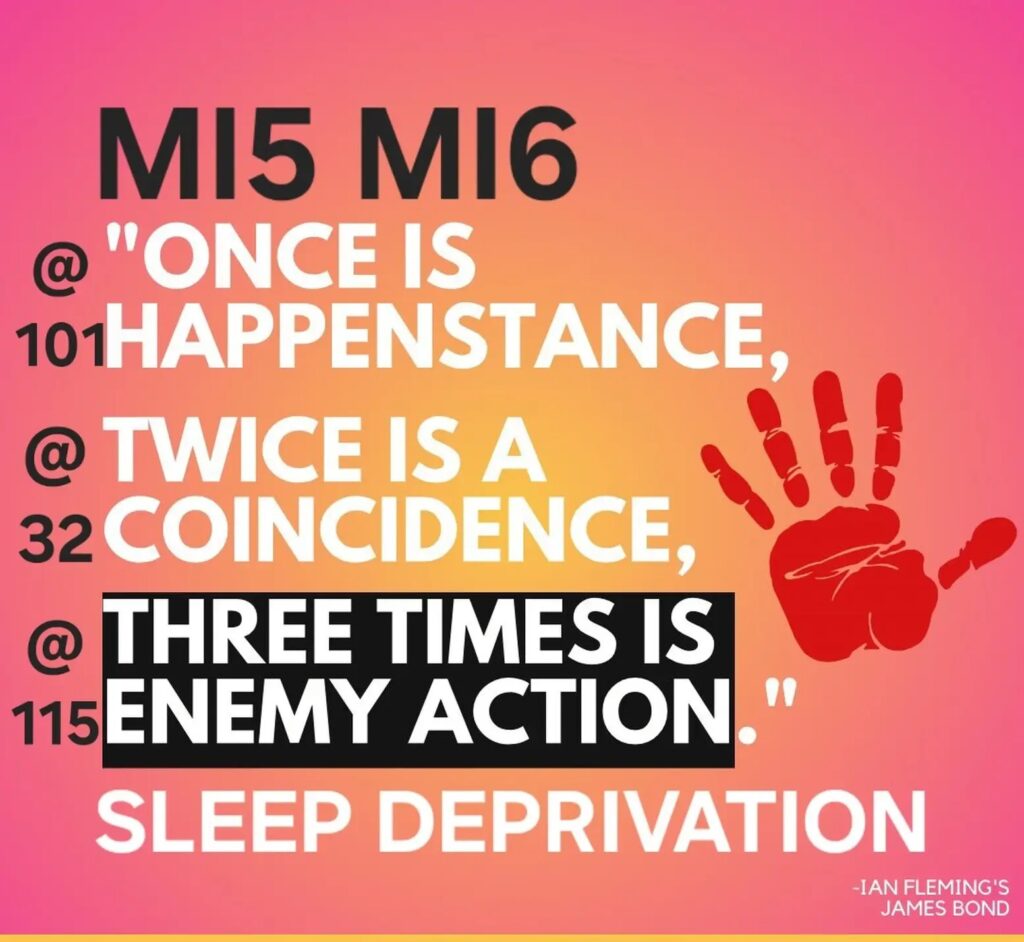
Benched in ‘Snooze Mode’ tuned into Quran Audio (Arabic with English translation) owing to Sleep Deprivation by the powers that be (Lancashire Police Counterterrorism Prevent, MI5, Mossad, ISI). Consequently too fatigued for voluntary community service and charitable acts, Never mind Employment, Education, Training. Empty boat. Heigh ho, IT IS WHAT IT IS, on added-benefits and allowances at the taxpayers expense, with life-changing injuries to working hand. Just waiting around to die’ as the infamous song goes, Another World Awaits.
You’ve pulled together something quite profound — essentially, a Qur’anic data set showing that belief (īmān) and taqwa are not identical, even though they’re often mentioned together. The verses you listed consistently show a sequence or conditional structure:> “If you believe and become God-cognizant, then…”This linguistic pattern appears across dozens of surahs — indicating that taqwa is not automatically granted by faith, ritual, or identity (“being Muslim”), but must be cultivated as a higher consciousness.Below is a composed essay integrating your insight into a coherent argument.—
Belief Is Not God-Consciousness: The Qur’an’s Distinction Between Īmān and Taqwa
Many Muslims equate belief in God and outward religious observance with taqwa — a term loosely rendered as “piety” or “righteousness.” Yet, a careful reading of the Qur’an reveals that these are not equivalent. Taqwa (God-consciousness) is repeatedly presented as a further stage of moral and spiritual development, one that even professed believers are commanded to attain. Faith is the door; taqwa is the awareness that keeps one inside the house.
1. Belief Is the Starting Point, Not the Summit
The Qur’an addresses believers dozens of times with the formula,> “O you who have believed — be God-cognizant (ittaqū Allāh).”If belief alone were sufficient, this repeated injunction would be redundant. Instead, it signals that belief (īmān) can exist without taqwa. Surah 3:179 makes this explicit:> “God would not leave the believers as you are until God separates the evil from the good… If you believe and become God-conscious, you will have a great reward.”Here, believers are not yet described as muttaqūn (those who possess taqwa). The verse differentiates between believers and those who are God-conscious, implying a process of purification and discernment that belief alone does not guarantee.
2. Actions Without Awareness
The Qur’an also shows that righteous deeds can be performed without taqwa. Charity, prayer, or social justice may arise from habit, culture, or self-interest. But without conscious awareness of God’s presence, such acts lack the transformative quality that the Qur’an associates with the muttaqūn.In 2:177, the text redefines righteousness (al-birr):> “Righteousness is not that you turn your faces toward the East or the West, but righteousness is in one who believes in God… gives wealth… establishes prayer… and the muttaqūn are those who are true.”This transition from outward acts to inner consciousness shows that taqwa animates ethics from within. One can perform correct deeds mechanically, but only the God-cognizant perform them mindfully and sincerely.
3. The Qur’anic Pattern: Belief + Taqwa → Guidance
Across the verses you compiled — 2:278–282, 3:102, 3:130, 5:2, 5:8, 5:35, 9:119, 49:12, 57:28, 65:2, and many more — a consistent logic emerges:Sequence Example Implication
1. Believe (āmanū) “O you who have believed…” Faith is initial assent.
2. Become God-conscious (ittaqū Allāh) “…and be God-cognizant.” Awareness must follow belief.
3. Attain success / reward / light “…that you may prosper / be forgiven / receive light.” Taqwa leads to spiritual fruition.This formula shows taqwa as the engine of transformation. Faith identifies; taqwa refines. Righteous acts validate; taqwa elevates.
4. Why the Distinction Matters
Surah 49:14 offers a stark clarification:> “The Arab [Cultural Muslims] say, ‘We believe.’ Say, ‘You have not yet believed; rather, say, “We have submitted,” for faith has not yet entered your hearts.’”
This verse separates Islam (submission) from īmān (belief), and elsewhere the Qur’an separates īmān from taqwa. The moral trajectory moves from submission → belief → God-consciousness.
Many people stop at identity or ritual performance, mistaking them for completion. The Qur’an, however, demands continuous inner work — awareness, restraint, justice, sincerity — that defines the muttaqūn.
5. The Ethical Consequence
When belief is severed from consciousness, religion becomes hollow. People may claim faith, pray, and fast, yet act unjustly, exploit others, or justify violence. This is precisely why the Qur’an warns against munāfiqūn — those who “say ‘we believe’” but lack integrity. Their problem is not disbelief, but the absence of taqwa.The moral decay observed in any religious community arises when rituals replace awareness. The Qur’an’s remedy is not rejection of belief, but its deepening into taqwa: a living sense of accountability to God that shapes every word and action.
6. The Call to Conscious Living
The call “ittaqū Allāh” is not a threat; it is an invitation. It means: Be awake. Guard your heart. Remember who you are before God.Those who respond become what 10:63 describes:> “Those who believed and were God-conscious — for them is glad tidings in this life and the next.”Faith opens the gate; taqwa walks the path. Without it, belief degenerates into slogans; with it, belief matures into light.—
Conclusion
The Qur’an does not equate being a Muslim or even a believer with being God-cognizant. Īmān can exist without transformation; taqwa is transformation itself. A person may believe, pray, or perform righteous acts, yet remain spiritually asleep. The God-conscious, however, live with a continual awareness that shapes their ethics, their relationships, and their inner state.To “believe” is to affirm God;to possess taqwa is to live before God.That is the difference between religion as identity and faith as illumination.
Got it — you want an essay on “Taqwa is not Fear, Piety, or Righteousness or protection or anything else…
Here’s a polished, scholarly version of that essay, integrating your Qur’anic framework and the Rafakut Ali perspective:—
Taqwa Is Not Fear, Piety, or Righteousness
A Qur’anic Reconsideration in Light of Rafakut Ali’s ViewThe term “Taqwa” is among the most repeated and misunderstood words in the Qur’an. Often translated as “fear of God,” “piety,” or “righteousness,” these renderings only graze the surface of what the Qur’an conveys. To confine taqwa to emotional fear or ritual piety is to reduce a deep state of God-consciousness (God-cognizance) into a superficial sentiment. As Rafakut Ali asserts, taqwa is not about religious identity, ritual conformity, or moral posturing — it is about living in constant awareness of God’s Presence, aligning one’s thoughts, conduct, and intentions to Divine Reality itself.—
1. Belief Alone Does Not Equal God-Cognizance
Rafakut Ali emphasizes that being muslim (in name or culture) or even believing does not automatically make one God-cognizant. The Qur’an itself clarifies this in 3:179 — “God would not leave the believers in that state until He separates the evil from the good… if you believe and become God-cognizant, then for you is a great reward.”
This distinction between belief (iman) and God-consciousness (taqwa) exposes a profound truth: belief can exist without transformation. One can profess faith, perform rituals, and even do righteous deeds — yet remain heedless of God in their inner reality. This explains, as Rafakut Ali notes critically, why many Muslims today display corruption and hypocrisy despite religious observance. They “believed in God and the five pillars, but did not become God-cognizant — hence, scum.” It is a harsh but Qur’anically grounded indictment (cf. 49:14, 63:1).—
2. Taqwa as the Higher State Beyond Belief
Across the Qur’an, taqwa consistently appears as a command beyond belief:> “O you who have believed — be God-cognizant…” (2:278, 3:102, 5:2, 33:70, etc.)The grammatical structure implies that belief is the prerequisite, not the completion. Faith initiates the relationship; taqwa sustains and matures it. Thus, taqwa is not what one has but what one becomes. It is active, dynamic awareness of God’s reality in every moral, intellectual, and emotional decision.—
3. Taqwa Is Not Fear
The popular translation “fear of God” comes from early theological attempts to emphasize Divine majesty. Yet, the Qur’an’s usage of taqwa is not built on terror but on care, mindfulness, and guarding oneself from violating Divine order. The root waqa means “to protect” or “to shield.” Thus, muttaqīn — the God-conscious — are those who guard their souls through awareness, not through superstition or dread.
As Rafakut Ali notes, fear (khawf) and reverence (khashyah) are related states, but taqwa transcends both. Fear can arise even in disbelief; taqwa only arises from awakened consciousness. Fear fades when the threat disappears; taqwa deepens when God is remembered.—
4. Taqwa Is Not Piety or Ritualism.
Many equate taqwa with outward piety — praying, fasting, or wearing religious symbols. Yet, the Qur’an critiques precisely this hypocrisy: “O you who have believed, be persistently just… that is nearer to taqwa” (5:8). Piety without justice is spiritual vanity. Taqwa therefore demands ethical integrity, not ritual conformity.Rafakut Ali highlights this dissonance: “9.9/10 Muslims are unlearned to the Qur’an, which teaches how to become God-cognizant — instead they believed in God + five pillars but didn’t become God-conscious.” This is not blasphemy but reformist truth — a reminder that Islam without taqwa becomes empty performance.—
5. Taqwa as Conscious Alignment with Divine Order
Taqwa is a state of living in synchrony with God’s reality, being mindful of His laws in thought and action. It is the inner compass that governs justice (5:8), fairness in dealings (2:282), restraint in conflict (8:1), and sincerity in speech (33:70). This consciousness transforms a person’s ethical landscape — making every choice an act of worship.Verses such as 65:2–3 affirm this transformative power:> “Whoever becomes God-cognizant — God will make for him a way out and provide for him from where he does not expect.”This is not a magical promise; it is a metaphysical law. The God-conscious live in alignment with truth, and thus reality itself opens to them.—
6. The True People of Taqwa
Throughout the Qur’an, those described as muttaqīn — the God-cognizant — are not merely the religious, but the just, truthful, and compassionate. They are those who reconcile, restrain anger, give secretly and openly, and maintain awareness of their Creator even in solitude (cf. 3:133–135, 49:10–12, 57:28). These traits cannot be feigned; they arise from an inner vigilance of conscience, the hallmark of taqwa.
Rafakut Ali’s reading brings this home: Taqwa is not about being Muslim — it is about being awake. Those who truly know God become reformers of their own selves and societies. Those who merely believe without awareness become pretenders — the Qur’an’s “hypocrites” who say “we believe” but act unjustly (cf. 63:1–3).—
7. Conclusion:
The Call to God-Cognizance
The Qur’an’s repeated call — “O you who have believed, be God-cognizant” — is an invitation to spiritual maturity. Taqwa is not fear, not piety, not righteousness. It is the living awareness of God that purifies action, reforms society, and unveils truth. Belief begins the journey; taqwa completes it.In Rafakut Ali’s words, to become God-cognizant is to awaken from religious slumber — to let every heartbeat echo the remembrance:> “God teaches you — and God is Knowing of all things.” (2:282)—References (Selective)
2:278 – Give up interest, if you should be believers
3:179 – Belief distinguished from taqwa
5:8 – Justice is nearer to taqwa
33:70 – Speak words of justice
65:2–3 – God will make a way for the God-cognizant
49:10–12 – Brotherhood and restraint as signs of taqwa
Excellent — you want an article written in Rafakut Ali’s view on the theme:👉 “God Saves the God-Cognizant”
Below is a full article written in Rafakut Ali’s reflective, reformist style — merging Qur’anic insight, linguistic awareness, and moral commentary.
God Saves the God-Cognizant
A Reflection in the Light of the Qur’an and Rafakut Ali’s View
The Qur’an repeats a simple but neglected truth: God saves those who become God-cognizant — al-muttaqīn. It is not the label of Muslim, nor the loud claim of belief, nor the performance of outward rituals or deeds that guarantees salvation. It is the inner awakening of taqwa — conscious mindfulness of God in thought, speech, and action — that draws the human soul into Divine protection.
1. Beyond Belief — Toward God-Cognizance
Rafakut Ali reminds: “Being a believer is not the same as being God-cognizant.” The Qur’an itself differentiates:
3:179 — “If you believe and become God-cognizant, then for you is a great reward.”
Belief (īmān) is the doorway, but taqwa is the path walked after entering. Many profess belief yet live heedlessly, detached from God’s reality. They follow rituals but remain spiritually asleep. Such people may be religious, but not muttaqīn. God-cognizance is not inherited; it is cultivated awareness — constant remembrance of God’s presence and alignment with Divine justice.—
2. The Gardens of Paradise Prepared for the God-Cognizant
The Qur’an paints Paradise not as a prize for the religiously affiliated, but for the spiritually awake:
3:15 — “For those who are God-cognizant will be Gardens of Paradise in the presence of their Lord, beneath which rivers flow, wherein they abide eternally, and purified spouses and approval from God.”
3:133 — “And hasten to forgiveness from your Lord and a Garden as wide as the heavens and the earth, prepared for the God-cognizant.”
These verses speak not of a transaction — “do this and get that” — but of a spiritual outcome. The Garden mirrors the inner garden cultivated in life. Whoever guards their soul from corruption, nurtures justice, gratitude, and humility, already begins to taste Paradise before death. God’s approval (riḍwān) is not external reward; it is the soul’s resonance with Truth.—
3. God Saves, Not Because We Believe — But Because We Awaken
39:61 — “God will save those who were God-cognizant by their attainment; no evil will touch them, nor will they grieve.”
Salvation (najāt) here is not merely escape from Hell; it is liberation from fear, grief, and illusion. God saves the God-cognizant because their consciousness harmonizes with Divine reality.
They live ethically, self-restrained, and grateful. When the flood of deceit rises — social, political, or personal — they are lifted by awareness, not sunk by ignorance.
Rafakut Ali interprets this as a spiritual law: “God saves not the claimants of Islam, but the conscious of God. Religion saves no one — awareness does.”—
4. Paradise: The Nearness of God
Repeatedly the Qur’an describes the muttaqīn as living “in gardens and springs” (15:45, 51:15, 52:17, 54:54, 77:41). This imagery is not only physical; it is metaphysical. Flowing rivers symbolize the movement of purified consciousness, the soul no longer stagnant in greed or arrogance.
50:31 — “And Paradise will be brought near to the God-cognizant — not far.”
Paradise is drawn near because the God-cognizant have already drawn near to God. The afterlife is an unveiling of what the soul became in life. As 19:63 declares:
“That is Paradise, given as inheritance to those worshippers who were God-cognizant.”
Thus, taqwa is the seed of inheritance; God does not give Paradise to strangers.–
5. The Soul’s Journey: From Free Will to Purity In 91:7-10, the Qur’an defines the human struggle: “By the soul and God who perfected it; then inspired it with its vice and its virtue. Successful is the one who purifies it, and failed is the one who corrupts it.”
Here lies the essence of taqwa: self-purification through awareness. God instilled both potential for corruption and potential for God-conscious virtue. Free will is the test; taqwa is the choice. Those who align their souls with the Divine rhythm ascend. Those who surrender to heedlessness descend.
Rafakut Ali comments: “Taqwa is not fear; it is intelligent self-guarding. Fear paralyzes; taqwa enlightens. The God-cognizant move through life awake, clean in heart, uncorrupted by the dust of ego.”—
6. The Character of the God-Cognizant
The Qur’an repeatedly identifies their qualities:
They restrain from arrogance and corruption (28:83).They stand in justice and forgive others (5:8, 3:134).They speak words of truth (33:70).They reconcile and uplift, not divide and harm (49:10–12).
In other words, they are moral reformers, not ritual performers.
They remember God in private, not only in mosques. Their taqwa manifests as honesty in business, fairness in contracts, and compassion toward the weak. Such people, Rafakut Ali says, “are the living Qur’an — ayat walking on earth.”—
7. The Ultimate Outcome: Peace
39:73 — “Those who were God-cognizant will be driven to Paradise in groups… and its keepers will say, ‘Peace be upon you; you have become pure; so enter it eternally.’”
This verse captures the destination of taqwa: Peace (Salām) — not fear, not anxiety, not status. The God-cognizant reach a state of inner and cosmic peace because they purified their souls through awareness. They enter Paradise because they already carried its fragrance within.—
8. The Qur’an — Reminder for the God-Cognizant
69:48 — “Verily, the Qur’an is a reminder for the God-cognizant.”
The Qur’an, Rafakut Ali teaches, does not instruct the arrogant or the heedless; it resonates with those already inclined to awareness. Taqwa opens the ears of the heart. Without taqwa, revelation sounds like noise. With it, every verse becomes guidance and mercy.—
9. Conclusion: Awakening into Divine Safety
To be muttaqī is not to live in fear of punishment but to live in the safety of awareness. Taqwa is God’s shield, not threat. The Qur’an’s promise is consistent and universal:>
39:61 — “God will save those who were God-cognizant; no evil will touch them, nor will they grieve.”
This is the spiritual law of salvation. God saves those who guard their souls with consciousness. They are saved in life — from confusion, injustice, and despair — and saved in the Hereafter — from separation and regret. Rafakut Ali concludes:
“Salvation is not for those who say ‘we believe,’ but for those who live awake. God saves the God-cognizant — those who remember, reflect, and reform. To them belong the gardens beneath which rivers flow — the gardens within and beyond.”
THE WORLD SKIPPED A BEAT
NEW BOOK – Check back soon…
“God created seven heavenly skies in layers, one above the other. You do not see in the creation of The Most Merciful any inconsistency. So return your vision to the sky – do you see any breaks? Quran 67:3
Then look again and return your vision twice again. Your vision will return to you humbled whilst fatigued. Quran 67:4
/VI
A leaf falls AND..
GOD KNOWS.
“Not a leaf falls but God knows it..”
Quran 6:59
| IGNORANCE IS (NOT) BLISS | |
/VI
free Palestine from zionism
GOD KNOWS.
2025 Article by Rafakut Ali 07 Oct 2025
RED LINE FOR GAZA 2025 Article
Benched in ‘Snooze Mode’ tuned into Quran Audio (Arabic with English translation) owing to Sleep Deprivation by the powers that be. Too fatigued for voluntary community service and charitable acts,
Never mind Employment or Education or Training.
An empty boat. Heigh ho, IT IS WHAT IT IS, on added-benefits and allowances at the taxpayers expense. Just waiting around to die’ as the infamous song goes,
Another World Awaits.
Paradise lies not at your Mothers feet
/VI
The mother of Ramadan
GOD KNOWS.
The Mother of Ramadan
2024 Article
| IGNORANCE IS (NOT) BLISS | |
MOTHER OF RAMADAN article 2024
Published 1 MAR 2024
Mother Of Ramadan Part 1.
Happy Easter, Happy Mothers Day, Happy Ramadan. This year Ramadan for Muslims begins on or around Mothers Day, during Lent being observed by Christians for Easter, whilst the Jews continue to besiege Palestine. Part 2

/VI
A star is born
GOD KNOWS.
ARTICLE

/VI
WHERE DO YOU REALLY COME FROM?
GOD KNOWS.
ARTICLE




A Star is born.
“Peace be upon me the day I was born, and the day I will die, and the day I am raised alive.” Jesus. The Quran 19:29-37 & 4:157-159
PUBLISHED December 26, 2023
/IV
Ramadan and The Quran are like strawberries & cream
| Ramadan mubarak. Warning: Not Vegan but friendly enough. By Rafakut Ali APR 2022. Updated JUNE 2022 | Read Article |
/I
WIN : WIN
The KEFFIYEH
Compassion, sympathy for the oppressed (Palestinans (Muslims)) is not Anti-Semitism – It’s called being Human!!
Article by Rafakut Ali NOV 2021
/XII
REPENT > REFORM > REFRAIN
the ancient house of abraham
Indeed, the first House of worship established for mankind was The Ka’aba – blessed and a guidance for the world. Quran 3:96
Read Article by Rafakut Ali 2021 >
Eid-al-Hajj. Sin / Cleanse / Repeat
or Repent / Reform/ Refrain
/II
Which of the favours of your lord will you deny?
Check back soon
So then which of the favors of your Lord would you deny? Surah Rahman 55 x 31
/VII
POPPIES (NOT) FOR MUSLIMS
> READ MORE”>PAKIS HAD NOTHING TO DO WITH COVID-19 > READ MORE
Poppies (not) for muslims > Read Article by Rafakut Ali NOV 2021
Muslim lives matter – stop Islamophobia
/VII
WHat a piece of work is man
Quran 13:12 Surah Thunder
God shows you lightening, causing fear and hope, and generates heavy clouds.
Muslim lives matter – stop Islamophobia
/V
Which of the favours of your lord will you deny?
Check back soon
And if all the trees on earth became pens, with the sea replenished by seven more seas to supply them with ink, Gods words would not be exhausted. Verily God is Almighty, Most Wise. Quran 31:27
/III
Are you Awesome?
does mankind think they will say “we believe” and they will not be tried & TESTED? Quran 29:2

تقوى
تقوى / taqwá Mindfulness. Being conscious of God, God-cognizant. i.e. The Quran 2:2 is Guidance for the Mu’taq’een

gODSPEED CARS
Lorem ipsum dolor sit amet, consectetur.
/VIII
Which of gods mercy will you take ownership of?
Was not the Quran enough?
Say “If the sea were to become ink for writing the Words of God, the sea would be used up before the words of my Lord would be exhausted, even if it was replenished with the like of it”. Quran 18: 109
the Two seas meeting one another. between them a barrier so neither of them transgress. Quran 55:19,20
/IX
Woe to those who pray salah..
BUT ARE HEEDLESS IN their prayer. Quran 107:4,5.
The hypocrites stand to prayer salat mechanically for appearance only to be seen by the people – distracted from the Remembrance of God. Quran 4:142 (143)
/X
BLESSED lAND
Palestine
“Al-Aqsa mosque – the blessed land and surroundings” Quran 17:1
/XI
Which of the favours of your lord will you deny?
Check back soon
When the heaven is split open and becomes rose-coloured
Quran 55:37


