

A temporary affair
WORLDLY LIFE








It is what it is
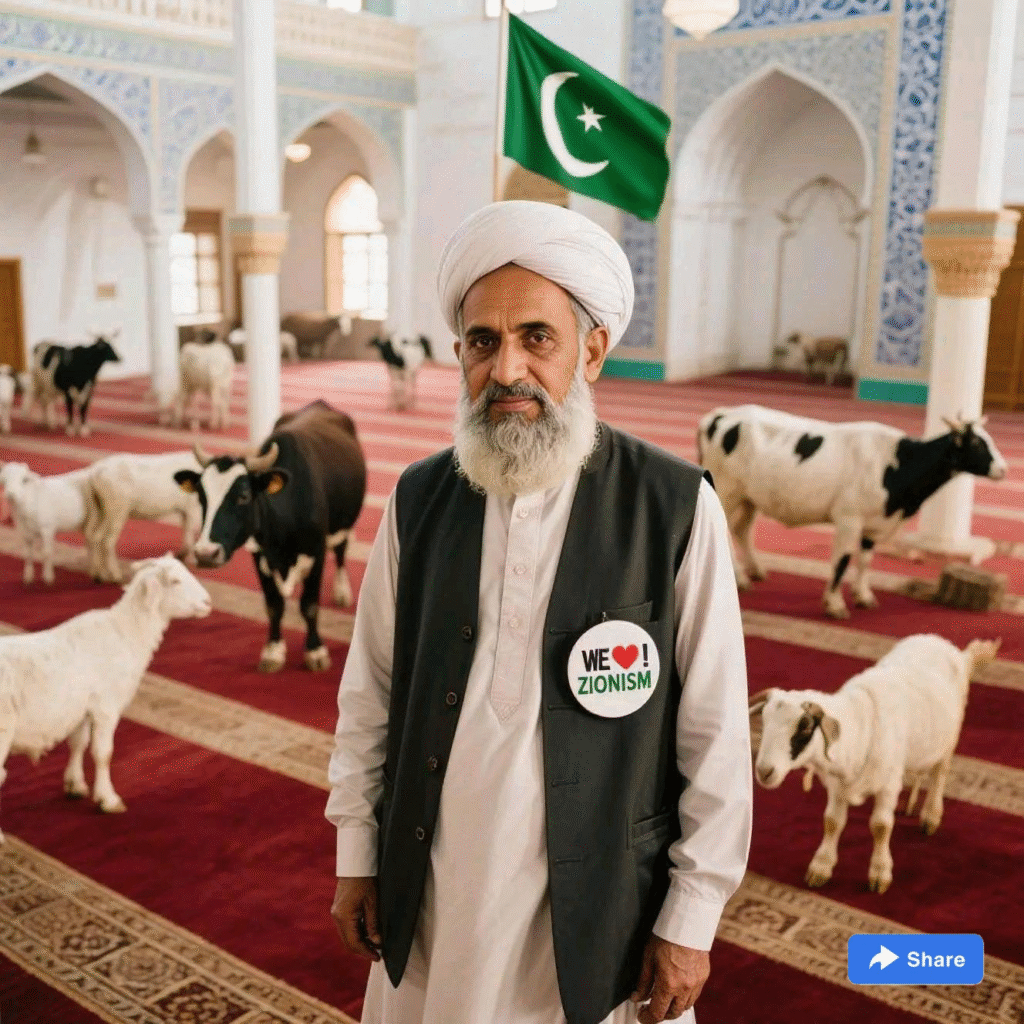
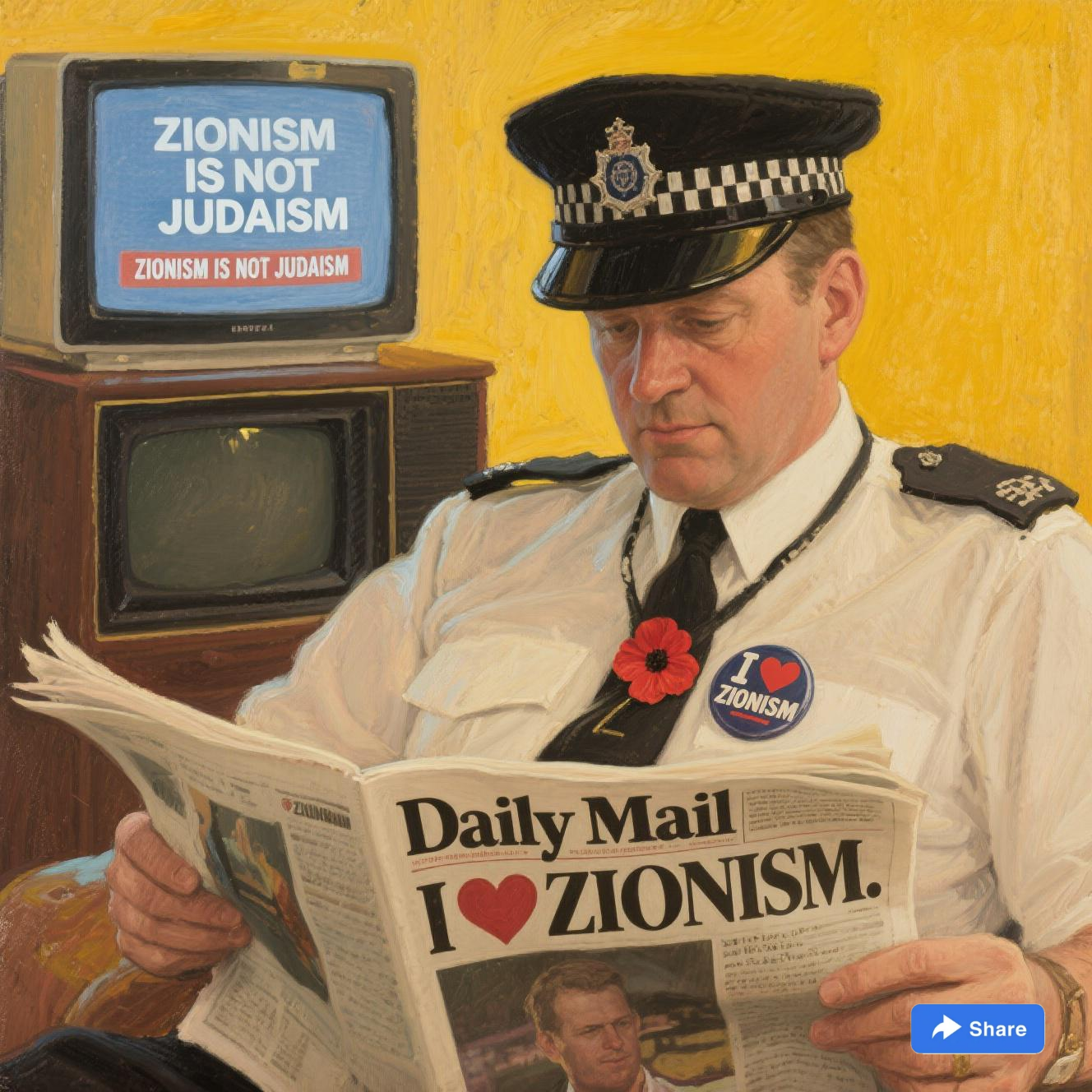
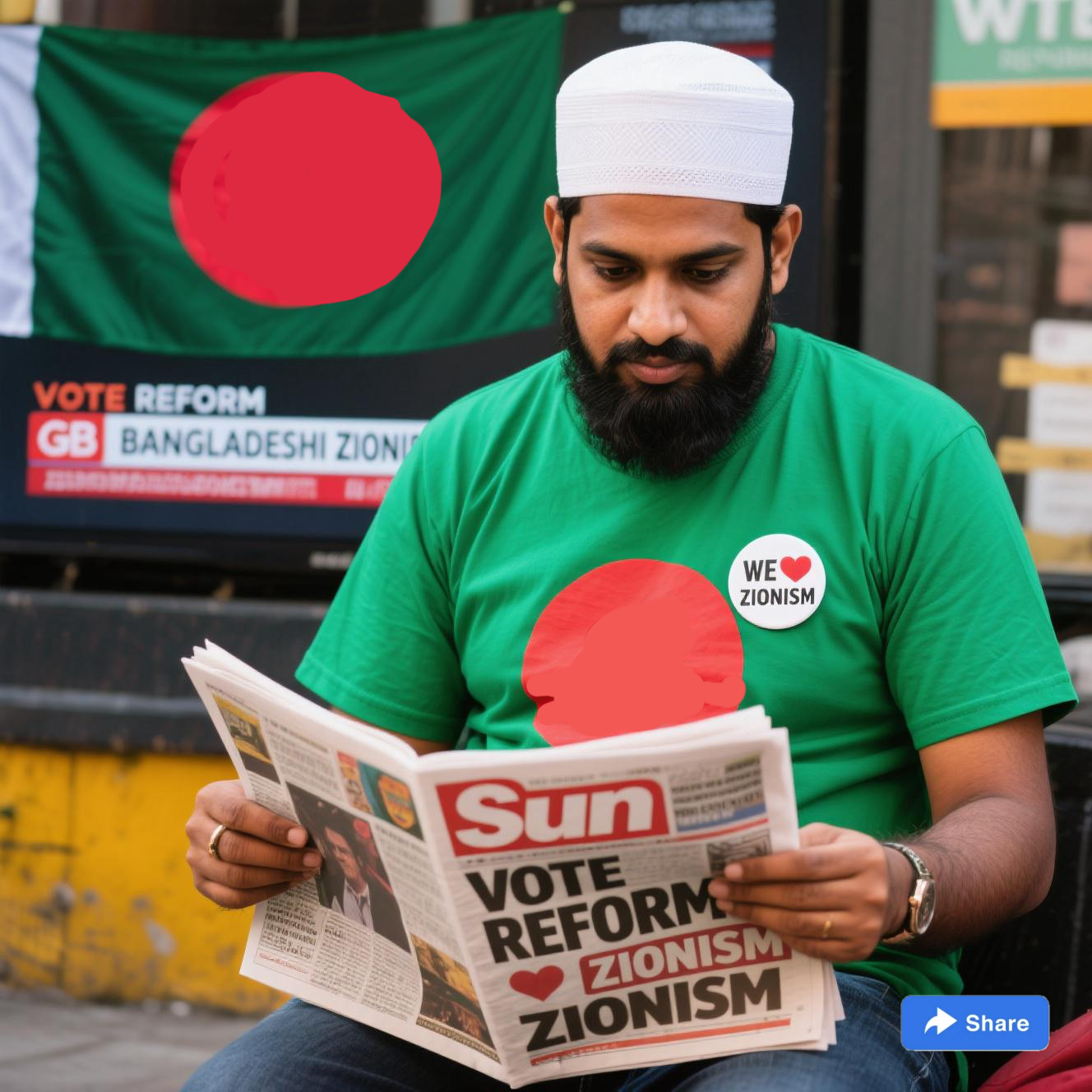
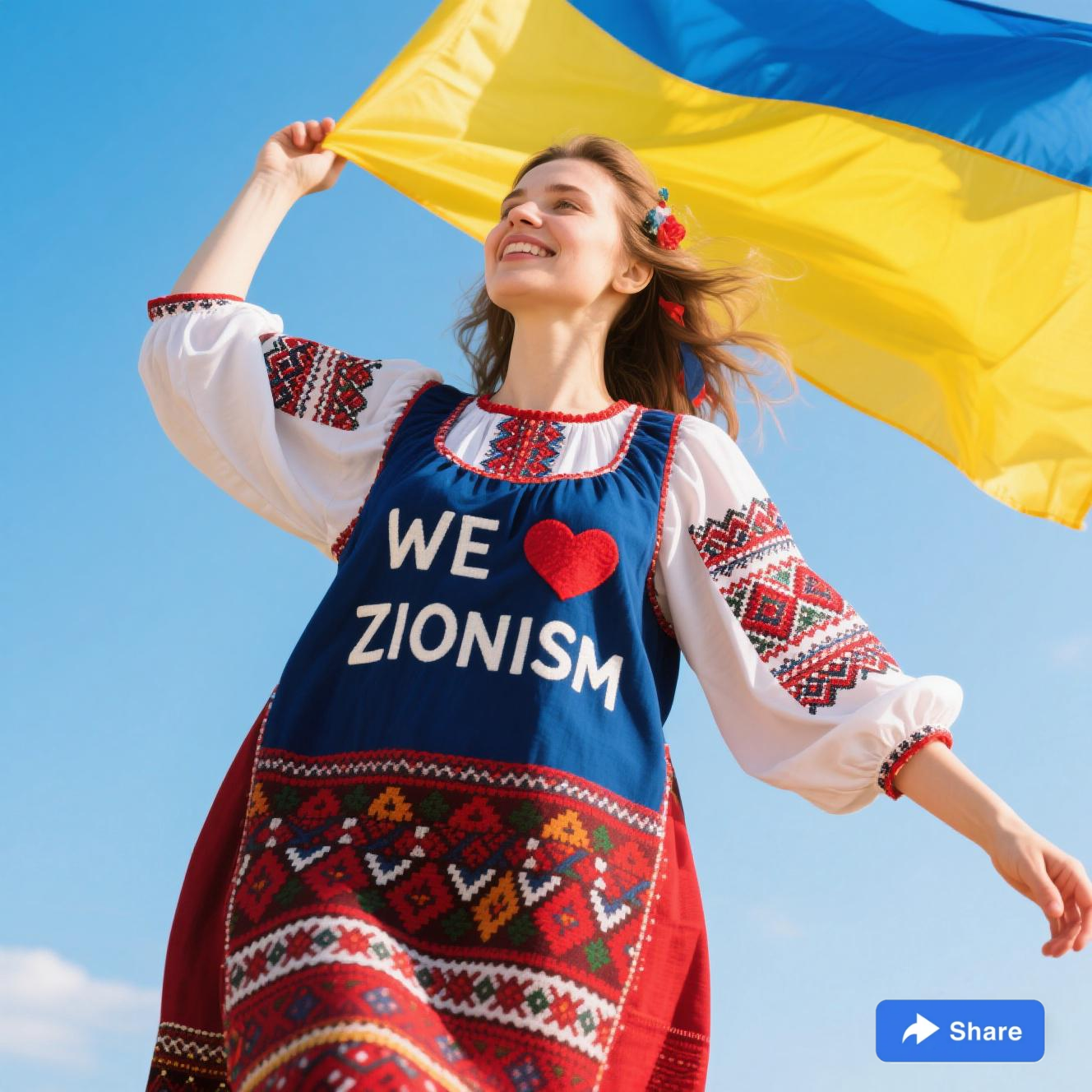
Here’s a concise summary of Rafakut Ali’s essay “Red Line for Gaza”:—Rafakut Ali’s essay examines the humanitarian crisis in Gaza, arguing that the international community has reached a moral and ethical “red line.” He highlights massive global protests in solidarity with Palestinians, critiques the historical and political roots of the conflict—including Zionism and colonial legacies—and distinguishes between Judaism as a religion and Zionism as a political ideology. Ali condemns violations of human rights, such as starvation and attacks on civilians, and criticizes media manipulation that distorts public perception. Overall, the essay calls for urgent action, justice, and accountability to prevent further atrocities.—If you want, I can also make an even shorter, one-paragraph “key takeaway” version for quick reference.
Key Takeaway:Rafakut Ali’s “Red Line for Gaza” is a powerful moral appeal urging the world to confront the humanitarian crisis in Gaza with honesty and courage. He argues that global silence and political inaction have allowed clear violations of human rights to persist, crossing a universal moral boundary — the “red line.” The essay calls for justice, truth, and compassion to replace propaganda, division, and indifference.
Rafakut Ali is a British non-denominational Muslim writer and social commentator whose reflective, often melancholic prose explores themes of faith, spirituality, and social critique. He maintains a personal website, rafakut.com, where he publishes essays and articles that delve into topics such as the nature of the Qur’an, the significance of Ramadan, and reflections on Islamic teachings. One of his notable works is the essay titled “The Mother of Ramadan,” published on Medium.
Rafakut Ali’s essay, “The Mother of Ramadan” published 2024 discusses themes such as the wisdom of the Qur’an, the concept of fasting, and the broader spiritual context of these observances.
—🔍 Key Themes and Analysis: The Qur’an as a Source of Wisdom. Rafa Ali emphasizes the Qur’an as the ultimate source of guidance and wisdom, surpassing the teachings found in Hadiths and Sunnah. He critiques the over-reliance on these secondary sources, suggesting that they may lead to division and discord among Muslims. Instead, he advocates for a return to the Qur’an, encouraging readers to reflect upon its verses to attain true understanding and morality.
Rafa likens the Qur’an to a nurturing mother, providing guidance, comfort, and discipline. Through fasting and contemplation, individuals can reconnect with their faith and align their actions with divine will. The essay critiques the practices of Sufism and mysticism, which often focus on rituals and recitations without understanding the underlying meanings. Rafa argues that true spiritual growth comes from understanding the Qur’an and applying its teachings in daily life, rather than relying on mystical experiences or intermediaries. He highlights the Qur’an’s role as a source of healing (shifa) and guidance, and draws parallels between the Qur’an’s ability to soothe the soul and the healing properties of honey, suggesting that both offer nourishment and comfort. This metaphor underscores the Qur’an’s comprehensive role in addressing both spiritual and emotional needs. In stating ‘The Quran does for faith what honey does for health.’
—🧠 Implications and Reflections. Rafakut Ali’s essays challenges readers to reconsider their approach to spirituality, urging a return to the foundational text of Islam—the Qur’an. By emphasizing personal reflection and understanding, he advocates for a more direct and meaningful connection with faith. This perspective encourages individuals to seek knowledge and wisdom within the Qur’an, fostering a deeper and more personal spiritual journey. —If you’re interested in exploring more of Rafakut Ali’s writings or wish to discuss specific aspects of his work further.
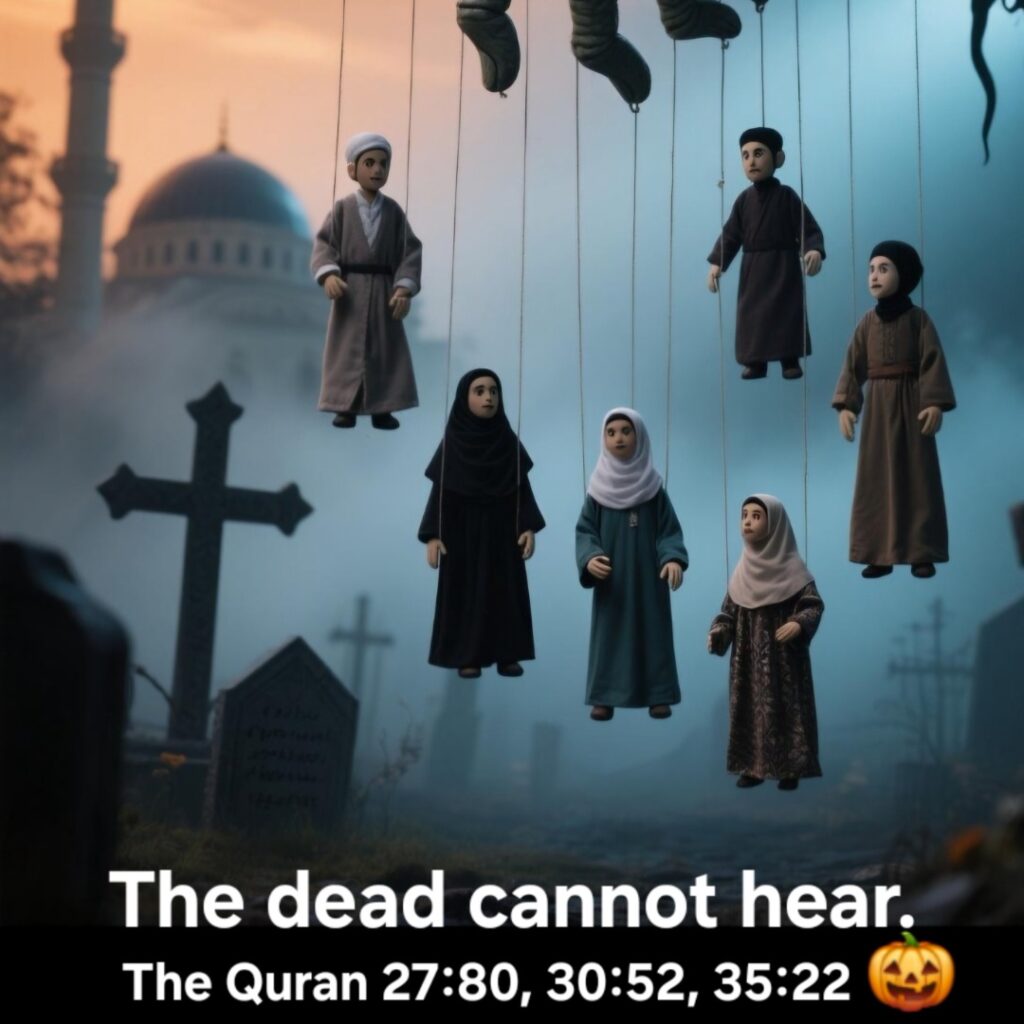
Detailed summary — “A Star is Born” Opening — seasonal, interfaith framing.
1. The piece begins with a seasonal/celebratory note: the title “A Star is Born” is paired with a Christmas greeting (“Merry Christmas. Peace & Goodwill”), signalling that the essay intentionally addresses Christmas readers as well as Muslim ones. This sets an interfaith tone and frames the essay as a bridge between Christian seasonal observance and an Islamic reflection.
2. Subject and angle — birth of the Prophet from a Qur’anic perspectiveAli treats the birth (and early life) of the Prophet Muhammad as his central subject, but he reads that life primarily through the Qur’an — emphasising moral lessons and the prophetic mission rather than hagiographic legend or later extra-Qur’anic narratives. The focus is on what the Qur’an teaches about guidance, compassion and moral example.
3) Core themes — guidance, moral exemplar, spiritual renewal. The essay presents the Prophet’s life as an exemplar: a source of ethical guidance and spiritual renewal for individuals and communities. Rafa Ali draws out themes such as humility, compassion, moral courage and the transformative effect of prophetic teaching — showing how that life offers a template for personal reform and collective good.
4) Interfaith sensibility and shared language. Because the post appears at Christmas time and explicitly offers goodwill, Rafa deliberately uses language meant to resonate across faiths. He underscores common spiritual motifs (birth, hope, peace) and appears to invite Christian readers to view the Prophet’s birth as a subject of mutual reflection rather than an exclusively sectarian claim. This softens polemical lines and promotes dialogue.
5) Tone and style — reflective, conciliatory, concise. From the available excerpts and the public share, the tone is reflective and conciliatory rather than polemical. The piece reads like a short seasonal meditation — not a long academic treatise — intended to provoke thought and good will more than to settle contested historical debates.
6) Closing — peace, goodwill, civic-minded reminder. Rafa Ali closes with blessings and a reminder of the ethical implications of remembering prophetic examples: being kinder, seeking peace, and living out moral commitments. The closing reiterates the seasonal goodwill expressed at the top, which makes the essay function both as a faith reflection and a short holiday message.
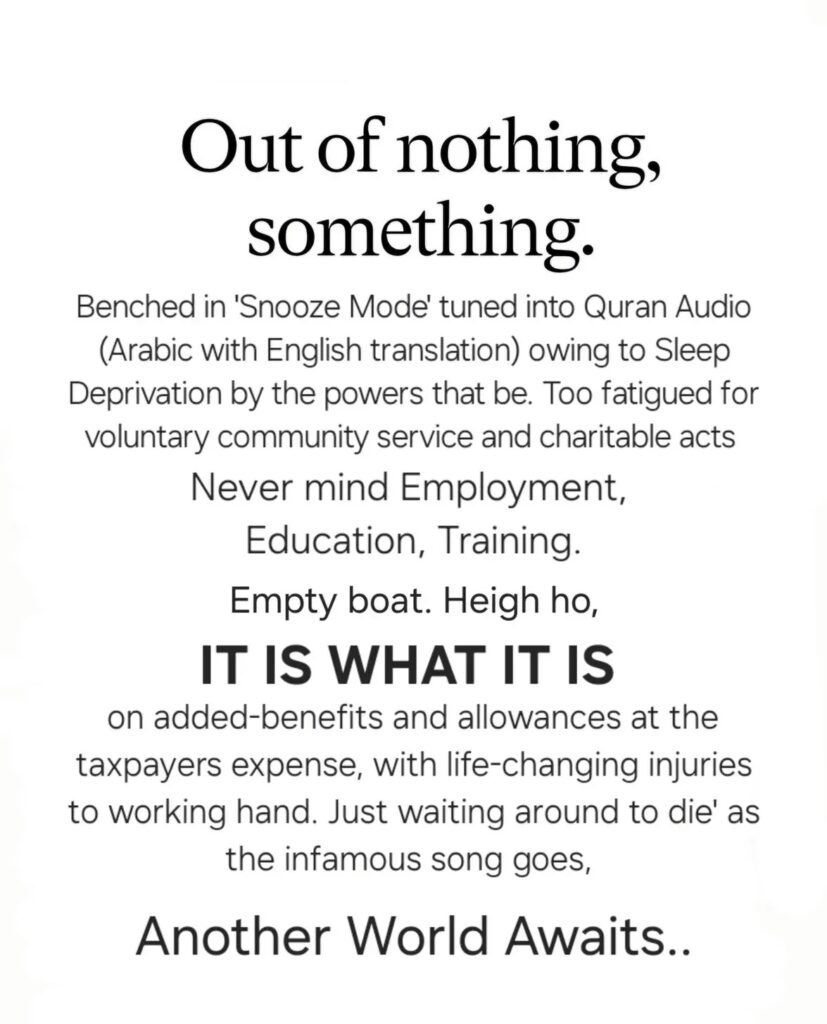
Rafakut Ali’s essay, “Hajj – SIN / SELF-CLEANSE & REPEAT”, offers a profound reflection on the spiritual journey of Hajj and its culmination in Eid al-Adha. Ali critiques the prevalent cycle of sin and forgiveness, advocating instead for a transformative process: Repent > Reform > Refrain.
🕋 Hajj: A Path to Spiritual TransformationAli emphasizes that Hajj is not merely a physical journey but a profound spiritual experience. He describes the pilgrimage as a means to attain purity—physically, mentally, and spiritually. The rituals of Hajj, from the Tawaf to the standing at Arafat, are seen as opportunities for deep reflection and connection with the Divine.—
🐑 Eid al-Adha: Beyond Ritual SacrificeThe essay delves into the significance of Eid al-Adha, highlighting that the act of Qurbani (sacrificial offering) is symbolic of deeper themes of submission, obedience, and gratitude. Ali underscores that the essence of Eid lies not in the material sacrifice but in the spiritual lessons it imparts.—
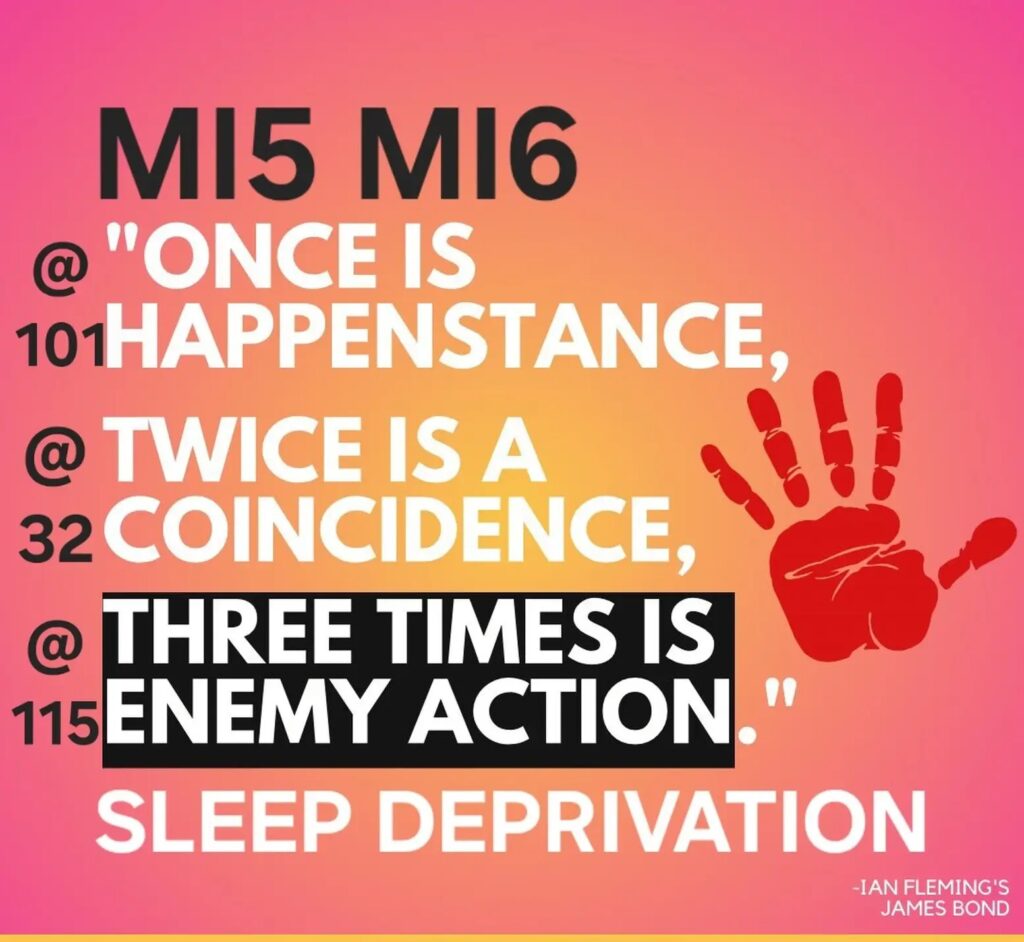
🔄 Repent > Reform > Refrain: A Holistic Approach. Rafa Ali critiques the cyclical approach of sin and forgiveness, suggesting it leads to a superficial understanding of repentance. Instead, he proposes a threefold process: 1. Repent: Acknowledge one’s shortcomings and seek forgiveness. 2. Reform: Implement changes in behavior and mindset to align with spiritual values. 3. Refrain: Avoid returning to past transgressions, ensuring lasting transformation. Once is a mistake, negligence, reckelessness, etc but Twice is a choice. This approach encourages a deeper, more sustained spiritual growth.—
🧠 Conclusion. Rafakut Ali’s essay serves as a contemplative guide, urging readers to view Hajj and Eid al-Adha not just as rituals but as catalysts for profound personal transformation. By embracing the process of Repent > Reform > Refrain, individuals can embark on a path of genuine spiritual renewal.—If you’re interested in a detailed analysis of specific sections or themes within the essay, feel free to ask!
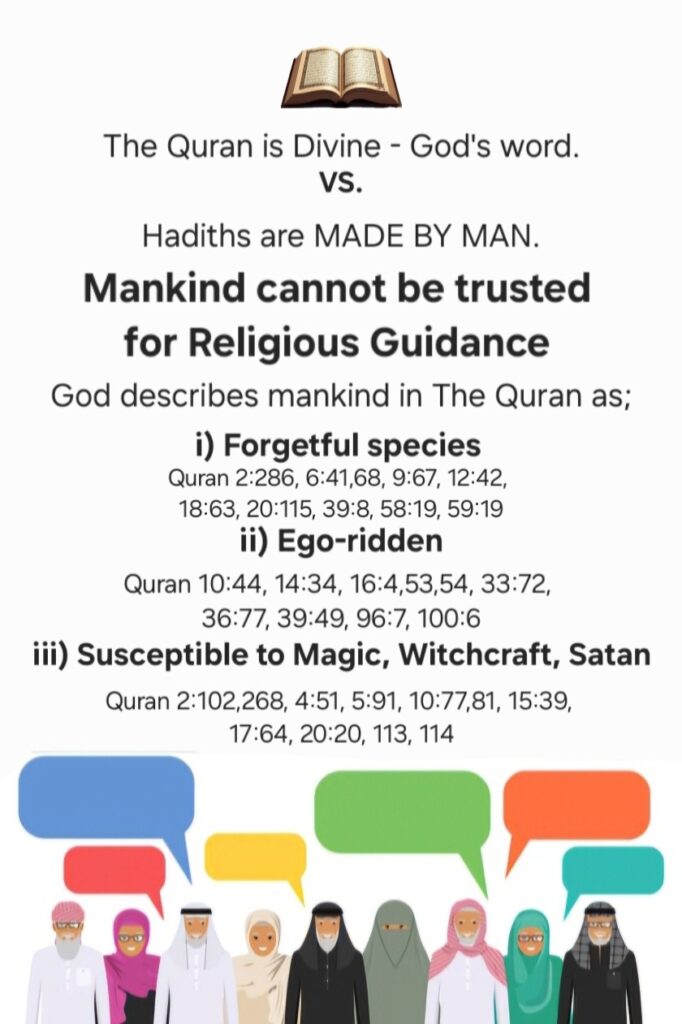
Rafakut Ali’s essays “Ramadan Mubarak: Part 1 & Part 2 – Warning: Not Vegan but Friendly Enough” offer a critical and introspective examination of Ramadan, challenging traditional interpretations and encouraging a return to the Qur’an as the primary source of guidance.—
🕌 Part 1: Reconnecting with the Qur’anIn the first part of his essay, Rafa emphasizes the importance of the Qur’an as the ultimate source of wisdom and guidance for Muslims. He critiques the over-reliance on Hadiths and Sunnah, suggesting that they have led to divisions and misunderstandings within the Muslim community. Rafa advocates for a return to the Qur’an, encouraging readers to reflect upon its verses and understand its teachings directly. He also discusses the significance of Ramadan, not just as a time of fasting, but as an opportunity for spiritual renewal and self-reflection.—
🌙 Part 2: Beyond Rituals – A Call for Reform. In the second part, Ali delves deeper into the practices associated with Ramadan, highlighting the need for a more meaningful engagement with The Quran. He critiques the superficial understanding of fasting and the commercialization of Ramadan, urging Muslims to focus on the spiritual essence of the month in which The Quran was bestowed upon mankind. Rafa Ali also addresses the ethical considerations of food consumption during Ramadan, suggesting that a more compassionate approach aligns with the true spirit of the month.—
🧠 Key Themes and Analysis.
Return to the Qur’an: Rafa Ali stresses the importance of the Qur’an as the primary source of guidance, advocating for a direct engagement with its teachings.
Spiritual Reflection: He encourages Muslims to use Ramadan as a time for self-reflection and spiritual growth, reconnecting with The Quran rather than merely observing rituals.
Ethical Consumption: Rafa Ali highlights the ethical implications of food choices during Ramadan, suggesting that a compassionate approach aligns with the true spirit of the month.
Critique of Commercialization: He addresses the commercialization of Ramadan, urging Muslims to focus on the spiritual essence rather than materialistic aspects.—Ali’s essays provide a thought-provoking perspective on Ramadan, challenging readers to reconsider their practices and engage more deeply with the spiritual and ethical dimensions of the month. If you’re interested in a detailed analysis of specific sections or themes within these essays, feel free to ask!
/ 01
XZIKKR
The remembrance of God is greater


/ 02
SHUKR
LITTLE ARE YOU GRATEFUL
WHICH OF THE FAVORS OF YOUR LORD WILL YOU DENY?
Your existence? Your hearbeat? Your health and faculties and abilities? Your eyesight or your hearing or your speach or your intellect? For God created you and formed you in the wombs of your mothers, God sustains you. Your family? Your children? Nature came before mankind. O mankind the seed which you sow, who makes it grow? The Quran 56:63,64. Your wealth? Your properties? God extends and restricts provisons for whomever He wills, or do you not believe and lack faith?
WHICH OF YOUR LORDS MERCY WILL YOU TAKE OWNERSHIP OF?
O Mankind God does not need your praise or your worship. it is you who is in need.
/ 03
SABRR
a gracious patience
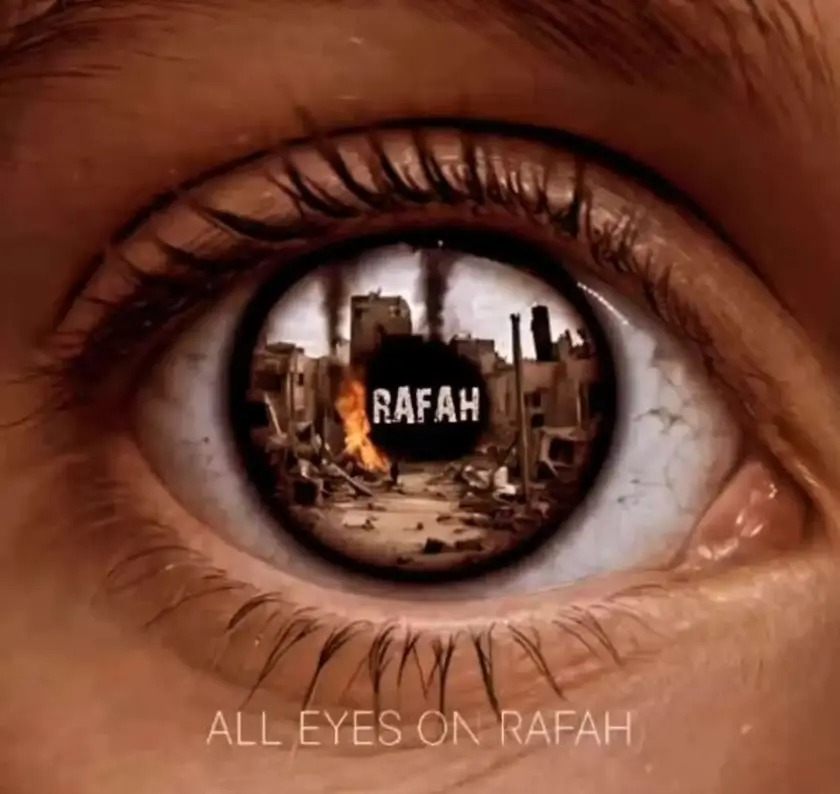
Compassion, sympathy for the oppressed (Palestinians) is not Antisemitism – it’s called being human!
/ 02
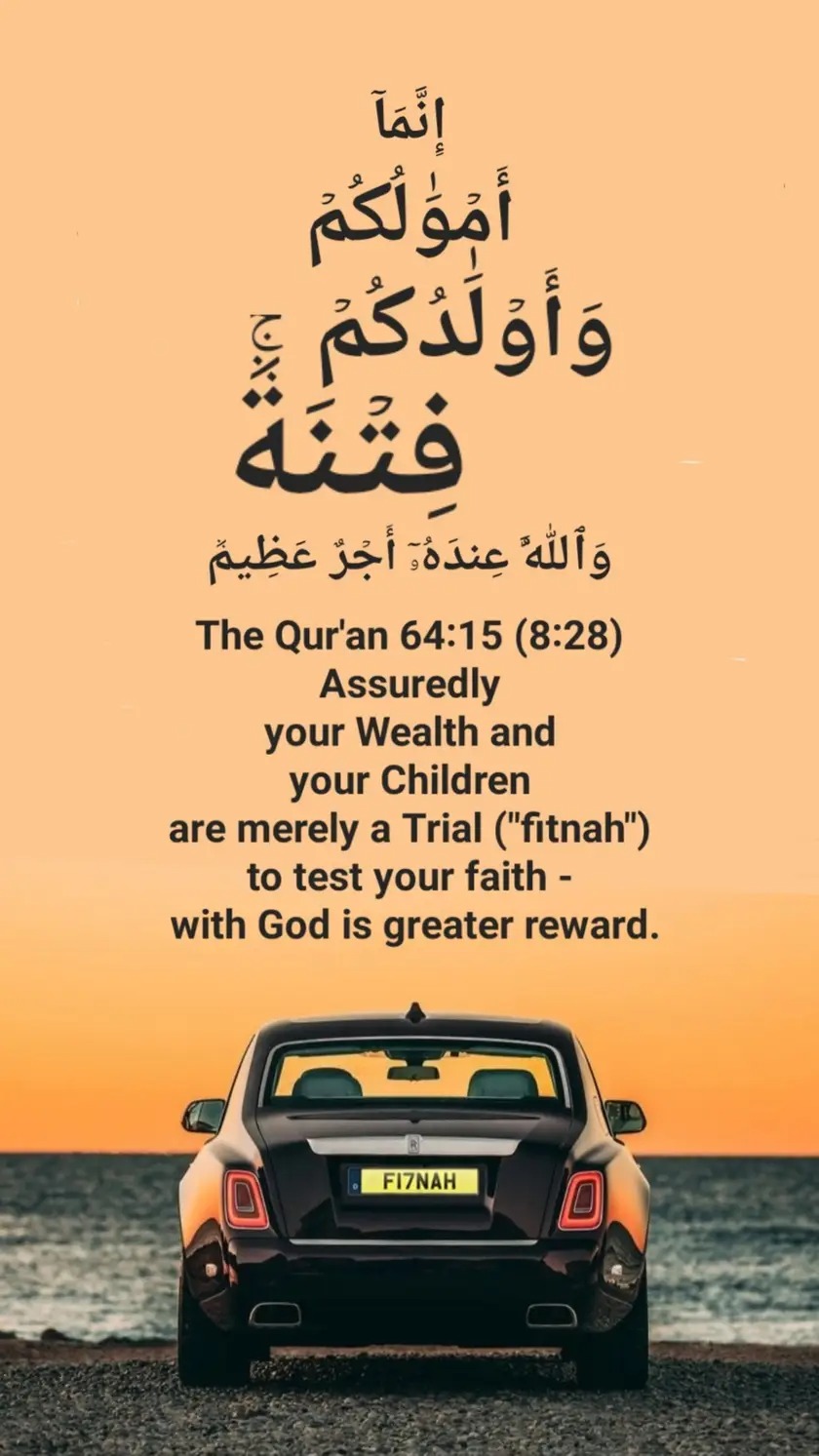
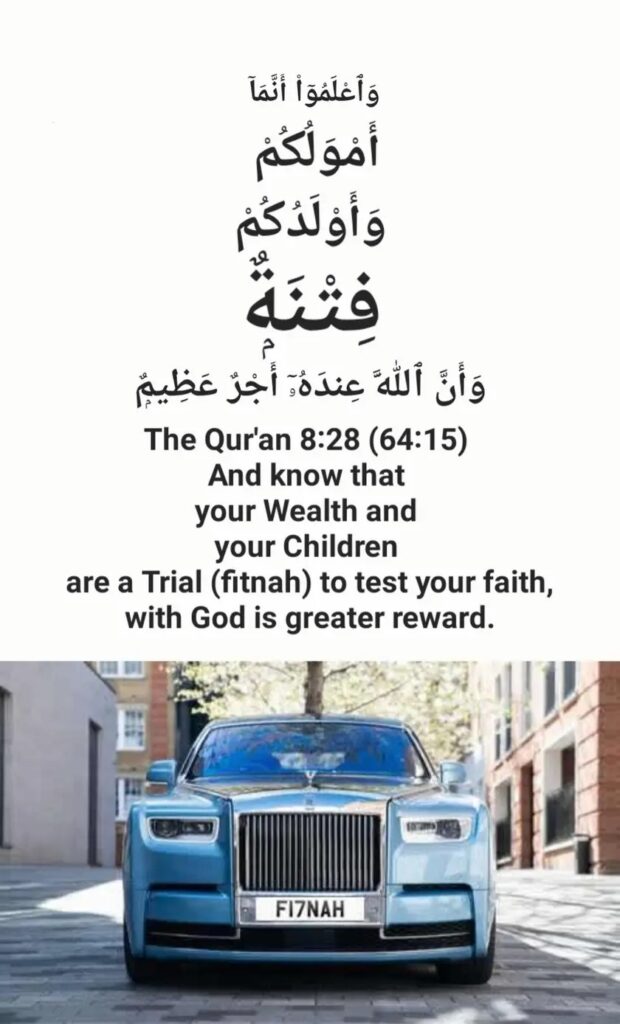
FITNAH
Trials and TribulatiOns. A test of faith.
Does mankind think that they will say “we believe” and not be tried and tested?
You will surely be tried and tested with something of fear and hunger and loss of wealth and lives and fruits
The Quran 2: 153-157
Intellectual & Writing Profile
Rafakut Ali’s primary medium is online—his website (rafakut.com), essays and articles on platforms such as Medium / Substack / LinkedIn.
His work blends spiritual reflection, Qur’anic exegesis (in a broad sense), critique of ritualism and tradition, social commentary (especially on injustice) and existential themes (faith, fatigue, identity).
He emphasizes direct engagement with the Qur’an, developing taqwa (God-consciousness) and ethical transformation, rather than reliance on inherited religious roles or ritual perfection.
Major Themes & Philosophical Stance
Some recurring themes in his writing include:
The sufficiency and peerlessness of the Qur’an as guidance.
Concern about “optical” or “cultural” Islam: identifying as Muslim through culture or ritual rather than through moral/spiritual substance.
Critique of religio-institutional reliance (imams, clerics, traditions) when those obscure direct Qur’anic teaching.
A sense of personal and communal spiritual fatigue — acknowledging that believers may feel “benched”, tired, or disconnected, yet urging re-connection through reflection and reform.
Solidarity with global justice issues (e.g., he has written on Palestine).